





Art & Culture
Masterpieces Wrapped in Stories

-
- MOTS-CLÉS ASSOCIÉS
-
- DERNIÈRE MISE À JOUR
- 4 Février, 2026
Introduction | From “Buying” to “Knowing”: The Allure of Traveling Crafts
Humans, at our core, are storytellers. This innate human characteristic and desire fails to be diluted with time, despite living in this era of hyperspeed, mass consumption and mass production. Handmade crafts are the tangible products of a story, with each piece embodying a sense of “invisible time”. Embedded within them is the maker’s philosophy and hours dedicated to the craft.
Japan’s cultural landscape holds an insurmountable amount of stories and people behind its crafts. This feature will be a deep dive into five main crafts originating from the Seto Inland Sea region in Japan, each one representing a distinct philosophy, regional character, and cultural memory.
Table of Contents
- 1. Toyooka Bags, Masumi Hono and Toyooka Kaban Artisan Avenue (Hyogo) | The "Town of Bags" with a 1000-Year History
- 2. Japanese Sword, Bizen Osafune Token Village, Bizen Osafune Japanese Sword Museum(Okayama) | From Weapons to Art: Iron Artistry Imbued with Spirit
- 3. Kumano Brushes, Fudenosato Kobo (Hiroshima) | The Delicate World of Brushes Accompanying Calligraphy and Beauty
- 4. Tokuji Handmade Washi Paper, Chijimatsu Washi Workshop(Yamaguchi) | Paper Memories, Sourced Alongside Clear Streams
- 5. Indigo Dyeing, Indigo Dyeing Studio Ruafu (Tokushima) | The "Philosophy of Indigo" - From Farming to Dyeing
- 6. Summary | Inherited Skills and Beauty: The Finest Crafts of Setouchi
1. Toyooka Bags, Masumi Hono and Toyooka Kaban Artisan Avenue (Hyogo) | The "Town of Bags" with a 1000-Year History
In Toyooka City in Hyogo Prefecture, also known as the “City of Bags”, lies a family owned business and factory, Masumi Hono. Masumi Hono is a company with a history of over 100 years, and its roots are connected to the ancient 1,300 tradition of willow weaving, which dates back to the Nara period (710-794). Also known as yanagi-gori baskets, these willow baskets have played a large part in shaping the popularity of the area. Generations of craftspeople at Masumi Hono are innovators at heart, with their products taking on various forms throughout the years. 。
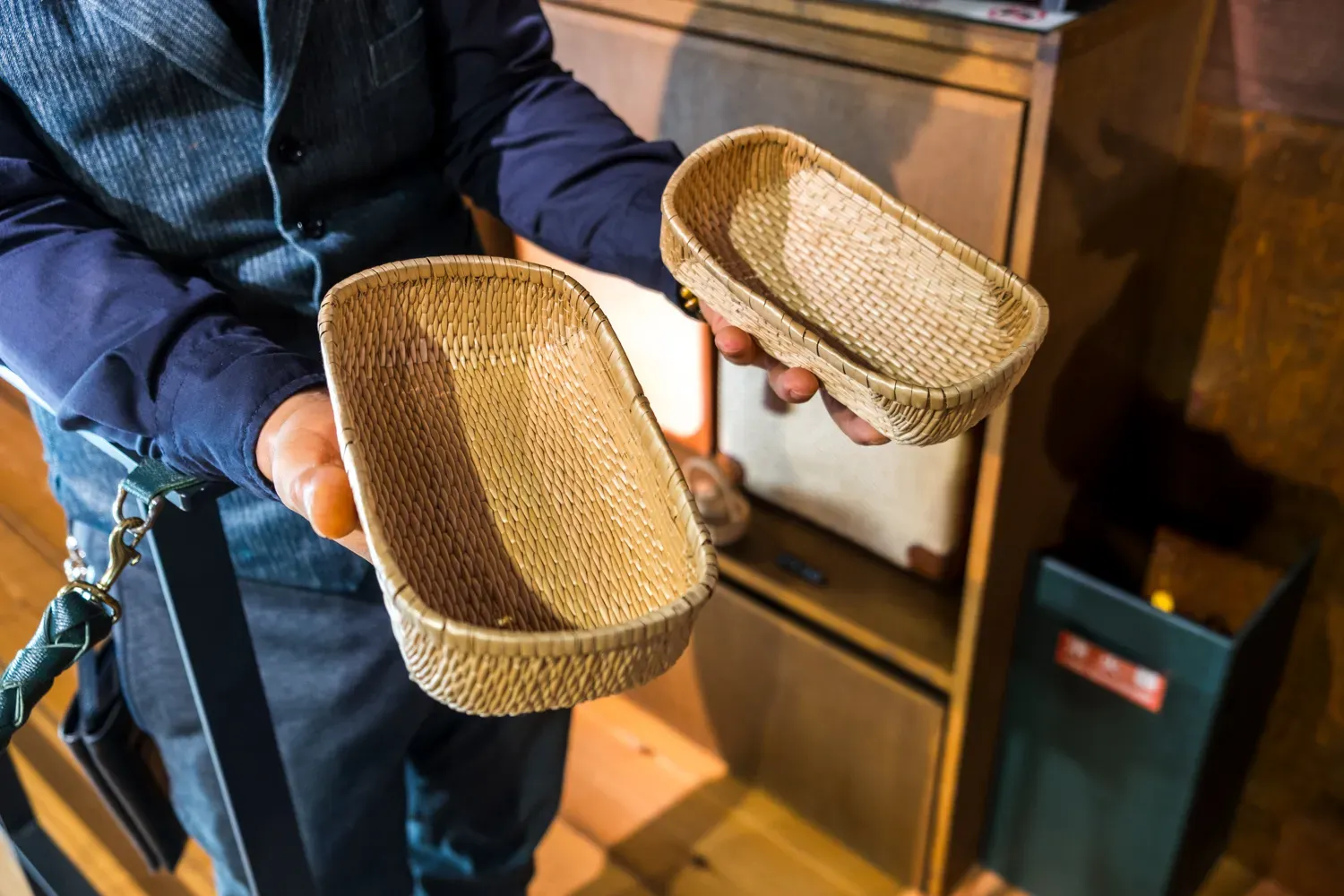
The first generation focused on transforming the willow bag into luggage, and for durability, utilized paper and lacquered finishes. The second generation proceeded to create structured boxes, and finally, focusing on leather goods. The third and current generation, now prides themselves on custom orders, replacing the idea of “what should be” with “what could be”.
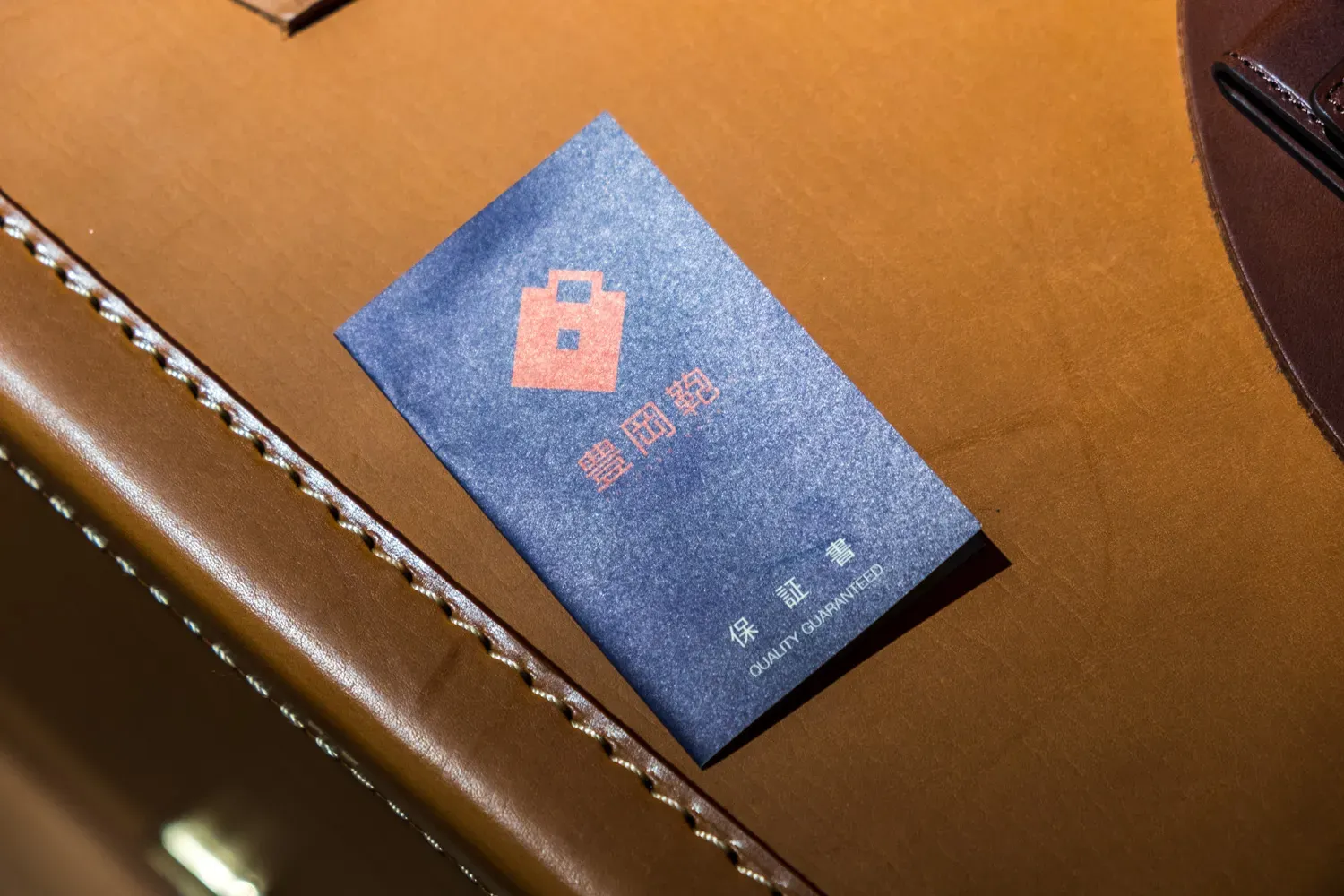
Currently, a group of 22 bag-artisans at Masumi Hono are specializing in taking on these custom orders. Limited to two groups per day, visitors can walk in, select their preferred leather texture, and make a request for their very own, customizable bag. Any purchase of a Masumi Hono bag is labeled in red and blue, certifying its guarantee of exceptional quality.
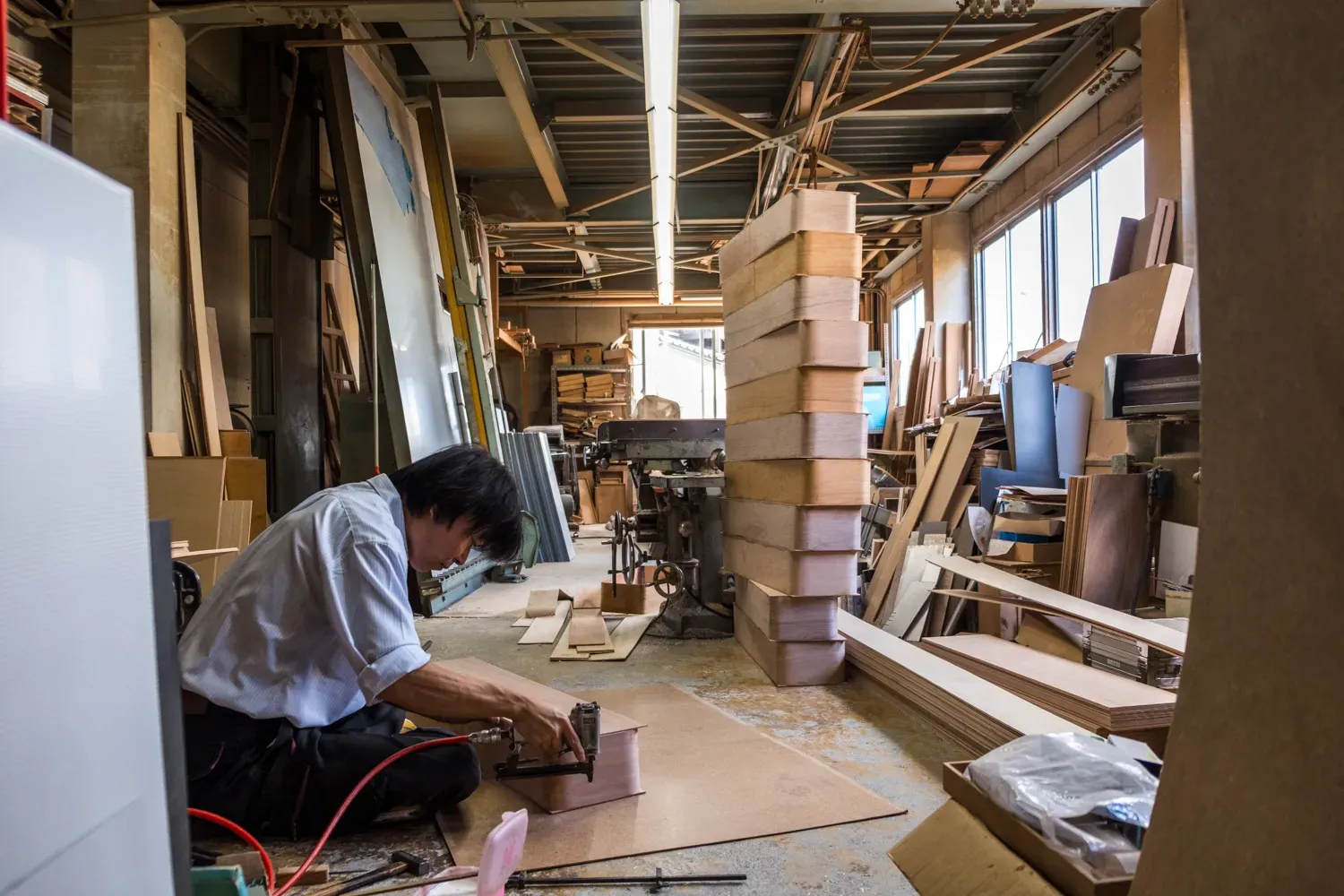
With strong ties to the local community’s educational resources, Masumi Hono is committed to and cares deeply for the future generation of artisans. Its business doubles as a centre for learning, helping to make a home for people eager to master its craft and trade. With the help of two local technical schools, these educational resources have provided a new generation of innovators with the tools and knowledge necessary to continue the city’s legacy.
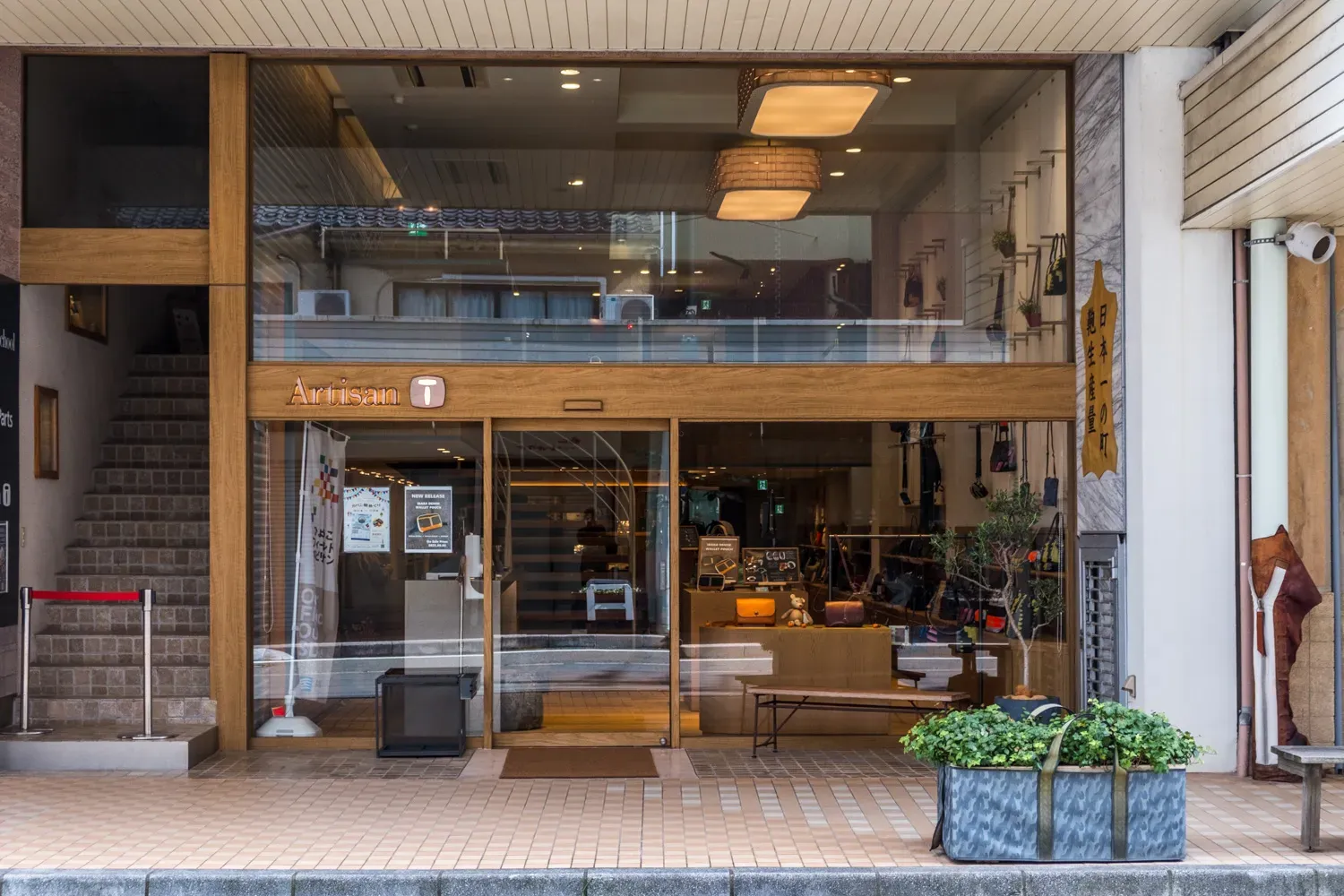
In addition to a factory visit, those visiting Toyooka can step into the world of bags inside and outside of Toyooka Kaban Artisan Avenue, a premier bag shop, showcasing and selling various bag makers of various styles from the area, including those of Masumi Hono. Outside the store, the area upholds its reputation as a hub for bag design. Becoming a new owner of one of these artisan bags means its story will eventually be yours to continue. And inevitably, “the more you use the bag, the more character it shall gain”.
2. Japanese Sword, Bizen Osafune Token Village, Bizen Osafune Japanese Sword Museum(Okayama) | From Weapons to Art: Iron Artistry Imbued with Spirit
Bizen Osafune, located in Okayama Prefecture, is best known as a sacred place for Japanese swords. Dating back to the Kamakura period, it hosts the largest production volume of swords in the country. Though swords are generally thought to have been used mainly for purposes of war, they were also, and often known as symbols of good fortune, said to protect owners from “bad luck” and sickness. Swords could be owned by numerous generations of a family – the holes visible on the sword’s handle were signs that they were custom made to suit each new owner.
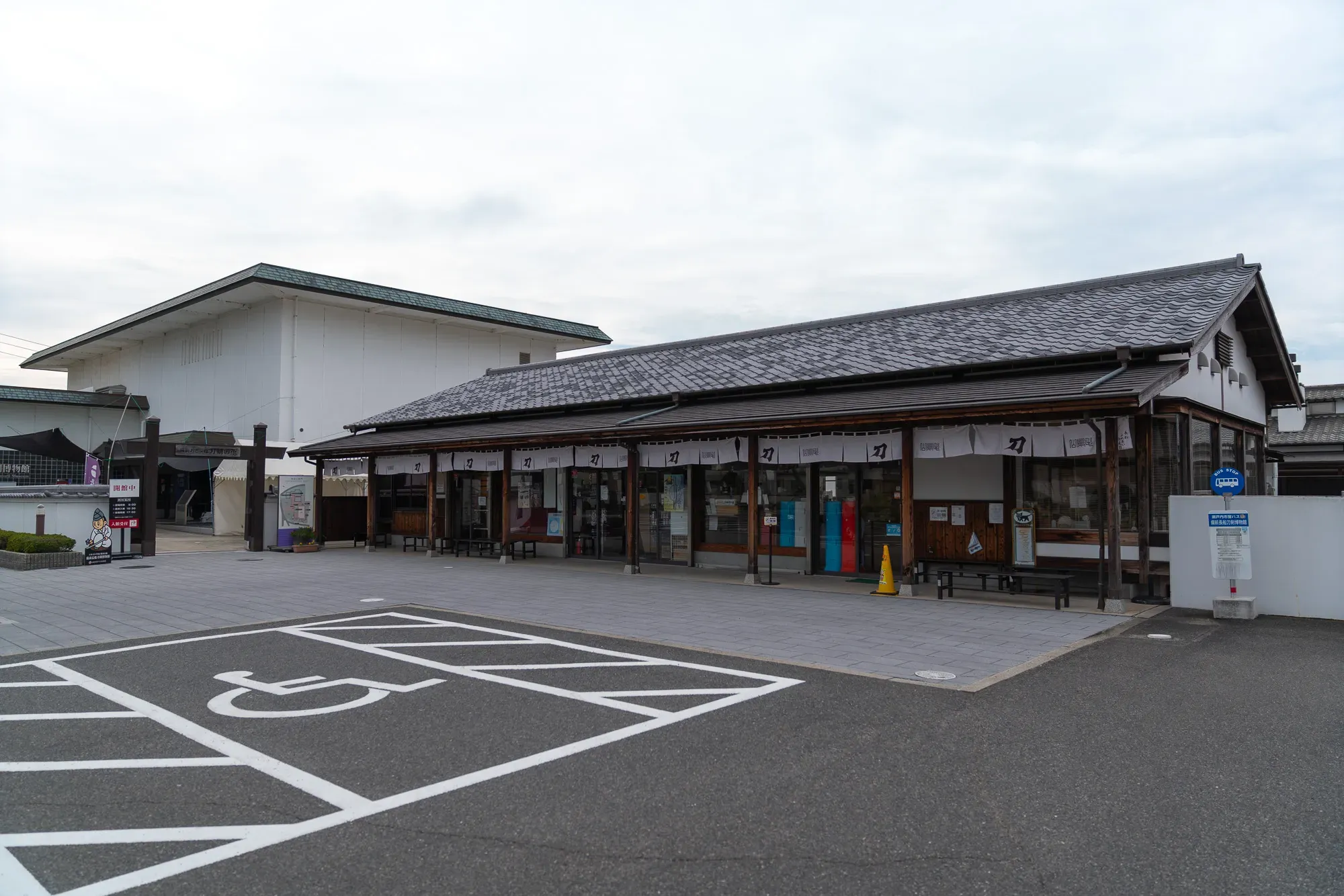
The city attracts fans of the craft, both Japanese and international visitors alike, and is home to the Bizen Osafune Japanese Sword Museum. Focusing mostly on the katana sword, the primary sword produced in the region, the museum provides visitors with an inside look at its production methods, and a deep dive into its history (with descriptions available in both Japanese and English) through its gallery and educational spaces.
Popular amongst international tourists is a traditional forging observation that is held on a monthly basis. Up close and personal, visitors can witness the tamahagane (high quality, made-in-Japan steel), being mended at a high temperature of 1,200 degrees. In tamer fashion and on a regular basis, visitors are also welcome to attend a sword forging workshop, where the production, engraving, and sharpening processes can be observed.
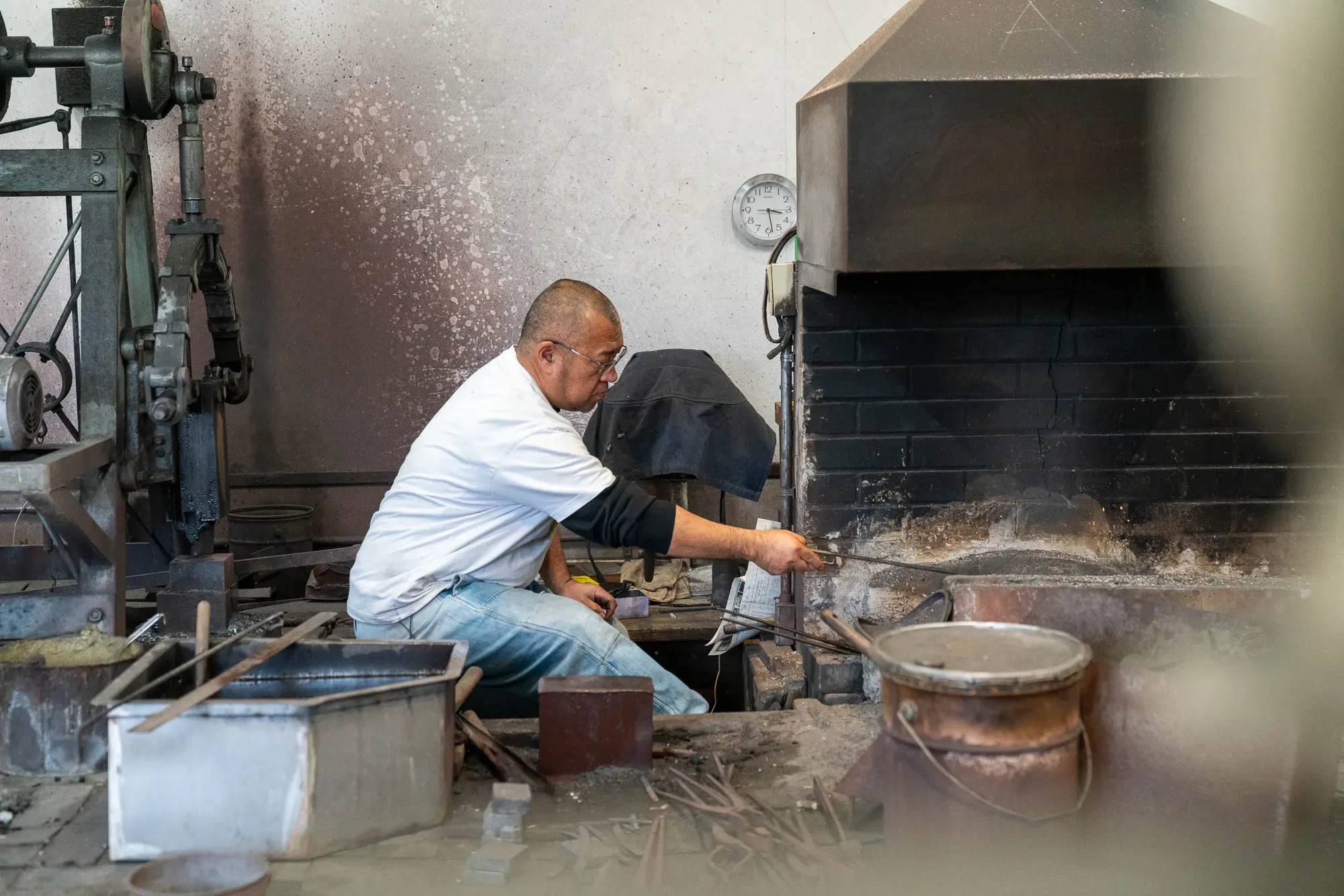
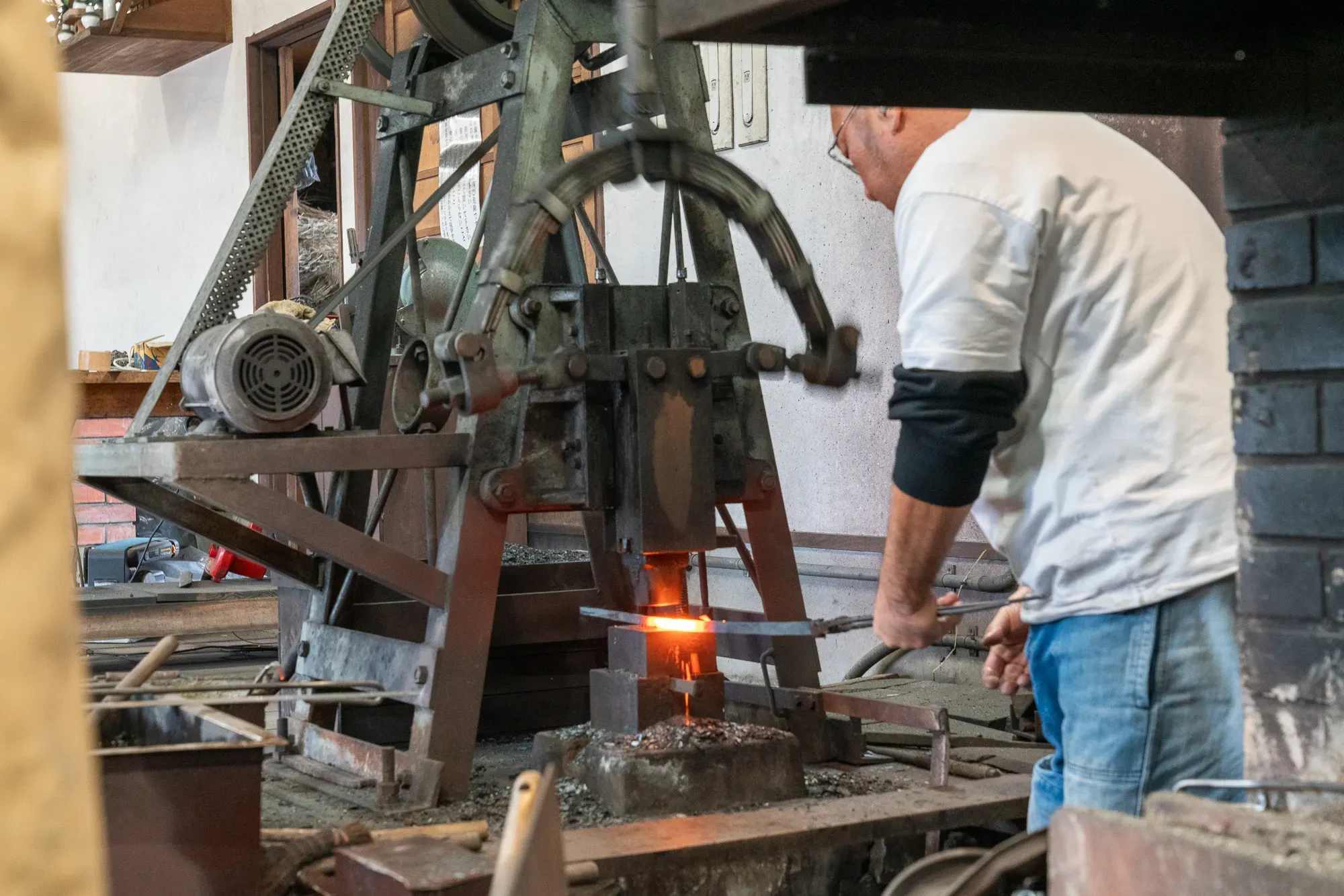
Master swordsmith Ando, who is originally from Tsuyama, Okayama, has been contributing to the museum for the past 21 years, dedicating his time to the art of sword-making on a daily basis. His hands are emboldened by the heat of the forge and the clanging of hammered iron, and his movement conveys the weight of the sword's story and traditions.
3. Kumano Brushes, Fudenosato Kobo (Hiroshima) | The Delicate World of Brushes Accompanying Calligraphy and Beauty
Highly regarded and well known worldwide, brushes made in the town Kumano, Hiroshima Prefecture, are known as Kumano Brushes. Kumano has historically been Japan’s centre for art and culture, supplying the vast majority of the country’s writing, painting and cosmetic brushes for over 180 years. Beloved by modern makeup artists around the world, the history of Kumano brushes' dates back to the late Edo period (around the 1830s). The Japanese national government officially recognized the brushes as a “traditional craft” in 1975.
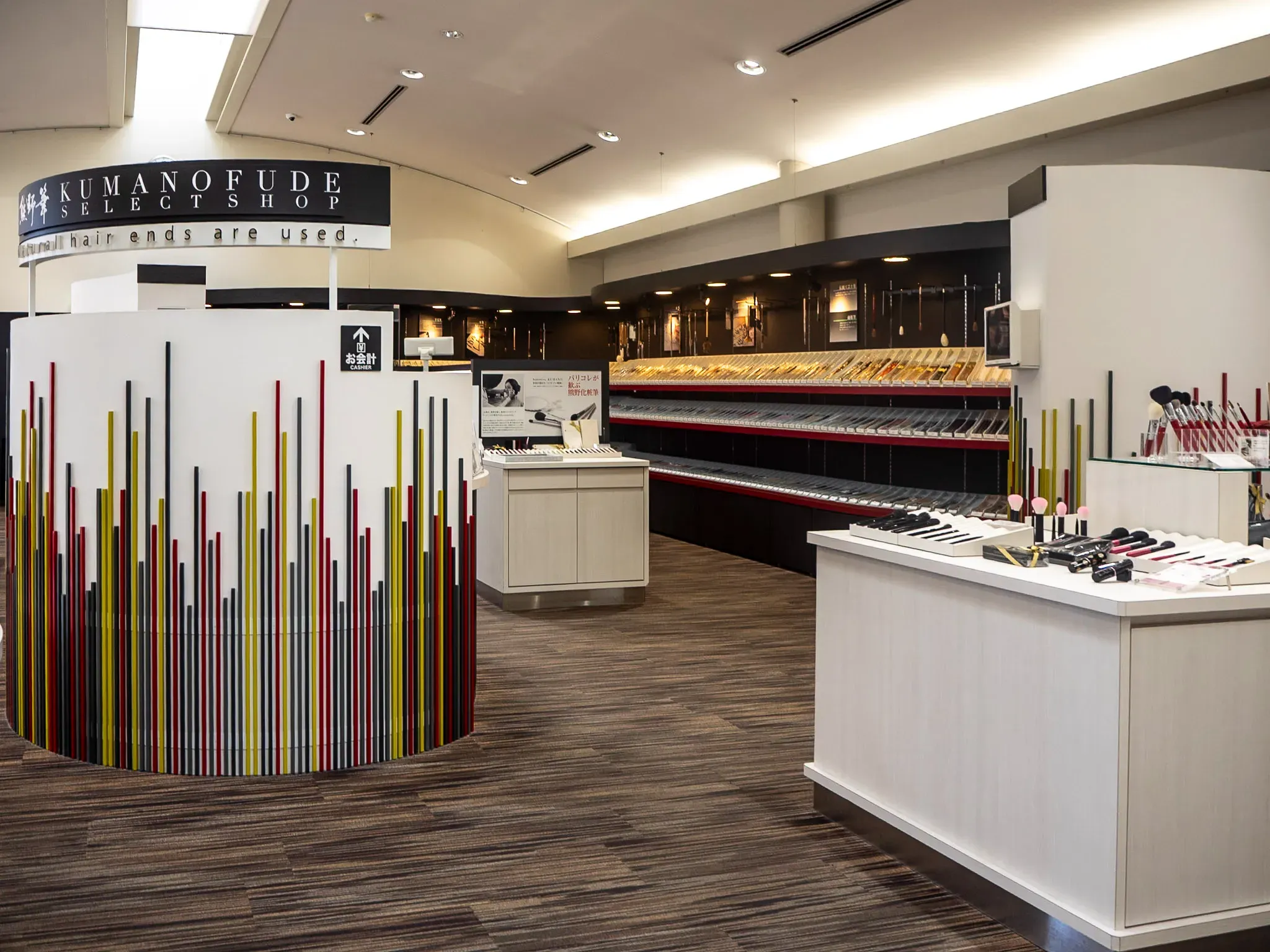
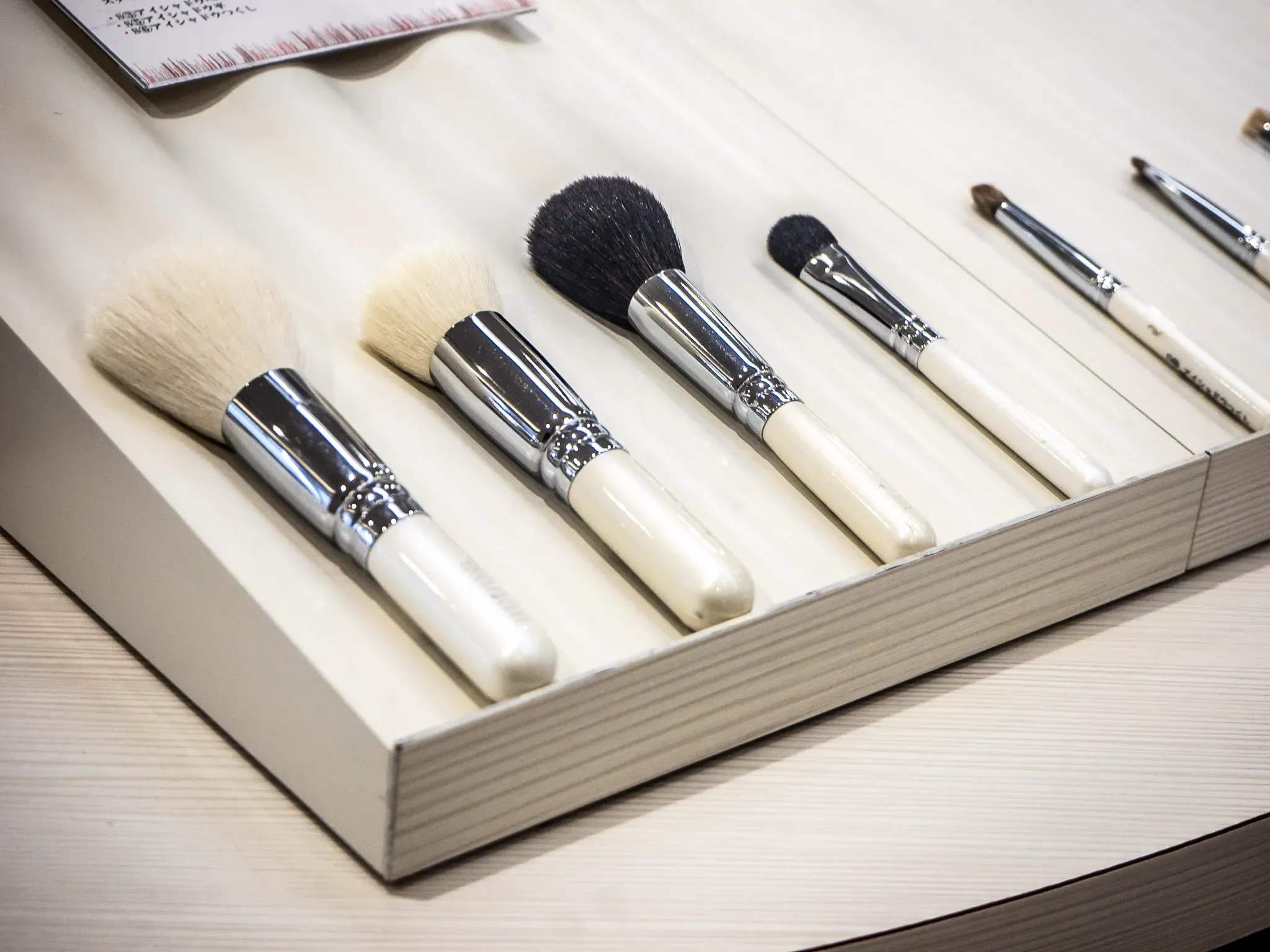
Visitors to Kumano can dive into the intricacies of Kumano brushes at Fudenosato Kobo through shopping or workshops. On the first floor, the Kumano Fude Select Shop’s shelves hold over 1,000 varieties of brushes from more than 31 different makers, destined for calligraphy, painting, and cosmetic use. Advisors are there to assist customers and are able to match brush type and shape to its practical use, allowing one to compare the feel across brands in one go.
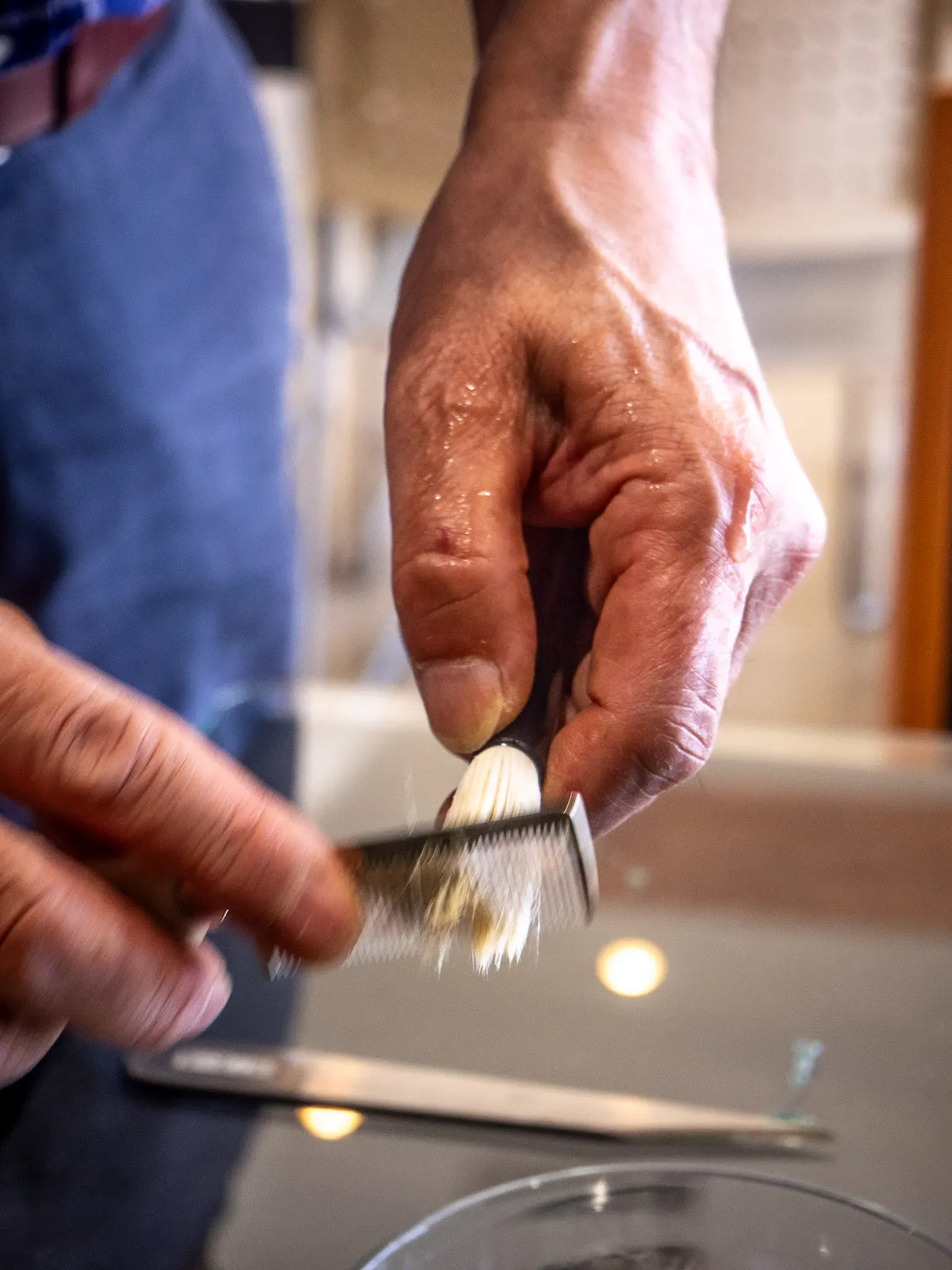
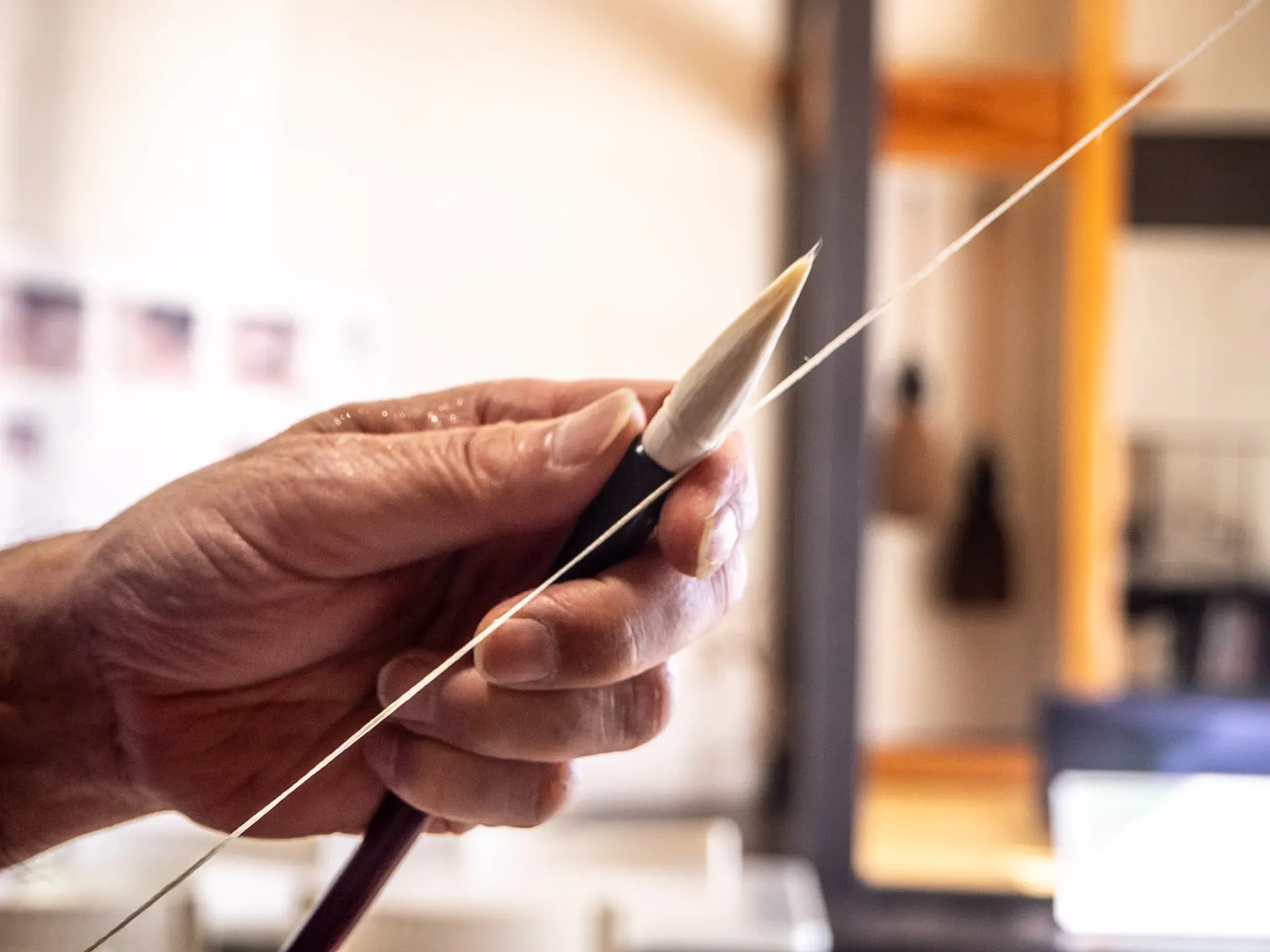
At the core, Kumano brushmaking is all about the assembly of natural hairs — the texture of the brushes is that of carefully selected natural animal hairs. Craftspeople will select and group hair, then work ash into the fibers. Upon removing the oils, damaged hairs are carefully combed through and brushed off. At that point, the roots can be trimmed to fit the required length of the brush. Once a cylindrical shape is formed, the bound tuft of hair is inserted into the handle, and the brush is glued and shaped one last time.
Despite the veteran's swift movements, behind his actions lies his masterful art of judgement. Requiring at large 12 years of training in addition to passing a certification exam to be professionally recognized, the process is far from simple.
4. Tokuji Handmade Washi Paper, Chijimatsu Washi Workshop(Yamaguchi) | Paper Memories, Sourced Alongside Clear Streams
For over 800 years, Tokuji town in Yamaguchi Prefecture has been home to a long line of washi paper production. Dating back to the Kamakura period (1185–1333), it was the backbone of its people’s livelihood, alongside their farming practices. In recent times, with the growth of factories and industrialization, younger generations flocked to bigger cities for long-term employment, forever changing the ways of work for the local community.
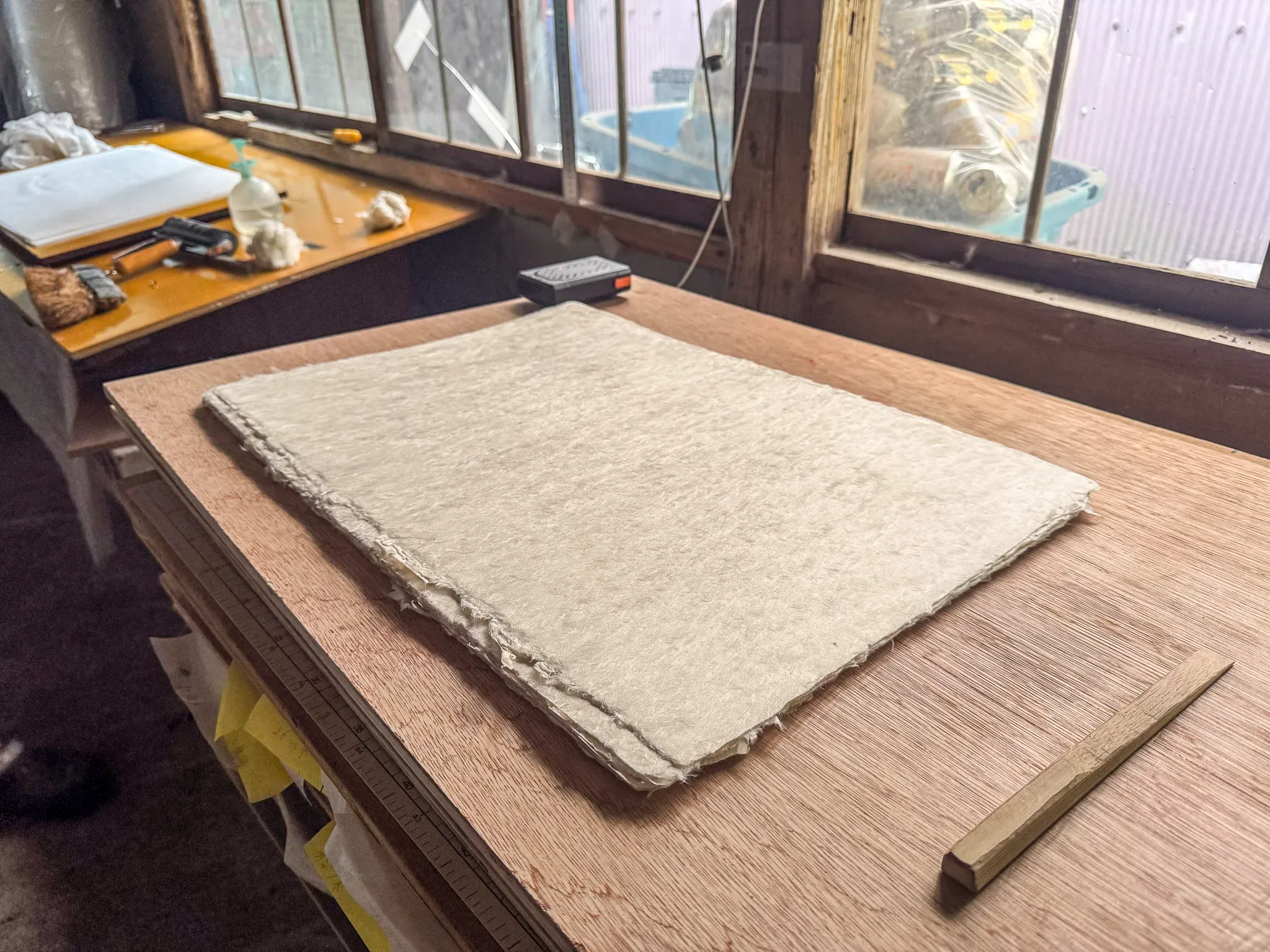
These changes have instilled in Chijimatsu (head of the Chijimatsu Washi Workshop) an unwavering sense of duty to preserve its washi making traditions, with an attempt to overcome the current realities of today’s social landscape.
Designated as a Yamaguchi City Intangible Cultural Property, Tokuji washi paper, at its heart, is the physical embodiment of human emotion. Chichimatsu notes that the papermaker’s mental state or the environment on a given day like temperature, humidity, or fatigue can greatly influence the quality of the sheets. There is a living, breathing, and intuitive element to the craft that machines cannot replicate.
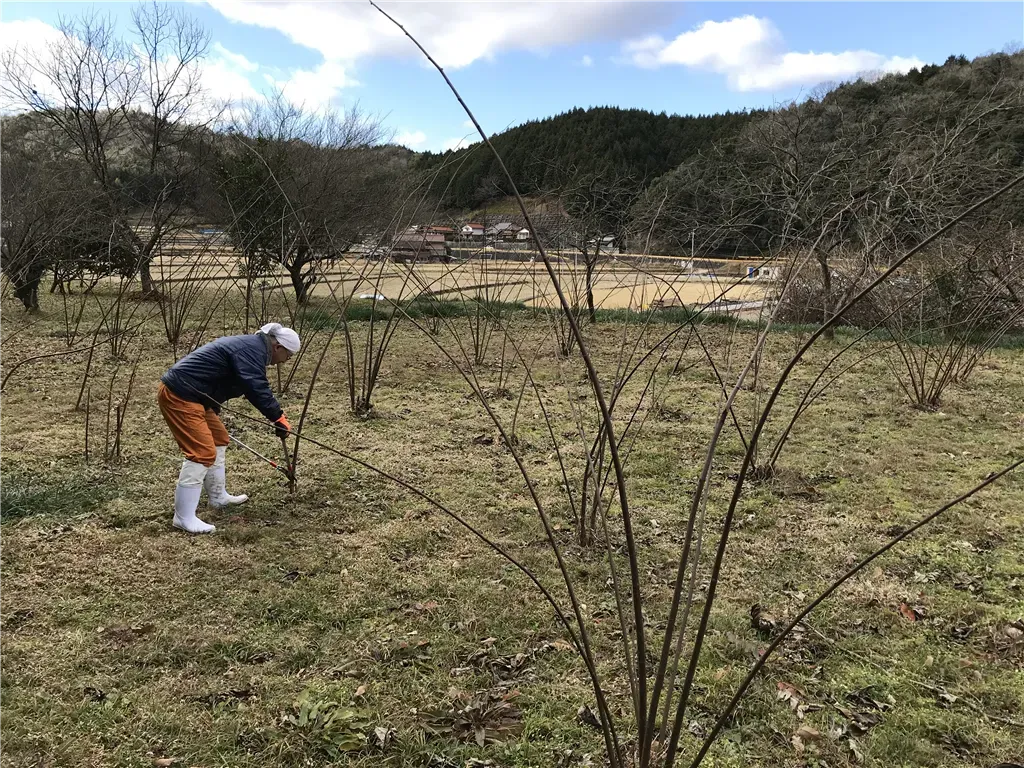
Washi production is greatly influenced by the seasons, and starts in late autumn, during the raw material harvesting season. From the cooking of raw fibers, to the stage of beating and sorting out impurities, it is a labor intensive and physically demanding process. Much of the work is still done by hand, and must begin early in the morning.
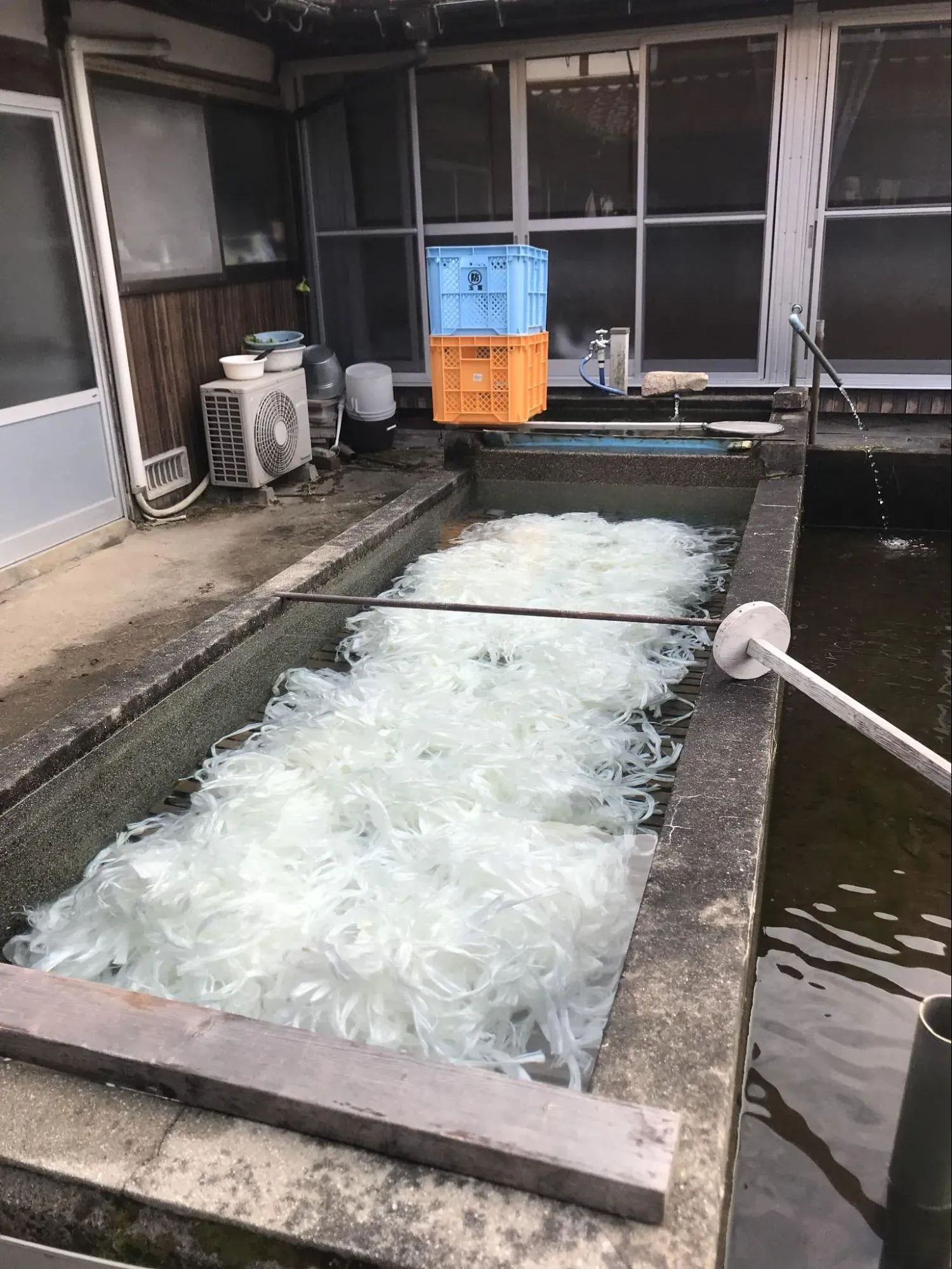
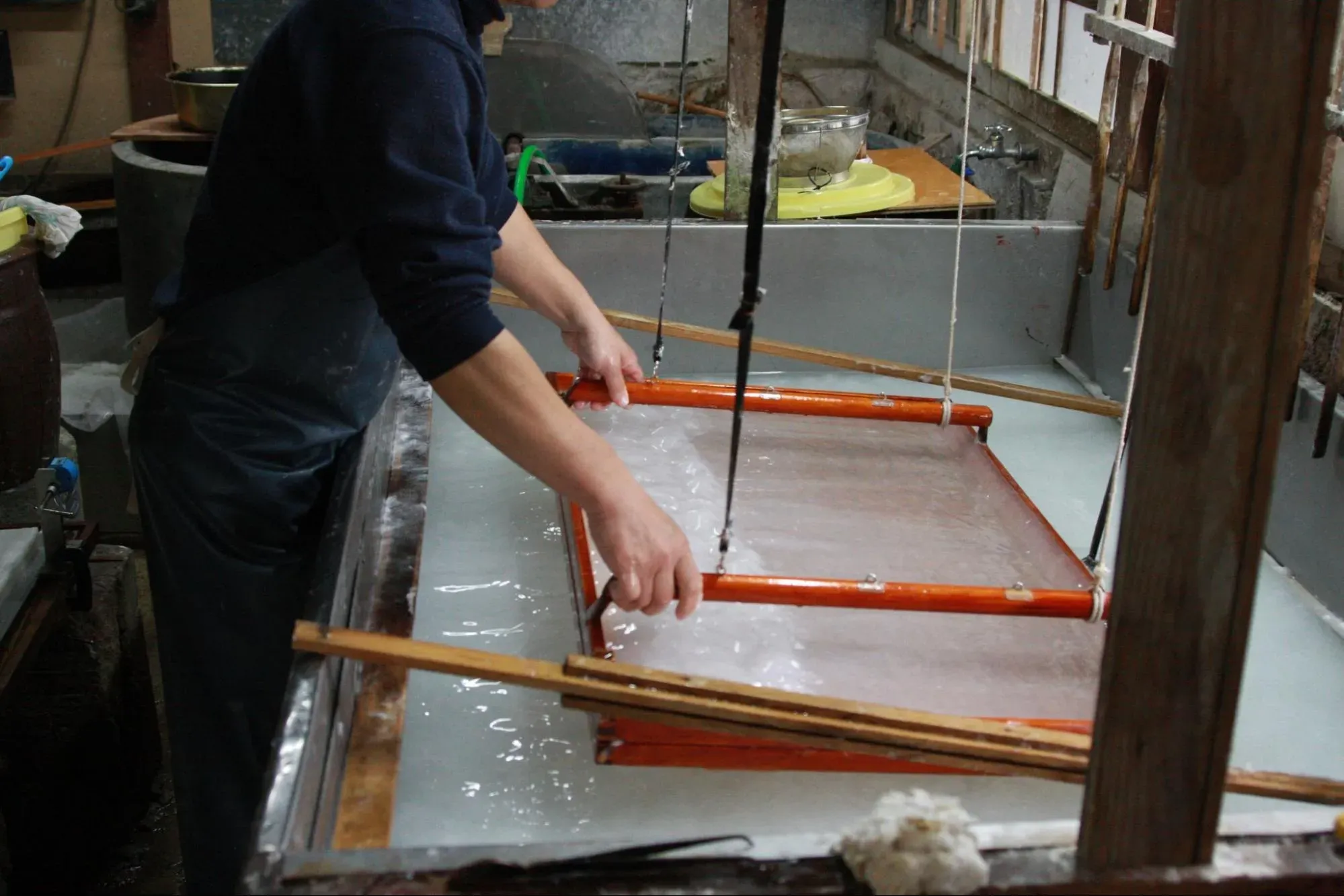
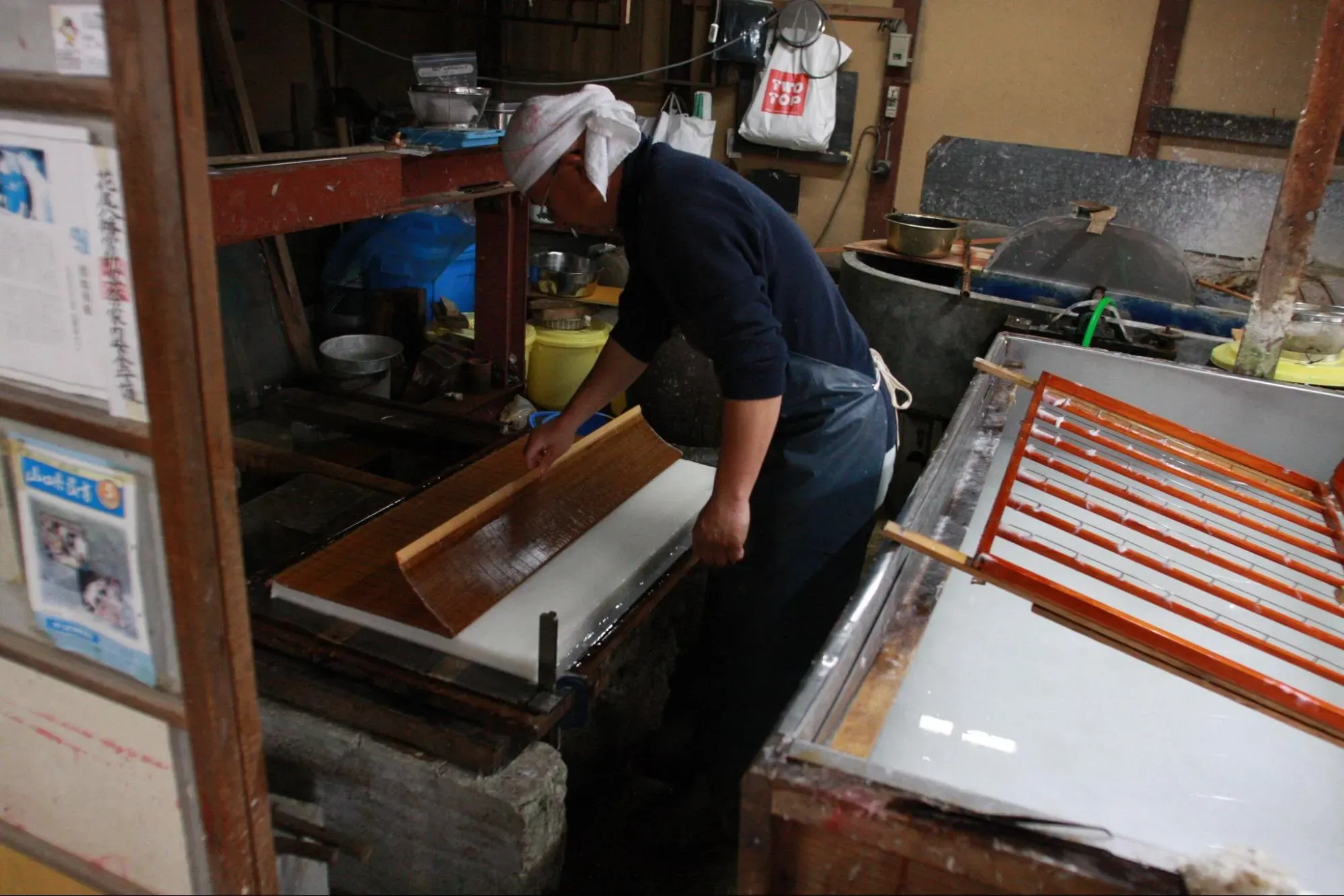
The traditional process of washi making involves soaking the bark of kozo (paper mulberry), boiling it in alkali and rinsing with running water to remove the lye. After meticulously removing impurities, the fibers are then beaten to loosen them up, mixed with water and neri (a mucilaginous substance made from plant roots) to ensure that the pulp floats evenly in the vat. A smoother dispersion of fibers results in a finer surface with greater durability. Altogether, every part of the process demands skills, patience, and experience. Chichimatsu’s careful attention to detail is recognized globally—Washi produced here have been used in luxury applications, including laptop cases, and traditional interior décor for businesses such as hotels.
5. Indigo Dyeing, Indigo Dyeing Studio Ruafu (Tokushima) | The "Philosophy of Indigo" - From Farming to Dyeing
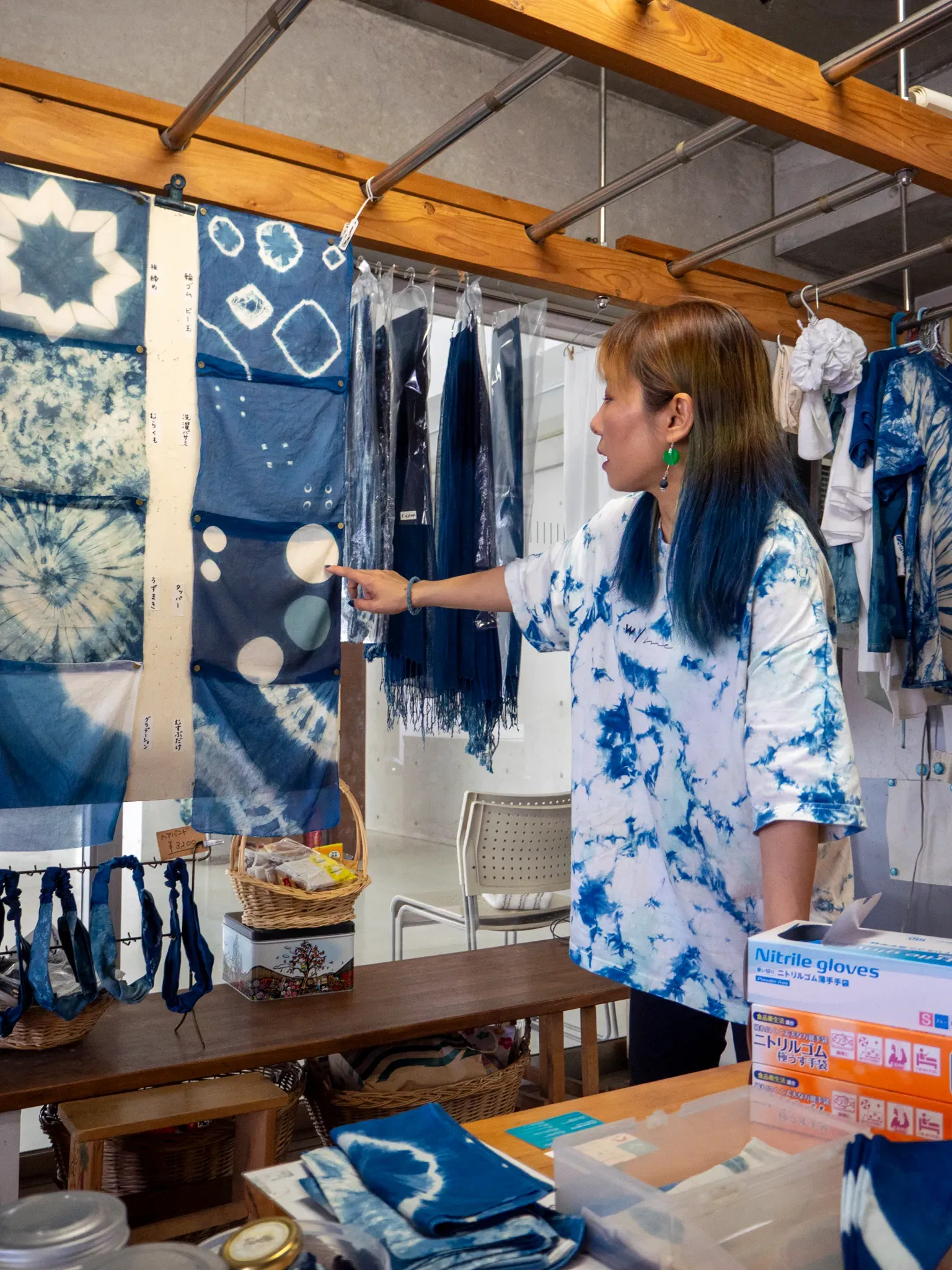
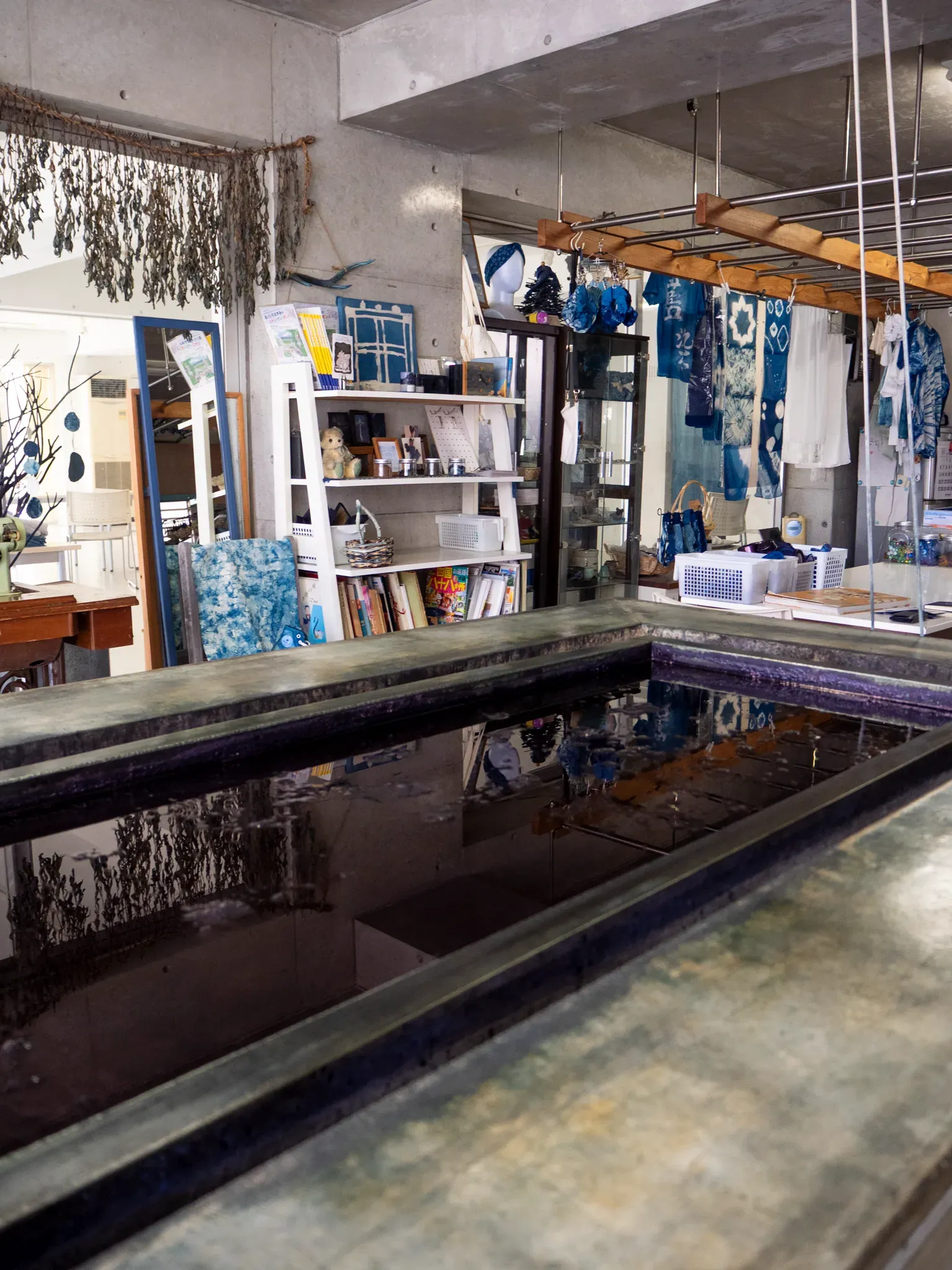
Founded in 2014 in Tokushima Prefecture, Indigo Dyeing Studio Ruafu (meaning “breath of life” in Hebrew) is an indigo studio specializing in the traditional natural lye fermentation method, using locally produced sukumo—fermented indigo leaves that form the foundation of Japan’s traditional indigo dyeing. Valuing craftsmanship’s relationship with nature, their name embodies the workshop’s essence: to live and breathe indigo, to handle patiently, and to layer its fabrics with the “Japan Blue" that Tokushima is known for.
Ruafu’s workshops are interactive and informative, well paced, and are also suited for families. Tucked in their studio is a play corner for children – parents can, with mindful energy and focus, immerse themselves in the art, even for a short while.
The workshop’s pace also reflects its deep respect for the art form and its dyes— they model short dips for pale sky tones, repeat oxidations for deeper blues, and finish with a delicate rinsing, leaving the cloth soft and wearable. The studio’s commitment to the craft is evident through their careful planning and respect for the creation ecosystem — including conversation, people, materials and methods. New ideas are welcome, and visitors can bring their own cotton or linen to dye (within reasonable size limits) to create their own designs. As they operate their workshops on limited hours, reservations are required.
6. Summary | Inherited Skills and Beauty: The Finest Crafts of Setouchi
The community of artisans and craftsmen who have dedicated their lives to sharing their art are the foundation of Setouchi’s rich history and culture, and precisely why its ancient techniques have been so well preserved. In overarching fashion, many artisans share the same hopes and worries for the future of craft, and embedded in their lifework is a deep sense of purpose for the continuation of Japanese traditions.
Combining both traditional techniques with innovative applications, there are numerous possibilities and ever-changing ways to enjoy these pieces of heritage in the modern era. As told through these stories, the true value of these crafts lies in the dedication of those who create them. What better way to discover Setouchi’s story than to step into its soil and history, and experience the knowledge and passion of artisans first hand.
Articles liés
-
 Art & Culture
Explorez le patrimoine culturel de Shikoku à travers les arts traditionnels, l’artisanat et la cuisine de la région
-
 Art & Culture
Produits locaux perpétuant les techniques de fabrication et la culture de la région de Setouchi
-
 Art & Culture
Le château de Himeji au Japon : un chef d’œuvre architectural de l’époque féodale
-
 Art & Culture
Kojima Jeans Street – L’histoire tissée du denim japonais
-
 Art & Culture
Le musée de l'épée japonaise de Bizen Osafune – Pour préserver les arts anciens
-
 Art & Culture
Kagura Monzen Tojimura – Découvrir un théâtre ancien dans un village préservé
-
 Art & Culture
GREENable HIRUZEN : initiez-vous à l’essence et aux joies de la durabilité dans ce centre culturel en pleine nature
-
 Art & Culture
La Triennale de Setouchi, un festival d'art mêlant nature, culture et histoire au cœur des îles de la mer intérieure du Japon
DESTINATION LIÉE
Hyogo
La préfecture de Hyogo se trouve approximativement au centre de l’archipel du Japon. Elle possède le port de Kobe qui joue un rôle important comme porte d’entrée du Japon. Elle est également dotée de nombreux sites touristiques comme le Château de Himeji, classé patrimoine mondial par l’UNESCO et plusieurs régions de sources chaudes onsen. Le boeuf de Kobe, une des trois grandes marques de boeuf japonais wagyu, est un de ses délices.