
Art & Culture
The Stage of Setouchi Triennale: Art Islands in the Beautiful Seto Inland Sea

Setouchi’s world-renowned art islands were never just about art. Even before they were infused with the artworks that have since made them renowned, they were part of a natural seascape and ecosystem whose beauty stands on its own. Over the past centuries, these granite islands have been the site of maritime trade, seafood aquaculture, copper smelting, olive farming, spiritual pilgrimages, and more recently, the internationally recognized Setouchi Triennale.
Since the mid-1990s, their natural and cultural history has been brought to life through open-air art installations, site-specific sculptures, and the many permanent and temporary artworks that inhabit renovated buildings and avant-garde architecture in a creative counterpoint with the natural environment. Simply venture out to the many islands between Japan’s Honshu and Shikoku, and you will see that any time is ripe to discover the ever-changing beauty of the Seto Inland Sea.
Setouchi Triennale 2025
Setouchi Triennale, the globally respected festival of art, returns in 2025 with a list of some of the world’s most acclaimed artists. With a roster of superstar domestic artists including Yayoi Kusama, Shigeru Ban, Hiroshi Sugimoto, and Tadanori Yokoo and a stellar lineup of international artists such as Julien Opie, Lee Ufan, Olafur Eliasson and Christian Boltanski, the next installment of Setouchi Triennale might well be the best yet. The organizers state that the aim of Setouchi Triennale, as an acclaimed international art event, is “to revitalize island communities that once thrived within the spectacular setting of the Seto Inland Sea, a nexus of trade and cultural exchange, and transform this region into a Sea of Hope for the world.” Setouchi Triennale 2025, then, is a tantalizing celebration of art and environment and a festival in which artists can shine a much-needed light on areas of Japan that require some attention and revitalization.
The Setouchi region, now renowned for its vibrant art festival, is a place where stunning landscapes and local communities have harmoniously coexisted for centuries, with a scattering of picturesque islands to explore. Beyond the festival, the area offers a wealth of experiences — from captivating outdoor artworks to awe-inspiring natural beauty and historic sites that once thrived as key transportation hubs. Below, we'll guide you on a fascinating journey through the charming islands of the Seto Inland Sea and their art.
Charter a Private Yacht to See the Seto Inland Sea Up Close
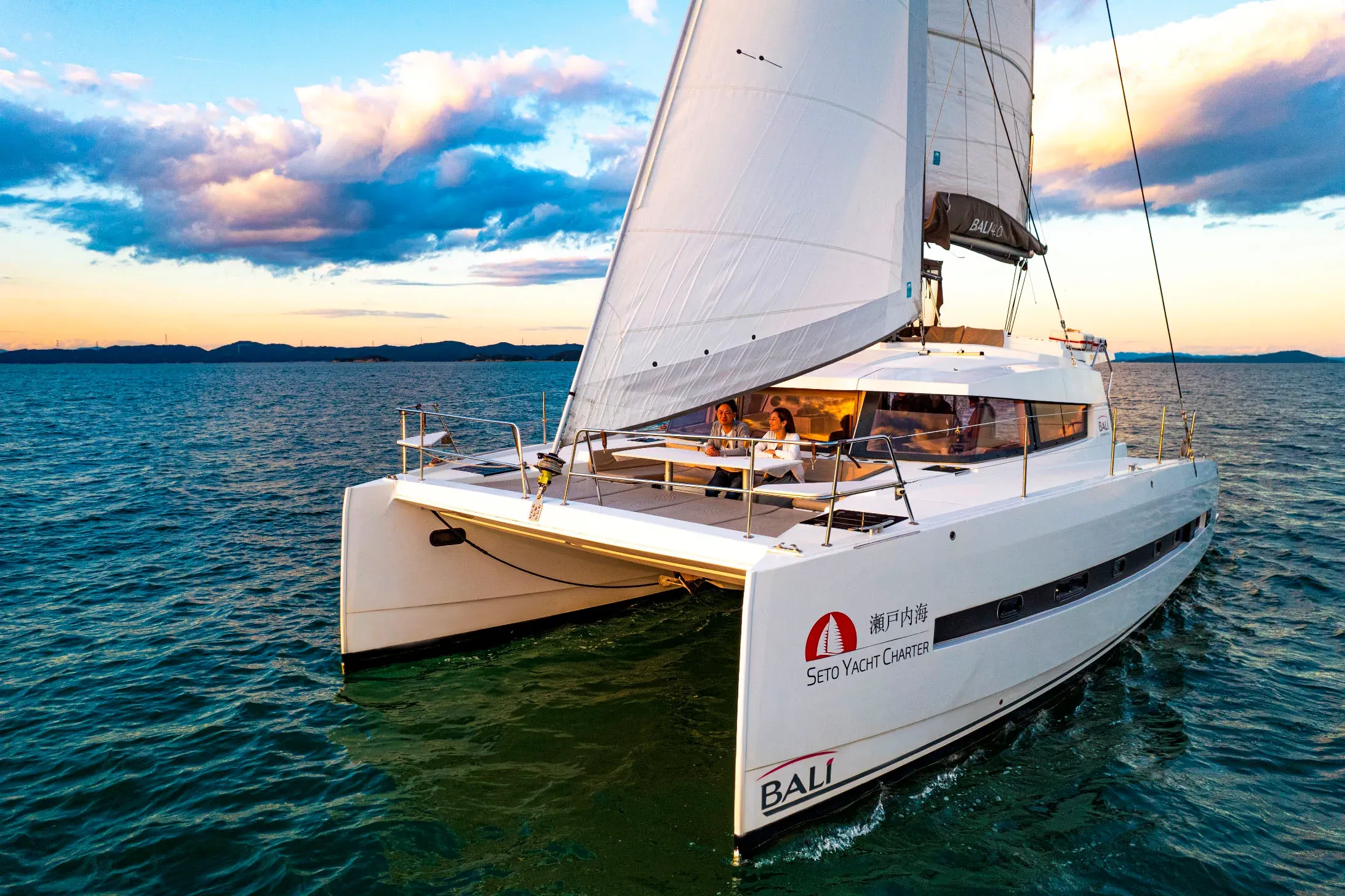
Start your trip in Okayama prefecture at Uno Port and embark on a luxury catamaran to go island-hopping in style at your own pace. In Setouchi’s mild climate, chartering a private yacht gives you the time and privilege to kick back and leisurely enjoy the scenic journey among the islands, where the tranquil seascape is a natural work of art.
Seto Yacht Charter can take you and your party along a customized route to the most famous art islands in the Seto Inland Sea — Naoshima, Teshima, Inujima, and Shodoshima. So, you can forget about ferry schedules, sail away from the crowds, and leave the navigating to the captain. The yacht is a self-contained villa that can accommodate up to 10 people for a few hours, all day, or overnight (up to six people), complete with an air-conditioned dining salon, spacious open deck, fully equipped kitchen, and contemporary double cabins with en-suite shower and bathroom. Eat a catered picnic lunch on board or land, or indulge in the culinary creations of a private chef, who will make the best use of fresh fruits, including peaches and citrus, and fresh seafood featuring local sea bream.
See Art and Architecture Unite on Naoshima

©Naoshima Pavilion Owner_Naoshima Town Architect_Sou Fujimoto Architects|Photo_Jin Fukuda
The town of Naoshima is actually made up of 27 small islands, and Sou Fujimoto’s Naoshima Pavilion (直島パヴィリオン) could be considered the 28th. Its geometric form consists of approximately 250 pieces of triangular stainless steel mesh. At night, the glowing sculpture is lit up to create the impression of a floating island, its angled silhouette mirrored on the surface of invisible water.
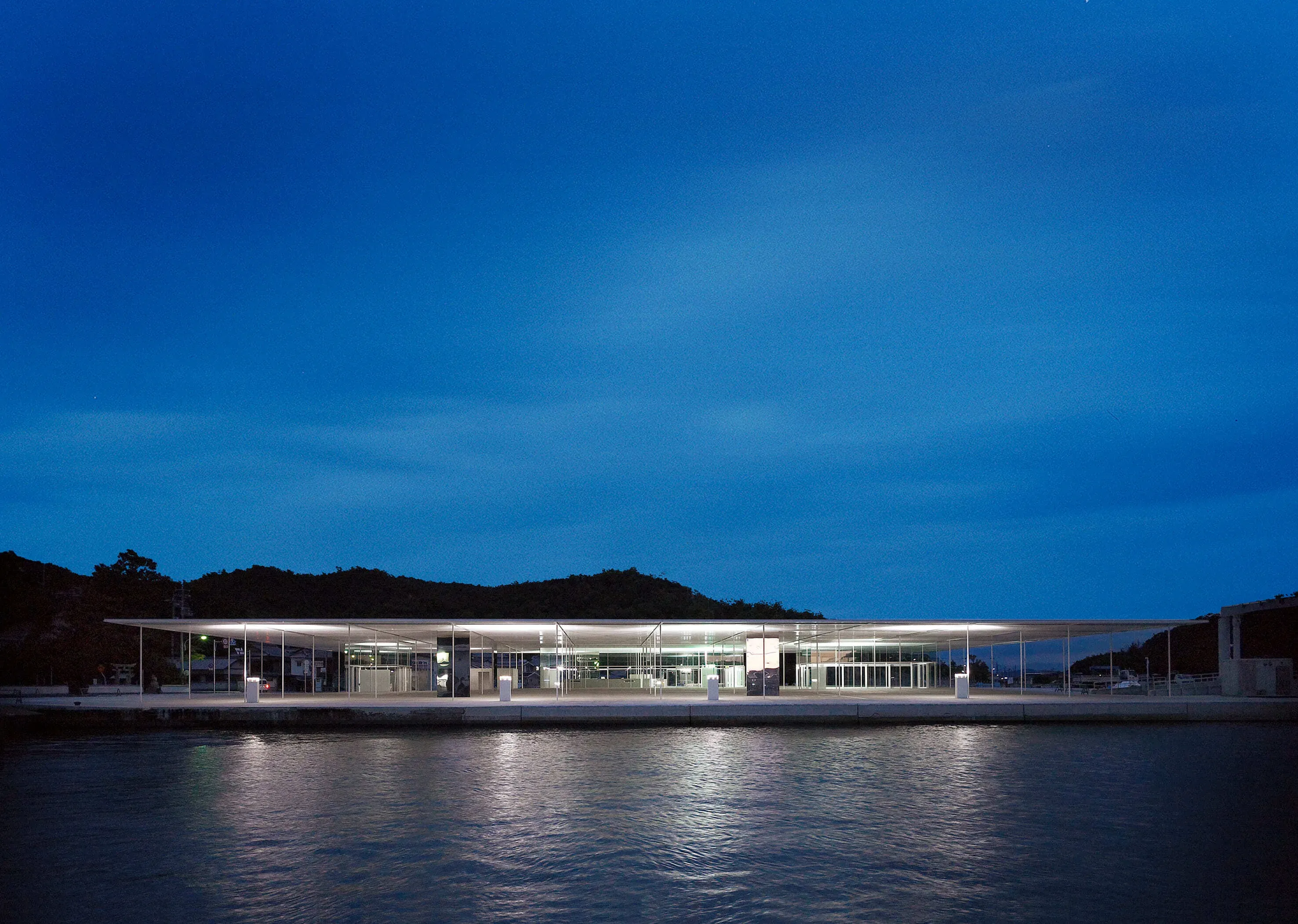
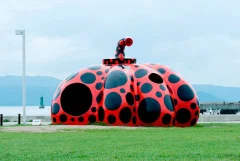
While most towns have “Michi-no-Eki” roadside stations where travelers can rest, restock and refresh, the main island of Naoshima has its very own art-inspired “Umi-no-Eki” marine station where visitors can shop for local products and take a break at the seaside café. The wide single-story building with its thin steel-plate roof and transparent walls was designed by celebrated architects SANAA as an elegant entrance hall to the famous art island at Miyanoura Port, heralded by Yayoi Kusama’s iconic red spotted pumpkin on the edge of the dock.
Spend a Mindful Moment on Teshima Island
Cycle along Teshima’s main road to better appreciate its rolling terrain through rural fields, culminating at a teetering hilltop that preludes a dramatic descent toward the sea and onto another small village filled with artistic installations.

©ART SETOUCHI: Ryo Abe "Shima Kitchen" Photo: Osamu Nakamura
Shima Kitchen (島キッチン) is a restaurant that was converted from a traditional folk house and storeroom by the architect Ryo Abe with help from local carpenters and volunteers from around Japan during the Setouchi International Art Festival 2010. The venue’s salient feature is the large, curved roof made of burnt cedar planks that extends beyond the house and encircles the garden, where people can gather around live performances and workshops. The house itself is surrounded by Teshima’s original fruit orchards, which also provide fresh ingredients for Shima Kitchen’s menu.
©ART SETOUCHI: Noe Aoki "Particles in the Air / Karato" Photo: Osamu Nakamura
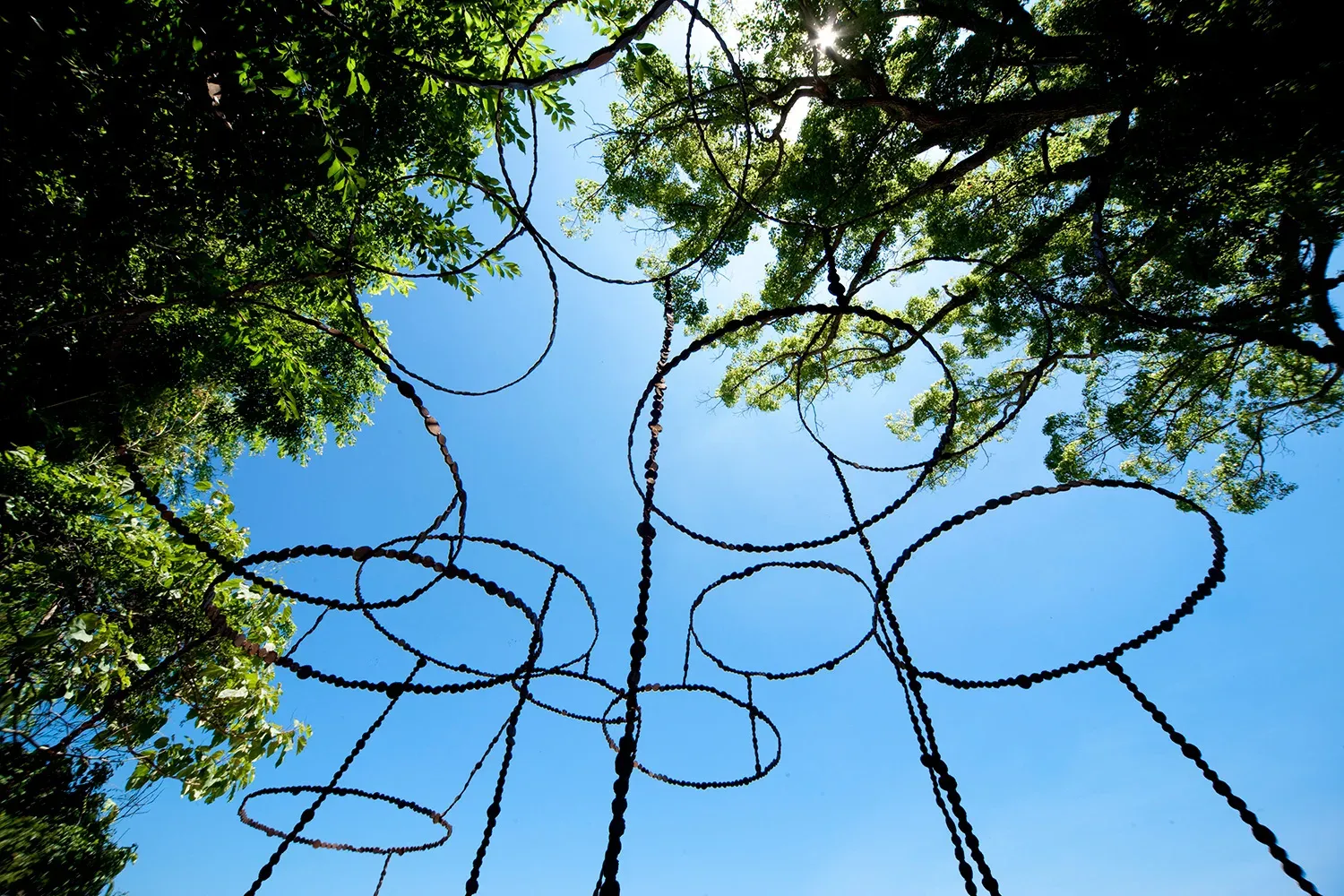
Further along the same road, the intriguing sculpture Particles in the Air (空の粒子) catches our eye beside the Karato-no-shimizu fountain. Steel hoops overlap and hover above a water storage tank, as if materializing the memory of a community gathering place. The artist Noe Aoki completed this site-specific installation during her visits to the village over a period of three years until 2010.
Discover Mischievous Monsters in the Maze Town Alleys of Shodoshima
As the second-largest island in the Seto Inland Sea, Shodoshima (小豆島, “small bean island”) is steeped in legend and folklore, believed to be one of the earliest creations of the gods. So perhaps it’s no surprise that Meironomachi, the “maze town” of labyrinthine alleys near Tonosho Port originally designed to provide escape routes from pirates, is inhabited by countless yokai — Japan’s mythical, supernatural monsters that range in character from malevolent to mischievous and in appearance from creepy to cute.
Meironomachi is also home to Shodoshima’s own Yokai Museum (妖怪美術館), which exhibits a collection of over 800 contemporary yokai from around the world inside four different buildings renovated from former kimono storehouses. Completed in 2018, the museum also provides historical and cultural context for Japanese yokai, from their animistic origins in the late Heian period to more modern representations of fear, comfort, or entertainment.
Take an Island-inspired Art Walk on Ogijima
The 2-kilometer-long island of Ogijima (男木島) is ideal for an art walk, as the dramatically sloped pedestrian-only streets of its mountainside village offer pleasing views of the surroundings no matter where you stand.
There are currently six permanent artworks installed outdoors by Ogi Port and Ogi Fishing Port, as well as inside old abandoned houses and shops in the island’s community area. Don’t miss Takotsuboru, a children’s playground that features a larger-than-life octopus trap in a nod to Ogijima’s famous octopus fishing, built by residents in 2019.
Ogijima Pavilion, modeled after the region’s characteristic black-tile-roofed wooden houses, designed by architect Shigeru Ban. The building’s sea-facing transparent walls are decorated with fine-lined drawings of images inspired by the Seto Inland Sea.
Immerse Yourself in Murals by the Bay in Higashikagawa
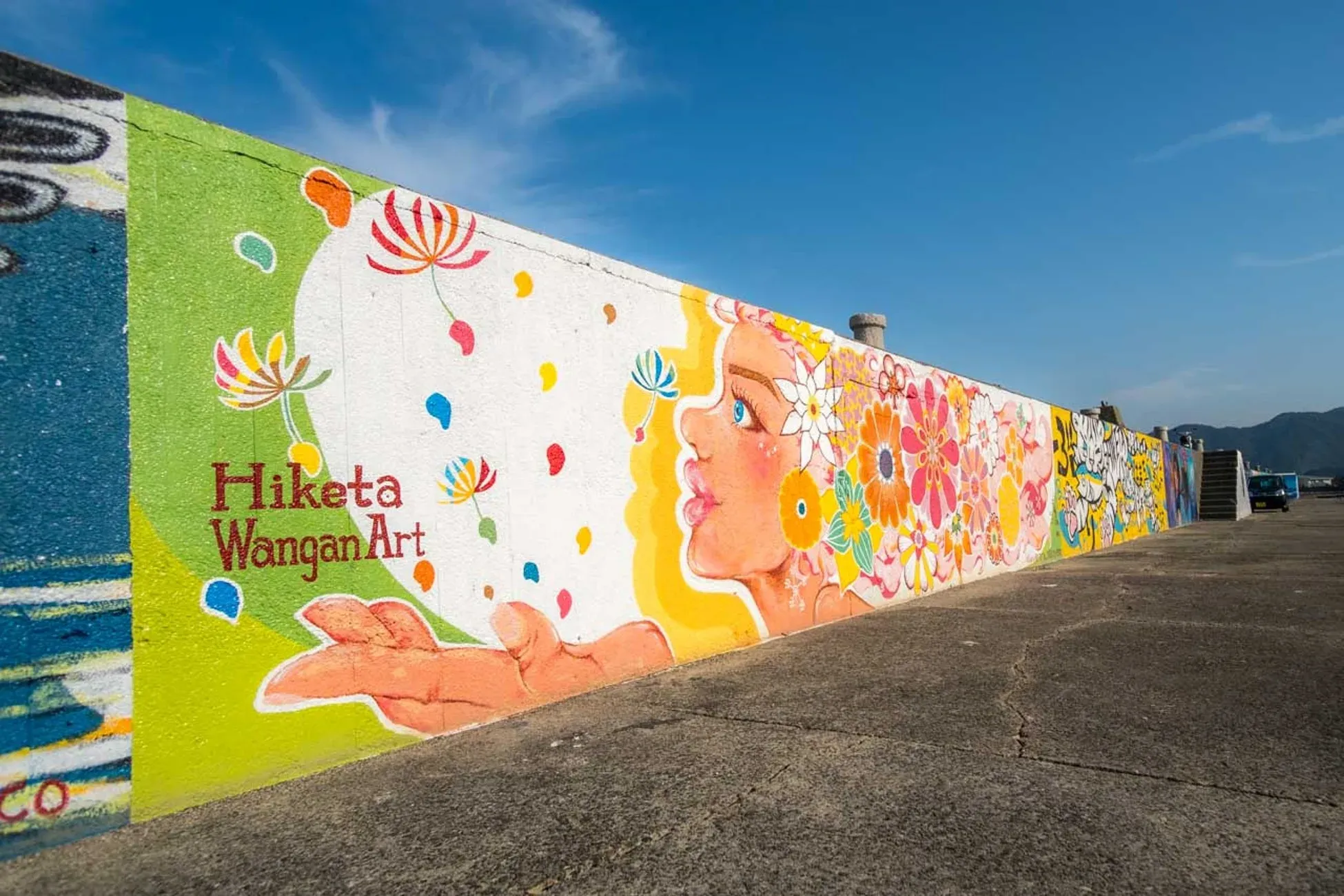
If you wish to extend your journey further down the coast of Shikoku, Higashikagawa City’s Wangan Art Project (湾岸アートプロジェクト) is an up-and-coming art destination that recalls the creative graffiti murals of larger urban centers, combined with the vast open seascape of the harbor.
At Hiketa Fishing Port, you can follow a continuous stream of colorful paintings decorating the long embankment extending far into the Seto Inland Sea. What started as a restoration of Spanish artist Cecilia Beaven’s yokai-like “Sea Creatures,” originally painted in 2016, has since 2021 developed into an ongoing bayside project inviting various local “spray artists,” illustrators, and even a calligrapher with bold styles to participate.
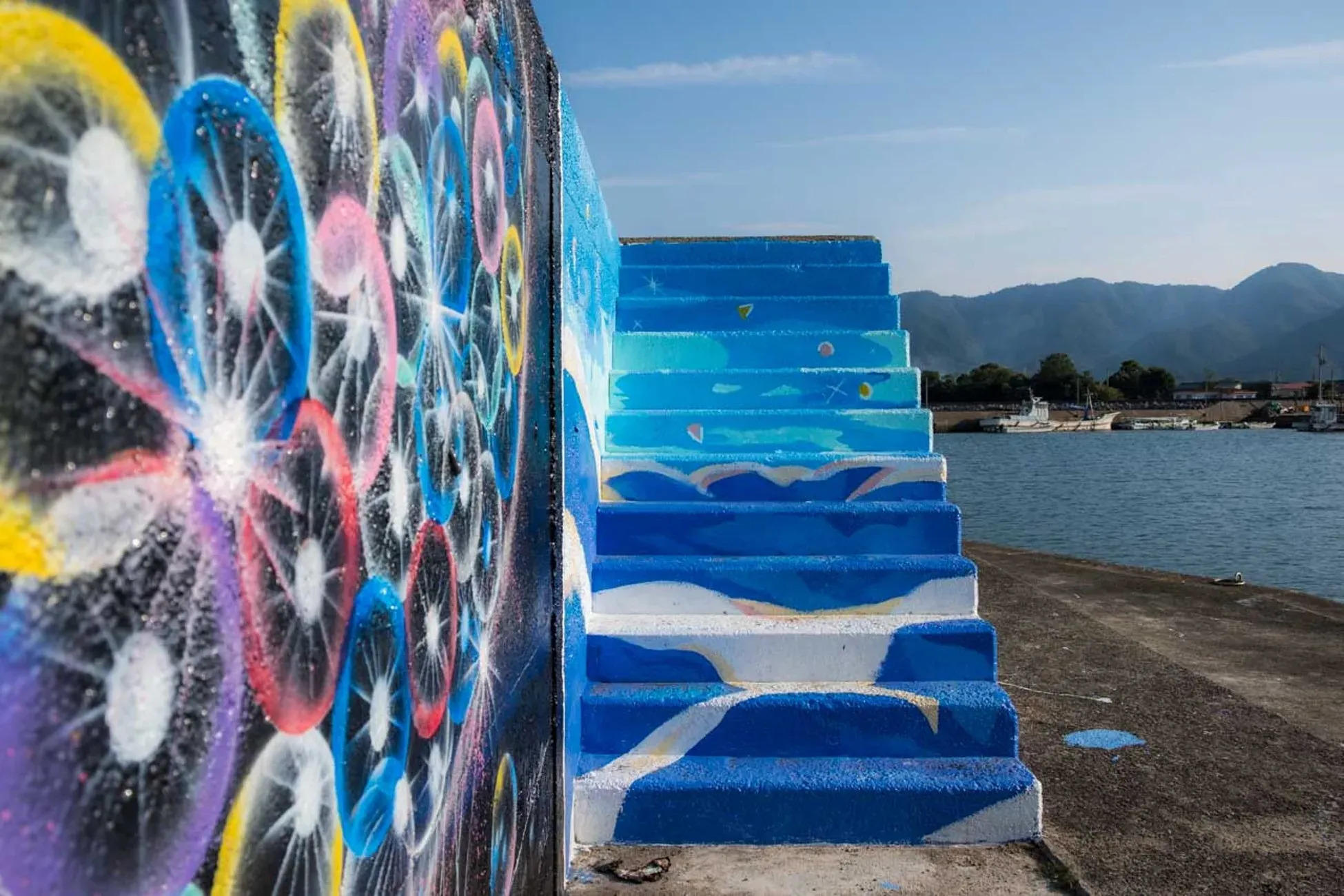
One of the most striking murals is a fantasy underwater seascape in soft aqua hues painted on all surfaces of the stairway leading to the top of the embankment at the end of the sea wall. Look at it from just the right angle, and you will see where art meets the sky and flows into the sea.
The Seto Inland Sea is full of art, history, and beauty almost everywhere you turn. Here, we’ve covered just a few art highlights of Setouchi’s many islands and shores. It’s worth taking the time to leisurely explore their natural landscapes and discover their many in situ artworks from new perspectives in changing seasons. Who knows what other serendipitous gems you may find?
Text by Cherise Fong
You can get more information about the route followed in this article by checking out our itineraries in the "Plan Your Trip" section of this website.
Ready to see more? The Setouchi region spans seven prefectures across Honshu and Shikoku. Take a few minutes to read one of most popular articles covering the same area: [Exploring the Art and Architecture of Naoshima, Japan’s Art Island].
Related Articles
-
 Art & Culture
Masterpieces Wrapped in Stories
-
 Art & Culture
Kagawa Prefectural Higashiyama Kaii Setouchi Art Museum: A Journey into the Mindscape of Kaii Higashiyama
-
 Art & Culture
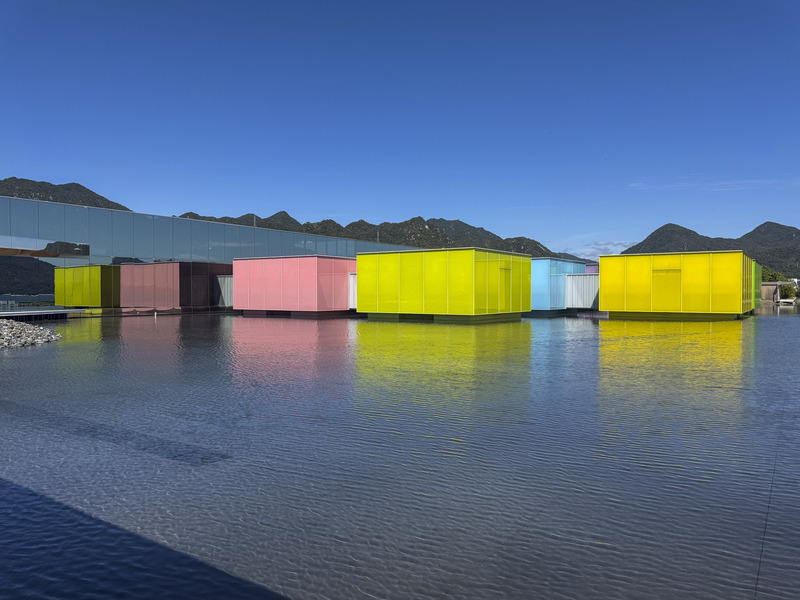
Setouchi’s Hidden Art Gems
-
 Art & Culture
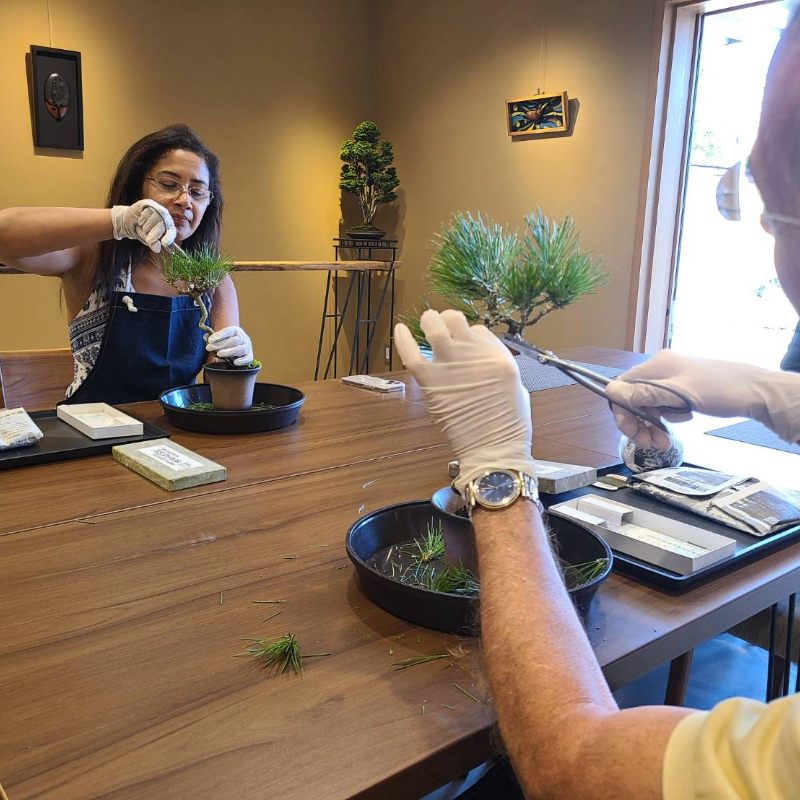
Unearth the Secrets of Bonsai on a Guided Tour in Takamatsu
-
 Art & Culture
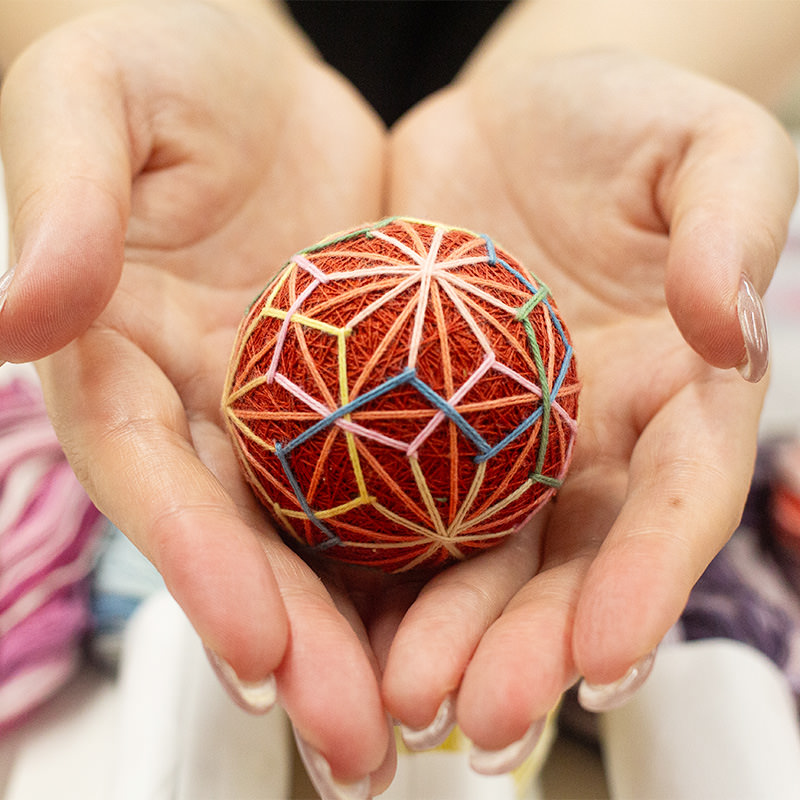
Traditional Crafts Wrapped in Stories
-
-2.jpg) Art & Culture
Art & CultureTour the Acclaimed Bizen Kilns and Create Your Own Pottery
-
 Art & Culture
Okayama Orient Museum: A Journey into Human History, Looking West from Japan
-
 Art & Culture
Chikkyo Ono Art Museum: Color, Passion, Evolution
RELATED DESTINATION
Kagawa
This is an area with many islands, including Naoshima and Teshima, which are famous for art. It also is home to the tasteful Ritsurin Garden. Kagawa is also famous for its Sanuki udon, which is so famous it attracts tourists from throughout Japan. The prefecture is even sometimes referred to as “Udon Prefecture.” [Photo : “Red Pumpkin” ©Yayoi Kusama,2006 Naoshima Miyanoura Port Square | Photographer: Daisuke Aochi]