





History
An Architectural Pilgrimage Through Setouchi: Experiencing the Region’s History, Tradition, and Modern Spirit

-
- RELATED TAGS
-
- LAST UPDATED
- 23 January, 2026
An Architectural Pilgrimage Through Setouchi: Experiencing the Region’s History, Tradition, and Modern Spirit
Architecture is more than just physical structures; it is a living testament connecting eras, people, and cultures. Across Setouchi, you can find buildings that exist with a clear sense of purpose — each with a story rooted in its place and time.
Its architecture reflects a harmonious dialogue between land, sea, and craftsmanship. Rather than relying on monumental landmarks, the region developed a built environment shaped by maritime rhythms and the gentle fragmentation of islands, resulting in structures that prioritize adaptability, openness, and subtle integration with nature.
Historical buildings in Setouchi embody restrained elegance including light materials, fluid layouts, and a seamless blend of indoors and outdoors that reflect a mindset that valued coexistence over dominance. This architectural character nurtured social exchange, craftsmanship, and continuity, and the culture shaped within these spaces became integral to the broader canon of Japanese tradition.
Setouchi’s architectural identity reflects quiet innovation shaped by landscape, climate, and community. Its understated structures, open, light, and closely tied to nature, embody a cultural commitment to harmony over dominance. Experiencing these spaces, with their gentle light and silence, reveals the subtle sophistication that defines Setouchi’s lasting place in Japanese history.
Table of Contents
- 1. Shizutani School (Okayama) | The Spirit of Learning in Japan’s Oldest Public School for Commoners
- 2. Himeji Castle and Engyo-ji Temple (Hyogo) | A Timeless Fortress and a Temple in the Sky
- 3. Konpira Grand Theatre (Kanamaruza, Kagawa) | Japan’s Oldest Playhouse is Still Alive with Popular Entertainment
- 4. Ai no Yakata (Former Okumura Residence, Tokushima) | The Beauty of a Merchant’s House that Sustained Japan’s Indigo Culture
- 5. Summary | Experiencing the Culture of Setouchi Through its Living Architecture
1. Shizutani School (Okayama) | The Spirit of Learning in Japan’s Oldest Public School for Commoners
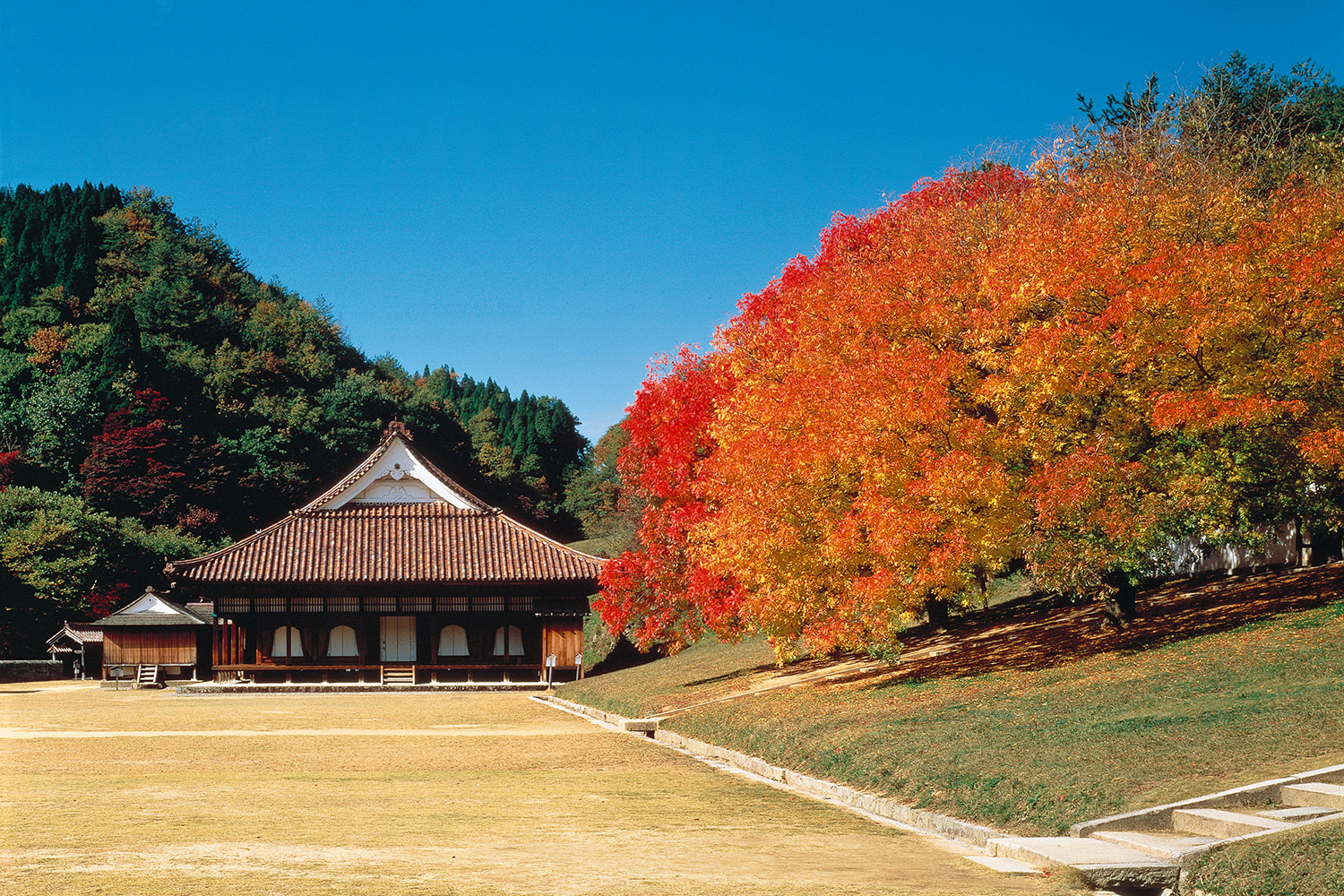
Founded in 1670 by Ikeda Mitsumasa, lord of the Okayama Domain, Shizutani School is recognized as Japan’s oldest surviving public school for commoners. Mitsumasa, a forward-thinking daimyo (feudal lord) committed to education, envisioned a place where talented youths could cultivate both scholarship and virtue. When he first visited the secluded area of Shizutani, he was drawn to the area for its deep seclusion and quiet atmosphere, and resolved to build a school firmly rooted in Confucian ideals.
Construction was entrusted to his retainer Tsuda Nagatada, who spent more than 30 years creating buildings that were not only functional but architecturally exceptional. Completed in 1701, the campus showcases some of the finest craftsmanship of the Edo period. One of its most distinctive features is the kawara roof tiles, fired in nearby kilns using local clay that produces bizen tiles. These tiles add both beauty and remarkable durability, helping the structures endure centuries of inclement weather.
Equally striking are the stone walls surrounding the grounds. Built with locally sourced stones fitted in irregular yet tightly arranged patterns, the walls blend naturally with the valley landscape while providing strong, earthquake-resistant support. The Lecture Hall, protected today as a National Treasure Site, features carefully selected cypress timber and zelkova pillars, assembled using interlocking joints rather than nails, reflecting advanced carpentry techniques of the time. Inside, wiped-lacquered floors and a reading stand recreate the original learning atmosphere, where the recitation of The Analects of Confucius still takes place.
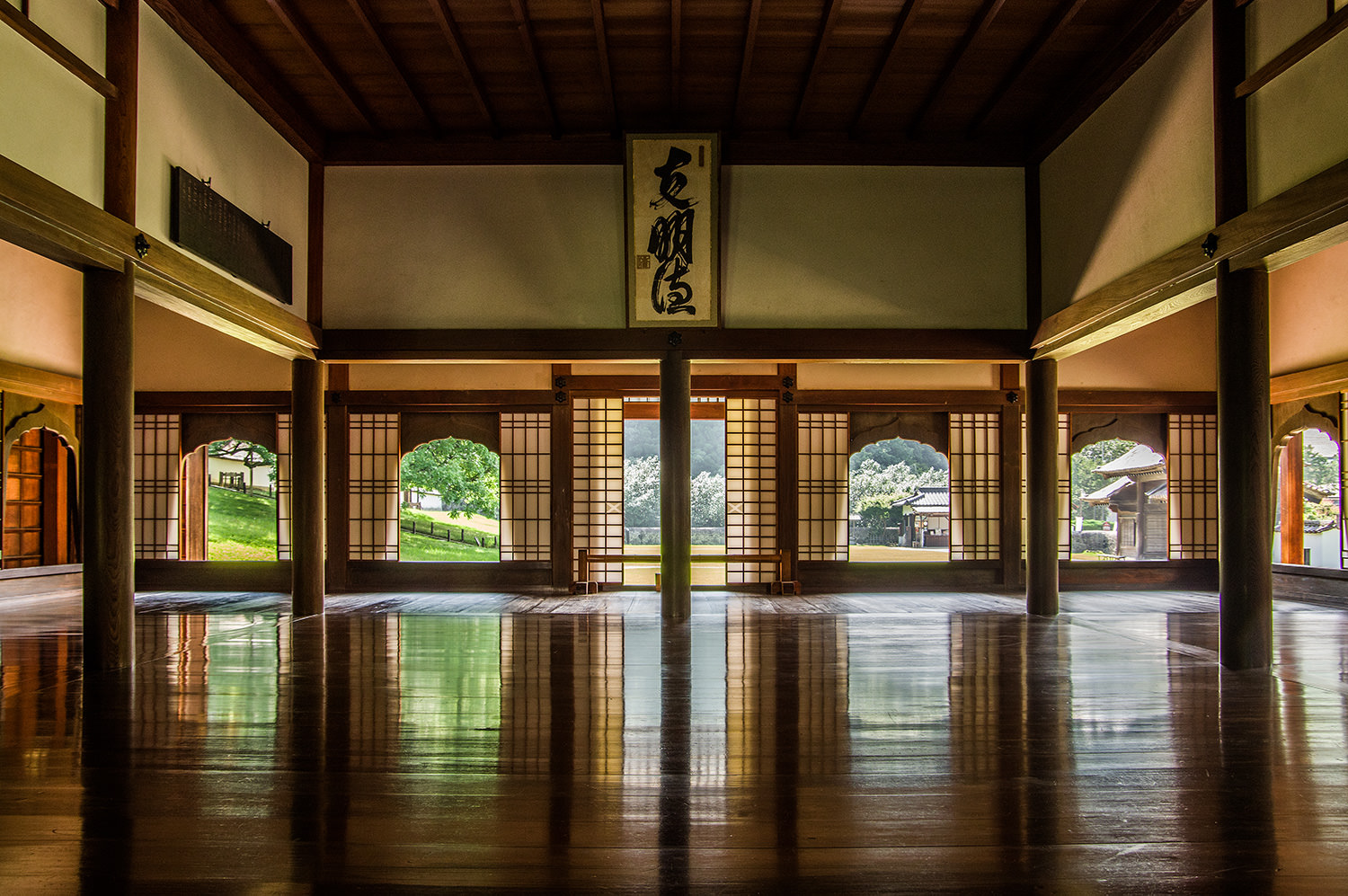
In 2015, Shizutani School was designated a Japan Heritage site under “Heritage of Early Modern Japan’s Education.” Together with sites like Koudoukan in Ibaraki Prefecture and Kangien in Oita Prefecture, Shizutani continues to embody Japan’s architectural ingenuity, educational ideals, and enduring respect for learning and is beloved by local residents and visitors.
2. Himeji Castle and Engyo-ji (Hyogo) | A Timeless Fortress and a Temple in the Sky
Himeji Castle
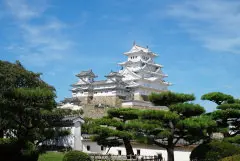
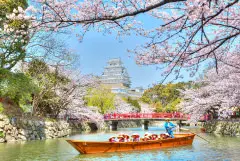
A UNESCO World Heritage site and one of Japan’s few original surviving castles, Himeji Castle—known as the “White Heron Castle”—is celebrated for its graceful silhouette and ingenious defensive design. Though smaller inside than its grand exterior suggests, its steep staircases, timber beams, and watchpoints reveal the dual nature of the structure as both fortress and administrative center.
Today, the castle pairs with nearby Engyo-ji Temple on Mount Shosha. Together they represent two pillars of Japan’s heritage: one embodying feudal power and resilience, the other spiritual life and Buddhist tradition. Visitors often explore both sites in a single trip, gaining a fuller understanding of how martial authority and religious practice have shaped the region’s identity over the centuries.
In spring, Sannomaru Square becomes a beloved cherry-blossom-viewing area, complemented by traditional performances and food stalls serving local specialties such as Himeji oden.
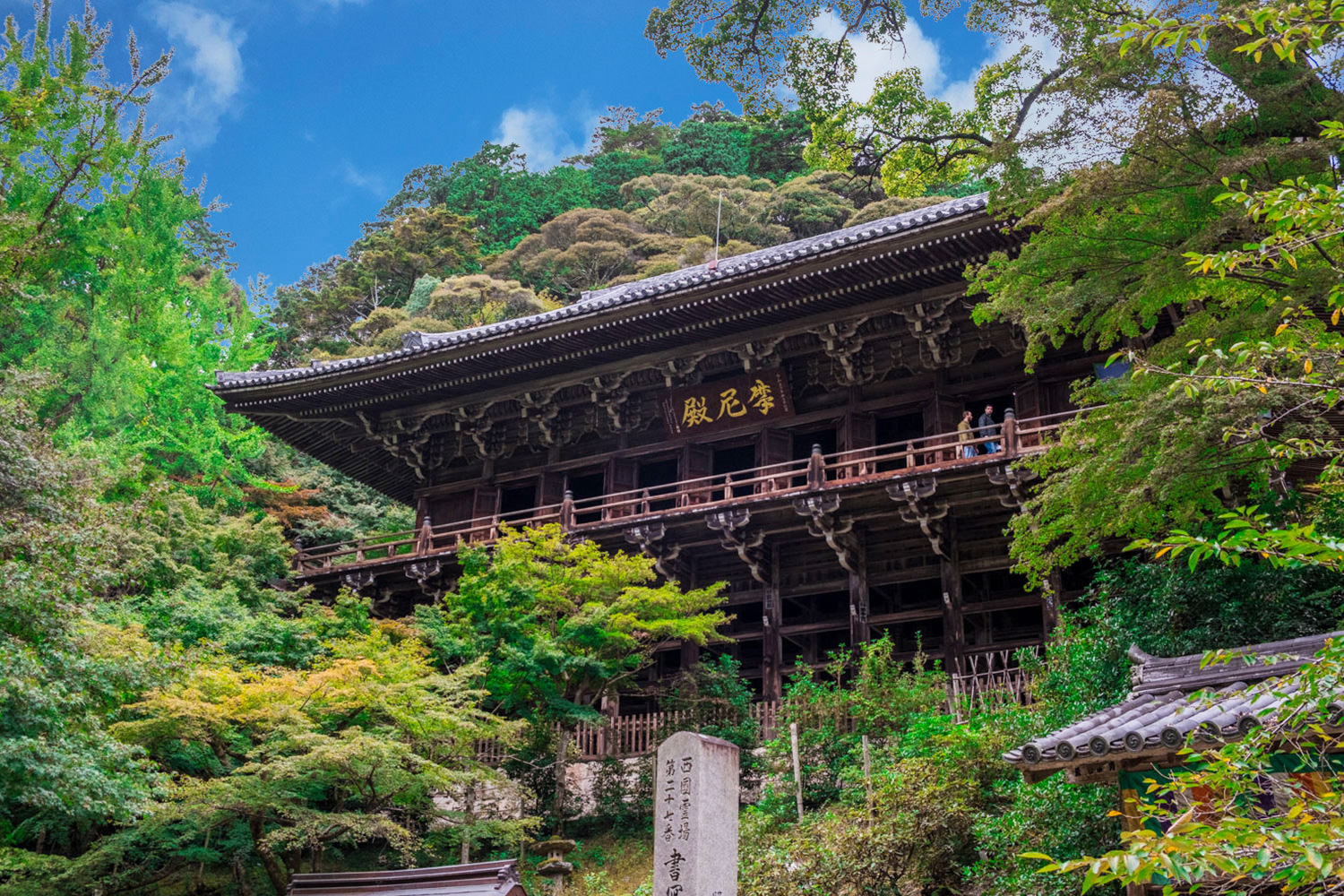
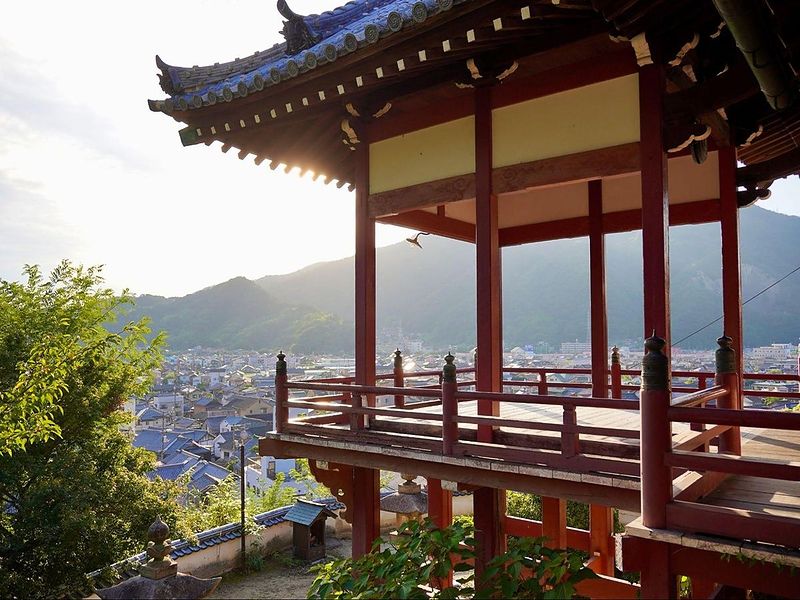
A Tendai-sect temple often called “the Hieizan of the West,” Engyo-ji is perched atop Mount Shosha at 371 meters. Accessible by ropeway, the temple complex is a masterpiece of wooden architecture harmoniously integrated with its natural surroundings.
Founded in 966 by the monk Shoku, it is a sprawling complex of historic buildings, religious monuments, and graves.
Visitors experience a palpable sense of spiritual calm. The temple served as a location for The Last Samurai and was once used by Toyotomi Hideyoshi as his headquarters. Its stage-style construction is reminiscent of Kyoto’s Kiyomizudera.
The main structure is made of three separate buildings known as the Mitsu no Do, or “Three Halls,” which served various functions such as lodging for monks in residence or training, and lecture halls.
At the heart of the complex is Maniden, a wooden hall perched on a steep hillside and supported by tall timbers, reflecting the same stage-style construction seen at temples such as Kiyomizudera.
Inside, the temple emphasizes simplicity and harmony with nature. Wooden halls, narrow corridors, sliding doors, tatami mats, polished floors, and intricately carved beams showcase traditional craftsmanship, while small altars and prayer spaces invite quiet reflection.
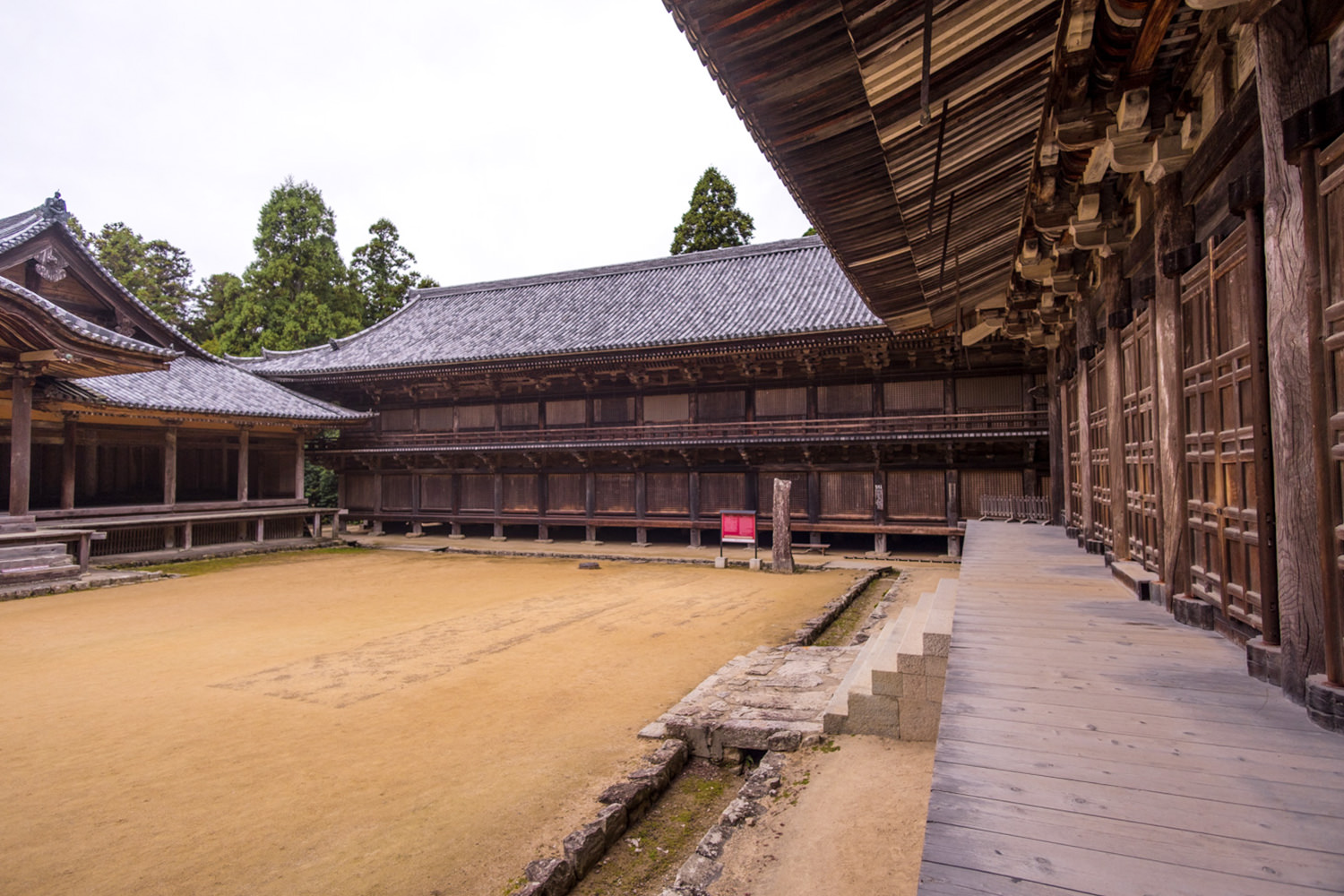
The layout encourages mindful movement, guiding visitors through a contemplative journey. By preserving centuries-old architectural techniques, Engyo-ji provides a tangible connection to Japan’s rich religious and cultural heritage, underscoring the enduring significance of temples in daily life.
3. Konpira Grand Theatre (Kanamaruza, Kagawa) | Japan’s Oldest Surviving Playhouse Still Alive with Popular Entertainment
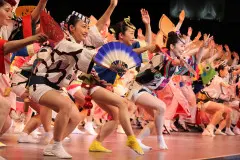
Built in the late Edo period (1835), the Konpira Grand Theatre (Kanamaruza) stands as a rare and remarkably intact testament to the era’s vaunted kabuki culture. Constructed with formal approval from the shogunate (a privilege granted to only a handful of provincial theaters) it reflected both prestige and prosperity in the Konpira Shrine pilgrimage town. Modeled after Osaka’s Ōnishi Shibai, the design features classic Edo theater architecture: low ceilings, earthen floors, narrow aisles, and a stage positioned so close to spectators that the line between performer and audience often feels blurred.
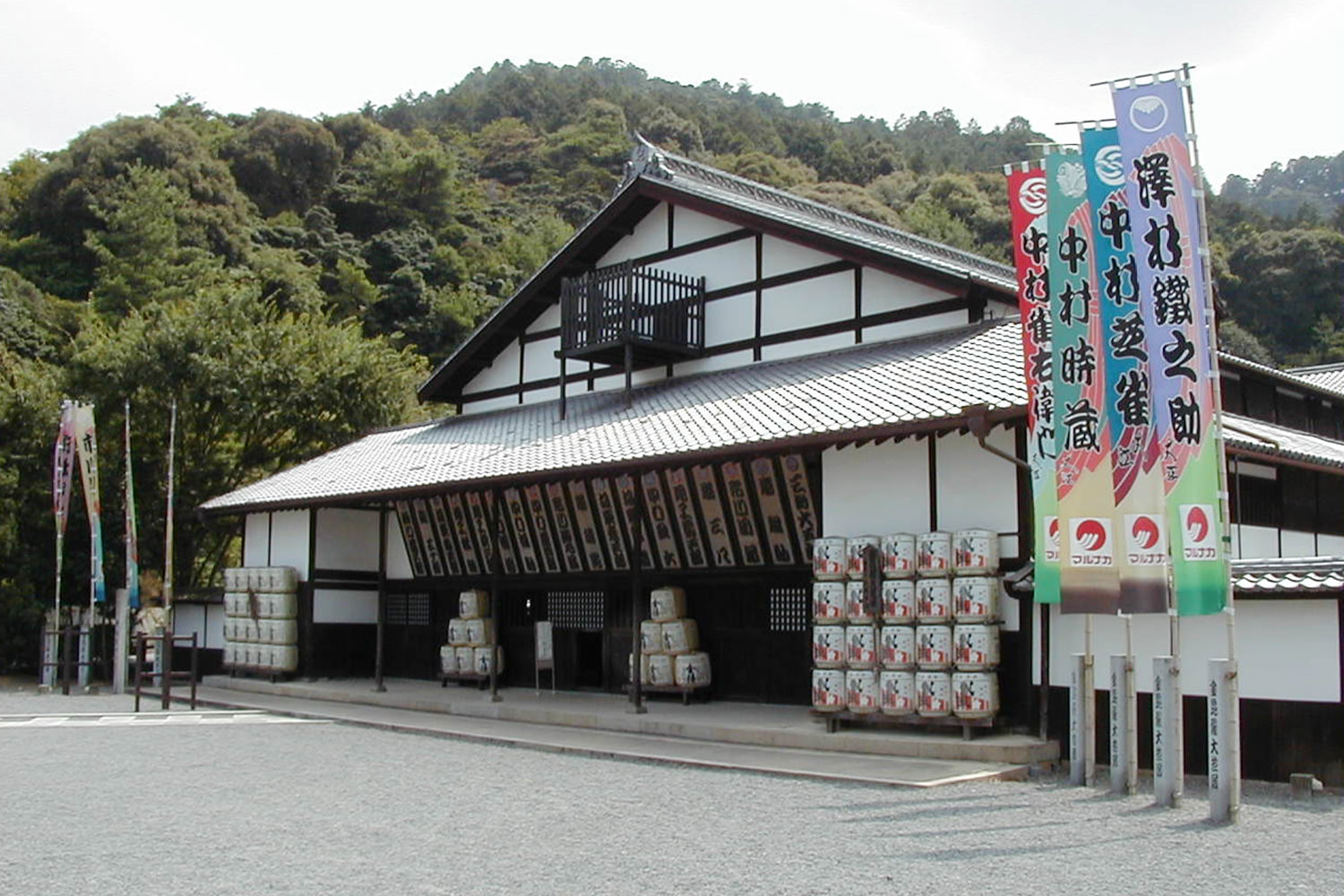
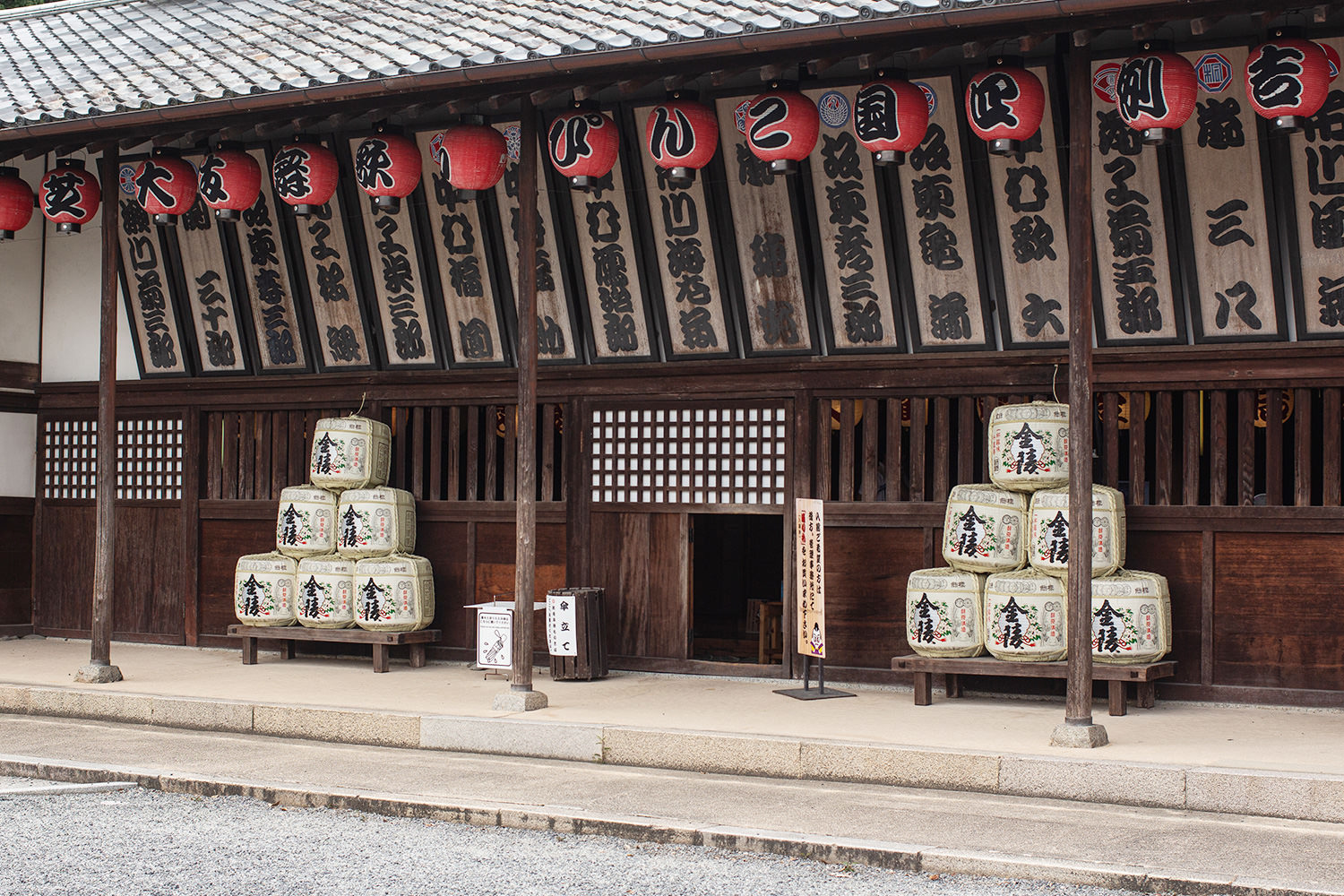
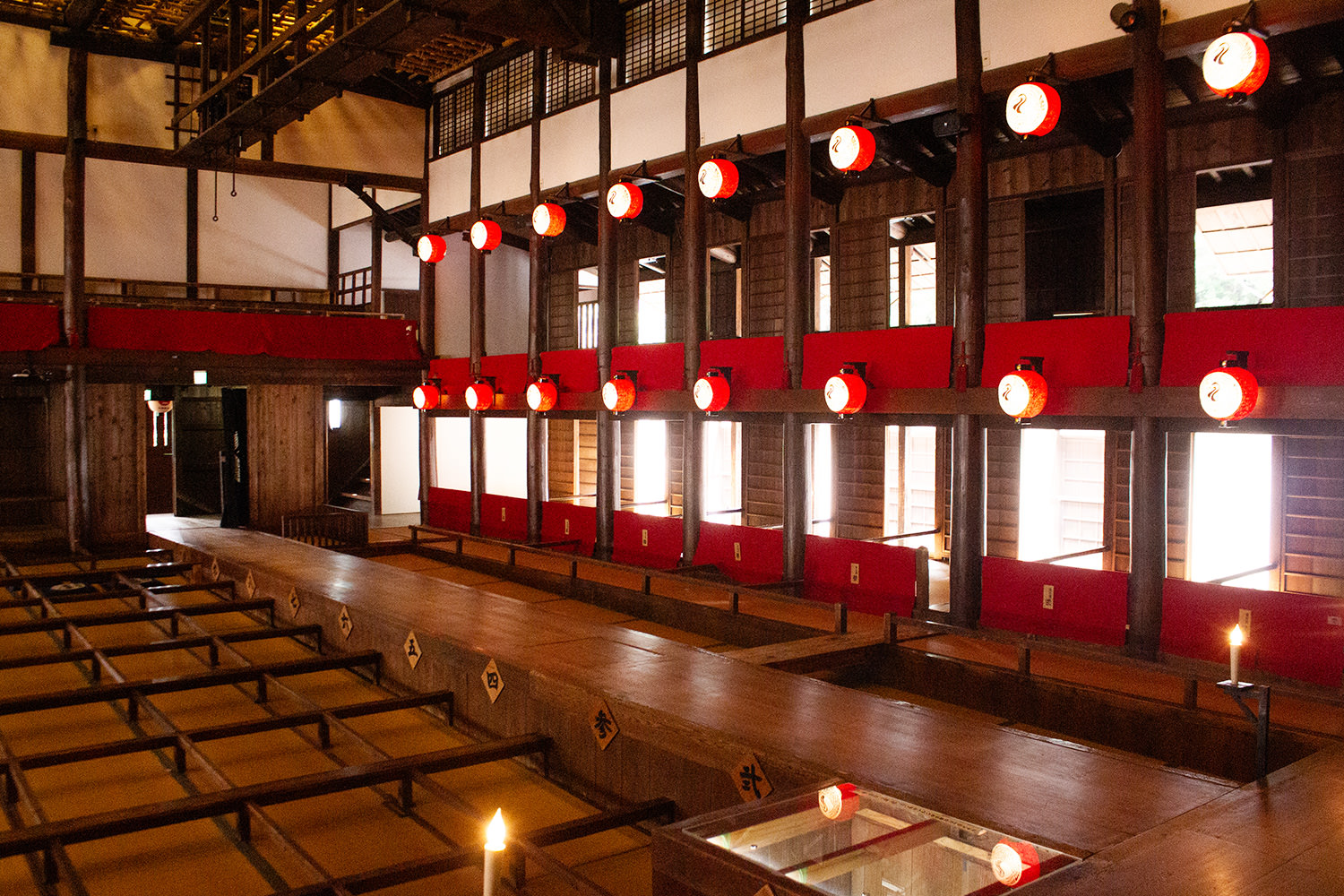
Actors traveled from Edo either on foot or aboard special pilgrim boats, performing before crowds of up to 740 people seated in seiza (traditional Japanese formal sitting posture) on tightly arranged masu (wooden) boxes. The upper floors were reserved for wealthier or higher-status patrons, mirroring the strict social hierarchy (mibun seido) that shaped all public life at the time. In the photo below, the masu (wooden) boxes are the seats for people of lower social status, while the box seats you can see on the right-hand side are for those of higher rank. Performances often lasted three to four hours, blending entertainment with ritual, community identity, and seasonal celebration.
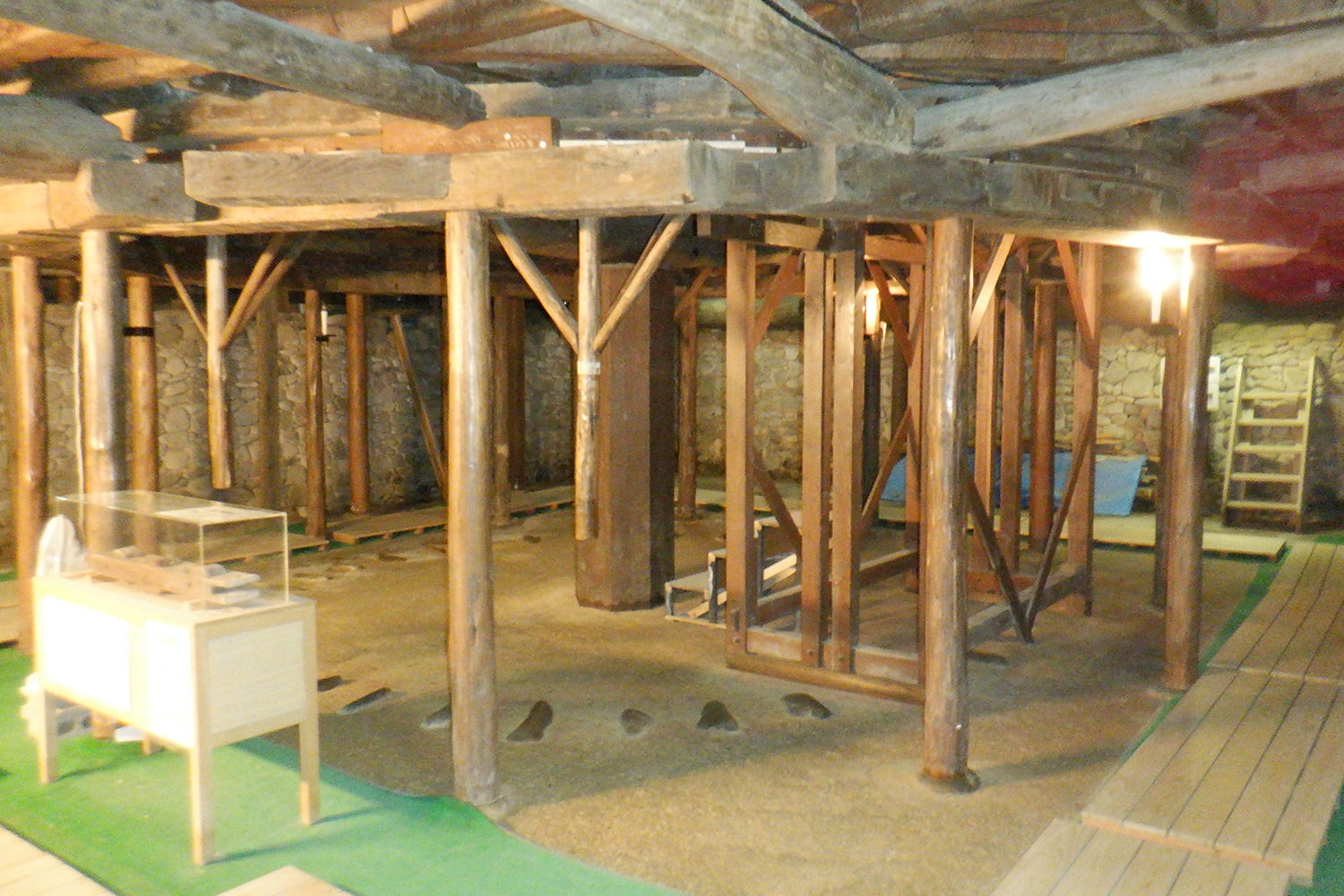
Over time, the theater adapted to changing eras. It became a movie hall in the Taishō period (1912-1926), later fell into disuse after World War II, and was designated an Important Cultural Property in 1970. To mitigate fire risk, the entire structure was carefully dismantled, relocated, and restored which preserved its beams, wooden joints, and handmade fittings with exacting fidelity. Today, it remains the oldest surviving Edo-period playhouse in Japan.
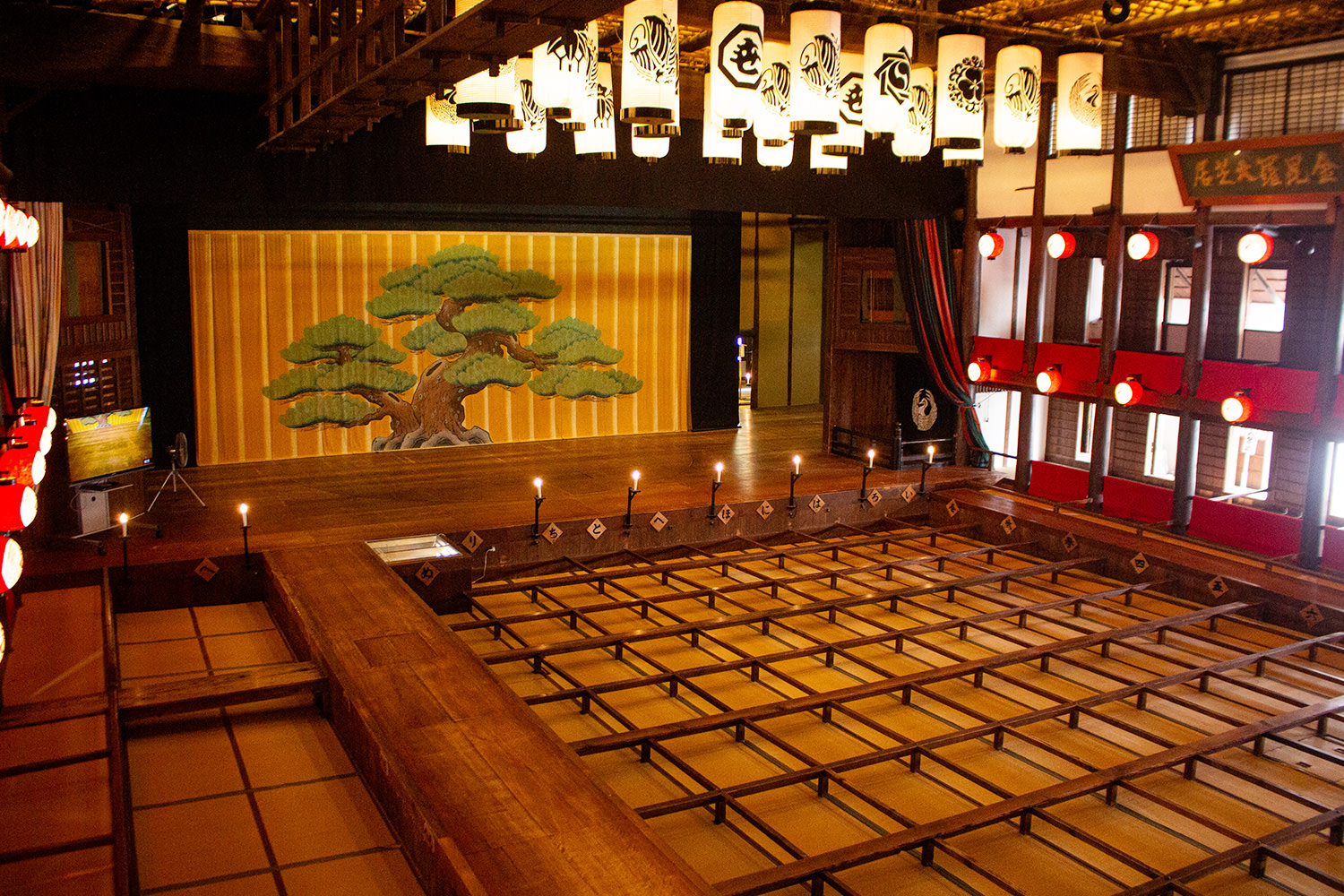
What distinguishes the Konpira Grand Theatre (Kanamaruza) is its intimacy. The hanamichi (raised runway) extends like a narrow bridge through the audience, enabling spontaneous gestures, whispered ad-libs, and physical closeness impossible in modern venues. Support staff operate traditional stage effects: opening and closing of the light windows during blackout, human-powered lifts, trapdoors like the suppon, and the resonant yagura-daiko drums. Kabuki’s roots, traced to Izumo no Okuni’s early 17th-century performances, still echo in these spaces, preserving not only a building but a living connection to Japan’s theatrical past.
4. Ai no Yakata (Former Okumura Residence, Tokushima) | The Beauty of a Merchant’s House that Sustained Japan’s Indigo Culture
Located in the quiet town of Aizumi, Tokushima Prefecture, Ai no Yakata preserves the rich legacy of Awa indigo which is the natural dye once renowned around the world as “Japan Blue.” The site brings together the stately former residence of the Okumura family, prosperous indigo merchants of the late Edo (1600-1868) and Meiji (1868-1912) periods, and the Aizumi Indigo History Museum that explores the cultivation, processing, and artistry that shaped this region for centuries.
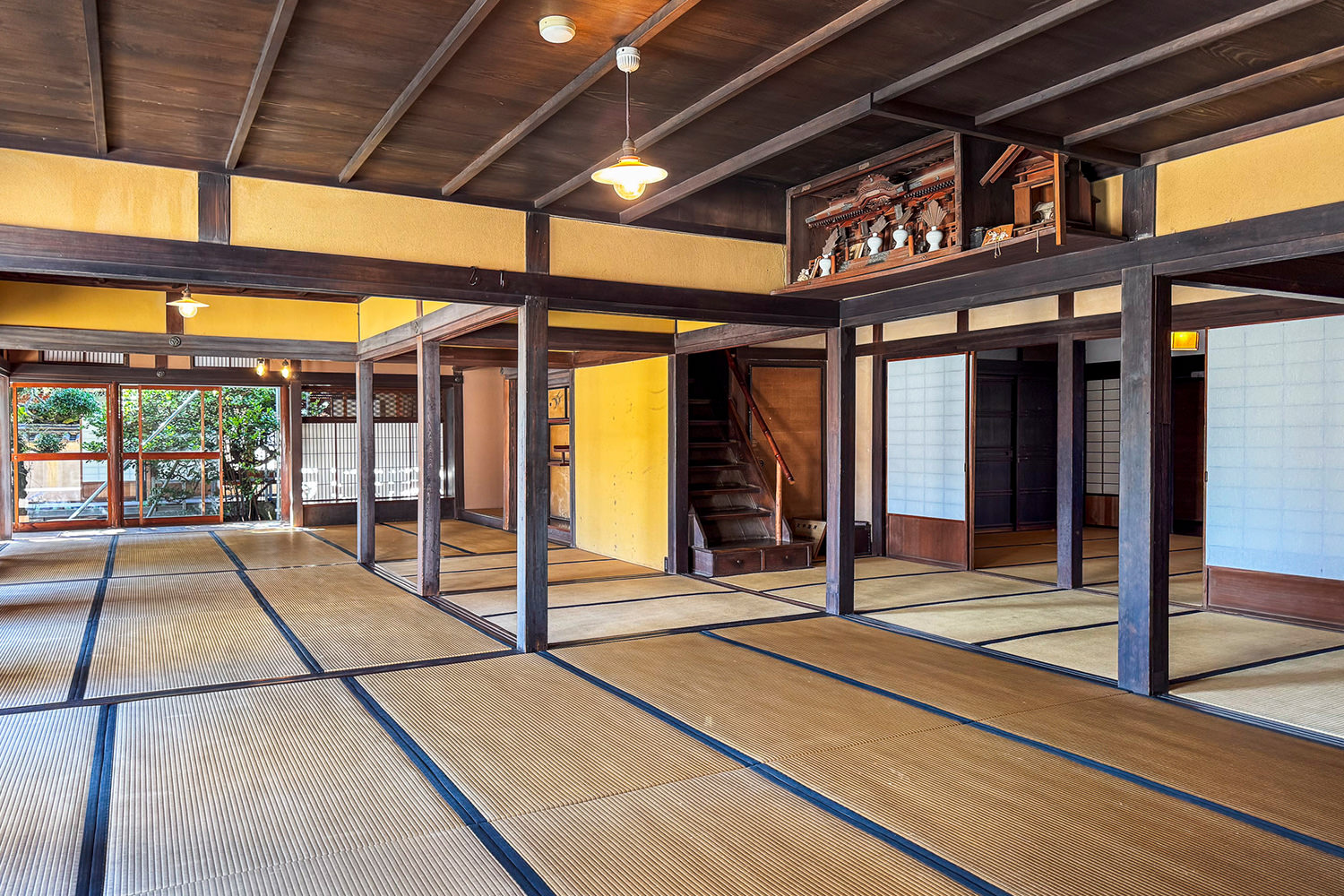
The Okumura residence, built between 1808 and 1887, stands as a remarkable example of merchant architecture. Its thick earthen walls, raised foundations, and long wooden corridors reflect both prosperity and practicality, designed to protect valuable goods from the seasonal floods of the Yoshino River. These floods hindered rice production, making indigo the prime cash crop of the region. The house is designated a Tokushima Prefectural Tangible Cultural Property, while the complete set of indigo cultivation tools preserved onsite holds National Important Tangible Folk Cultural Property status. .” The Yoshino River basin, which flows through the prefecture, repeatedly suffered from typhoon-induced floods, making it unsuitable for rice cultivation; however, the fertile soil deposited by these floods proved ideal for growing indigo.
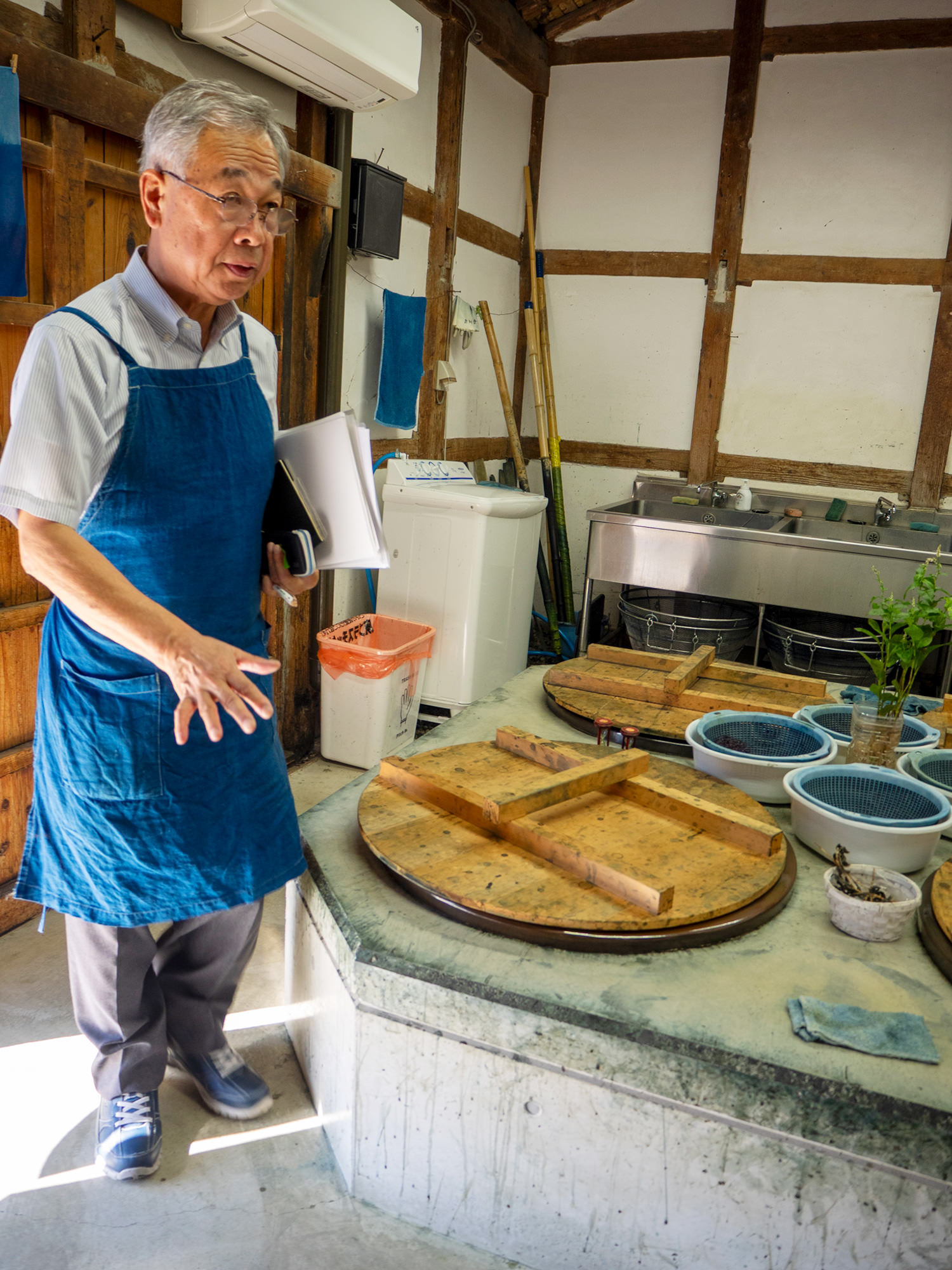
The elegant zashiki (tatami room) features carved ranma transoms and a Meiji-era (1868-1912) Western lamp, blending traditional aesthetics with early modern influences. Beyond the living quarters, warehouses and workrooms reveal the labor-intensive process of creating sukumo, the fermented indigo base. Dioramas with hand-crafted figurines vividly depict each step — cutting, drying, fermenting, and dyeing — showcasing the individuality and pride of the artisans.
Indigo cultivation once dominated Tokushima’s economy, providing durable, stain-resistant dye favored by samurai and merchants. Although synthetic indigo from Germany caused a decline in the late 19th century, the region continues to preserve its heritage, despite the reduction from 15,000 hectares to 20 hectares of active fields.
Across the facilities, QR codes offer multilingual explanations, while the contemporary exhibition room presents textiles, stencils, and multimedia displays. Together, the residence and museum form a vivid architectural and cultural journey, reminding visitors that “Japan Blue” remains a symbol of resilience, craft, and enduring regional identity.
5. Summary | Experiencing the Culture of Setouchi Through its Living Architecture
Across the Setouchi region, architecture serves as a lens through which visitors can understand how local communities have lived, believed, learned, and created over hundreds of years. Each site, whether a fortress, a temple, a school, a theater, or a merchant residence, reveals a different layer of the region’s identity, yet all of them share a consistent sense of harmony with their surroundings.
Though these structures served very different purposes, they were all built with an awareness of climate, terrain, and human scale. Wood, stone, and earth were used not only for durability but to create a sense of belonging within the landscape.
Visiting these places today is more than a historical survey. It is an invitation to see Setouchi as a thriving and living cultural region, where tradition, environment, and community remain intertwined. Through its architecture, Setouchi continues to share stories that connect past generations with those who walk through these spaces now.
Related Articles
-
 History
To Towns Where Time Breathes: A Journey Through the History and Ancient Streetscapes of the Seto Inland Sea
-
 History
Walk Through the White-Walled Streets of Kurashiki’s Merchant Past
-
 History
Tsuyama: Wander Through a Thousand-Year-Old Castle Town Where Historical Marvels Meet Sustainability
-
 History
4-day history and culture experience in Yamaguchi and Hiroshima
-
 Food & Drink
5 Setouchi Sake Breweries Where You Can Tour and Experience Sake Making
-
 Art & Culture
Tour Local Kilns to Experience the Venerable Tamba-Ware Pottery Tradition
-
_毛利報公会_持溝さん撮影.jpg) History
HistoryTour the Stately Residence and Garden of a Powerful Daimyo Family
-
 Art & Culture
Join Awaji Island Artisans for a Hands-On Kawara Tile-Making Experience
RELATED DESTINATION
Okayama
The Okayama area has flourished as an area alive with various culture including swords, Bizen ware and other handicrafts. Because of its warm climate, fruits such as peaches and muscat grapes are actively grown there. It is also dotted with places where you can see the islands of the Seto Inland Sea.