


Adventure & Experience
A Journey Across the Shimanami Kaido
.webp?fit=fill&w=640&h=640&fm=webp)
-
- RELATED TAGS
-
- LAST UPDATED
- 19 November, 2025
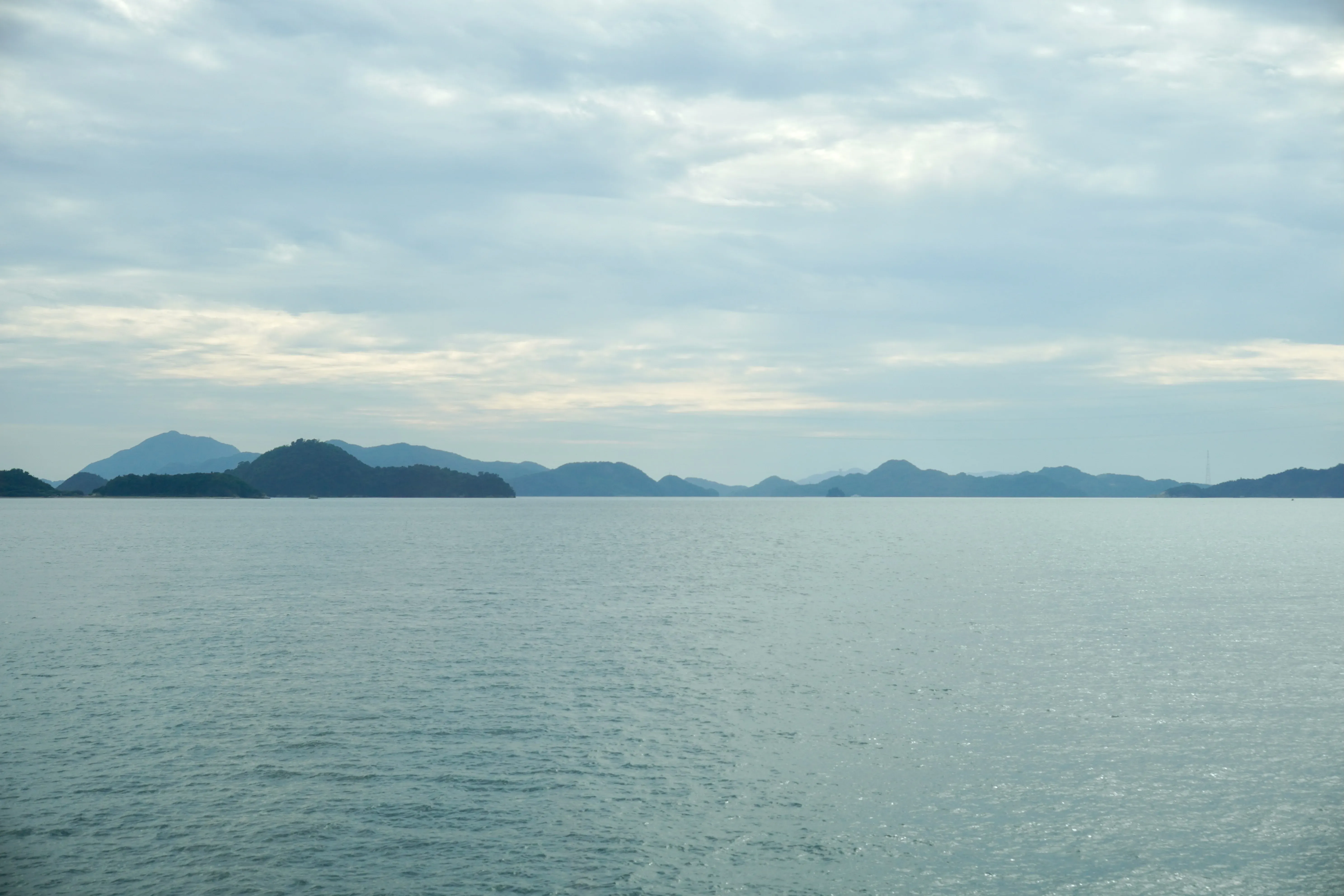
Japan’s spectacular Shimanami Kaido is one of the world’s most scenic cycling routes.It spans some 70 kilometers across islands and bridges in the Seto Inland Sea, connecting Onomichi in Hiroshima Prefecture on Honshu with Imabari in Ehime Prefecture on Shikoku. Slow down to visit a few sites along the way, and you’ll find that this epic sea route has a deep history.
As you chase that solid blue line linking landscapes and seascapes to cultural experiences and coastal communities, remember that each crossing is a customized journey. This itinerary is just one example that highlights four experiences across the islands, each of which offers a distinct perspective on Setouchi’s renowned sea route.
Table of Contents
Imabari Castle | A Maritime Fortress Shaped by Naval Strategy
On the southern end of the Shimanami Kaido, I began my journey at Imabari Castle. While on previous rides I had sped through downtown Imabari on my way to Dogo Onsen in Matsuyama, I knew that this rare seaside castle was worth stopping to visit.
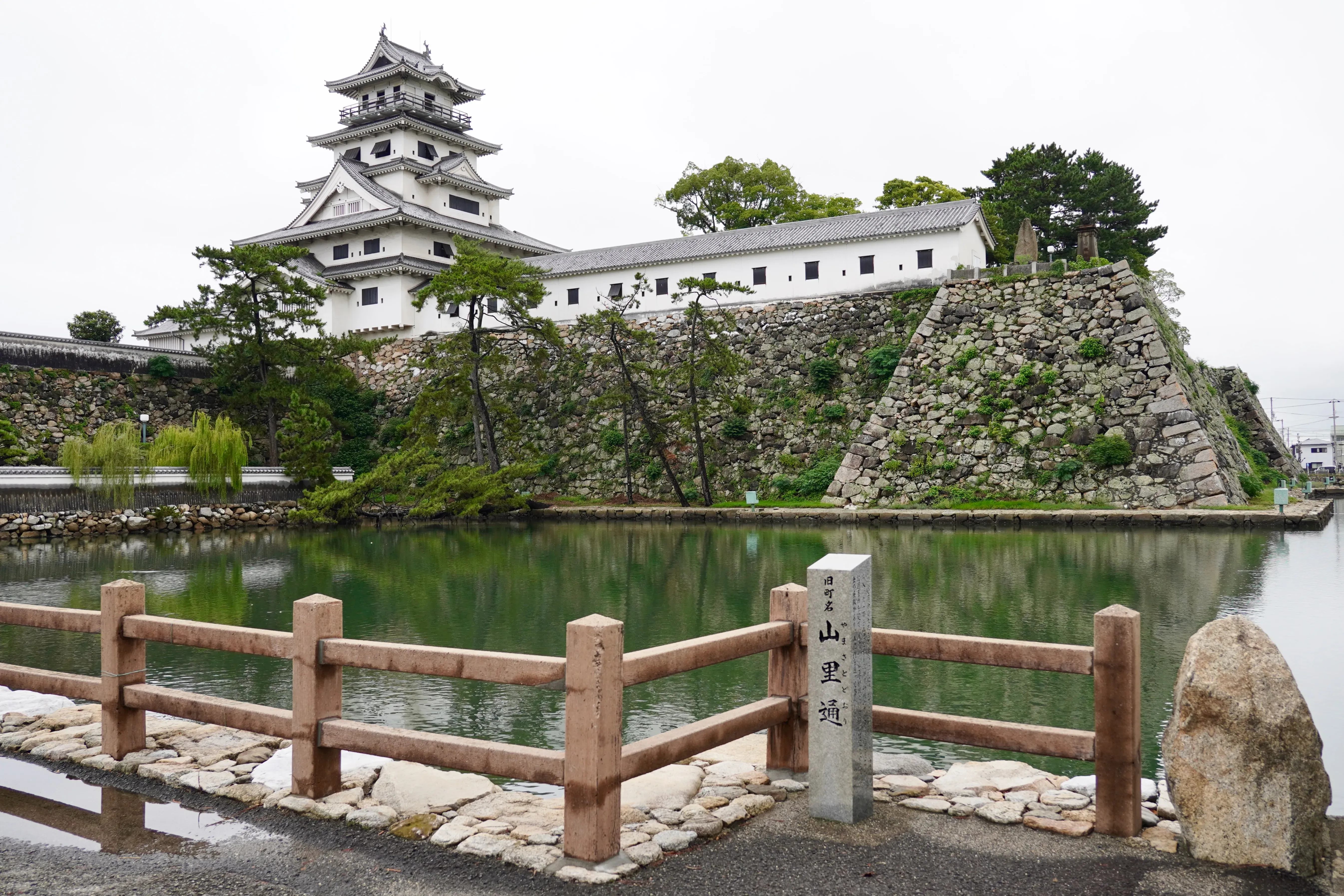
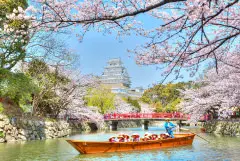
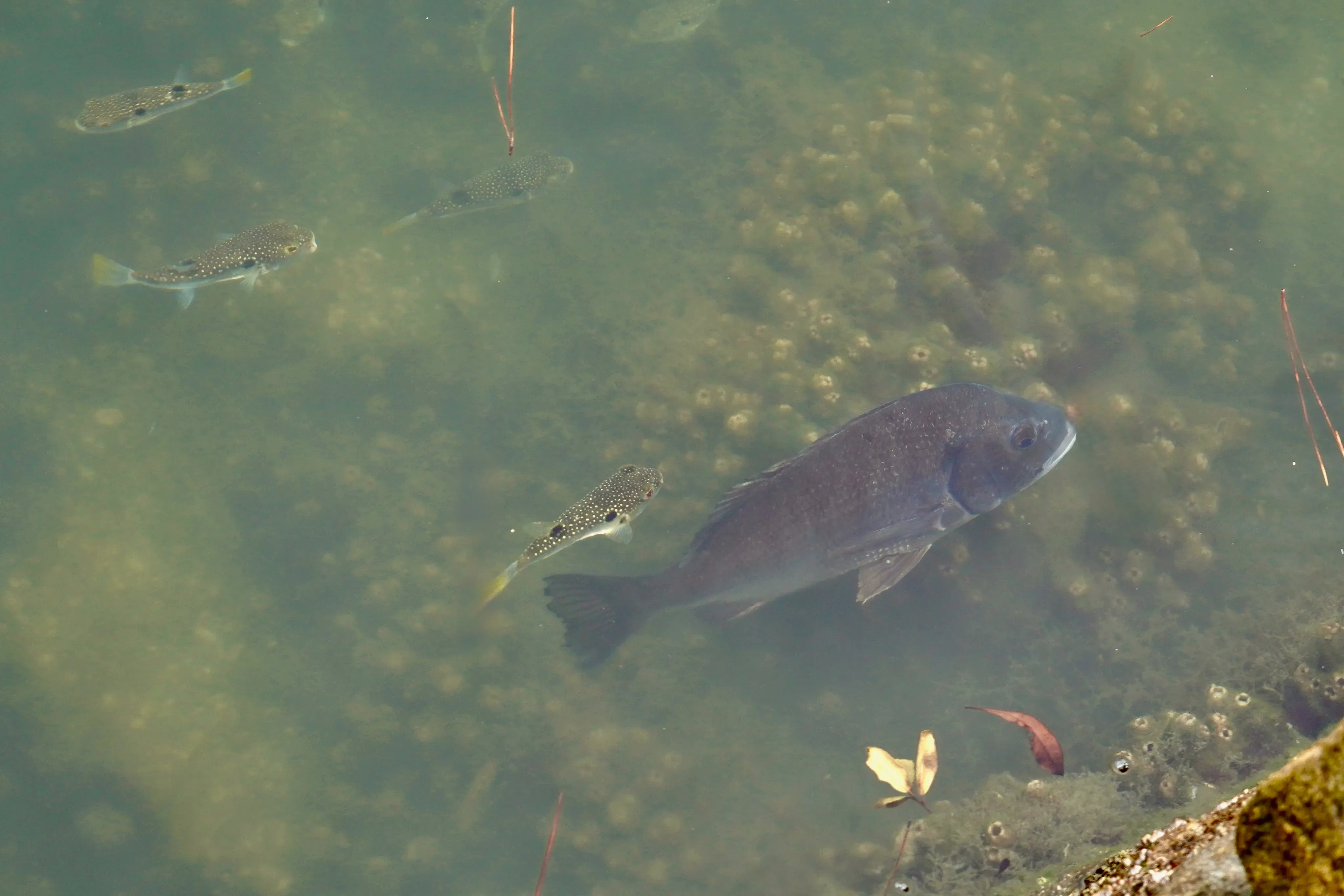
One of Japan’s three Great Water Castles, Imabari Castle stands on sandy dunes surrounded by a wide moat filled with seawater, whose level varies with the tide. I strolled along the moat and looked down to spot a large Black Porgy and many spotted grass pufferfish swimming near the surface. The moat is home to several saltwater fish species, as well as killifish who thrive in the spring water that rises from the bottom of the moat.
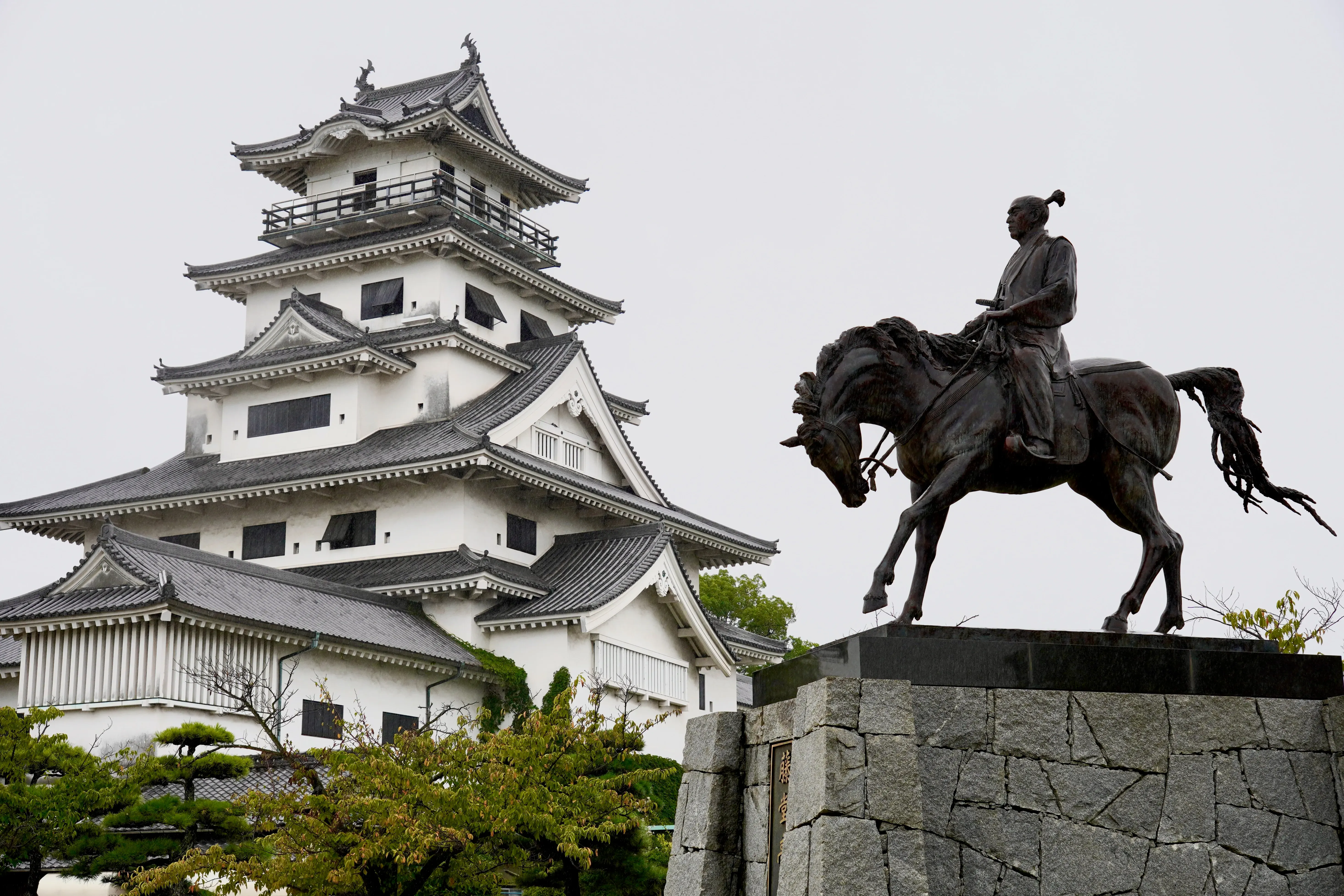
The expansive square layout of Imabari Castle was designed by Todo Takatora, a distinguished military commander and master castle architect under the Tokugawa shogunate. So great was his influence that a life-sized bronze statue of Todo on horseback now stands photogenically in the courtyard beside the profile of the white main keep.
The seaside castle itself combines the most advanced construction techniques of its time, built during the first years of the Edo period (1602-1868) and finally completed around 1608. The stone walls tower up to 13 meters high, containing bright white marble in addition to granite from the coastside, while the width of the inner moat (50-70 meters) exceeds the shooting range of arrows as a measure of strategic defense.
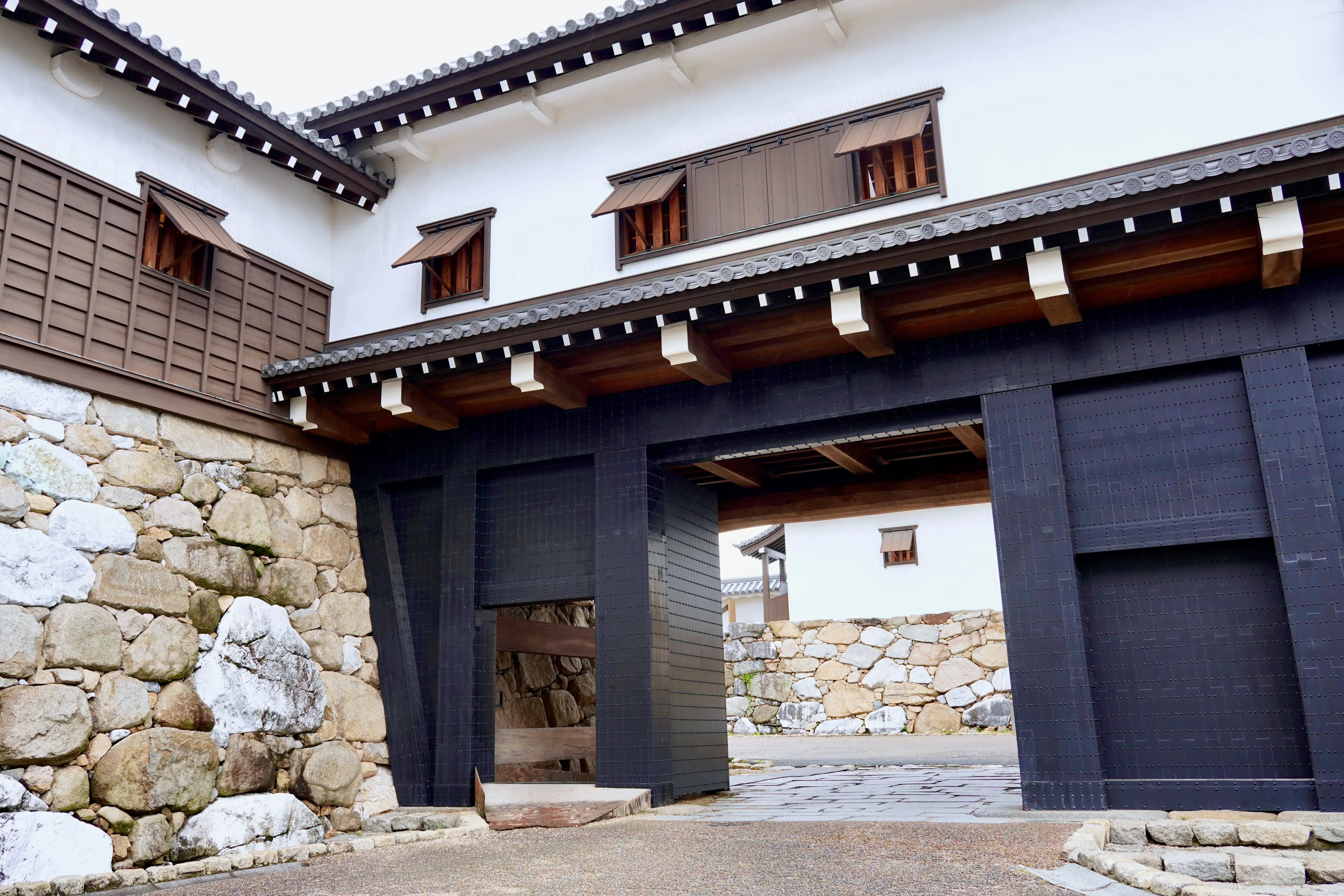
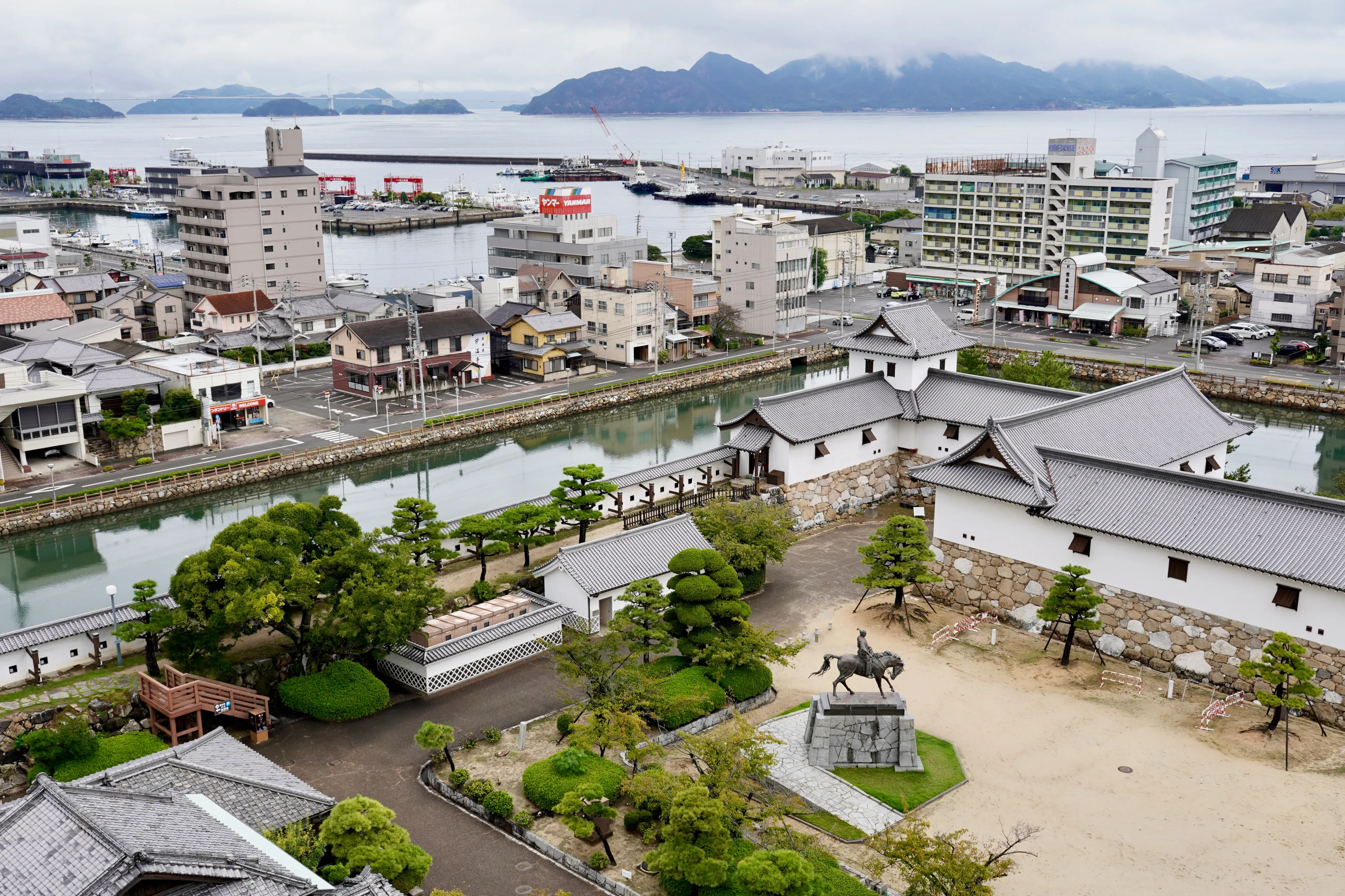
Although the rest of the original castle was destroyed in the Meiji period (1868-1912), the tower, main Kuroganegomon Gate, and three turrets have been carefully reconstructed to better show the magnificence of Imabari Castle. The port of Imabari, once inside the castle complex, is still used today as the city port, strategically facing the Kurushima sea route across the Seto Inland Sea.
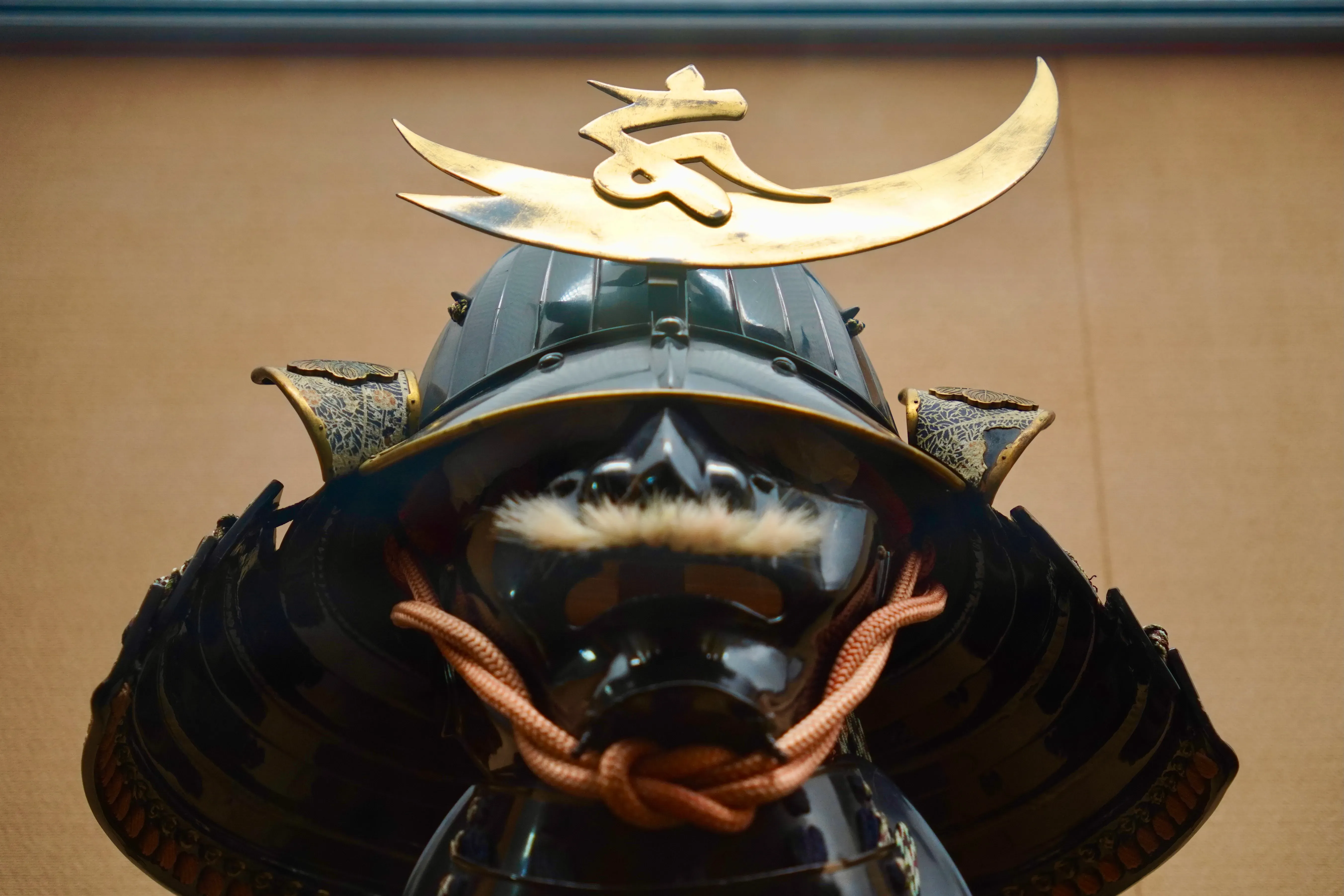
If the grandeur of Imabari Castle in Setouchi effectively asserted the new order under feudal Japan in the Edo period, its maritime power was indisputably inherited from the region’s Sengoku-period (15th-17th centuries) sea lords: Murakami Kaizoku.
Access: About 10 minutes by bicycle from Imabari Station (bike rental)
Murakami Kaizoku | The Legacy of Sea Lords
Kaizoku is often translated as “pirates” (predating the exclusively military suigun navy) but, as with samurai and ninja, the Japanese term kaizoku is unique to the society and culture of its era, without the negative connotations of plunderers at sea.
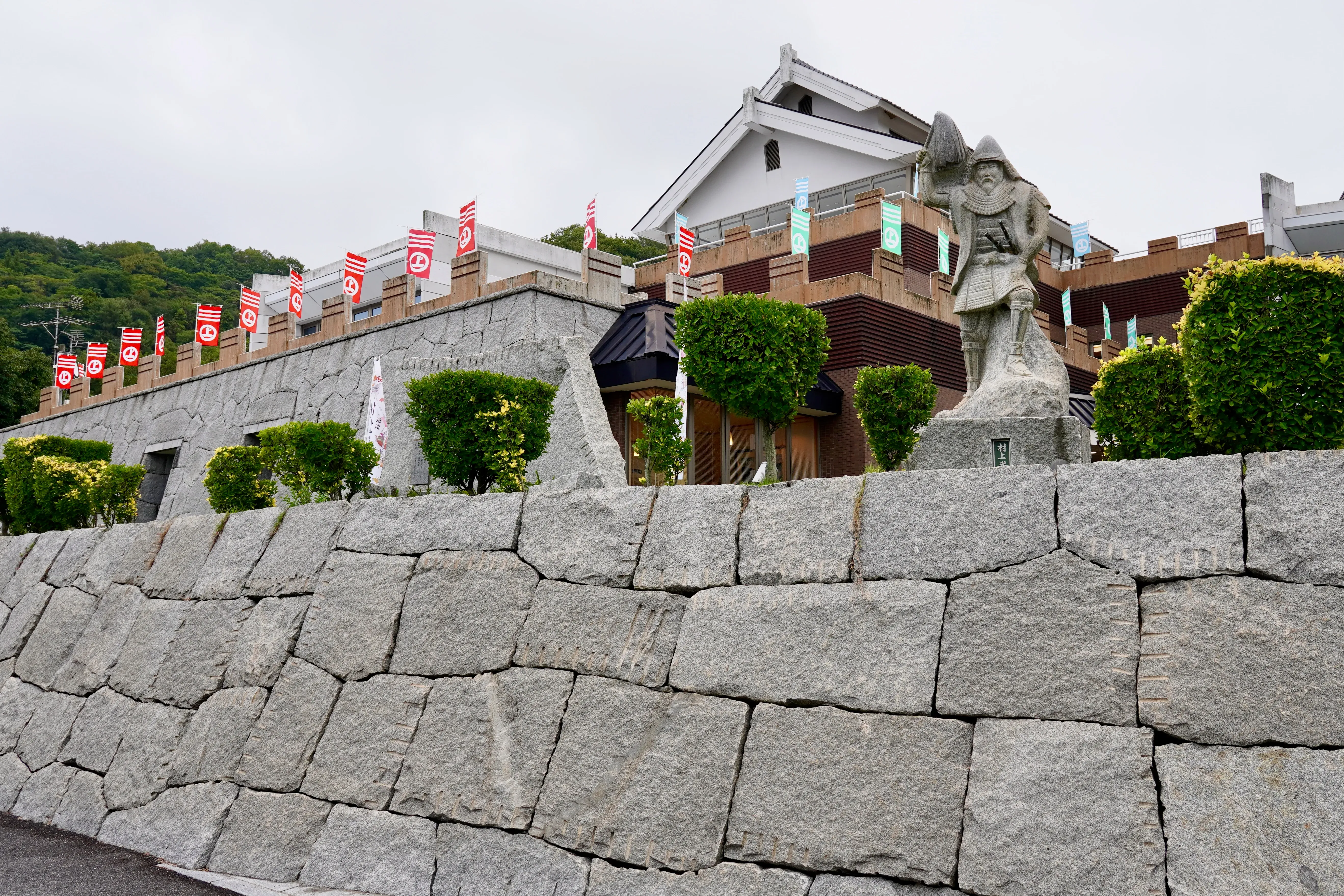
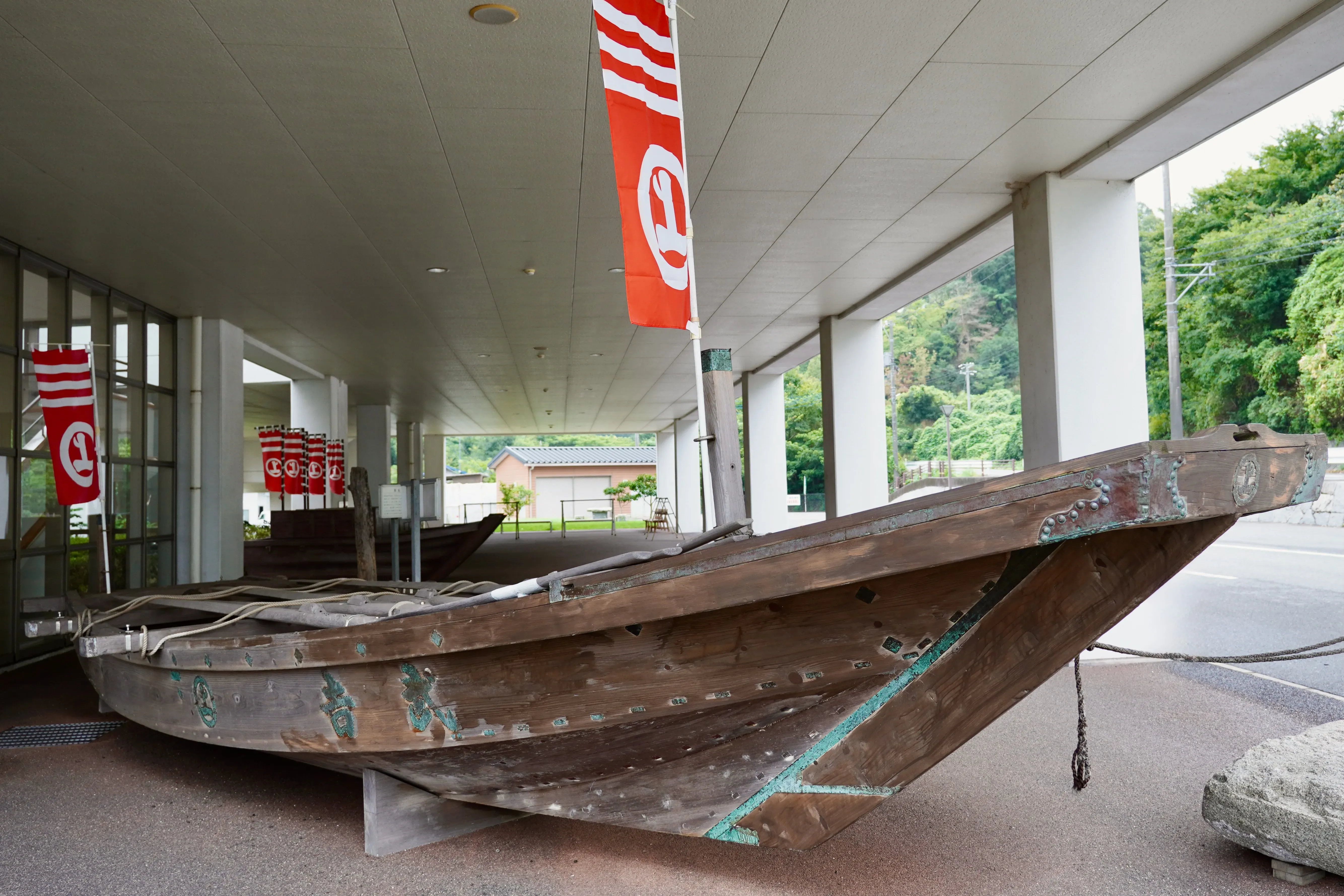
Murakami Kaizoku were active from the mid 14th century to the late 16th century, as a seafaring clan and formidable navigators who were intimately familiar with the violent marine currents that swirled around the channels of the Geiyo Islands (clustered around what is now the Shimanami Kaido). The clan was based on the three main islands of Noshima, Kurushima, and Innoshima. In exchange for passage fees, Murakami Kaizoku collectively maintained order along its maritime routes: guiding ships, guarding fleets, freighting goods.
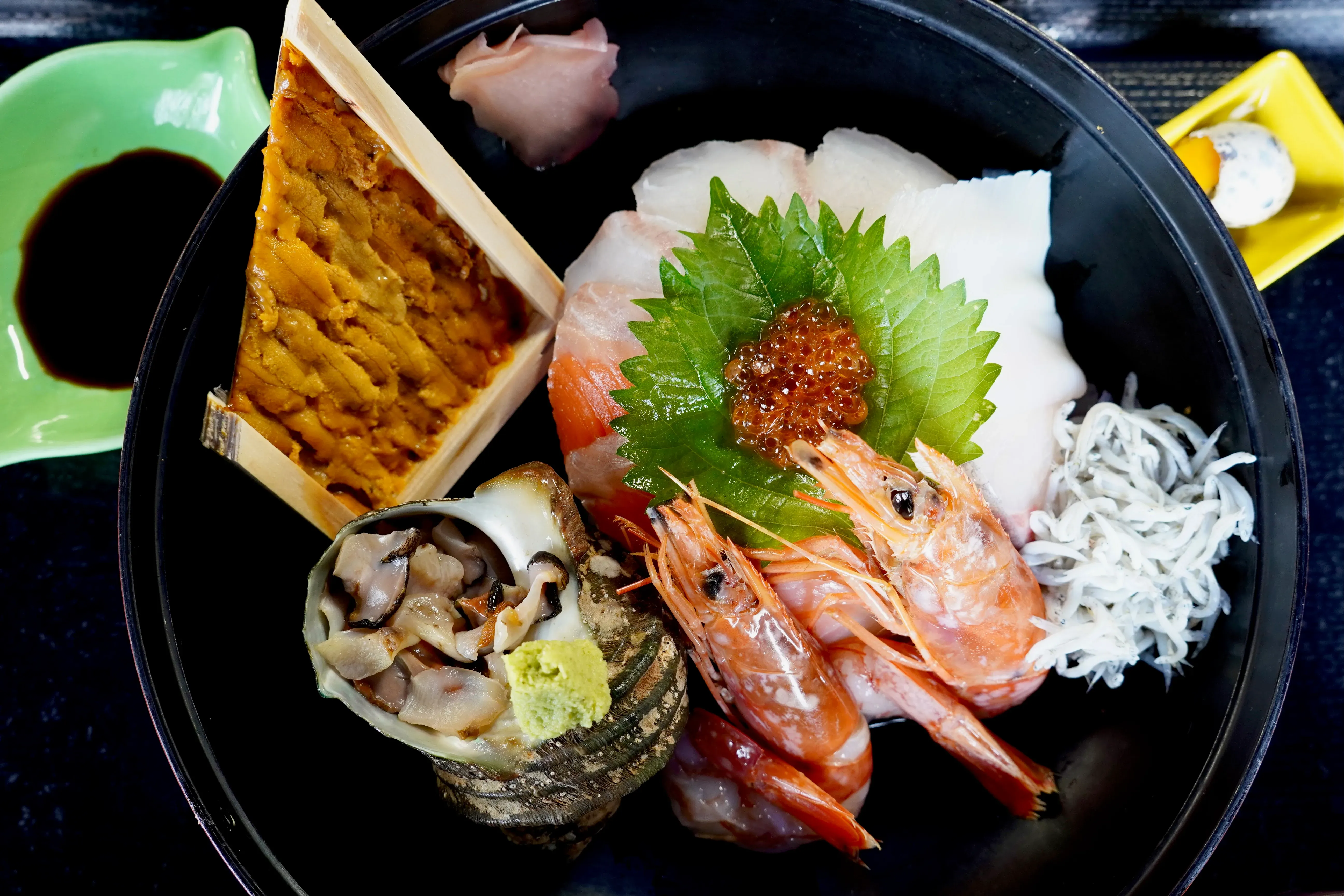
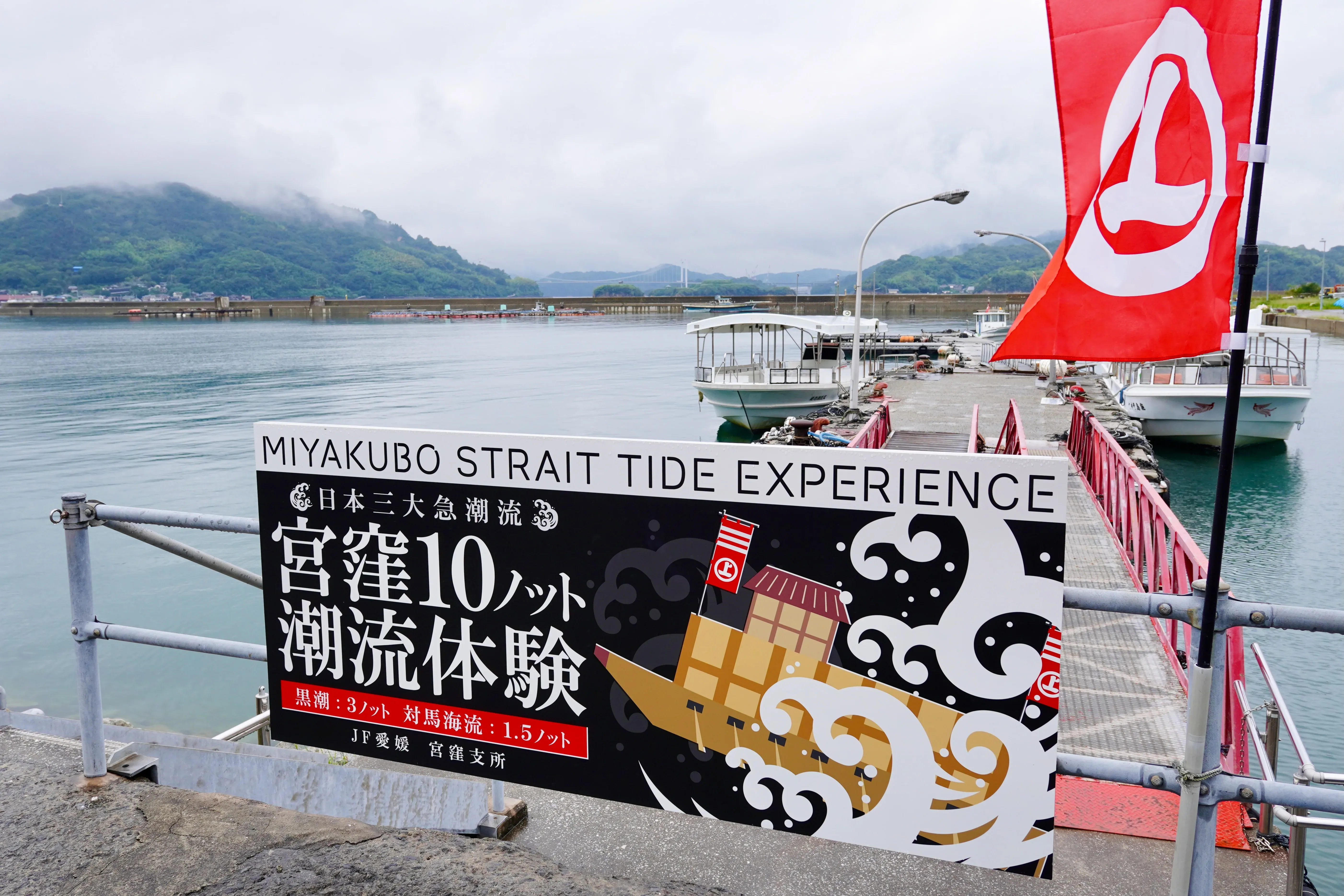
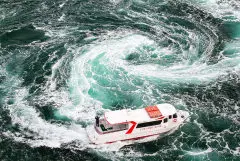
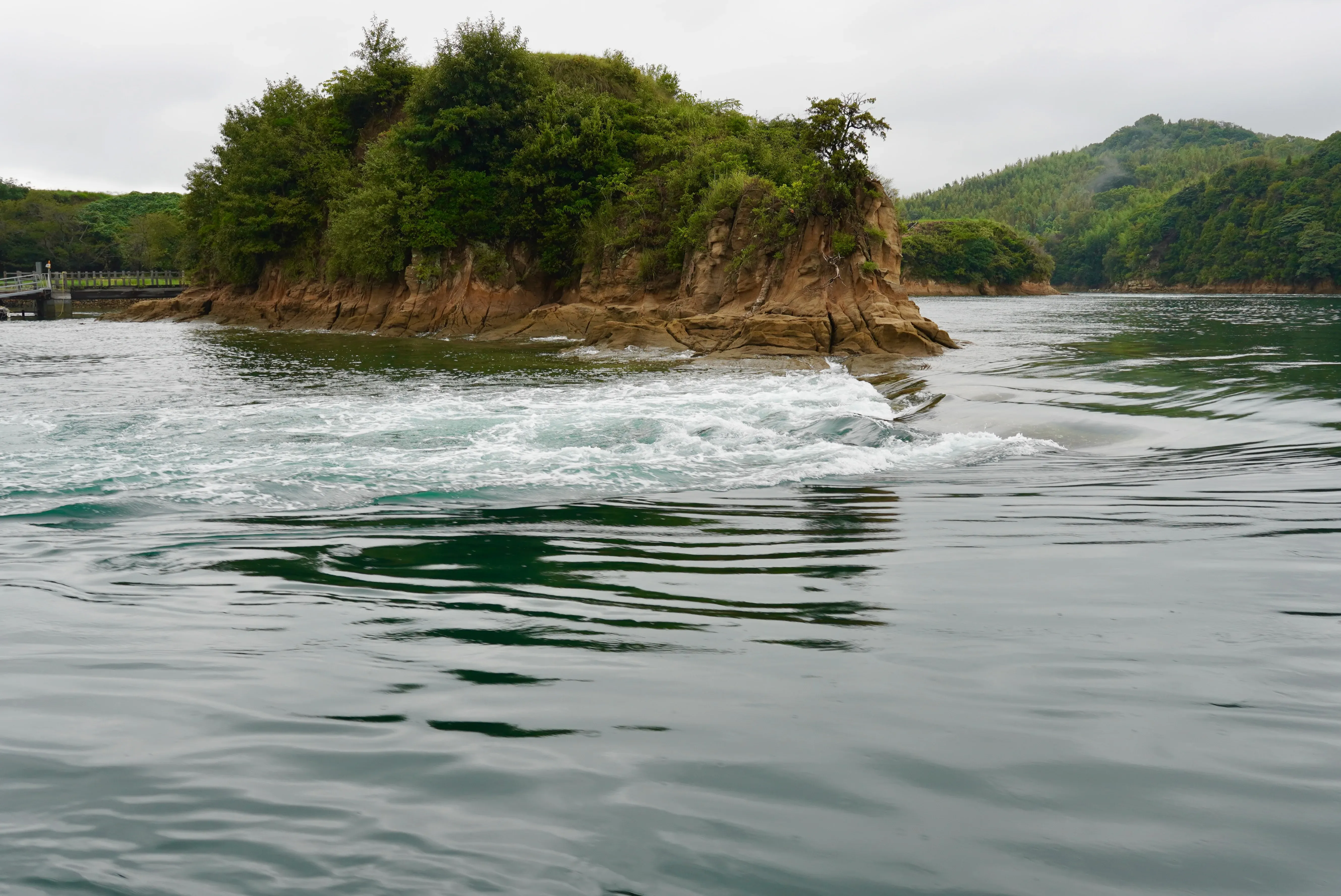
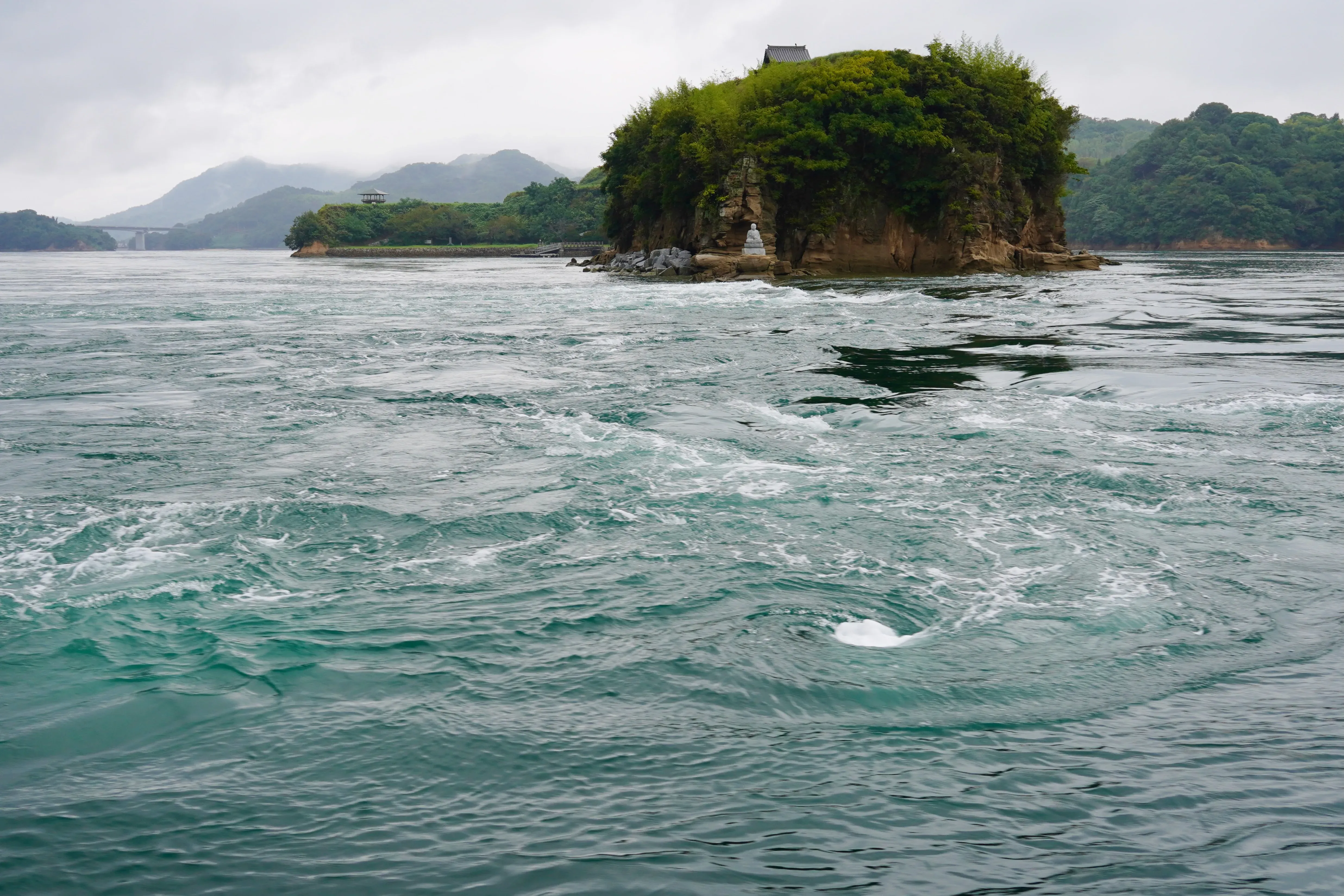
I arrived in Miyakubo, on the northeastern coast of Oshima Island, just in time for a fresh seafood lunch at Noshima Suigun. After my fine meal, I boarded a special sightseeing boat that took us out to sea, circumnavigating Noshima and other small islands all the way up to the Hakata-Oshima Bridge and back in 40 minutes. At first I was fascinated by our close encounter with Noshima, spotting traces of Murakami Kaizoku’s ancient presence and ruins of many small fortresses on the islands. But soon I was overcome with awe by the sea — the boat was surrounded by swirling tides and dynamic currents, making it easy to imagine how inexperienced seamen could become swept away by the moving waters without Murakami sea lords to show them the way through. That day the current was around five knots, but if you want to witness even stronger tides, the staff told me, come during the period of the full moon.
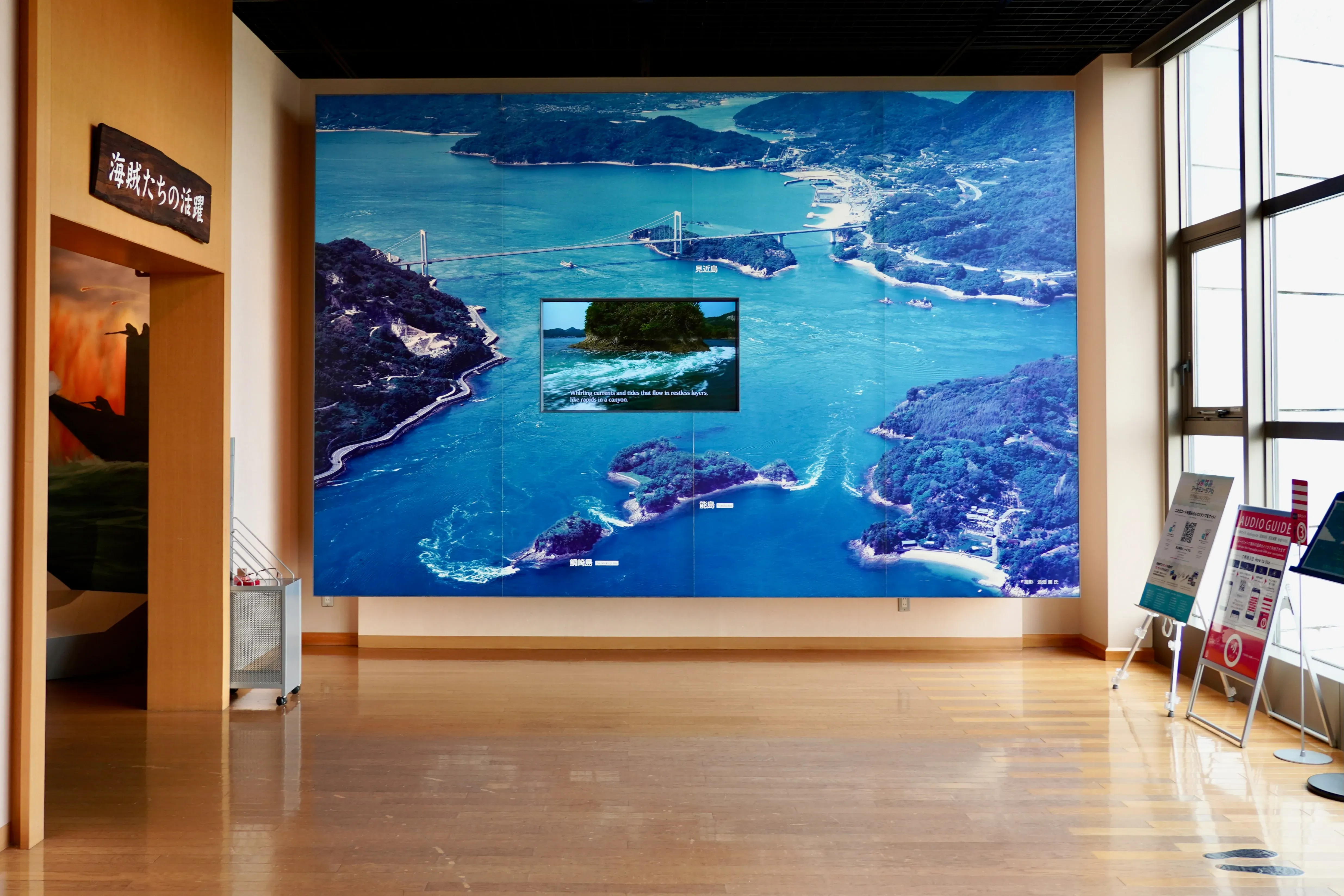
Across from the restaurant, the Murakami Kaizoku Museum exhibits replicas of the nimble wooden boats the seafarers used to navigate the channels, a large map showing the locations of their excavated ruins, a replica of the signature Murakami 上 flag, and carefully preserved artifacts, such as the bright red jacket worn by Murakami Takeyoshi, who led the most powerful and prosperous Noshima Murakami clan. The museum also exhibits rare ceramics and other trade goods excavated from their village, alongside noh flutes and instruments used for tea ceremony and burning incense. Indeed, Murakami Kaizoku were more than simply agile seafarers; they were a refined clan who cultivated artistic expression and rituals.
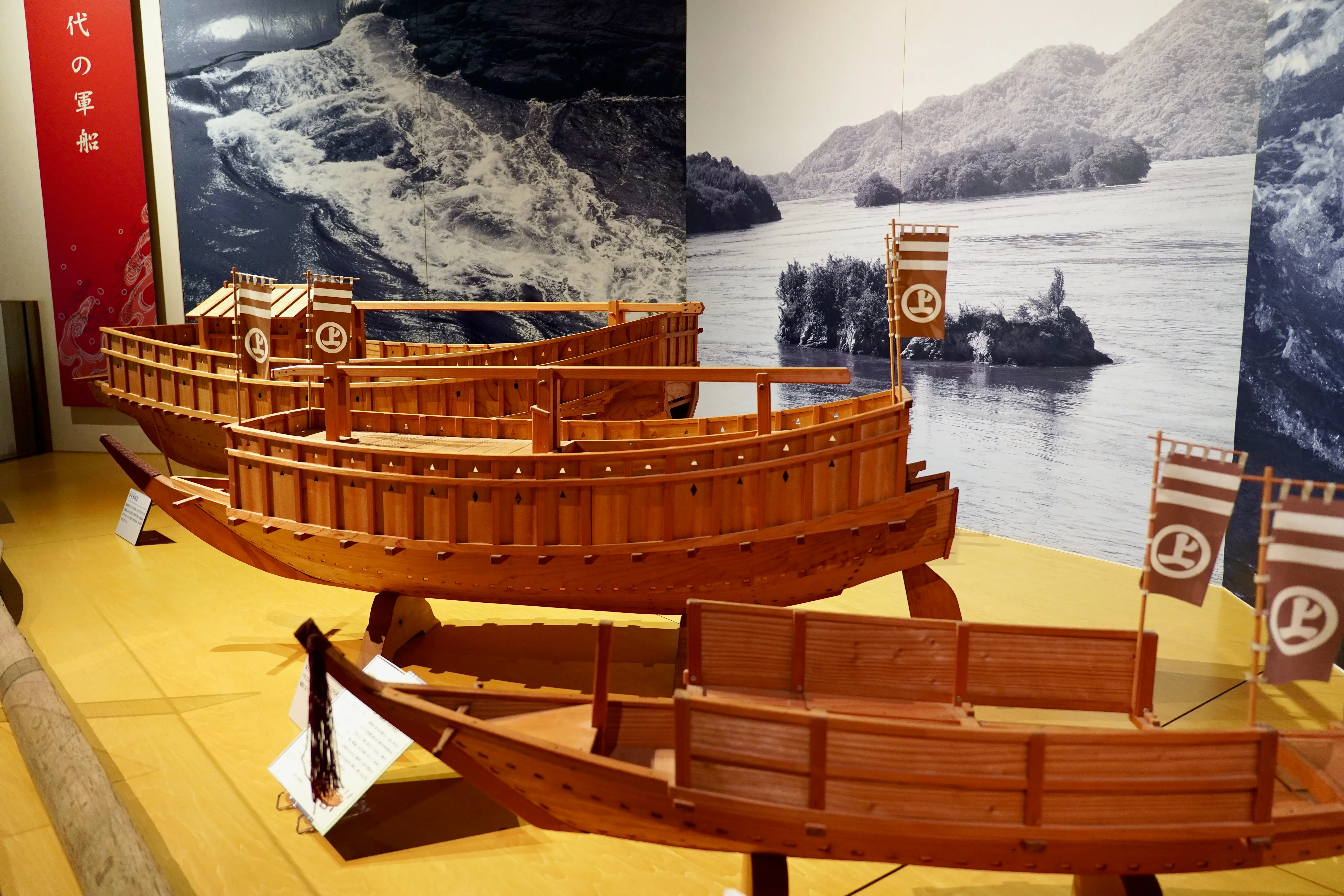
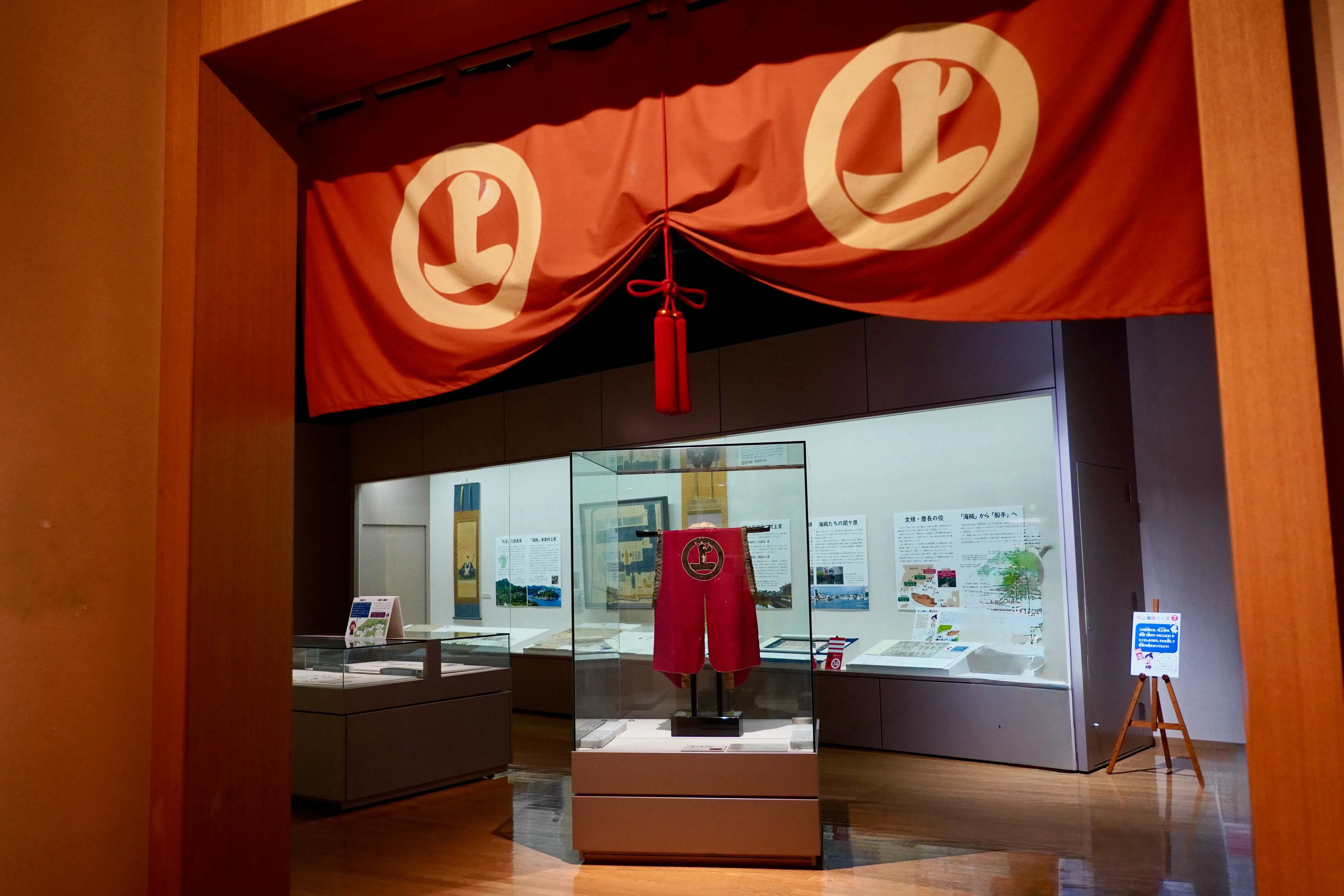
Access: 20–30 minutes by bicycle from Imabari (bus or car also possible)
Azumi Setoda | A Historic Ryokan Bridging Past and Present
Located roughly midway across the Shimanami Kaido, the sunny island of Ikuchijima is a popular place to stay for the night, or at least for a bite to eat. It’s home to a seaside gelato shop selling local flavors, a safari of colorful outdoor art sculptures, a Sunset Beach, a marbled hilltop above an eclectic temple, and several active initiatives to revive the once flourishing Setoda Port area.
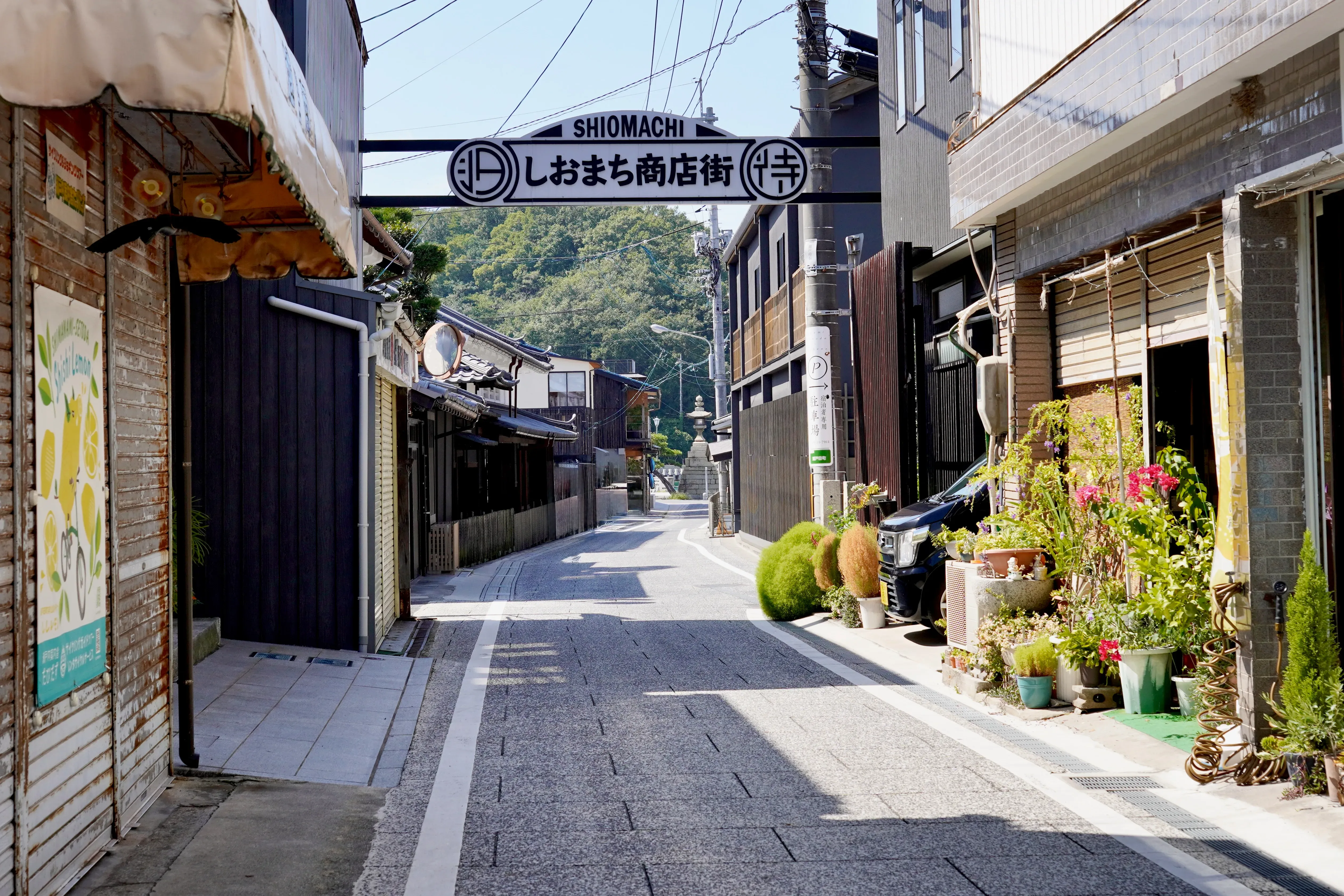
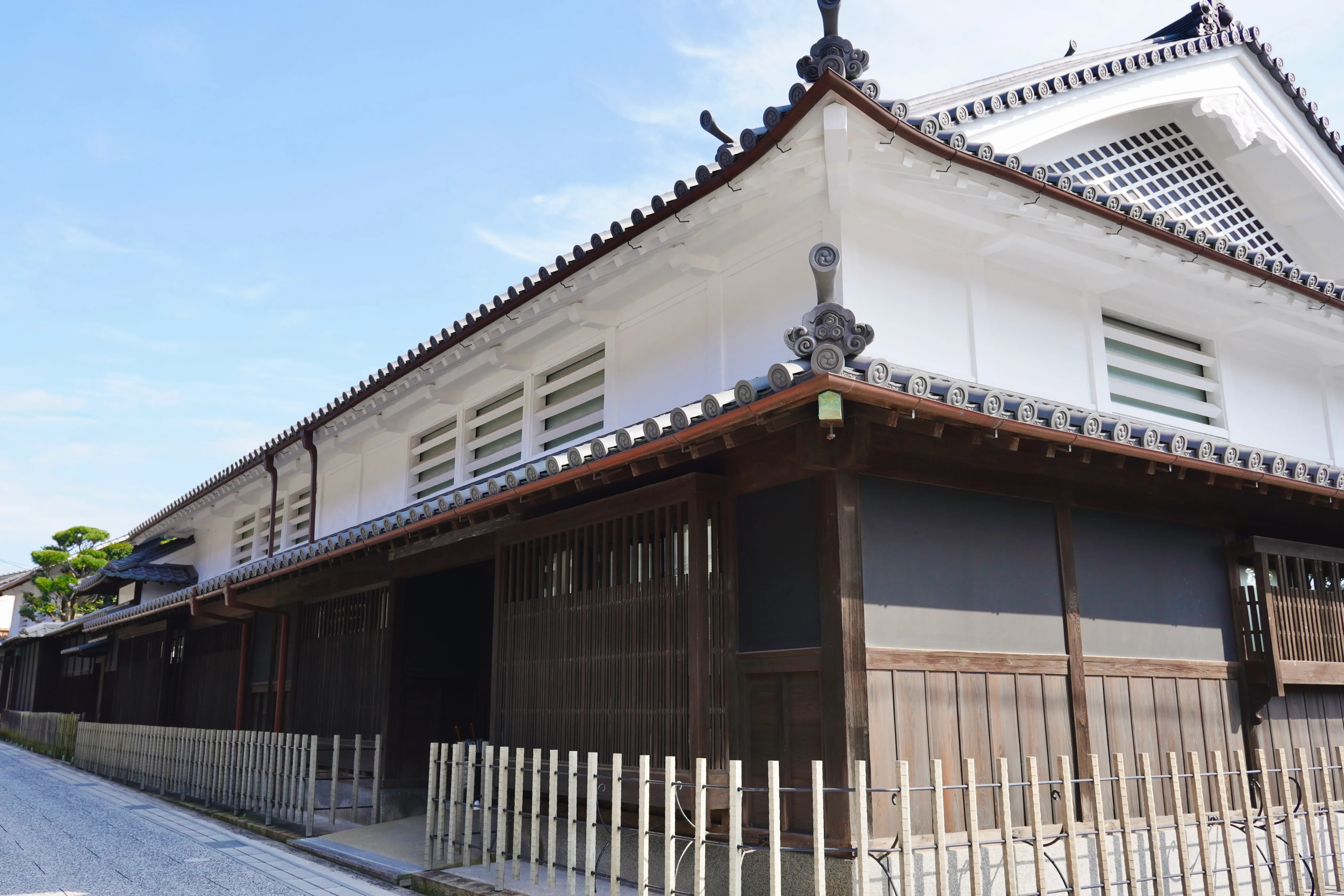
Among historical restoration projects on the island, the most ambitious is no doubt Azumi Setoda, located on the Shiomachi main street. This luxurious ryokan opened in 2021, following years of work to restore and renovate the former Horiuchi residence, built in 1876. During the Meiji period, Setoda prospered from the local salt industry and maritime trade, where the Horiuchi family was one of the wealthiest merchant families in the region. Their estate included two finely crafted properties, which have both been restored in the Sukiya style of Japanese architecture inspired by traditional tea houses. The restorations preserve original wooden beams and structural elements as much as possible, while integrating new materials and techniques for gradual, natural change.
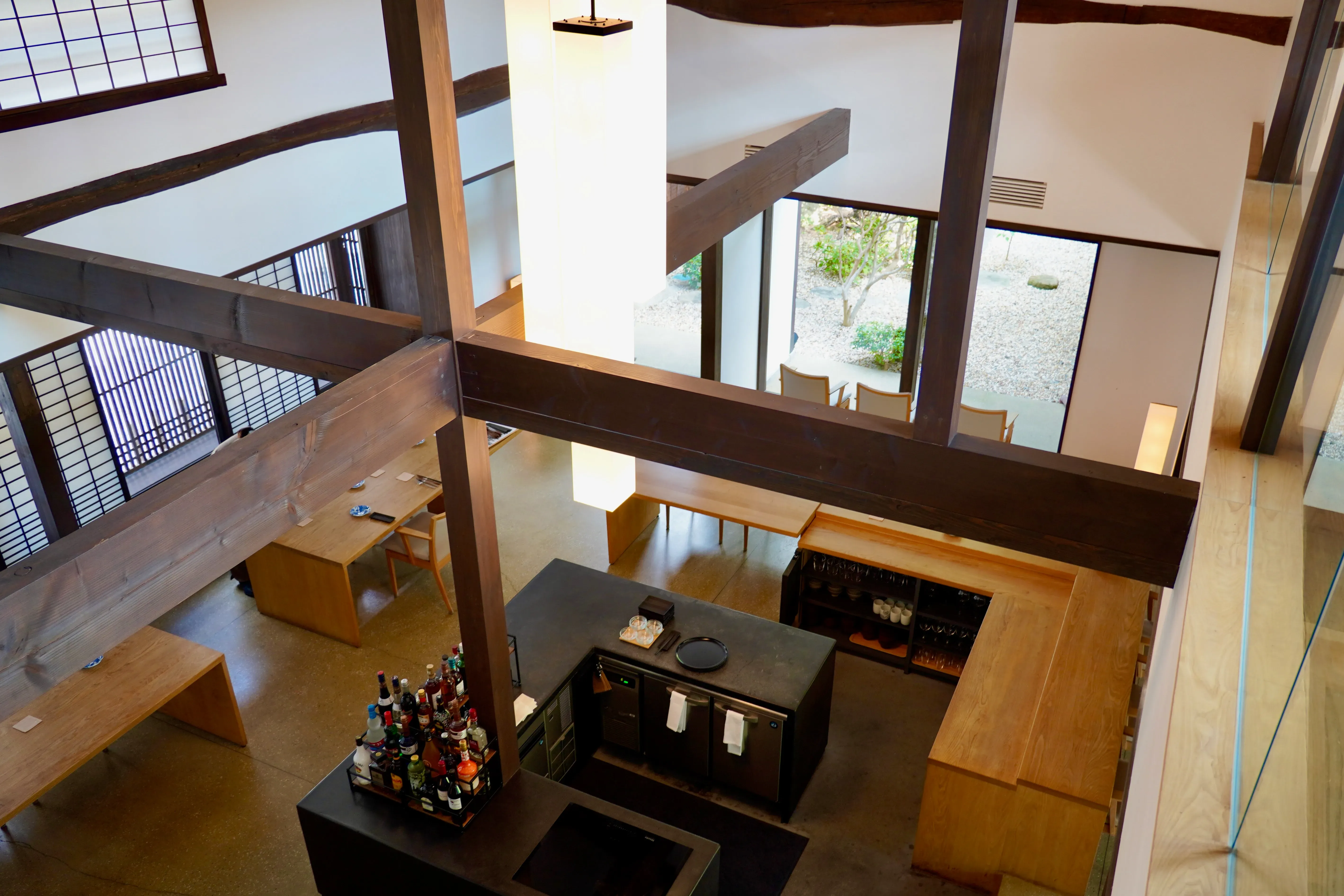
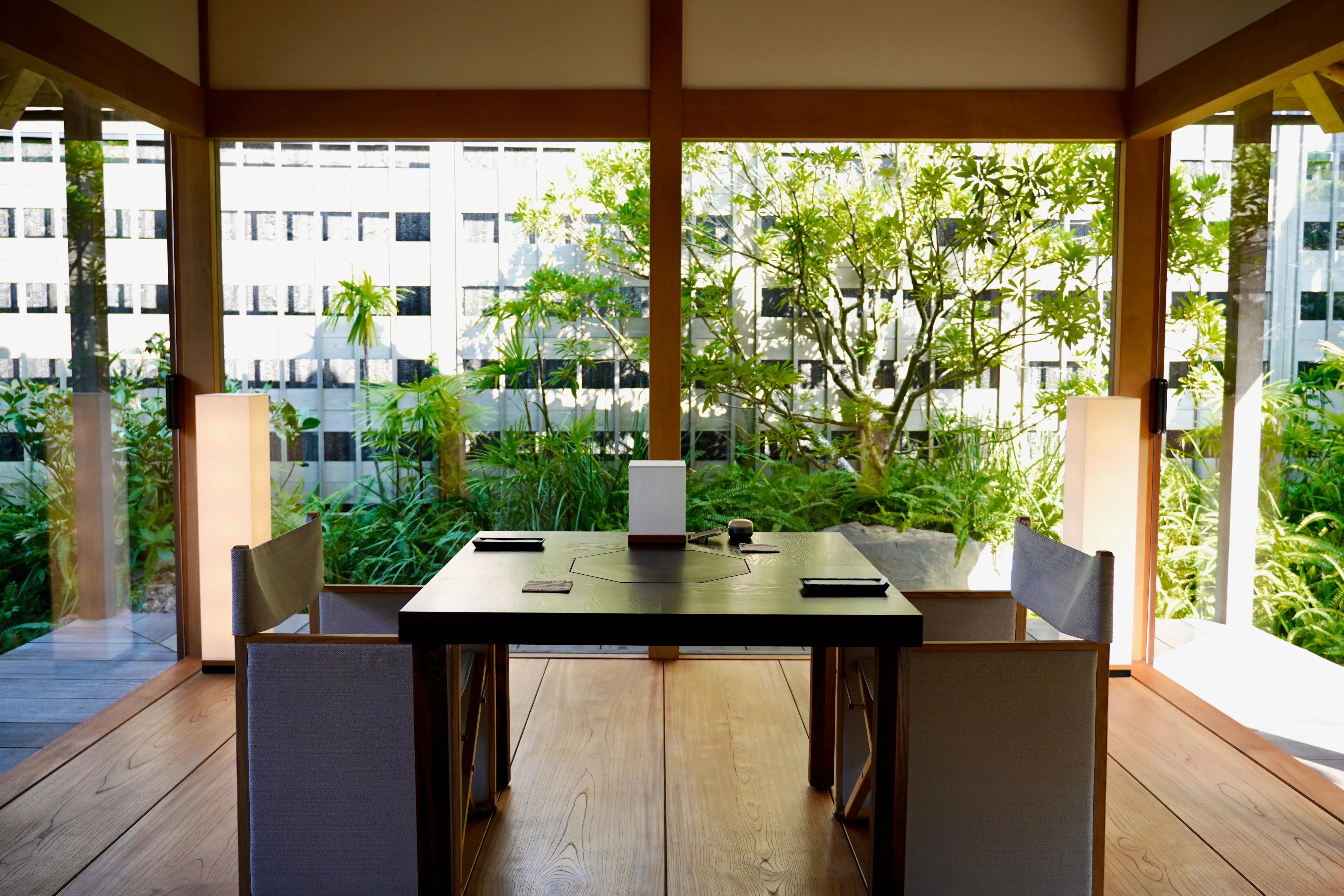
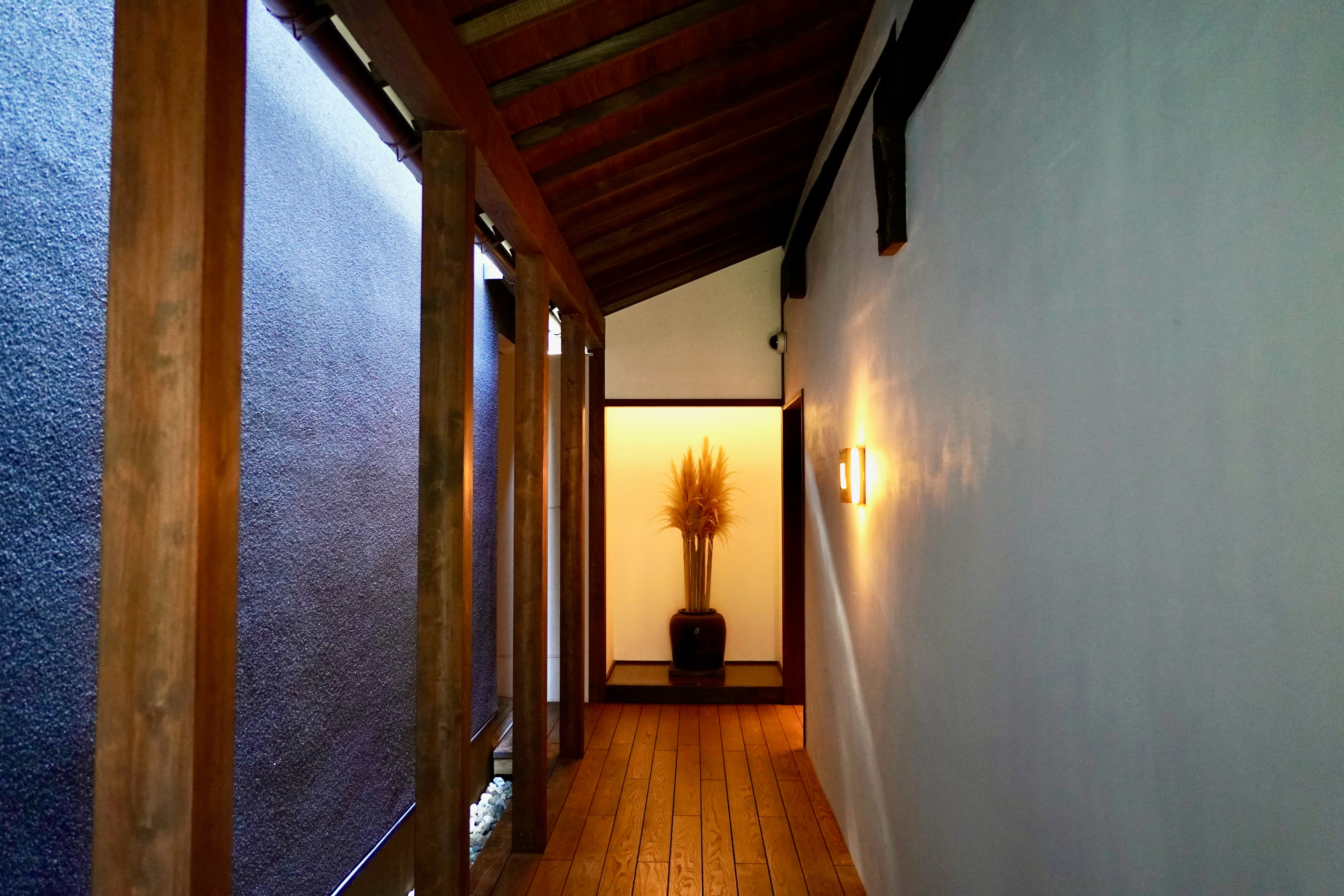
From the outside, the contrasting dark wood ground floor and white second-floor walls under charcoal tiled roofs have been repainted to match their original appearance. Inside Azumi Setoda, the lobby is bright and welcoming, with an open staircase leading up to a mezzanine level under dramatically exposed beams. Kyoto-trained Sukiya architect Shiro Miura sought to highlight the quality of the original woods through carefully controlled aging, just as the interior gardens let the house breathe through tall slatted kakine fences that filter soft sunlight and a gentle breeze in the humid island climate.
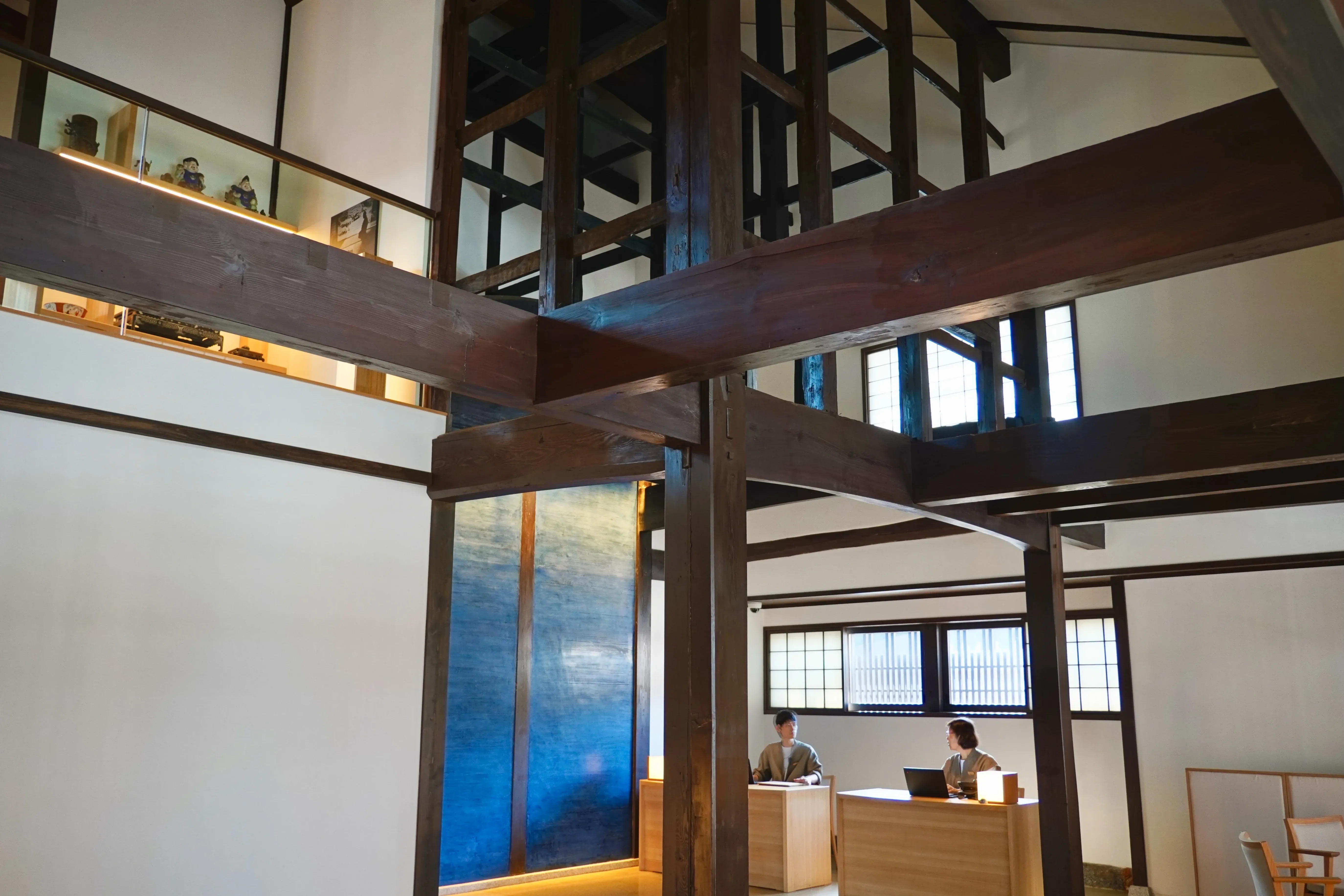
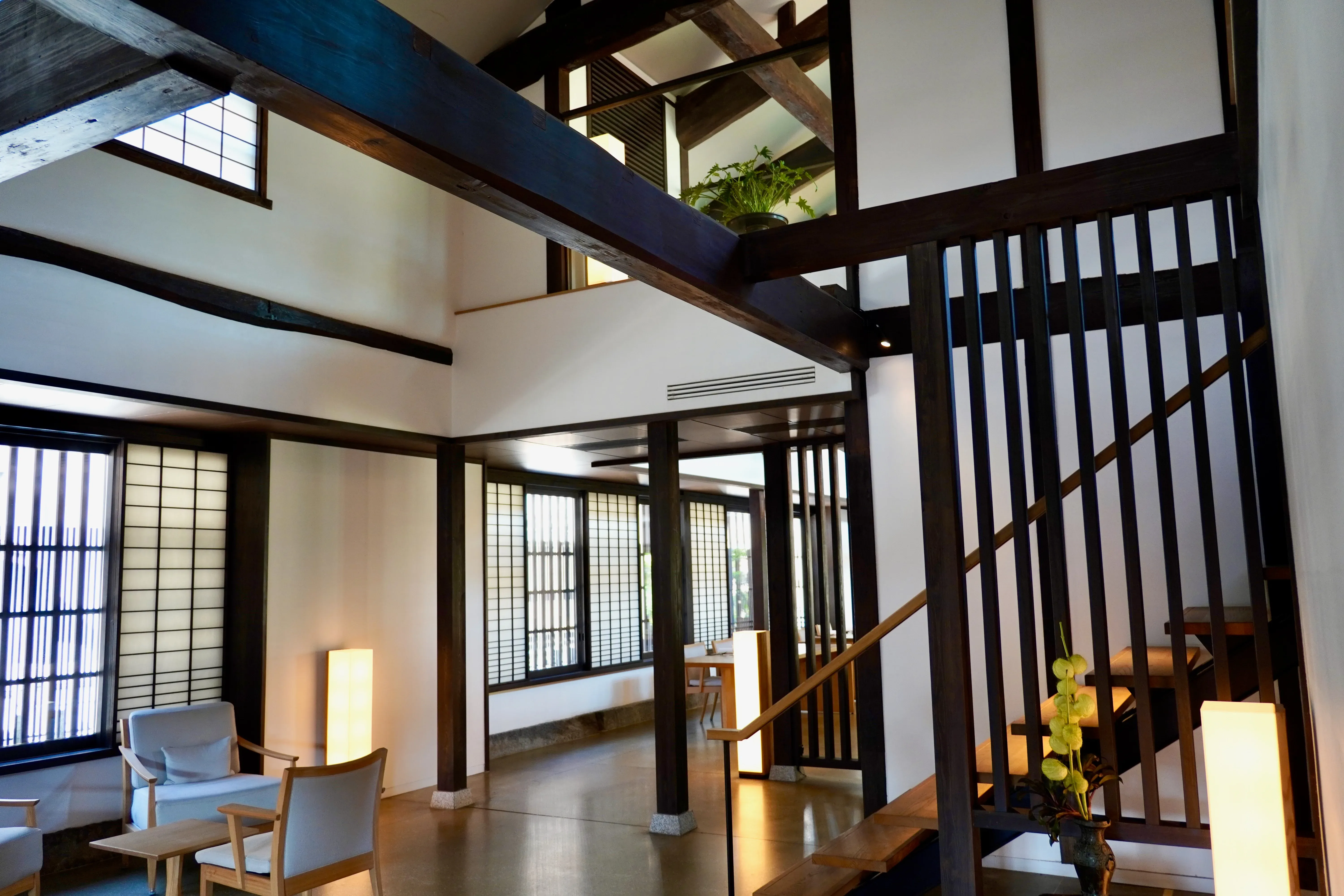
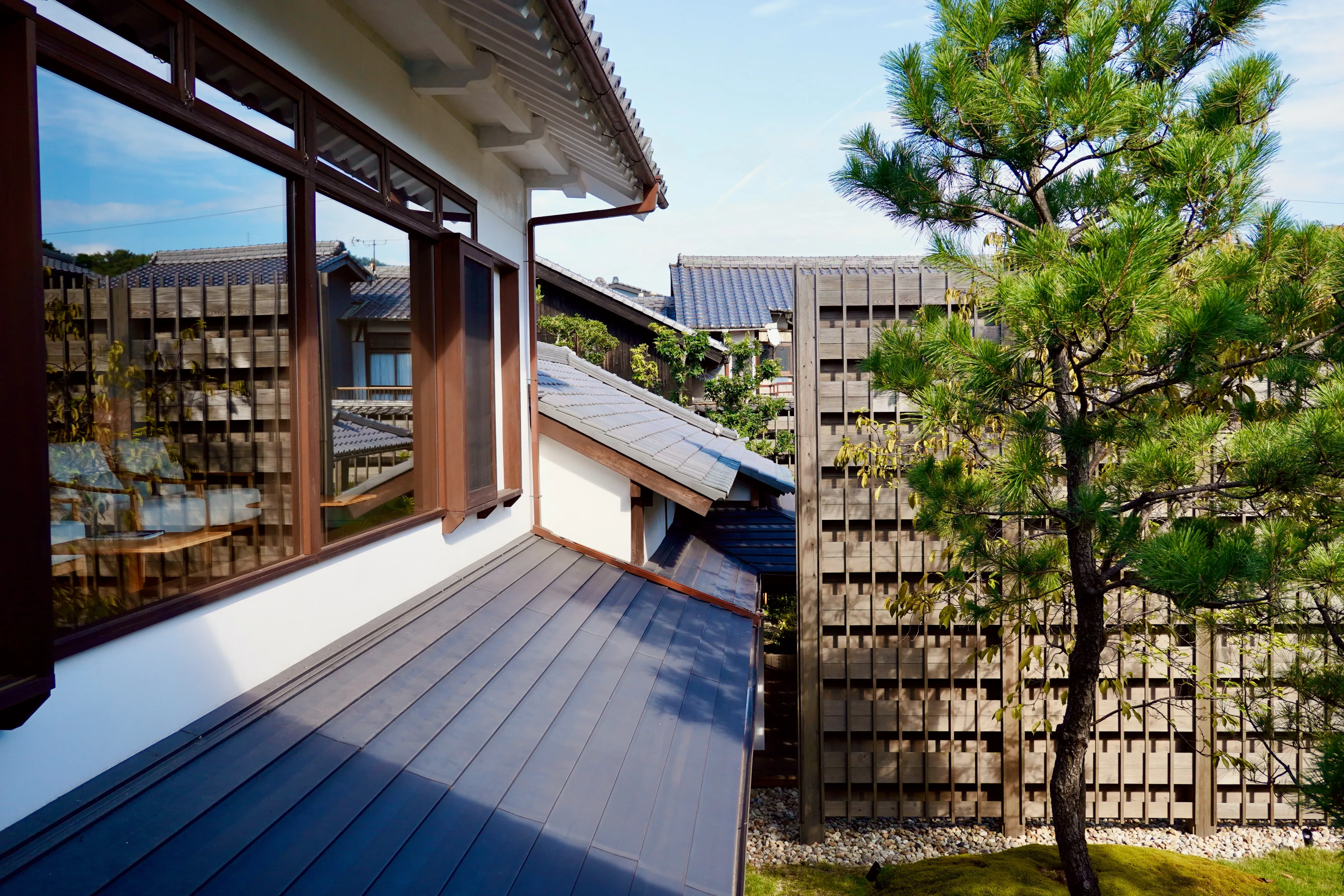
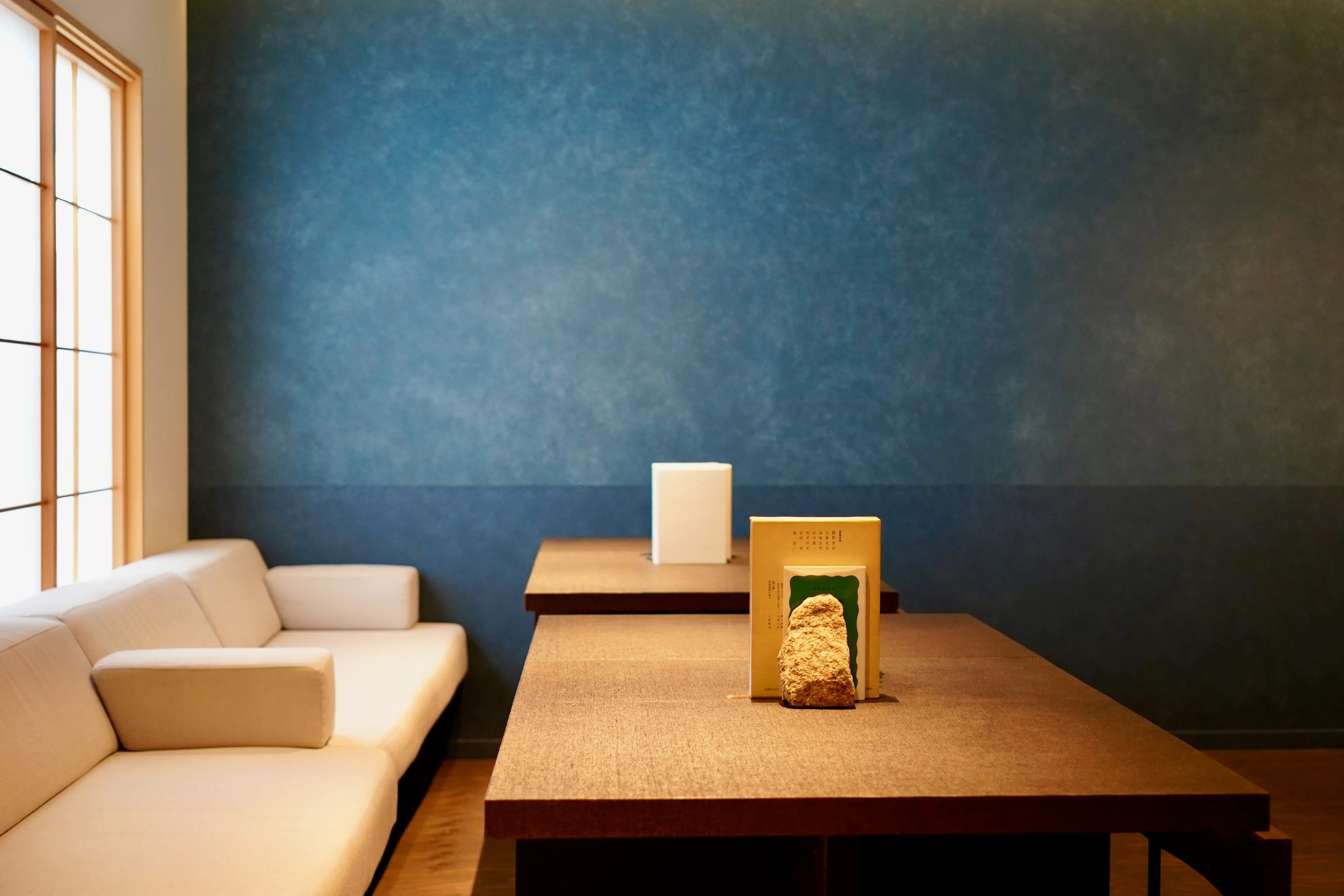
The local staff are equally tuned in to the flowing atmosphere and meticulous daily care required to maintain this lovingly revived mansion. Likewise, guests are encouraged to blend into the neighborhood culture — enjoying the sandy beach, eating locally sourced cuisine on antique wares, biking around the island, chatting with the residents — although more high-end activities such as guided tours and island-hopping can also be arranged.
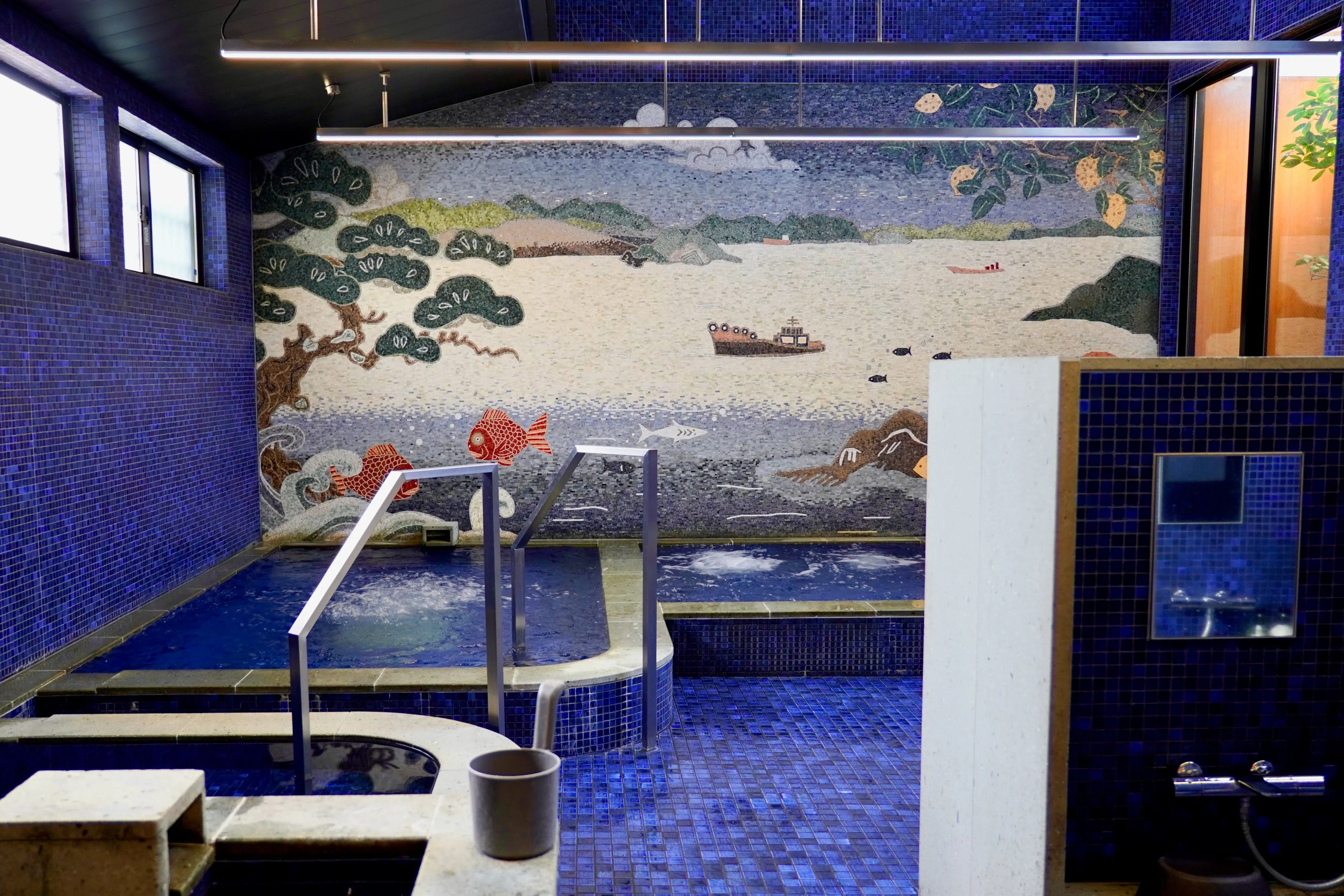
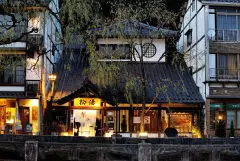
Right across the street, I indulged in a refreshing hot bath at the ryokan’s annex Yubune. The island’s only sento (bathhouse) is decorated with bright blue tiles and a colorful mosaic depicting a classic Setouchi scene, complete with red sea bream and fresh lemons. Above the reception hangs a lacquered original wooden boat sign with mysterious calligraphy, opposite a sketch of the original yubune boat used to carry hot water. Local history is still very much alive here, just as stylish and convivial as a community bathhouse.
Access: Near Setoda Port, 2–2.5 hours by bicycle from Imabari via Shimanami Kaido
etSETOra | A Retro Train Ride
By the time I rolled into Onomichi in Hiroshima Prefecture and returned the bicycle, I was ready for a change of perspective, off the road and on the rails. etSETOra is a special edition sightseeing train that leisurely follows the northern coastline of the Seto Inland Sea between Fukuyama to the east and Hiroshima to the west, stopping at many small towns along the way.
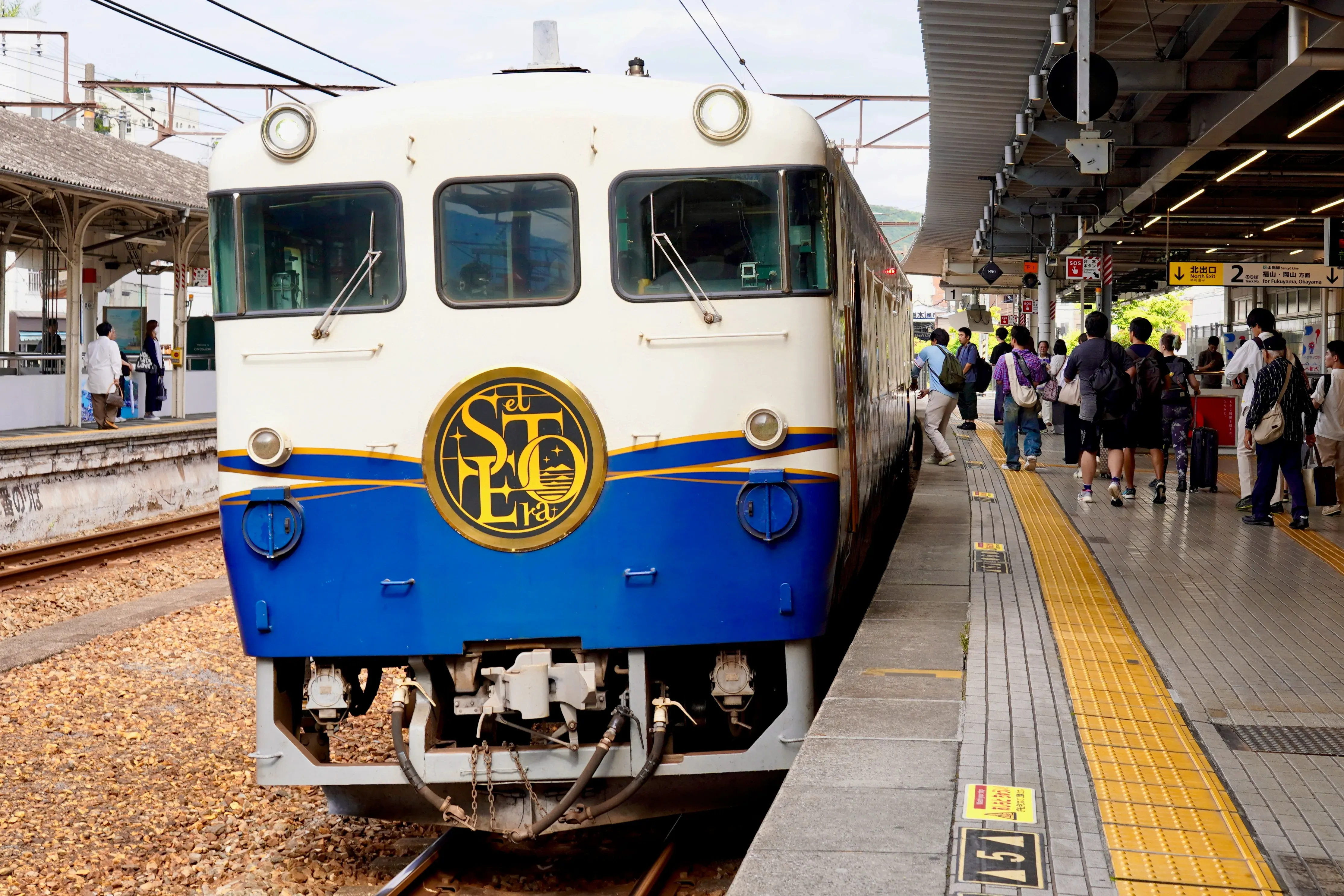
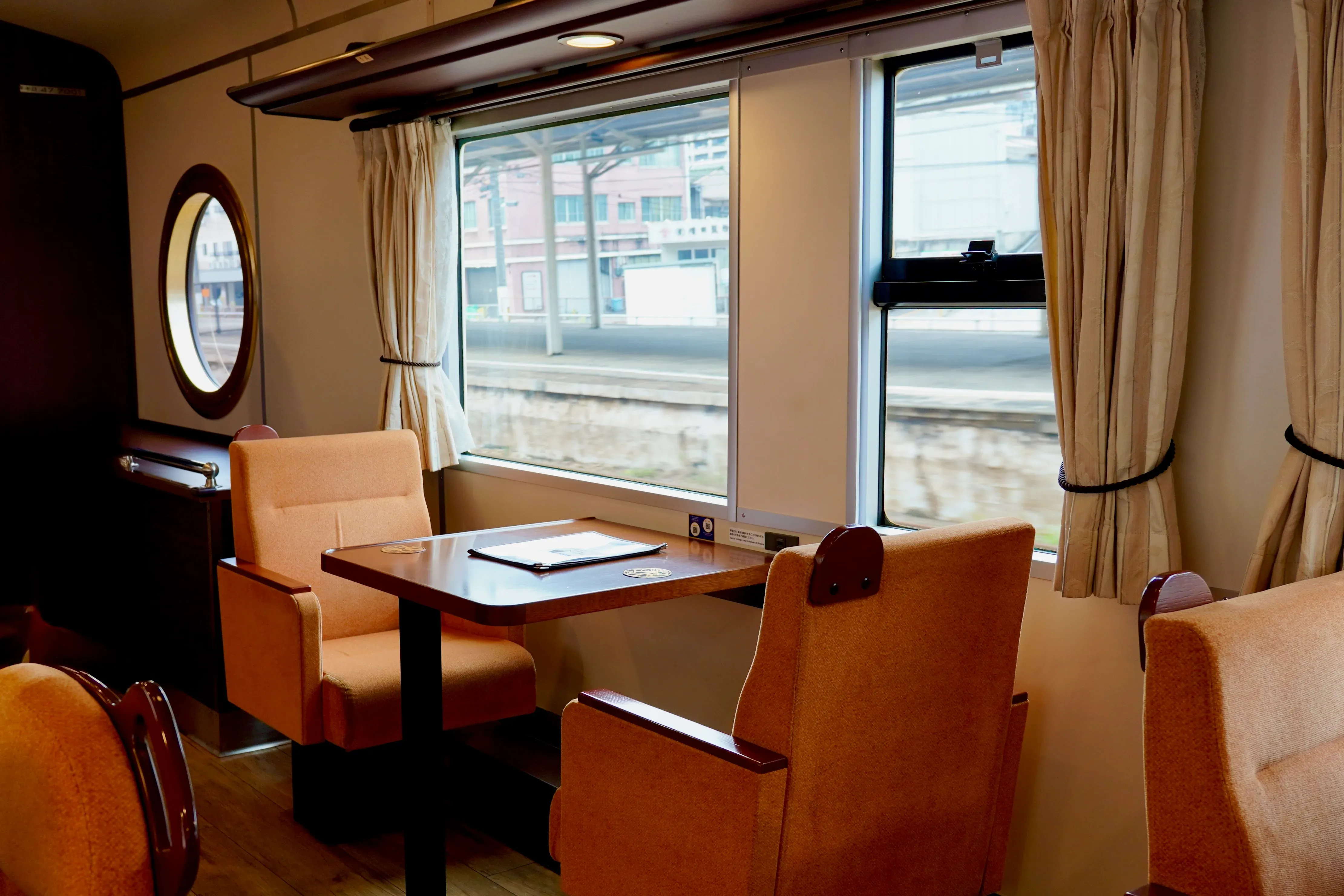
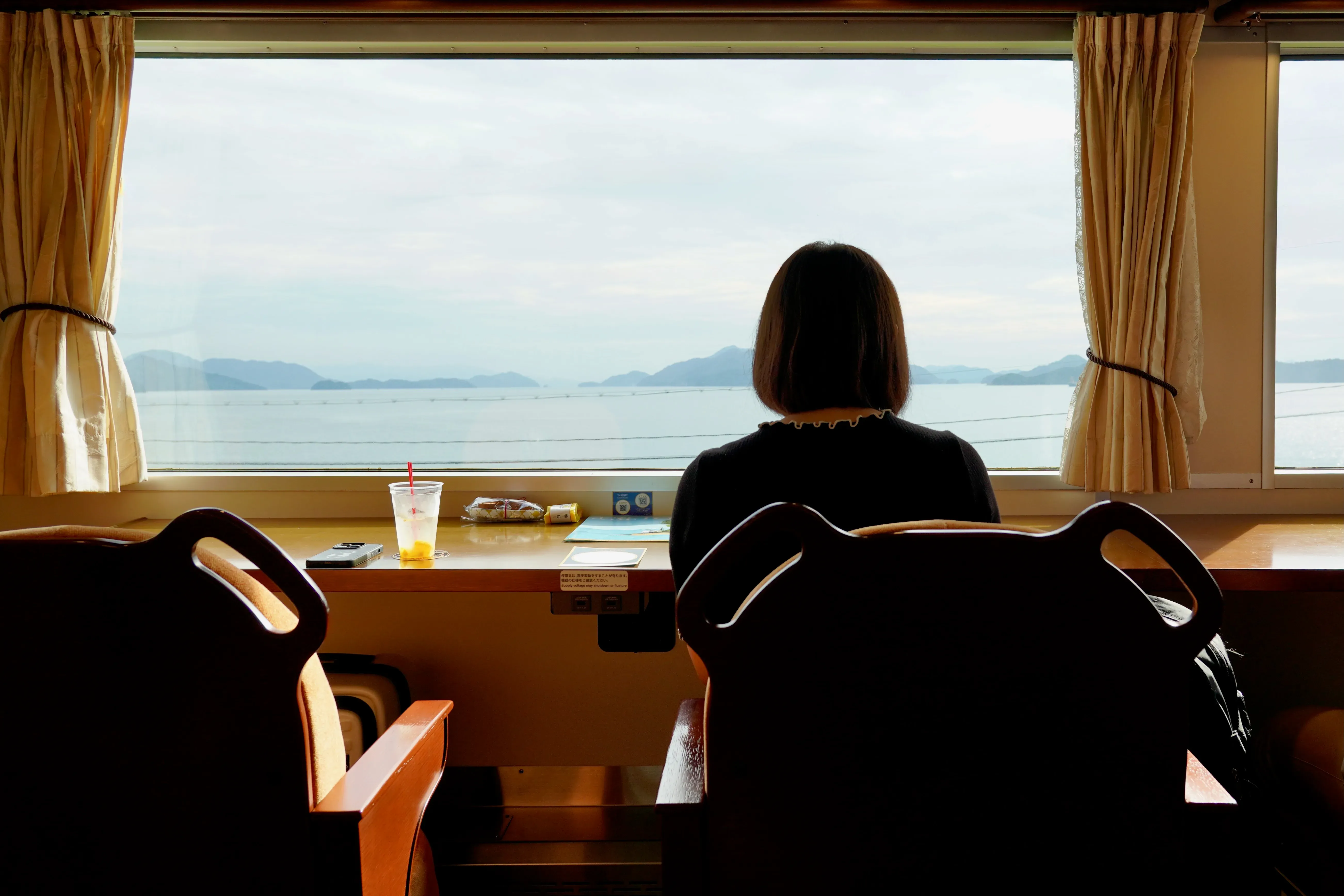
I hopped on at Onomichi Station and was immediately charmed by the car’s warm retro interior. The chic wooden flooring, supposedly inspired by the flat stage of Miyajima Itsukushima Shrine, was tastefully accented by plush seats the color of autumn leaves, arranged in a spacious layout where everyone could enjoy a south-facing view of the soothing blue seascape. My own seat directly faced the huge window, where I contemplated from a comfortable distance the various islands I had cycled through.

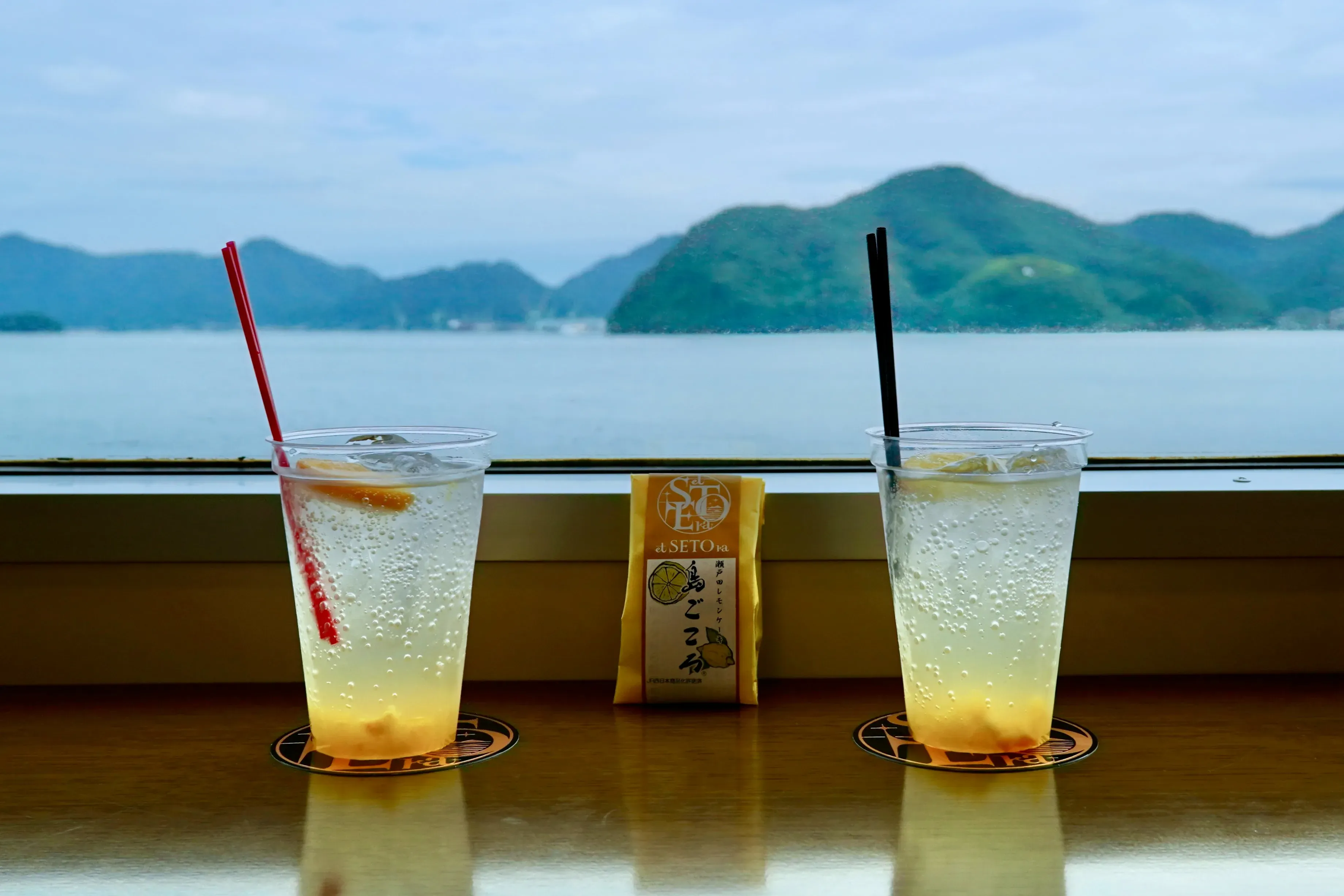
Finally, I ordered a Setouchi Blossom cocktail, featuring Sakurao craft gin distilled in Hiroshima using local botanicals and Marugoto Kajitsu, a deliciously tangy fruit spread from Aohata in Takehara, one of many historical towns along the etSETOra line. Various limited-edition sweets unique to Setouchi were also available on board to purchase or pair with sake from different locations along the route.
Train information: https://www.jr-odekake.net/railroad/kankoutrain/etsetora/
A Journey of Connections
The Shimanami Kaido has many faces and many lives, from 15th century sea routes weaving through the Geiyo Islands, to a samurai stronghold of strategic naval defense, to thriving trade ports home to wealthy merchants, to the scenic cycling path and highway between Imabari and Onomichi that was finally inaugurated in 1999.
Much more than a cycling route, this trip is a cultural journey. Sites such as Imabari Castle and the Murakami Kaizoku Museum evoke the history of the Setouchi region, while a stopover at Azumi Setoda and aboard etSETOra highlight the living culture of today. Together, they show how the Shimanami Kaido bridges past and present.
This ever-evolving sea route is ours to discover, each time with fresh eyes and new experiences. How will you connect the dots along your own journey?
Related Articles
-
 Adventure & Experience
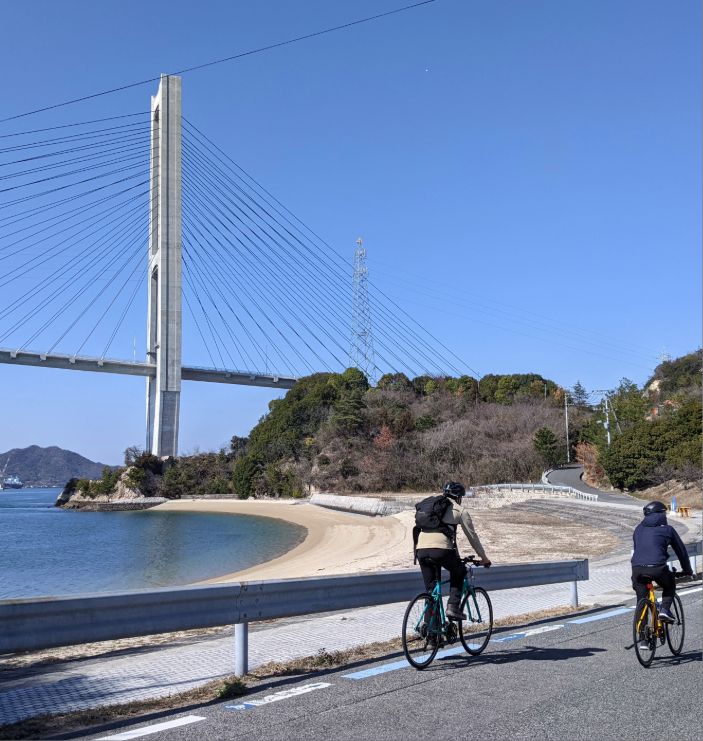
Immerse Yourself in the Kamijima Islands Through Community-Focused Cycling Tours
-
 Adventure & Experience
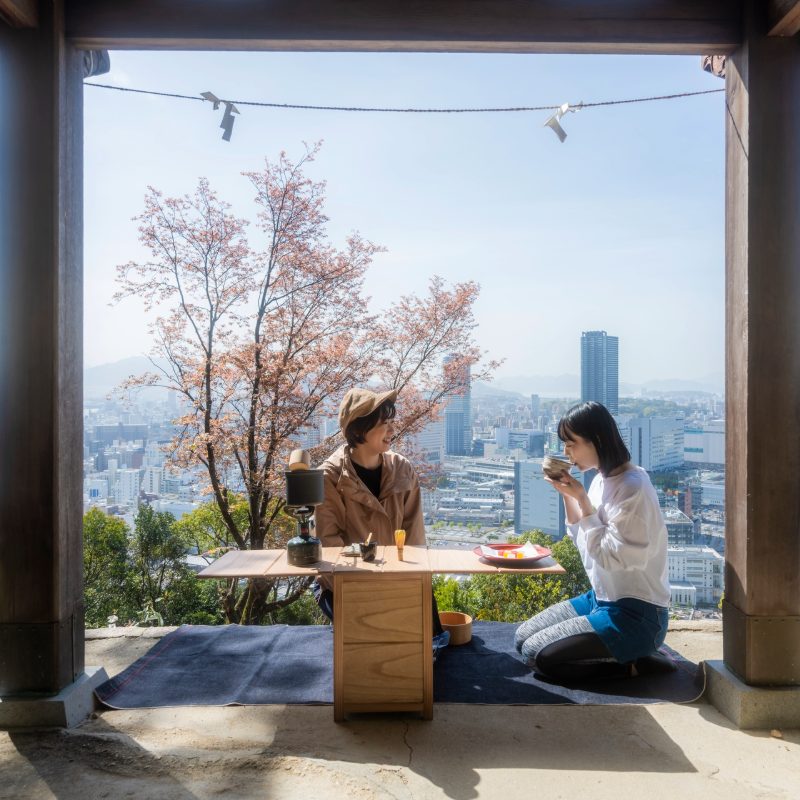
Breakfast With a View: Experience Hiroshima Through Guided Hikes
-
 Adventure & Experience
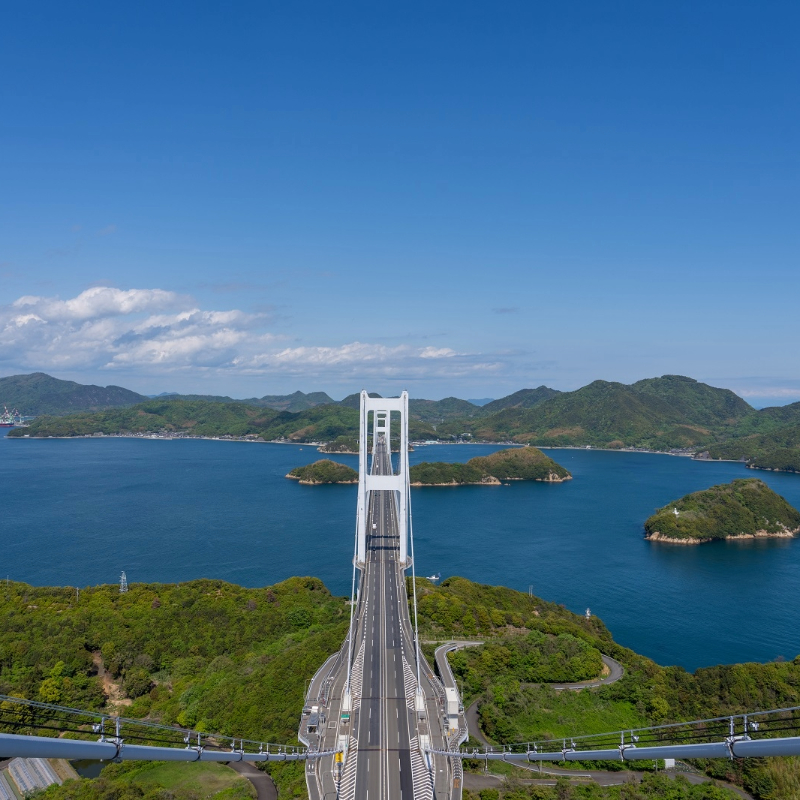
Experience the Shimanami Kaido’s Longest Bridge from Guided Tours to the Top
-
 Adventure & Experience
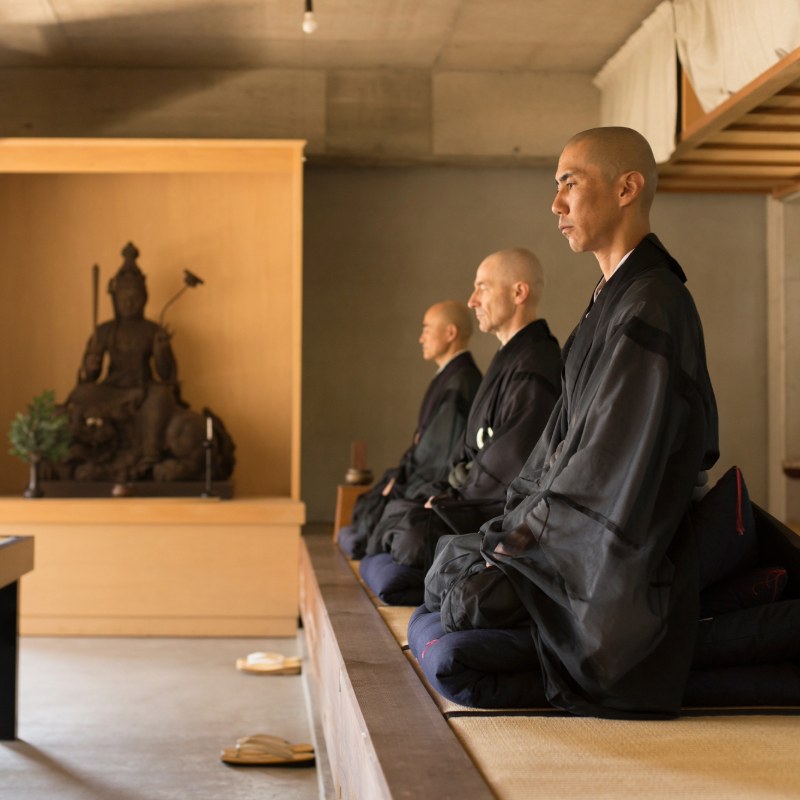
Experience Zen in the Forested Hills of Hiroshima
-
 Adventure & Experience
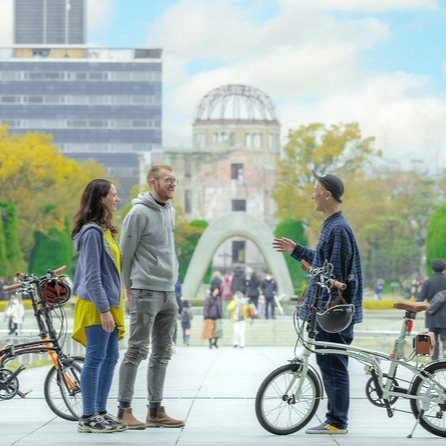
Discover Hiroshima’s Broader History With City Center Cycling Tours
-
 Adventure & Experience
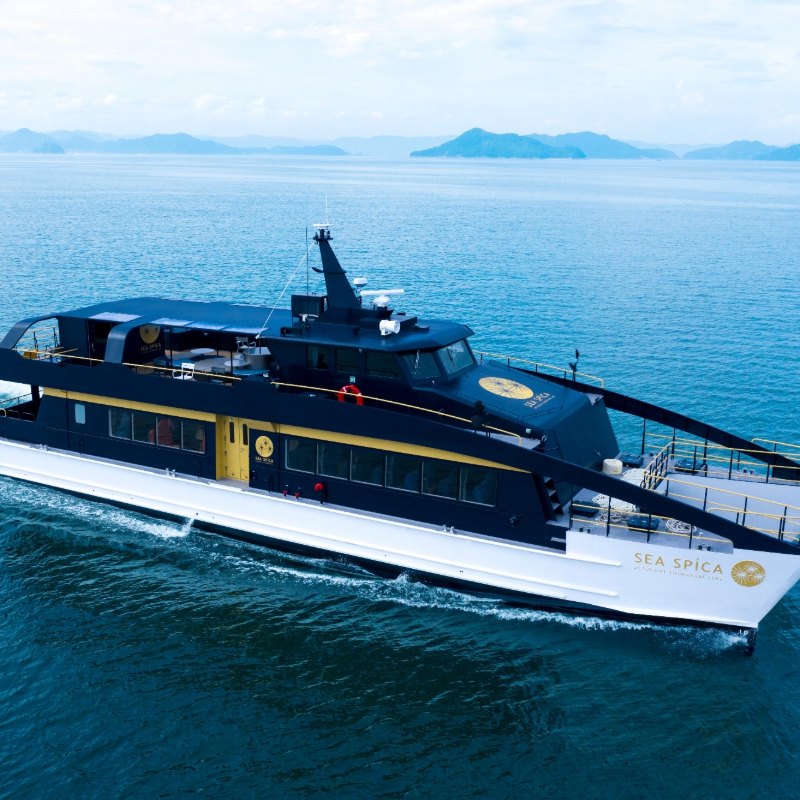
Discover the Charms of the Seto Inland Sea on Sightseeing Cruises Along the Coast of Hiroshima
-
.webp) Adventure & Experience
Adventure & Experience7 Authentic Experiences Exclusive to the Setouchi Region
-
 Adventure & Experience
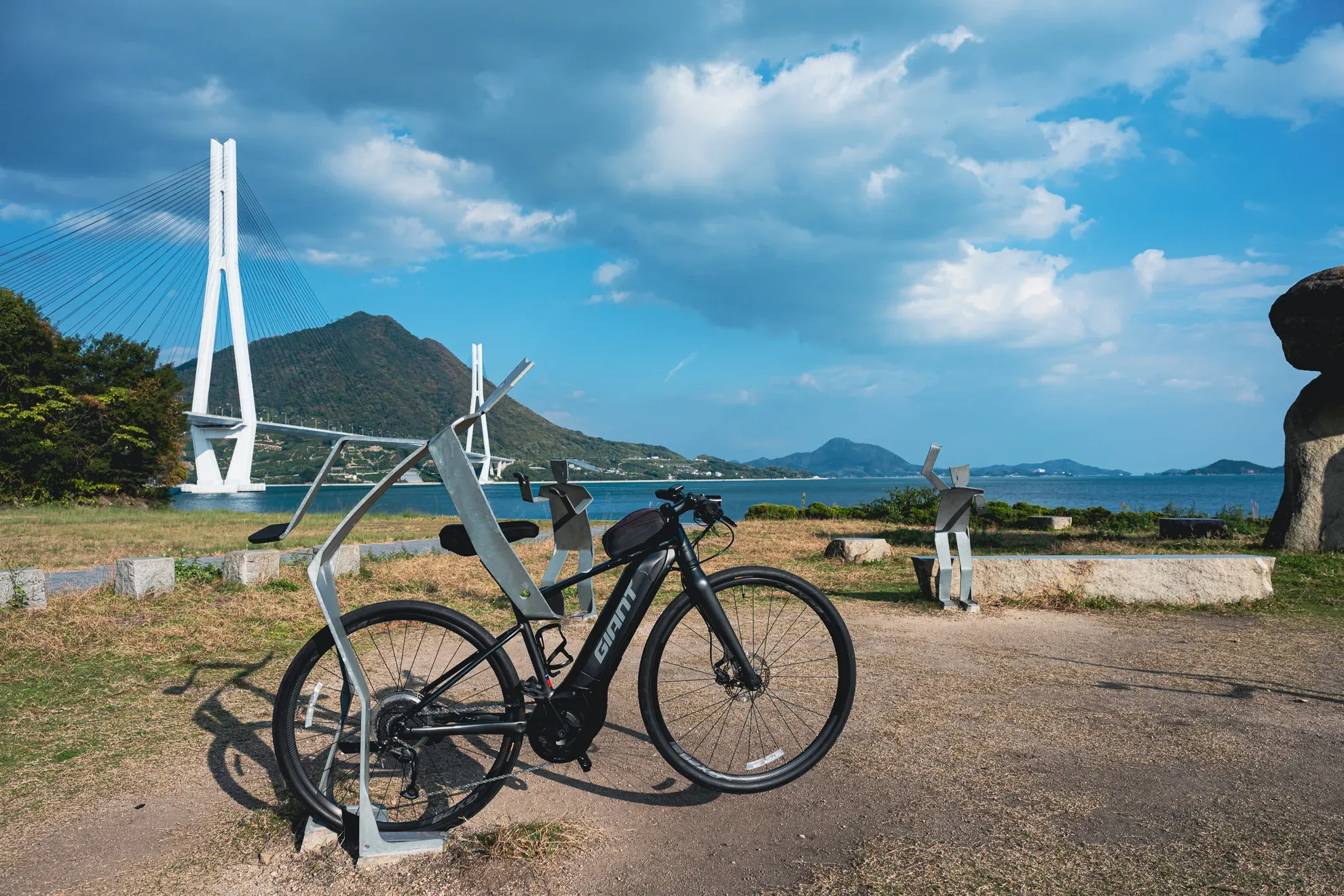
Shimanami Kaido Cycling and Dogo Onsen
RELATED DESTINATION
Ehime
The Ehime area has the Nishiseto Expressway, one of Japan’s leading cycling roads, and the area draws attention from cyclists around the world. Ehime contains many places where visitors can encounter history, including Dogo Onsen, a hot spring with a history stretching back some 3,000 years, and the streetscapes of Uchiko, which still look like they did the Edo and Meiji periods.