


Art & Culture
Yamaguchi Prefectural Art Museum: A Journey Through Time

-
- DESTINATION NAME
- Yamaguchi
-
- RELATED TAGS
-
- LAST UPDATED
- 25 March, 2025
Discover a Hidden Gem in Yamaguchi City
Yamaguchi City, which was once selected as one of the "52 Places to Go" by The New York Times, overlooks the Seto Inland Sea to the south. This serene city, blessed with abundant nature and a rich cultural heritage, is truly a hidden gem of Japan.
Yamaguchi City boasts many must-see attractions, such as Rurikoji Temple's five-storied pagoda and the lively Yamaguchi Gion Festival. But it also holds a unique distinction: it is the birthplace of Christmas in Japan. In 1552, the first Christmas mass in Japan was held here, a testament to the city's long history of embracing new cultures and philosophies.
A Museum that Embraces Yamaguchi's History and Culture
MG_2682.webp)
At the heart of this captivating city lies the Yamaguchi Prefectural Art Museum. Here, you can delve into a fascinating collection of artworks, ranging from Japanese paintings from the Muromachi period (1336-1573) Sesshu(1420-1506?) who was a prominent Japanese Zen monk and painter of the time, and the Unkoku School oil paintings by Yamaguchi-born artists such as Yasuo Kazuki and Shohei Matsuda, as well as post-war Japanese photography, prints, and sculptures.
The Unkoku School, founded in the 16th century by Sesshu's follower Togan Unkoku, (1547-1618) continued his legacy of ink wash painting, further developing this distinctive style in the Yamaguchi region during the Edo period (1603-1868).
Step inside, and you'll be transported to another world. The spacious galleries, filled with natural light, provide the perfect setting to appreciate a diverse array of artworks, each with its own story to tell.
A Timeless Experience in the Exhibition Room Decorated with Tatami Mats
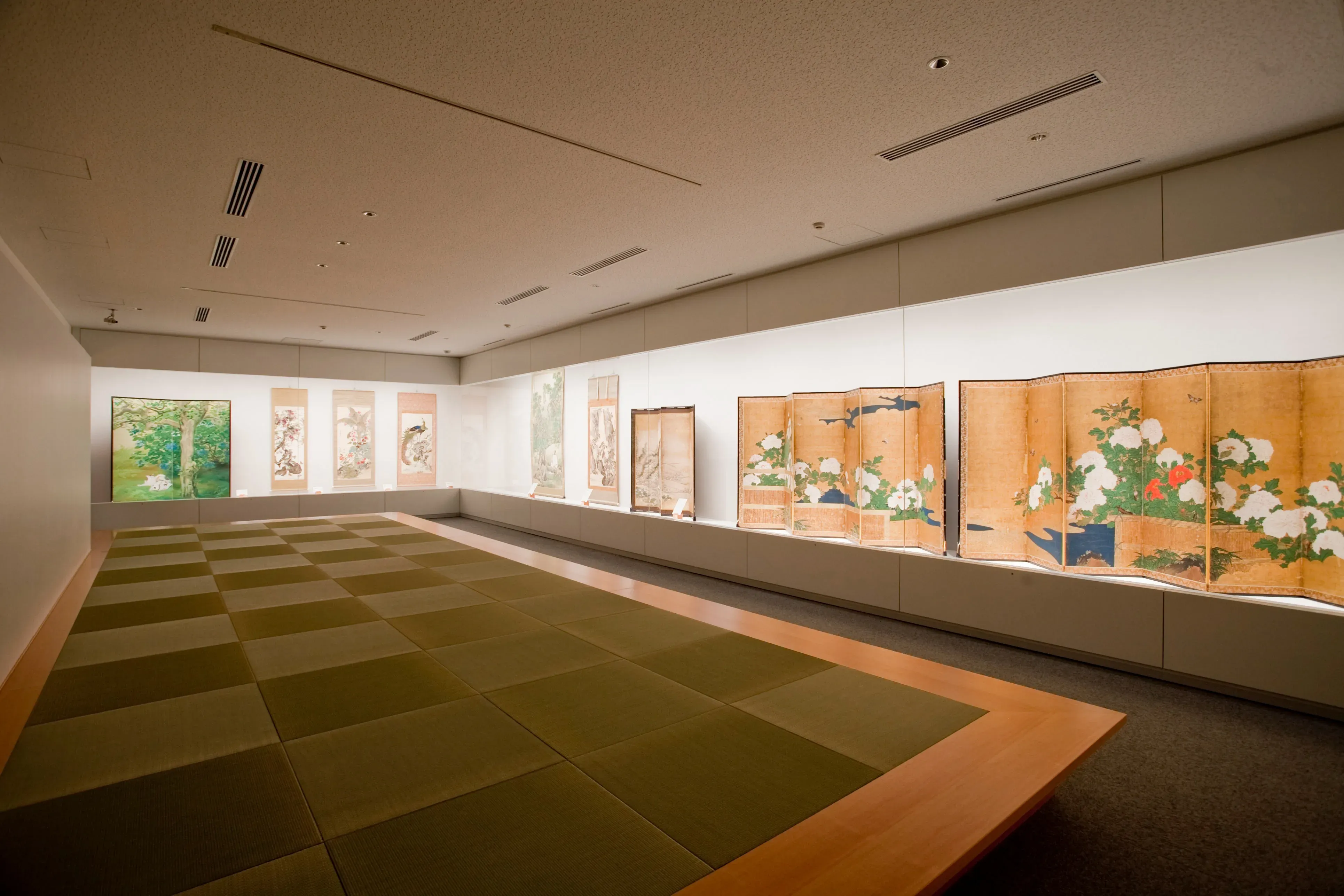
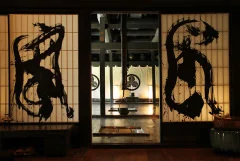
One of the museum's most distinctive features is the exhibition room replete with tatami mats. Relaxing on tatami mats, surrounded by the calming ambience, you'll experience a profound connection with the art, as if transcending time and space. It's an invitation to slow down, savor the moment, and engage with the artwork on a deeper level.
This serene space evokes the atmosphere of a traditional Japanese home, allowing you to connect with the essence of Japanese aesthetics and experience art in a truly authentic setting.
This exhibition room with tatami mats is also a cherished space for locals. You might find yourself striking up a conversation with a friendly resident, sharing thoughts and perspectives on the art. Such serendipitous encounters add to the unique charm of this museum.
The exhibits change seasonally, but often feature Japanese paintings, such as hanging scrolls and folding screens, from the Muromachi period to modern times. The combination of tatami mats and Japanese paintings embodies traditional Japanese aesthetics and brings a sense of peace to the viewer.
The Kyoto of the West and the Master Sesshu

During the Muromachi period, Yamaguchi flourished as a cultural center, rivaling the ancient capital Kyoto in its artistic vibrancy. This era, which can be compared to the late Middle Ages and early Renaissance period in Europe, saw the flourishing of unique Japanese art forms such as ink wash painting, tea ceremony, and Noh theater. The prosperous city thrived under the patronage of the influential Ouchi lord, one of Japan's most powerful feudal lords.
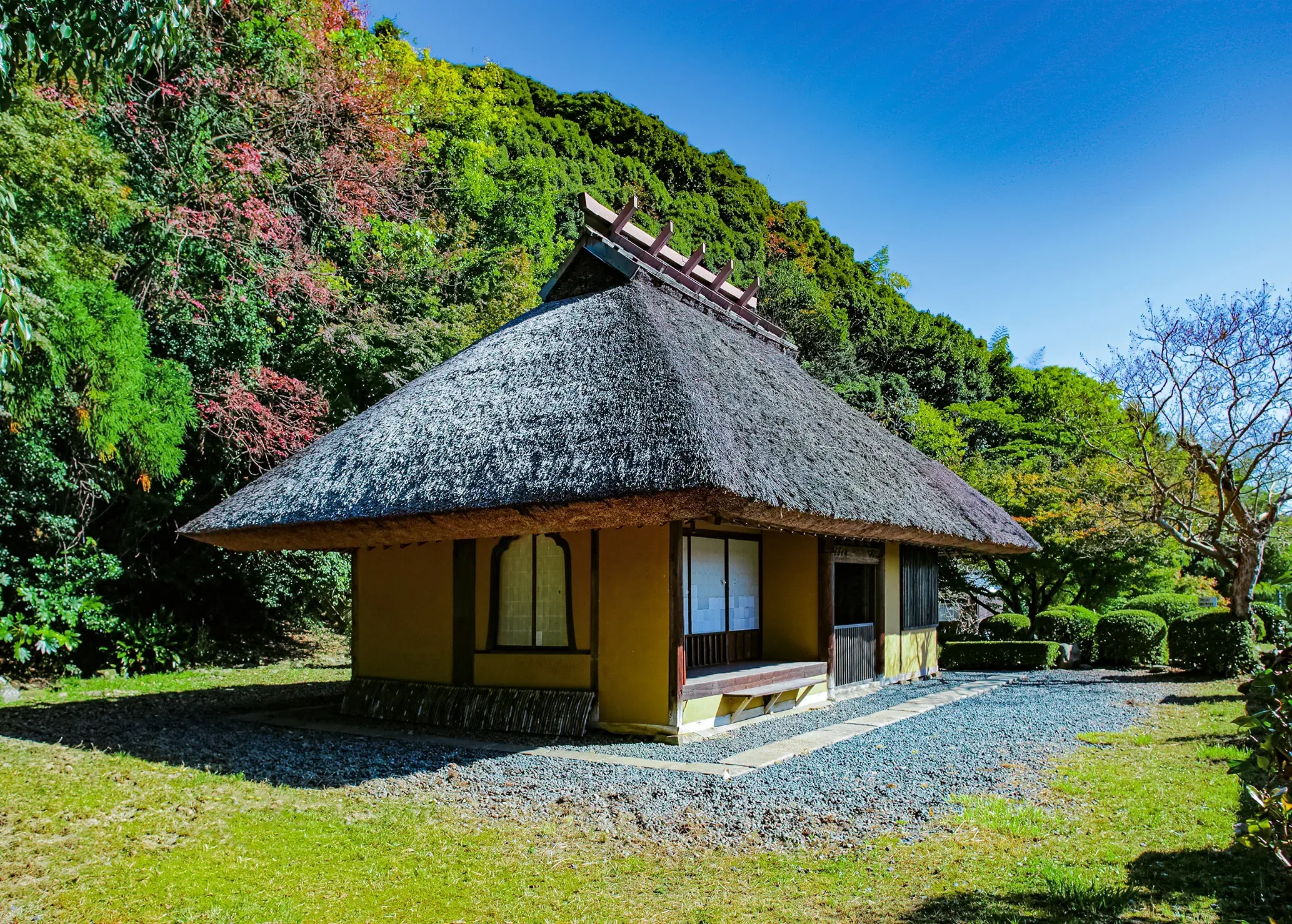
The renowned ink painting master Sesshu, who holds the distinction of having the most works designated as National Treasures among all Japanese painters, also thrived in this region. Near the museum, with views of the five-storied pagoda of Rurikoji Temple, you can find "Unkoku-an," a reconstruction of Sesshu's studio and former residence.
In autumn, the museum often features a collection exhibition showcasing Sesshu’s masterpieces, including three designated Important Cultural Properties. Relaxing on the tatami floor, surrounded by Sesshu's works, some painted nearly 600 years ago, offers a unique opportunity to connect with the spirit of this bygone era.
A Museum Connected to the Community
MG_2790.webp)

The Yamaguchi Prefectural Art Museum is deeply rooted in the community. Through various collaborative programs with local businesses and organizations , and cultural and historical landmarks, such as temples and shrines, the museum actively promotes art appreciation and cultural exchange. During my visit, I noticed the current exhibition displayed in a local bakery, a testament to the museum's efforts to make art accessible to everyone. This close relationship between the museum and the community creates a welcoming atmosphere that extends beyond the museum walls.
The Yamaguchi Prefectural Art Museum is more than just a museum; it's a cultural haven where history, art, and community converge to create an unforgettable experience.
Related Articles
-
 Art & Culture
Masterpieces Wrapped in Stories
-
 Art & Culture
Traditional Crafts Wrapped in Stories
-
 Art & Culture
Art and adventure along Japan’s Inland Sea: SETOUCHI GUIDE
-
 Art & Culture
Local Products Continuing the Manufacturing Techniques and Culture of the Setouchi Region
-
 Art & Culture
Kagawa Prefectural Higashiyama Kaii Setouchi Art Museum: A Journey into the Mindscape of Kaii Higashiyama
-
 Art & Culture
Unveiling the Artistic Treasures of the Seto Inland Sea
-
 Art & Culture
Setouchi’s Hidden Art Gems
-
 Art & Culture
Okayama Orient Museum: A Journey into Human History, Looking West from Japan
RELATED DESTINATION
Yamaguchi
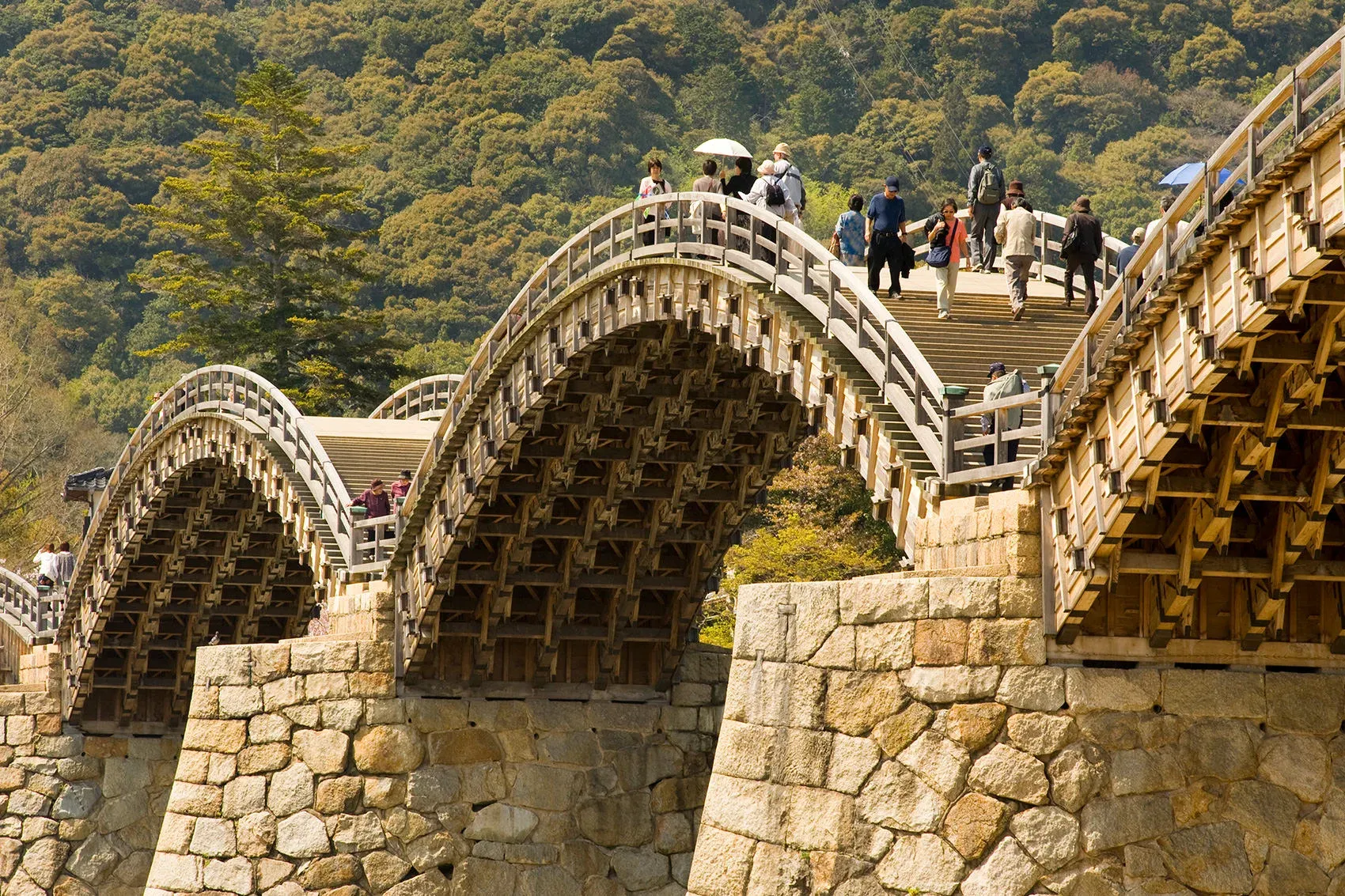
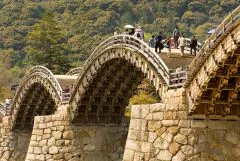
Yamaguchi is surrounded by ocean, mountains and rivers and is characterized by its climate, which is comfortable throughout the year. Its natural scenery, which includes some 1,500 kilometers of coastline, is a cut above. The prefecture has Kintaikyo Bridge, one of the three most famous bridges in Japan, and other tourist attractions, and its fugu (pufferfish) is famous as a winter dish.