

Adventure & Experience
Kurashiki’s Bikan Historical Quarter: Timeslip into the Storehouse of the nation

-
- DESTINATION NAME
- Okayama
-
- RELATED TAGS
-
- LAST UPDATED
- 22 November, 2024
On my first visit to Bikan Historical Quarter in Kurashiki city, Okayama Prefecture, I expected a scenic, if somewhat touristy, walk-through historical preservation with old-time charm and some nice photo opportunities. Like a less crowded version of Kyoto’s Gion, albeit straddling a more recent timeframe.
What I found, however, truly surprised me.
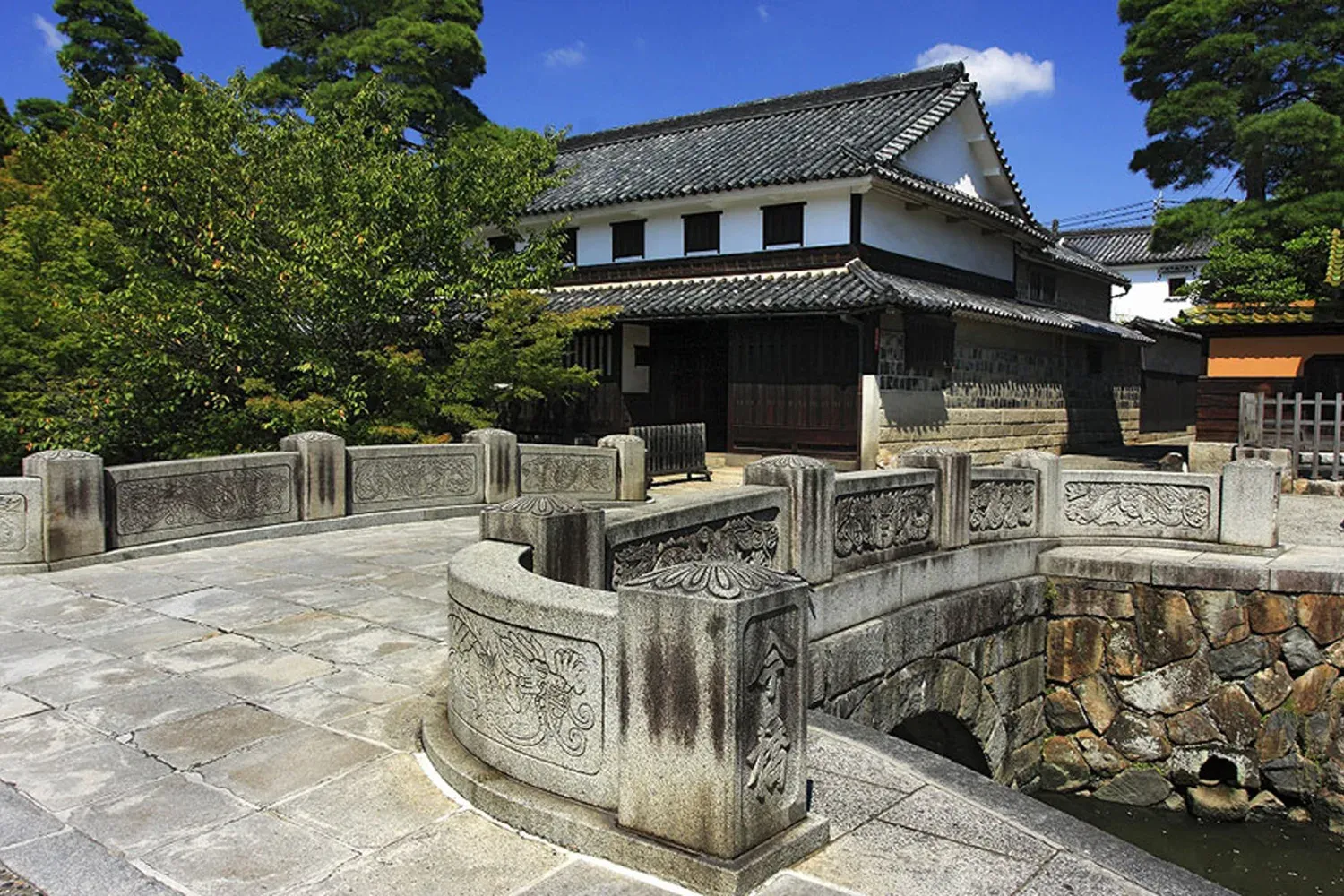
Historical Architecture in Bikan Historical Quarter
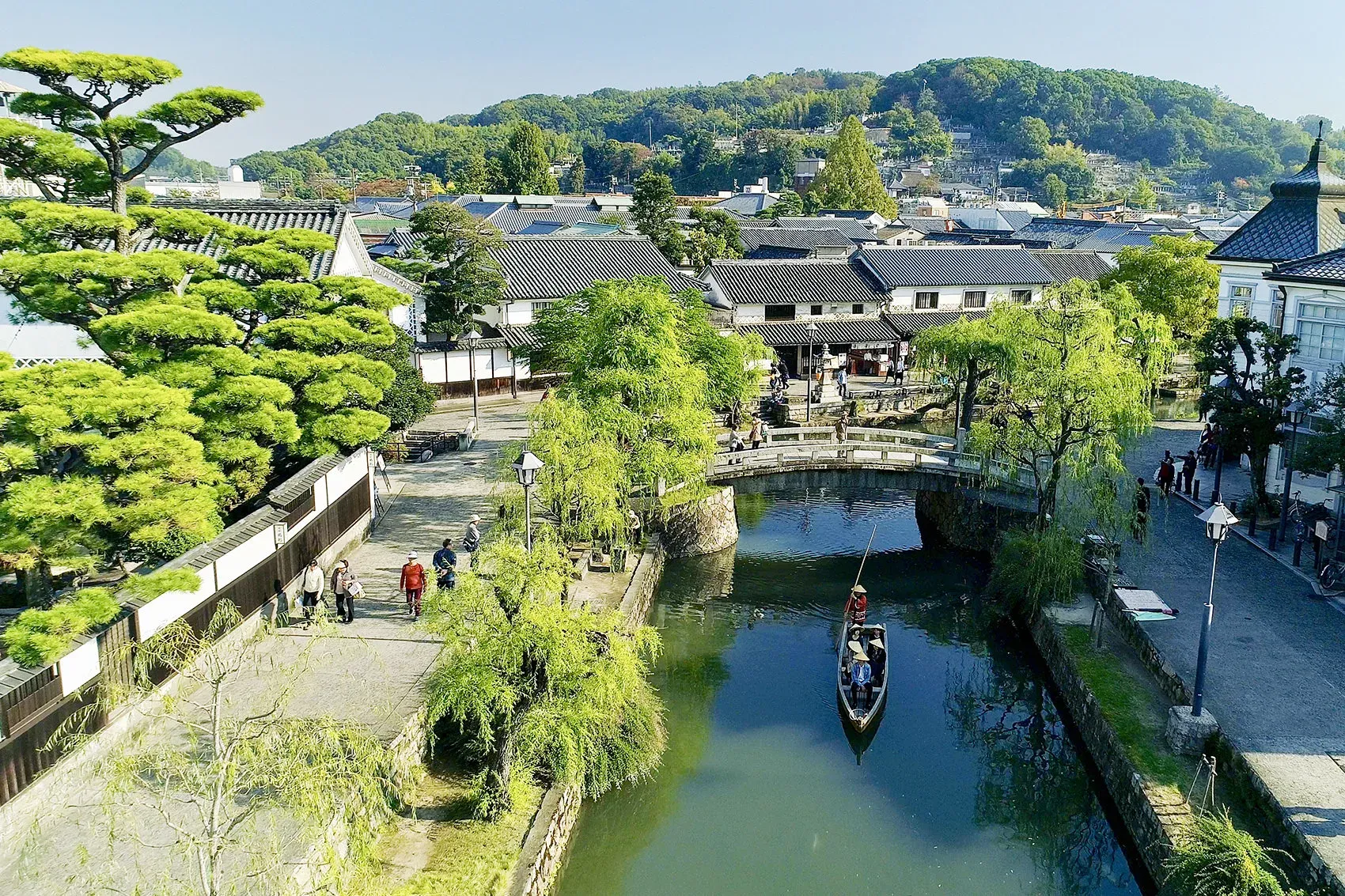
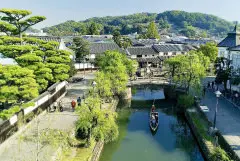
As it turns out, Bikan Historical Quarter is so much more than simply a walk-in time capsule. I mean yes, the municipal government did subsume all the telephone poles and wires during historic renovations. And yes, it was voted “the most picturesque merchants quarter in Japan” in a domestic survey — a distinction which its scenic beauty richly deserves.
However, the real delight of Bikan Historical Quarter comes not from the fact that it accurately recreates a specific time period, but rather because it presents a montage of cultural transformation stretching through three distinct eras (Edo, Meiji, and Taisho), all rolled into one postcard-worthy destination.
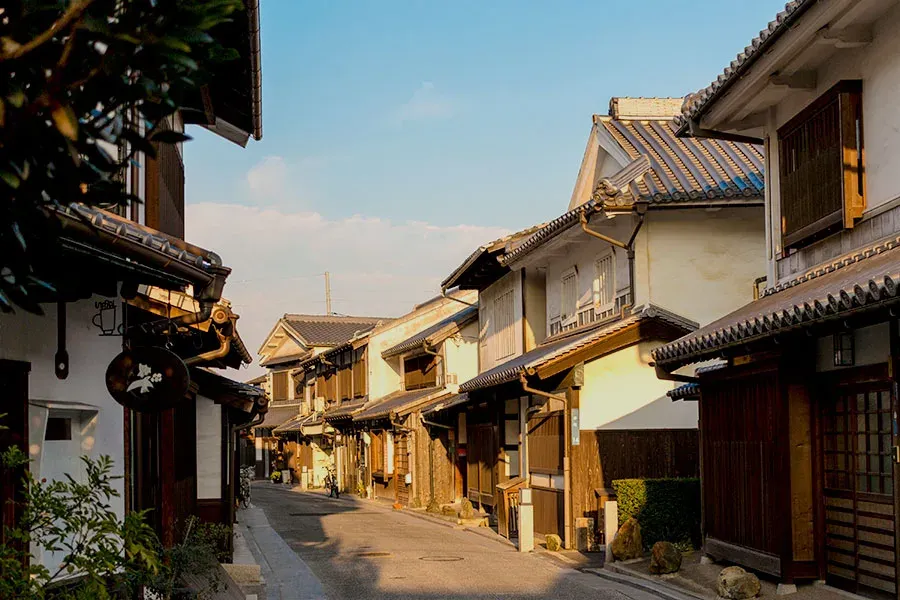
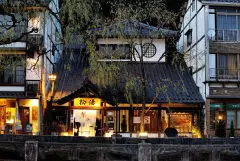
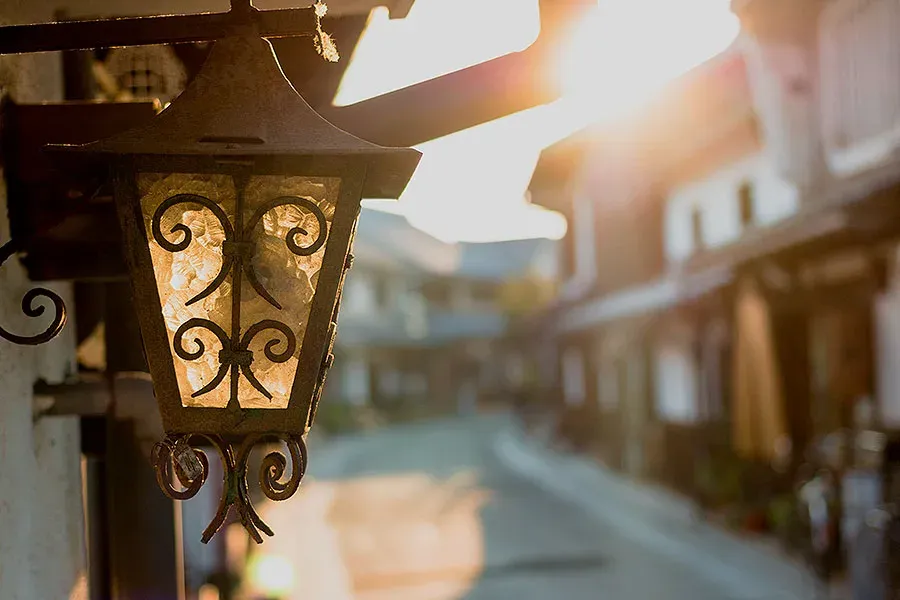
I was particularly impressed by the combination of domestic and western influences. Even the smallest details including a sign above a shop window, or lantern transfixed above a door display the East-West harmony so characteristic of Bikan Historical Quarter.
The Development of Kurashiki River
Yet as an epicenter for Japan’s trade routes, the cross-cultural development of Kurashiki should come as little surprise.
In Japanese, “Kurashiki” literally means “Warehouse Village,” and the city of Kurashiki, as you might guess, began as a storage and distribution hub for goods as they passed from the western provinces to Osaka and Edo (now known as Tokyo). In fact, so vital did Kurashiki prove to national economic interests, that in the 17th century the shogunate placed Kurashiki under its direct control.
At that time, the Kurashiki River which ran through the city, provided direct access between warehouses and the neighboring port. Today, tour boats full of sightseers pass where river barges once groaned beneath the weight of rice and cotton.
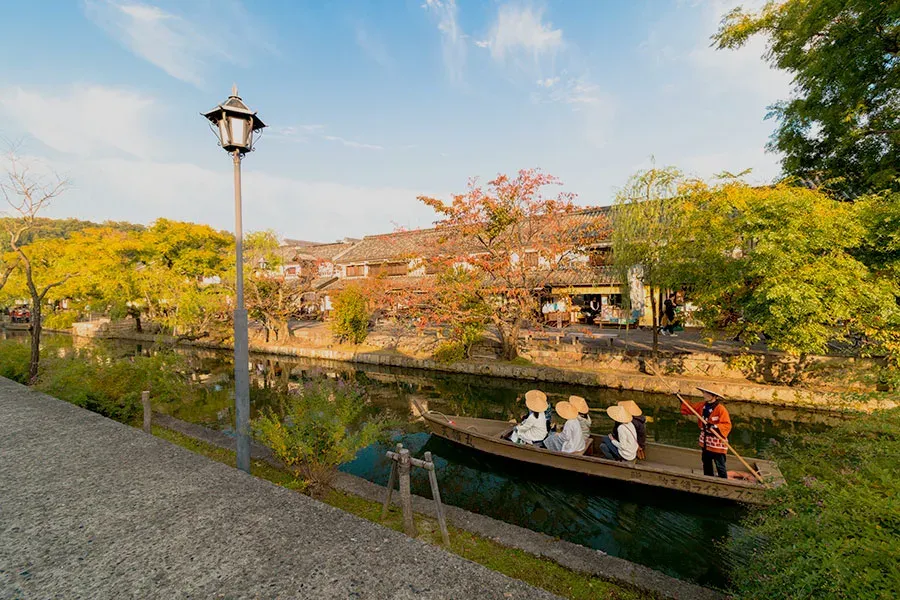
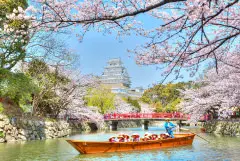
They say the best way to view Bikan’s historic warehouses is from the river, so after paying ¥700*, I stepped down to an old loading platform cut into the stone embankment, and soon found myself aboard a wooden boat propelled by a steersman wielding a bamboo pole. And I must admit, sitting still as the old buildings drift silently past does possess an irresistible charm. As the water sits considerably below the street, the buildings rise up and away from your vantage point, emphasizing the iconic grid-patterned walls of the warehouses. It turns out the design is both beautiful and functional. The plaster and tile construction, coupled with the use of burnt timbers, helped protect the warehouses and their precious contents from wind, rain, and fire.
The Appeal of Kurashiki
However, in addition to the storage of goods, Kurashiki also processed cotton on-site at local mills. Japan’s very first modern cotton mill, in fact, stood within Bikan Historical Quarter — an immense brick complex built by the Kurabo Company in 1889. Today, a recreation of the Kurabo facility, dubbed Ivy Square, now stands in its stead, where red brick walls regaled in their green namesake contain restaurants, museums, and a hotel.
Yet architecture isn’t the only place in Kurashiki to marvel at things past. Modern Bikan Historical Quarter also boasts more than half a dozen museums and galleries, including the Kurashiki Archaeological Museum, Kurashiki Museum of Folk-Craft, the Kojima Museum (dedicated to Kojima Korajiro who, at the turn of the 20th century, painted in the western style), and the Ohara Museum of Art (the first museum of western art in Japan, featuring works by El Greco, Matisse, Gaugin, Renoir, and Monet).
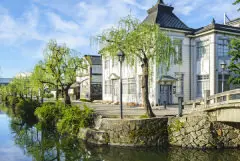
This fact makes Kurashiki one of the only places in the world where you can walk from one museum to another by passing through an historically preserved cityscape offering a fascinating and historically seamless transition from one gallery to the next. Even the Tourist Information Center occupies a beautiful Taisho Roman edifice, now a Nationally Registered Tangible Cultural Property, built in 1917.
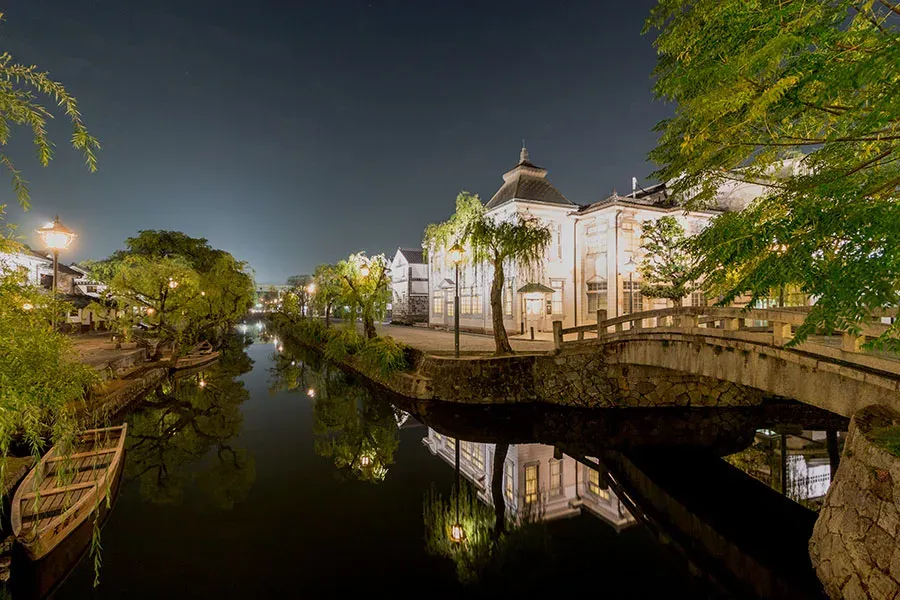
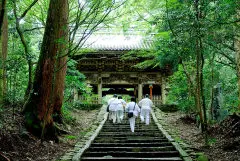
As evening approached, I walked up a set of stone steps, and discovered an old shrine overlooking the town. I found myself thinking of how this view changed over the course of time, centuries overlapping like the layers of a stencil to create the scene below.
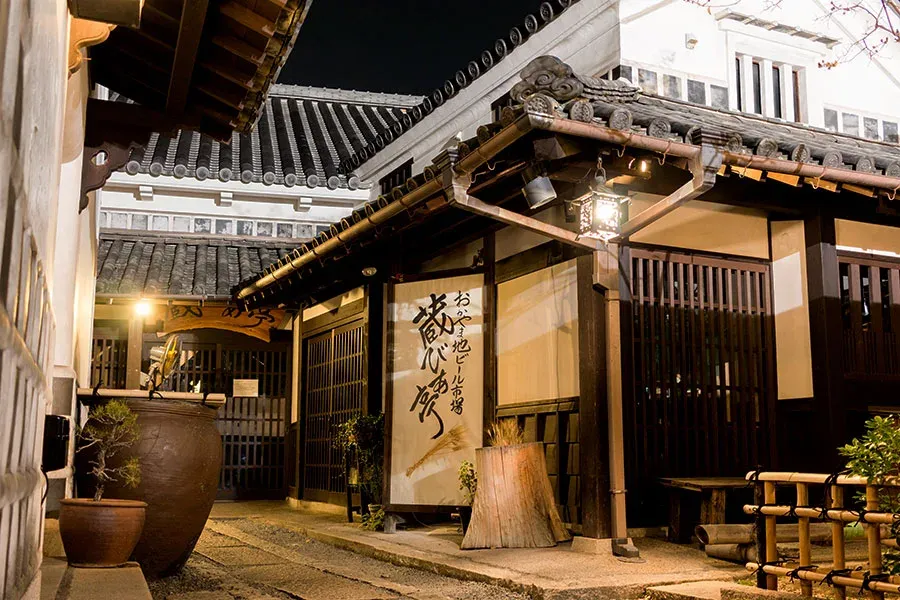
After a day of museums and restaurants, I walked along a narrow alley still sporting stone reinforcements where cart wheels once rolled. At once the Taisho-style lamp posts flickered softly to life, and as the shadows deepened, I could have almost imagined myself a time traveler, capable of witnessing a bygone world through modern eyes.
Photographs & Text by Peter Michel Chordas
Related Articles
-
 Adventure & Experience
Five Cycling Routes in Setouchi
-
.webp) Adventure & Experience
Adventure & Experience7 Authentic Experiences Exclusive to the Setouchi Region
-
 Adventure & Experience
Things to Do and Places to Visit in Okayama Prefecture
-
 Adventure & Experience
A Forest Revival in Nishiawakura Village
-
 Adventure & Experience
Setouchi Trip Ideas that are better with a Private Guide
-
 Adventure & Experience
Enjoy Rural Landscapes and Japanese Heritage on the Kibiji Cycling Route
-
 Adventure & Experience
7 Awe-Inspiring Off-the-Beaten-Path Experiences in Setouchi
-
 Adventure & Experience
Experience Zen in the Forested Hills of Hiroshima
RELATED DESTINATION
Okayama
The Okayama area has flourished as an area alive with various culture including swords, Bizen ware and other handicrafts. Because of its warm climate, fruits such as peaches and muscat grapes are actively grown there. It is also dotted with places where you can see the islands of the Seto Inland Sea.