


Art & Culture
Gild Your Own Washi at a Historic Papermaking Workshop in the Scenic Town of Uchiko

-
- DESTINATION NAME
- Ehime
-
- RELATED TAGS
-
- LAST UPDATED
- 18 February, 2026
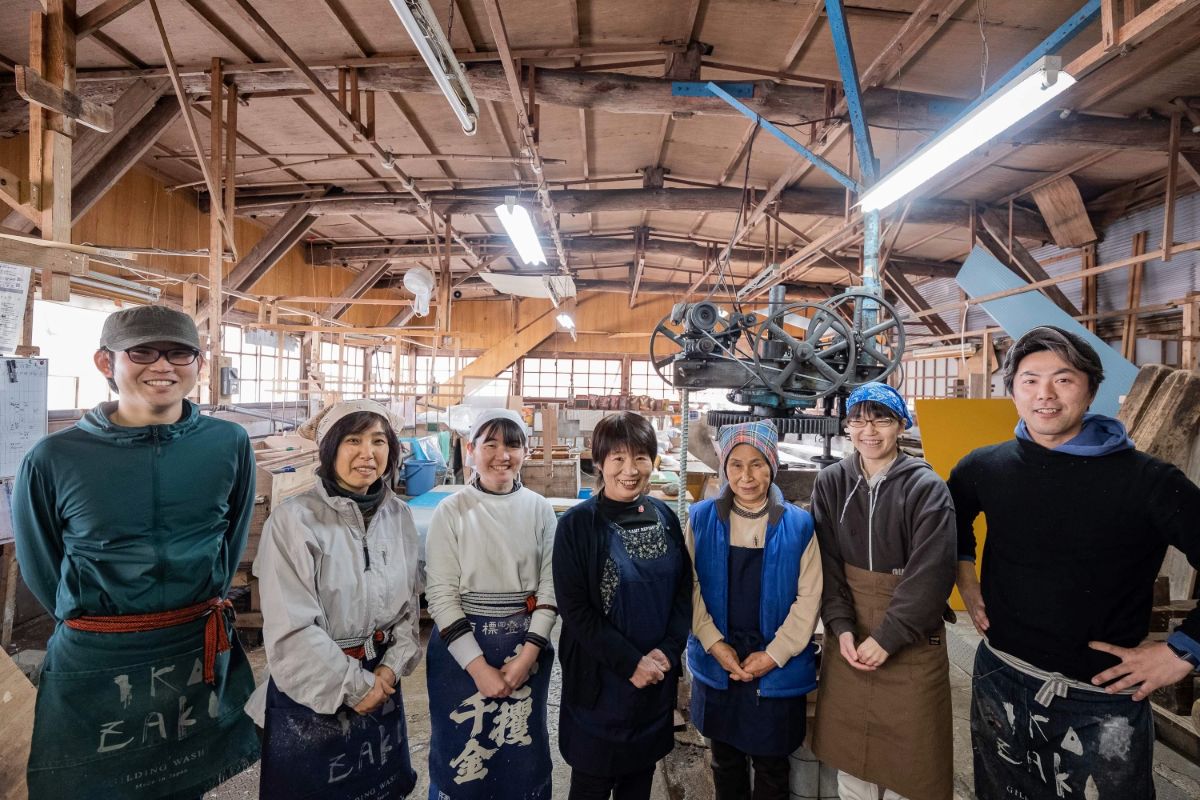
The town of Uchiko in Ehime Prefecture is renowned for producing washi, handmade Japanese paper. Production of the high-quality paper known as Ozu washi emerged here during the Edo period (1603–1867), when the town belonged to the Ozu domain. At his Ikazaki Shachu workshop, Saito Hiroyuki provides facility tours and explains the details of the production process, offering insight into this local artisanal legacy. He then guides visitors through a washi gilding experience that explores new artistic and commercial possibilities for the traditional paper.
Discovering the Ancient Art of Washi Production
Washi production in Japan is estimated to date back to the sixth century. Since it was the only paper available in the country for centuries, it was simply referred to as kami (paper). This handmade paper was formally designated washi during the Meiji era (1868–1912) to differentiate it from machine-made paper imported from the West or made by Western methods in Japan.
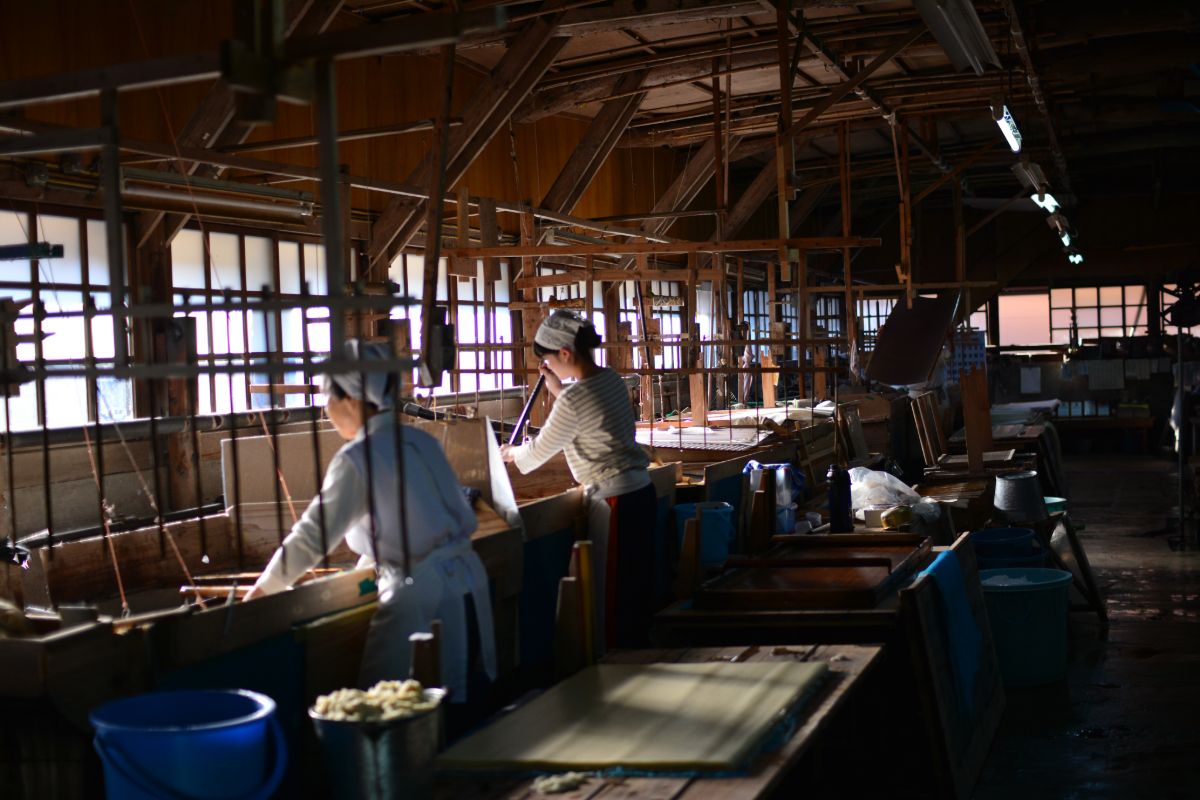
Saito commences his workshop tours by passing around samples of paper mulberry (kozo) and Oriental paperbush (mitsumata), the raw materials utilized to make Ozu washi. The meticulous production process begins by soaking fibers from these plants in water for several days, then sterilizing them in a boiling hot chemical solution. The fibers are then washed and bleached in the sun to remove impurities before being physically inspected to remove specks of bark and dust.
.jpg)
The processed material is mixed with water and grated taro root to create a pulp slurry. This slurry is drained on wooden trays fitted with screens before it is pressed, dried, and sorted. As he explains each of these steps, Saito demonstrates the apparatus involved. Depending on the timing of the visit, participants may observe various stages of washi making in progress at Ikazaki Shachu.
Creating Art by Gilding Washi
Historically, washi was primarily used as writing paper and for making lanterns, umbrellas, and shoji sliding panels. When he took over a local Uchiko paper-making workshop in 2008 to found Ikazaki Shachu, Saito recognized the limited commercial demand for these traditional uses. Eager to discover new avenues to make washi commercially viable in modern society, he began experimenting with different ways the paper could be used to create a broader range of products.
One of the most successful methods he discovered was gilding washi with decorative metal leaf. In his studio, participants begin by spreading small flakes of metal leaf onto a pre-prepared washi postcard. Saito then demonstrates how to dust the paper with a brush. This action clears away the majority of the flakes, leaving a metallic dust residue that adheres only to parts of the paper pre-coated with a special glue. Depending on the way the glue is applied, an astonishing array of patterns, shapes, and figures can emerge. Oxidation of the metal generates a range of colors. Spreading the metal leaf introduces an element of surprise each time, ensuring that no two creations are ever quite alike. These postcards can be kept as souvenirs of the experience.
.jpg)
.jpg)
.jpg)
Beyond gilding, Saito also showcases his innovative use of koyori. Koyori is a type of string made by twisting washi that is then coated with kozo pulp, which stiffens it as it dries. These techniques allow for the creation of large, translucent lattices that can be utilized as screens, window coverings, or wall hangings. Further adornment of the koyori threads with gilding can enhance the overall visual effect.
From a Kanagawa Office Job to Preserving Craftsmanship in Uchiko
Saito Hiroyuki’s interest in washi emerged while he was working as a systems engineer in Kanagawa. During a visit to his wife’s hometown of Uchiko, he learned about its history as a major producer and exporter of the paper, which was due to its abundant supply of clear, cold groundwater and river access to the port of Nagahama. When his father-in-law explained that the number of washi workshops in the area was declining rapidly, Saito began considering how he might contribute to the tradition’s survival.
Inspiration arrived soon after he opened Ikazaki Shachu in 2008 and invited Hungarian artist Gabor Ulveczki to join his workshop for a four-month residency. Known for his artistically designed wallpaper and other interior decor items, Ulveczki introduced Saito to techniques such as gilding. This pivotal interaction led Saito to focus on crafting decorative washi for use in everything from lampshades to wallpaper and art installations.
This approach proved to be both commercially viable and artistically fulfilling. Products from Ikazaki Shachu are now sold throughout Japan and the world. Saito’s artistic installations have been featured in prestigious showcases like Milano Design Week in Italy and respected Japanese department stores such as Ginza Mitsukoshi in Tokyo.
Ikazaki Kite Museum
Starting in the eighteenth century, recreational kites were made using colorfully designed washi paper stretched across bamboo frames. On the opposite side of the Oda River from Saito’s workshop, the Ikazaki Kite Museum chronicles this history and displays a collection of kites from Japan and around the world. The museum is the site of the annual Ikazaki Kite Battle Festival. The more than five hundred kites flown in the festival are equipped with sharp blades designed to cut the strings of opposing kites. Onlookers gather along the banks of the river to see whose kite will remain airborne.

Related Articles
-
 Art & Culture
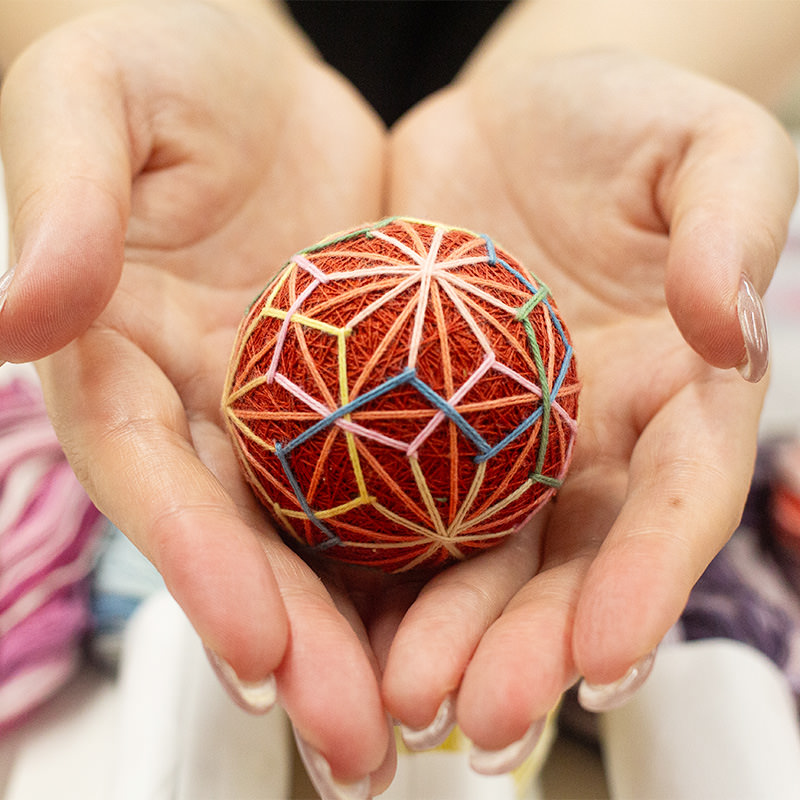
Traditional Crafts Wrapped in Stories
-
 Art & Culture
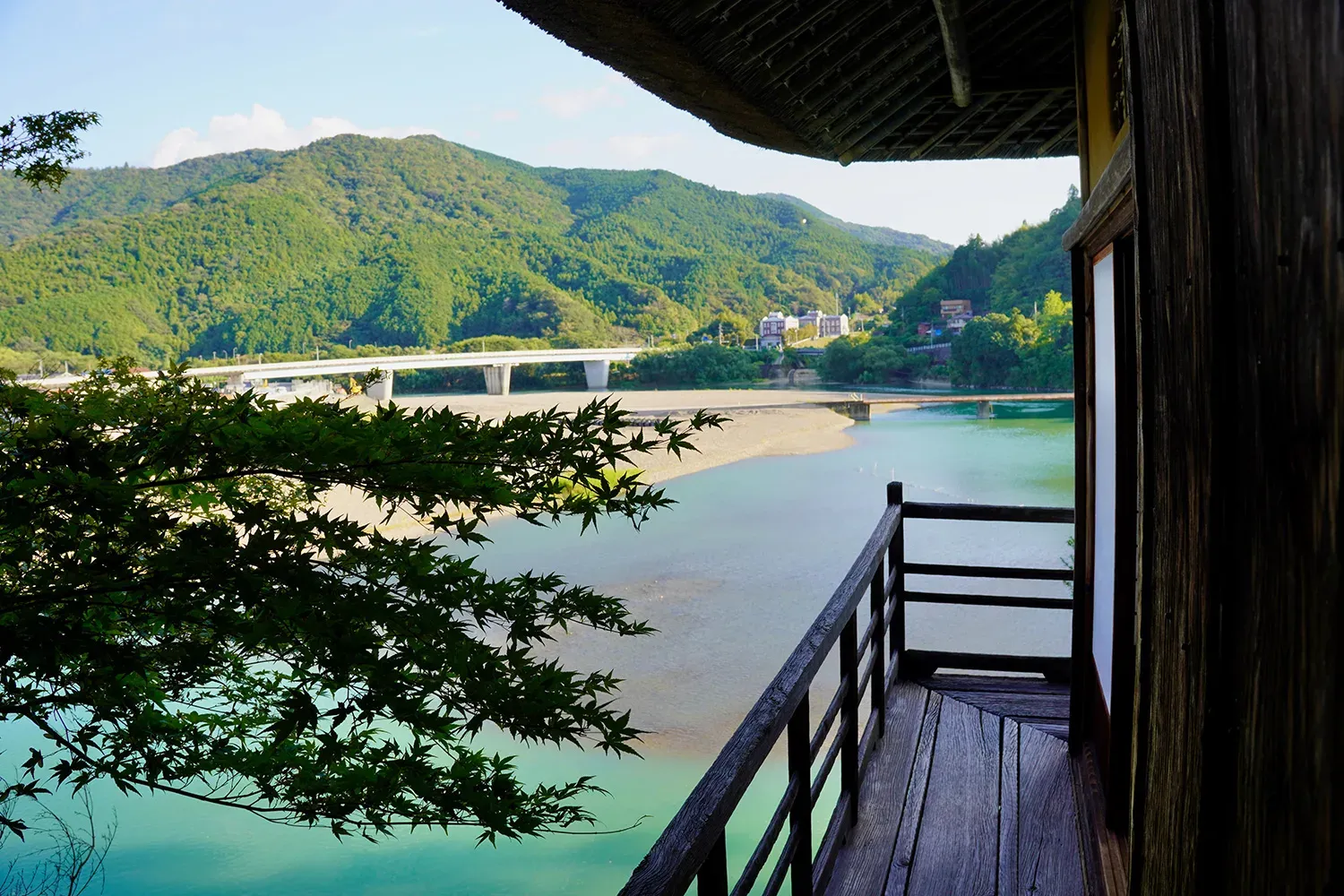
Discover Shikoku’s Cultural Heritage, from Traditional Arts to Local Crafts and Cuisine
-
 Art & Culture
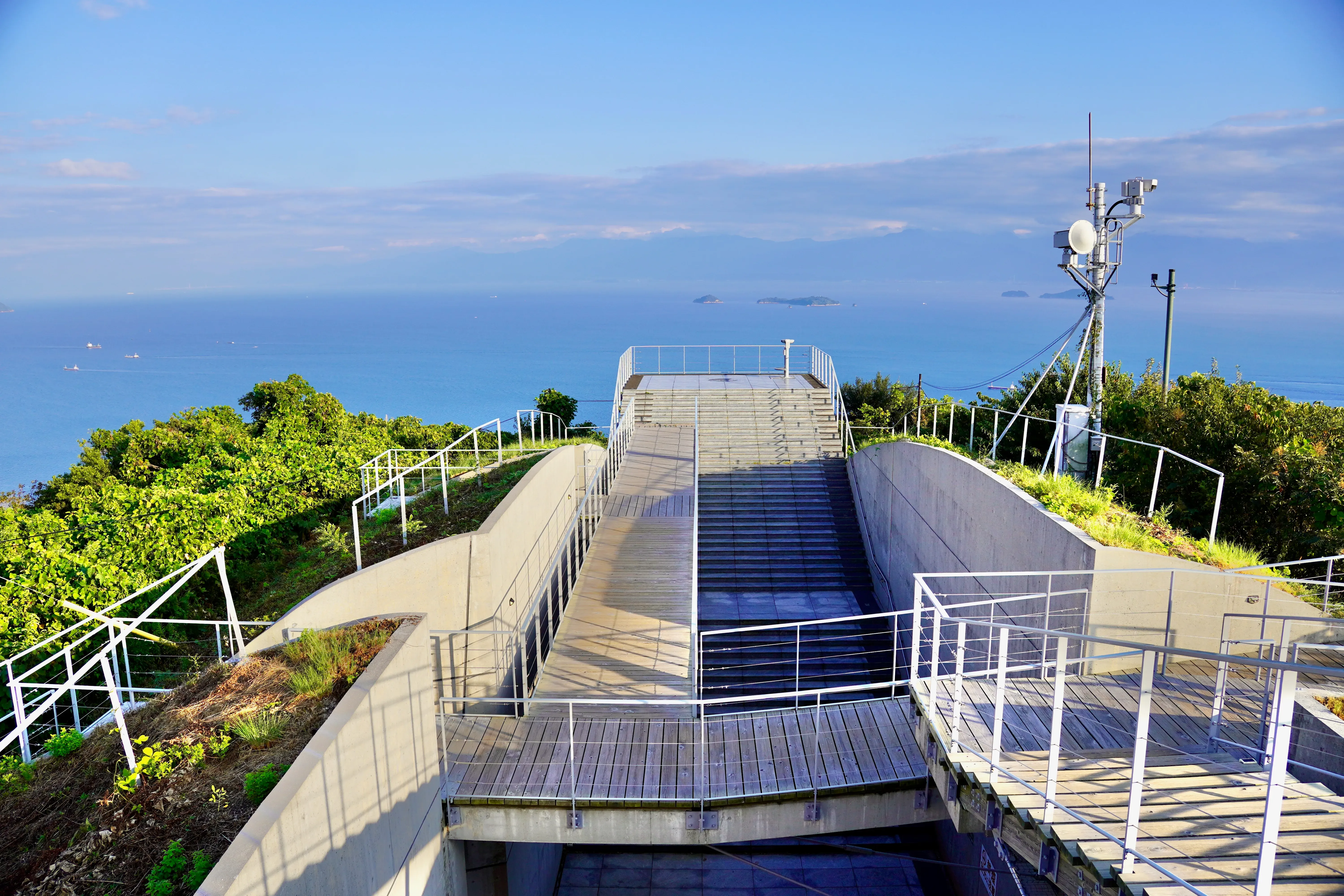
A Journey Through Setouchi’s Architecture in Harmony with Sea and Mountains
-
 Art & Culture
Local Products Continuing the Manufacturing Techniques and Culture of the Setouchi Region
-
 Art & Culture
Setouchi’s Hidden Art Gems
-
 Art & Culture
Masterpieces Wrapped in Stories
-
 Art & Culture
Tour Local Kilns to Experience the Venerable Tamba-Ware Pottery Tradition
-
 Art & Culture
Join Awaji Island Artisans for a Hands-On Kawara Tile-Making Experience
RELATED DESTINATION
Ehime
The Ehime area has the Nishiseto Expressway, one of Japan’s leading cycling roads, and the area draws attention from cyclists around the world. Ehime contains many places where visitors can encounter history, including Dogo Onsen, a hot spring with a history stretching back some 3,000 years, and the streetscapes of Uchiko, which still look like they did the Edo and Meiji periods.