




Adventure & Experience
Breakfast With a View: Experience Hiroshima Through Guided Hikes

-
- DESTINATION NAME
- Hiroshima
-
- RELATED TAGS
-
- LAST UPDATED
- 18 February, 2026
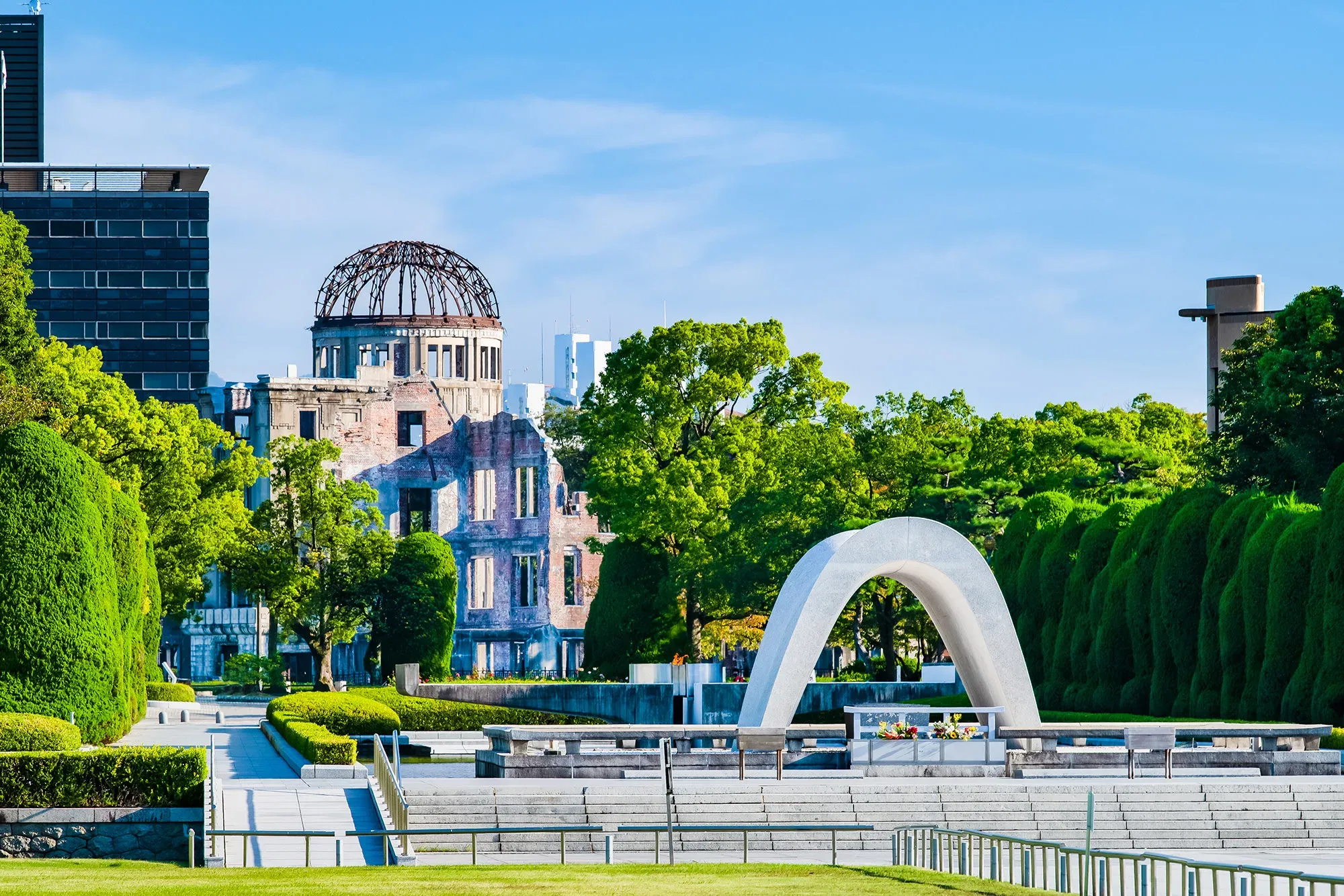
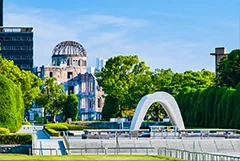
For many, Hiroshima is singularly associated with one day: August 6, 1945, when the first atomic bomb ever used in war exploded over the city center. Over 80 years have passed since that world-changing event, and current Hiroshima residents are actively seeking ways to demonstrate to visitors that their city offers far more than the worst chapter in its long and varied history.
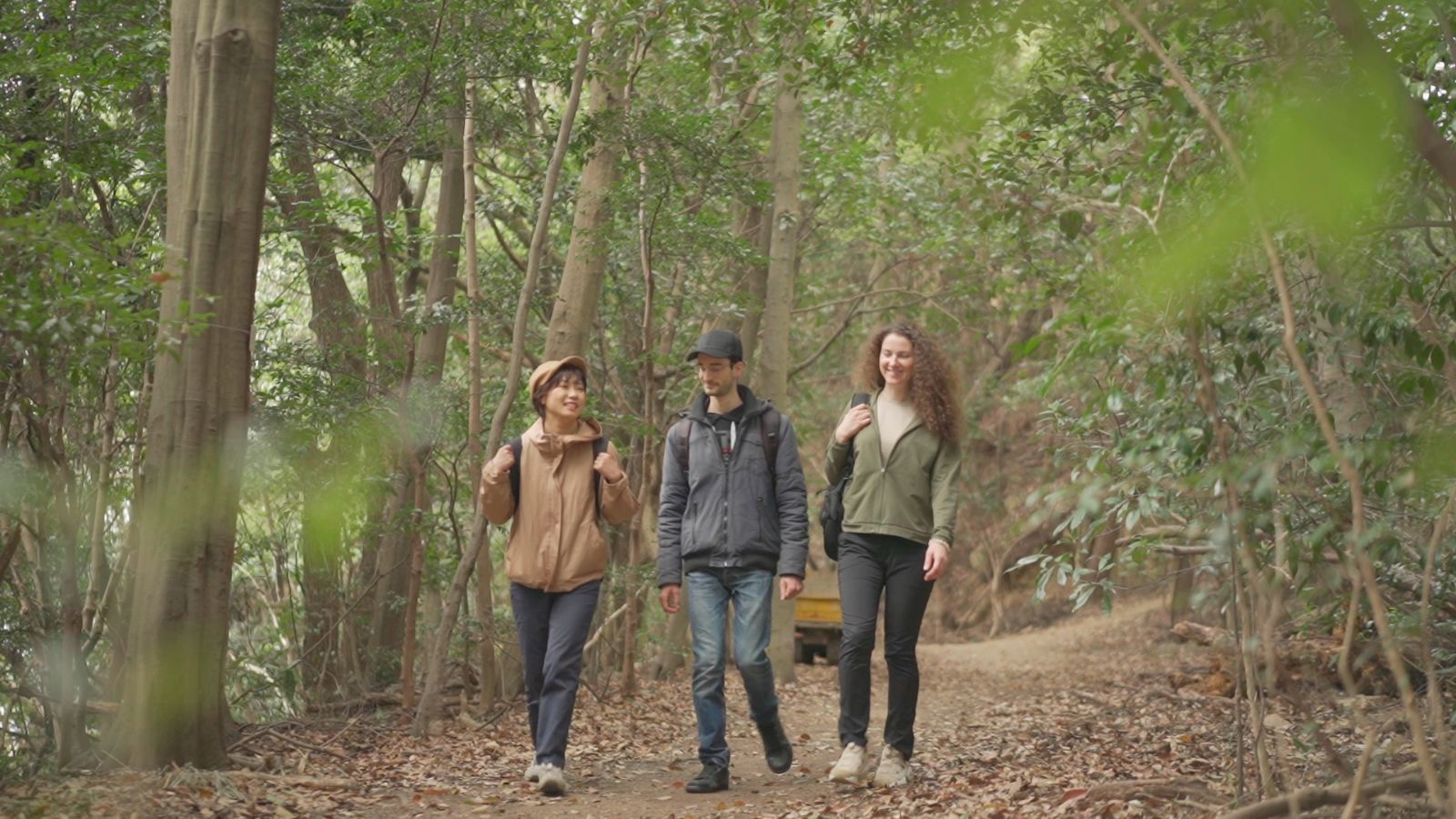
One such initiative is the morning hiking-and-breakfast experience offered by Asageshiki. These excursions begin at the entrance to Toshogu Shrine, just five minutes on foot from the north exit of Hiroshima Station. This large shrine, first built in the mid-seventeenth century, encompasses much of the Mt. Futaba (139 m) mountainside. After touring the shrine, visitors continue up the forested slopes of the mountain to a lookout with spectacular views of Hiroshima, where breakfast is served.
A Shrine Built by the Grandson of a Shogun
Numerous Toshogu shrines exist across Japan, with famous examples in Nikko and in Tokyo’s Ueno Park. These sacred sites were constructed to enshrine the spirit of Tokugawa Ieyasu, founder and first shogun of the Tokugawa shogunate (1603–1867), following his death in 1616. For Asano Matsuakira, appointed ruler of the Hiroshima domain in 1619, building Hiroshima’s Toshogu Shrine involved a personal connection, as Ieyasu was his grandfather.
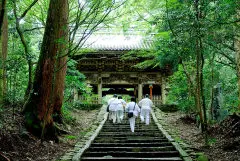
Those participating in Asageshiki hiking tours approach the main gate of the Toshogu Shrine on Mt. Futaba via steep stone steps. Although the view of Hiroshima Castle—the former residence of Asano Matsuakira and his descendants—is now obstructed by modern high-rise buildings, the shrine’s position to the northeast of the castle remains significant. In keeping with the long-held Japanese superstition that evil spirits emanate from the northeast, the shrine was believed to purify and protect the city of Hiroshima.
.jpg)
After the atomic bombing of 1945, few historic structures remained standing in Hiroshima. Toshogu Shrine, situated just over two kilometers from the hypocenter, did survive, but it was severely damaged by the explosive force of the blast and subsequent fires caused by the intense heat. A garrison of soldiers stationed in the shrine managed to use water from a spring on the grounds to extinguish the flames, saving parts of the front wall and the structure sheltering the purification font.
A Forest Path With Shrines to the Seven Lucky Gods
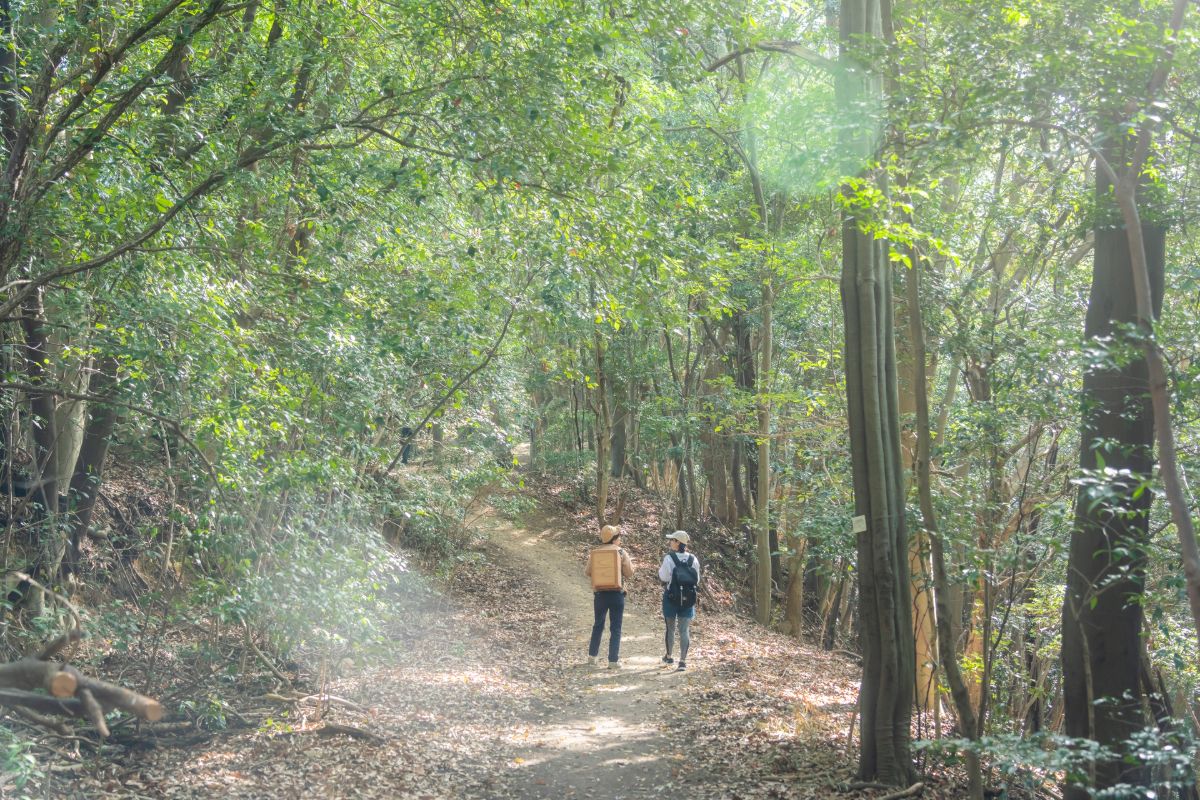
After the guide explains the proper etiquette and procedure for visiting a shrine, the hike continues up the mountain. A packed-dirt path winds between the trees, passing through more than 100 vermilion torii gates.
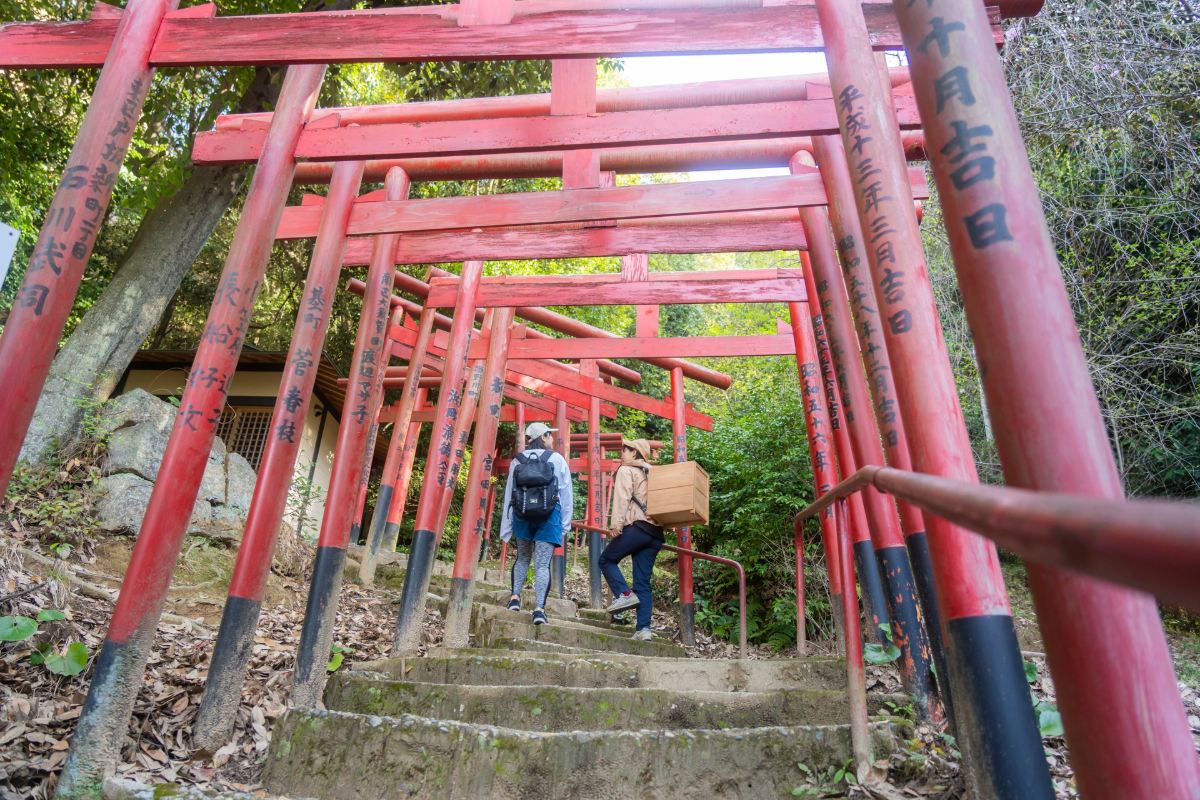
En route to the lookout, the path goes by seven small shrines, each devoted to one of the Seven Lucky Gods. These deities are said to bestow blessings ranging from prosperity and longevity to wisdom, artistic prowess, and happiness. People visit the small shrines in hopes of good fortune in major life events such as marriage, job promotions, and childbirth.
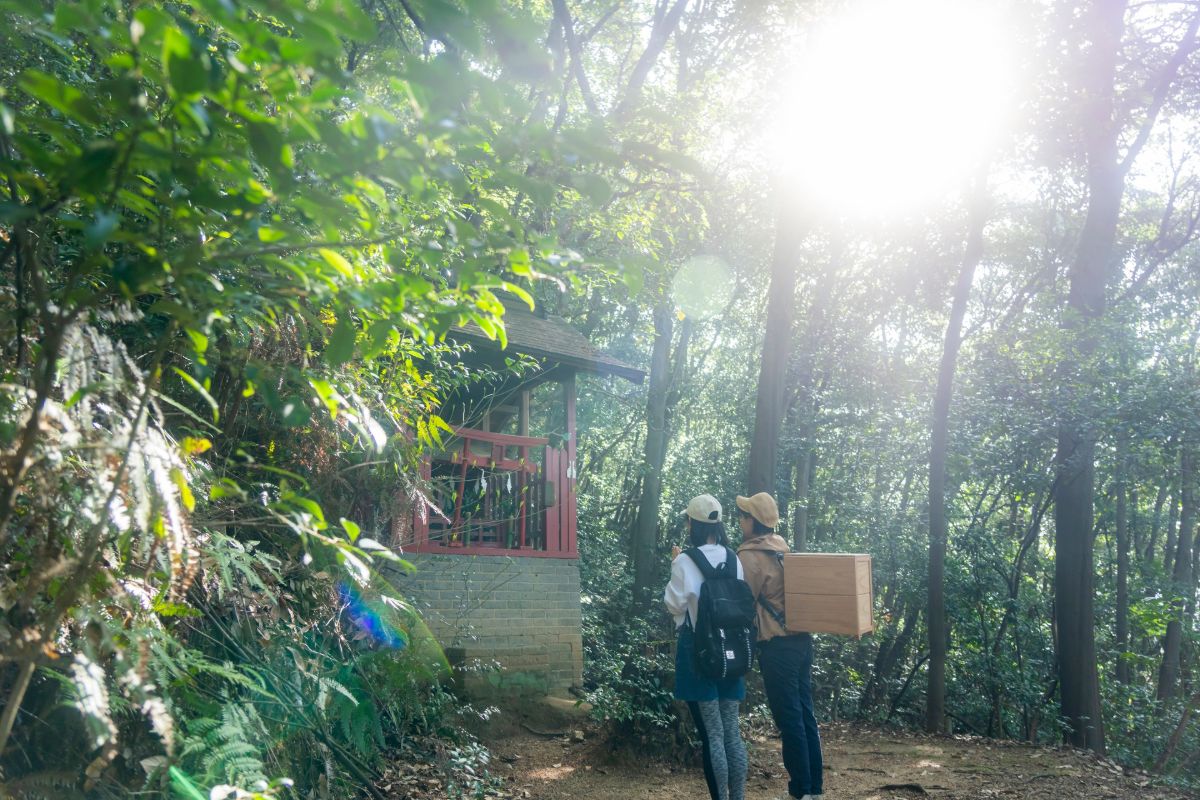
These forest paths are diligently maintained by the Asageshiki guides themselves, along with members of the community. A portion of the tour fee is directly allocated toward their upkeep.
See Another Face of Hiroshima From Mt. Futaba
The motto of Asageshiki is “Another face of Hiroshima,” a perspective that is fully realized as hikers reach the lookout. From near the summit, they get a panoramic vista of the city, with the island of Miyajima and the Seto Inland Sea visible in the distance on clear days.
Near the lookout, there is a large monument in the form of a silver stupa. This monument, known as the Peace Pagoda, was erected to commemorate those who died in the atomic bombing and to symbolize hope for world peace. Adjacent to the stupa is the Okumiya, the inner sanctuary of the shrine.
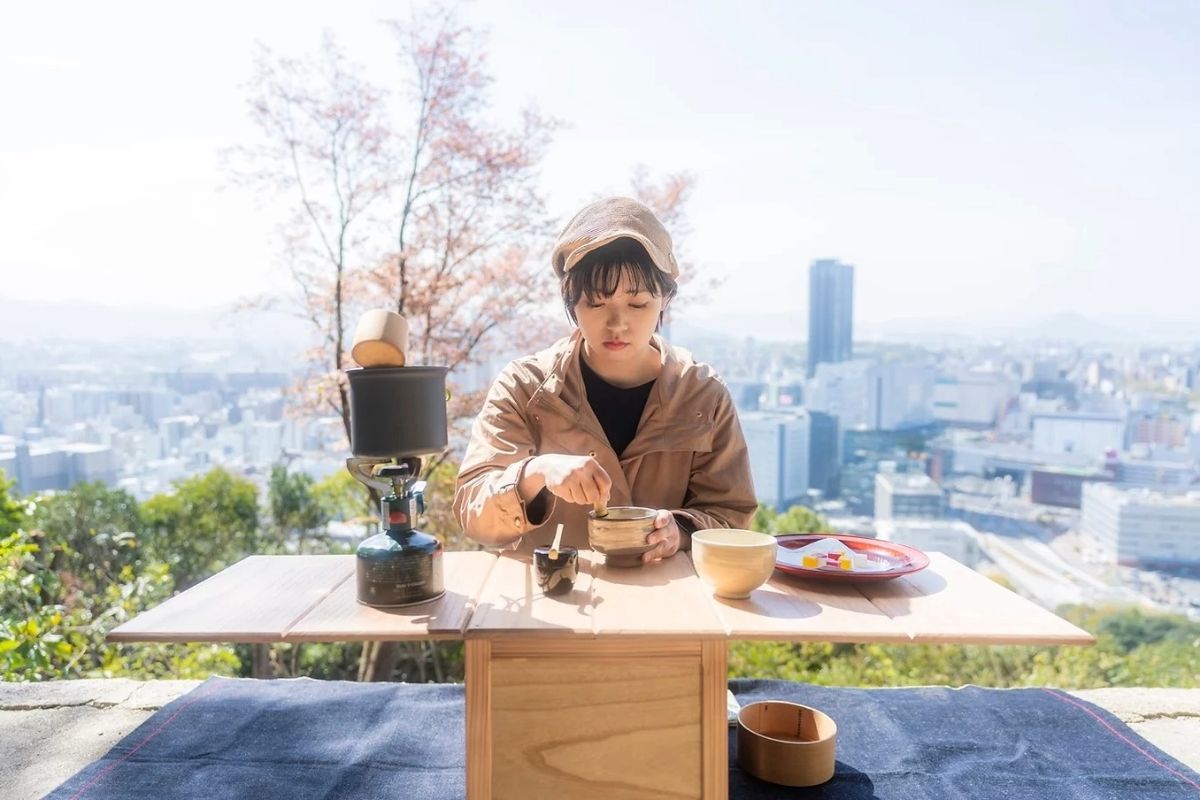
Breakfast is eaten on the grounds of the Okumiya, which commands sweeping views. A special wooden box carried by the guide is placed on the ground and opened to reveal the meticulously prepared meal inside. This box folds out to serve as a breakfast table.
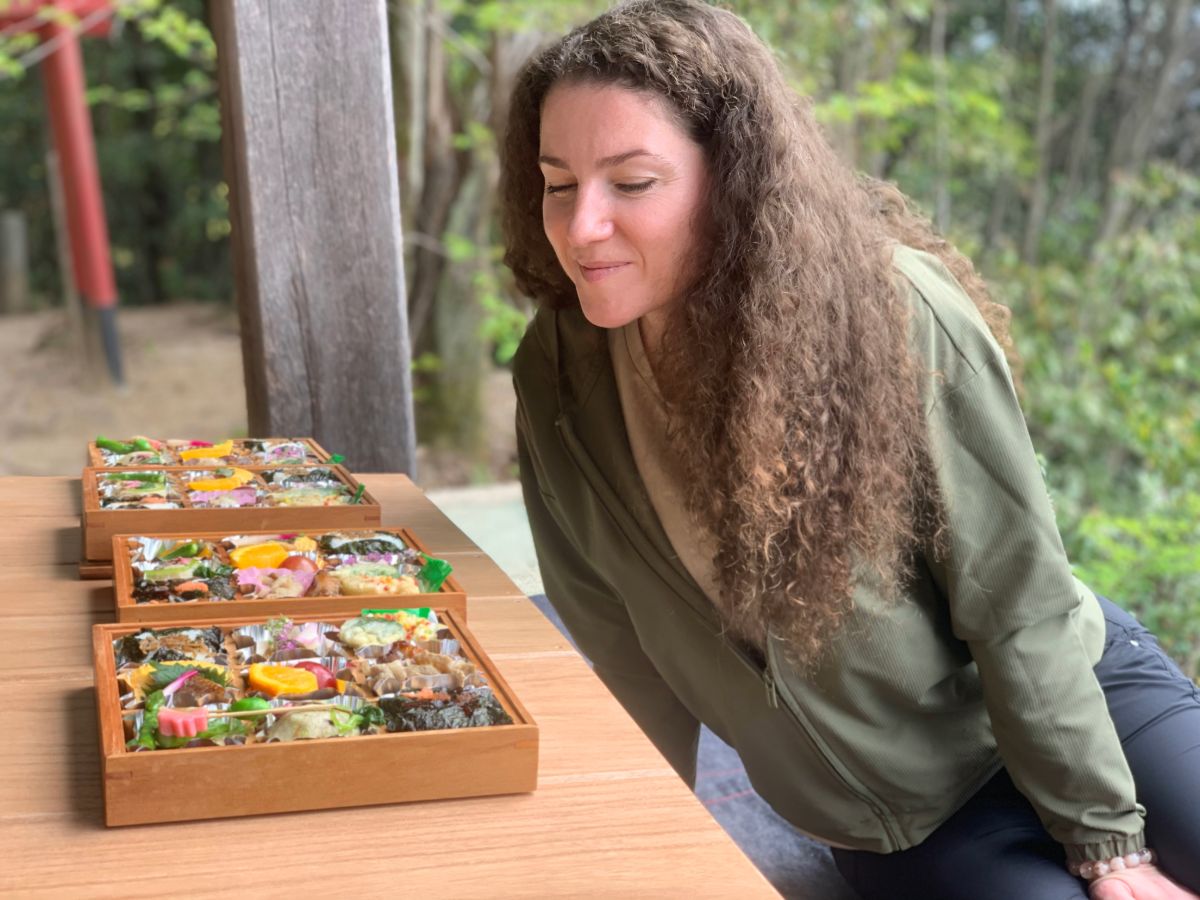
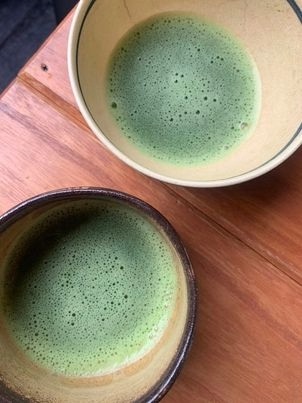
Asageshiki’s breakfasts are made using fresh local ingredients sourced from Hiroshima Prefecture and the Seto Inland Sea. A brief matcha tea ceremony accompanies the meal. Accommodations can be made for vegans and vegetarians. Additionally, yoga and meditation sessions amid the trees are available after breakfast.
Reservations for Asageshiki Hiking Tours
Asageshiki hiking tours take place in the morning. This schedule encourages visitors to stay overnight, thereby experiencing more of Hiroshima than they might on a day trip from distant cities like Kyoto or Osaka. Reservations for the hiking and breakfast tour must be made at least two days in advance. For hiking tours that include the tea ceremony but not breakfast, reservations can be made up until 6:00 PM the night before the tour.

Related Articles
-
 Adventure & Experience
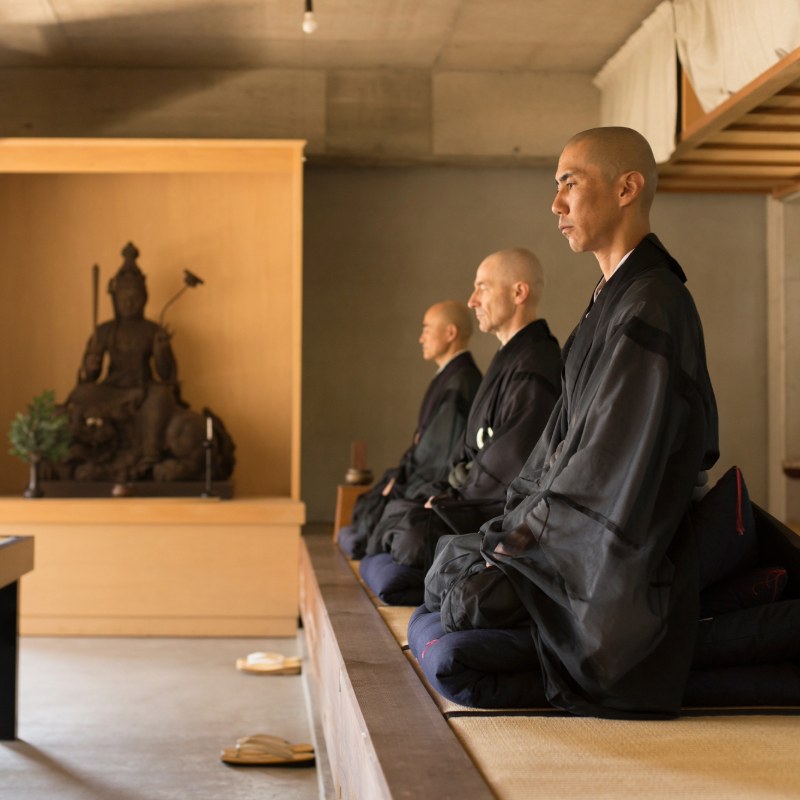
Experience Zen in the Forested Hills of Hiroshima
-
 Adventure & Experience
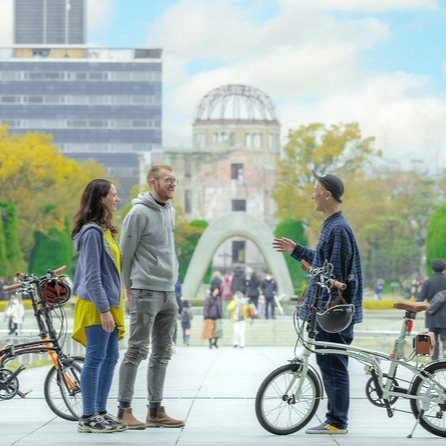
Discover Hiroshima’s Broader History With City Center Cycling Tours
-
 Adventure & Experience
Discover the Charms of the Seto Inland Sea on Sightseeing Cruises Along the Coast of Hiroshima
-
.webp) Adventure & Experience
Adventure & ExperienceA Journey Across the Shimanami Kaido
-
No7237_しまなみサイクリング.webp) Adventure & Experience
Adventure & ExperienceOnomichi Tourist Association Cultivates Guides to Unlock New Regional Charms
-
 Adventure & Experience
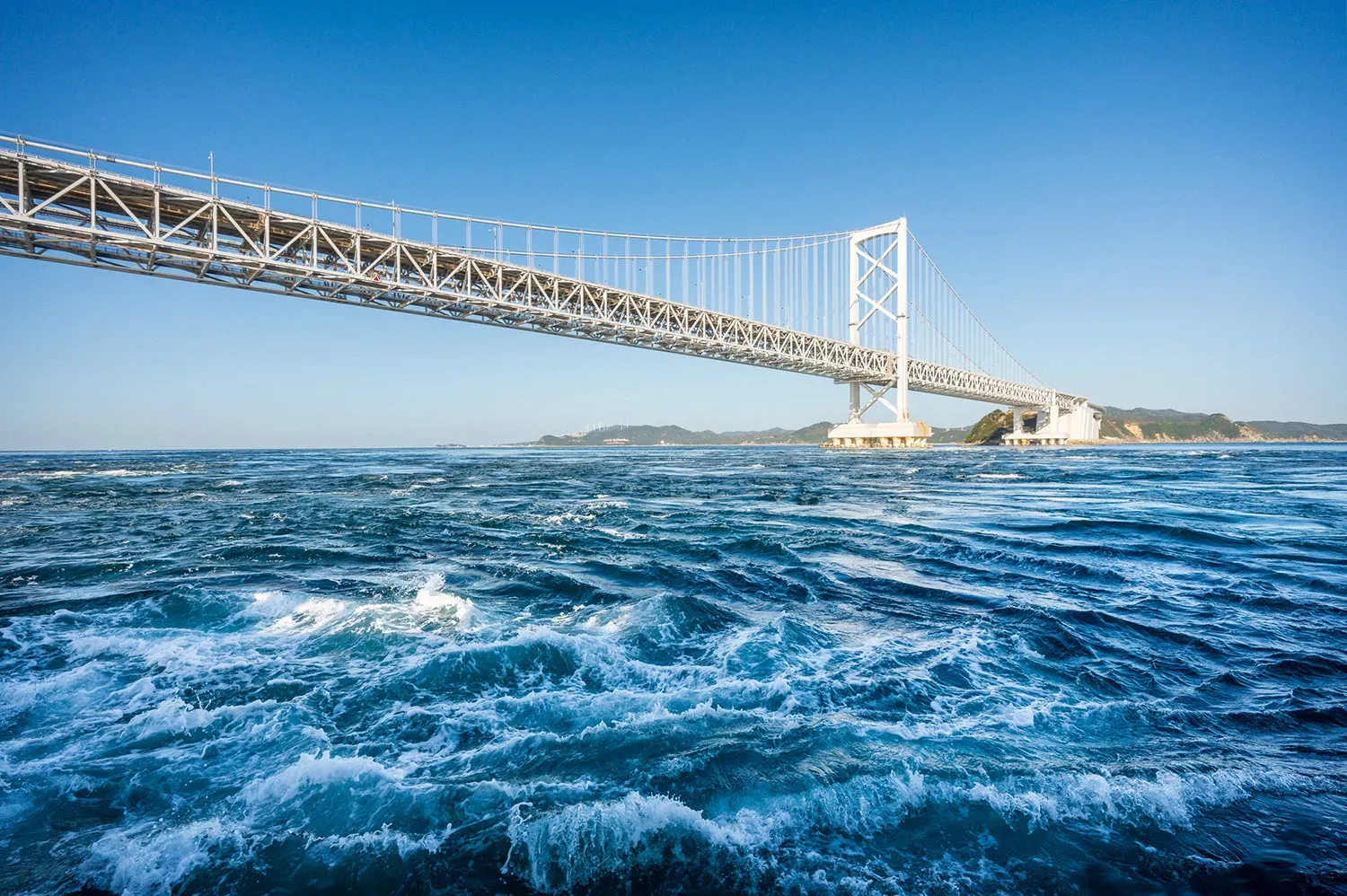
7 Awe-Inspiring Off-the-Beaten-Path Experiences in Setouchi
-
 Adventure & Experience
Shimanami Kaido Cycle Highway Week 4
-
 Adventure & Experience
Things to Do and Places to Visit in Hiroshima Prefecture
RELATED DESTINATION
Hiroshima
Hiroshima is the central city of Chugoku region. Hiroshima Prefecture is dotted with Itsukushima Shrine, which has an elegant torii gate standing in the sea; the Atomic Bomb Dome that communicates the importance of peace; and many other attractions worth a visit. It also has world-famous handicrafts such as Kumano brushes.