

Adventure & Experience
Discover the Charms of the Seto Inland Sea on Sightseeing Cruises Along the Coast of Hiroshima

-
- DESTINATION NAME
- Hiroshima
-
- RELATED TAGS
-
- LAST UPDATED
- 16 February, 2026
Voyages on the Sea Spica sightseeing cruiser depart from ports in Hiroshima Prefecture to tour the western Seto Inland Sea, visiting some of the region’s most attractive and intriguing destinations along the way. The ship weaves its way past numerous islands en route to Onomichi in eastern Hiroshima, with views that range from picturesque coastlines along the Shimanami Kaido to compelling industrial landscapes like the so-called Battleship Island, Chigirishima.
Beyond merely relaxing on board and admiring the scenery, passengers can disembark to explore one of two islands on foot, depending on their route. One stopover affords time to visit Okunoshima Island, known for its large population of rabbits. The second calls at the port of Mitarai on Osaki-Shimojima Island, renowned for its remarkably well-preserved historic district. Beyond mere transport, the Sea Spica provides opportunities for adventure and making memories in the Seto Inland Sea.
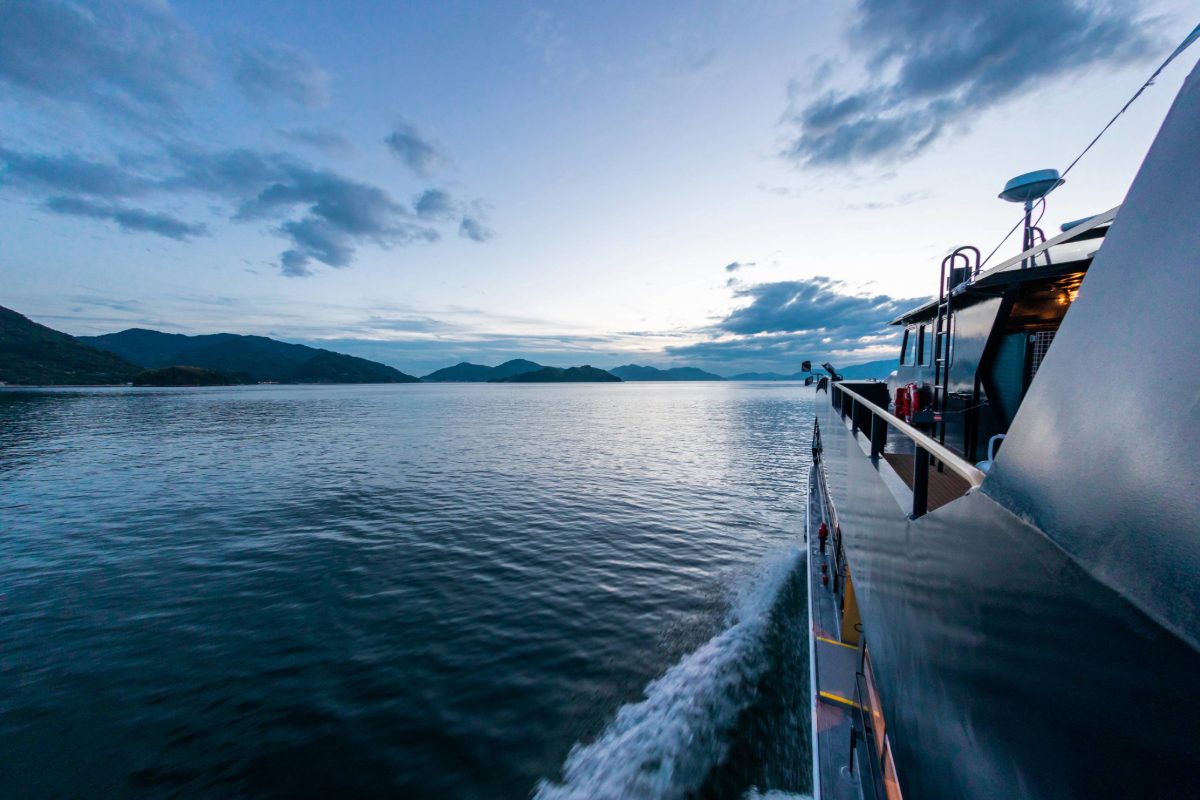
Two Cruise Routes
The Sea Spica operates two separate cruise routes. The Usagi Course departs from Hiroshima Port in the morning, sailing eastward through the Seto Inland Sea to Onomichi. The second route, the Shimanami Course, leaves Onomichi in mid-afternoon, returning to Hiroshima via a slightly different trajectory. Passengers may select a one-way course or opt for a round trip to experience the diverse scenery and stopovers on both routes.
Usagi Course: Kure’s Naval History and a Stopover to See the Rabbits of Okunoshima Island
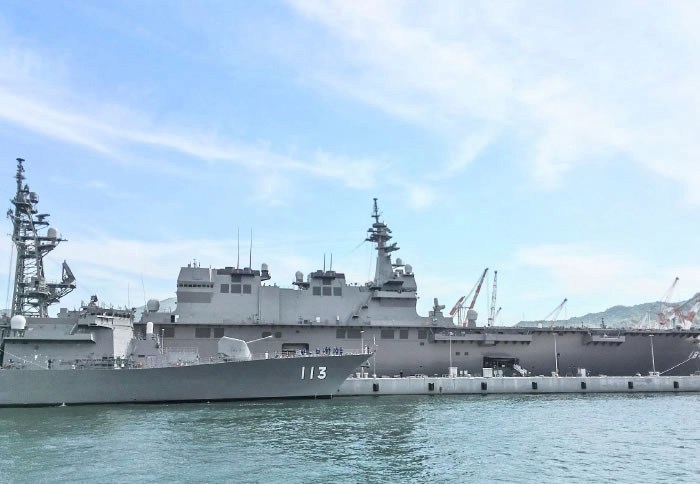
For the Usagi Course, passengers may board the ship at Hiroshima Port, the Prince Hotel, or the nearby port city of Kure. Founded in 1889, Kure is the nation’s second-oldest naval port. The city was historically home to Japan’s largest naval arsenal, including the shipbuilding facilities where the mighty Yamato battleship was constructed. From the Sea Spica, passengers can view the ships and buildings of the current Kure Naval Base, operated by the Japan Maritime Self-Defense Force.
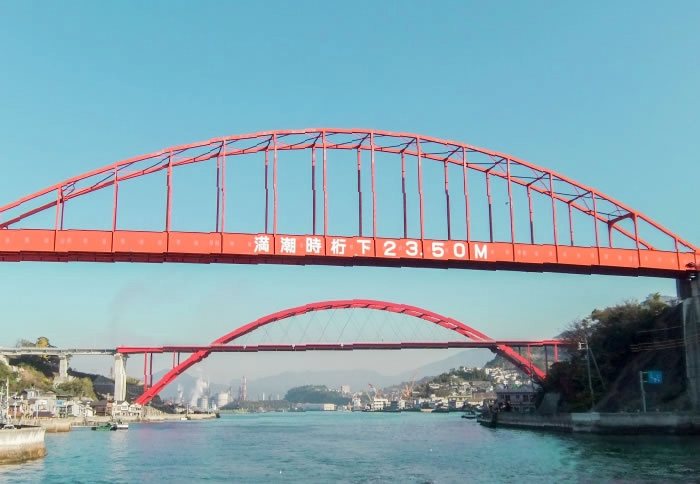
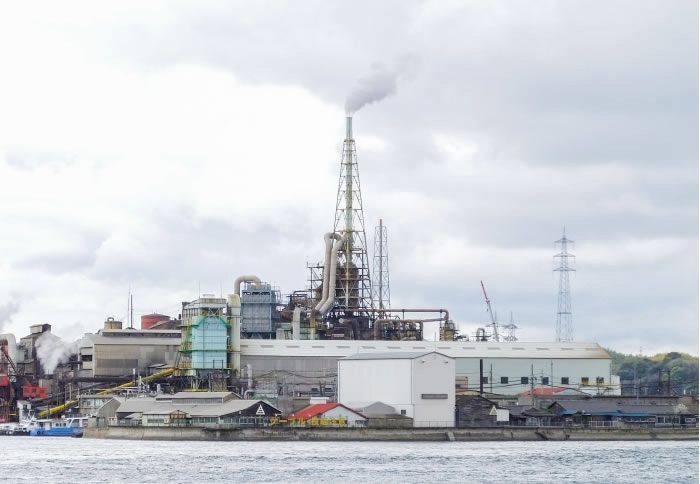
Soon after departing Kure, the ship passes through the Ondo Strait. Construction of this narrow passage between Honshu and Kurahashijima Island is believed to have been ordered by the powerful military leader Taira no Kiyomori (1118–1181). Two red arch bridges span the strait; flowering cherry and azalea trees bloom along the shores in spring. Continuing eastward, the Sea Spica goes past Chigirishima, an island almost entirely occupied by a lead smelter and refinery. Its unique industrial appearance has earned Chigirishima the nickname “Battleship Island.”
The Sea Spica next makes a stopover at Okunoshima Island. Passengers can disembark to explore the island, which is famously populated by large numbers of rabbits. During World War II, the Japanese military covertly manufactured chemical weapons here, producing an estimated 6,500 tons of poison gas by the war’s end. Although any dangerous chemicals have been removed, ruins of military facilities, bunkers, and storage tanks are still present, and some can be explored. A museum on the island details its history as a chemical-weapons production base and warns of the dangers of these weapons.

The Usagi Course concludes with a brief stop at Setoda Port before arriving at Onomichi just after noon. Here, one-way passengers disembark. Those returning to Hiroshima via the Shimanami Course have approximately one hour to stroll around Onomichi’s waterfront.
Shimanami Course: Stopover at the Charming Port Town of Mitarai
The Shimanami Course takes a slightly different route westward back to Hiroshima. Following its mid-afternoon departure from Onomichi, the ship briefly docks at Mihara Port. Since the Shinkansen stops at Mihara, some travelers find this a convenient point to either board or disembark from the Sea Spica.
The ship then follows a southerly route between the islands of the Shimanami Kaido before swinging west for a stopover at Osaki-Shimojima Island. Passengers can spend time exploring the historic district of the island’s port town, Mitarai. Many of its well-preserved shops, teahouses, and shrines date back to the Edo period (1603–1867), and the townscape vividly evokes that era. “On the Trip” audio guides for Mitarai are available in multiple languages, providing detailed explanations for several points of interest.
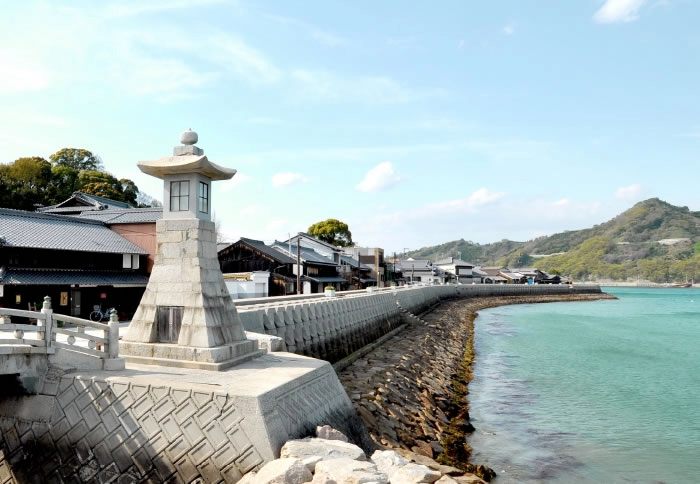
After departing Mitarai, the Shimanami Course passes through the Ondo-no-Seto Strait and stops at Kure, where passengers may disembark if they wish. The ship then docks at the Prince Hotel before arriving at its final destination, Hiroshima Port, in the early evening.
A Comfortable and Enjoyable Travel Experience
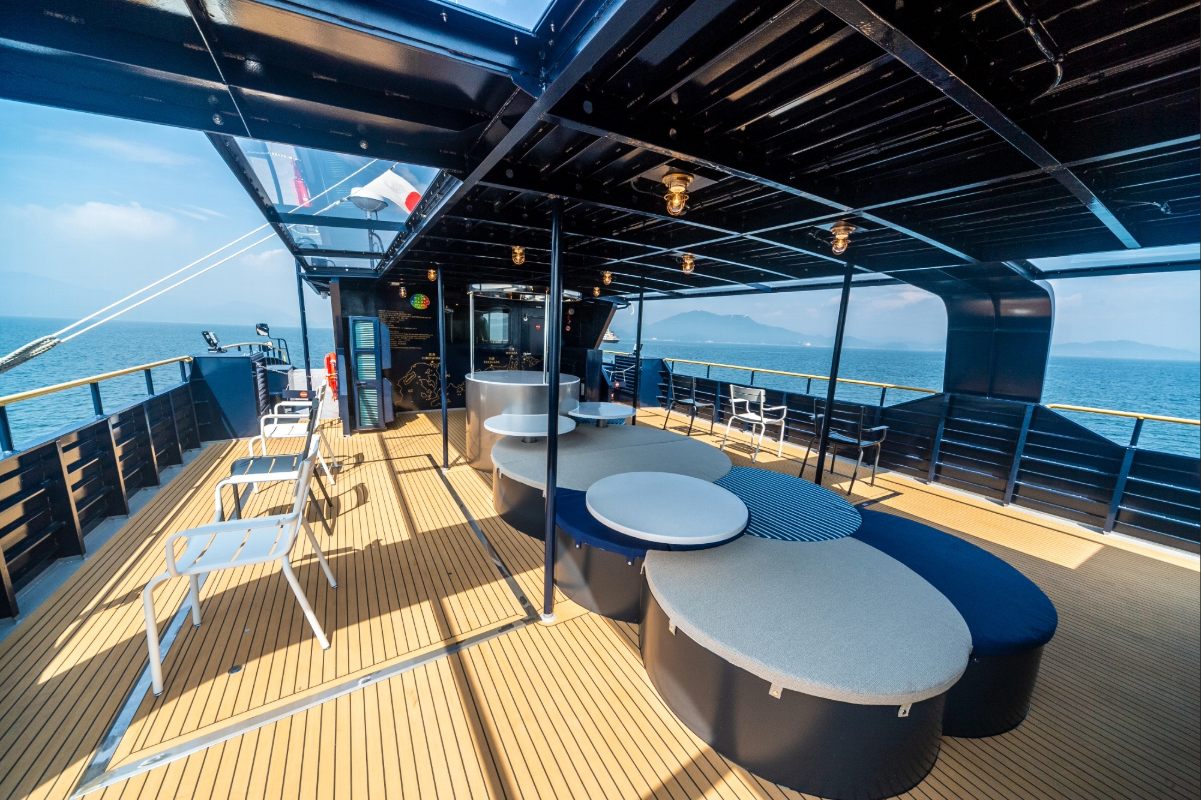
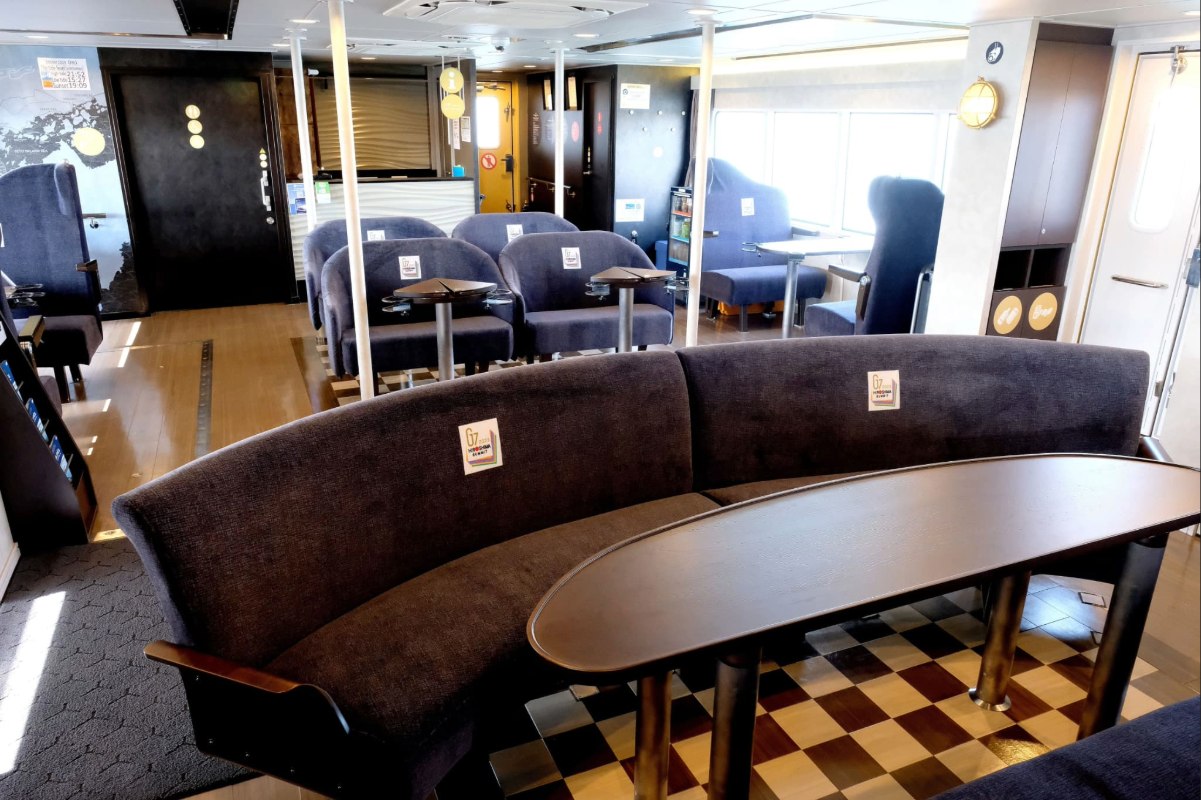
The Sea Spica is an attractive transportation option for visitors traveling to and from Hiroshima. The ship is far more than a typical point-to-point ferry, with an interior and deck stylishly designed to offer a comfortable and relaxing travel experience. The ship accommodates up to 90 people, with ample space for carry-on luggage. A small shop sells coffee, alcohol, soft drinks, and snacks on board, and free Wi-Fi is available.
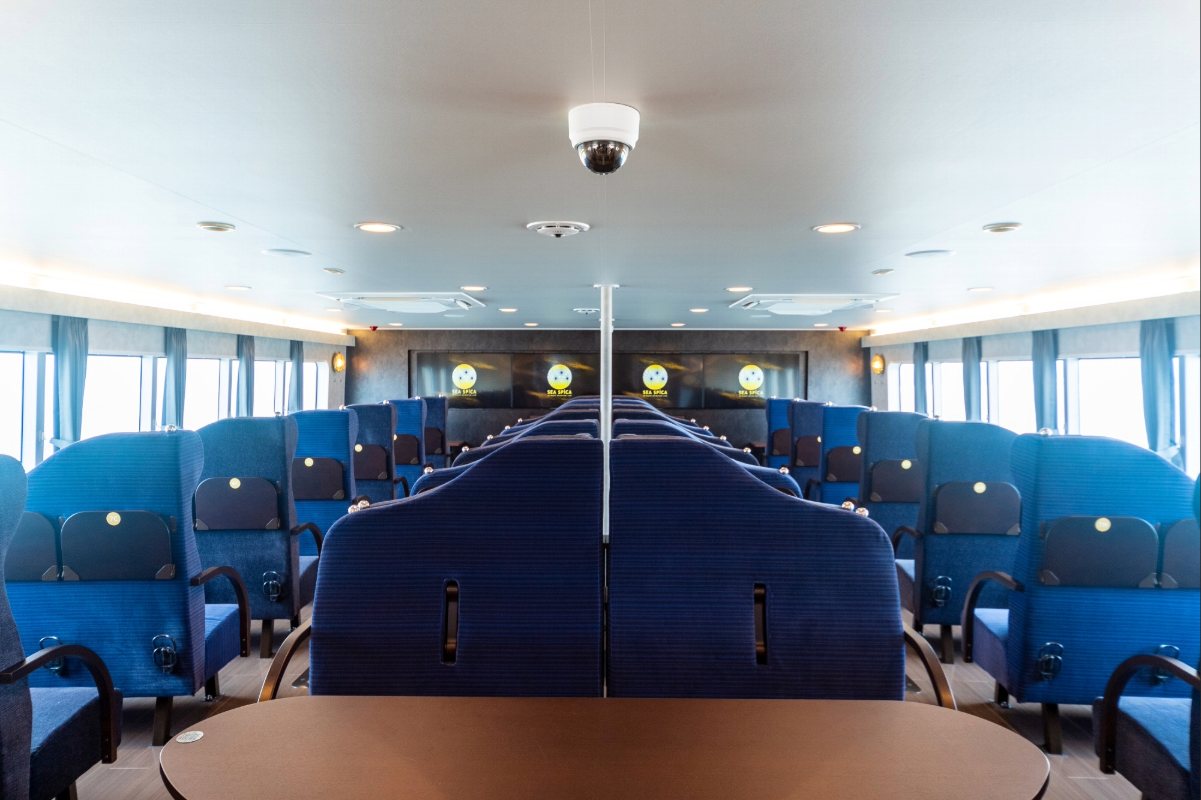
The plaques affixed to certain tables and seats inside the ship were installed to commemorate a special sunset cruise held on the Sea Spica for the world leaders attending the 2023 G7 Summit in Hiroshima.

Related Articles
-
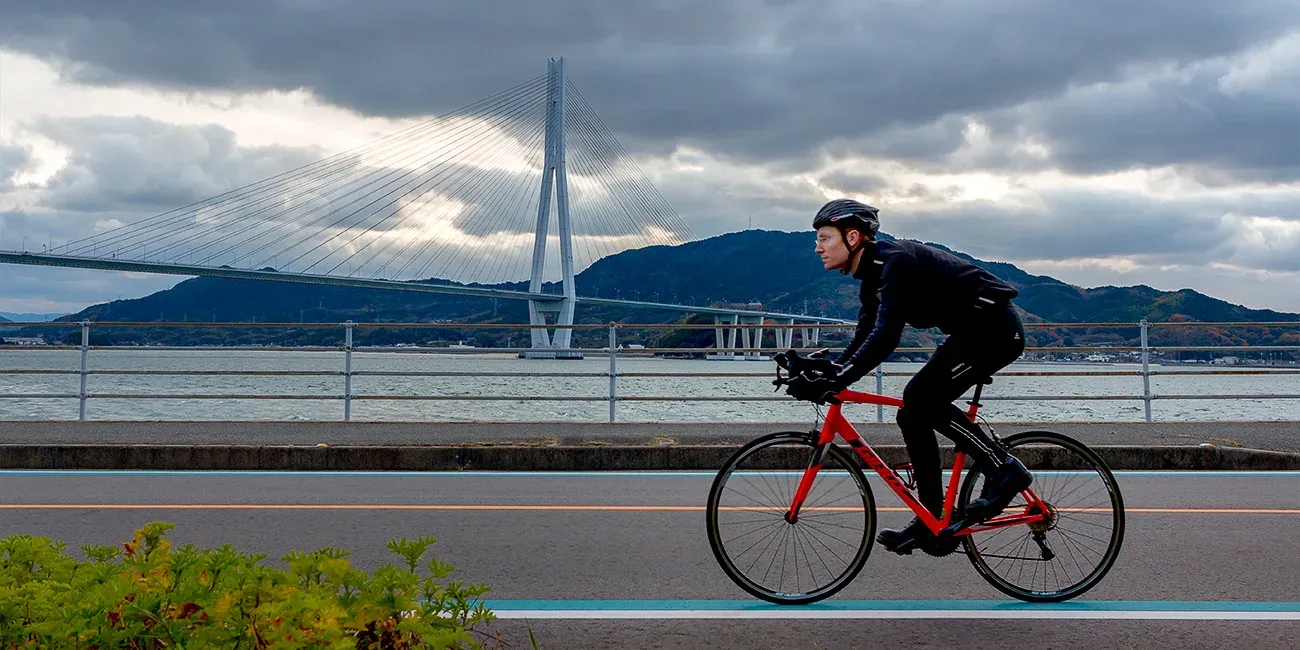 Adventure & Experience
Shimanami Kaido Cycling Road - A Cyclist's Paradise
-
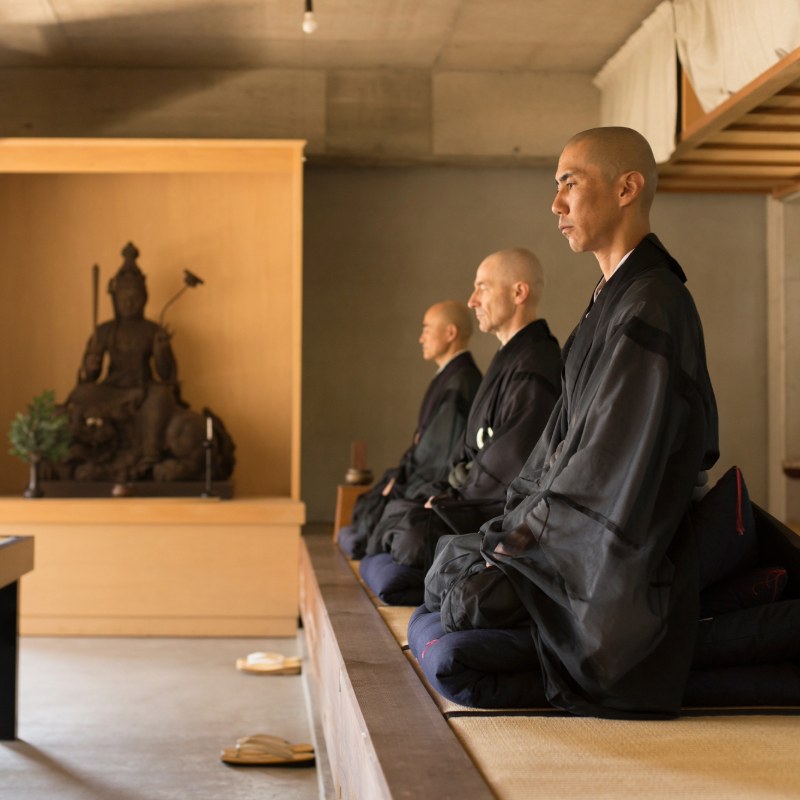 Adventure & Experience
Experience Zen in the Forested Hills of Hiroshima
-
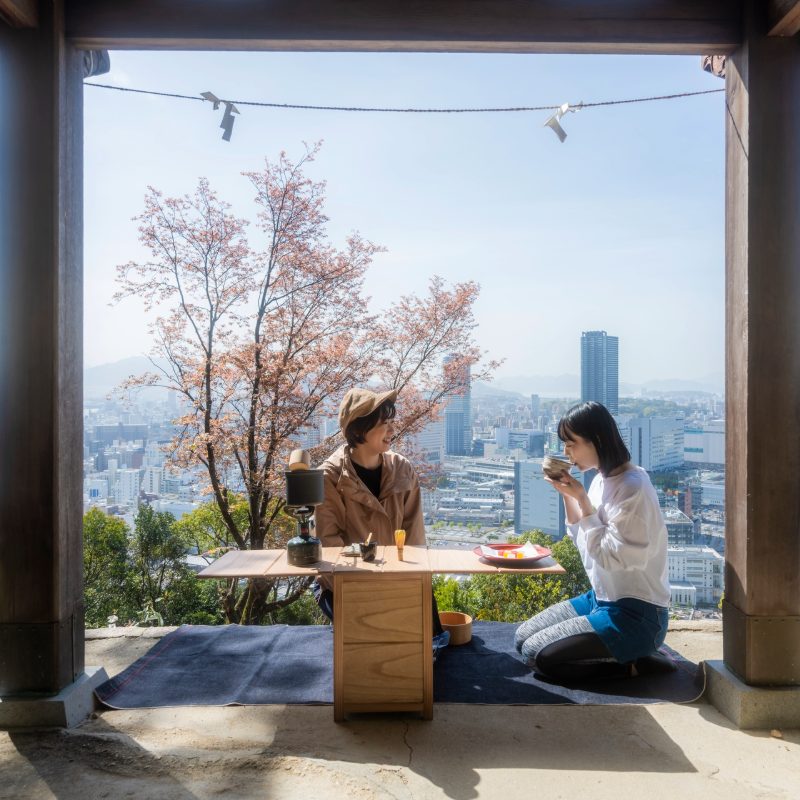 Adventure & Experience
Breakfast With a View: Experience Hiroshima Through Guided Hikes
-
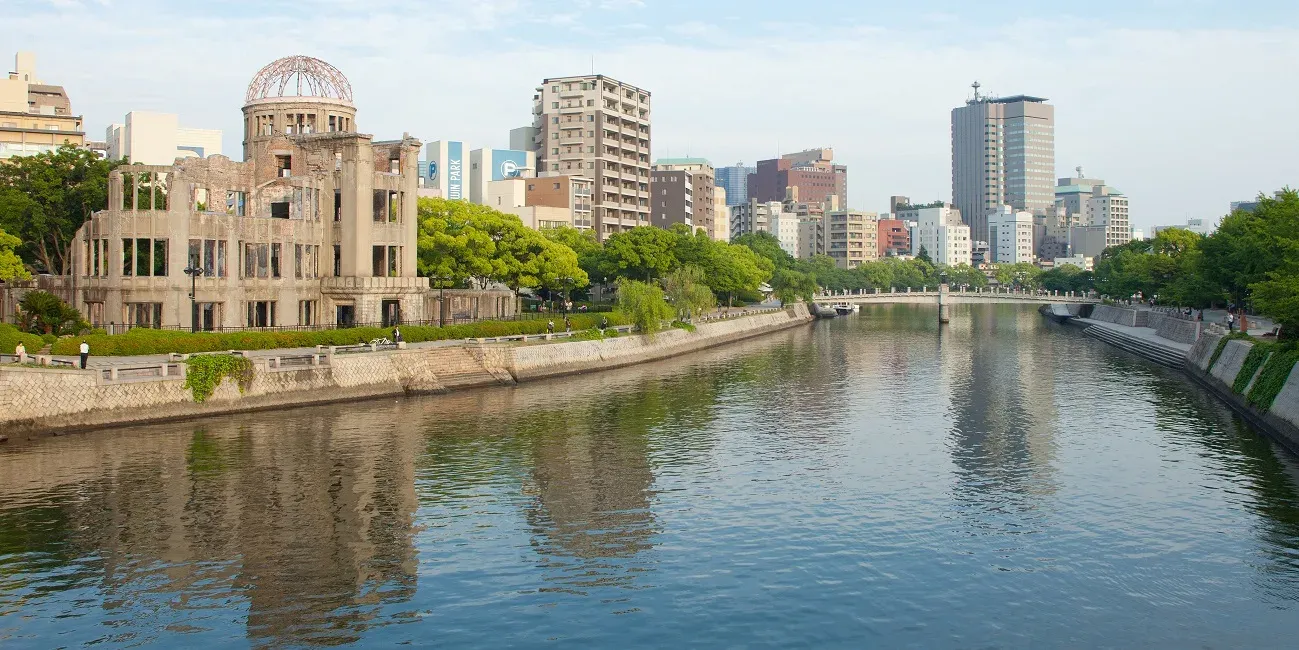 Adventure & Experience
Things to Do and Places to Visit in Hiroshima Prefecture
-
 Adventure & Experience
Things to Do in Hiroshima at Night
-
 Adventure & Experience
Discover Hiroshima’s Broader History With City Center Cycling Tours
-
.webp) Adventure & Experience
Adventure & Experience7 Authentic Experiences Exclusive to the Setouchi Region
-
 Adventure & Experience
Shimanami Kaido Cycling and Dogo Onsen
RELATED DESTINATION
Hiroshima
Hiroshima is the central city of Chugoku region. Hiroshima Prefecture is dotted with Itsukushima Shrine, which has an elegant torii gate standing in the sea; the Atomic Bomb Dome that communicates the importance of peace; and many other attractions worth a visit. It also has world-famous handicrafts such as Kumano brushes.