





Art & Culture
Unearth the Secrets of Bonsai on a Guided Tour in Takamatsu

-
- DESTINATION NAME
- Kagawa
-
- RELATED TAGS
-
- LAST UPDATED
- 18 February, 2026
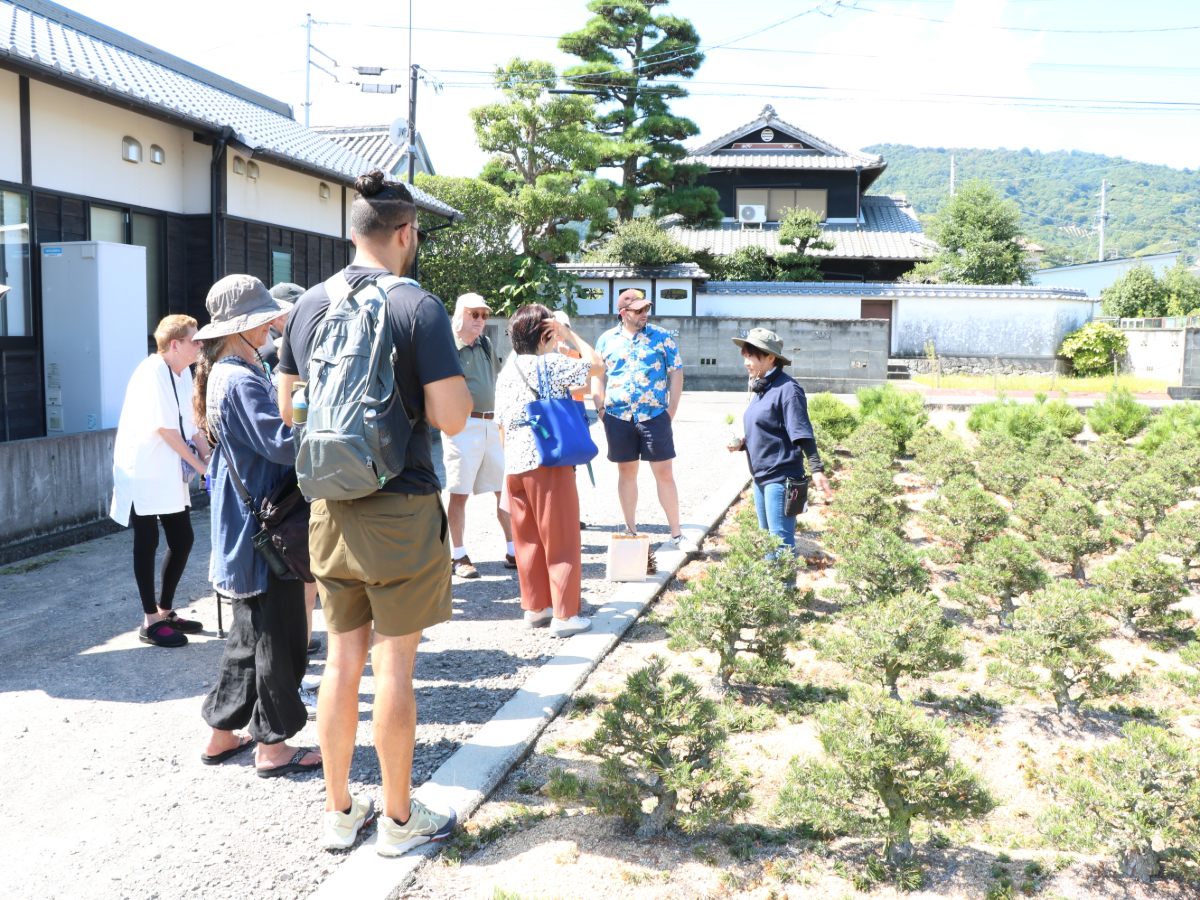
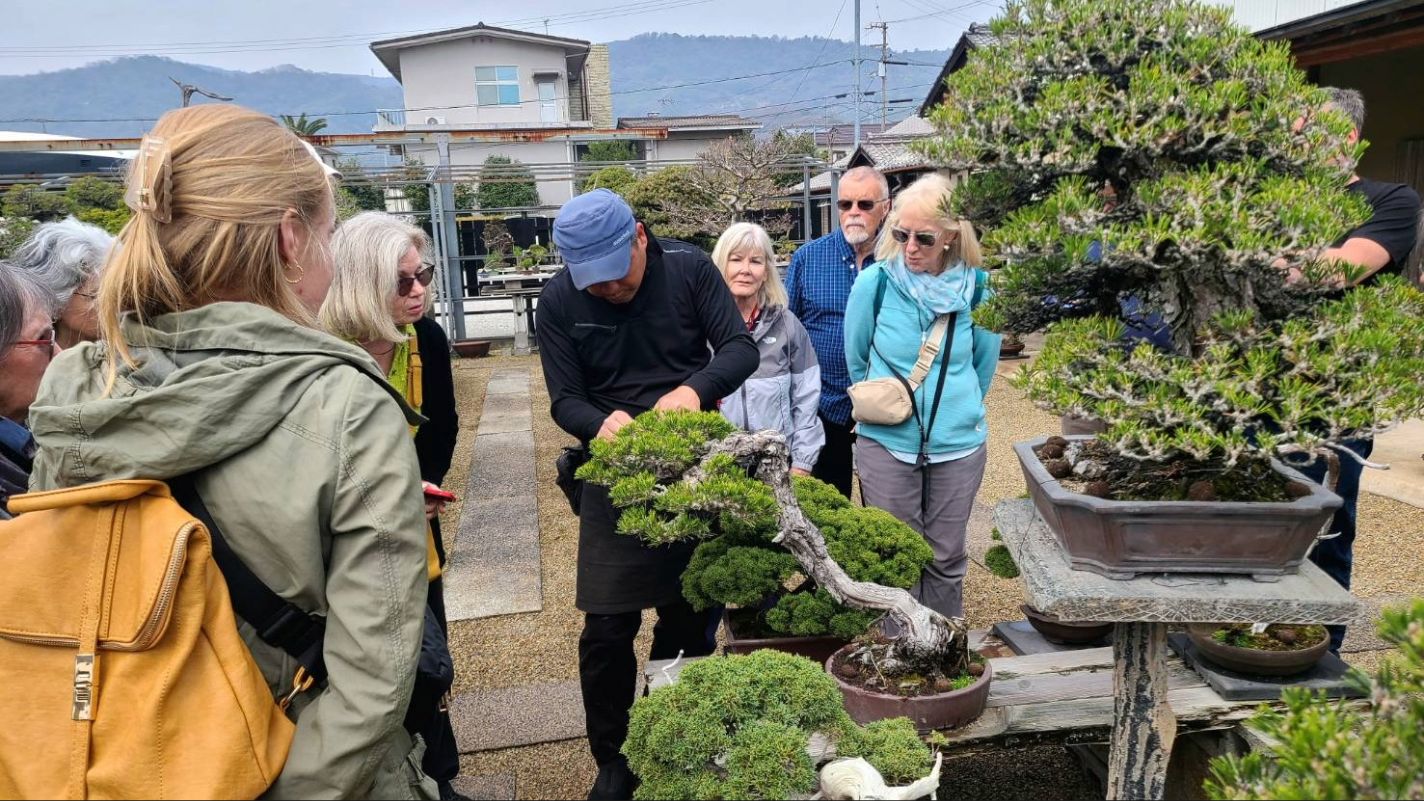
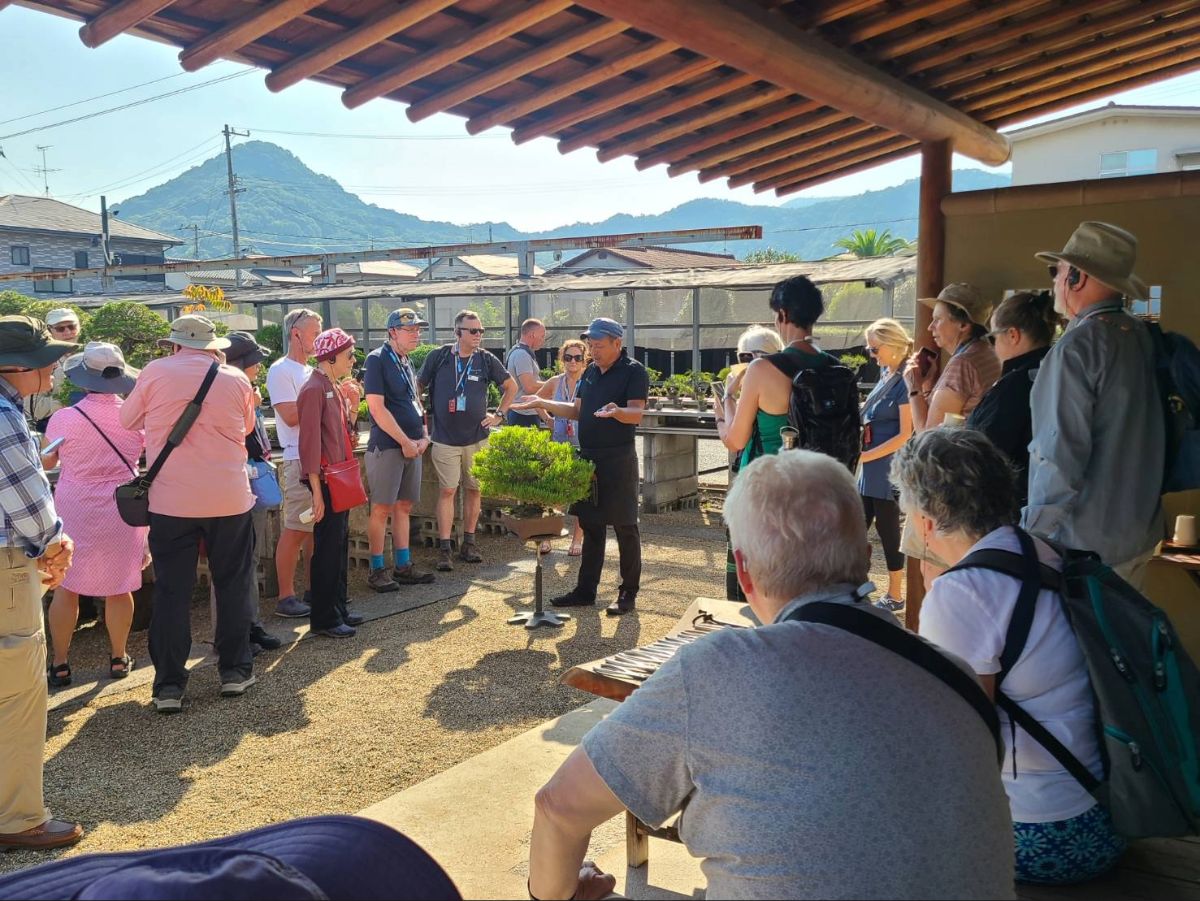
At Nakanishi Chinshoen in Takamatsu, Kagawa Prefecture, guided tours introduce the meticulous process of growing and cultivating bonsai trees. These tours are led by Nakanishi Kana, wife of the current owner Nakanishi Yoichi, whose family has operated the nursery for five generations over 130 years. Kana begins the tour by taking visitors to the fields where the trees are grown and explaining the planting, pruning, and potting processes. She then guides the group to a walled garden where many of Nakanishi Chinshoen’s most cherished and valuable bonsai are kept.
Row Upon Row of Maturing Trees
Visitors arriving in the Kinashi neighborhood on the western edge of Takamatsu will immediately notice the extensive fields of small trees. At Nakanishi Chinshoen, Kana Nakanishi explains why Kinashi remains one of the premier bonsai-growing areas in Japan. Key factors include a temperate climate with moderate seasonal temperature variation, low rainfall, and sandy loam soil, which provides the excellent drainage sought after for bonsai cultivation.
Most of the trees at Nakanishi Chinshoen are Japanese black pines. Historically, the seedlings from which such trees were grown were collected from nearby mountains and cultivated as bonsai, but today it is more common to grow black pines from seeds or through grafting. To illustrate the growth cycle, Kana guides visitors through the fields to view black pines of varying sizes. She asks them to estimate the ages of the trees based on size and appearance—an engaging icebreaker that also allows her to evaluate the group’s level of knowledge.
Trimming, Pruning, and Potting Bonsai
Kana next explains the detailed work required to cultivate trees into bonsai. During their time in the fields, trees are intentionally uprooted and relocated every few years. At that time, the root systems are trimmed to prevent them from growing too deep or tangling with neighboring trees. This crucial trimming also promotes the development of thicker radial surface roots that surround the trunk, ensuring a pleasing aesthetic balance and a stable base once the tree is potted.
Another essential element is pruning. While bonsai are trimmed throughout the year, major pruning of the black pines happens twice annually. In early summer, new growths known as candle buds are pruned to halt the development of longer branches and promote the proliferation of shorter, denser needles. In late fall or early winter, needles are removed to restore balance to the tree’s shape and prepare space for growth the following spring.
A Treasure Trove of Rare Bonsai
From the fields, Kana leads visitors to the walled garden at the rear of Nakanishi Chinshoen. By definition, a bonsai is a tree kept small enough to be grown in a container. In contrast to the trees growing in the field, this garden contains bonsai already potted in shallow trays. Root trimming must continue after potting for the bonsai to survive, along with specialized pruning to maintain its shape. Younger, fast-growing bonsai require repotting every few years. Older specimens are typically repotted every six years and must be handled with extra-special care.
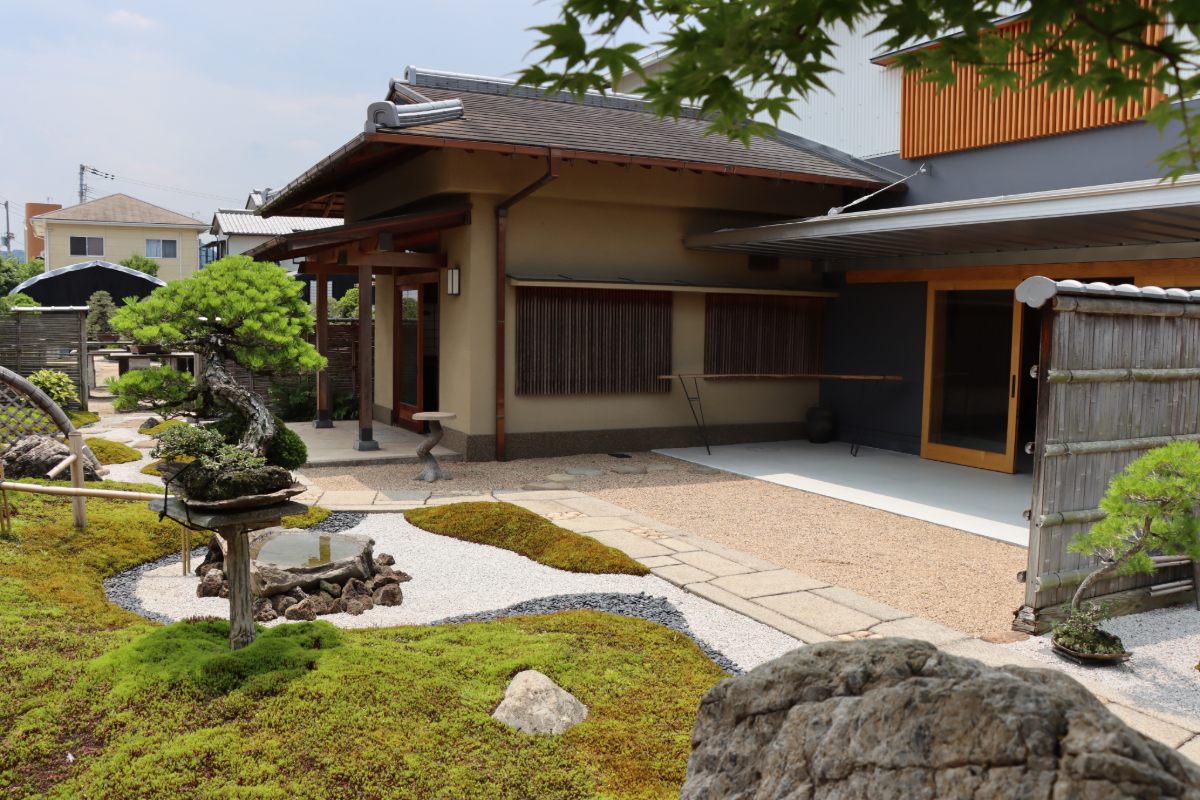
The walled garden of Nakanishi Chinshoen features some of the nursery’s rarest and most valuable bonsai, including black pines estimated to be over two hundred years old. These ancient bonsai predate the nursery itself, suggesting they were likely collected from nearby mountains rather than cultivated in Kinashi. Beyond black pines, other tree species are represented. Some reflect the passing of the seasons, with maple bonsai leaves blazing red in autumn and the pink cherry blossoms of sakura bonsai blooming in spring.
Traditional Craftwork With Local Artisans
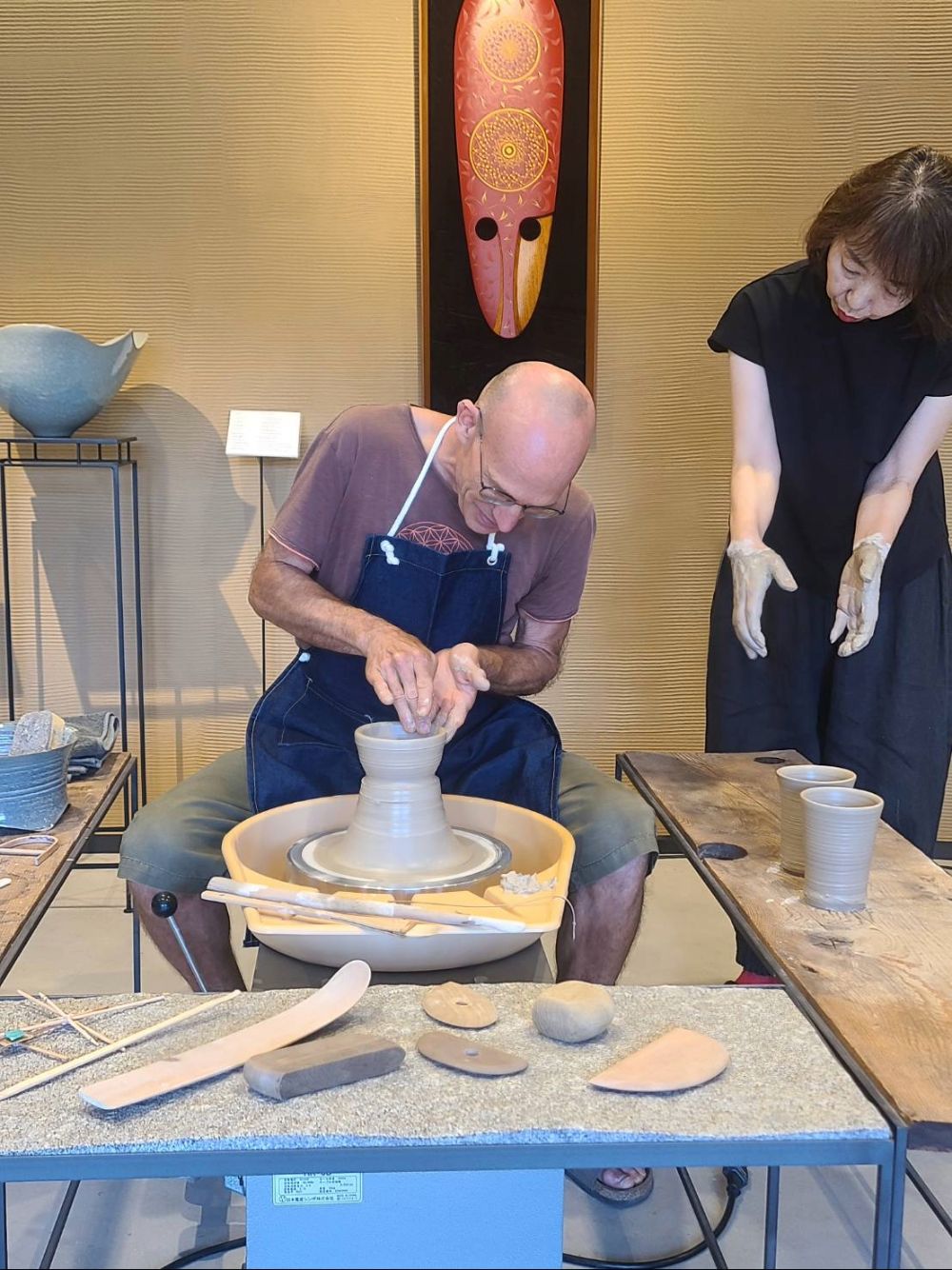
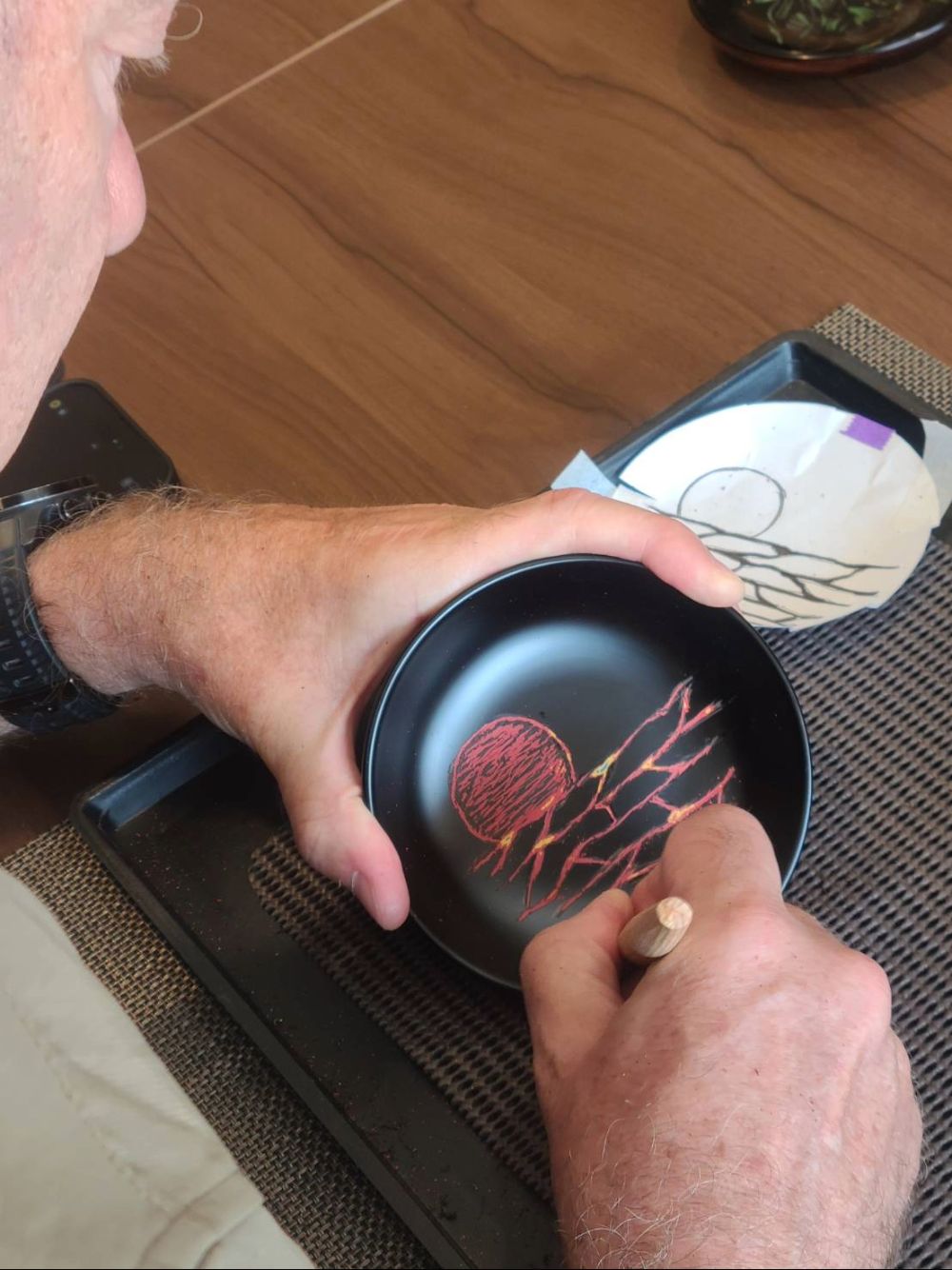
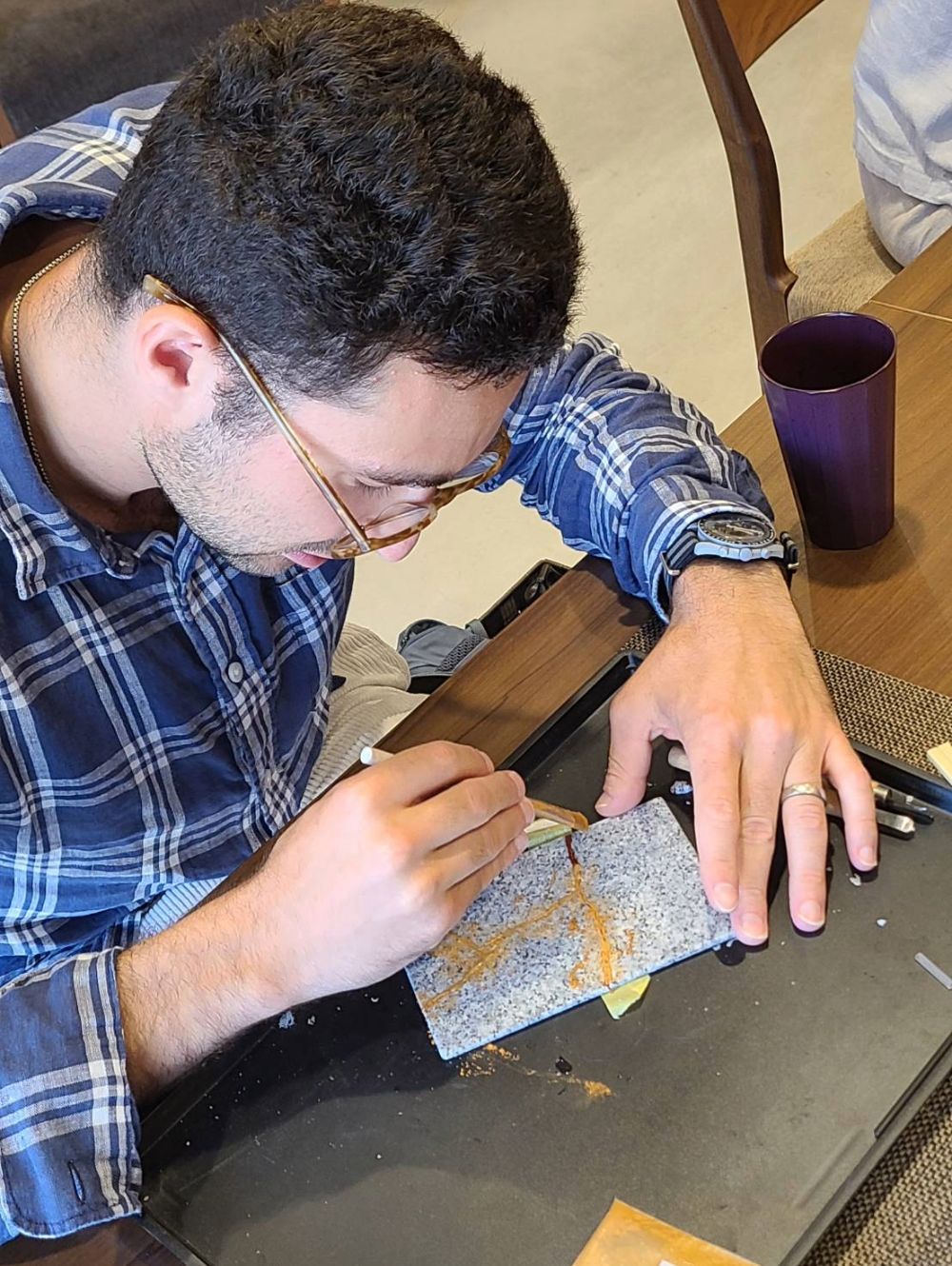
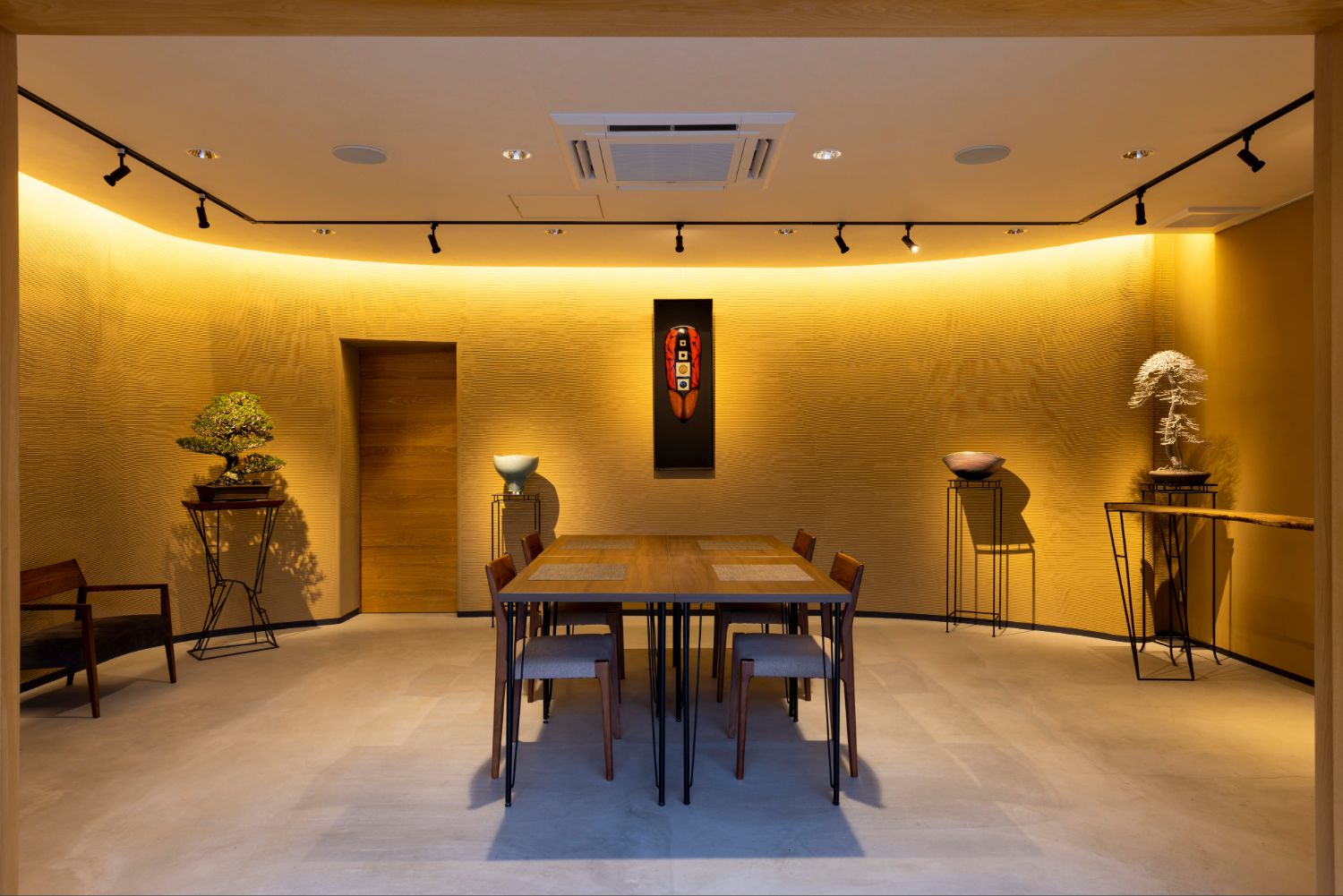
Situated between the fields and the garden is the nursery’s Takumikumo Village gallery. This space provides a comfortable indoor area for visitors to relax after the tour. They can also try traditional crafts with instruction by local artisans. There are six options available: participants can make pottery, Japanese fans, wagashi sweets, or kokedama moss balls, or try their hands at either lacquer carving or kintsugi, the art of repairing broken pottery with gold lacquer. All creations can be taken home except for the moss balls, which are donated within the local community as they are subject to strict international import restrictions.
Lunch and dinner are offered in the gallery as a separate option. These meals feature Italian-style cuisine made with ingredients from around the Setouchi region. The food is served on tableware made by local artisans. The craft experiences and meals are held in locations that overlook the nursery.
From Casual Collectors to Professional Bonsai Farmers
Nakanishi Kana entered the world of bonsai cultivation through marriage; her husband Yoichi was born into it. Nakanishi Chinshoen has belonged to his family for five generations, dating back to the Meiji period (1868–1912), when bonsai cultivation in Kinashi emerged as a viable commercial enterprise. Prior to that time, it had been the more casual endeavor of local farmers occasionally collecting trees from the mountains.
Yoichi’s grandfather, the third-generation owner of Chinshoen Nakanishi, led the business through a successful period in the twentieth century, when interest in bonsai spread throughout Japan. In recent years, increased interest has come from overseas, with international customers purchasing bonsai despite the considerable logistical hurdles involved with export. By offering tours of their nursery, Nakanishi Kana and Yoichi hope to encourage wider public awareness of the pleasures of cultivating bonsai.

Related Articles
-
 Art & Culture
Discover Shikoku’s Cultural Heritage, from Traditional Arts to Local Crafts and Cuisine
-
 Art & Culture
Local Products Continuing the Manufacturing Techniques and Culture of the Setouchi Region
-
 Art & Culture
Traditional Crafts Wrapped in Stories
-
 Art & Culture
Yashimāru: Yashima, a Scenic and Popular Tourist Destination
-
 Art & Culture
Exploring the Art and Architecture of Naoshima, Japan’s Art Island
-
 Art & Culture
The Stage of Setouchi Triennale: Art Islands in the Beautiful Seto Inland Sea
-
 Art & Culture
A Journey Through Setouchi’s Architecture in Harmony with Sea and Mountains
-
 Art & Culture
Art and adventure along Japan’s Inland Sea: SETOUCHI GUIDE
RELATED DESTINATION
Kagawa
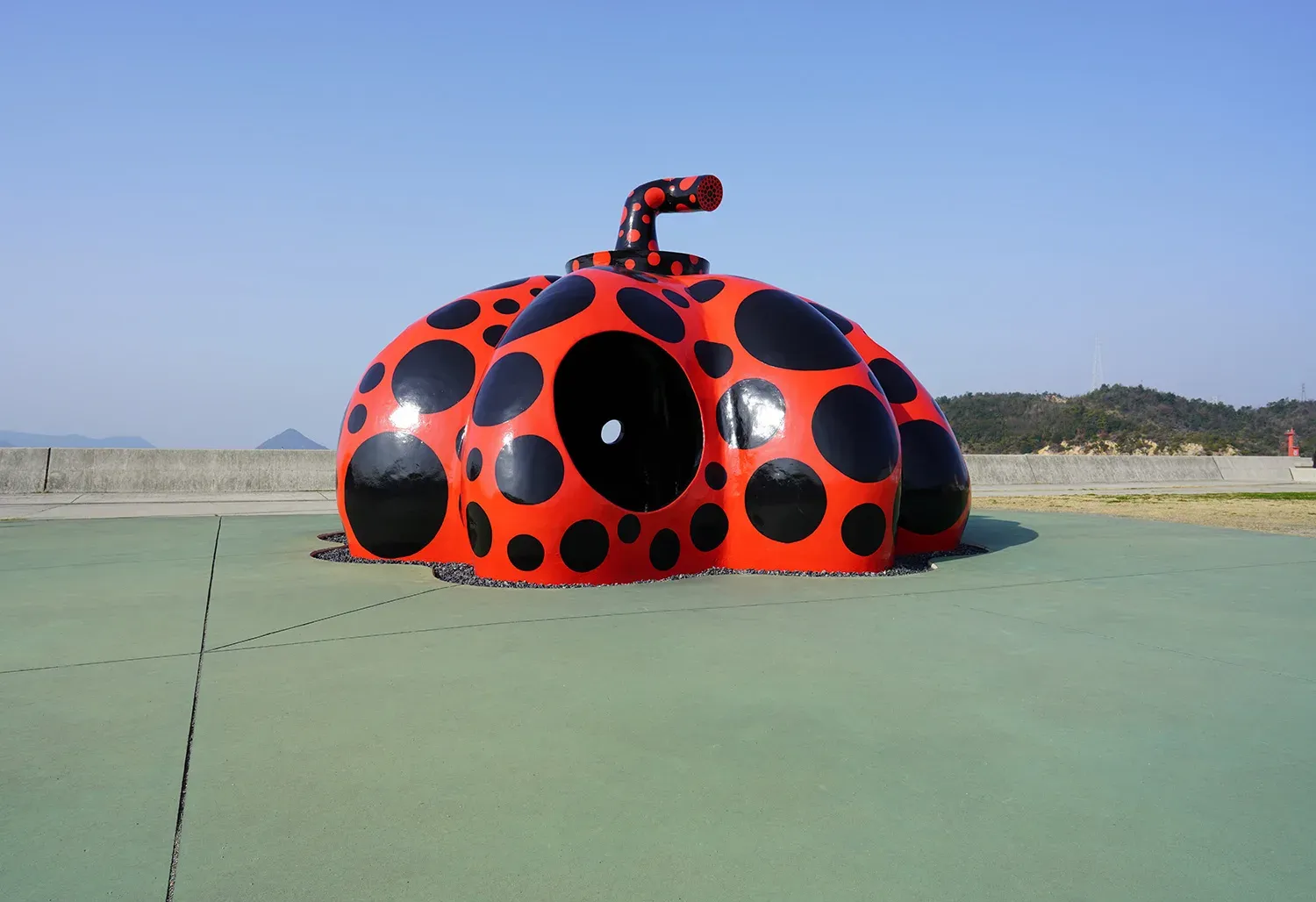
This is an area with many islands, including Naoshima and Teshima, which are famous for art. It also is home to the tasteful Ritsurin Garden. Kagawa is also famous for its Sanuki udon, which is so famous it attracts tourists from throughout Japan. The prefecture is even sometimes referred to as “Udon Prefecture.” [Photo : “Red Pumpkin” ©Yayoi Kusama,2006 Naoshima Miyanoura Port Square | Photographer: Daisuke Aochi]