



Adventure & Experience
Experience Zen in the Forested Hills of Hiroshima

-
- DESTINATION NAME
- Hiroshima
-
- RELATED TAGS
-
- LAST UPDATED
- 17 February, 2026
The Shinshoji Zen Museum and Gardens in Hiroshima Prefecture presents several ways for visitors to engage with Zen teachings and practices. Along with traditional zazen seated meditation, the temple, which is also a museum, offers opportunities to seek enlightenment through activities that include copying sutras, drinking matcha tea, and ritual bathing. Shinshoji’s tranquil grounds and serene interior spaces create an ideal environment for appreciating the spirit of Zen by calming the body and focusing the mind.
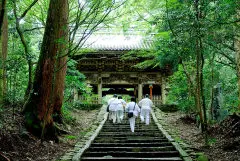
The Shinshoji grounds span 23 hectares laid out on a north-south axis, a configuration typical of Zen temples. This vast area functions as an architectural exhibition space, showcasing Buddhist- and Zen-inspired structures that range from ancient temple halls and famous tea houses to modern art pavilions. The entrance to Shinshoji is marked by a south-facing gate that was relocated from Kayanomiya Palace in Kyoto. Beyond the gate, the gardens unfold around a large, central pond. Paths around this water feature lead toward the main hall of worship at the northern edge of the grounds, connecting the various other halls and facilities.
Zen Meditation and Sutra Copying
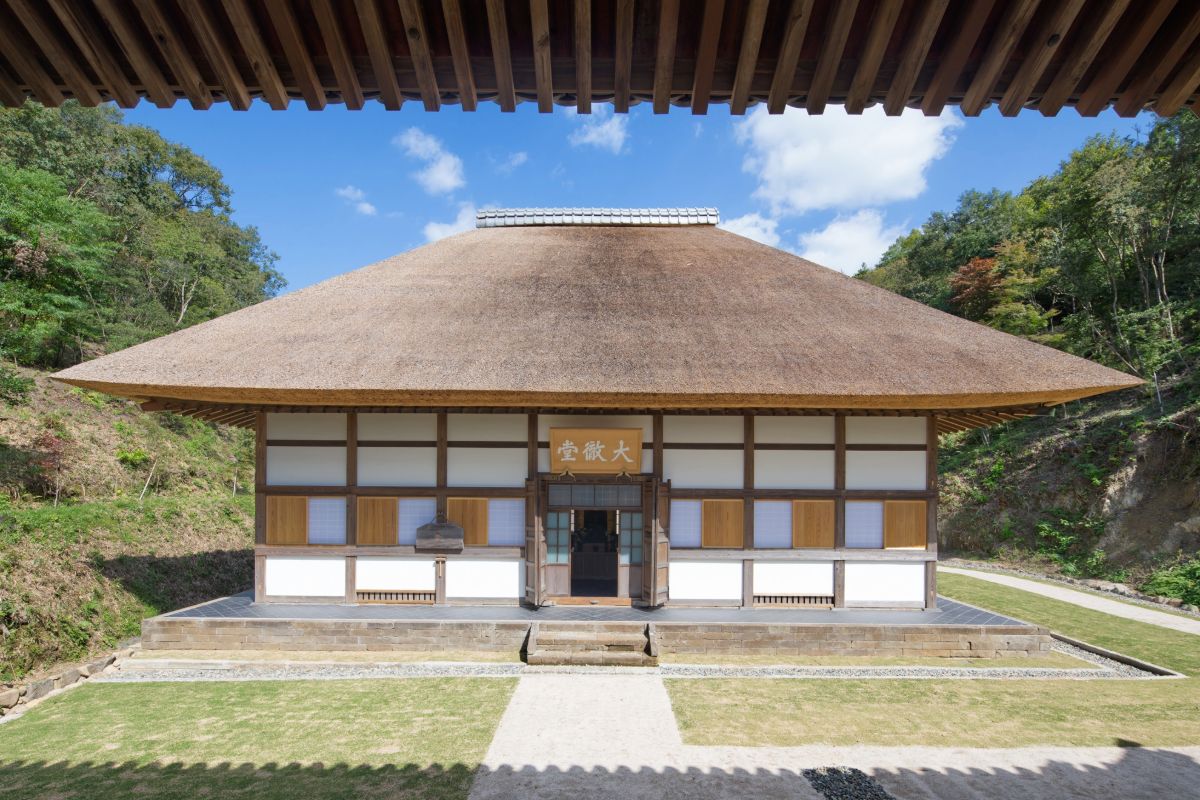
Daily 90-minute zazen seated meditation sessions are held in the Daitetsudo, a 250-year-old thatched building relocated from Kamakura that forms part of the International Zen Training Hall. During these sessions, the instructor directs acolytes to straighten their backs, regulate their breathing, and concentrate their minds to achieve a state of focused awareness. While the conventional zazen posture involves sitting cross-legged in the full-lotus or half-lotus style, chairs can be provided upon request.
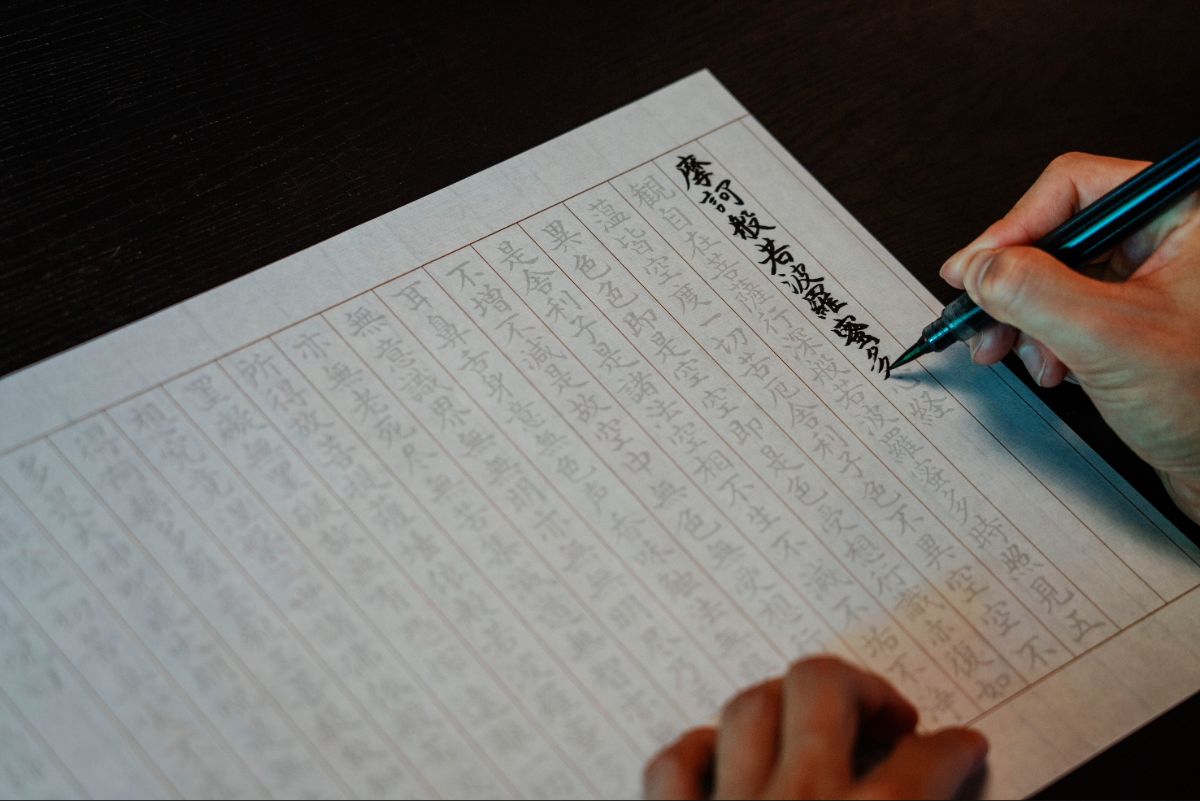
Sutra copying is an ancient Zen practice with aims similar to zazen meditation. It involves using a brush and ink to copy an excerpt of a Buddhist teaching. Here, the act of writing holds greater significance than the words themselves, compelling participants to push aside everyday concerns and seek clarity with each stroke of the brush. Sutra-copying experiences are available at the Hibutsudo, a modest hall designed by architect Nakamura Masao (1927–2018) that provides a quiet space highly conducive to concentration. No prior knowledge of Zen or the Japanese language is required.
Seeking Enlightenment in the Everyday
Even seemingly simple acts, such as preparing and drinking tea, can be meditative. The procedures of drinking tea are historically intertwined with Zen practice. The priest Eisai (1141–1215), who introduced the Rinzai sect of Zen to Japan, also brought green tea to the country. Renowned tea master Sen no Rikyu (1522–1591) later incorporated Zen principles like simplicity and mindfulness into the procedures, and had a profound influence on traditional tea-house design. The Ichiraitei tea house at Shinshoji is a faithful recreation of one designed by Sen no Rikyu. Tea ceremonies for visitors are typically held in the Shuroken, a tea house affiliated with the Omotesenke school, one of the three major lineages founded by Rikyu’s descendants.
Cleansing Body and Mind With a Private Bath
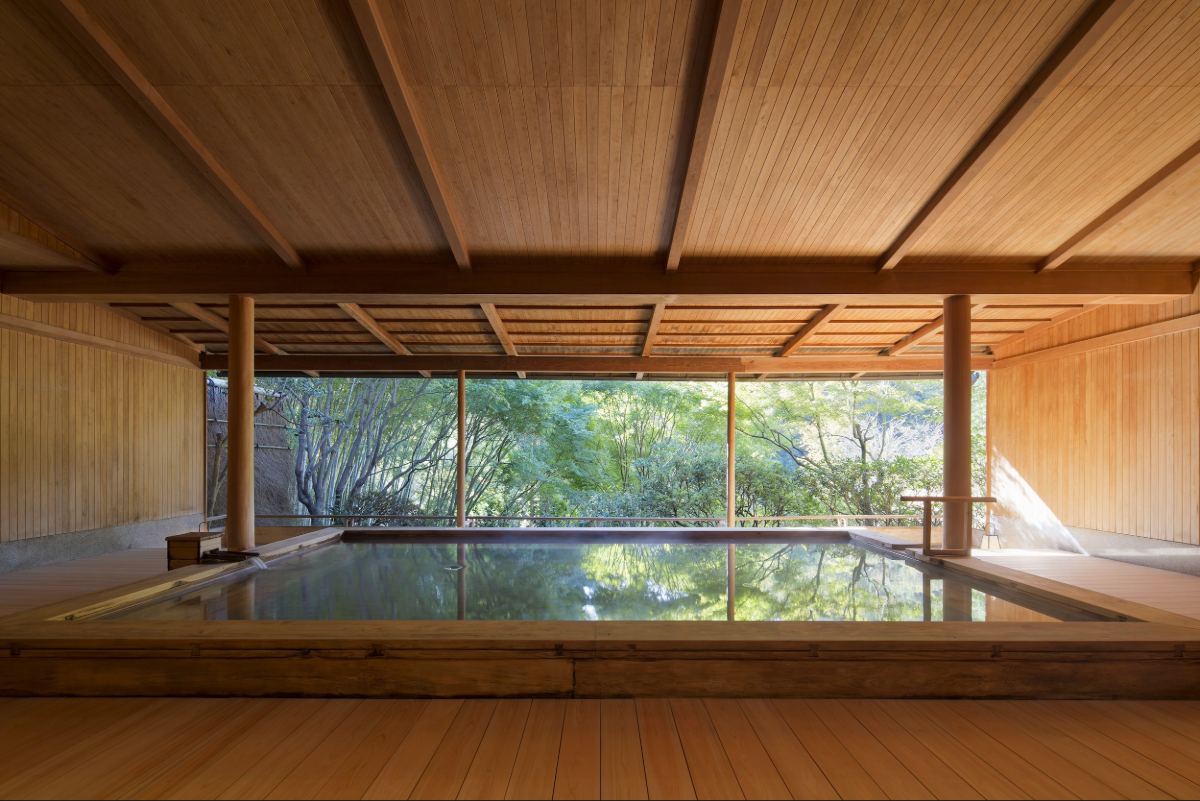
Bathing is a sacred practice for Zen monks. As well as removing dirt from the physical body, it serves to cleanse the mind of concerns and distractions. To allow visitors to contemplate the spiritual aspects of bathing, Shinshoji offers private bathing experiences at its on-site bathhouse. There is a wooden indoor bath as well as an outdoor bath made of stone. Relaxing in the soothing water while gazing out into the surrounding bamboo grove encourages contemplation of the simple pleasures of warmth and cleanliness.
Architecture That Blends Nature, Tradition, and Artistic Expression
One of the notable modern buildings at the Shinshoji Zen Museum and Gardens is its visitor information center, known as the Shodo, located next to the main temple gate. Its roof, which resembles that of a traditional thatched farmhouse from a distance, is actually made of hand-bent copper plates, which architect Terunobu Fujimori (1946–) used to evoke a rocky mountain. The Zen connection to nature is further emphasized by wooden pillars made of shaved pine and a single living pine tree that grows directly out of the Shodo’s roof.
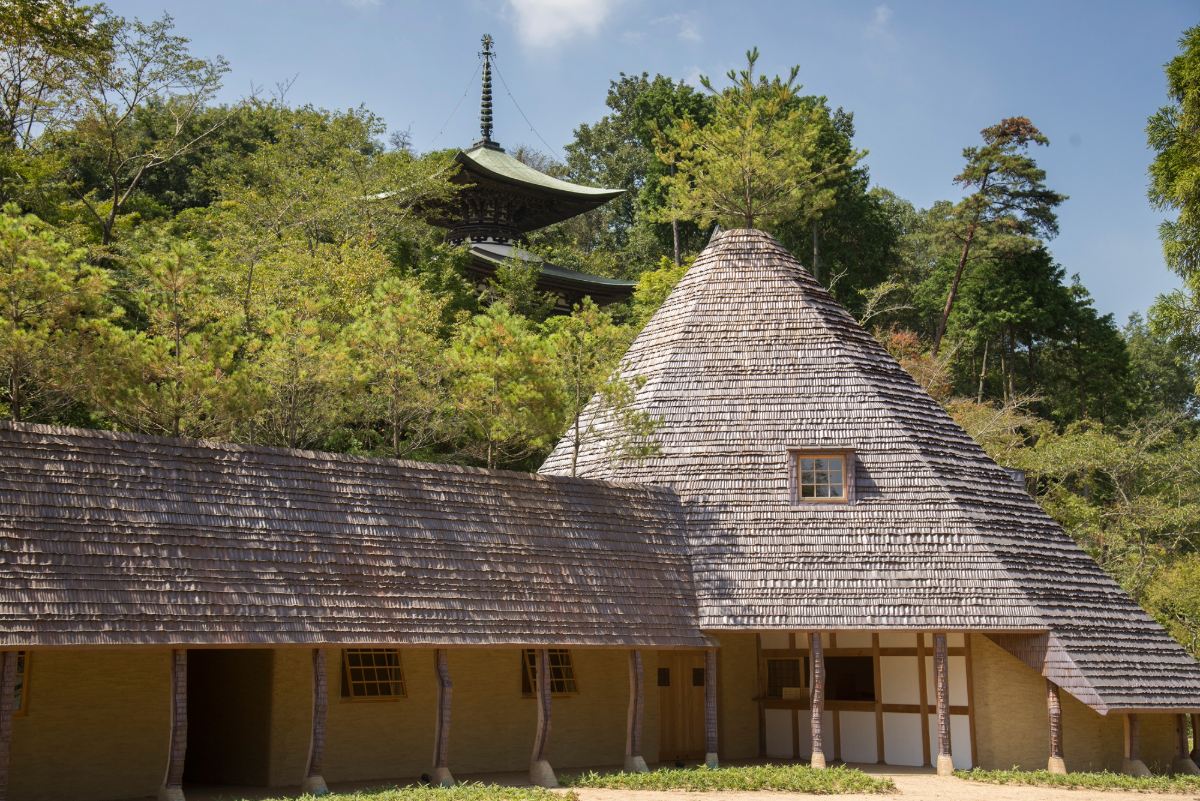
Atop a hill behind the Shodo stands the otherworldly Kohtei. Designed by sculptor Kohei Nawa (1975–) and his creative platform Sandwich, the Kohtei functions as both an impressive piece of architecture and an art installation. Seeming to rise from the ground, it is a ship-shaped building on pylons over a sea of scattered rocks, creating the impression of a vessel ready to set sail. It is constructed of solid concrete, with an exterior covered by nearly 590,000 sawara cypress planks that reflect light, giving it a gentle silhouette. The dark interior houses the installation; the resulting sensory experience is designed to represent the immensity of the ocean and encourage a meditative outlook.
.jpg)
The Main Hall and the Hakuin Collection
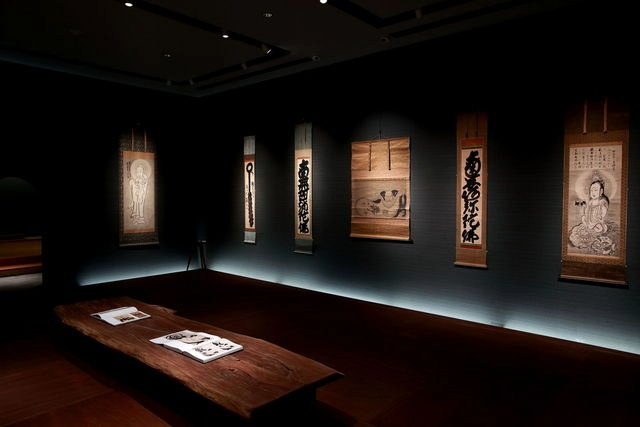
At the opposite end of the property stands Shinshoji’s main hall, Mumyoin. It is dedicated to the bodhisattva Miroku, the Future Buddha, who will, it is believed, appear on earth to bring universal salvation to all sentient beings. The hall’s veranda overlooks an expansive dry landscape garden designed as a place to study the self and bring the mind to a peaceful state. Mumyoin is connected to the temple gallery, the Shogondo, which contains a notable collection of works by the famous Zen monk and artist Hakuin (1686–1769).
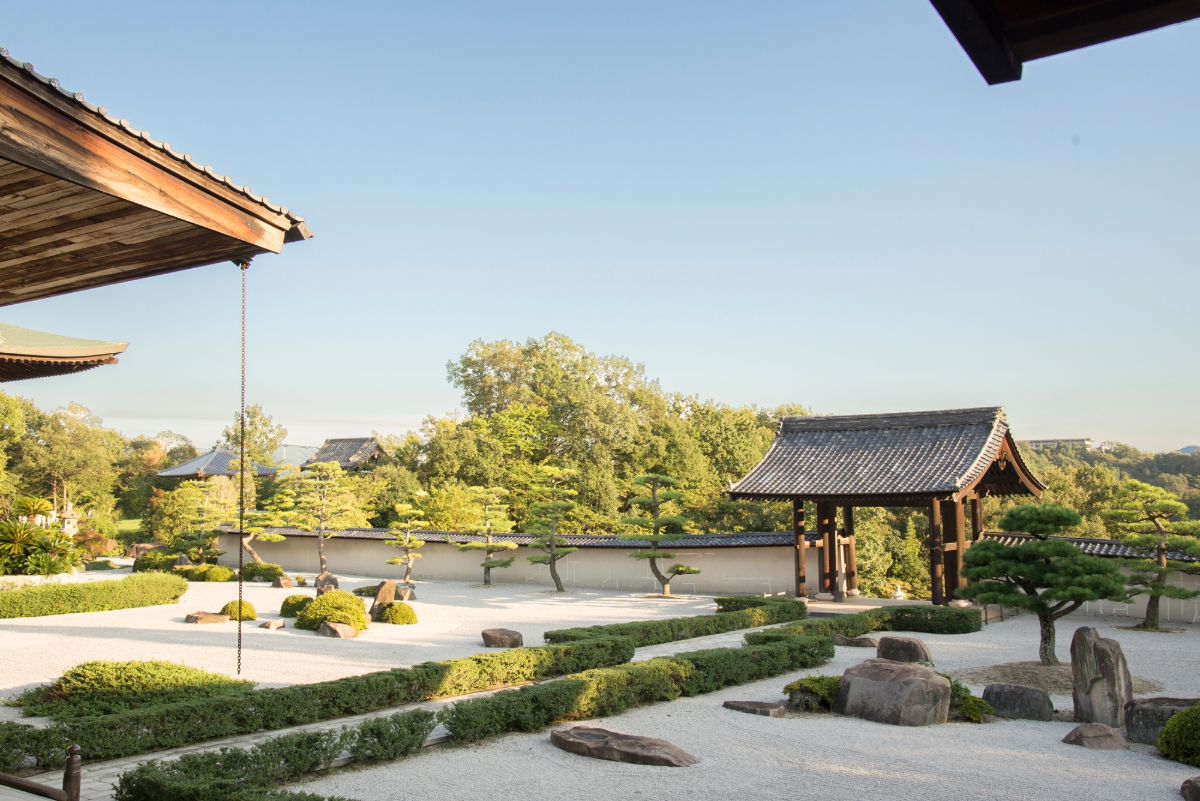
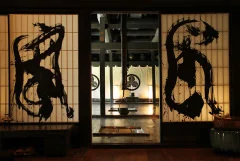
Hakuin Ekaku is credited with sparking a revival of the Rinzai sect in the eighteenth century. Opposing the sect’s increasing elitism and intellectualism, Hakuin lived among the common people, guiding practitioners to focus on humility and introspection. Beyond his role as a religious leader, he was a key proponent of literature and the arts. The works inside the Shogondo showcase his unique style, which blends playfully drawn faces into calligraphy characterized by broad, powerful strokes.

Related Articles
-
 Adventure & Experience
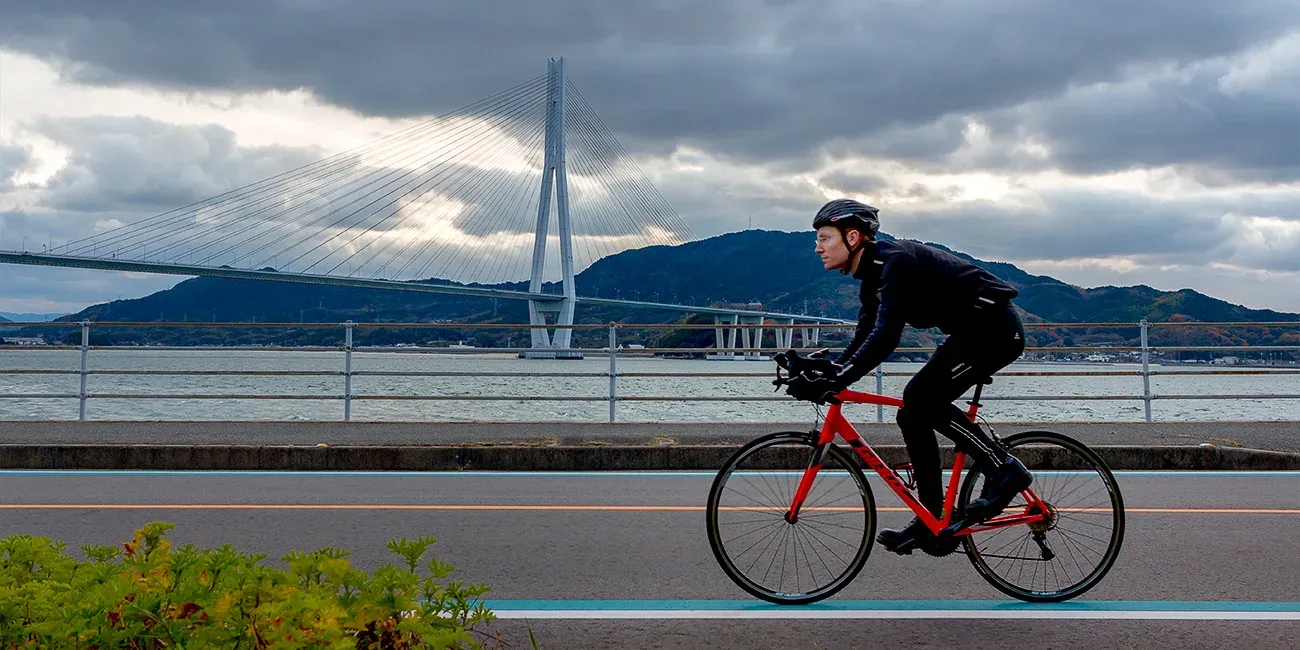
Shimanami Kaido Cycling Road - A Cyclist's Paradise
-
 Adventure & Experience
Breakfast With a View: Experience Hiroshima Through Guided Hikes
-
 Adventure & Experience
Discover the Charms of the Seto Inland Sea on Sightseeing Cruises Along the Coast of Hiroshima
-
 Adventure & Experience
Shimanami Kaido Cycling and Dogo Onsen
-
 Adventure & Experience
Setoda: A Leisurely Trip to the Island of Lemons Along the Shimanami Kaido!
-
 Adventure & Experience
Beyond the Shimanami Kaido - Unique Spots just off Japan’s Famous Cycling Route
-
 Adventure & Experience
Things to Do and Places to Visit in Hiroshima Prefecture
-
 Adventure & Experience
Things to Do in Hiroshima at Night
RELATED DESTINATION
Hiroshima
Hiroshima is the central city of Chugoku region. Hiroshima Prefecture is dotted with Itsukushima Shrine, which has an elegant torii gate standing in the sea; the Atomic Bomb Dome that communicates the importance of peace; and many other attractions worth a visit. It also has world-famous handicrafts such as Kumano brushes.