















Art & Culture
Tour the Acclaimed Bizen Kilns and Create Your Own Pottery
-2.jpg?fit=fill&w=640&h=640&fm=webp)
-
- DESTINATION NAME
- Okayama
-
- RELATED TAGS
-
- LAST UPDATED
- 16 February, 2026
The kilns and pottery workshops of the town of Imbe in Bizen, Okayama Prefecture, stand at the heart of one of Japan’s oldest and most revered pottery traditions. To introduce this venerable craft, Kimura Tozan leads guided walks that include visits to large climbing kilns built in the Muromachi (1336–1573) and Edo (1603–1867) periods. This is followed by a tour of his own kiln and workshop, Tokeido, where he explains the different stages of Bizen-ware production.
To convey that Bizen ware is not a relic of the past but a vibrant, living art form, Kimura offers visitors the opportunity to actively participate in the tradition through a special pottery experience. Under his expert guidance, participants craft their own original piece of Bizen ware in the workshop’s studio. While Kimura gives instruction on basic principles, he emphasizes free expression. Each creation is fired in the on-site kiln at a later date and subsequently shipped to the participant.
.jpg)
A Village Built on Pottery
Imbe is home to the Bizen City Museum of Art, which showcases contemporary ceramics alongside Bizen ware from various historical periods. However, Imbe itself functions as a Bizen-ware museum in a deeper sense, being a village built, literally and economically, upon the pottery tradition.
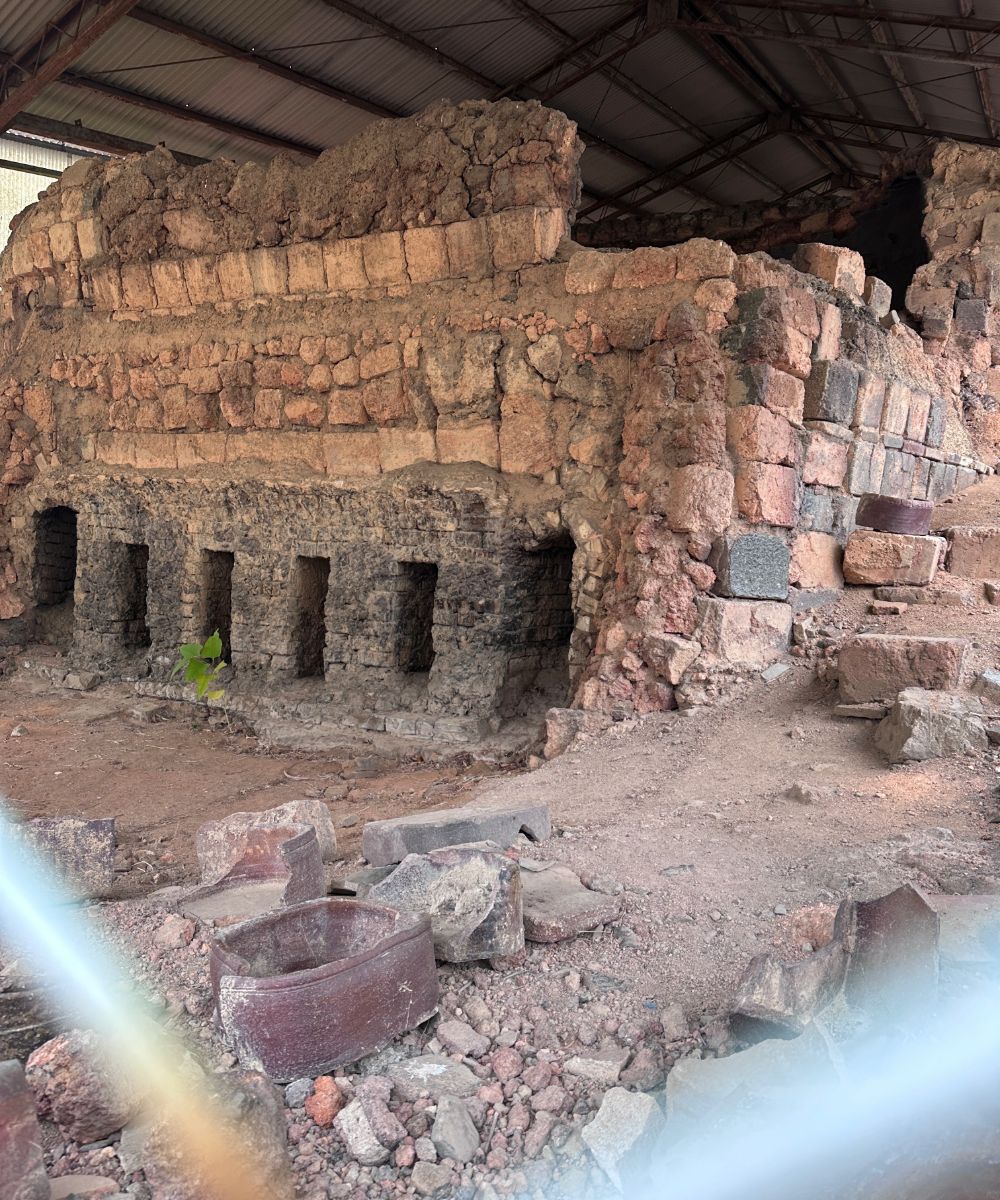
During his guided walks, Kimura explains how the craft of Bizen ware has long necessitated and fostered cooperation among Imbe residents, contributing to a strong sense of community. The site of the Tempo Kiln, the large Edo-period climbing kiln, hints at the benefits of collaboration. Building and operating such a vast kiln required considerable manpower, which must have provided substantial incentive for local people to combine their resources. Cooperative efforts continue in Imbe today through initiatives like the Bizen Pottery Association.
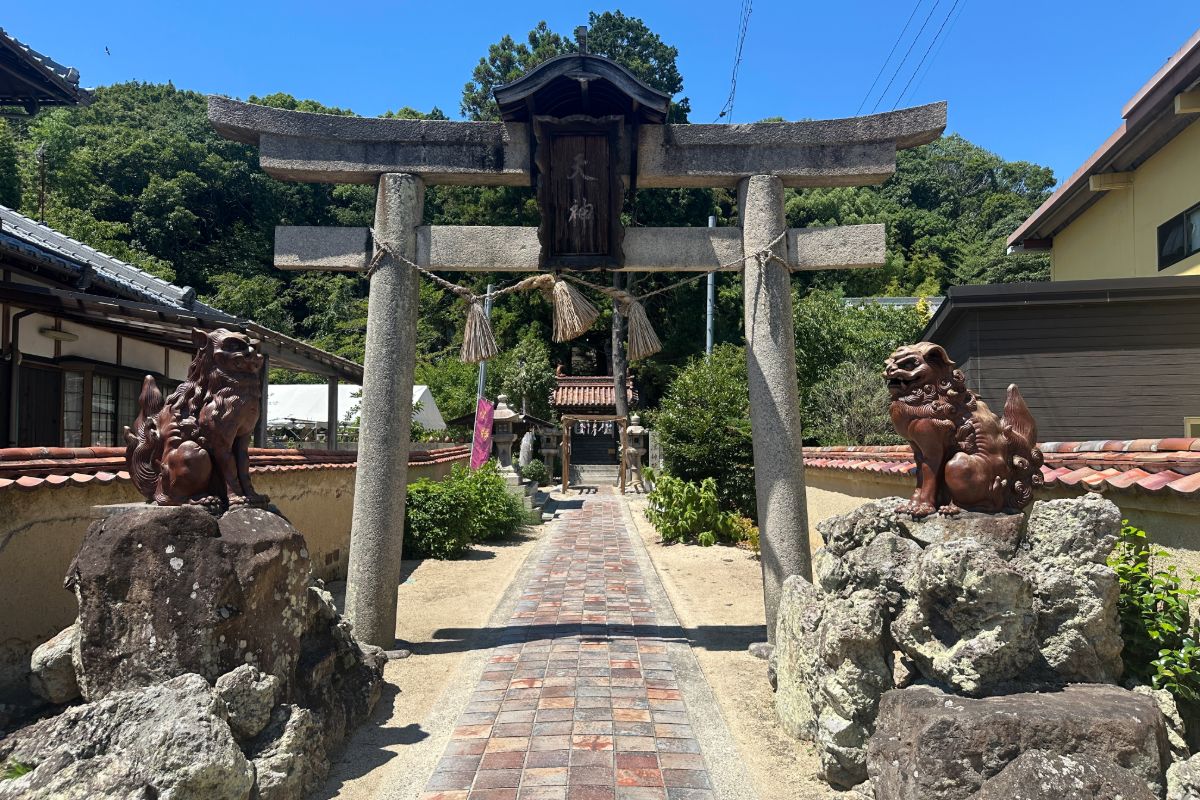
To further illustrate the longstanding importance of Bizen ware, Kimura takes visitors to Amatsu Shrine. This center of community life contains numerous examples of decorative Bizen ware, ranging from the roof tiles of its gate to the paving stones underfoot and the pair of guardian figures standing watch over its entrance.
A Living Tradition of Innovation and Self-Expression
Upon returning to Tokeido, Kimura gives participants time to look around the on-site shop and get inspiration for creating their own pottery work. The shop contains a broad range of Bizen-ware pieces crafted by Kimura and his predecessors, including vases, plates, beer mugs, sake cups, and tea utensils. These pieces have a rugged, earthy texture, and often feature flame-like streaks of red, tan, and brown.
.jpg)
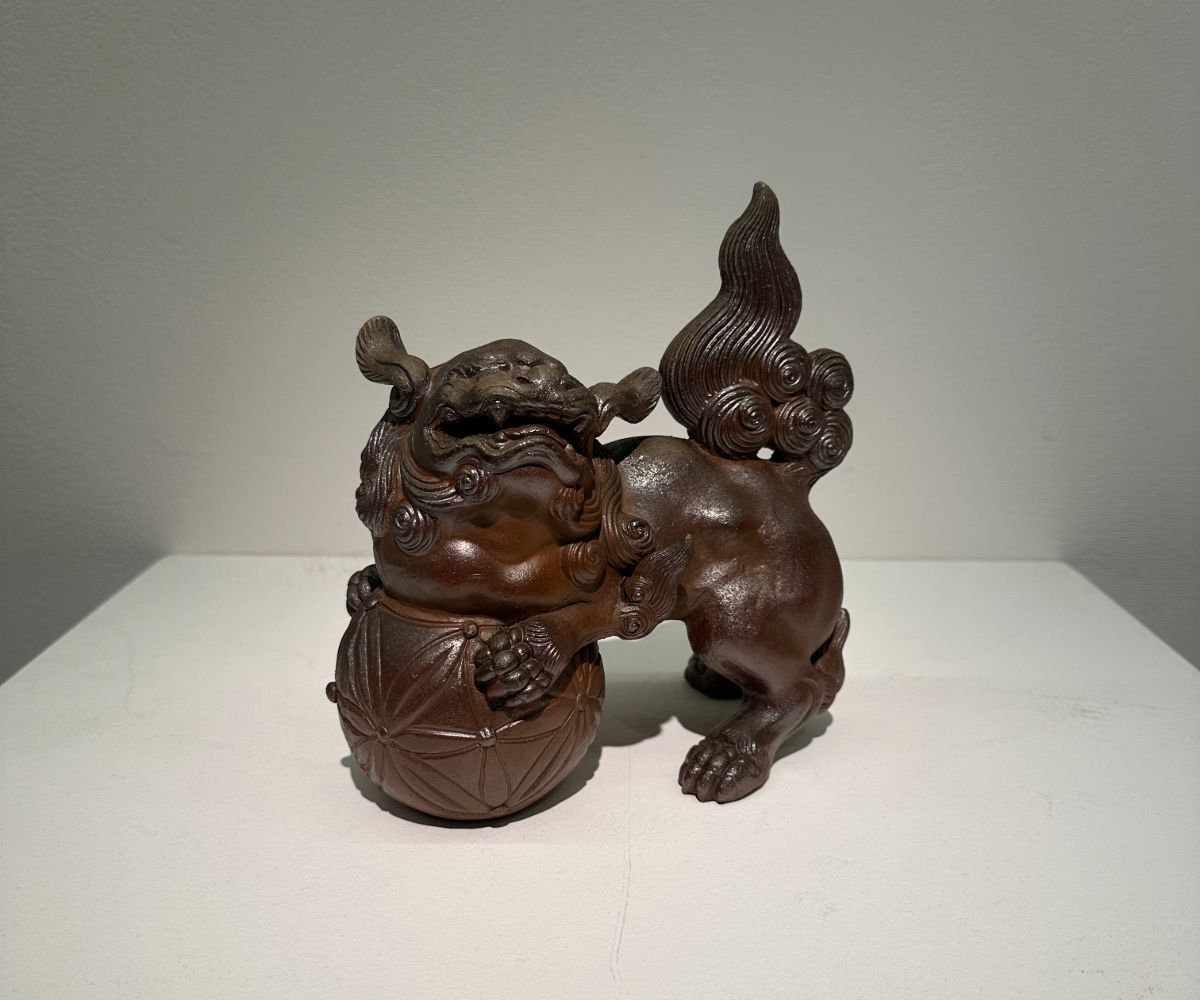
These defining features of Bizen ware were developed through centuries of experimentation and innovation by generations of potters. For instance, it was discovered long ago that a natural glaze would form on the surface of the clay when hot ash adhered to it inside the kiln. Straw used to separate items during firing was found to leave appealing patterns. Potters even placed items inside larger vessels to experiment with varying levels of heat exposure.
Such a spirit of innovation has guided Kimura throughout his career. Likewise, when working with participants at his studio, he encourages them to pursue their own ideas at the potter’s wheel, only offering assistance or advice when necessary. This approach allows each individual to share in the experimentation that characterizes Bizen ware.
Because the process of drying and firing the pottery takes a long time, participants in this experience receive their finished creations by international courier several months later.
A Family Workshop Led by Generations of Expertise
To help his visitors understand the full production process, Kimura gives tours of Tokeido. This workshop has been operated by his family for 26 generations, with knowledge and expertise meticulously passed down through the centuries. When he inherited Tokeido from his father in 2021, he was granted the traditional kiln name Kimura Tozan, like the 26 ancestors who preceded him.
The clay-aging room shows the significance of this intergenerational connection. The iron-rich clay used to make Bizen ware is collected from local rice fields and aged for between 50 and 100 years before it is utilized. Thus, Kimura makes his pottery from clay prepared by his father and grandfather, while he, in turn, ages clay that his own descendants may eventually use.
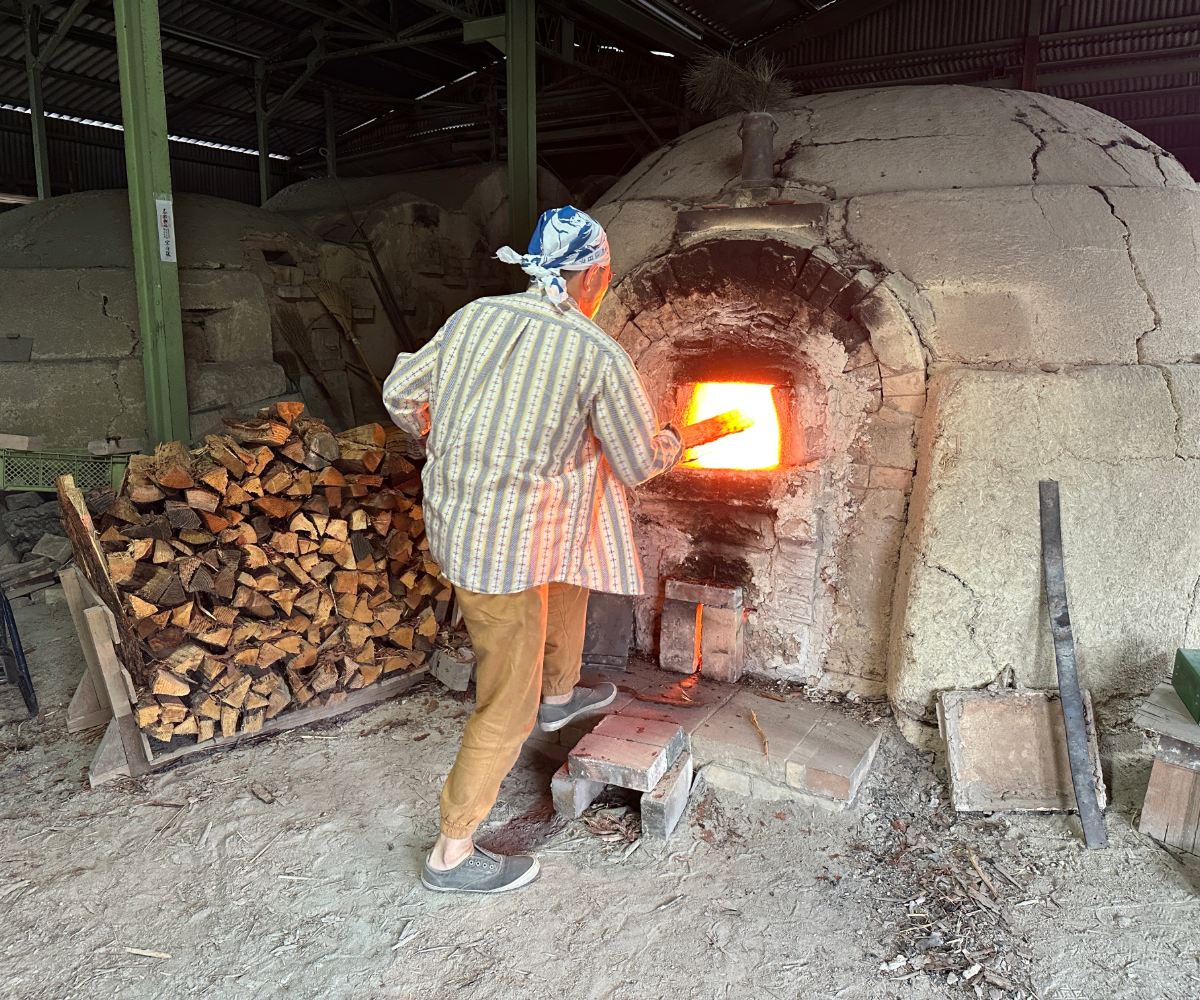
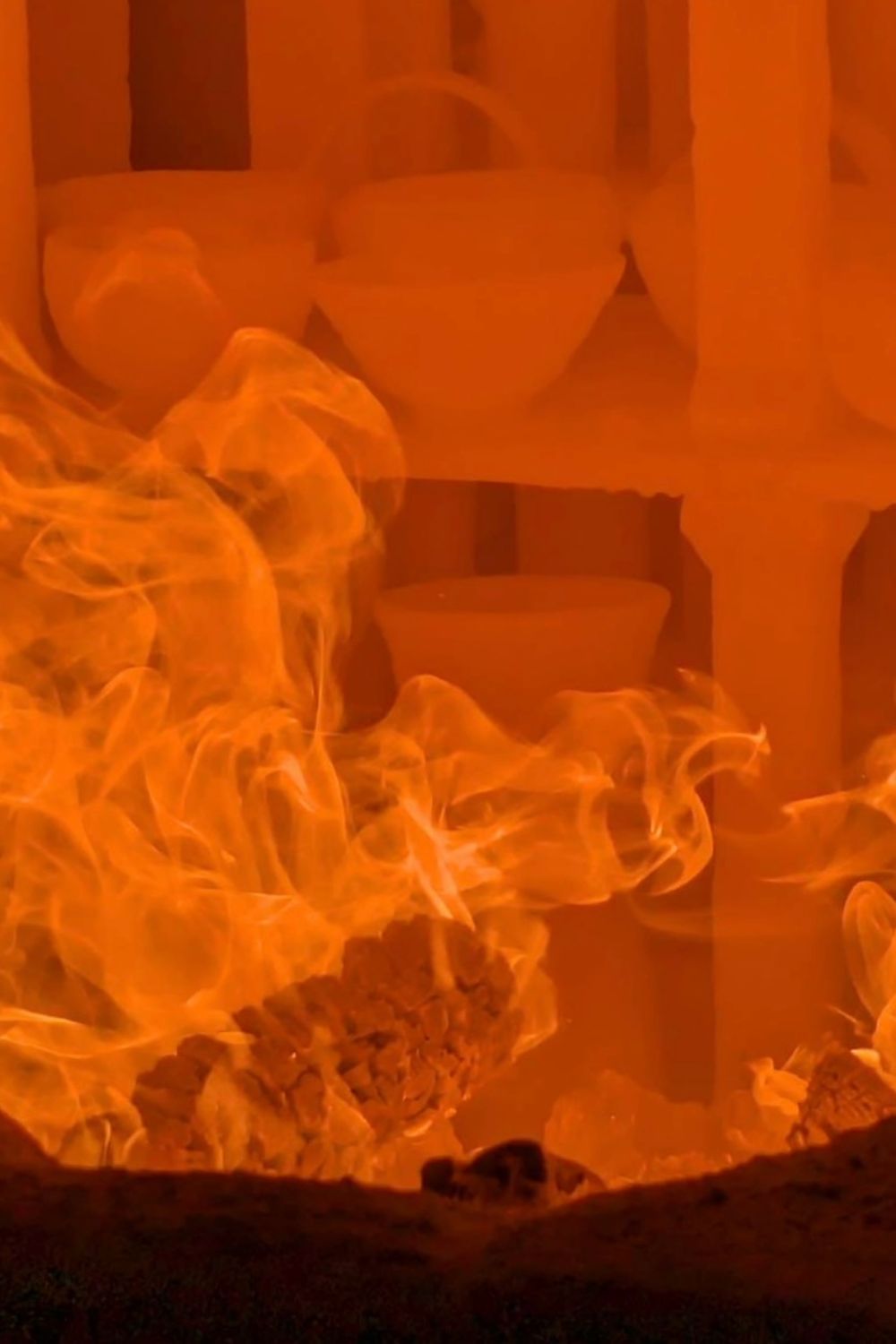
To explain the firing process, he leads the way to Tokeido’s climbing kiln. After it is shaped and dried, pottery is placed in this kiln, which is heated gradually over two weeks. The temperature rises by about 100℃ each day until it reaches between 1200 and 1300℃. The heat oxidizes the iron in the clay, turning the pottery reddish-brown, while hot ash from the firewood adheres to its surface to form a natural glaze. This gradual firing process creates the distinctive texture, colors, and patterns of Bizen ware and makes the pottery exceptionally hard and durable.
Preserving a Cherished Tradition
Bizen emerged as one of the Six Ancient Kilns—the main pottery production areas in Japan—during the Heian period (794–1185). While its potters initially made practical items for everyday life, Bizen ware evolved over subsequent centuries into an art form in its own right. Its artisans crafted fine tea utensils that garnered the appreciation of the powerful warlord Toyotomi Hideyoshi (1537–1598) and the influential tea master Sen no Rikyu (1522–1591). However, the popularity of other forms of ceramics, such as porcelain, led to a decline in Bizen-ware production during the Edo period (1603–1867).
The tradition has nevertheless endured to the present day through the sustained efforts of local artisans like the Kimura family. Beyond his own work in the studio and the kiln, Kimura Tozan looks forward to passing on the workshop and knowledge to his successors. By allowing visitors to craft their own Bizen ware, he hopes to encourage broader appreciation for this revered ceramic tradition so that it continues to grow and flourish.

Related Articles
-
 Art & Culture
Masterpieces Wrapped in Stories
-
 Art & Culture
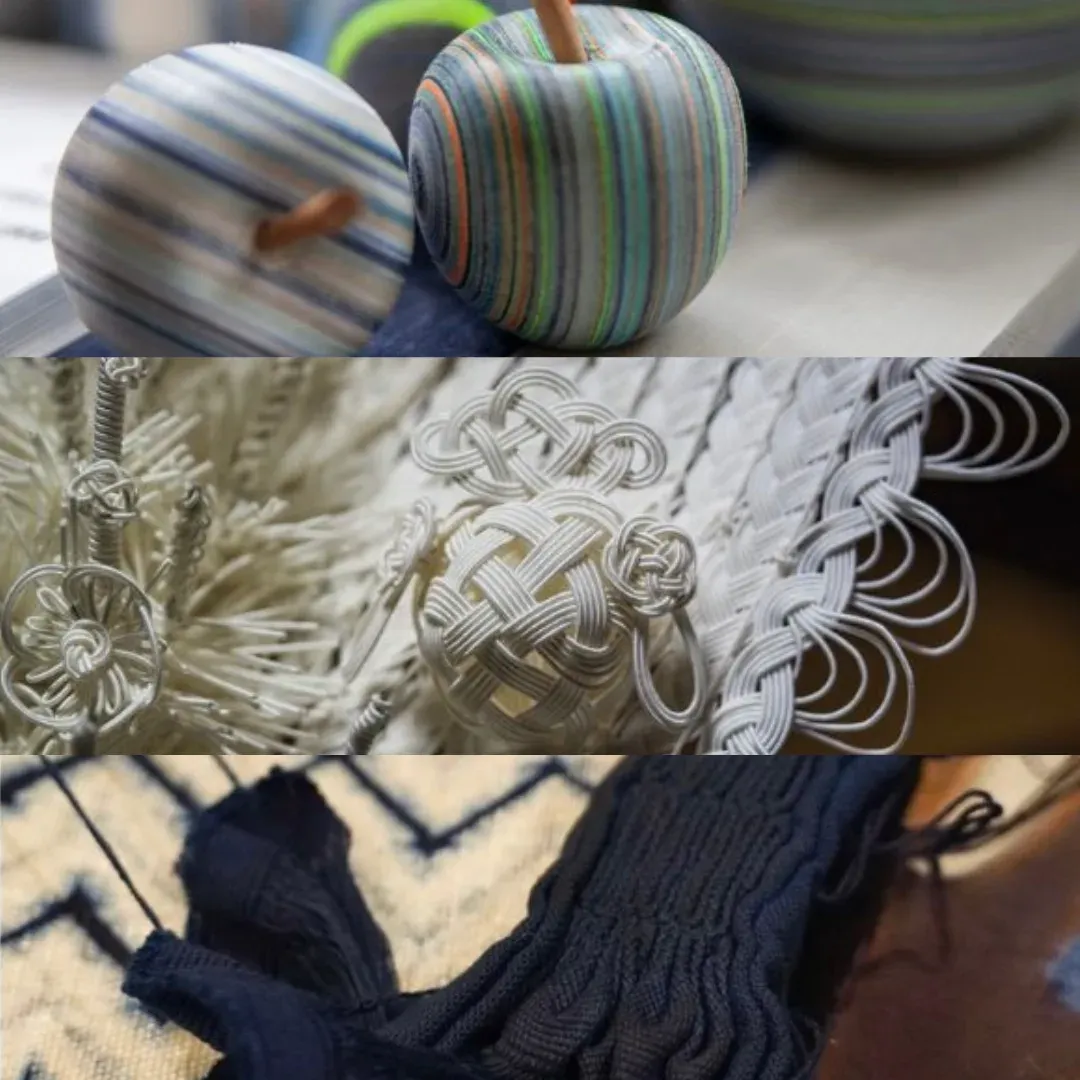
Local Products Continuing the Manufacturing Techniques and Culture of the Setouchi Region
-
 Art & Culture
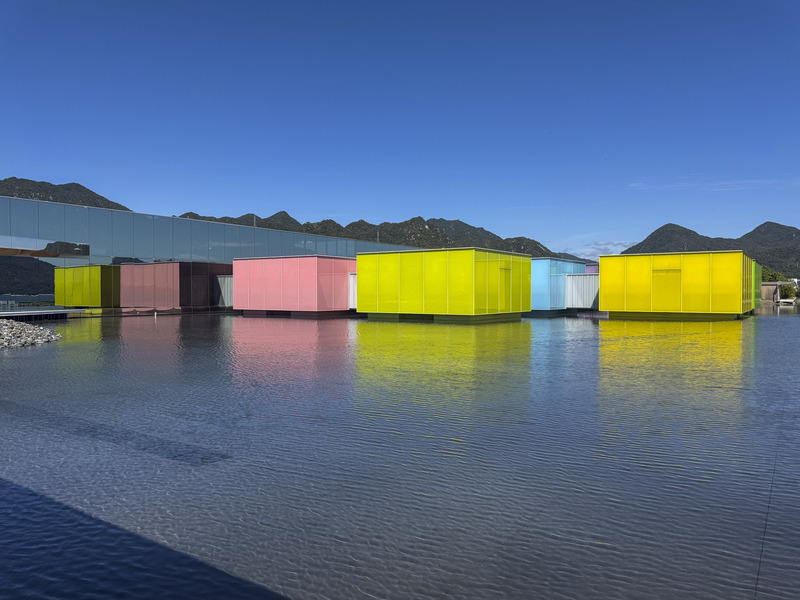
Setouchi’s Hidden Art Gems
-
 Art & Culture
Okayama Orient Museum: A Journey into Human History, Looking West from Japan
-
 Art & Culture
Chikkyo Ono Art Museum: Color, Passion, Evolution
-
 Art & Culture
The Hanatori Otsuka Museum of Art: An Estate Where You Can Experience Japanese Culture as a Whole
-
 Art & Culture
Art in Uno Port, Gateway to Naoshima and Other Setouchi “Art Islands”
-
 Art & Culture
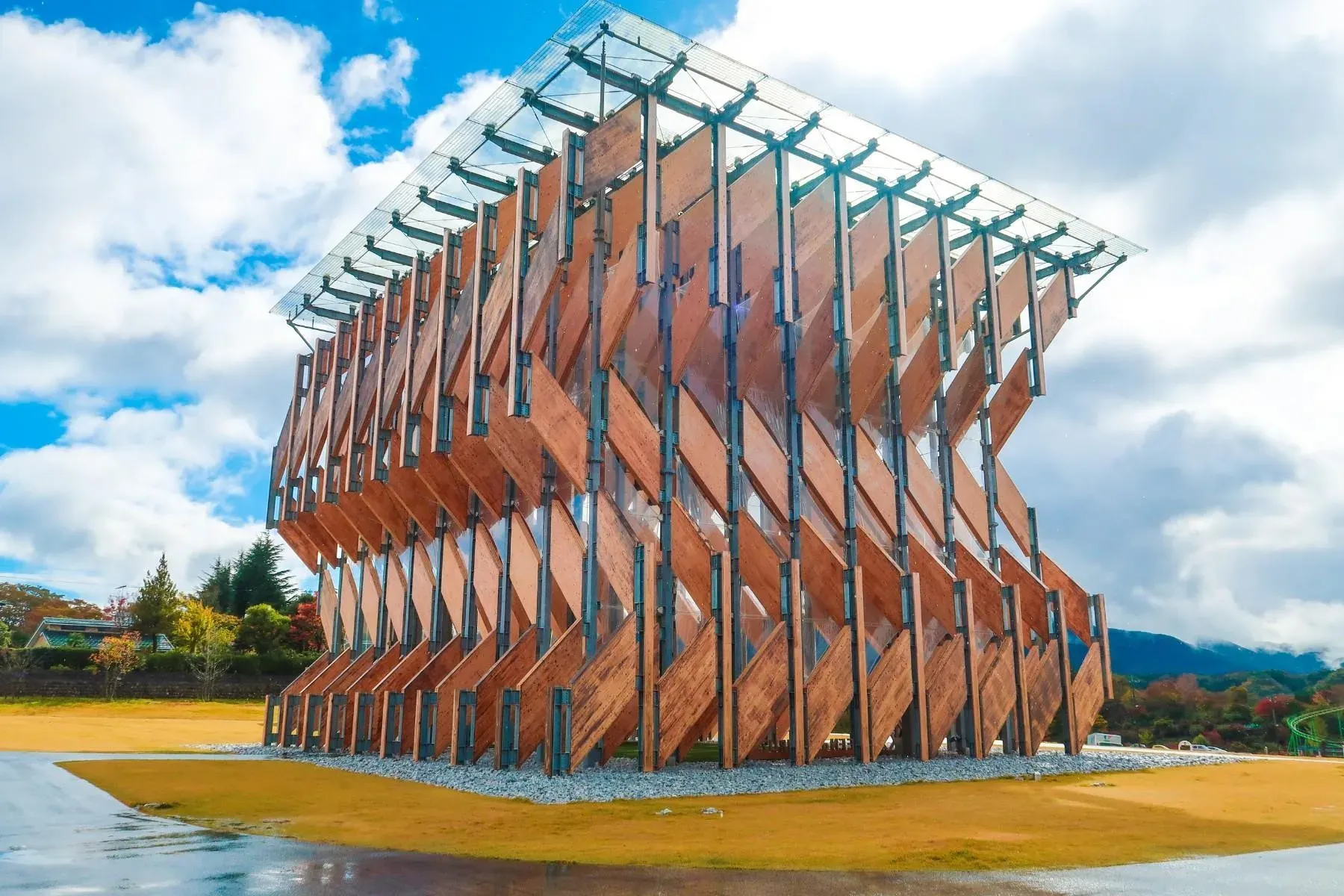
GREENable HIRUZEN: Experience the Essence and Fun of Sustainability at This Cultural Hub Amidst Nature
RELATED DESTINATION
Okayama
The Okayama area has flourished as an area alive with various culture including swords, Bizen ware and other handicrafts. Because of its warm climate, fruits such as peaches and muscat grapes are actively grown there. It is also dotted with places where you can see the islands of the Seto Inland Sea.