
Food & Drink
Craft a Custom Sake at Shimonoseki Brewery

-
- DESTINATION NAME
- Yamaguchi
-
- RELATED TAGS
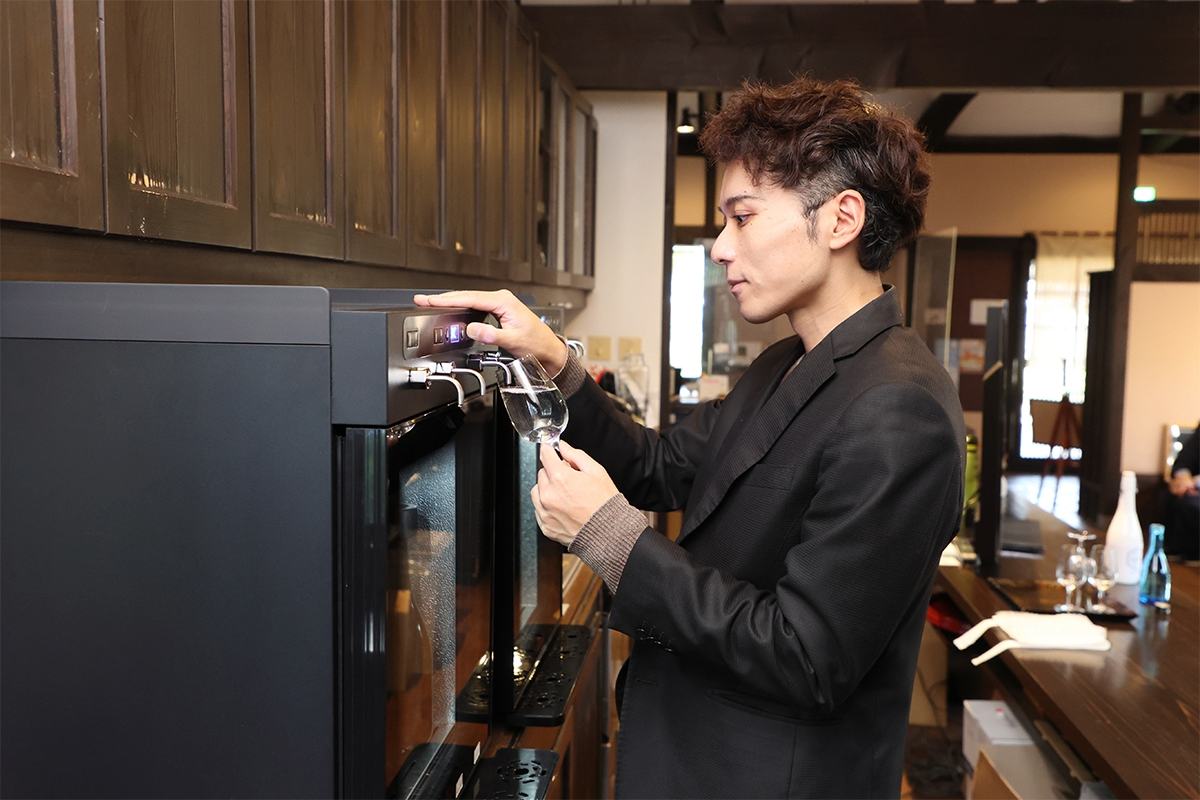
At Shimonoseki Sake Brewery in Yamaguchi Prefecture, innovative sake-blending experiences provide fresh perspectives on the possibilities of Japan’s traditional national drink. Like producers of wine, whiskey, and rum, sake brewers have long practice in blending. Because it requires extensive experimentation and adjustment to achieve the correct ratios, blending traditionally takes place within the brewery, well before consumers encounter the product.
Takanori Uchida, managing director of Shimonoseki Sake Brewery and son of the current brewmaster, wondered if allowing people to participate directly in sake blending could encourage them to explore the charms of the beverage more widely. With this vision, he developed the brewery’s unique blending experience, where visitors formulate their own custom blends while gaining a deeper appreciation of the main sake types and their differences in flavor, aroma, and mouthfeel. Coupled with a short tour, these blending experiences are designed to cultivate broader interest in the sake industry in hopes that this vital aspect of Japanese culture will endure and thrive.
A Brewery to Call Their Own
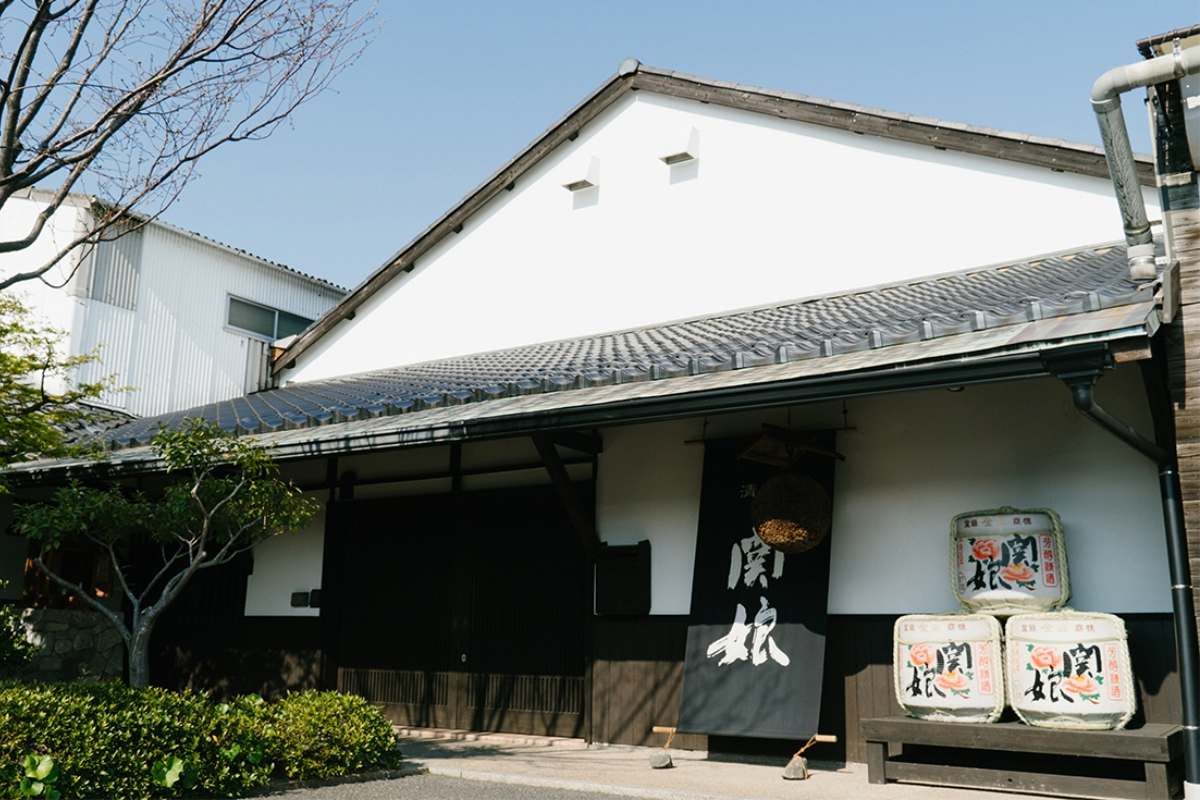
Despite a long history of rice cultivation in the area, Shimonoseki had no sake breweries before the twentieth century; those living there bought sake shipped from other parts of Japan. On December 15, 1923, however, a group of 445 rice farmers collaboratively established the area’s first sake brewery. This was the Shimonoseki Sake Brewery, which has used local rice and water to brew premium sake since its founding.
Six brewmasters have overseen operations at Shimonoseki Sake Brewery to the present day. With his approach to educating visitors about sake brewing, Uchida pays tribute to his predecessors and the 445 founders as he seeks to continue their legacy.
A Tour of the Facility
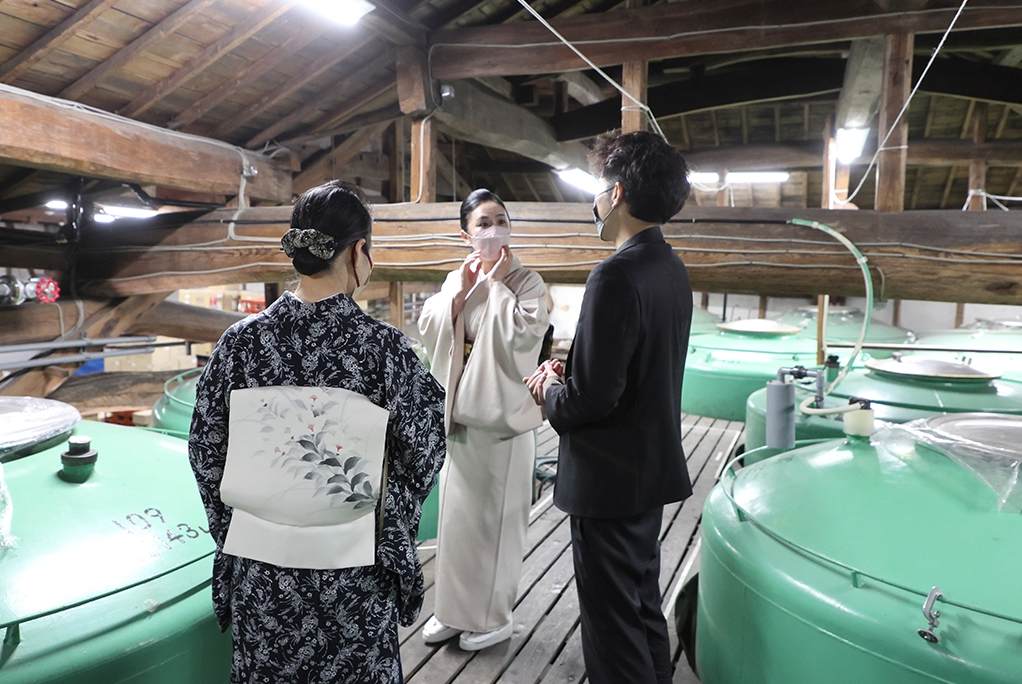
A visit to the Shimonoseki Sake Brewery starts with a brief tour of the facility. The main focus is the sakagura, a wooden storehouse filled with large steel tanks where the sake is matured. A set of stairs near the entrance leads up to a floor of wooden walkways that allow access to the openings of the tanks for monitoring and evaluating the sake. Sake brewing typically takes place during the winter months, between October and March, but tours are conducted year-round.
Viewing the storehouse and its tanks makes an excellent preparation for the sake-blending experience.
Shedding Light on the Sake Brewing Process
After the tour, Uchida provides an orientation session at the on-site bar. As a brewer, he is uniquely positioned to explain how sake is made, and he uses simple visual aids and diagrams to do so. Being a sake sommelier, he can further describe the different types of sake, detailing their particular flavors, aromas, and textures.
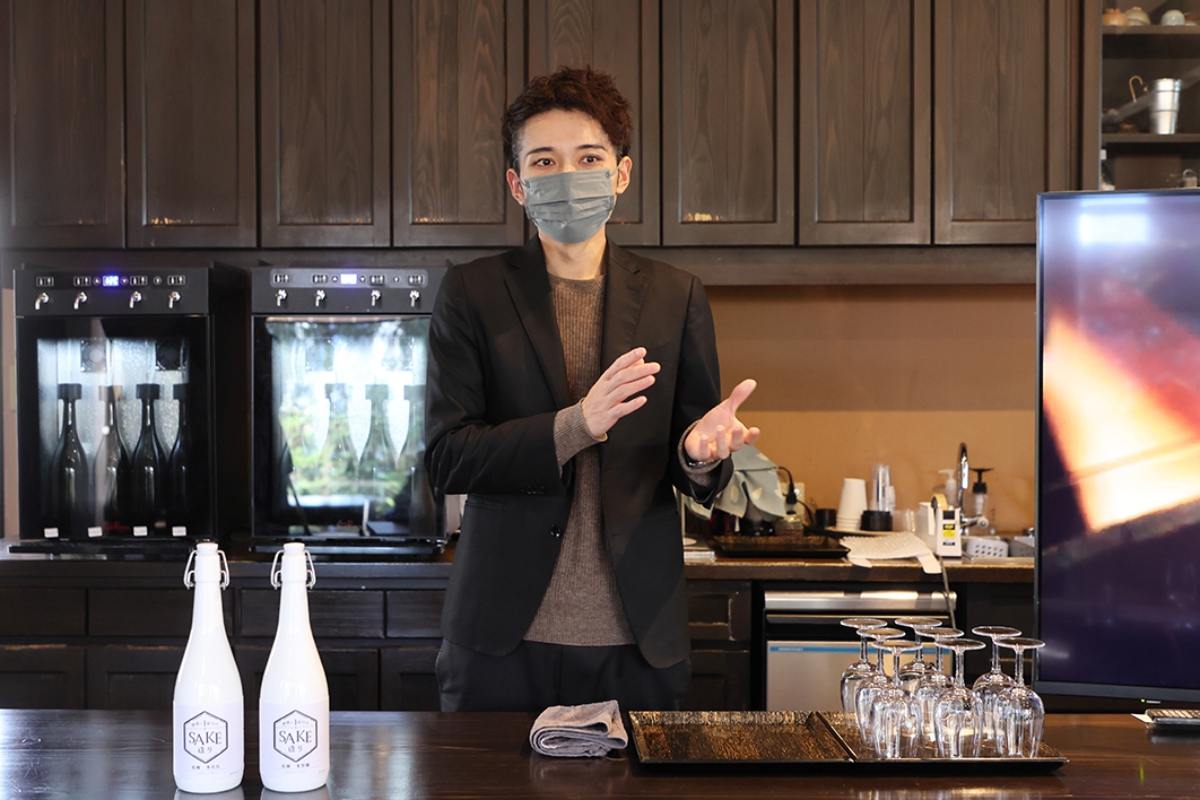
Comparisons to other types of alcohol are particularly helpful. For example, to explain the fermentation process, he contrasts sake with wine. Wine is produced from sweet fruit (usually grapes), so fermentation occurs when yeast directly consumes the fruit’s sugar and converts it into alcohol. Because sake is made from starchy rice, however, an additional step is required. A microbe known as koji is introduced first so that its enzymes can break down the starch into simple fermentable sugars. To illustrate this process visually, Uchida utilizes a slideshow and passes around a sample of koji and rice in a jar.
He then outlines the main categories of sake. Junmai refers to any sake brewed without the addition of brewer’s alcohol. Ginjo sake is made from rice whose outer grain has been at least 40 percent polished away; daiginjo is made from rice that has been polished down at least 50 percent (i.e., at least half the outer grain has been removed). Junmai daiginjo and daiginjo are generally regarded as the highest grades of sake.
A Unique Sake Blending and Tasting Experience
For the blending and tasting experience at the on-site bar, visitors are presented with four glasses of sake brewed at the Shimonoseki Sake Brewery. They include sweet, dry, fruity, and full-bodied varieties. Sipping the brews, participants record their impressions on a simple paper form.

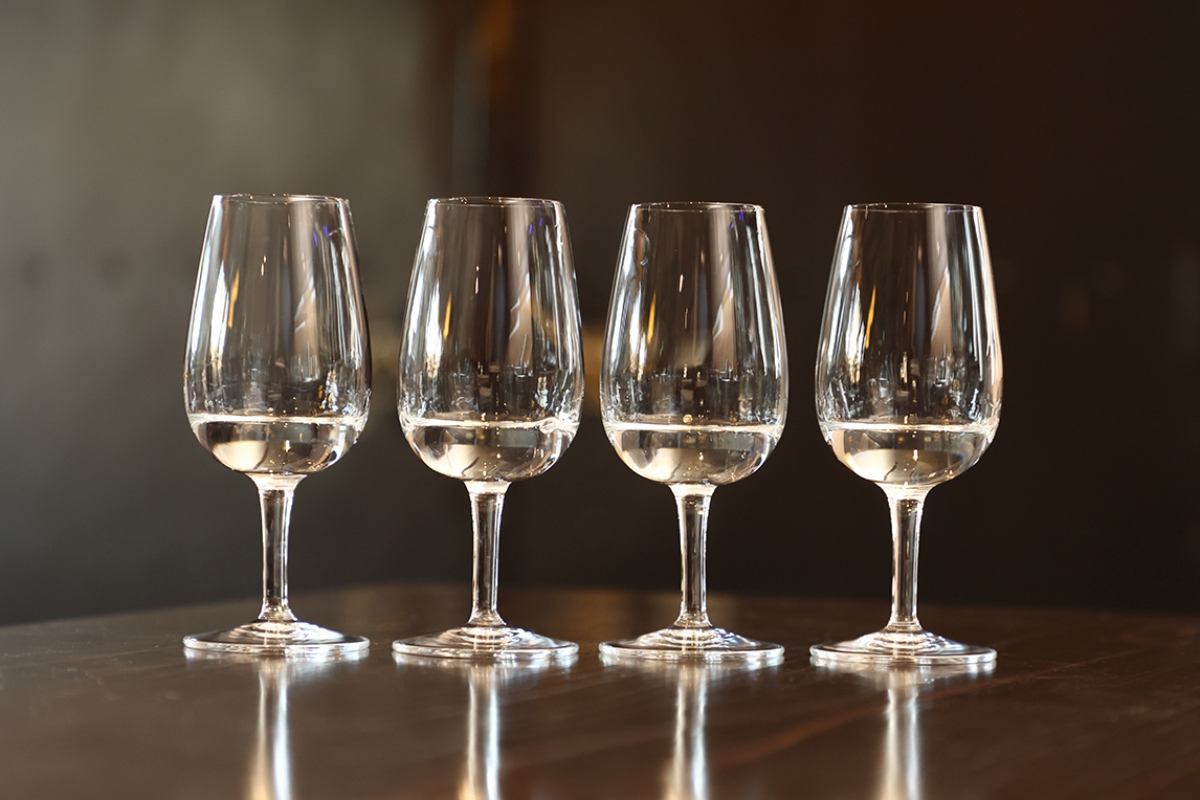
Uchida deliberately avoids complex terminology, encouraging participants to respond to each glass intuitively with whatever words come to mind. He suggests that they consider complementary food pairings or think of a friend who might particularly enjoy the taste.
The next step is to decide on a blending ratio of some or all of the sake varieties from the tasting. Uchida then precisely prepares and mixes each visitor’s blend. After sampling their initial creation, visitors can adjust the ratios for a second try. They then give their final impressions to Uchida. Based on this feedback, he makes some additional minor adjustments to produce a final blend. Participants take home two bottles of this unique blended sake, personalized with their name and the date of bottling.
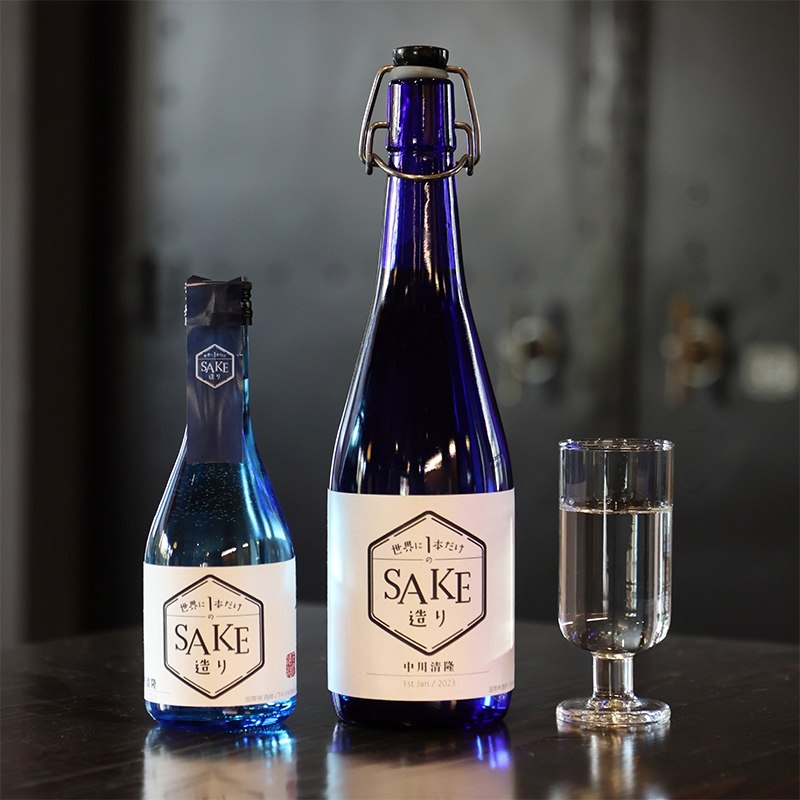
Sekimusume: International Award-Winning Sake
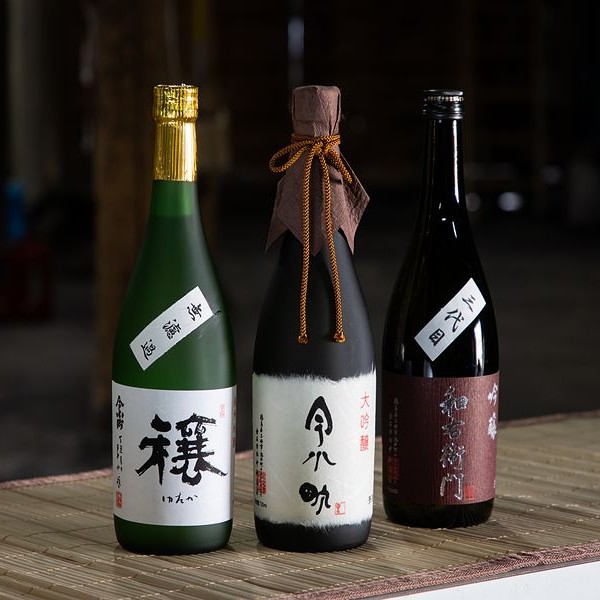
The brewery’s flagship Sekimusume range of sake has earned numerous international accolades. One of its premium junmai ginjo varieties, Kurabito no Jiman (“brewer’s pride”) Sake, won platinum awards from the 2020 London Sake Challenge and the 2023 Singapore Sake Challenge. Sekimusume’s ginjo sake took home a gold award from the 2018 London Sake Challenge. Different varieties of sake from the Sekimusume range are available for purchase at Shimonoseki Sake Brewery.

Related Articles
-
 Food & Drink
A Culinary Journey Through Setouchi’s Bountiful Nature: 5 Must-Try Local Dishes in Each Region
-
 Food & Drink
Setouchi Spirits Tour - Whisky, Sake, Craft Beer and More
-
 Food & Drink
Setouchi Sake Brewery: A Treasure Trove of Delectable Japanese Sake
-
 Food & Drink
A Foodie's Tour of Hiroshima and Yamaguchi
-
 Food & Drink
Pufferfish: Shimonoseki’s Artistic Culinary Highlight
-
 Food & Drink
5 Setouchi Sake Breweries Where You Can Tour and Experience Sake Making
-
.jpg) Food & Drink
Food & DrinkExplore a 200-Year-Old Sake Brewery in Naruto
-
 Food & Drink
Exploring Hyogo’s Terroir and Gastronomy: A Feast for the Eyes and Stomach!
RELATED DESTINATION
Yamaguchi
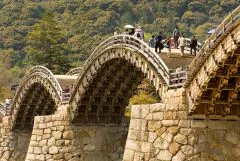
Yamaguchi is surrounded by ocean, mountains and rivers and is characterized by its climate, which is comfortable throughout the year. Its natural scenery, which includes some 1,500 kilometers of coastline, is a cut above. The prefecture has Kintaikyo Bridge, one of the three most famous bridges in Japan, and other tourist attractions, and its fugu (pufferfish) is famous as a winter dish.