
History
Walk Through the White-Walled Streets of Kurashiki’s Merchant Past

-
- DESTINATION NAME
- Okayama
-
- RELATED TAGS
-
- LAST UPDATED
- 16 February, 2026
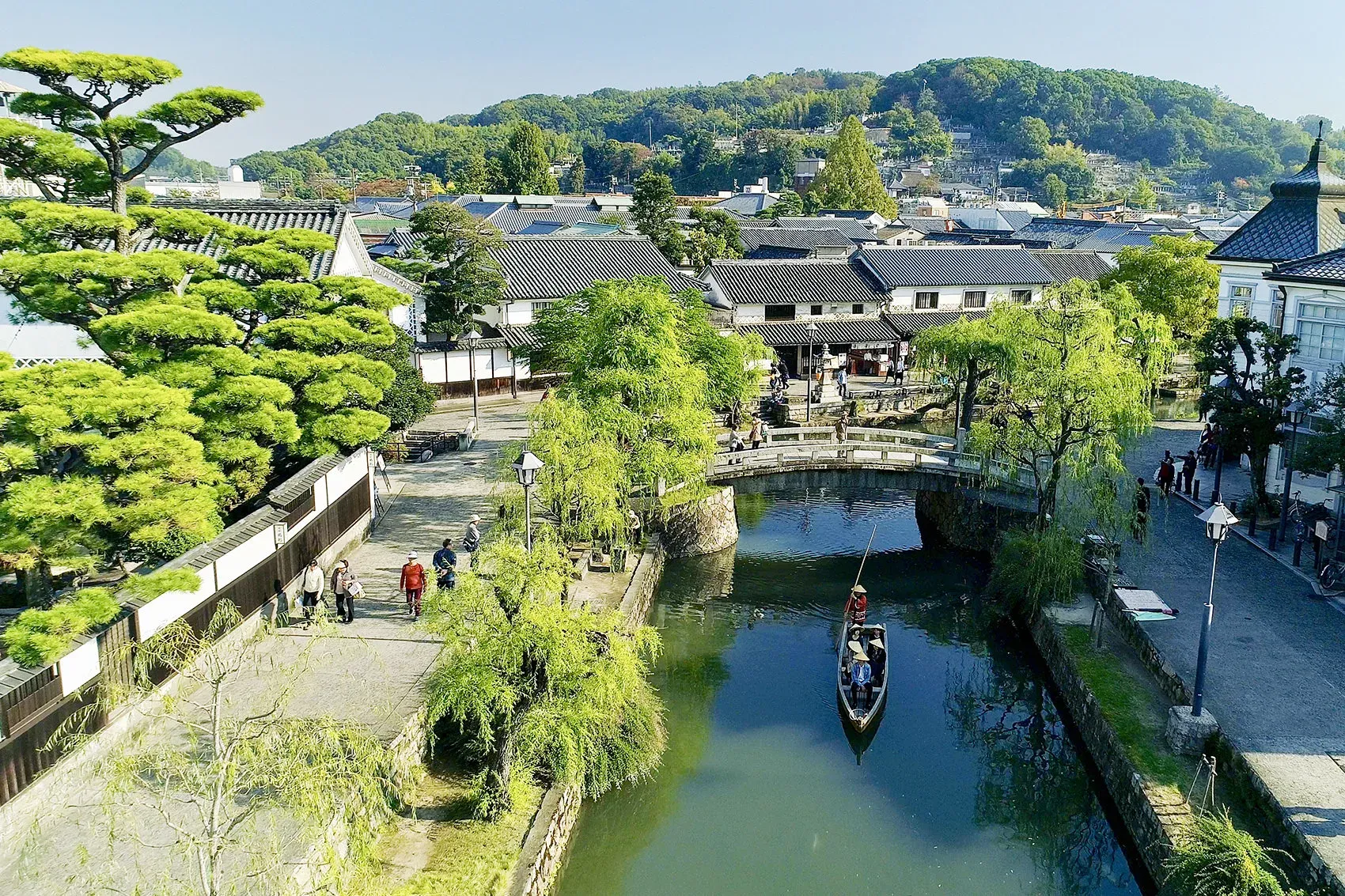
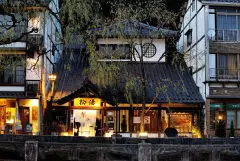
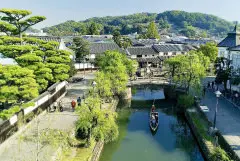
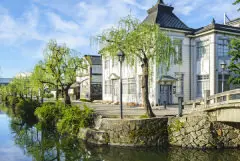
The storehouses (kura) of Kurashiki standing along a canal lined with willow trees form one of Japan’s most well-preserved historic townscapes. Wealthy merchants of the Edo period (1603–1867) who made their fortunes from trading in sugar, salt, rice, textiles and other commodities erected these storehouses alongside their mansions and gardens. Subsequent generations continued to reside and work in Kurashiki as it transitioned first into a center of industrial production and later into a modern urban center renowned for its art museums and beautiful historic quarter.
Guided walks and other experiences offered by Takahashigawa Travel encourage visitors to immerse themselves in the history of Kurashiki. Tours are led by local guides with deep roots in the area. To information provided about historic sites, they add colorful anecdotes of Kurashiki residents past and present, helping visitors gain an intimate feel for the city’s history and culture.
Lively Walking Tours
While on holiday in Europe, Takahashigawa Travel founder Hara Hiroyuki took a walking tour in the Czech Republic with his family. Having been able to get to know his Czech guide while learning about local history and culture inspired Hara to create similar visitor experiences in Japan. He chose his hometown of Kurashiki, where his family line goes back over three centuries, and where he has spent most of his life.
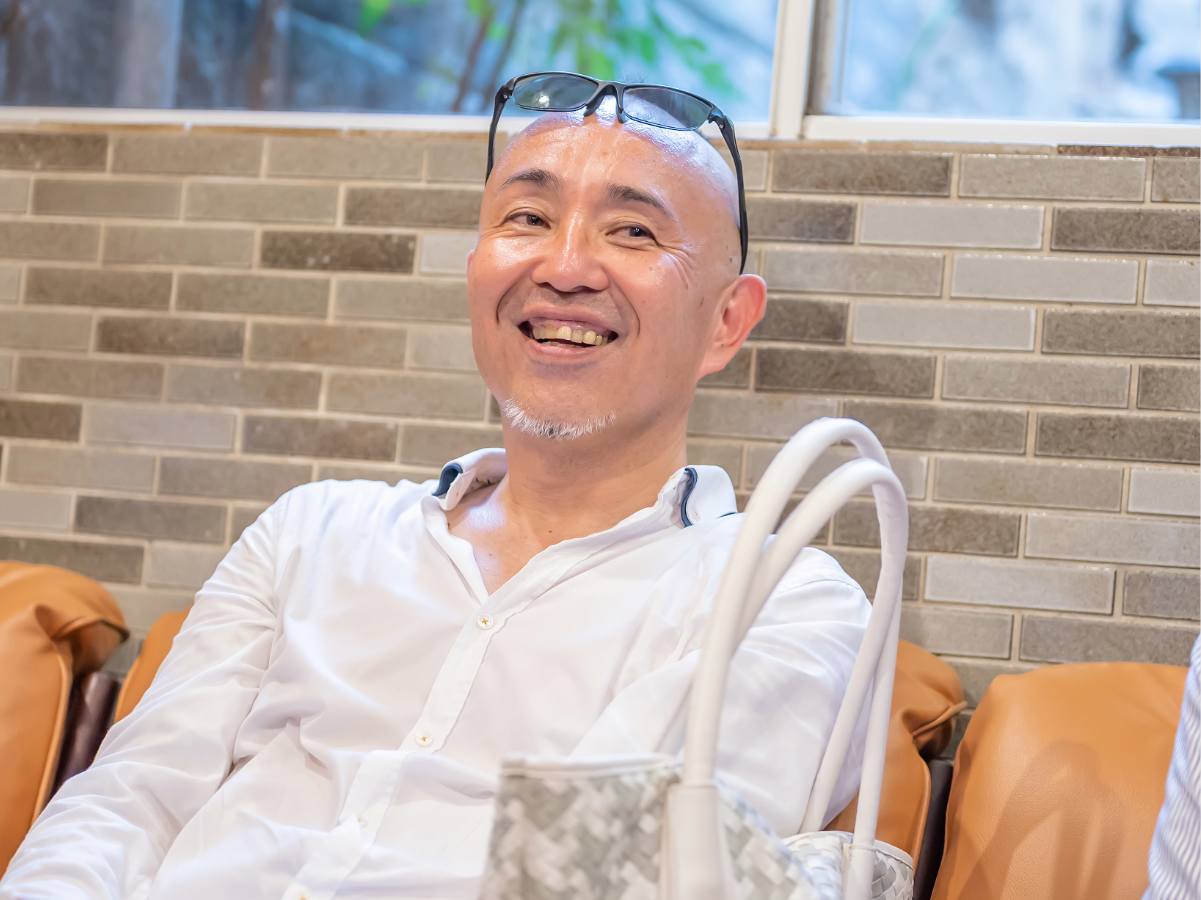
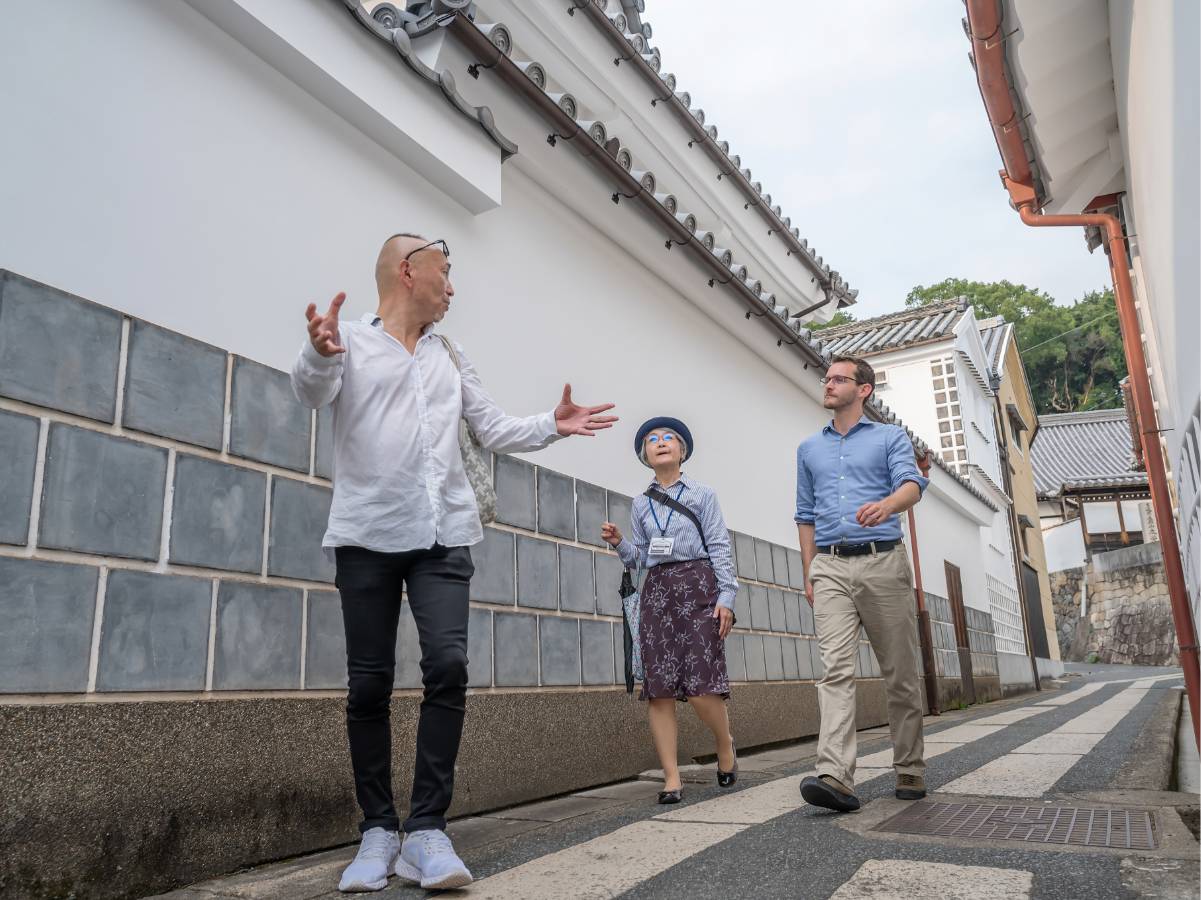
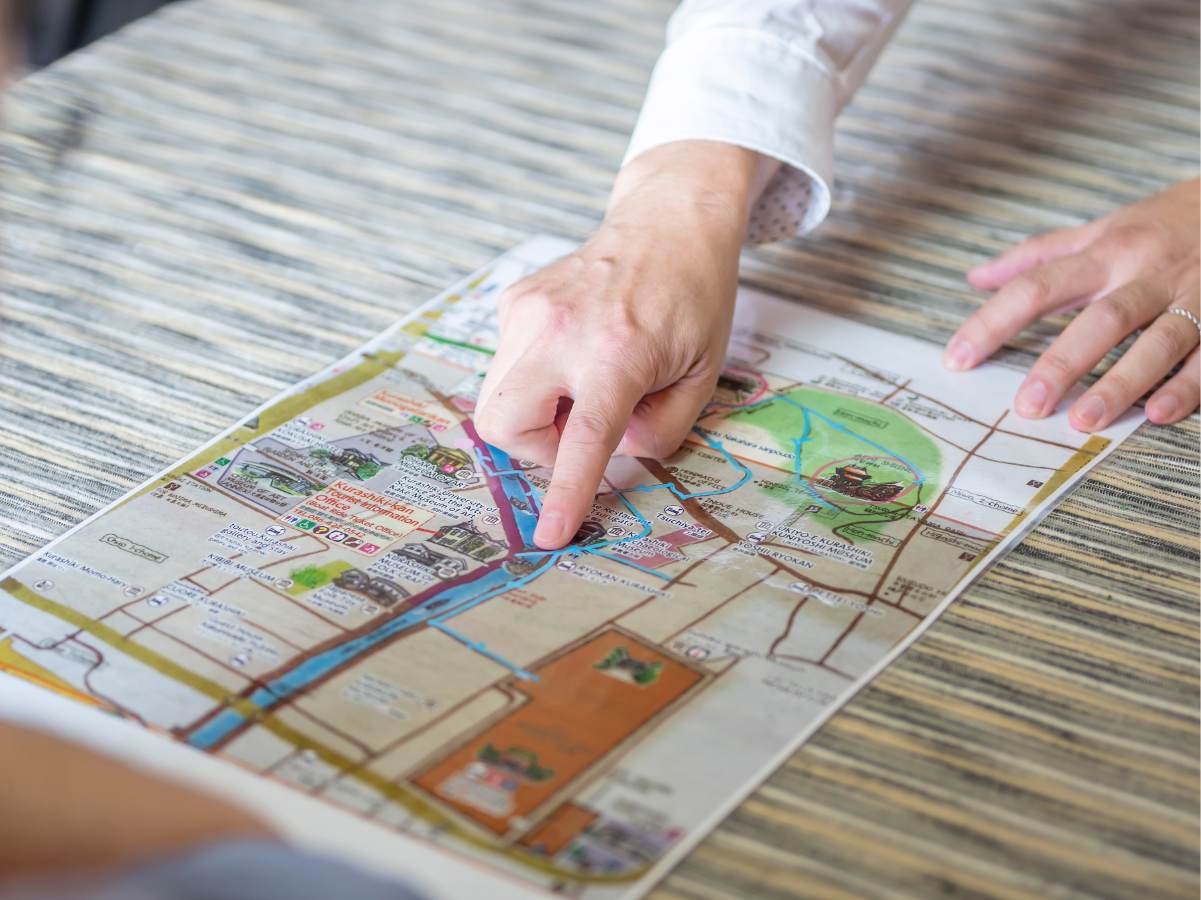
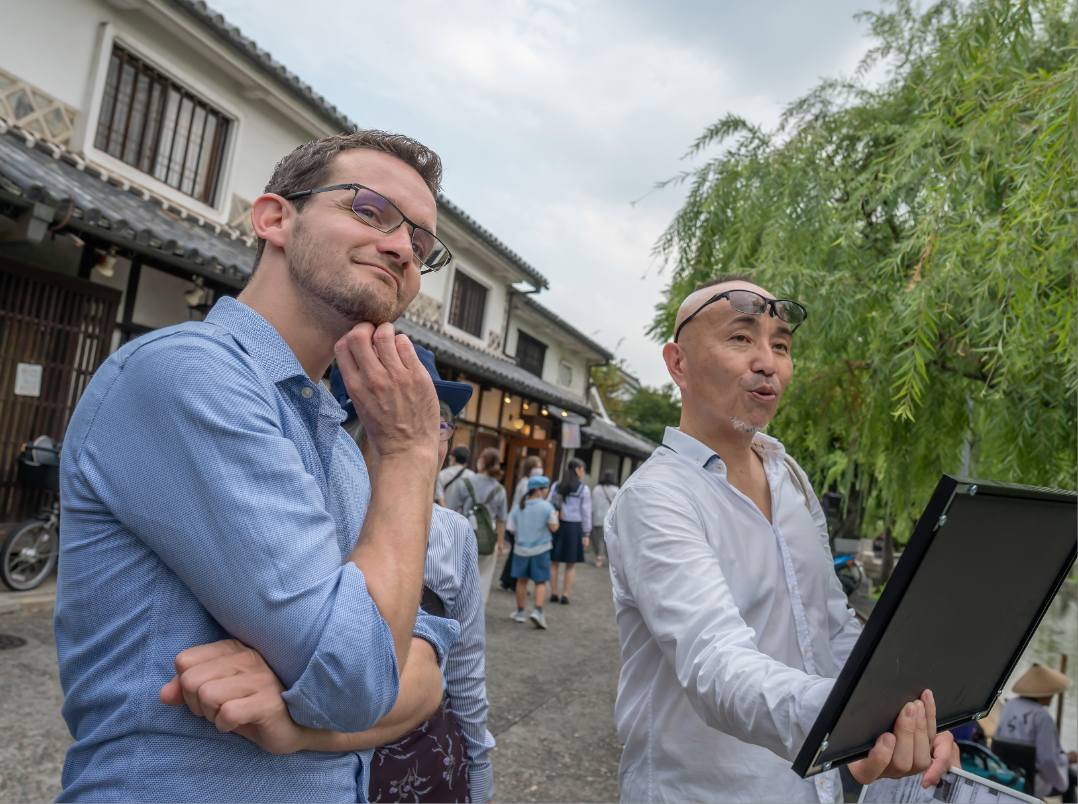
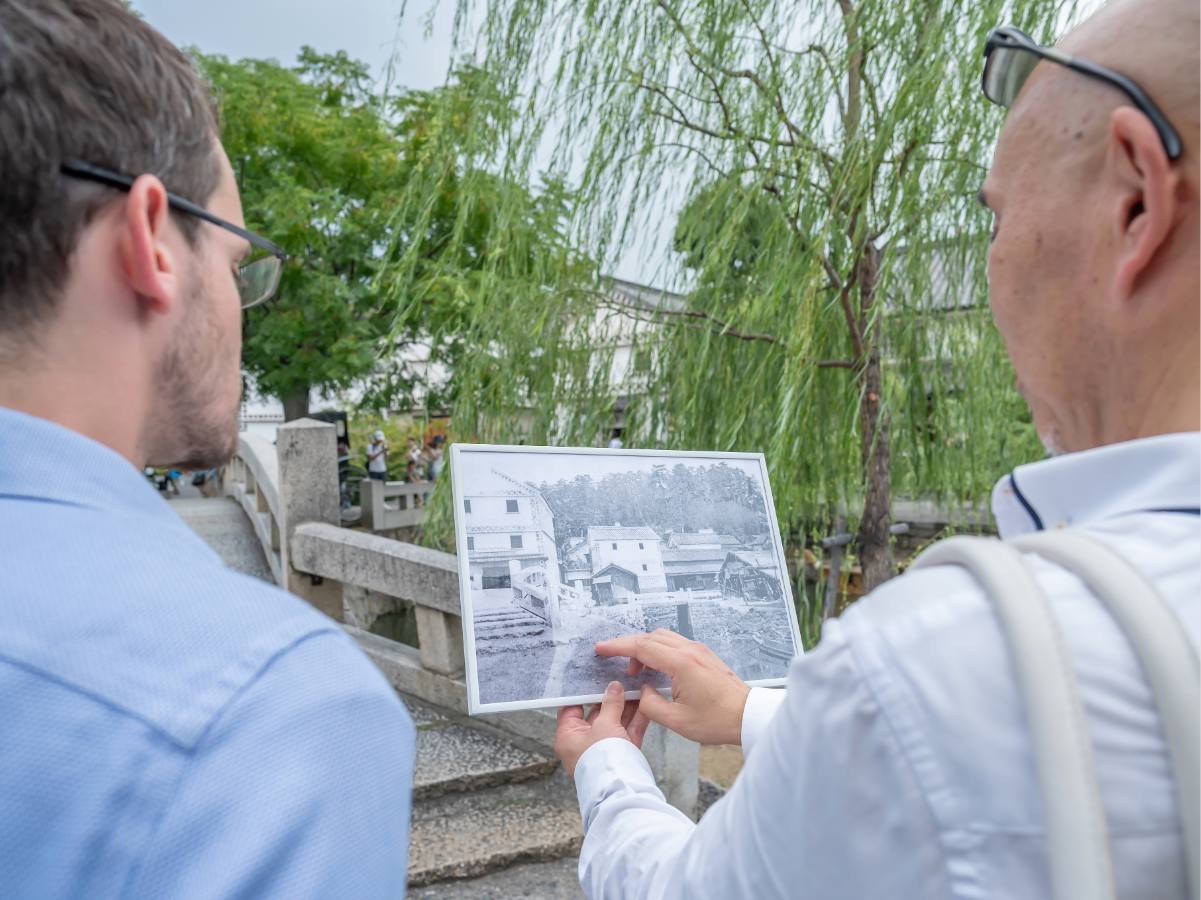
One of the experiences Takahashigawa Travel offers is a walking tour of the Bikan Historical Quarter led by Hara himself, accompanied by an interpreter. Using maps and visual aids, the tour begins with a brief overview of Kurashiki’s history, from its ascent as a thriving hub of trade in the Edo period to its development into a center of art and culture in the twentieth century.
A City of Merchants
Kurashiki’s economic development during the Edo period was shaped by its geography. The city and surrounding areas were built on land reclaimed from the sea, so the soil was not suitable for rice cultivation. Instead, residents began growing cotton, which was more salt-tolerant. It quickly became the main crop, giving rise to a thriving cottage industry of spinning and weaving. Recognizing the town’s growing importance, the shogunate asserted direct control over Kurashiki in 1642 and subsequently developed the Kurashiki River into a major river port and trade hub. Close connections with the Inland Sea made this waterway an essential artery for transporting goods. Kurashiki merchants amassed fortunes by dealing in cotton and other locally sourced commodities such as rice, oil, salt, and sugar. With this wealth, they commissioned large homes and gardens, as well as the iconic storehouses that characterize the city’s prosperous commercial era.
The Takahashigawa Travel walking tour typically begins with a short climb to Achi Shrine and Kanryuji Temple atop a hill overlooking the old part of the city. Known as the Bikan Historical Quarter, this area housed many of Kurashiki’s merchants during the Edo period. The tour then descends into the quarter’s streets, which are characterized by the white walls, lattice windows, and tile roofs of the storehouses and mansions that once belonged to these wealthy families.
From Cotton Mills to Fighter Plane Parts
In the nineteenth century, technology adopted from Western nations spurred rapid industrial development in Kurashiki. Some of the city’s powerful merchant families capitalized on these advances, particularly the Ohara family, who founded Kurashiki Spinning Works in 1888. The company built a cotton spinning mill in Kurashiki that fueled a boom in the textile industry. During World War II, Mitsubishi Heavy Industries converted the mill into a factory to produce parts for fighter planes.
Ivy Square is a modern shopping and entertainment complex housed within the original red-brick buildings of the former Kurashiki Spinning Works cotton mill. It is included in Hara’s walking tour to bring stories of Kurashiki’s industrialization and wartime production to life. To convey the wealth and influence these ventures brought, the tour continues to the Ohara family’s opulent villa, Yurinso, which was constructed in 1928, next to the Imabashi Bridge.
The Ohara Museum of Art
The Ohara Museum of Art, immediately recognizable by its large Greek-style pillars, is located on the opposite side of the canal from Yurinso. Founded in 1930 by Ohara Magosaburo, it became the first private museum in Japan with a permanent exhibition of Western art. The museum has since expanded to several buildings; its exhibits include works by twentieth-century Japanese artists.
While the walking tour does not include museum entry, there is a stop out front to explain the history of this pivotal building. Over the course of the twentieth century, Kurashiki became increasingly well known for its museums and art galleries. The establishment of the Ohara Museum served as a significant milestone in the city’s evolution from trade and industry hub to a recognized center of art and culture.
Discussing Kurashiki’s History and Culture Over Coffee
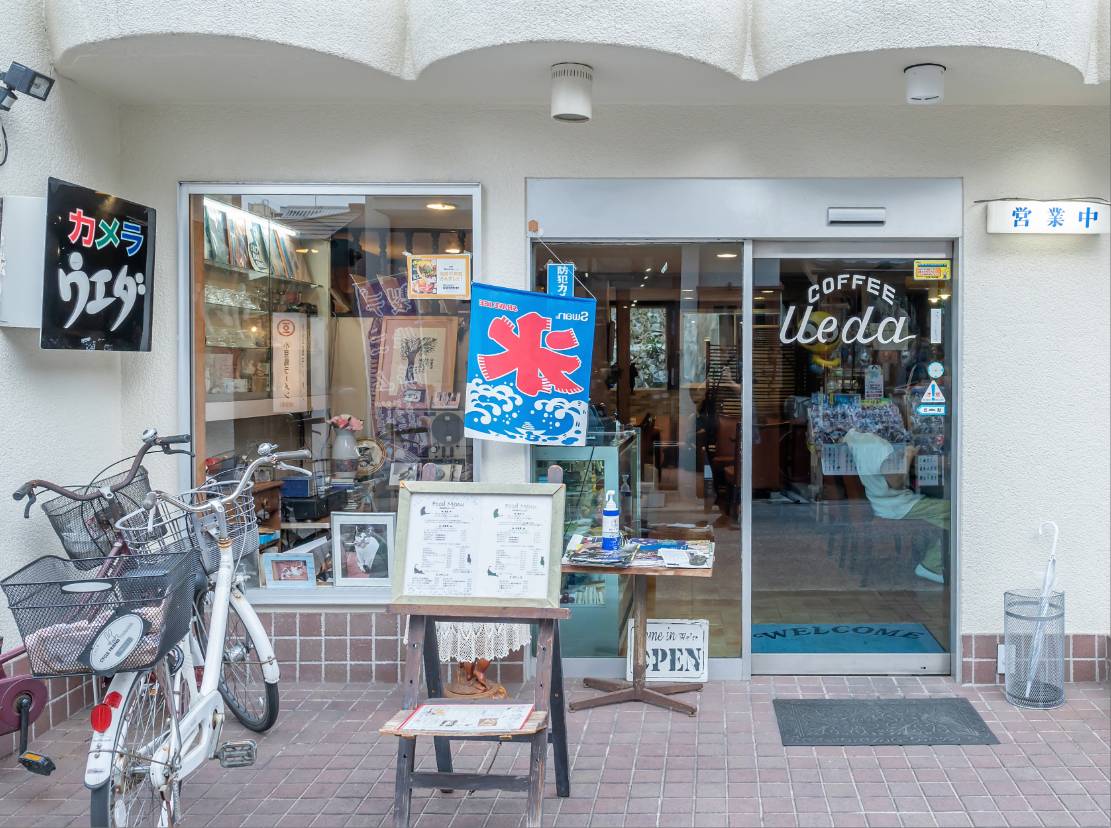
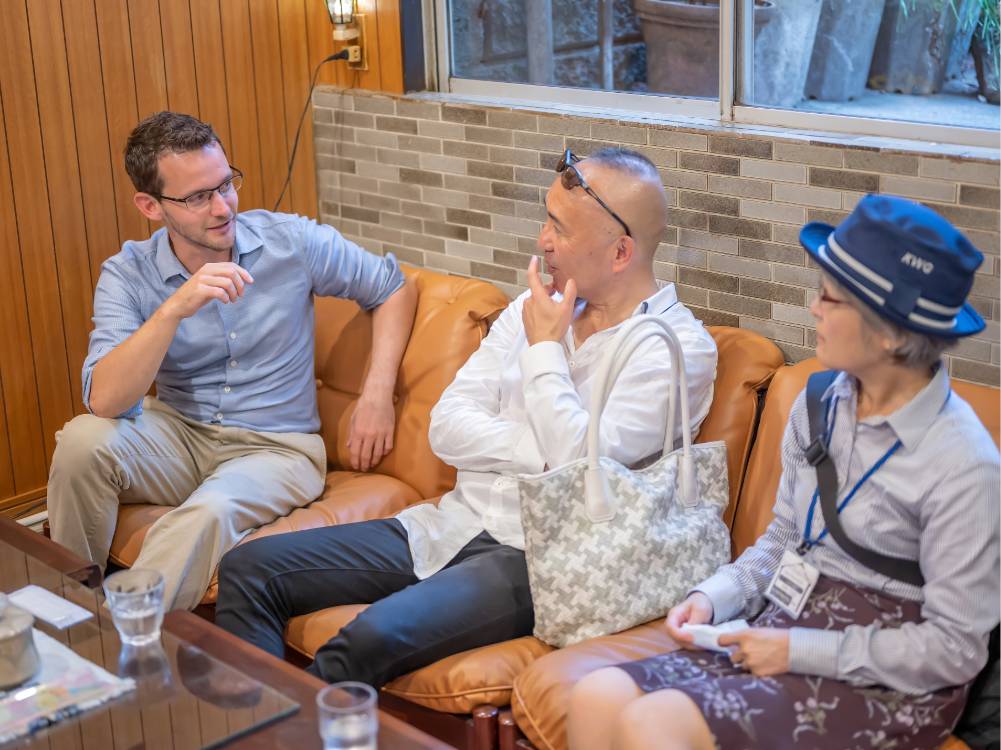
The walking tour concludes at a nearby retro cafe for a coffee break, providing participants an opportunity to engage in casual conversation with Hara and their interpreter. This is the perfect time to address any lingering questions from the tour or raise more general queries about Kurashiki.
Other Cultural Experiences in Kurashiki
Beyond walking tours, Takahashigawa Travel also arranges guided cycling excursions to explore different parts of Kurashiki. One such tour follows the Kurashiki River and includes a visit to a pottery workshop to learn about the local Sakazu style of pottery. As an added option, participants may elect to create their own piece of Sakazu ware. Another option is a visit to an indigo-dyeing workshop for a hands-on experience with the textile heritage of the broader Inland Sea region.
Flexible Tours to Suit Individual Interests and Preferences
The length and content of Takahashigawa Travel experiences can be flexible. Many are organized as private tours and activities, allowing for easy adjustments to accommodate individual preferences; others are scheduled group tours. Details regarding tour format, length, and content vary, so visitors are encouraged to check the Takahashigawa Travel website for specific information. Regardless of the format, the primary aim is to cultivate meaningful interactions between visitors and local people through substantive discussions of history and culture.

Related Articles
-
 History
To Towns Where Time Breathes: A Journey Through the History and Ancient Streetscapes of the Seto Inland Sea
-
 History
An Architectural Pilgrimage Through Setouchi: Experiencing the Region’s History, Tradition, and Modern Spirit
-
 History
Tsuyama: Wander Through a Thousand-Year-Old Castle Town Where Historical Marvels Meet Sustainability
-
_毛利報公会_持溝さん撮影.jpg) History
HistoryTour the Stately Residence and Garden of a Powerful Daimyo Family
-
 History
4-day history and culture experience in Yamaguchi and Hiroshima
-
 Food & Drink
Discovering the History and Culture of Setouchi Through Sweets
-
 Food & Drink
5 Setouchi Sake Breweries Where You Can Tour and Experience Sake Making
-
 Adventure & Experience
Five Cycling Routes in Setouchi
RELATED DESTINATION
Okayama
The Okayama area has flourished as an area alive with various culture including swords, Bizen ware and other handicrafts. Because of its warm climate, fruits such as peaches and muscat grapes are actively grown there. It is also dotted with places where you can see the islands of the Seto Inland Sea.