


Sea & Nature
5 Scenic Spots to Experience the Unique Nature and Landscapes of Setouchi

-
- LAST UPDATED
- 17 February, 2026
The Seto Inland Sea, stretching from Osaka to the north of Kyushu, creates some of Japan’s most uniquely breathtaking seascapes, featuring calm waters and countless islands.
Setouchi is celebrated for its refined gardens, historic sites, and above all, its natural beauty: a constellation of islands between the twin coasts of Shikoku and Honshu, mountains rising above verdant blue seas, deep green forests softened by sunlight spilling down through the canopy. Highly perched panoramas overlooking these landscapes further confirm the region’s undeniable reputation for scenic bliss.
To get to the Setouchi region, take the Sanyo Shinkansen train line, which runs along the mainland from Osaka to Hakata. The Shinkansen provides easy access to the length of the Seto Inland Sea from major cities across Japan, including Tokyo, Osaka, Kyoto, and Fukuoka. For day-trippers, hubs such as Okayama on its north-eastern end is an easy train ride away from Osaka.
Table of Contents
- 1. Kankakei (Kagawa) | One of Japan’s Three Most Beautiful Gorges
- 2. Tsunoshima Lighthouse and Tsunoshima Ohashi Bridge (Yamaguchi) | A Road That Stretches Straight Across the Sea
- 3. Mt. Ojigadake (Okayama) | Panoramic Views and Mysterious Giant Rocks
- 4. Nibukawa Valley (Ehime) | A Healing Gorge of Seasonal Beauty
- 5. Mt. Yamainudake (Tokushima) | Moss Gardens and the Serenity of an Ancient Forest
- 6. Embracing the Natural Beauty Unique to Setouchi
1. Kankakei (Kagawa) | One of Japan’s Three Most Beautiful Gorges
Shodoshima is a picture-perfect destination for nature lovers, within driving distance from Okayama. At the heart of the island, the Kankakei Valley is a deep gorge formed by volcanic activity 13 million years ago, now a symbol of Shodoshima. The gorge has the distinction of being located in Setonaikai National Park, one of Japan’s first designated national parks and is widely recognized as a place of exceptional natural beauty. Prominent cliffs and dramatic rock formations dot the landscape, while the valleys below are filled with maple trees, turning into a riot of color in autumn. The most notable rock formations have observation decks where visitors can take in striking views of the valley throughout the year, ranging from fresh green in spring, deep lush green in summer, and fiery red leaves in fall.
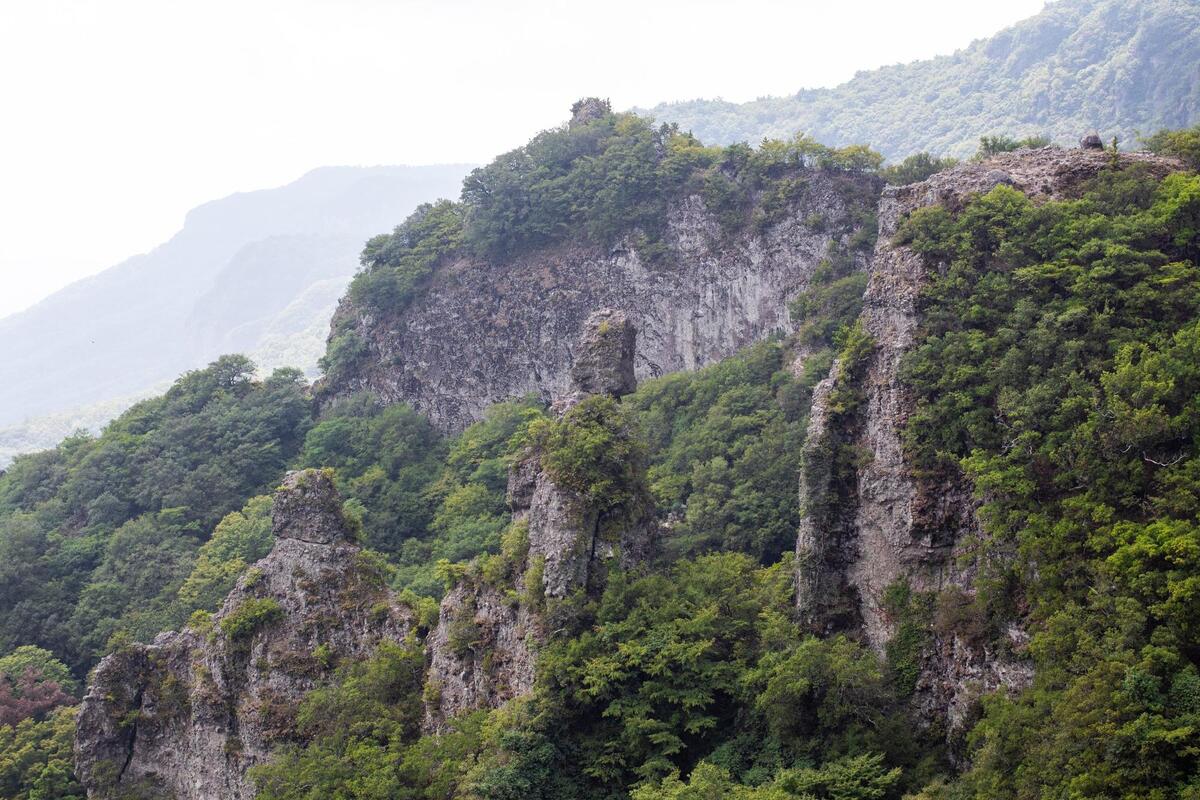
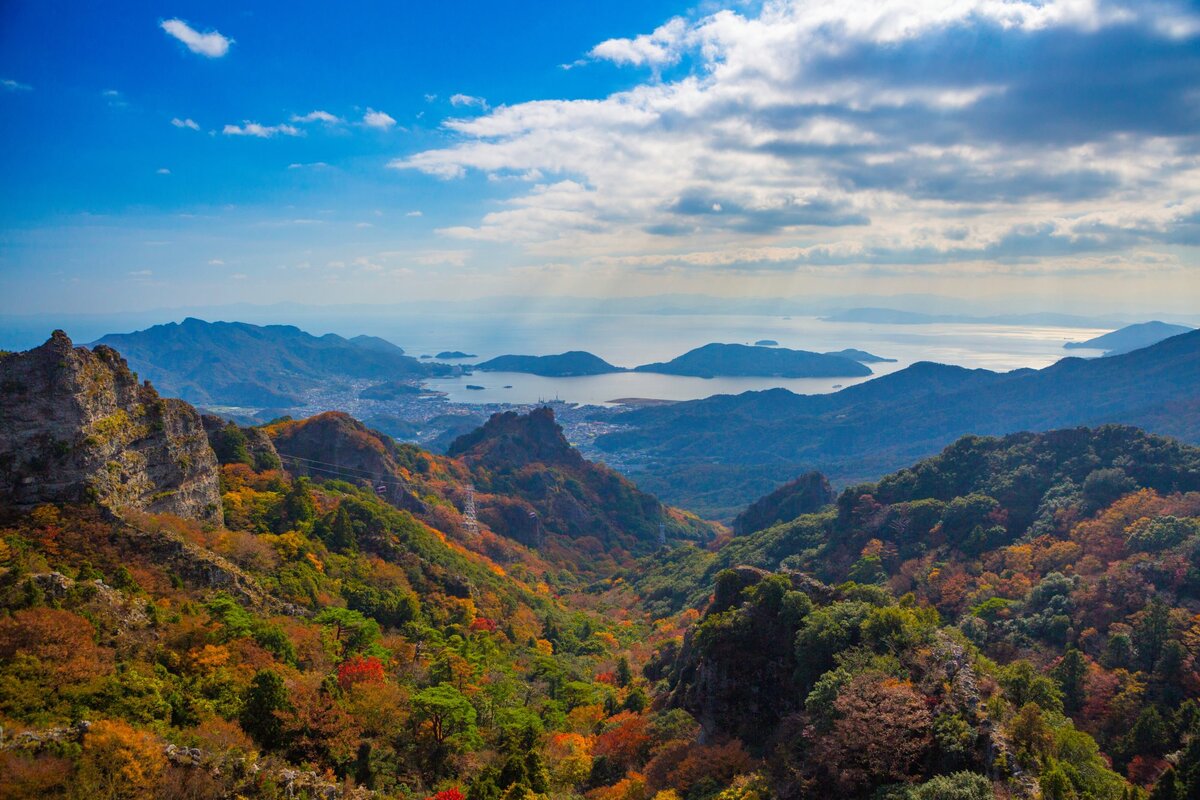
For a more elevated view, ride the Kankakei Ropeway up to the observation deck, located by Shodoshima’s highest peak, to see the gorgeous valley backed by the ocean. The ride takes approximately five minutes and brings you up more than 300 meters.
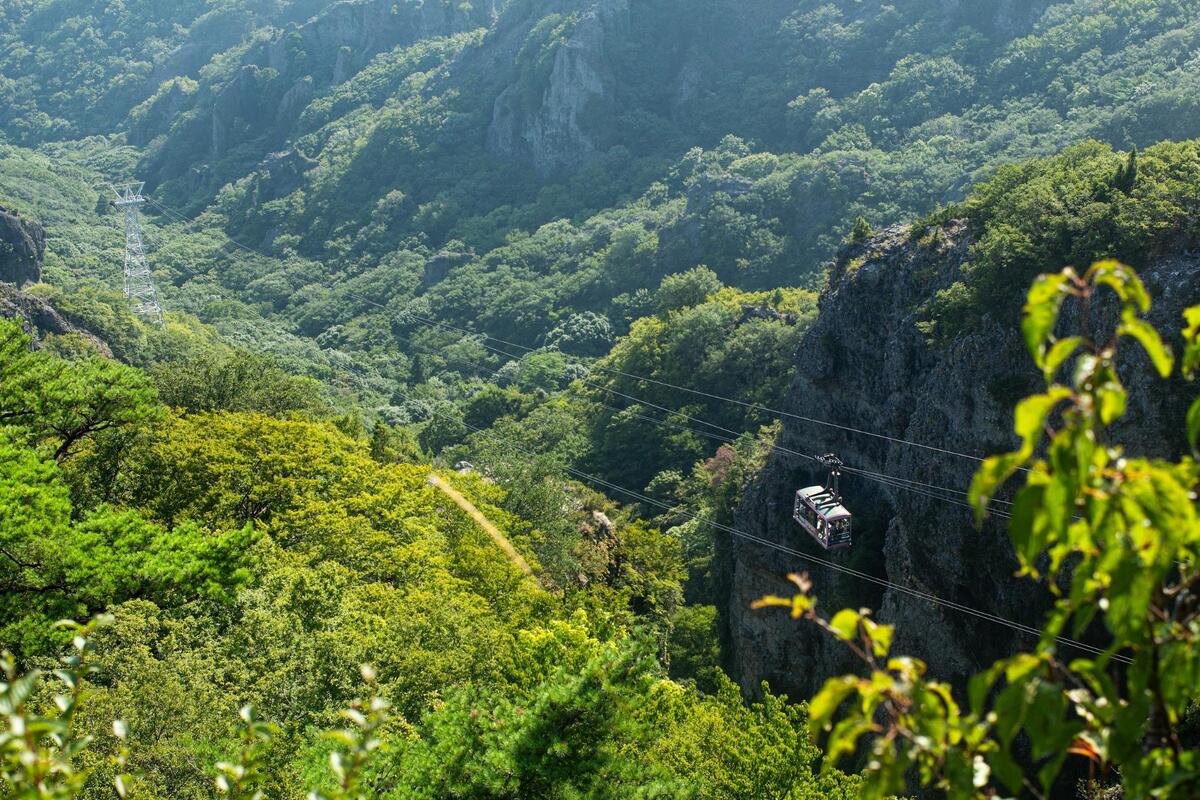
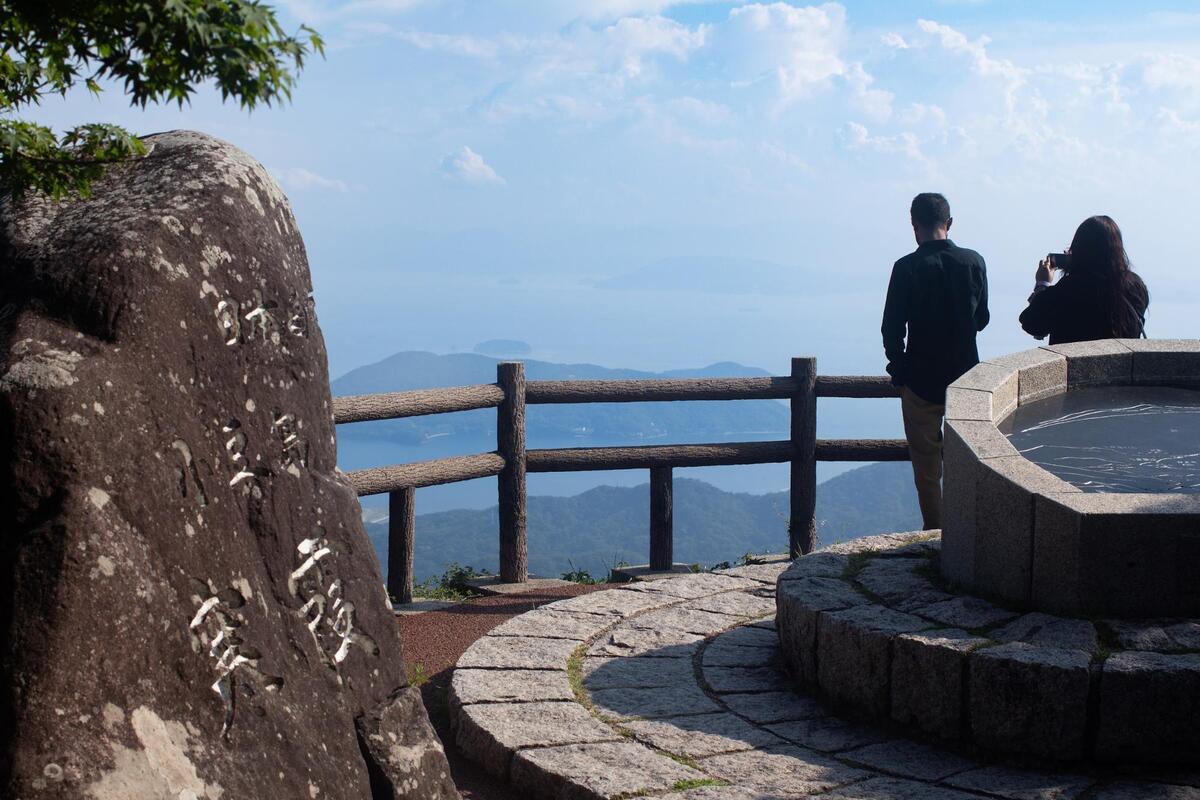
At Kankakei Gorge, visitors can enjoy hiking while experiencing the beauty of nature through all four seasons, with the freedom to explore by combining the ropeway and walking routes. In addition to the dramatic gorge scenery formed by uniquely shaped rock formations and steep cliffs over many years, the observation decks offer sweeping views of the Seto Inland Sea and surrounding islands, revealing a sense of openness and breathtaking vistas found nowhere else.
2. Tsunoshima Lighthouse and Tsunoshima Ohashi Bridge (Yamaguchi) | A Road That Stretches Straight Across the Sea
Situated off the west coast of Honshu, the island of Tsunoshima appears to rise out of the ocean, its western tip home to the first Western-style lighthouse built on the Sea of Japan coast. The Tsunoshima Lighthouse was first constructed in 1875, during the Meiji period (1868-1912) in order to guide foreign ships along Japan’s western coast. It has remained there for almost 150 years.
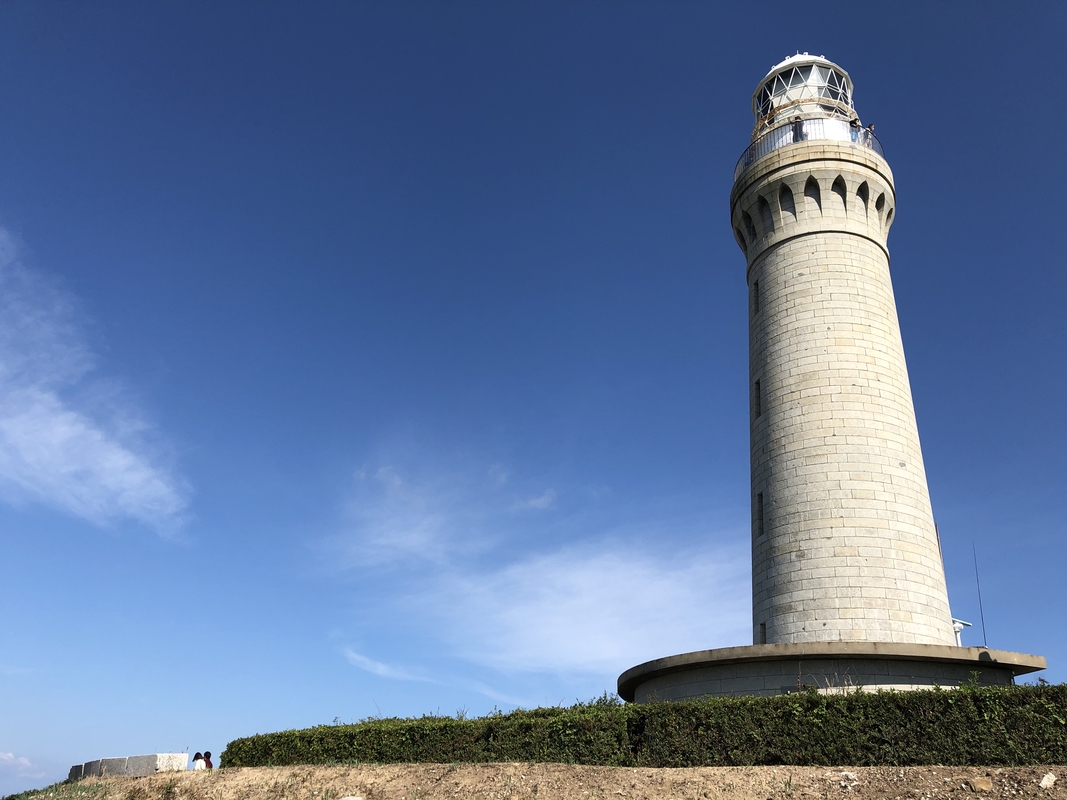
Designed by British engineer Richard Henry Brunton, the Tsunoshima Lighthouse stands in stark contrast to more Japanese-style buildings from the same period. The pure white granite that covers the outside of the building was quarried in Tokuyama, Yamaguchi and delicately carved blocks help create its long-standing smooth and elegant façade. Built just over 19 meters above sea level, the lighthouse was made unusually tall, standing at 30 meters. Inside, 105 spiral steps lead to the top, where your climb is rewarded with panoramic views of the island and surrounding ocean, amid the sound of waves breaking over the coast in the salt-tinged air.
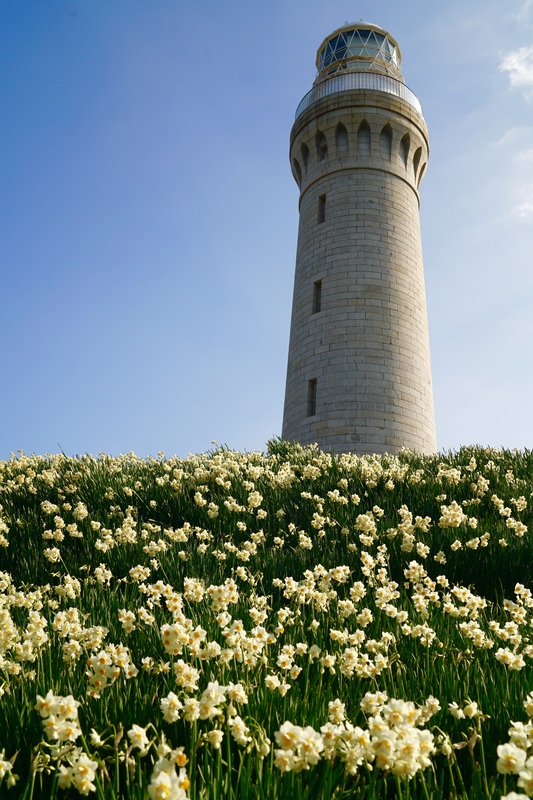
Today, the site has been developed as Tsunoshima Lighthouse Park, featuring an adjacent garden and lighthouse memorial museum, where visitors can enjoy magnificent views of the surrounding sea. From late-January to mid-February, the gardens offer a grand view of fields of blooming daffodils. One of only 16 lighthouses in Japan open to the public, it offers an exceptional opportunity to explore this little-known part of Japan’s maritime history. On select nights, you can even see the lighthouse illuminated against the dark sea and sky.
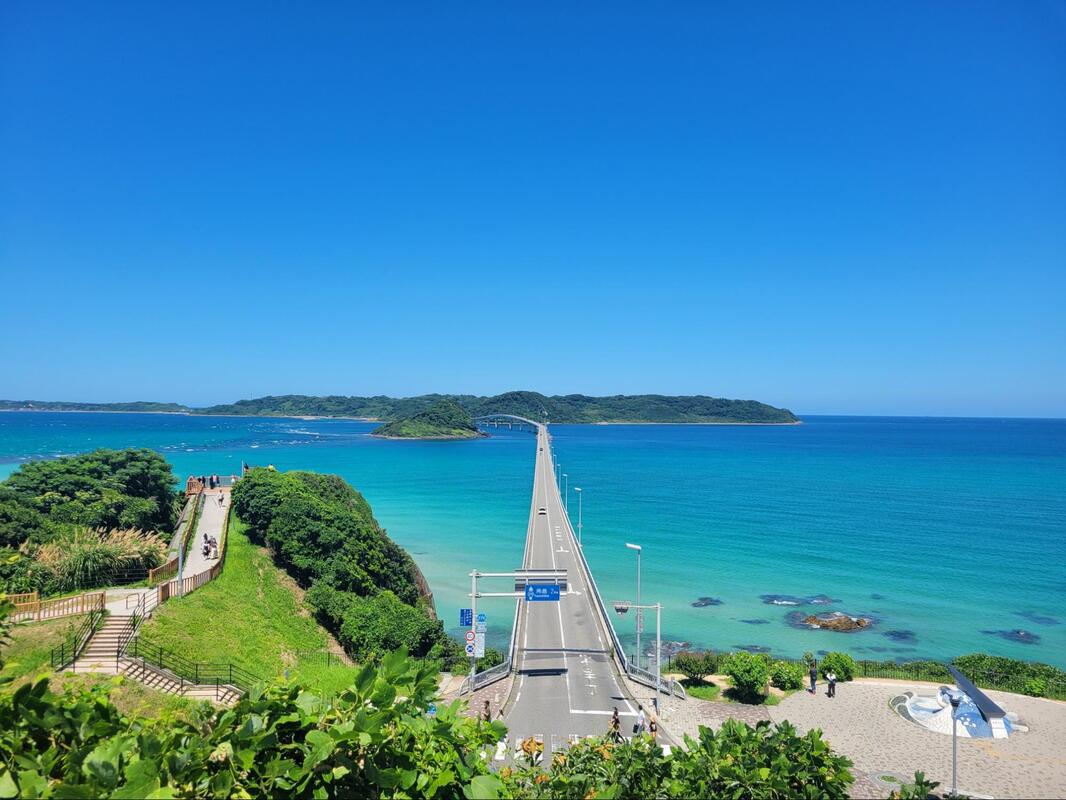
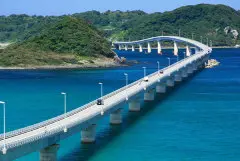
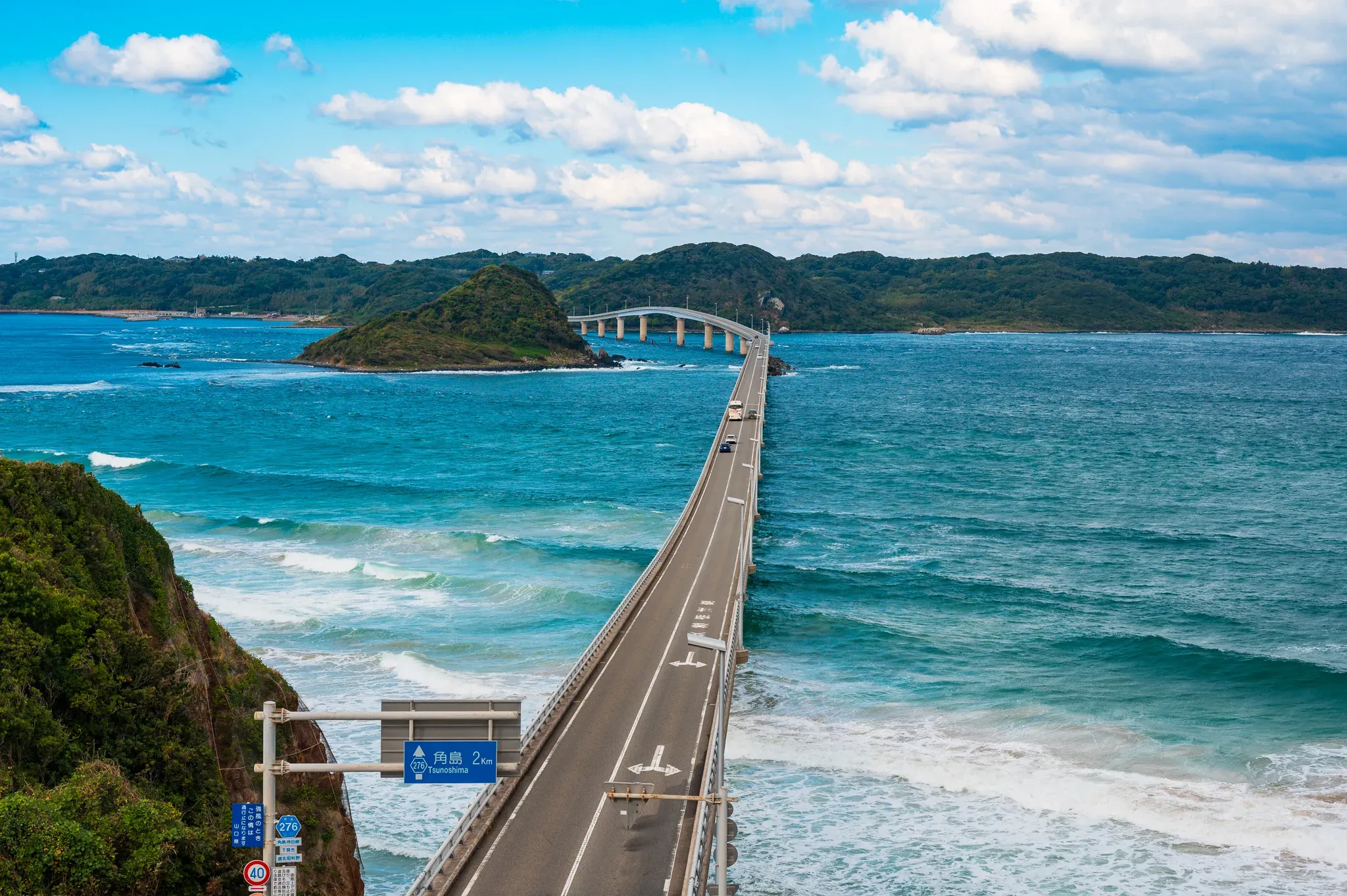
For a thrilling seaside experience, we recommend driving across the famous Tsunoshima Ohashi Bridge, a 1,780 meter-long bridge connecting the island to the mainland of Yamaguchi Prefecture. The bridge itself is a striking landmark that lends a human scale to the dramatic seascape surrounding it.
3. Mt. Ojigadake (Okayama) | Panoramic Views and Mysterious Giant Rocks
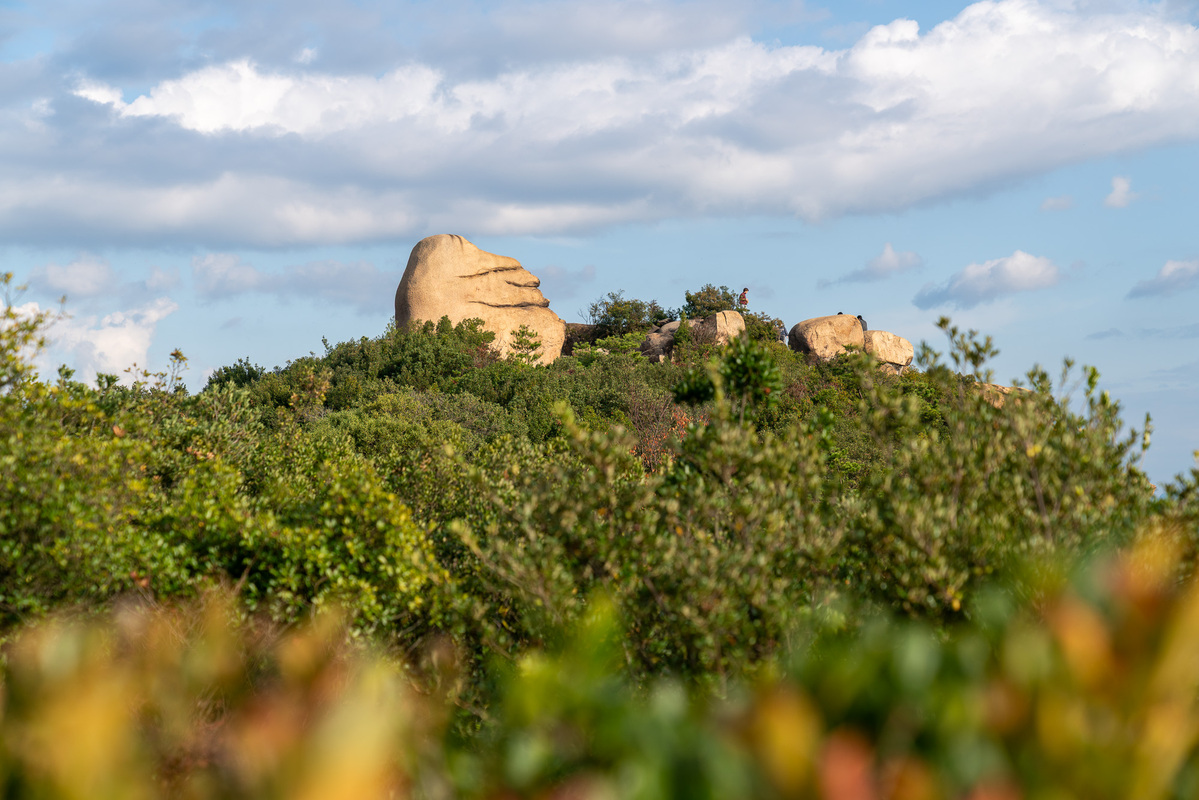
To the south of Okayama Prefecture, Mt. Ojigatake offers even more stunning views of the Seto Inland Sea. The park’s gentle trails and rocky outcroppings provide many rest stops to pause and take in the serene landscape. Particularly popular amongst tourists is the “Niko Niko Iwa” or Smiling Rock. Whether you see the “smile” of the rock as creepy or cute, be sure to capture its charismatic profile as a photo souvenir of your visit.
After a gentle climb to the summit, break for a snack or a hot drink at the park center cafe with a view from the top. There are also a variety of locations inside the park to settle down in nature for an afternoon picnic.
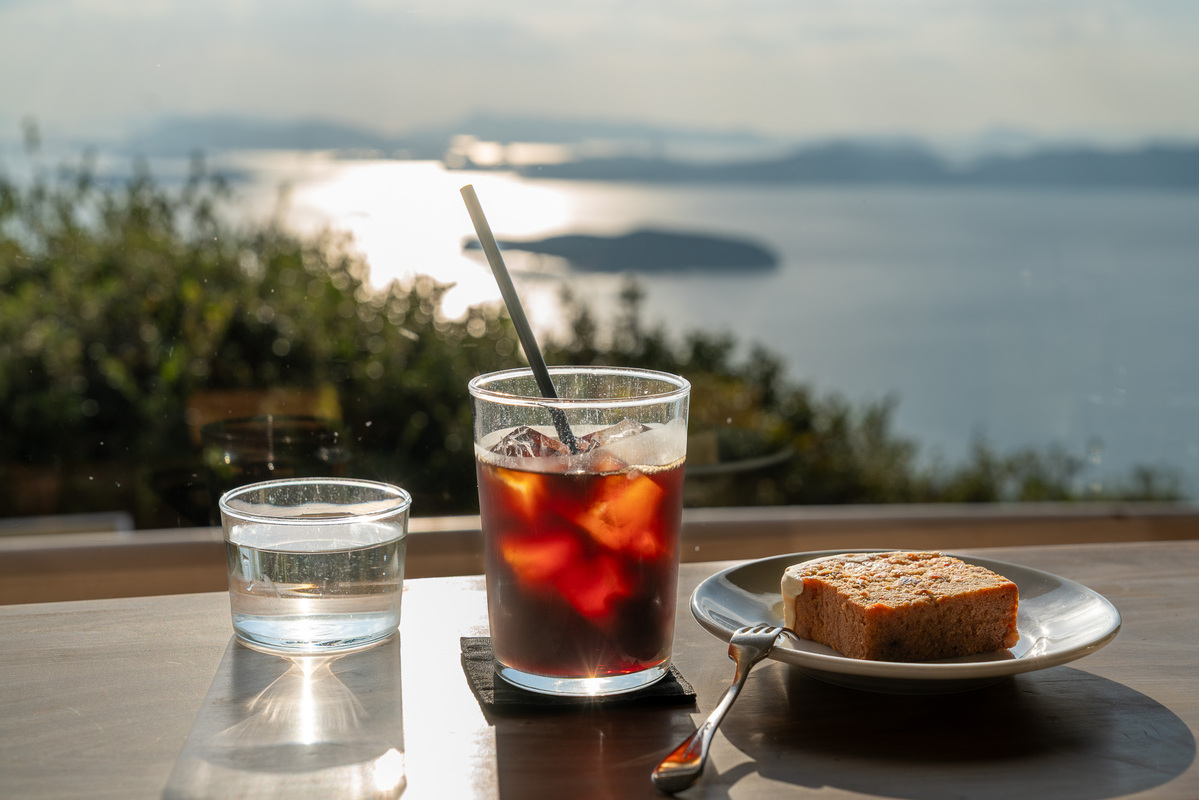
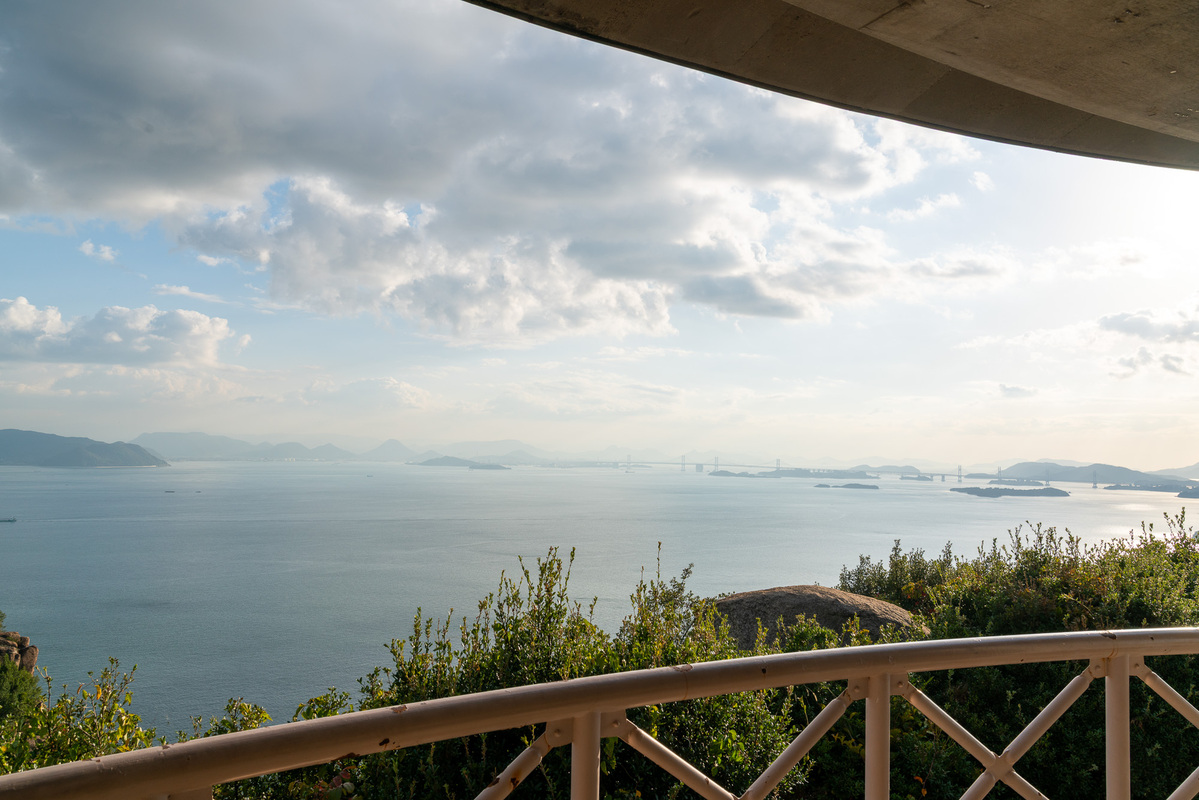
If you arrive before dusk on a clear day, Mount Ojigatake is bound to leave you with long-lasting memories of orange rays refracting across the waters of the inland sea as the sun begins to set.
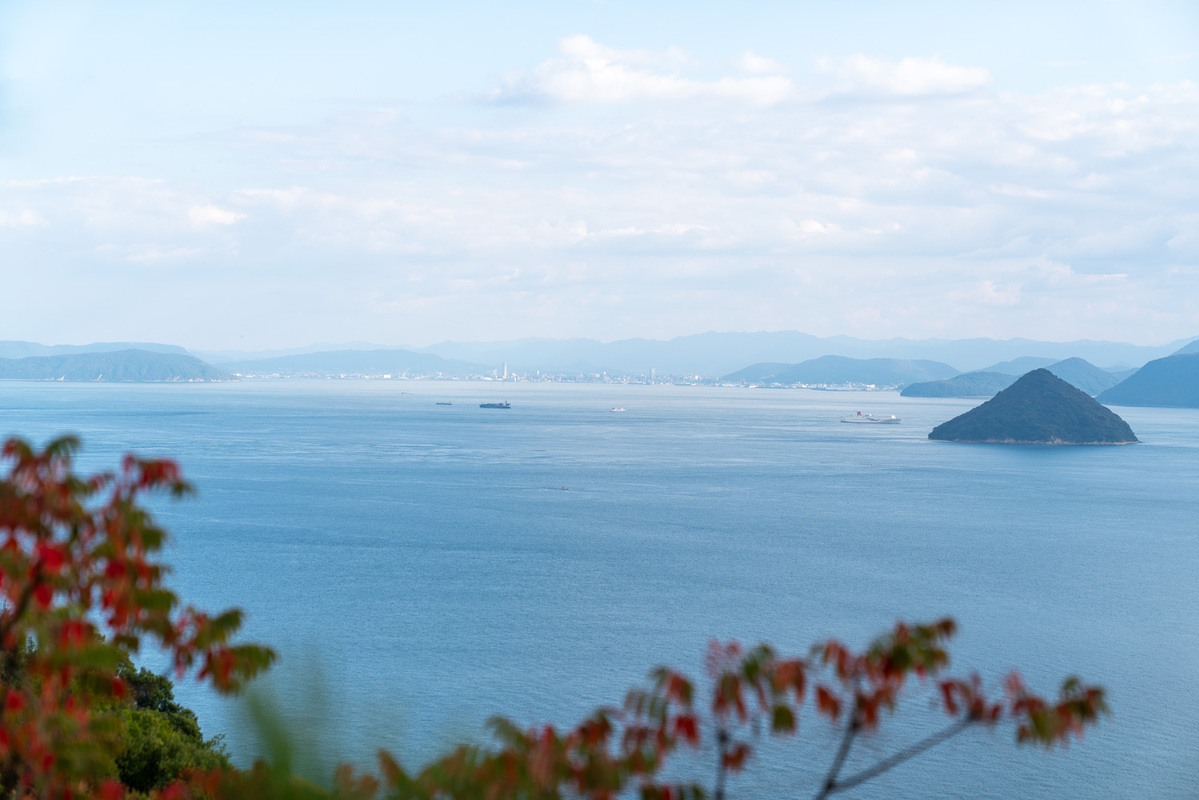
While peak seasons are no doubt during the turning of the leaves in autumn or when the spring cherry blossoms are in full bloom, the area can be enjoyed for its scenic views throughout the year, with the dramatic landscape of towering rock formations and massive boulders captivating all who visit
4. Nibukawa Valley (Ehime) | A Healing Gorge of Seasonal Beauty
To the southwest of Imabari City in Ehime Prefecture, the Nibukawa Valley offers a retreat into the mountains characterized by trickling water, lush forest, and sheer tranquility. Here you will find numerous hot springs within the natural beauty of the peaceful valley, which is accessed by a single scenic road winding along the Kiji River. Venture down to the river and find a secluded spot to relax and immerse yourself in the serene beauty of the valley forest.
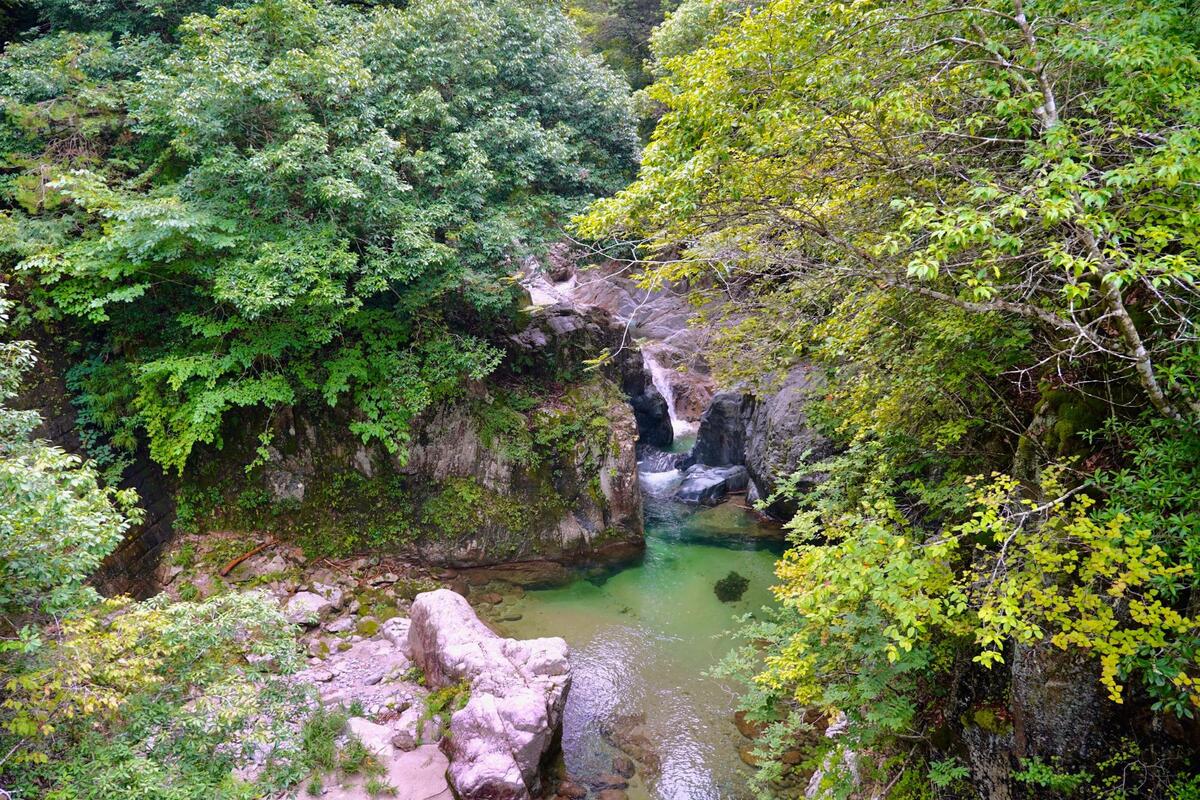
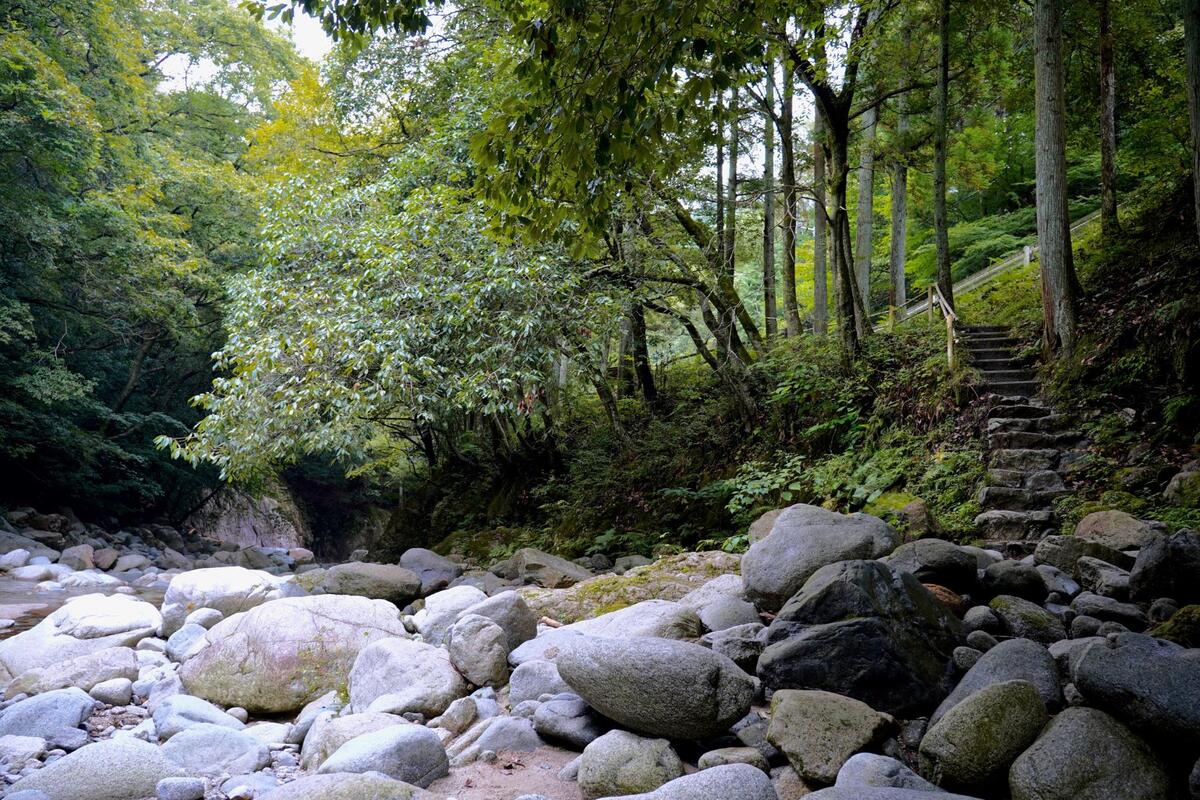
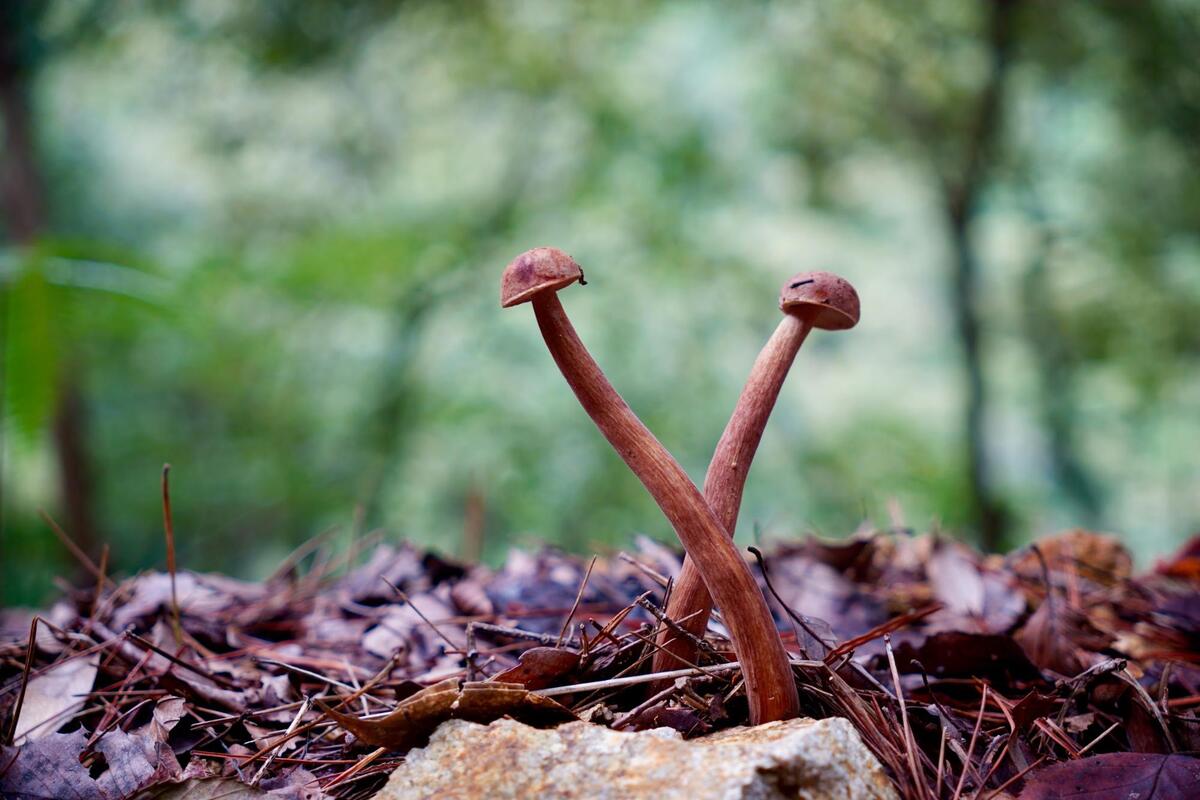
The water running through the gorge is clear, cold, and just deep enough to wade in.
Closer to Nibukawa Onsen, there is a bridge that crosses over the Kiji River, where you can see a small waterfall. From the other side, a long and narrow path including many stairs leads up into the mountain, ending at an overgrown observation platform.
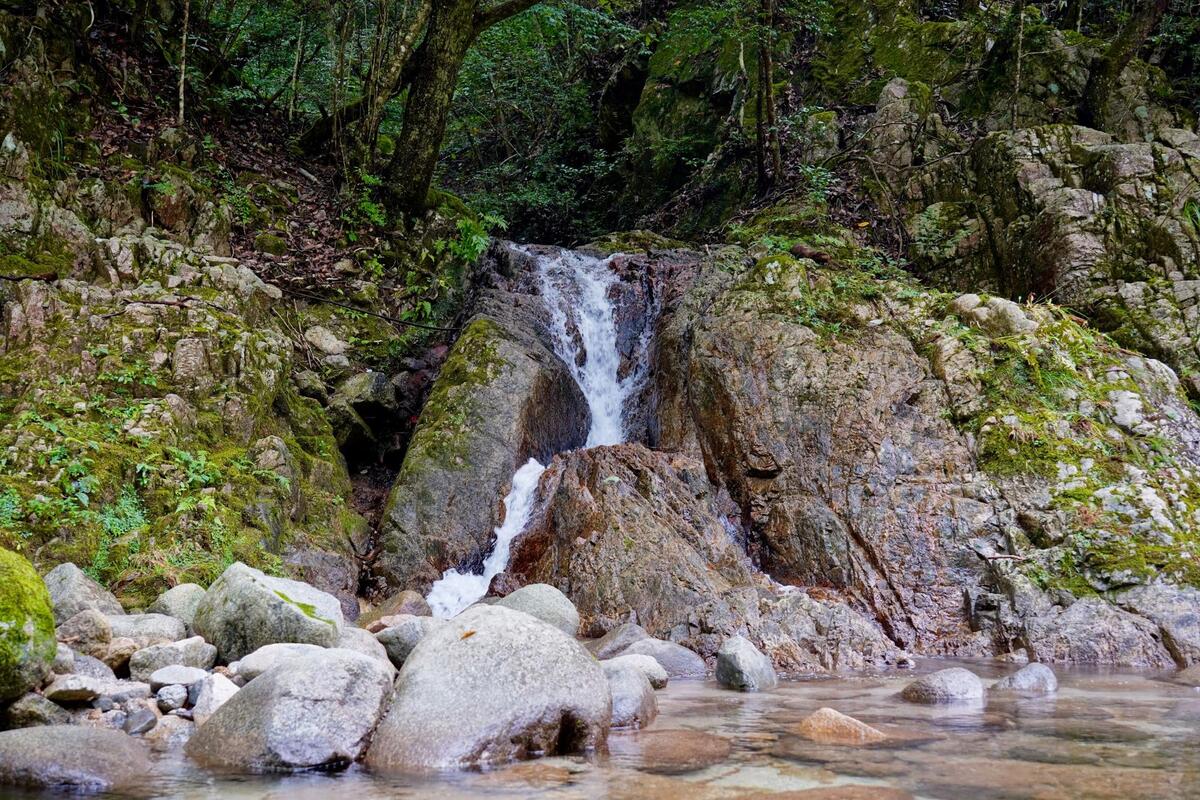
In Nibukawa Valley, the deep green of the forest gives way to rocky outcroppings overlooking the gently flowing water, creating secluded pockets where you can rest and reflect in the zen-like atmosphere. For best results, slow your pace and settle into the landscape for a moment of peace.
5. Mt. Yamainudake (Tokushima) | Moss Gardens and the Serenity of an Ancient Forest
On the eastern end of Shikoku, nestled within the mountains of Tokushima, stands Mt. Yamainudake. The mountain takes its name from the rocks at the top that looked like the jaws of a dog before the summit was reshaped by landslides. Even now, one could easily imagine the woods as a primeval playground for gods and spirits.
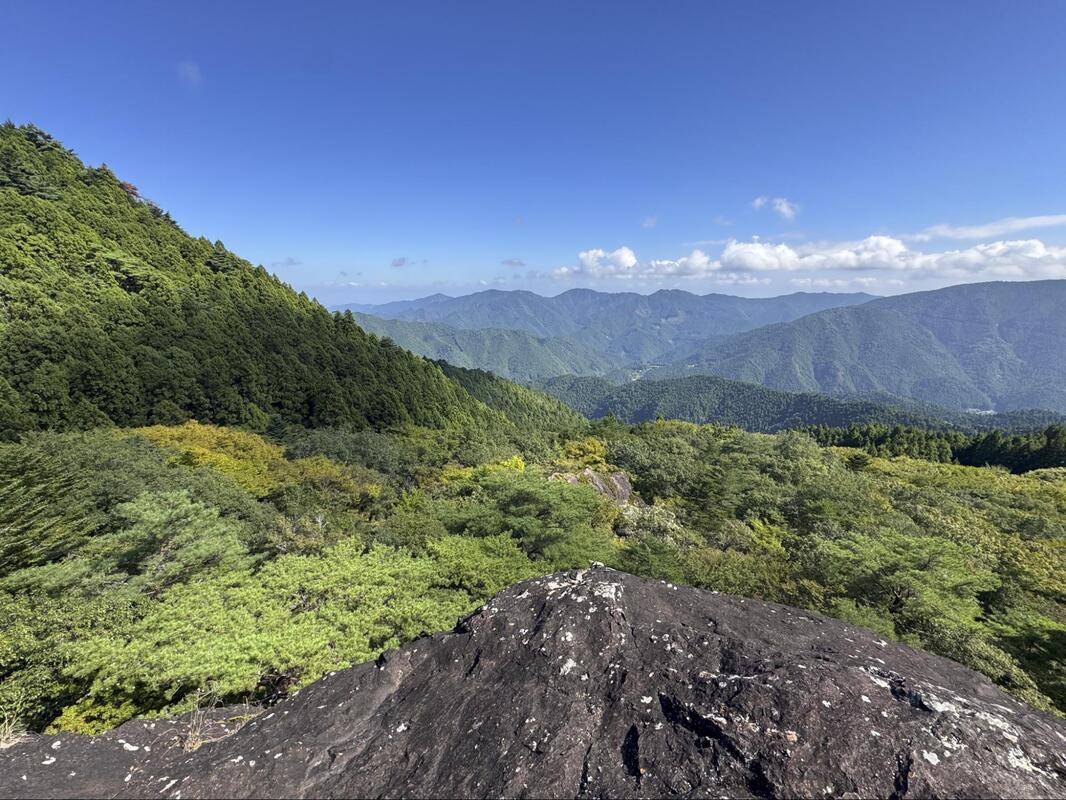
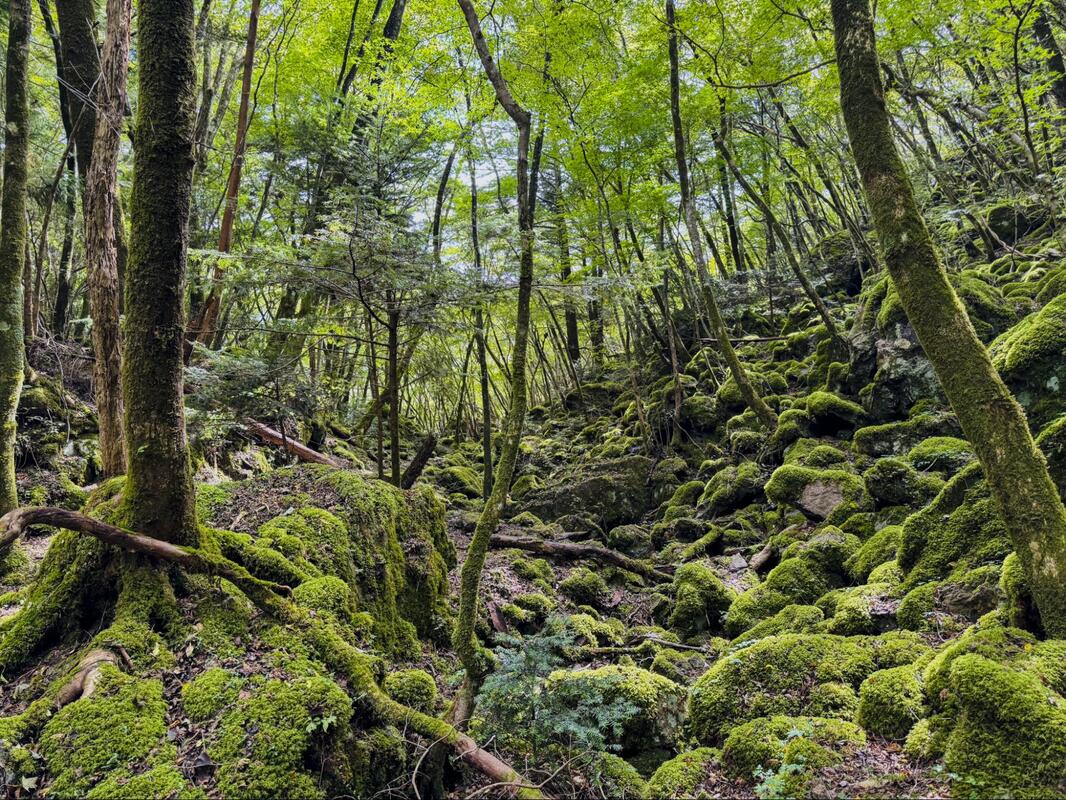
The vibrant green of the forest is complemented by the moss-covered rocks that line the many trails and paths that you can explore in the area. The forest’s landscape is prominently marked with stone megaliths that rise from the sea of green, adding to the fantasy feel of the experience.
While quite well-known within Japan, this spot remains a hidden gem for foreign tourists. Once a training ground for Buddhist ascetics, the moss-covered valley has some shrines, and most notably, is dotted with 88 stone Buddhas, placed in such a way as to replicate the historic Shikoku Pilgrimage in miniature form. For those who make it to the summit, the spiritual experience can be capped off with a visit to Kumosa Shrine, a cavernous shrine dedicated to a rain deity, a nod to the location’s history as a spot used to pray for rainfall.
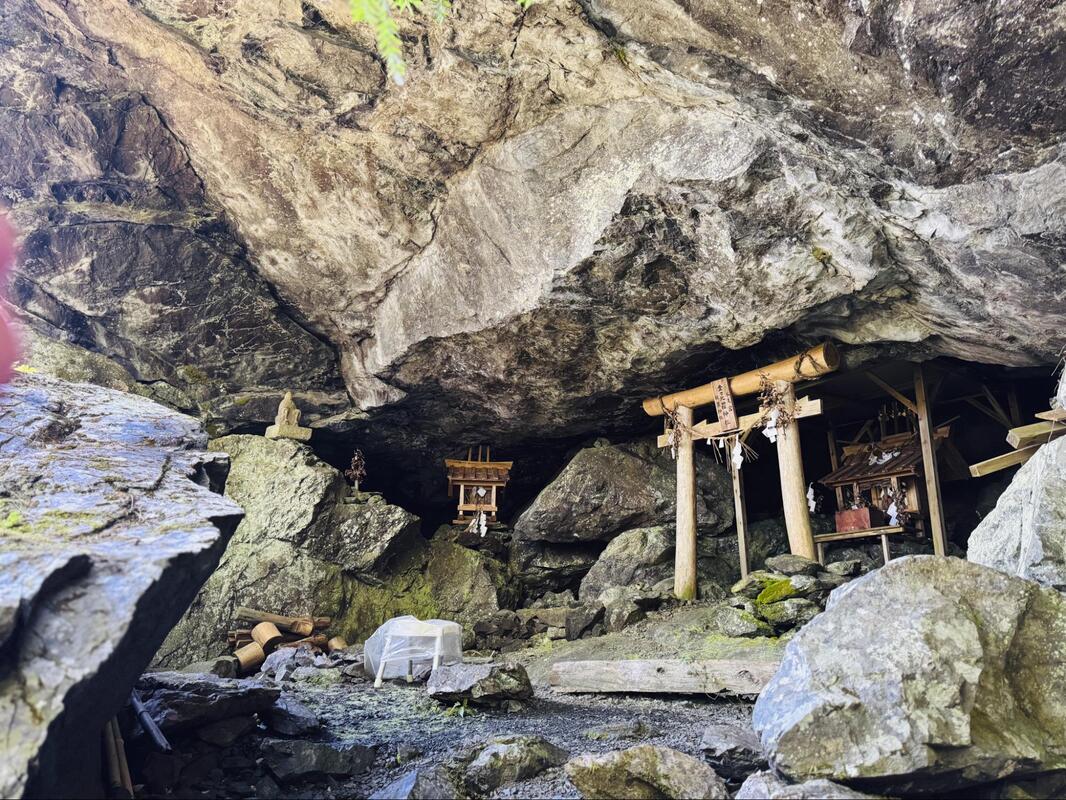
The woods have a mysterious atmosphere throughout the year, but the forest is especially impressive in the summer months, when the natural landscape is shrouded in green. From June to October, the mossbeds of the forest absorb the moisture of the rain and present themselves in the most splendid variety of greens. As the forest gives way to fall, the moss pales, revealing the texture of the rocks underneath, which will once again be covered in lush swathes of green when the spring comes.
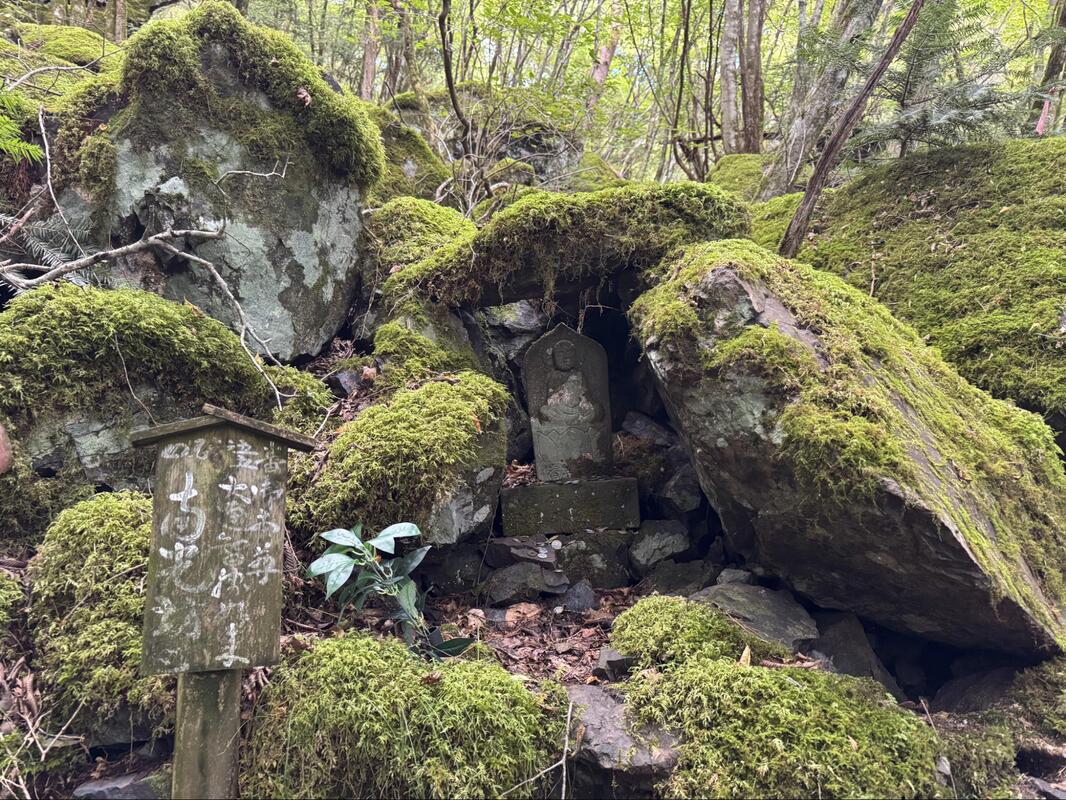
Following the trail through the silent green woods will take you 997 meters above the nearby town of Kamikatsu, where you can end your day off with cultural activities ranging from arts and crafts, trying some of the local beer, or enjoying the local culinary delights.
6. Embracing the Natural Beauty Unique to Setouchi
The Setouchi region rewards those who take their time to explore its trove of natural beauty and historical sights, while also providing momentary reprieve from the sights and sounds of urban areas.
Whether you are making your way southward along the coast and across bridges between islands or trekking along an ancient pilgrimage trail, Setouchi offers a range of experiences that make each traveler’s adventure unique. The peaceful inland sea and lush mountains can be enjoyed year round, and endless variety in both nature and culture make it worth revisiting, from forested groves and vivid valleys, to its most unforgettable seascapes.
Related Articles
-
 Sea & Nature
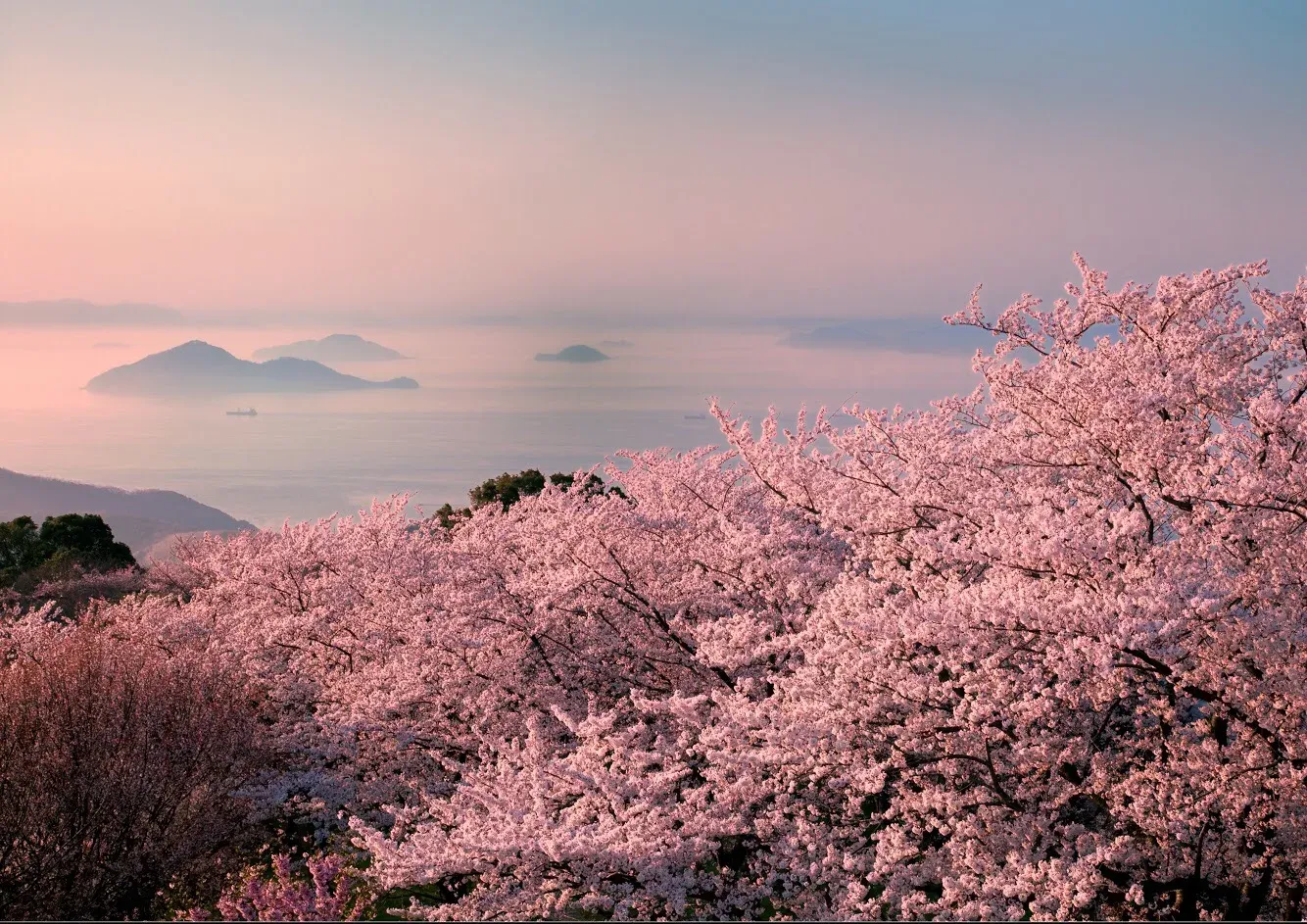
Top 3 spots to visit during Cherry Blossom Season in Setouchi
-
 Sea & Nature
Enjoy Natural Scenery in Setouchi at These Seven Locations
-
 Sea & Nature
Nakajima: A Soothing Day on Japan’s Remote Island Promoting a More Sustainable and Slower Way of Life
-
 Sea & Nature
A Trip Around the Mystical Ponds and Crystal-Clear Waters of Shimonoseki and Mine
-
 Sea & Nature
A Pottering Tour Through Iya Valley: Exploring One of Japan’s Most Secluded Regions
-
 Sea & Nature
At Rest and At Play, Enjoy the Beauty and Nature of Setouchi
-
 Sea & Nature
Islands of the Inland Sea Week 3
-
 Sea & Nature
Trekking and Cave Exploration at Akiyoshidai Quasi-National Park
RELATED DESTINATION
Kagawa
This is an area with many islands, including Naoshima and Teshima, which are famous for art. It also is home to the tasteful Ritsurin Garden. Kagawa is also famous for its Sanuki udon, which is so famous it attracts tourists from throughout Japan. The prefecture is even sometimes referred to as “Udon Prefecture.” [Photo : “Red Pumpkin” ©Yayoi Kusama,2006 Naoshima Miyanoura Port Square | Photographer: Daisuke Aochi]