

History
To Towns Where Time Breathes: A Journey Through the History and Ancient Streetscapes of the Seto Inland Sea

-
- RELATED TAGS
-
- LAST UPDATED
- 26 February, 2026
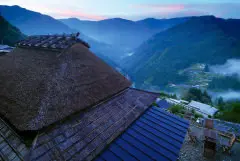
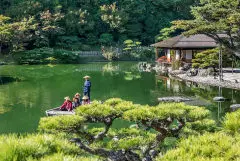
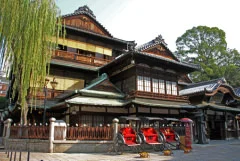
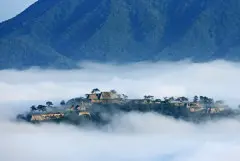
The Seto Inland Sea is an enclosed body of water surrounded by Honshu, Shikoku, and Kyushu. It opens to the Pacific Ocean through two straits and connects westward to the Sea of Japan via the Kanmon Strait. The Inland Sea runs for an impressive 450km, with its restful waters sporting some of Japan’s most tranquil and endearingly rustic townscapes. In a country renowned for its neon-soaked streets and bustling city centers, it is essential that guests allocate some time in their itinerary to the Inland Sea, taking a moment to breathe and experience the pastoral charms of these delightful towns.
The locals of these terrific townscapes, five of which are explored below, have dedicated a great amount of time and effort to preserving the heritage and eccentricities that make their homes stand out as testaments to Japanese tradition.
Table of Contents
- 1. Yakage Townscape (Okayama) | Echoes of a Post Town Where Feudal Lords Stayed
- 2. Takehara Townscape (Hiroshima) | A Town of Salt, Sake, and Culture
- 3. Yanai Townscape (Yamaguchi)| A Port Town with White Walls and Fluttering Yanai Goldfish Lanterns
- 4. Kasashima Townscape Preservation District (Kagawa) | The Original Landscape of a Port Town Protected by Sea Breezes and History
- 5. Ozu Townscape (Ehime) | OZU STORIES, A Journey Walking Through the Story of a Castle Town's Revival
- 6. Summary | Traveling Through Museums Called "Towns"
1. Yakage Townscape (Okayama) | Echoes of a Post Town Where Feudal Lords Stayed
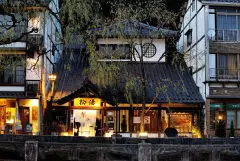
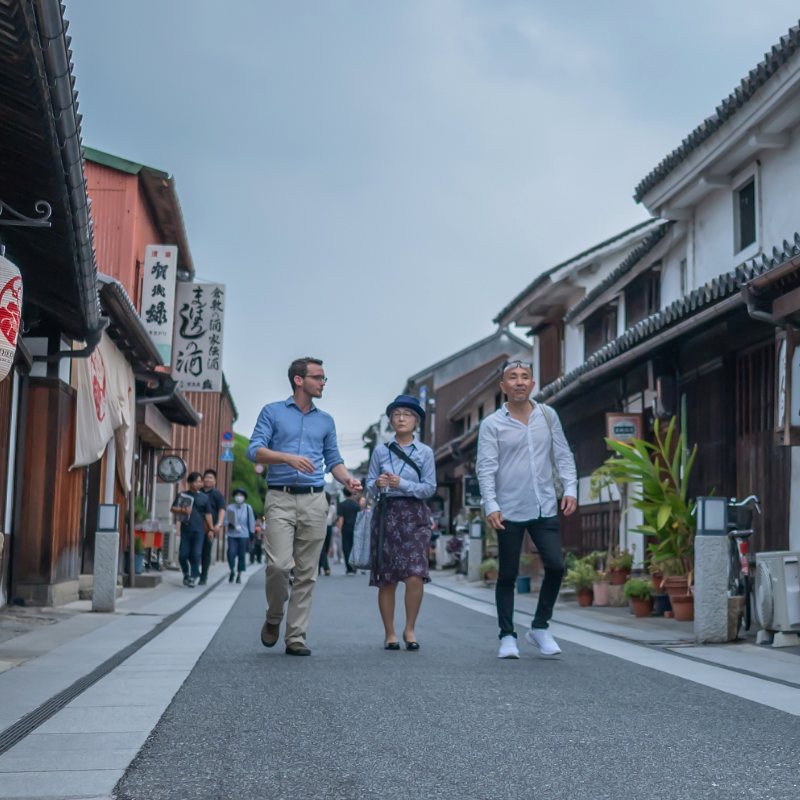
Around an hour from Okayama Station, a gorgeous post town stands as both a community and a living museum. Originally serving the role of a post town on the Sanyo Road during the Edo period (1603-1868), Yakage-juku is still awash with the picturesque traditional machiya (wooden townhouse that can be used as a commercial space) houses that would have invited weary travelers on their way to the old capital.
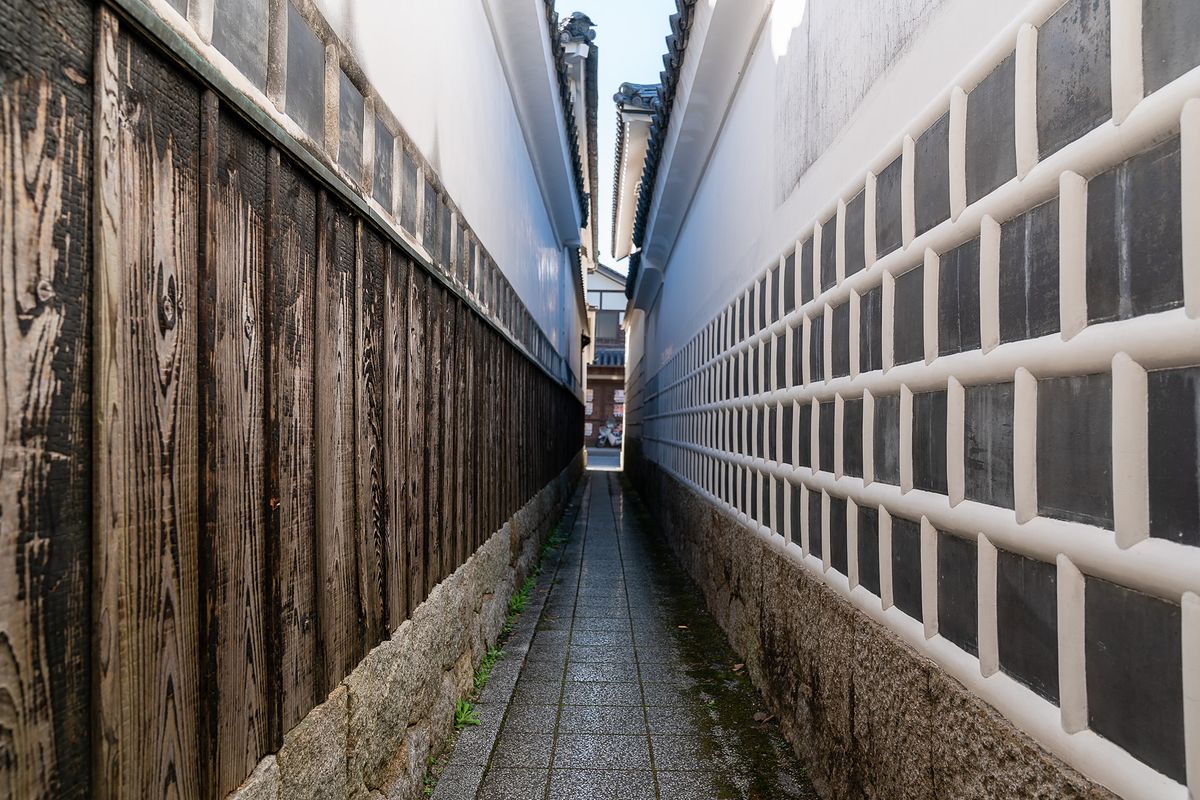
The town is also home to the only place in Japan where both a honjin and a wakihonjin are designated together as Important Cultural Properties, dating back to the Edo period, linking the country’s storied past with the present day. The honjin were inns reserved solely for members of the court nobility and the daimyō (feudal lords subordinate to the shōgun). Wakihonjin were secondary inns set up when necessary.
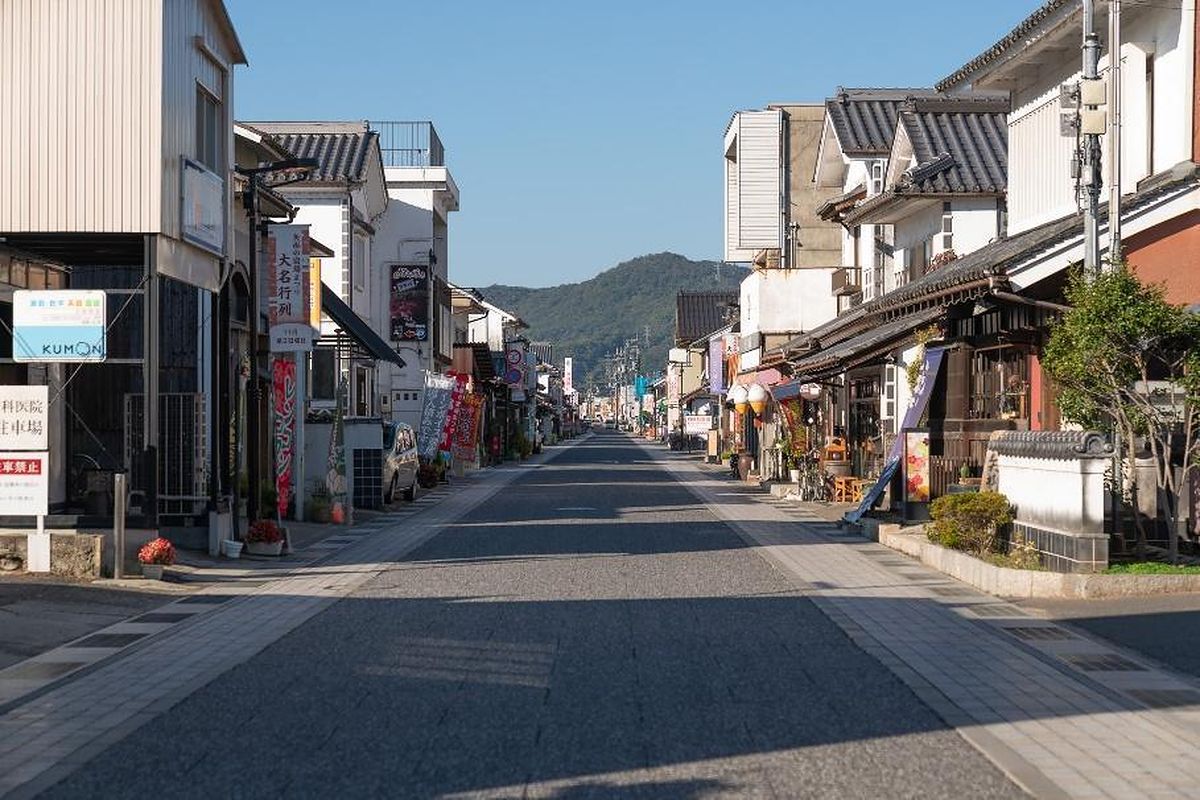
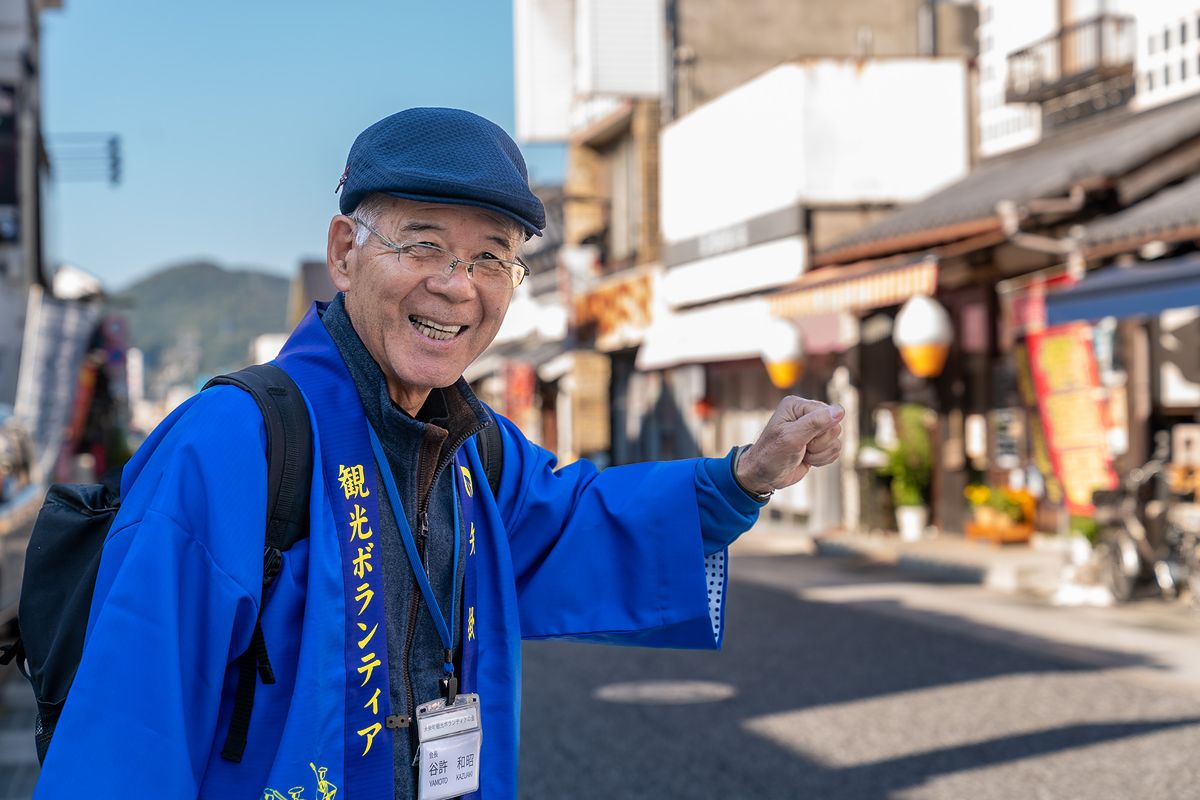
Today, two of these homes still open their doors to guests, both domestic and foreign tourists alike. With local records displaying the ledgers of travelers past, Yakage-juku has been able to blend a respect for tradition with an acknowledgment of modernity. Most of the electrical wires run underground, leaving the view of the well-trodden streets unobstructed. Though recent renovations have acted to preserve and revitalize the commercial aspect of the town, this is not a gentrification effort. Rather, such efforts have created a “living townscape,” with the once disused machiya now pulling up their shutters to serve the community and its guests once more.
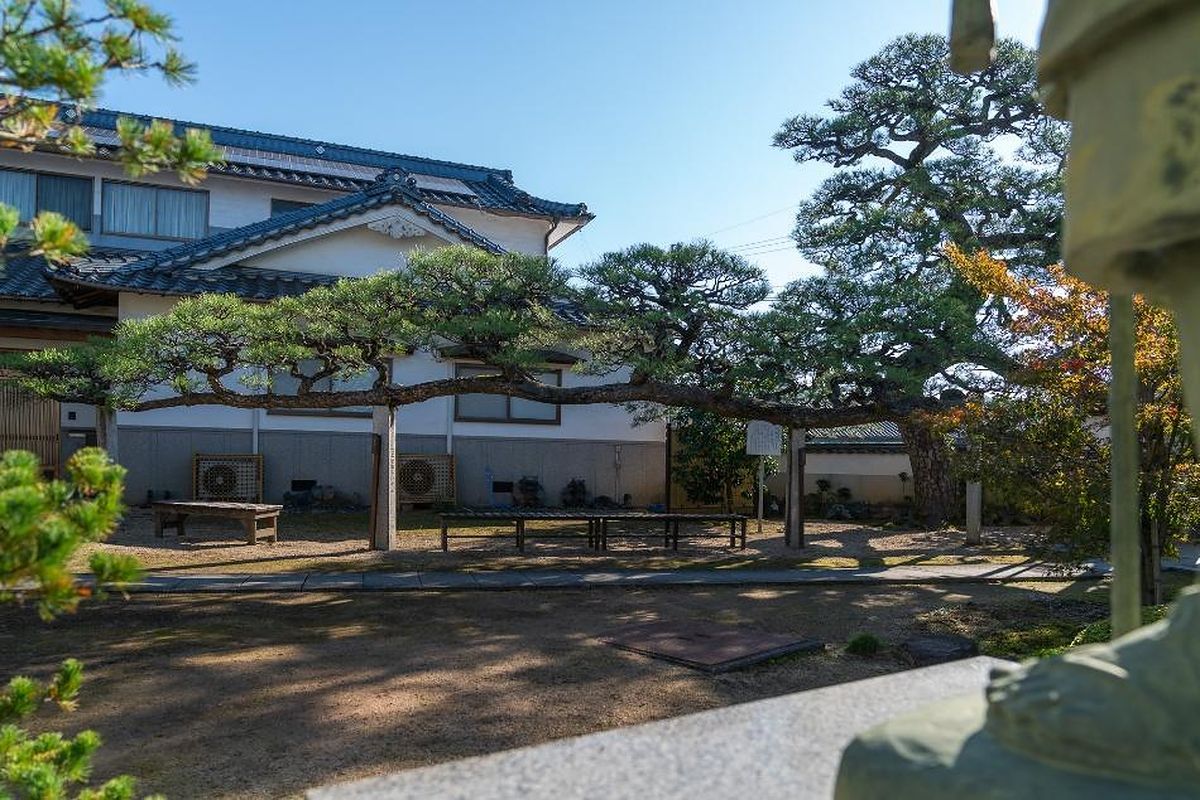
Local highlights include the Ishii Soy Sauce Shop, a brewery that still manufactures its signature ‘Akai’ brand using handmade methods, and the traditional sweet shop, Sato Gyokuundo, which produces yubeshi, a rice cake confectionery made with yuzu.
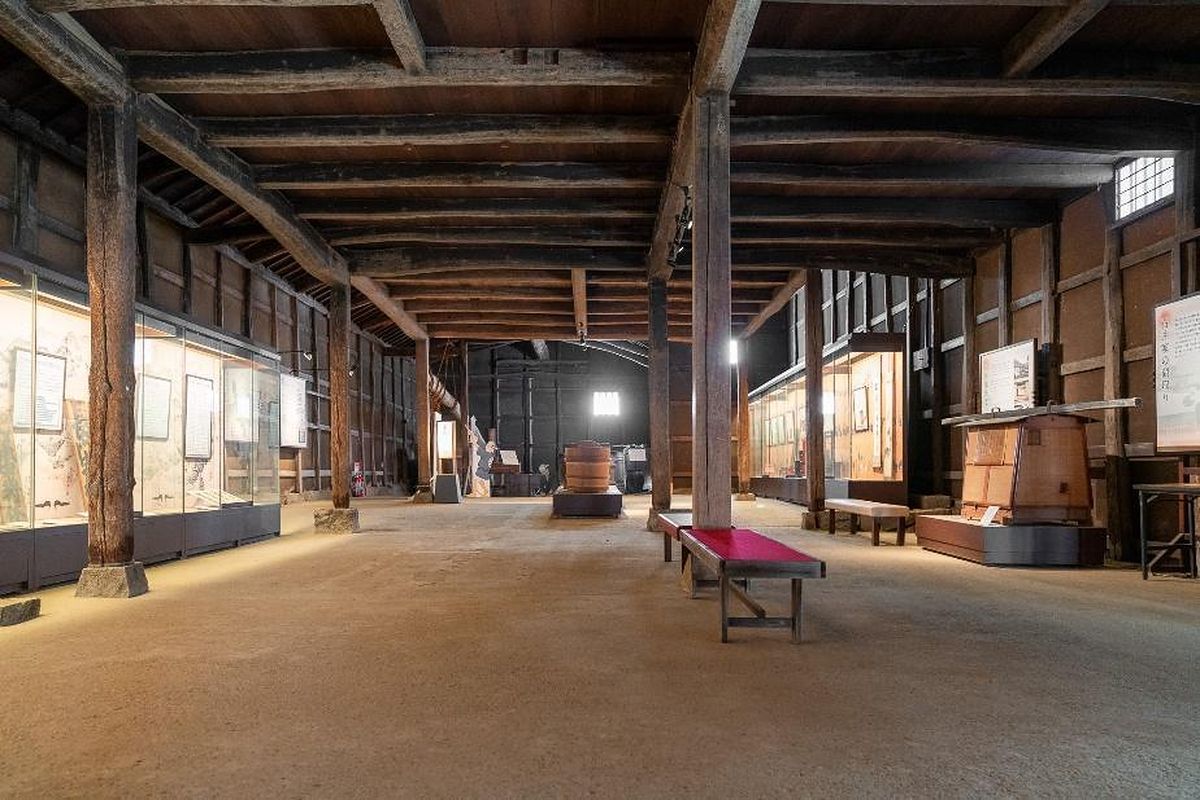
2. Takehara Townscape (Hiroshima) | A Town of Salt, Sake, and Culture
For the love of sake and salt. Takehara is a townscape located in Hiroshima Prefecture that champions the domestic delicacy of nihonshu (Japanese rice wine), with several breweries dotted around its scenic streets. Takehara has been designated as a National Important Preservation District for Groups of Traditional Buildings, offering breathtaking views of the Seto Inland Sea’s calm waters.
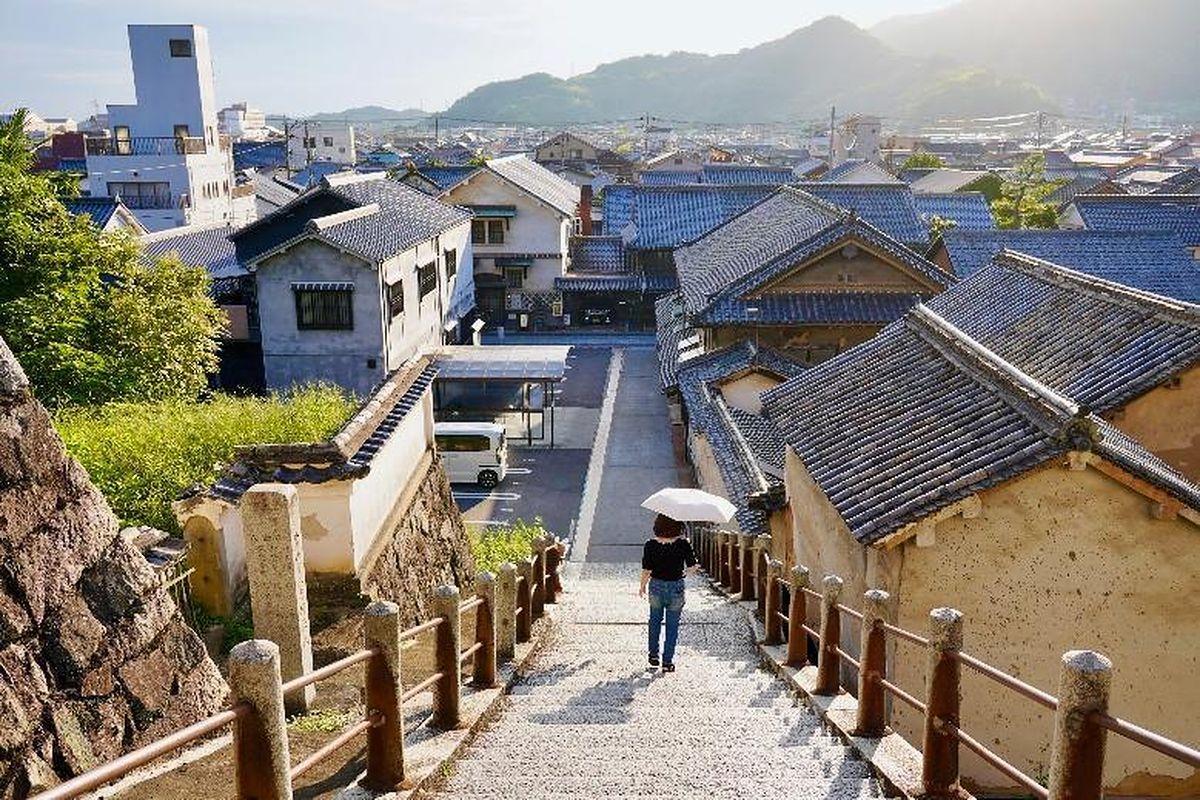
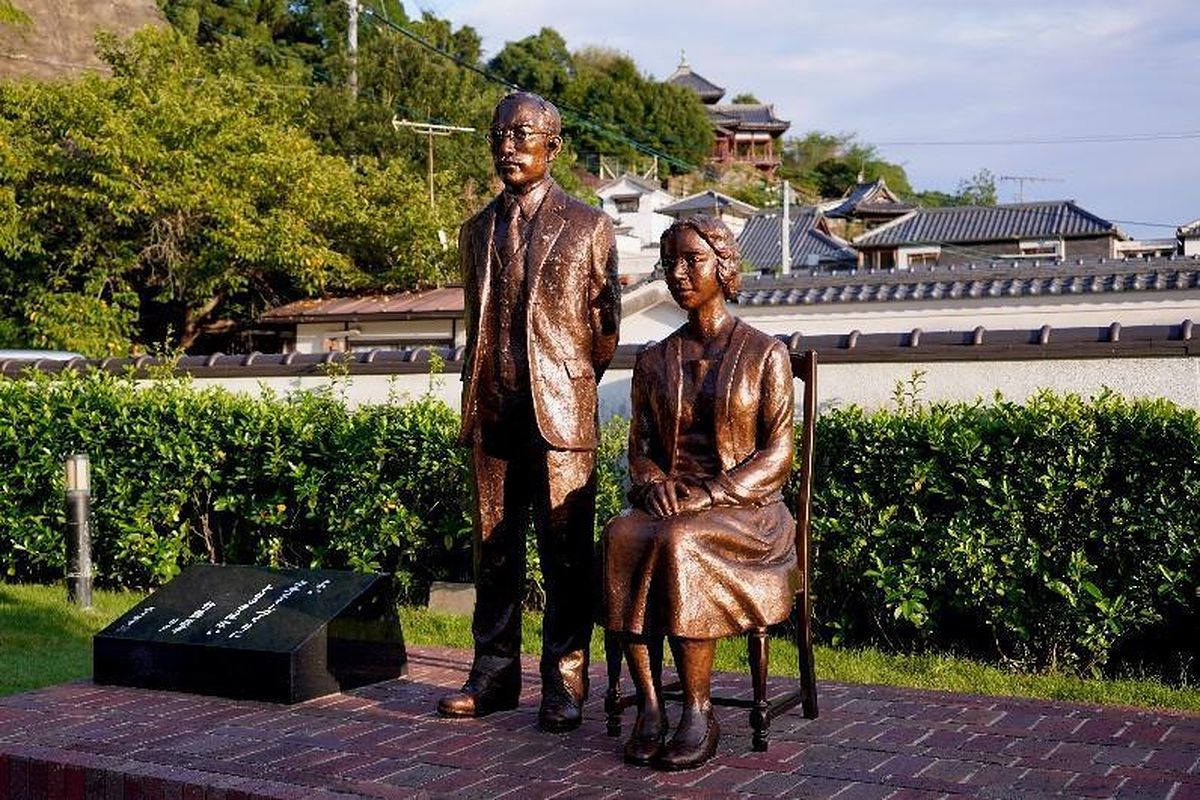
Historically, Takehara was a positively prosperous town, originally due to its salt production, and later renowned for its sake brewing skill. These generational crafts have been lovingly passed down, and as such, guests are implored to visit the small breweries that are still fermenting their classic recipes. The sake savants of Takehara are revered to such a degree that bronze statues of Masataka Taketsuru, the Takehara-born founder of Japan’s whisky industry, and his wife, Rita, were created by local artist Makimasa Imai and stand tall to this day.
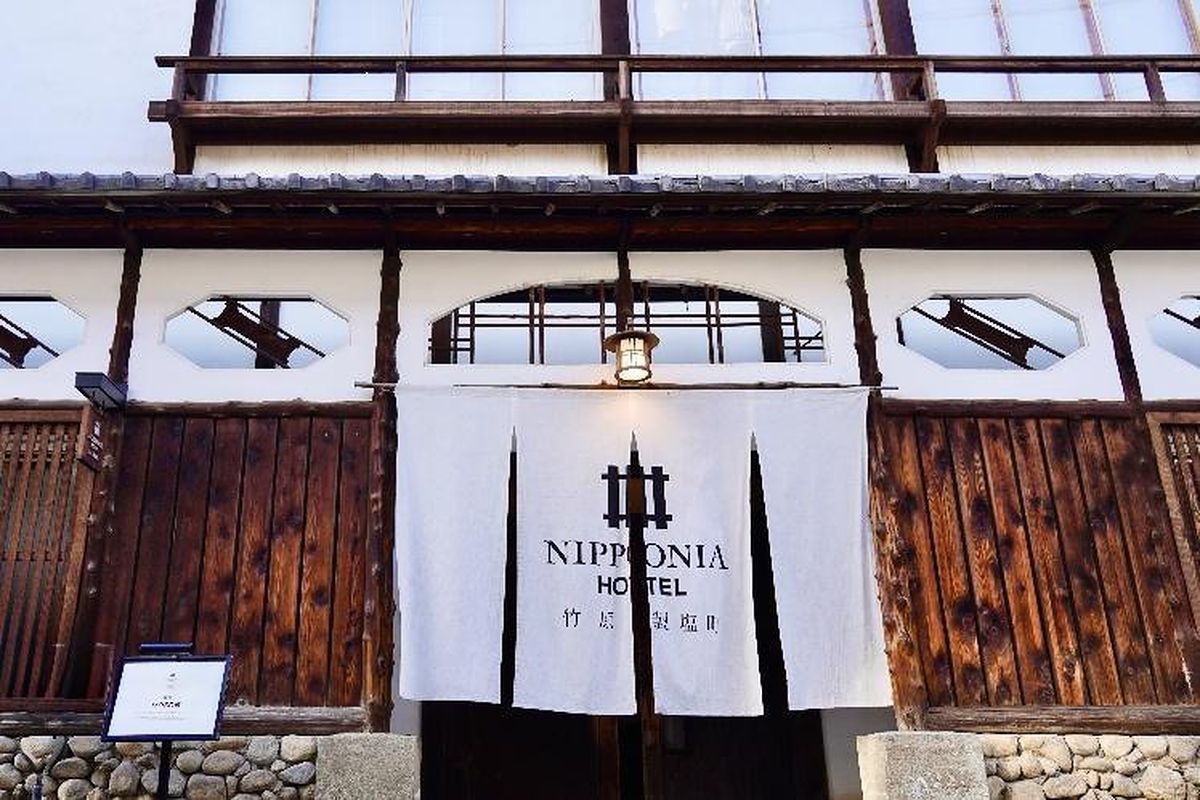
As a sign of the times, Takehara’s once historic prosperity has receded into modern obscurity, leading to much-needed renovations of the town’s hospitality establishments. Nipponia Hotel has restored some of Takehara’s disused traditional residences and has since transformed them into luxury accommodations. Thus, now with the amenities to stay the night, guests can freely enjoy the local landmarks, including the famous temples of Saiho-ji and Shoren-ji. The former is reachable via a staircase that rises high above the townscape and leads to Fumeikaku, a bright red square three-bay hōgyō-zukuri style stage structure modeled after Kyoto’s famous Kiyomizu-dera. From Fumeikaku’s wooden platform, guests are afforded a pristine panoramic view of the tranquil town below and the looming mountains that lie beyond.
3. Yanai Townscape (Yamaguchi)| A Port Town with White Walls and Fluttering Yanai Goldfish Lanterns
Known as the “Townscape of White Walls,” Yanai City in Yamaguchi Prefecture has maintained a strong grip on the traditions of Japan’s merchant past. From the Edo (1603-1868) to the Meiji periods (1868-1912), the architecture of Yanai has earned its nickname from the whitewashed walls and kawara (fire-resistant ceramic tiling) roofs of the residences that line the streets of the old town. The main street is populated by such housing, following and maintaining the kura-zukuri (clay-walled warehouse) aesthetic styling of commercial eras past. This method created deep-lying, dual-function housing, with shopfronts facing the street and living quarters situated on the upper floors. While not all of these establishments that still stand on the main street function as businesses, the residents’ preservation efforts have ensured that the street remains active and bustling.
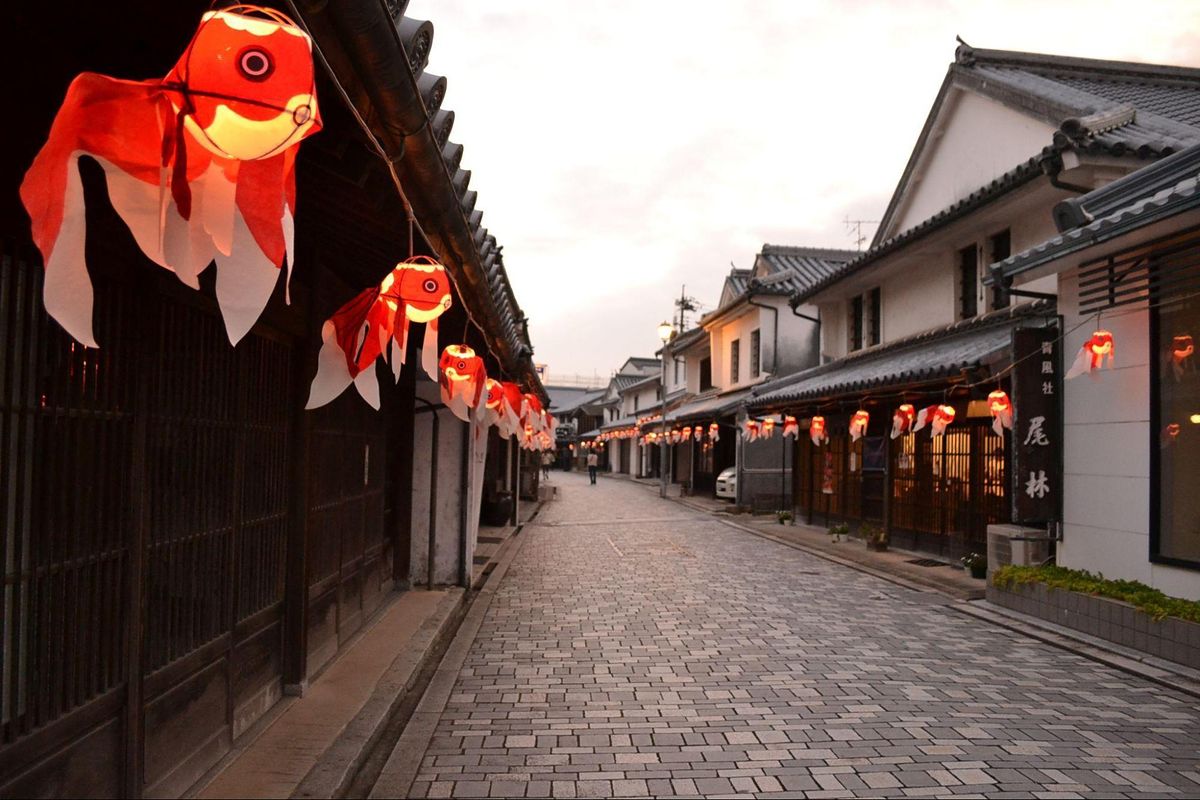
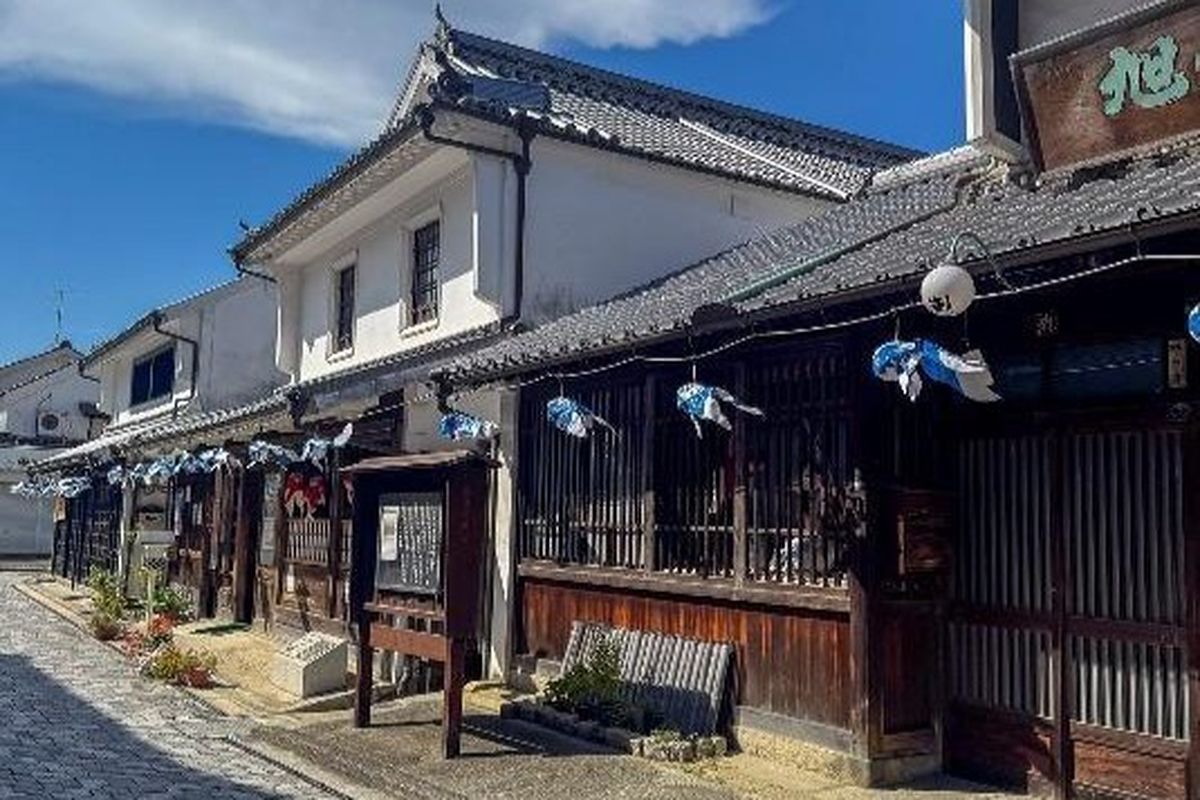
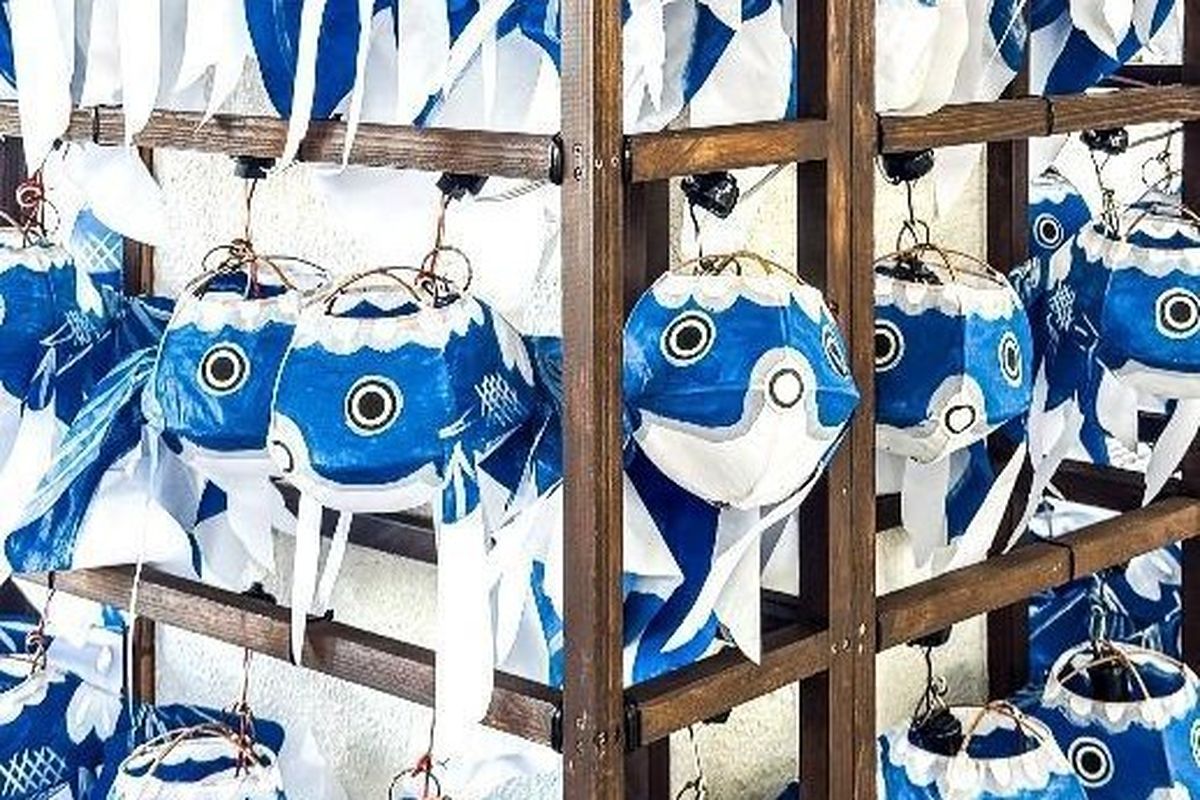
Yanai is further famous for the large array of goldfish lanterns, known locally as Yanai kingyo chochin, that illuminate the summer nights as they serenely sway in the warm breeze. Red in color and omnipresent during the late-summer festivals, these endearing crafts are often displayed below the eaves and doorways of businesses and residences alike. As the seasons begin to change in September, so too does the palette of lanterns, turning blue to commemorate the International Day of Sign Language. These white-and-blue variants pair perfectly with the white walls and blue skies of early autumn.
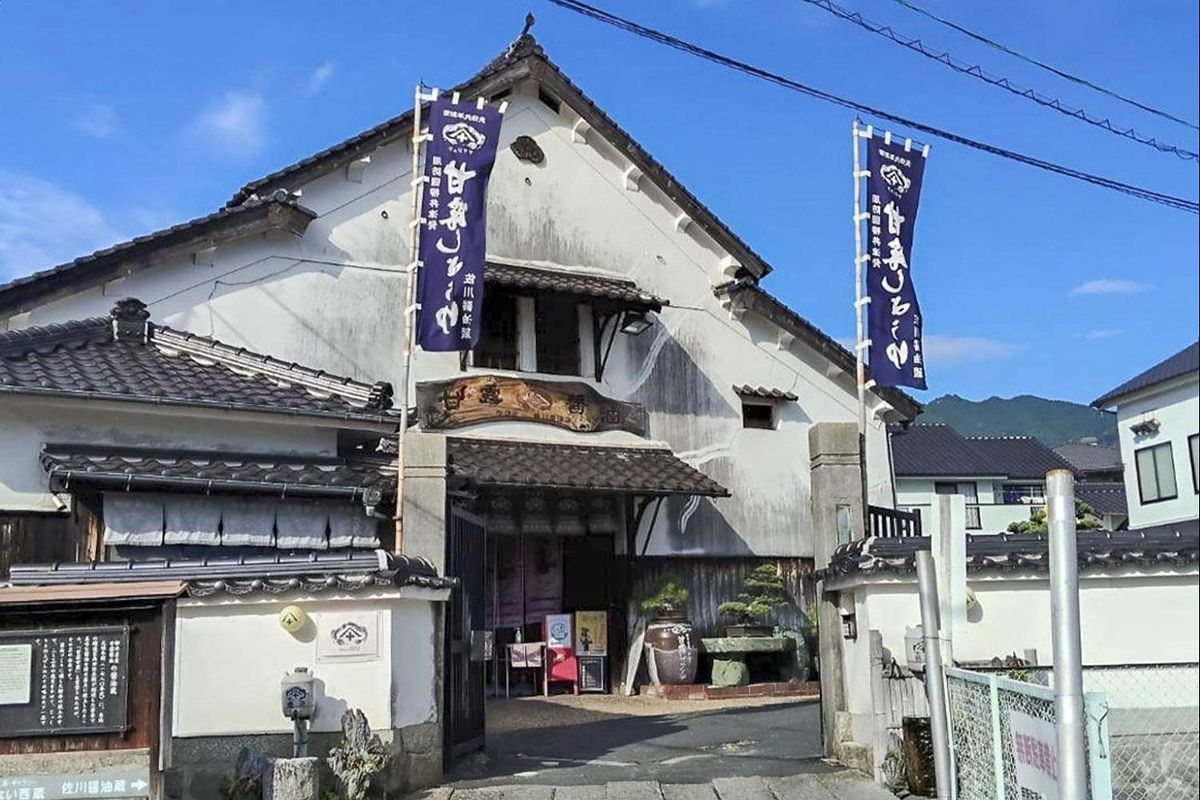
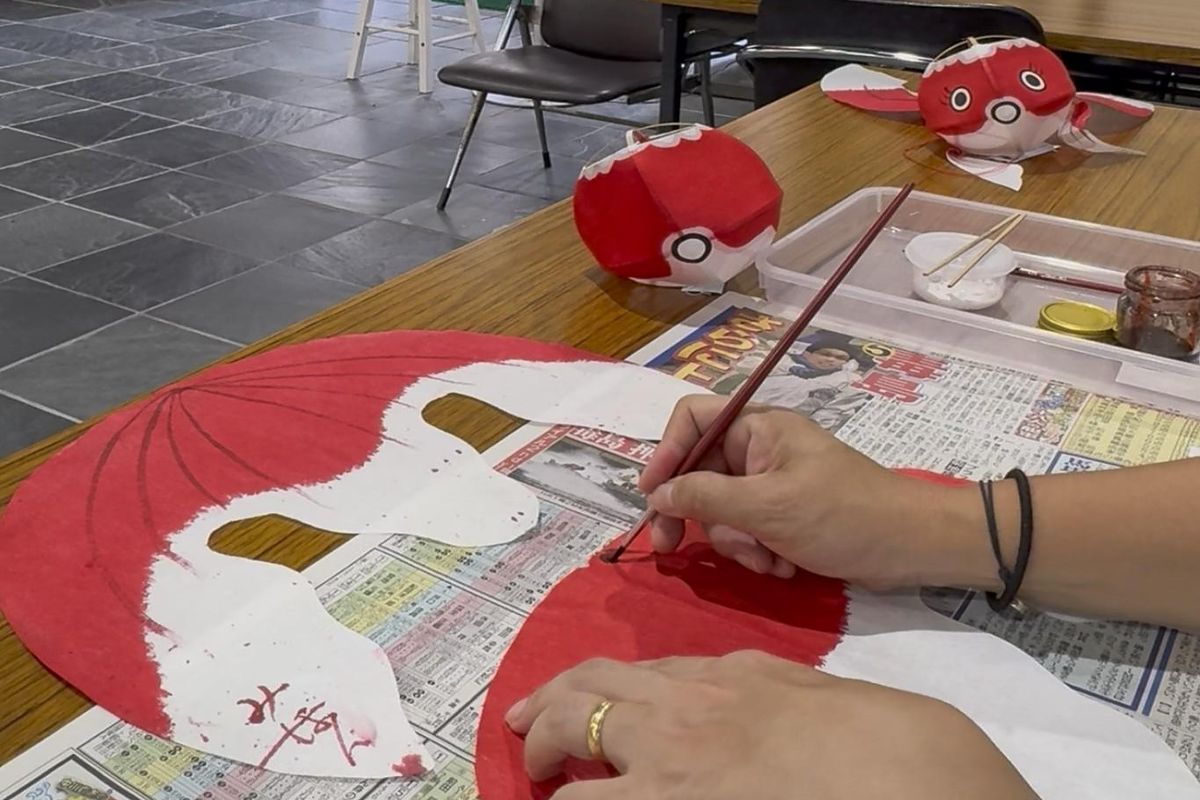
The goldfish lanterns and unique architecture of Yanai epitomize the city’s commitment to folk craft. Yanai Nishigura is the district’s folk crafts spot, located within a restored storehouse. It is here where visitors can craft their own kingyo chochin and experience Yanai-jima through weaving and dyeing activities. The space serves as a gallery and workshop, showcasing tools, patterns, and finished pieces that highlight the craft’s history. Staff guide participants step by step in crafting the lanterns, making the process accessible while honoring local traditions.
4. Kasashima Townscape Preservation District (Kagawa) | The Original Landscape of a Port Town Protected by Sea Breezes and History
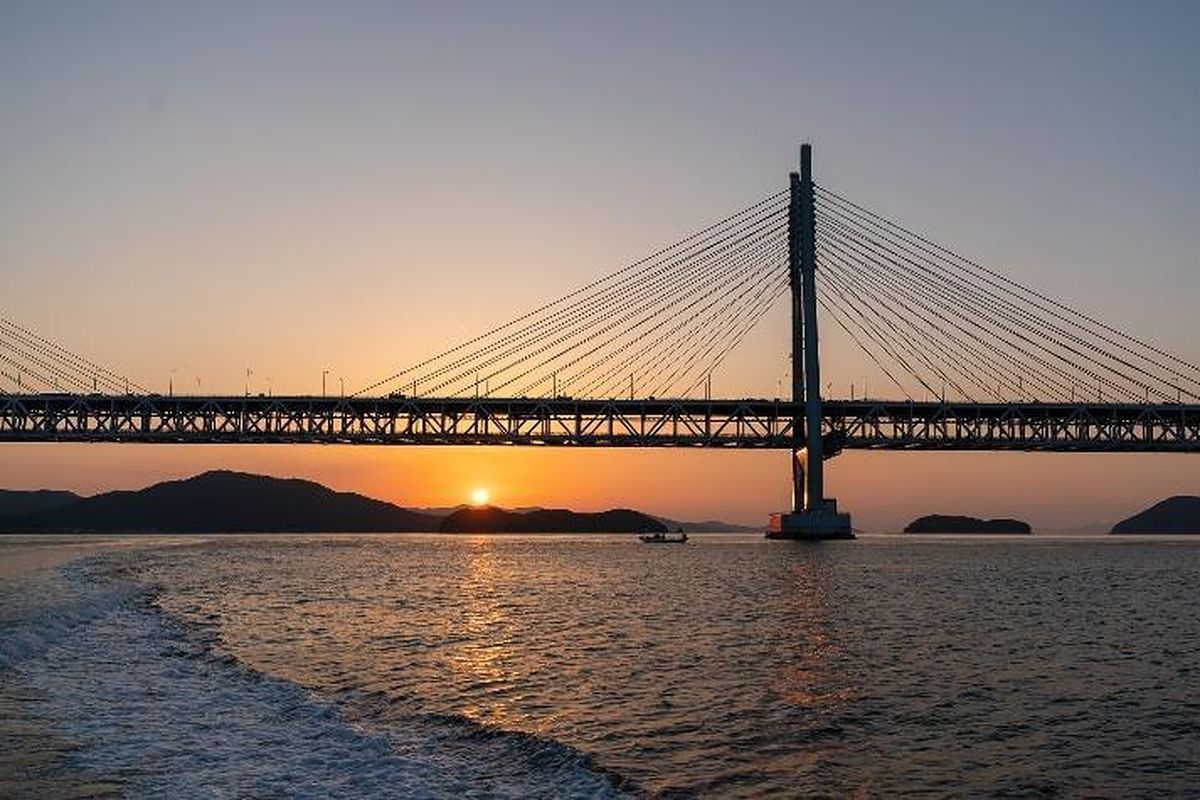
The Kasashima area on Honjima Island has been designated as a National Important Preservation District for Groups of Traditional Buildings, serving as the political and economic center of the Shiwaku Islands since medieval times. Upon this island lies the Kasashima District, a townscape dedicated to the preservation of this port town’s ambient serenity. Illustrated by its cobblestone streets and rustic merchant housing, the image of Kasashima is as peaceful and modest as the volume in which sound travels throughout this tranquil town.
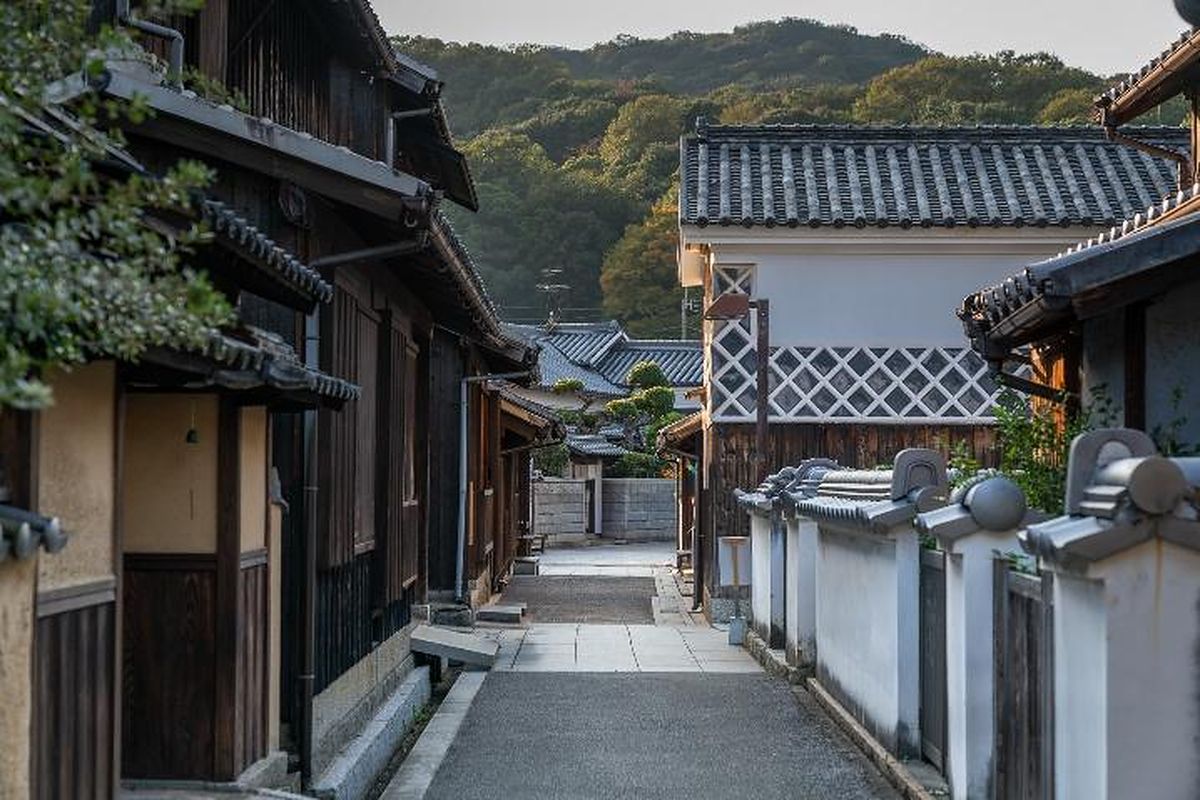
The town’s status as a port town necessitated that it be ready to fend off attackers arriving via the Inland Sea’s waterways. As such, the streets of Kasashima are intricate and winding, with a number of alleyways and sudden twists and turns. Such civil architecture was needed to disorientate the pathfinding of any would-be invader, although today it affords the town an endearing degree of landscaping intrigue. The town is formidable, though its makeup of traditional townhouses ensures that it is also charming. The shipbuilding exploits of the Shiwaku carpenters, integral to the town’s defense, are also a fabulous hub for historical learning for all who visit this scenic town. The Shiwaku carpenters were a group of master builders based in the Shiwaku Islands, located between Okayama and Kagawa prefectures, who constructed numerous buildings primarily in Okayama and Kagawa from the Edo period (1603-1868) through the Meiji period (1868-1912).
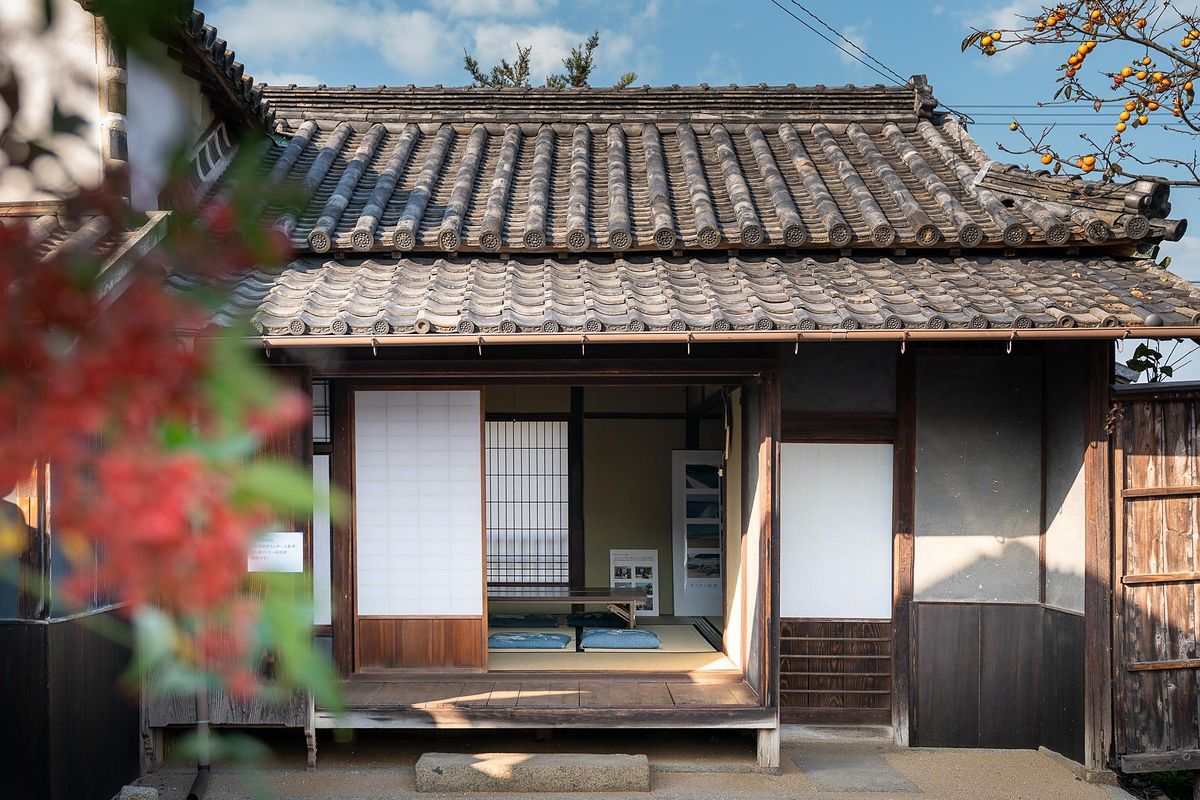
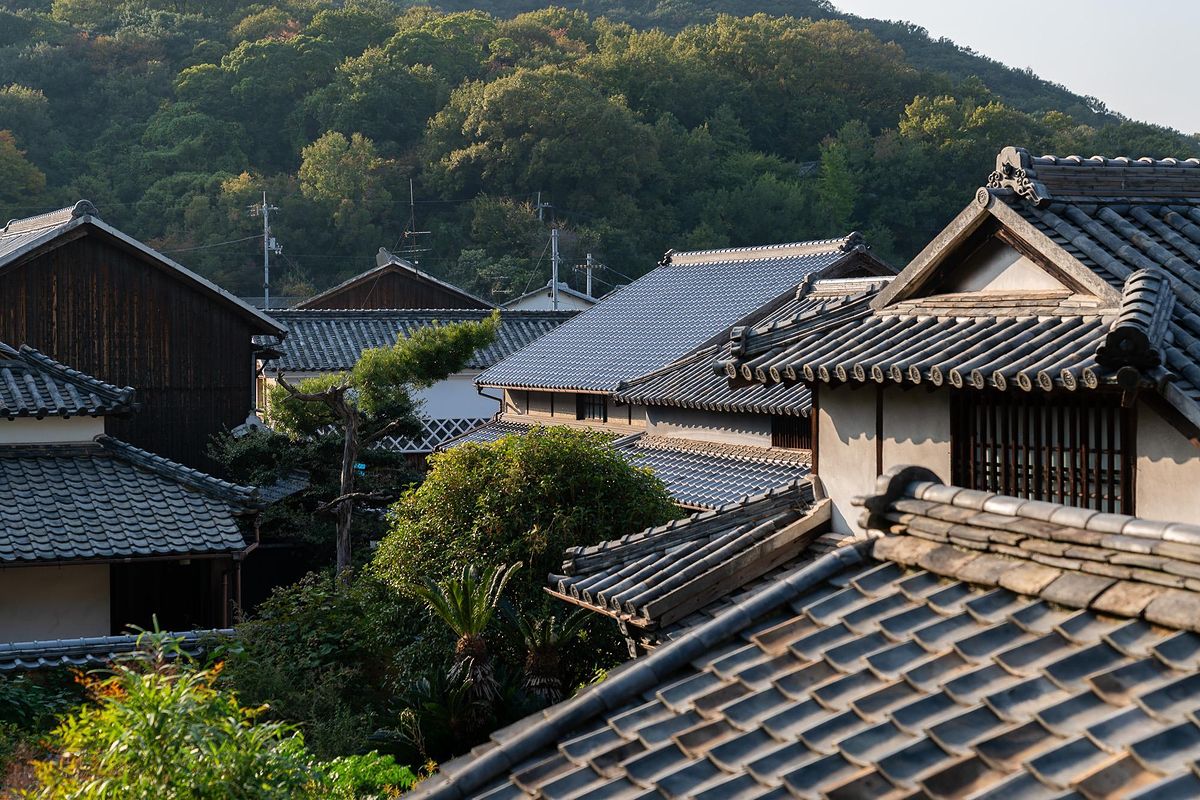
Guests are implored to visit the fruits of Kasashima’s preservation efforts, including the Maki Residence, which serves as the Community Interaction Hall; the Sanagi Residence, which functions as the Townscape Preservation Center; and finally the Fujii Residence, which is the town’s central archive. Seemingly untouched for many years, these preservation efforts have permitted the image of this picturesque port to remain unblemished.
5. Ozu Townscape (Ehime) | OZU STORIES, A Journey Walking Through the Story of a Castle Town's Revival
Ozu, known as “Iyo’s Little Kyoto” and located in a secluded and serene area of Ehime Prefecture. Along the Hiji River, the townscape unfolds with scattered merchant houses and traditional storehouse buildings, where traces of everyday life and culture from the past still quietly endure.
The pictorial city of Ozu has faced a variety of modernization challenges resulting from population decline and a rising number of vacant housing units. However, it is through such adversity that the residents of this historical townscape have managed to flip a preservation predicament into a tourism-driven revitalization product.
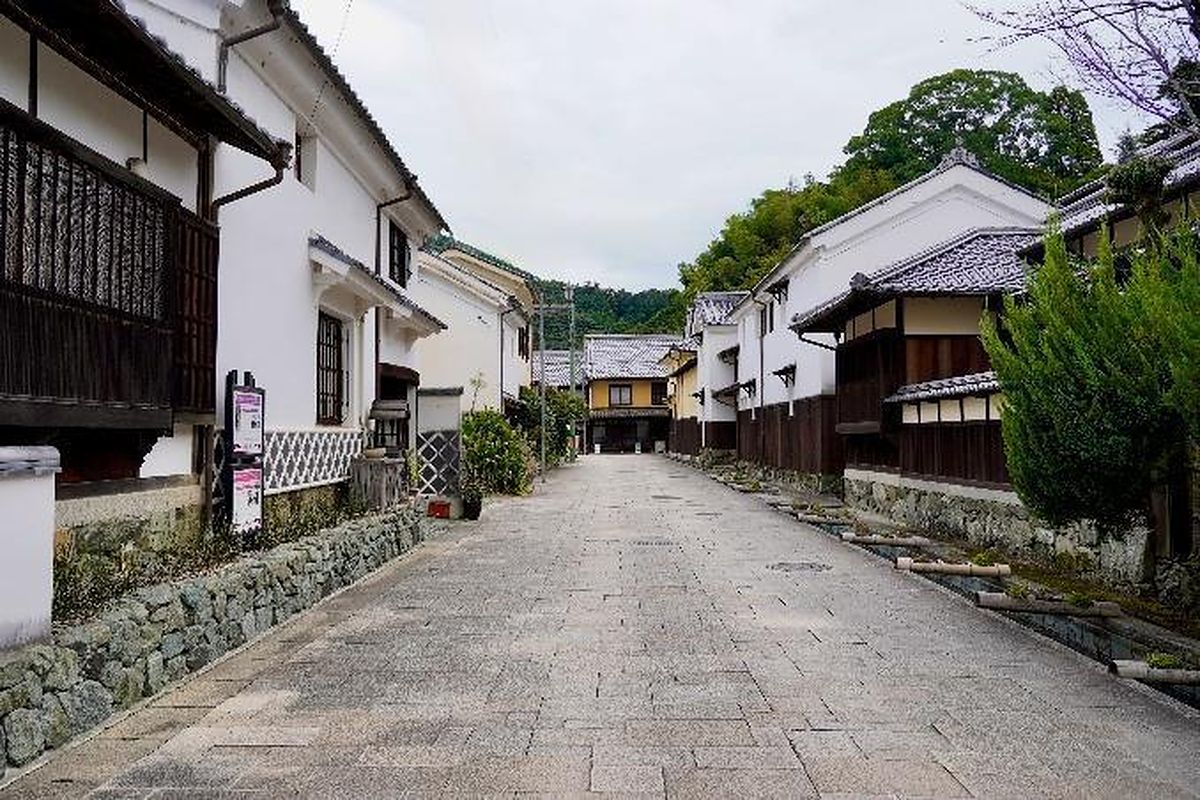
OZU STORIES is an initiative that presents the townscape revitalization process itself as a “story,” transforming it into guided tours and experiential programs through which visitors can actively experience the narrative firsthand.
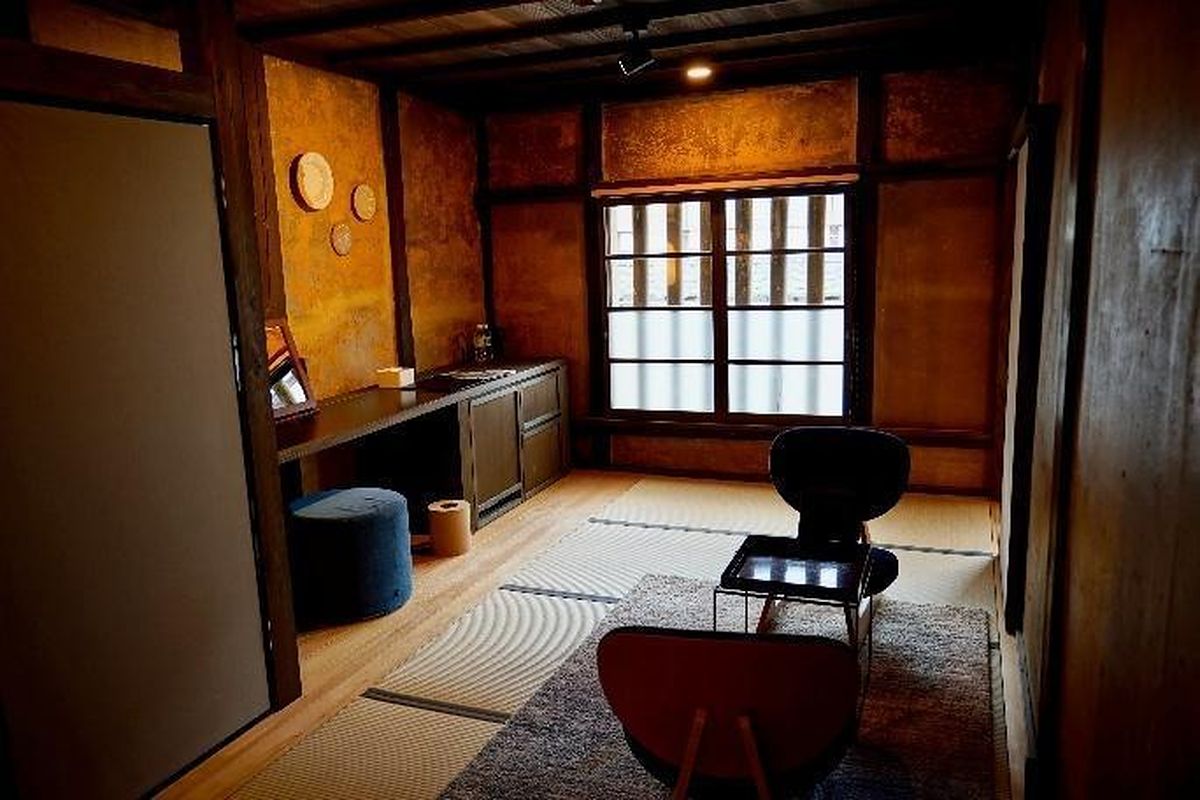
Guided by local experts referred to as “Spinners,” visitors to Ozu are led on a tour to visit sites of the townscape’s regeneration, interacting with local residents as they pass through the ambient streets of this castle town. From shops to cafes to accommodation, guests will be shown several examples of the fabulous architectural restructuring efforts that are giving this historical community a new lease on life. As younger generations take flight to the bustling metropolises, historic castle towns such as Ozu have become increasingly reliant on tourism. Ozu has pioneered the ‘Castle Stay’ lodging, with the Garyu Sanso villa worth a detour all its own. Rather than removing these testaments to tradition, they are being remodeled and their usage reimagined. Without such novel efforts, towns like Ozu would be condemned to fleeting memory, a casualty of the modern age.
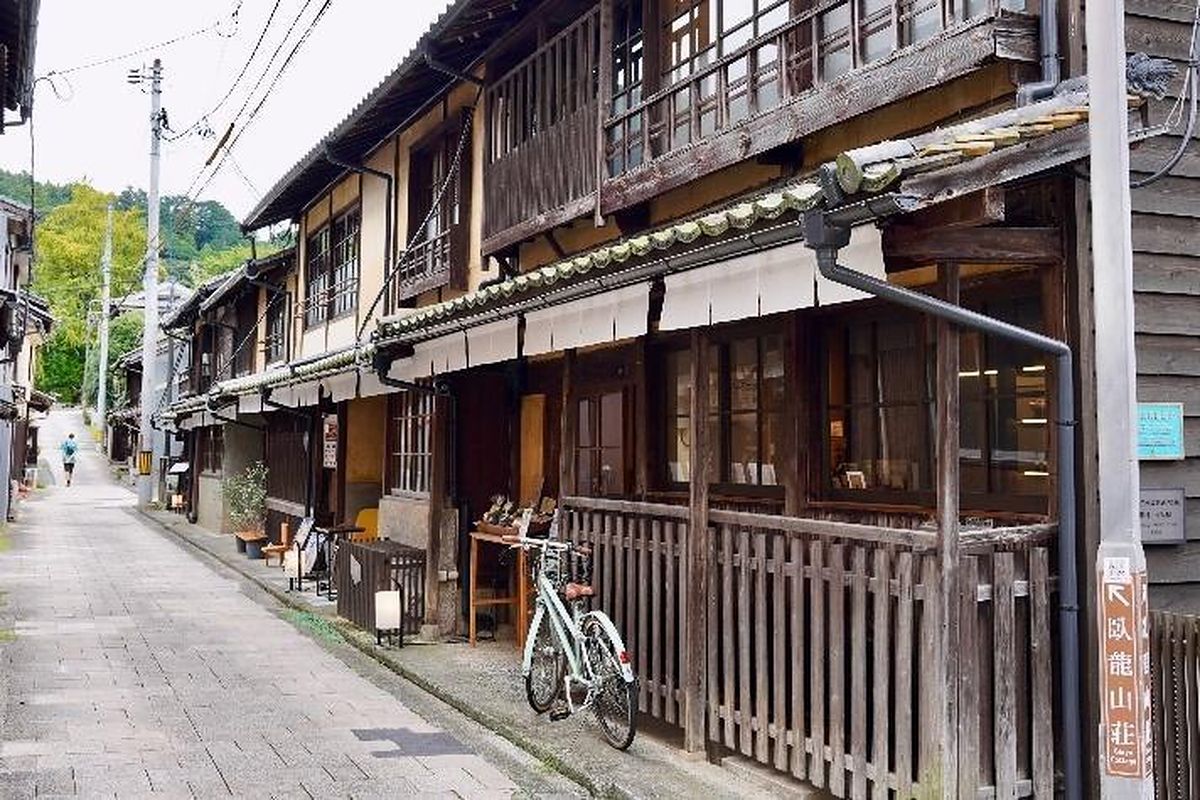
OZU STORIES serves as a bridge between the history Ozu has lived through and the town’s present form, renewed through revitalization.
While other regions with historic townscapes often preserve and convey images of the past, Ozu stands out because visitors can walk its regenerated streets and actively retrace the story of its transformation.
6. Summary | Traveling Through Museums Called "Towns"
The rapid pace of Japan’s post-war industrialization, which necessitated many to flee to the commerce hubs of Tokyo and Osaka, has further quickened the decline of the country’s rural communities. However, some areas have refused to be condemned to history, simultaneously preserving tradition while acknowledging the needs of a modern society. It is here that Setouchi’s serene townscapes have stood up to be counted. Setouchi’s communities, like those mentioned within this article, are not merely dusting off the relics of the past but rather a blend of adherence to tradition with an embrace of the present, ultimately resulting in a living history that can be passed down to those who follow in the footsteps of Setouchi’s sublime artisans.
Related Articles
-
_毛利報公会_持溝さん撮影.jpg) History
HistoryTour the Stately Residence and Garden of a Powerful Daimyo Family
-
 History
Walk Through the White-Walled Streets of Kurashiki’s Merchant Past
-
 History
An Architectural Pilgrimage Through Setouchi: Experiencing the Region’s History, Tradition, and Modern Spirit
-
 History
4-day history and culture experience in Yamaguchi and Hiroshima
-
 History
Tsuyama: Wander Through a Thousand-Year-Old Castle Town Where Historical Marvels Meet Sustainability
-
 Food & Drink
Discovering the History and Culture of Setouchi Through Sweets
-
 Food & Drink
5 Setouchi Sake Breweries Where You Can Tour and Experience Sake Making
-
 Adventure & Experience
Five Cycling Routes in Setouchi
RELATED DESTINATION
Okayama
The Okayama area has flourished as an area alive with various culture including swords, Bizen ware and other handicrafts. Because of its warm climate, fruits such as peaches and muscat grapes are actively grown there. It is also dotted with places where you can see the islands of the Seto Inland Sea.