


Art & Culture
Setouchi’s Hidden Art Gems

-
- RELATED TAGS
-
- LAST UPDATED
- 25 February, 2026
The Setouchi region is home to many art museums based in big cities, in addition to playing host to the high-profile Setouchi Art Triennale that attracts masses of people to view site-specific works spotlighted across a few key islands in the Seto Inland Sea. But wander just a bit off the beaten mainstream path, and you will find a handful of hidden art gems that are well worth the detour. Not only do these museums collect major artists, in many cases the structures they inhabit are architectural artworks in themselves — architecture that highlights the fascinating relationships between art and the ever-changing landscapes and seascapes of the Seto Inland Sea.
Table of Contents
- 1. Nagi Museum of Contemporary Art (Okayama) | Artworks Integrated Into Architecture
- 2. Hyogo Prefectural Museum of Art (Hyogo) | An Open Cultural Hub Where Architecture and the Sea Resonate
- 3. Simose Art Museum (Hiroshima) | Admire art, inside art
- 4. Omishima Art Museum / TOKORO MUSEUM OMISHIMA (Ehime) | Art on the Island, Overlooking the Sea
- 5. Seeing Art Through the Setouchi Landscape
1. Nagi Museum of Contemporary Art (Okayama) | Artworks Integrated Into Architecture
The Nagi Museum of Contemporary Art (NagiMOCA) opened in 1994 in Nagi, Okayama Prefecture, as a pioneering experiential art museum. In a space that invites visitors to return to a childlike sense of wonder and awakens playful curiosity, viewers experience the works through all five senses, with their own interpretations and ways of seeing left entirely open.
The building itself was conceived as a collaboration between renowned Japanese architect Arata Isozaki and four internationally acclaimed artists, who were commissioned to create large-scale site-specific installations. The three resulting artworks were directly integrated into the museum’s architecture in the form of three distinctive and interactive exhibition rooms, each oriented around its own natural axis: Earth, Moon, and Sun.
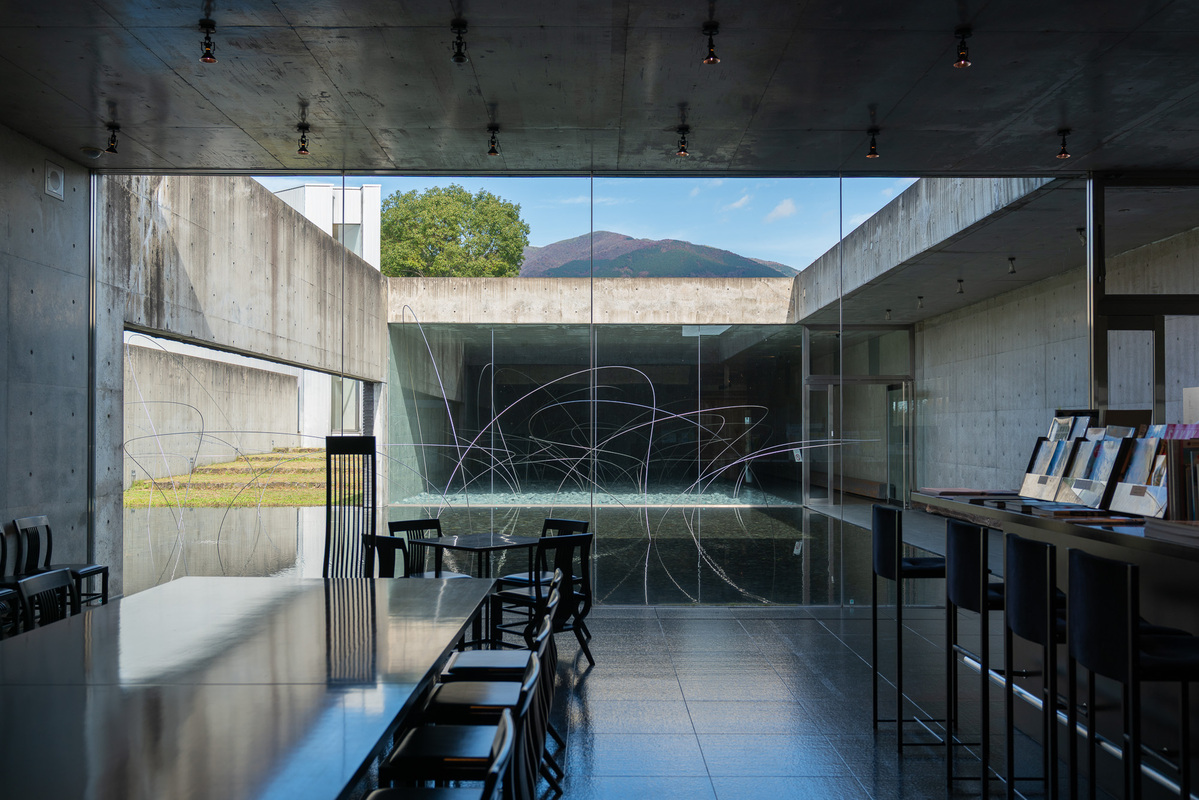
The first space that visitors are likely to encounter is Earth, which features Aiko Miwayaki’s Utsurohi – a Moment of Movement. It’s an interesting mixture of materials and surfaces, a tangle of stainless steel wire arcs sprouting out of black stones and reflected on a stage of still water. The installation looks quite different depending on the time of day and season, especially in the frosty winter. Its central axis points toward the summit of the magnificent Mount Nagi.
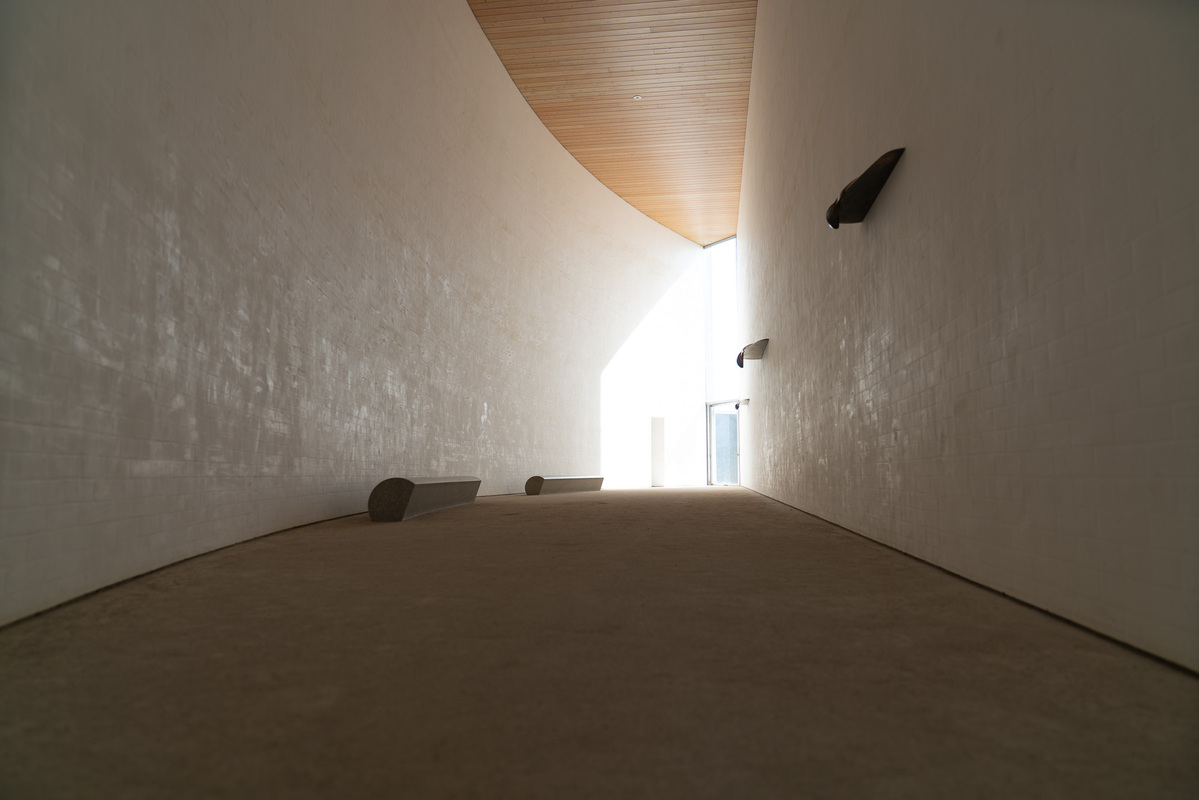
The stark crescent-shaped Moon gallery features Kazuo Okazaki’s HISASHI-THAT WHICH SUPPLEMENTS. This space is inspired by sheltering eaves, a peaceful place to sit and rest. Two long stone benches positioned along the curved wall, provide a spot for visitors to rest their mind and body. Close your eyes, and the installation becomes an auditory experience, where every movement is amplified. The ground is rough, and the room echoes with the sounds of people moving around. Moon’s flat wall points in the direction of 10pm during the harvest moon.
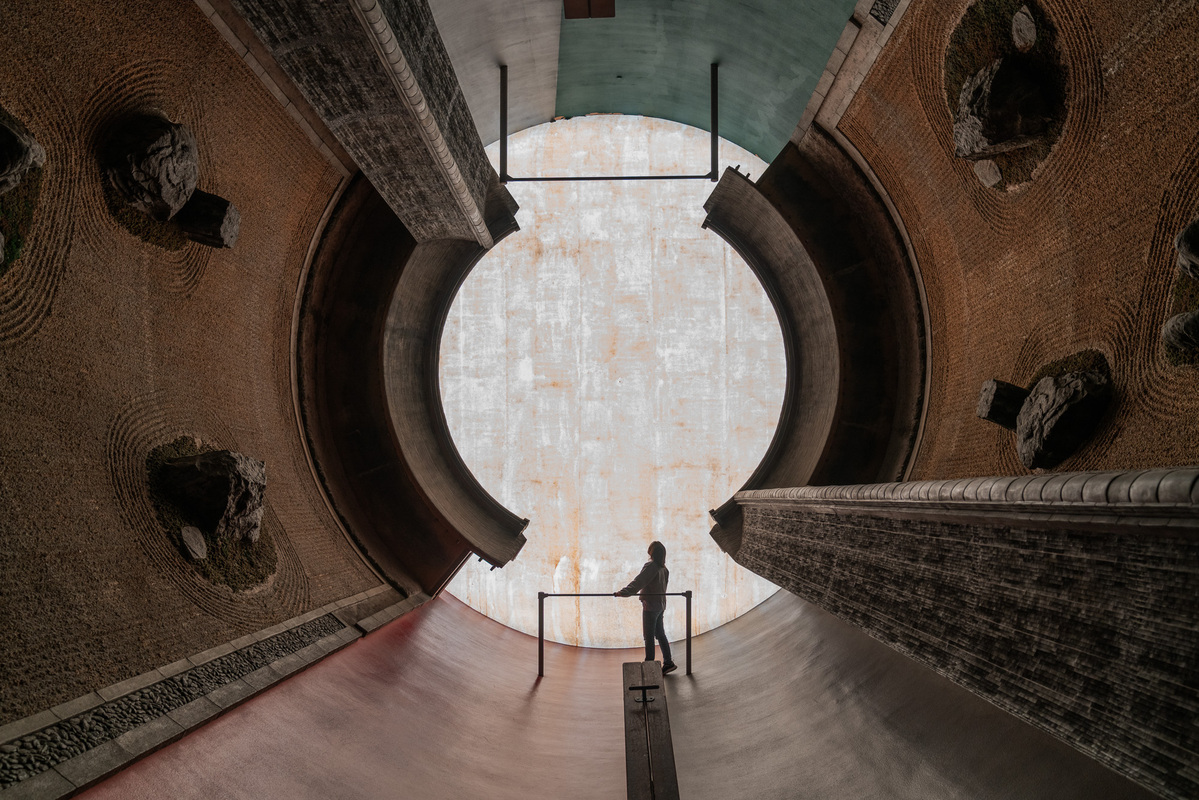
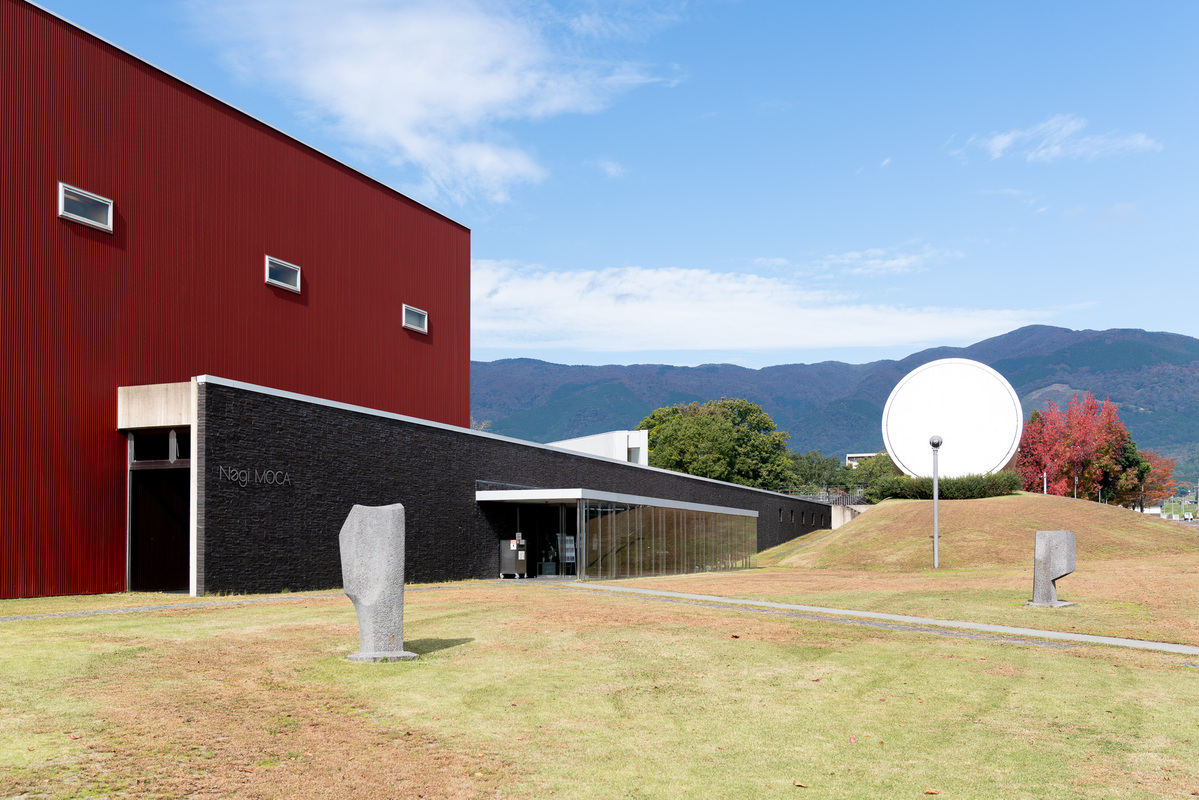
The Sun gallery might be the most surprising of the three spaces, as you emerge from a mysterious dark staircase into the surreal, cylindrical room of Ubiquitous Site, Nagi’s Ryoanji, created by Shusaku Arakawa and Madeline Gins. Zen rock gardens similar to those of Kyoto’s Ryoanji Temple line the concave walls. No surface is flat, making the space giddily unsettling, like being inside a giant telescope. Rocks, curved benches, diagonal see-saws, and horizontal bars are arranged symmetrically around the cylinder’s central axis, which points due south.
2. Hyogo Prefectural Museum of Art (Hyogo)| An Open Cultural Hub Where Architecture and the Sea Resonate
The Hyogo Prefectural Museum of Art opened in 2002 on the waterfront of Kobe’s historic port district. Conceived as a symbol of cultural recovery following the 1995 Great Hanshin-Awaji Earthquake, the museum serves to promote the art and culture of Hyogo Prefecture, with a focus on visual arts.
Museum exhibitions feature carefully selected works from a collection of approximately 13,000 pieces, alongside special exhibits introducing Japanese and international artworks. Through this program, the museum welcomes visitors of all generations.
The building was designed by the internationally acclaimed architect Tadao Ando. Characterized by its powerful exposed concrete structure, glass corridors opening toward the sea, and spatial compositions that skillfully incorporate shifting light and shadow, the architecture is both restrained and tense. In quiet dialogue with the artworks on display, the building itself enriches the experience of viewing art.
Integrating architecture, nature, and art, the museum stands as an open cultural space that connects the memory and future of the city of Kobe.
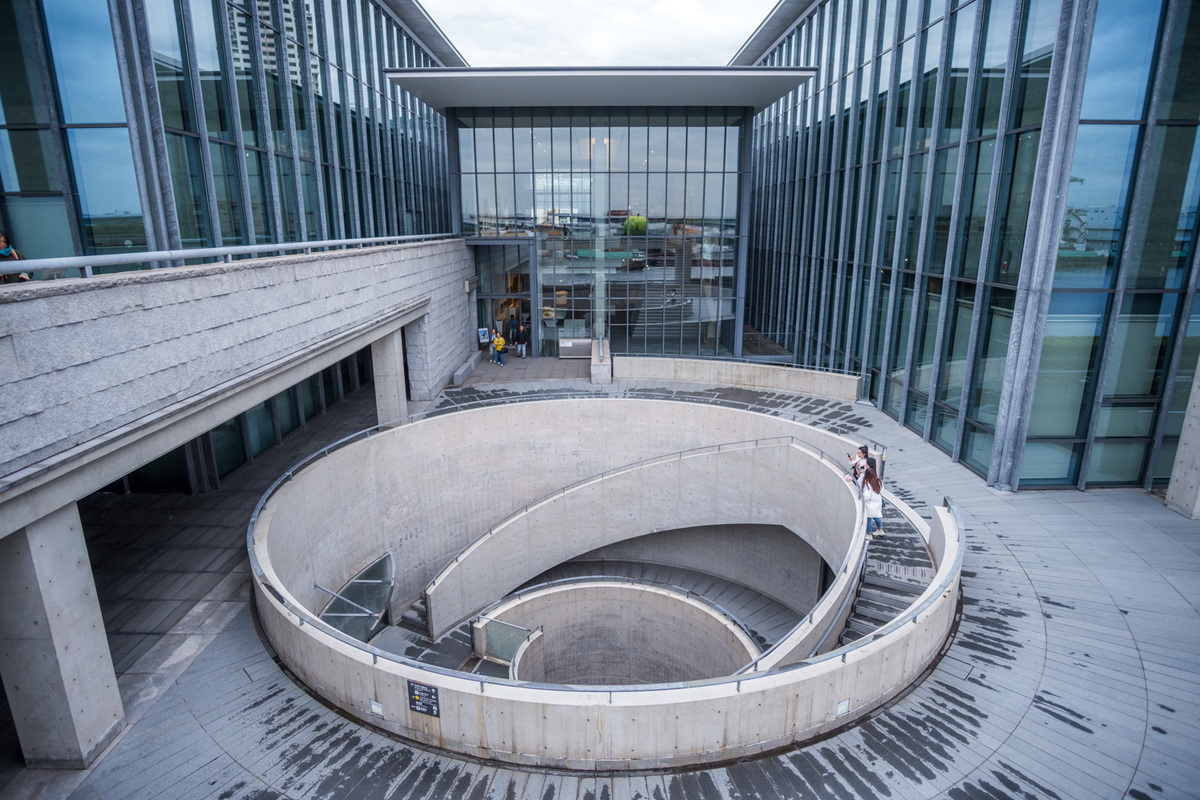
As visitors move through the museum, a sequence of gently undulating spaces unfolds, and the architecture itself emerges as part of the viewing experience. The building’s clear exposed-concrete structure is designed to guide the gaze naturally outward, drawing the surrounding sea and sky into the spatial experience and emphasizing the relationship between architecture and nature.
On the exterior, long horizontal stairways and a boldly projecting canopy define the building’s form, directing the eye toward the horizon along the waterfront. Overlapping layers of stairs create shifting depths depending on the viewpoint, giving the building a rich and dynamic expression.
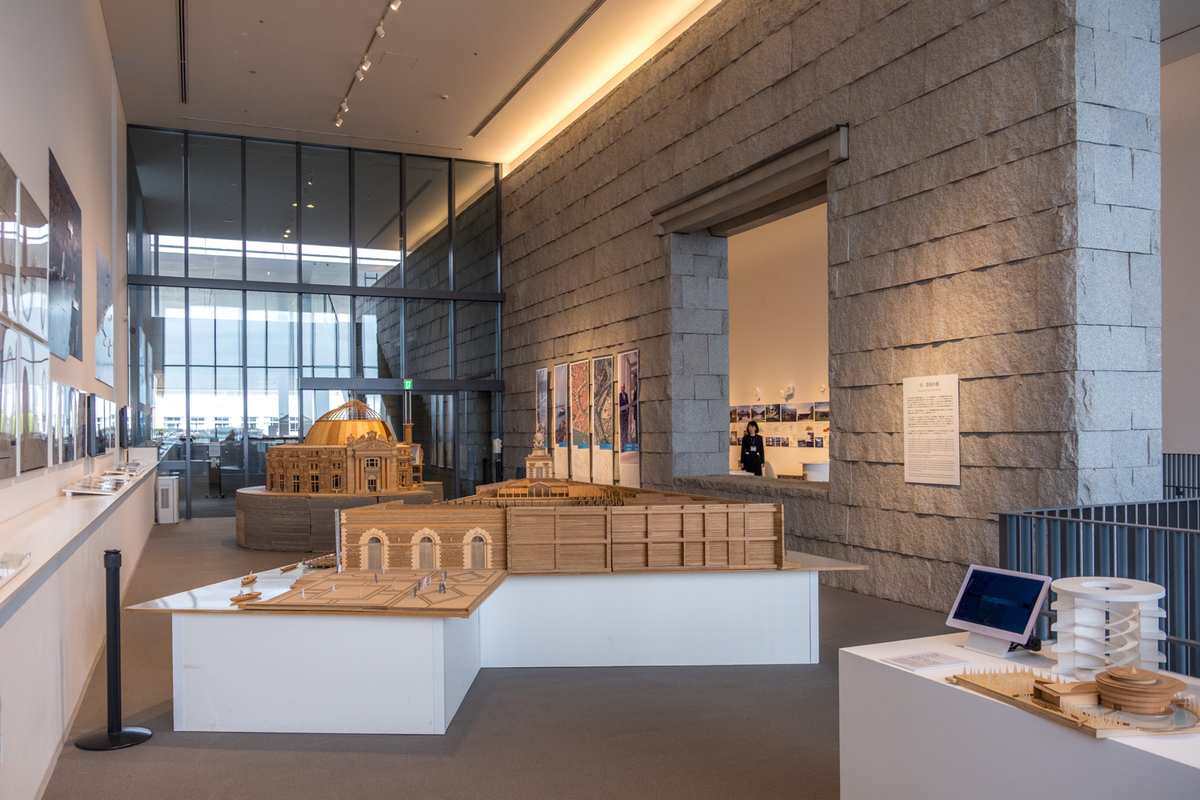
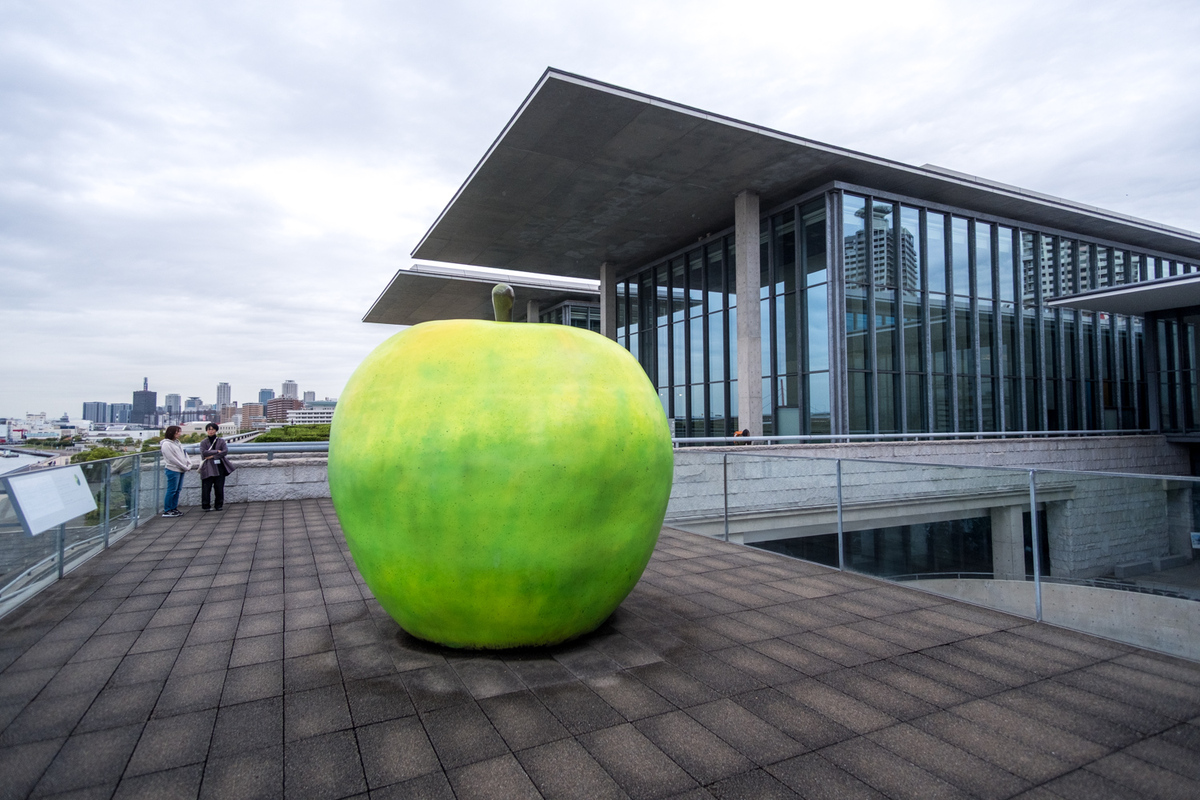
Opened in 2019, the Ando Gallery was designed and constructed through a personal donation by architect Tadao Ando. Outside the gallery stands Green Apple, a monument donated by Ando and inspired by the poem “Youth” by the American poet Samuel Ullman. Symbolizing hope in life and the idea of eternal youth, the work embodies the core of Ando’s personal philosophy.
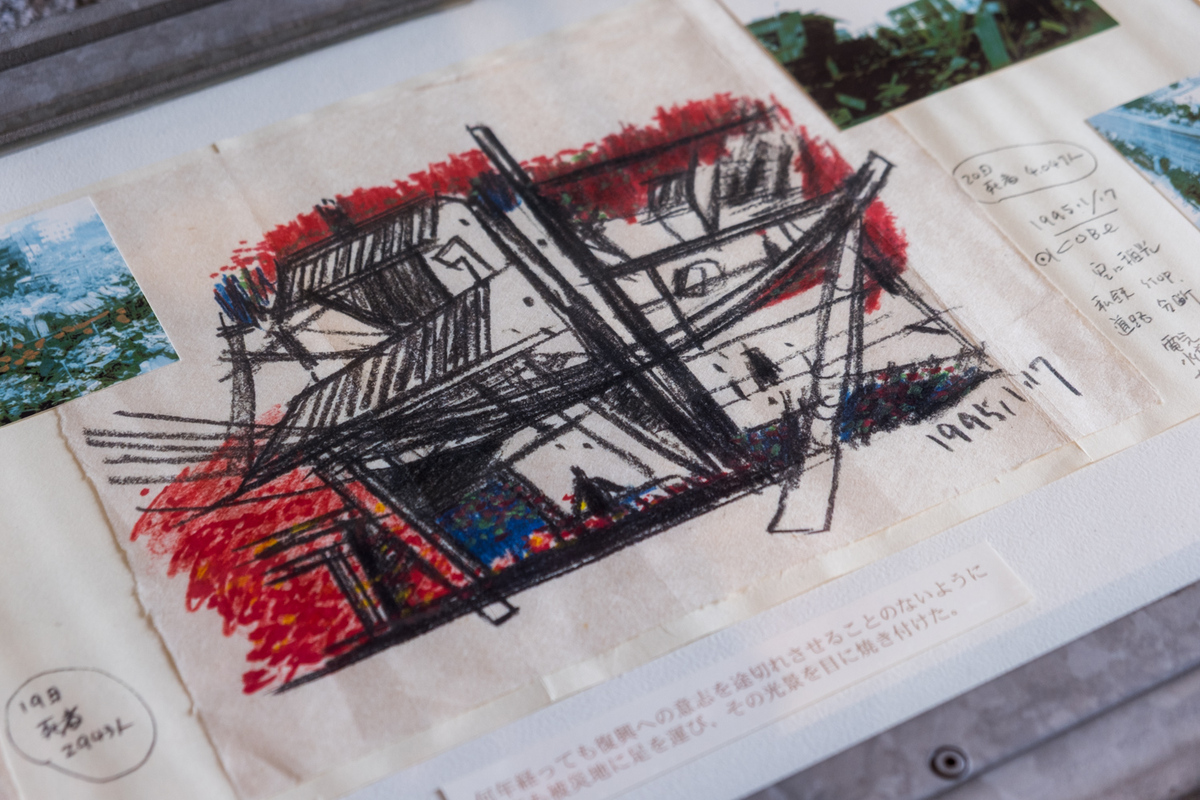
Inside, the gallery is conceived as a visual retrospective of Ando’s architectural career. Concept sketches, drawings, models, architectural plans, and photographs trace the trajectory of his diverse activities over several decades. On the upper floor, a library area allows visitors to freely browse Ando’s own publications as well as books on architecture.
The Ando Gallery also features important installations that convey the history of the site and the process of recovery following the 1995 earthquake. These displays deepen visitors’ understanding of the museum’s role as a place of memory, reflection, and cultural continuity.
3. Simose Art Museum (Hiroshima) | Admire art, inside art
Awarded the Versailles Prize as one of the “World’s most beautiful art museums,” the Simose opened in 2023 in the city of Otake, Hiroshima Prefecture, spilling out into the Seto Inland Sea. Nicknamed the "movable museum,” it was designed by award-winning, eco-conscious Japanese architect Shigeru Ban, who created a variable space where architecture, landscape, and collection are choreographed as one experience.
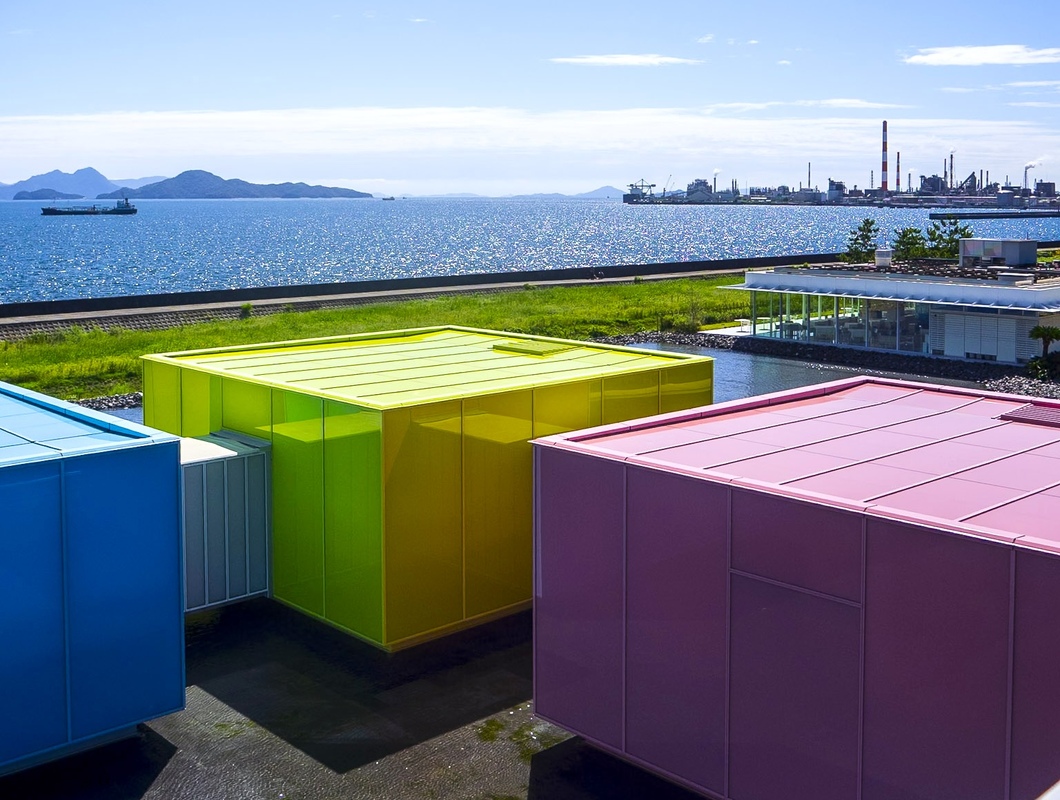
Eight colorful cube-shaped galleries seem to float in a shallow basin; each sits on a barge and can be repositioned by staff so that the spatial sequence shifts with the exhibition narrative. A long mirrored glass wall behind the water doubles the view and visually blends the museum into its coastal setting. Seasonal flowers around the water garden refresh the scene, as the museum’s mirrors and colored glass reflect the changes with the sky, shaping the atmosphere from hour to hour. Stay till at least sunset to see the movable gallery cubes glow after dark.
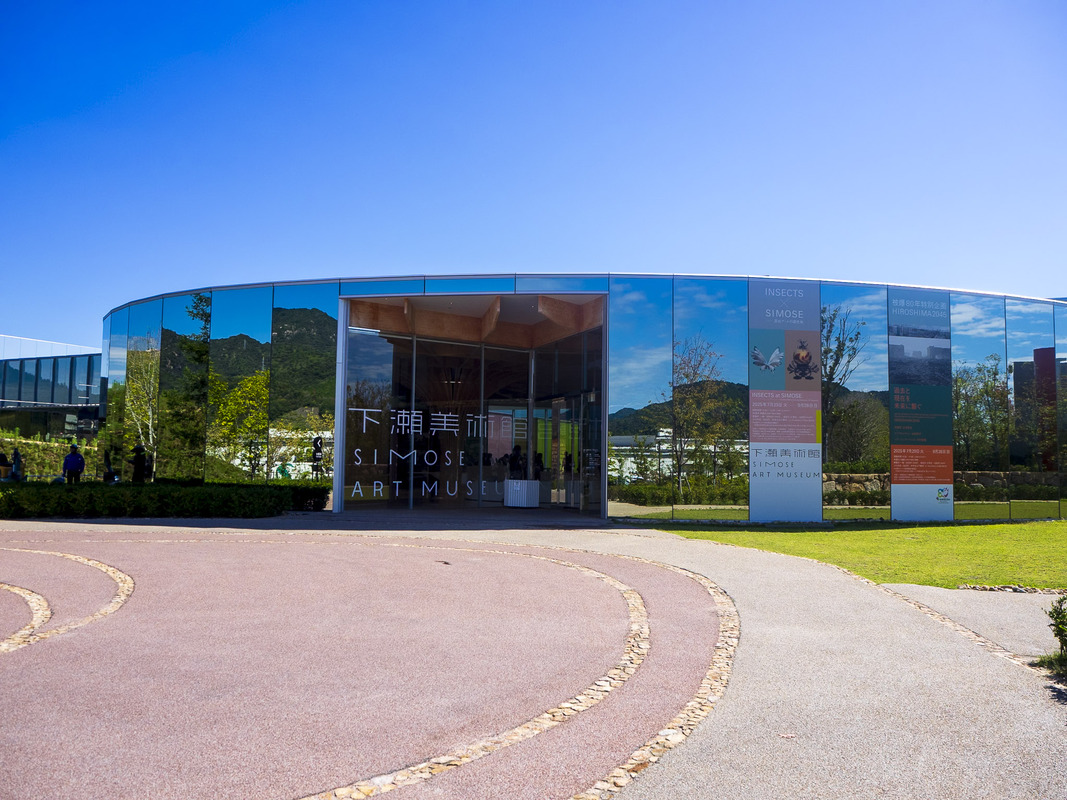
Stretching out just below the Seaview Terrace, the movable galleries are also a nod to the many islands situated in the Seto Inland Sea. On a clear day, you can easily trace sightlines toward Miyajima with its distinctive red torii gate. Otake lies between Hiroshima’s island attractions and the popular leisure area along Yamaguchi Prefecture’s coastline, so the Simose Art Museum is a natural cultural stop when traveling between these areas.
Within this museum’s collection, the most popular pieces are Émile Gallé’s glass vases, along with some 500 pieces of art and crafts collected over half a century by Yumiko Simose and her parents, including works by artists such as Henri Matisse, Marc Chagall, and Léonard Foujita. Outdoors, the planting palette references flowers favored by Émile Gallé. The grounds change tone and color throughout the year, just as Ban’s mirrored surfaces and colored cubes amplify the seasonal shifts.
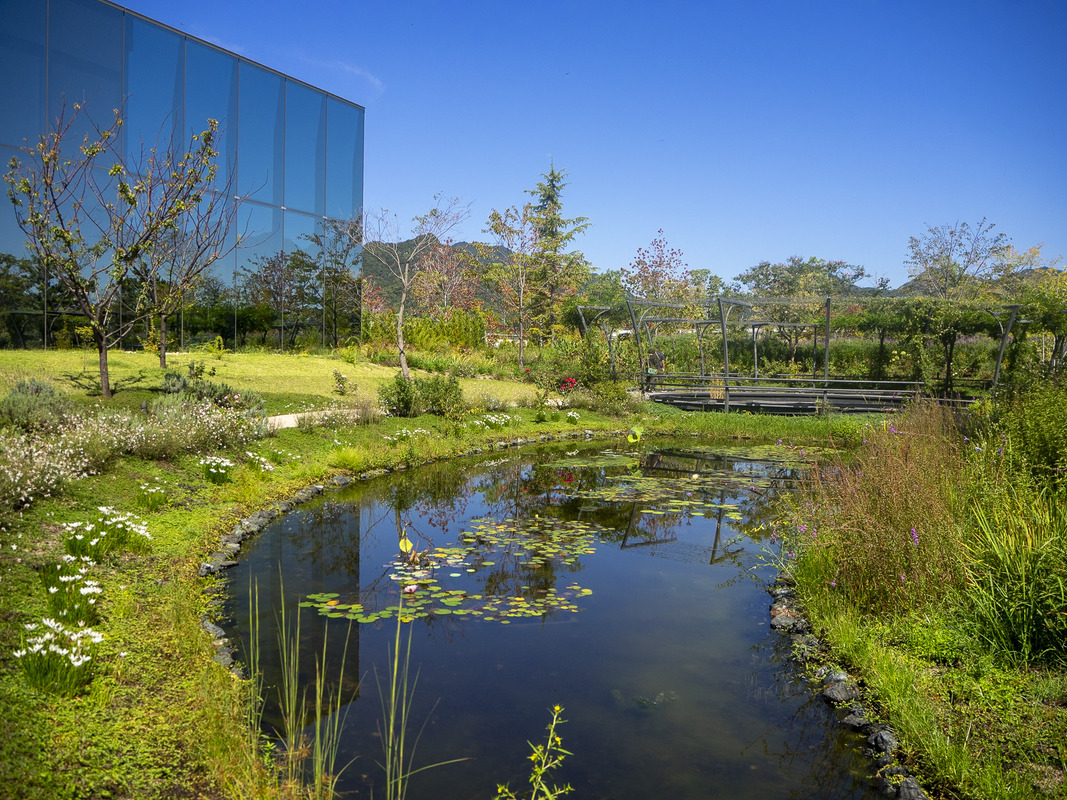
The Simose complex also comprises a café and shop inside a tranquil open space sheltered by a wooden structure, which is inspired by a tree with long and wide branches. There is a gourmet French restaurant on site, as well as 10 luxury villas situated on the waterfront and in the forest, all designed by Shigeru Ban and each one unique, where you can spend a quiet night when access to the garden is exclusive to staying guests.
4. Omishima Museum of Art, Imabari / TOKORO MUSEUM OMISHIMA (Ehime) | Art on the Island, Overlooking the Sea
The large island of Omishima is home to many hidden gems along the Shimanami Kaido, the scenic island-hopping route connecting Honshu and Shikoku across the Seto Inland Sea. Located around the mid-point, it offers an ideal break to detour off the main road and explore the island further.
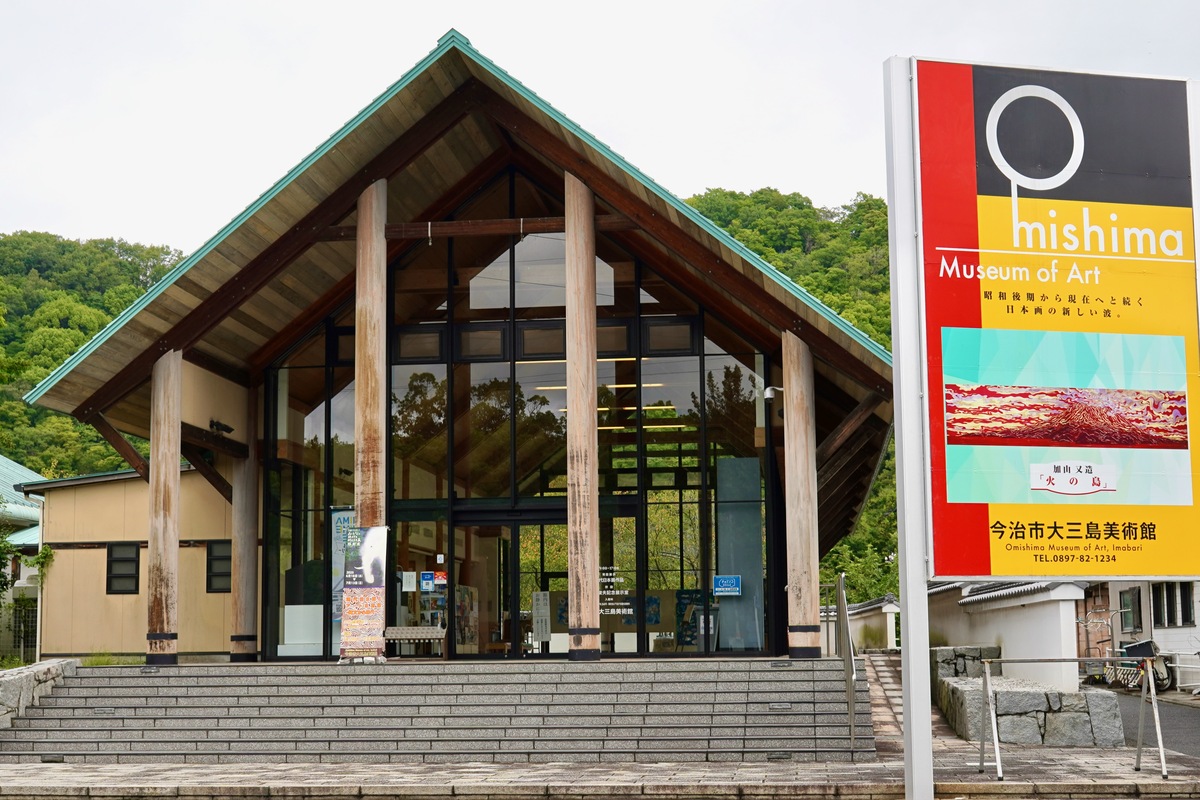
The entrance to the Omishima Museum of Art, Imabari is an eye-catching structure with a dramatically high arched roof supported by wooden pillars on the outside and exposed beams under the ceiling. The museum itself is a traditional Japanese architectural style with beautiful white walls. The building is surrounded by a modest garden walkway, and appears to have been designed so as not to interfere with the neighboring shrine. While the museum’s permanent collection specializes in Nihonga (contemporary Japanese paintings) by living artists, temporary exhibitions range from experimental new media art to rare Edo-period (1603-1868) ukiyo-e.
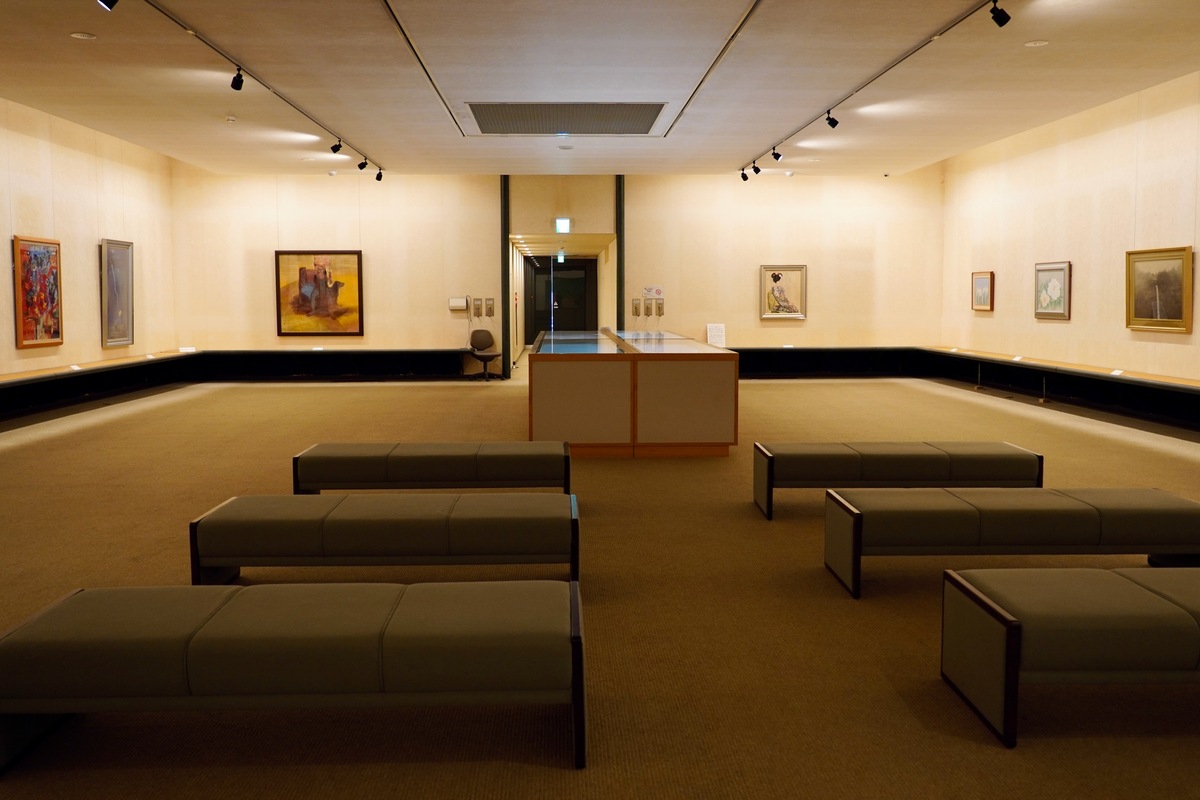
Another highlight is the commemorative exhibition room dedicated to the Japanese painter Toshio Tabuchi, inaugurated on the occasion of the museum’s 10th anniversary. It displays some of the artist’s original large-scale paintings of semi-abstract landscapes and scenes in perspective, alongside preliminary sketches and even tools and materials that he used to create them.
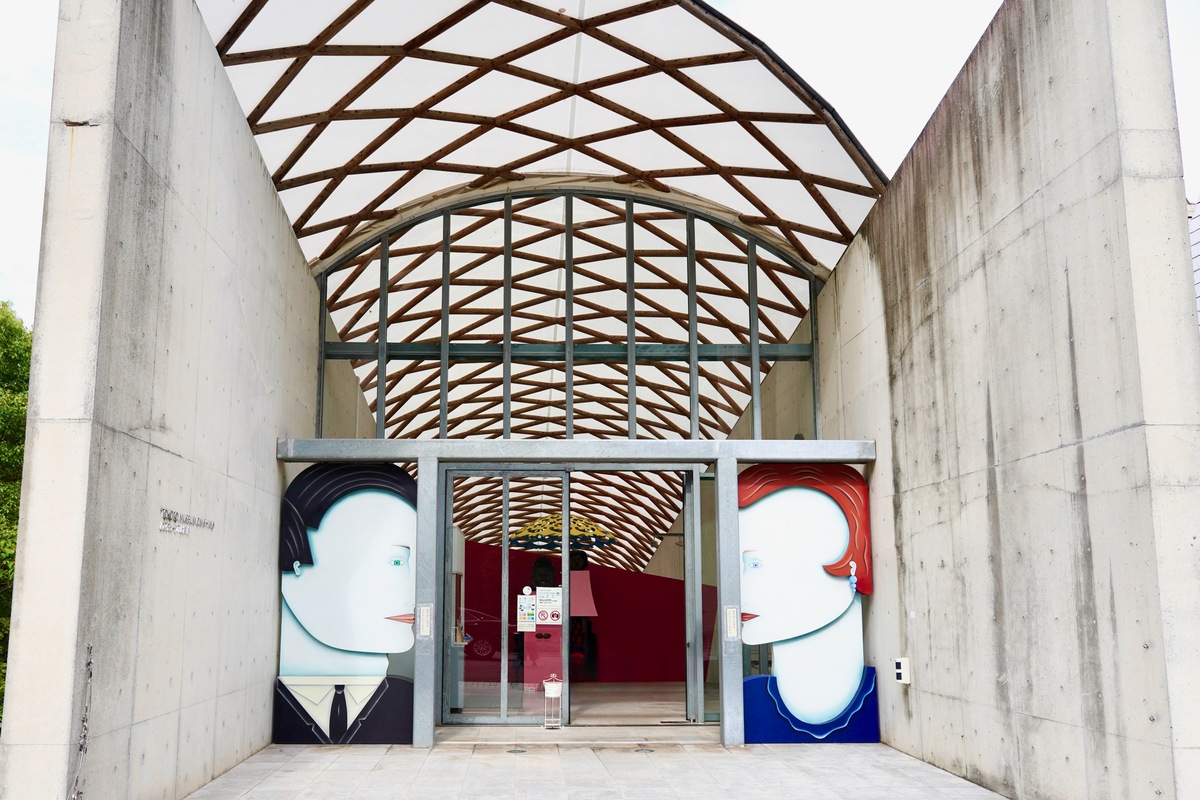
Less than a 15-minute drive away, the TOKORO MUSEUM OMISHIMA is a striking venue for art sculptures tantalizingly viewed within their naturally scenic context. Designed in the image of Noah’s Ark washed ashore, the open museum takes the form of a multi-tiered concrete terrace overlooking the Seto Inland Sea.
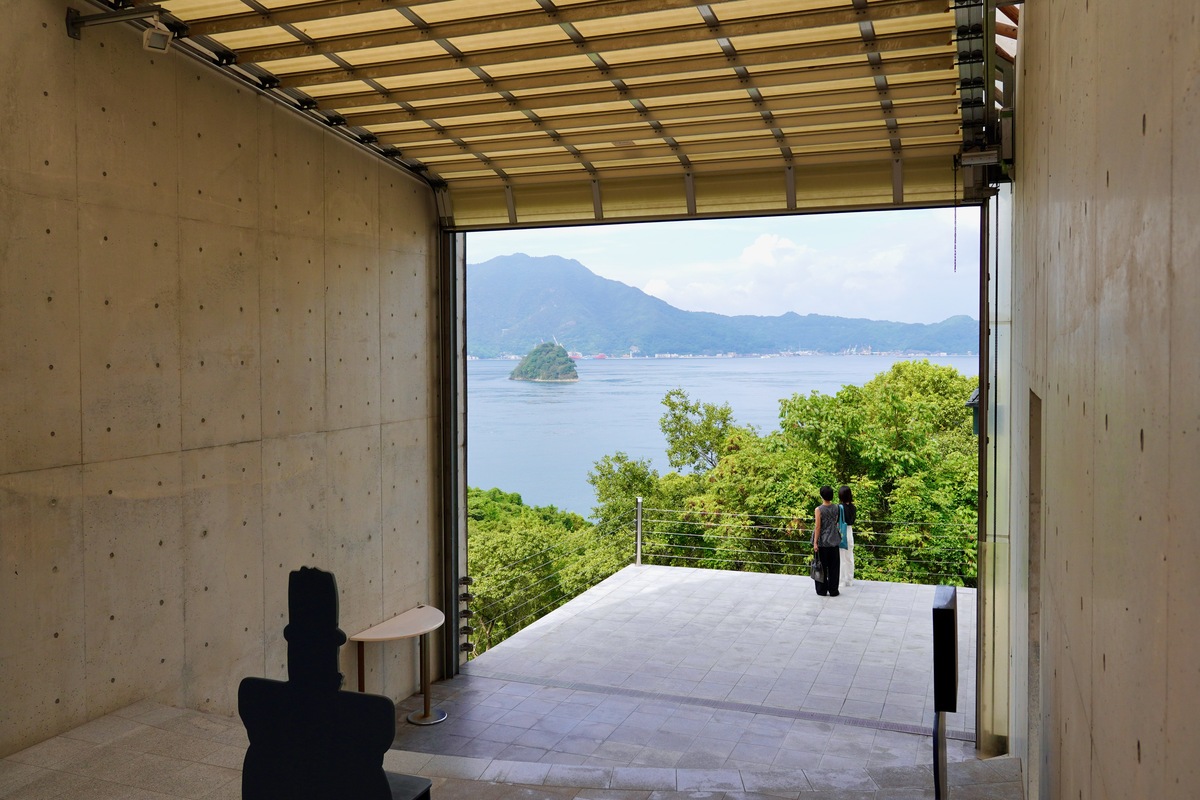
The wow-factor begins at the top, with American artist Noé Katz’s Kissing Doors forming the entrance to the semi open-air gallery. Artworks by contemporary Japanese and international artists using bronze, aluminum, reclaimed wood and other weather-resistant materials resonate in counterpoint with their surroundings in a seamless expression of beauty in both art and nature. The structure’s lowest level extends to greenery just above the sea, where you can further admire the landscape under an open sky.
Seeing Art Through the Setouchi Landscape
Sea, islands, sky, and townscapes create diverse landscapes that come alive as natural backdrops for architecture and artworks around the Seto Inland Sea. Unlike with urban museums, these site-specific installations offer a unique and local experience that is typical of Setouchi.
If you are traveling through the region, why not take some time to explore these hidden art gems in between the mainstream highlights? You may never see the Seto Inland Sea the same way again.
Related Articles
-
 Art & Culture
Masterpieces Wrapped in Stories
-
 Art & Culture
Tour Local Kilns to Experience the Venerable Tamba-Ware Pottery Tradition
-
 Art & Culture
Traditional Crafts Wrapped in Stories
-
 Art & Culture
A Prayer for Peace: Hiroshima City Museum of Contemporary Art
-
 Art & Culture
Art in Uno Port, Gateway to Naoshima and Other Setouchi “Art Islands”
-
 Art & Culture
Discover Shikoku’s Cultural Heritage, from Traditional Arts to Local Crafts and Cuisine
-
 Art & Culture
Art and adventure along Japan’s Inland Sea: SETOUCHI GUIDE
-
 Art & Culture
Himeji Castle: An Architectural Masterpiece and Symbol of Japan
RELATED DESTINATION
Okayama
The Okayama area has flourished as an area alive with various culture including swords, Bizen ware and other handicrafts. Because of its warm climate, fruits such as peaches and muscat grapes are actively grown there. It is also dotted with places where you can see the islands of the Seto Inland Sea.