

Relaxing Stay
Unique Stays Immersed in the Scenery of Setouchi

-
- RELATED TAGS
-
- LAST UPDATED
- 3 March, 2026
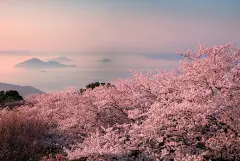
Setouchi is Japan played in a softer key: an inland sea protected from heavy swells, scattered with islands that frame the horizon. Along these coasts, the view is part of daily life: ferries sliding between headlands, fishing boats tracing familiar lines, light changing from pale morning silver to a late-afternoon blue that makes even a short stay feel longer.
That geography shapes the lodgings, too. In Setouchi, the most memorable hotels and retreats tend to behave like lookout points: places where you slow down just to enjoy the simple pleasure of gazing at the scenery, taking in the beauty of the surroundings. Here, we introduce five stays designed around that idea, each with a distinct way of translating sea-and-island landscapes into time well spent. Some do it through wellness rituals framed by olive groves; others through Zen practice on a cedar deck, art-minded design near a ferry port, cyclist-friendly comfort on the Shimanami Kaido, or a suite-only hideaway above the Naruto Strait, best appreciated on a clear night, when moonlight turns water into a second sky.
Table of Contents
- 1. MILLENIUM OLIVE TERRACE for your wellness (Kagawa) | A Wellness Retreat Surrounded by Olive Trees and Sea Breeze
- 2. Zenbo Seinei (Hyogo) | A Tranquil Retreat Embraced by Zen and Nature
- 3. UNOHOTEL (Okayama) | A Modern Design Hotel Enjoying Setouchi Art and Sea Views
- 4. Shimanami Kaido WAKKA (Ehime) | A Nature-Integrated Stay Popular with Cyclists
- 5. Hotel RIDGE (Tokushima) | A Luxurious Stay Overlooking the Naruto Strait
- 6. Luxury Found in the Sea’s Embrace
1. MILLENIUM OLIVE TERRACE for your wellness (Kagawa) | A Wellness Retreat Surrounded by Olive Trees and Sea Breeze
Shodoshima, a small island in Japan’s Seto Inland Sea between Honshu and Shikoku, has a knack for resetting your internal compass. Olive groves climb the slopes, and the Seto Inland Sea stays calm enough to make the islands look carefully arranged, as if someone took time to place them.
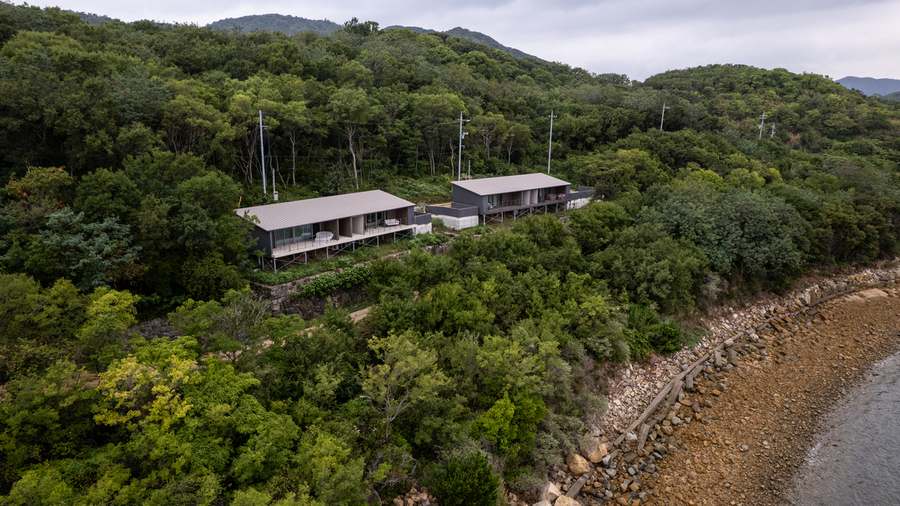
MILLENIUM OLIVE TERRACE for your wellness builds its entire stay around that atmosphere, using olives as the thread that binds together body care, food, and mindful habits. The first landmark is a small-looking olive tree with a huge history: it has been rooted here for over a thousand years. From there, a dirt path leads you toward a cliffside spread of guest rooms and private houses, each angled toward a wide sea view where ferries and fishing boats quietly mark the hours.
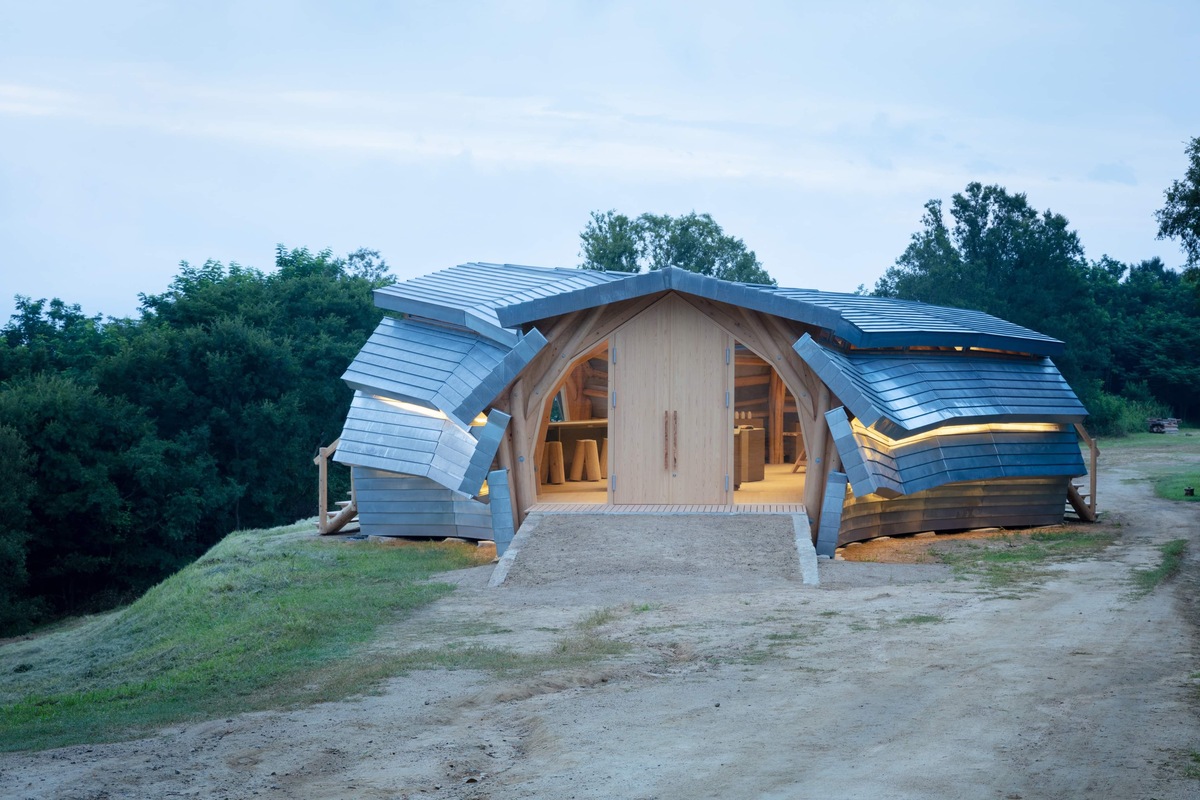
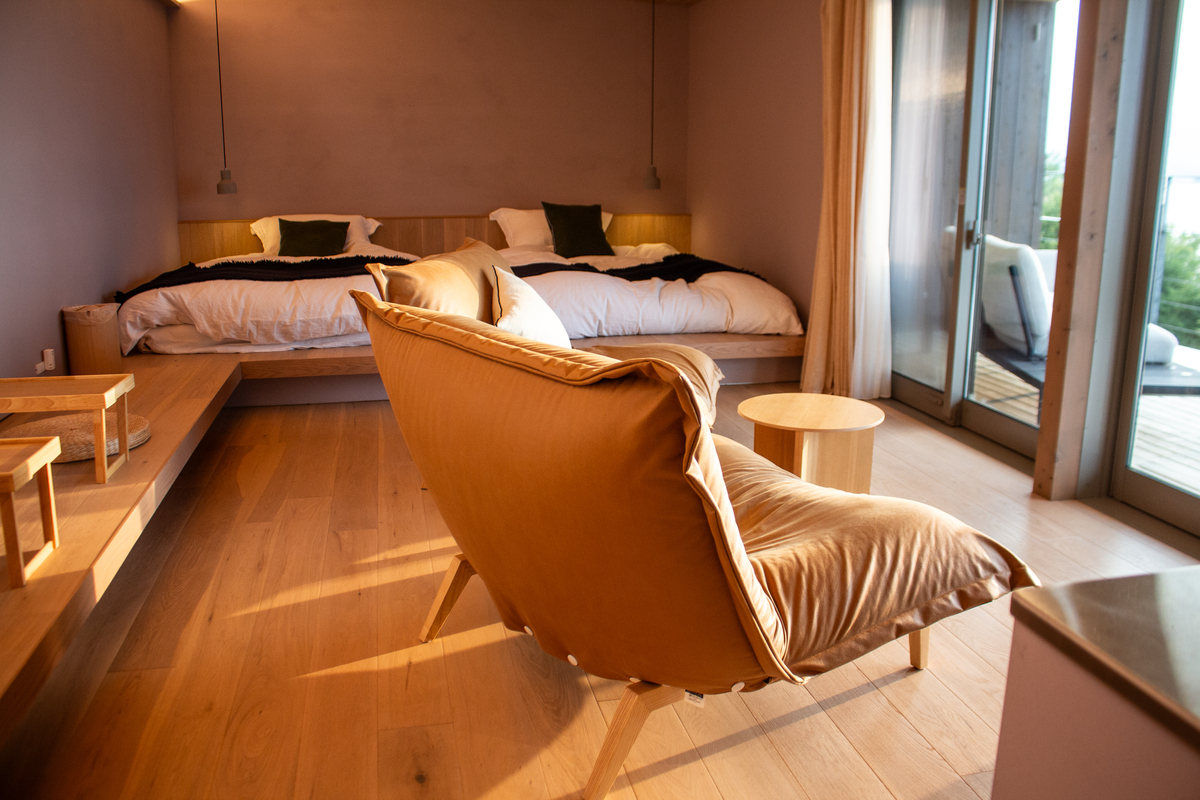
The rooms are designed for downshifting. There’s a gentle soundscape in the background, which is an original healing sound inspired by the sounds of olive trees. We can also find a deck that works as an outdoor living room, and enough open sky at night to make stargazing feel like part of the program. Three guesthouses can be rented for groups, and a separate building with a wooden barrel sauna and four hot and cold baths. Nearby, a bonfire area turns post-sauna conversations into something closer to campfire diplomacy: fewer screens, better pacing.
Activities lean into simple, guided attention. “Mindful eating” asks guests to focus on taste and texture via an audio guide. Yes, it involves olive candy, and it’s surprisingly effective when it comes to appreciating your meal, and the mindfulness aspect also helps with relaxation and stress reduction.
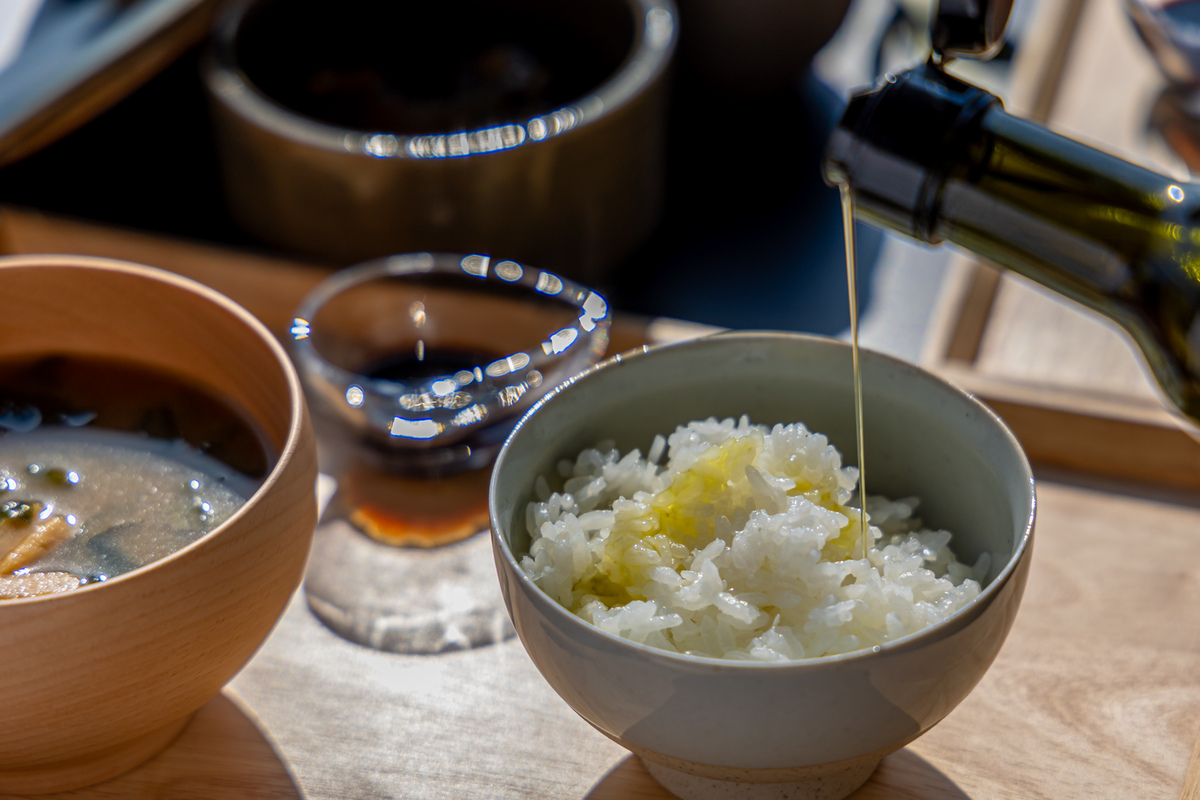
Following the same idea, breakfast becomes an invitation to engage with local nature and food culture: the day begins by cooking rice yourself in a cast-iron pot. Centered around the softly steamed rice, the meal is accompanied by local specialties such as tsukudani and soy sauce unique to the island. A drizzle of locally produced olive oil enhances the natural flavors of each ingredient, creating a taste that is simple yet layered with depth.
Plant meditation becomes a walking practice: observe, breathe, keep moving. There’s also an olive oil tasting experience that introduces production and flavor differences, plus full-moon yoga sessions on the terrace when timing aligns.
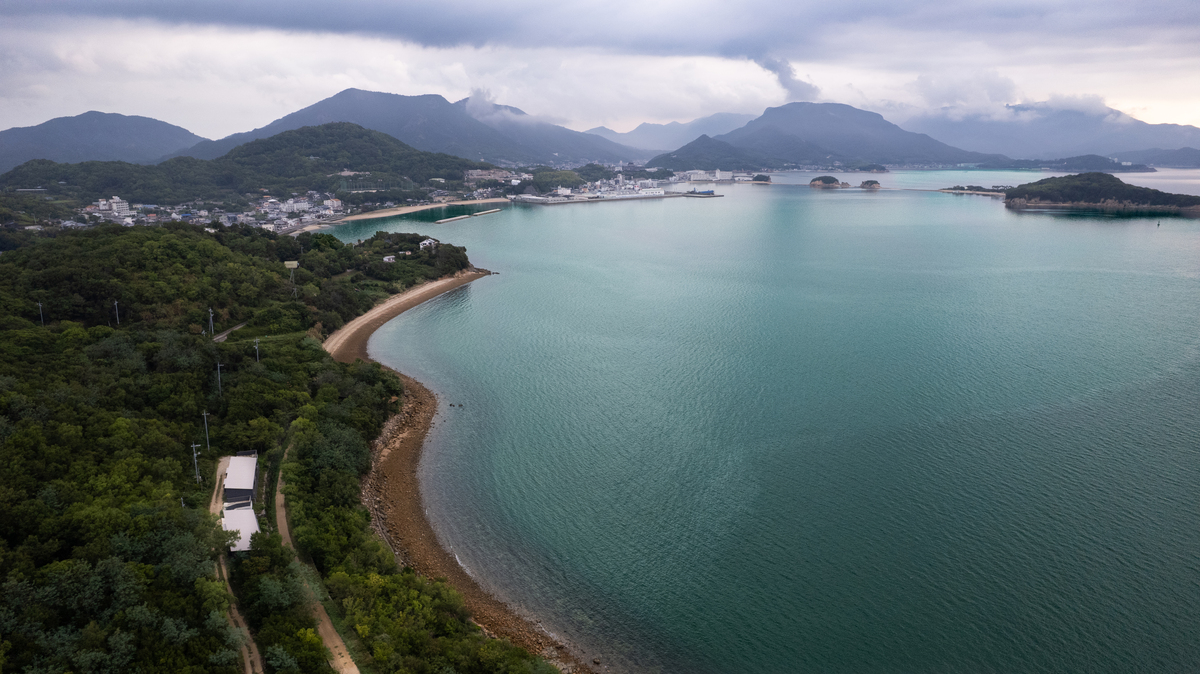
Olives here are a daily-use ingredient for eating, skin care, and even drinking, meant to be experienced on-site and carried home as a habit.
2. Zenbo Seinei (Hyogo) | A Tranquil Retreat Embraced by Zen and Nature
Zenbo Seinei sits in the greener middle of Awaji Island, located in the Seto Inland Sea between Honshu and Shikoku. It’s aligned with Japan’s Standard Time meridian, or longitude 135° east (considered the “Path of the Sun,” also known as a ley line), exactly, and the messier reality of wind, birds, and shifting clouds. From the deck, the view opens across island ridgelines and out toward Setouchi’s calm, multi-island sea scenery that changes hour by hour, even on a quiet day. In clear weather, sunlight pours across the valley and the greenery feels almost within reach.
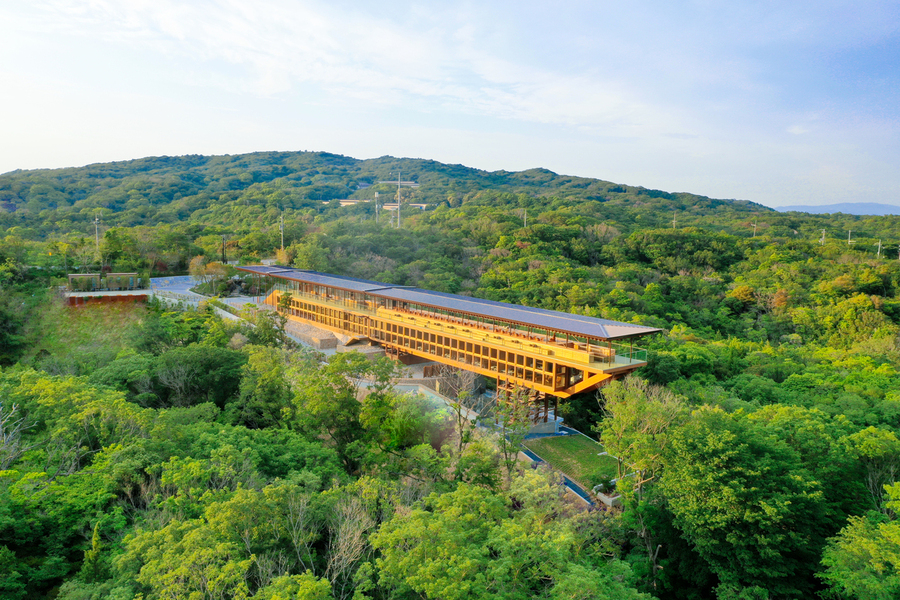
The building is part of the experience. Designed by Pritzker Prize–winning architect Shigeru Ban, it centers on a 100-meter deck built from Japanese cedar. Guests are encouraged to walk it barefoot, which sounds like a wellness dare until you try it: the boards hold warmth, the grain has traction, and the aroma of cedar turns the first steps into a small reset. The deck’s long line also works like a focusing tool, pulling your attention forward and outward rather than back toward your phone.
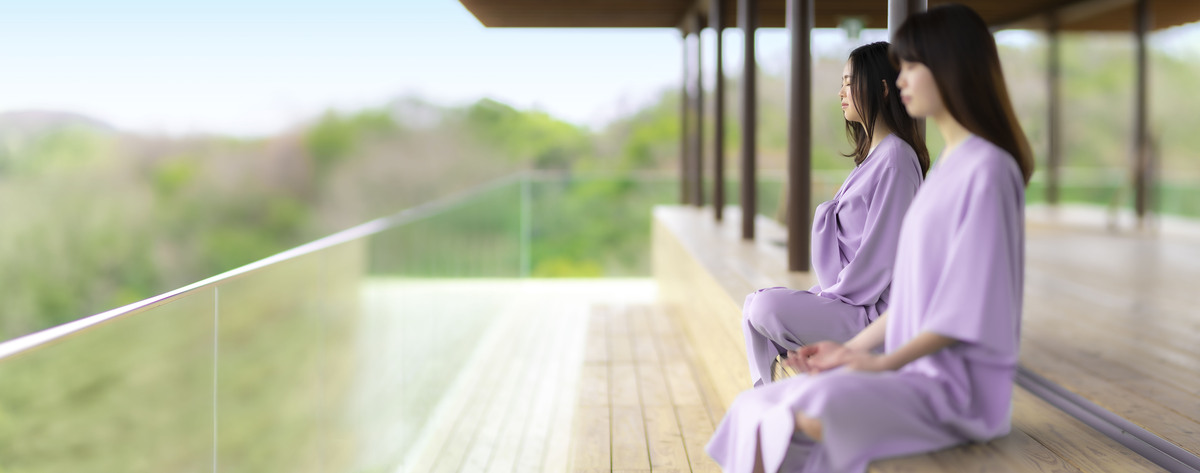
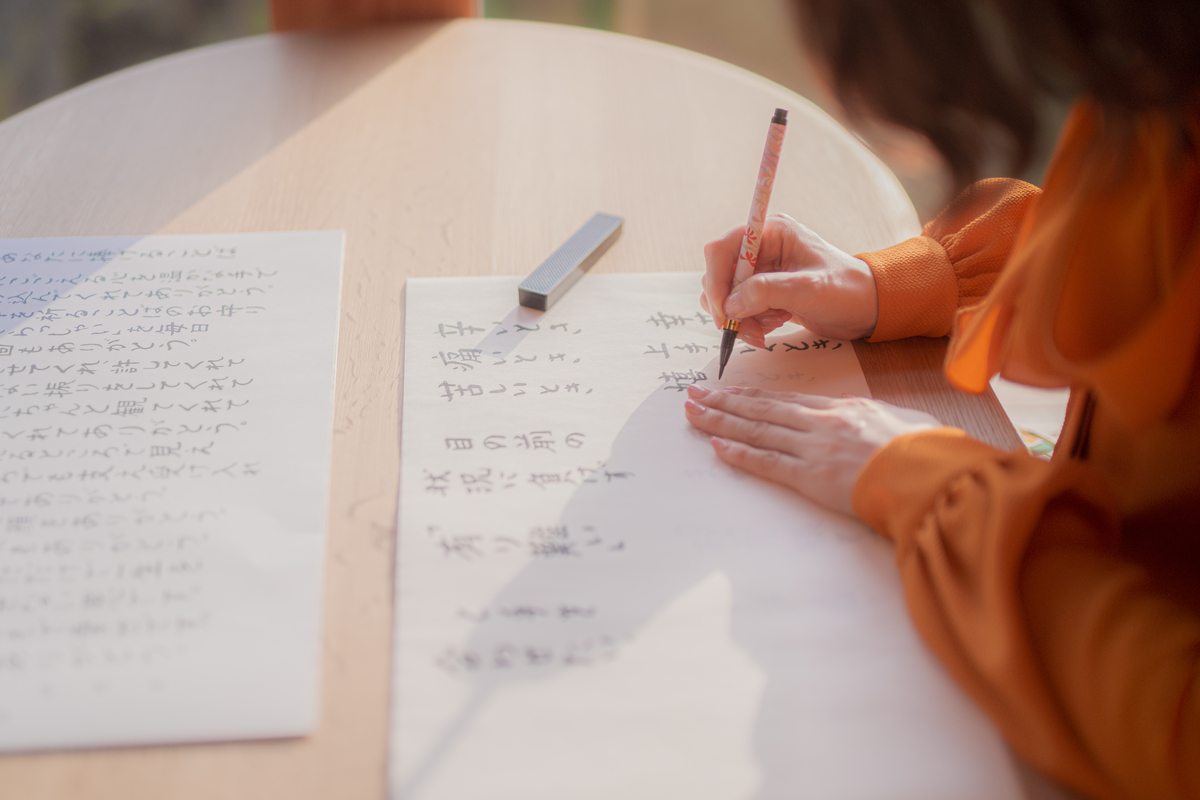
Programs are structured around approachable Zen practice. Zazen sessions emphasize posture and breath, with enough guidance to keep beginners from negotiating endlessly with their own knees. Shodo (calligraphy) workshops slow the hands down to match the mind, and mindfulness-based breathing classes offer techniques that travel well, becoming useful on trains, in airports, and before potentially difficult meetings. Join as a day guest, or stay overnight and allow the schedule pace you: practice, meals, rest, and long, quiet looks across the ridges toward the water.
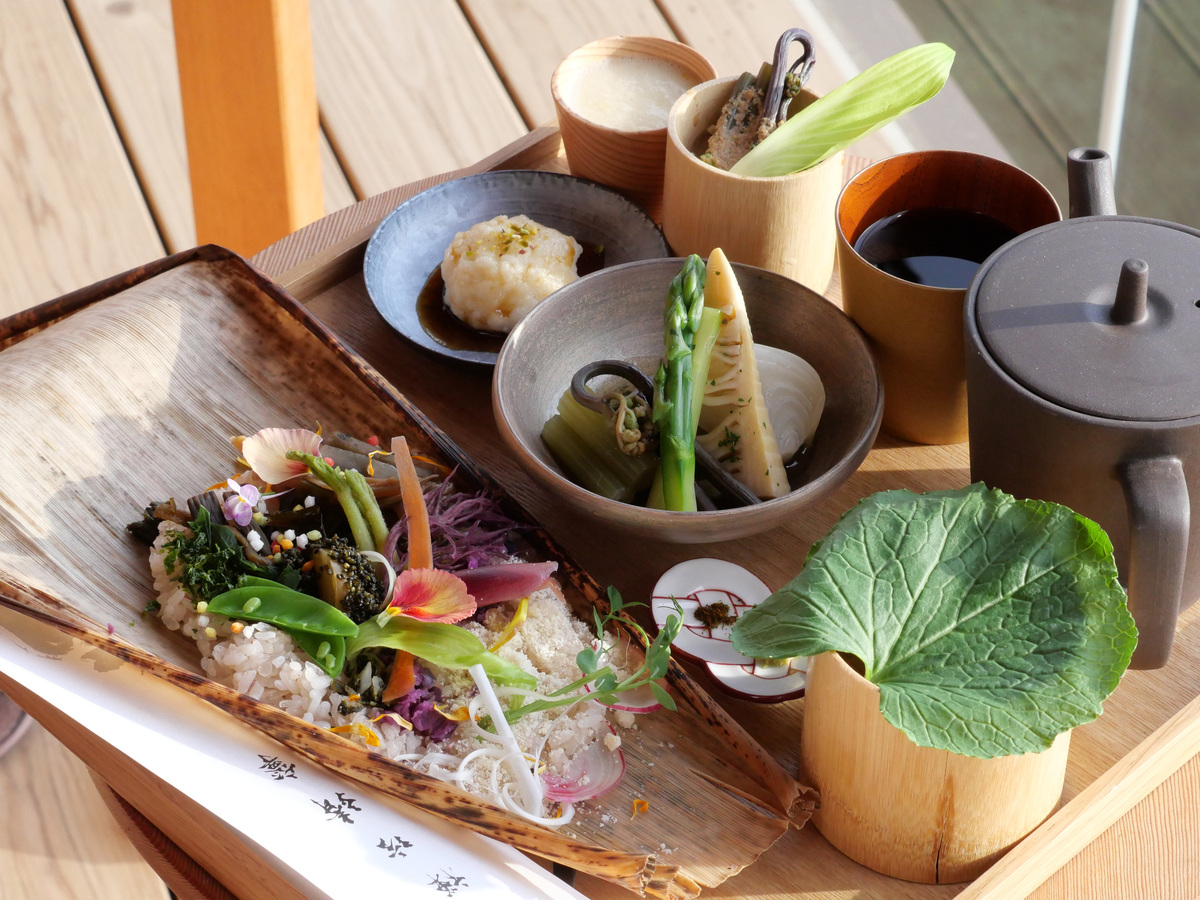
Food reinforces the same agenda. The vegan Zen-inspired cuisine, supervised by fermentation chef Nobuaki Fushiki, highlights seasonal Awaji ingredients and traditional fermentation while avoiding animal products, wheat, oil, and refined white sugar. Expect house-made amazake, fermented soy sauces, and dishes that taste clean and layered rather than heavy, keeping energy steady through meditation.
3. UNOHOTEL (Okayama) | A Modern Design Hotel Enjoying Setouchi Art and Sea Views
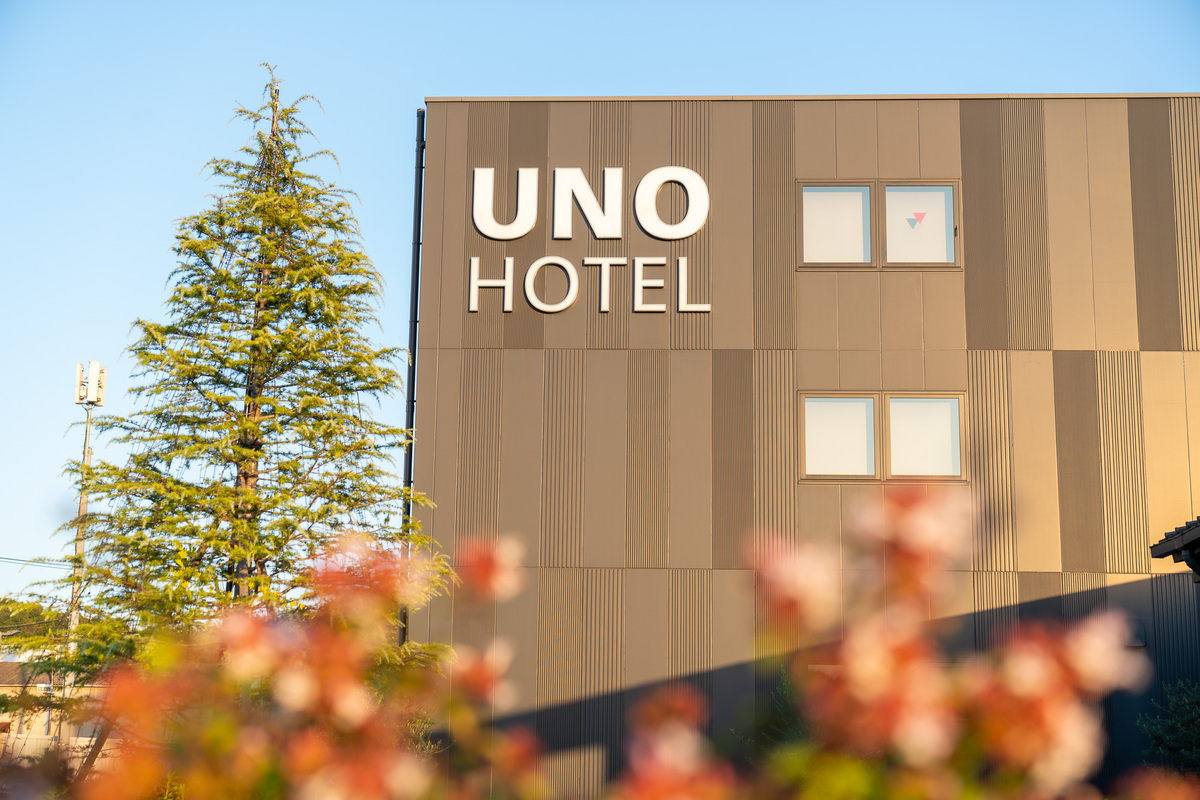
UNOHOTEL in Uno, Okayama, is tuned to the Setouchi rhythm: arrive by train, walk a minute, and you’re already thinking about islands. The hotel sits by Uno Port, just a short walk away from the nearest train station and the ferry pier, handy for early boats to Naoshima, Teshima, and other art-focused islands.
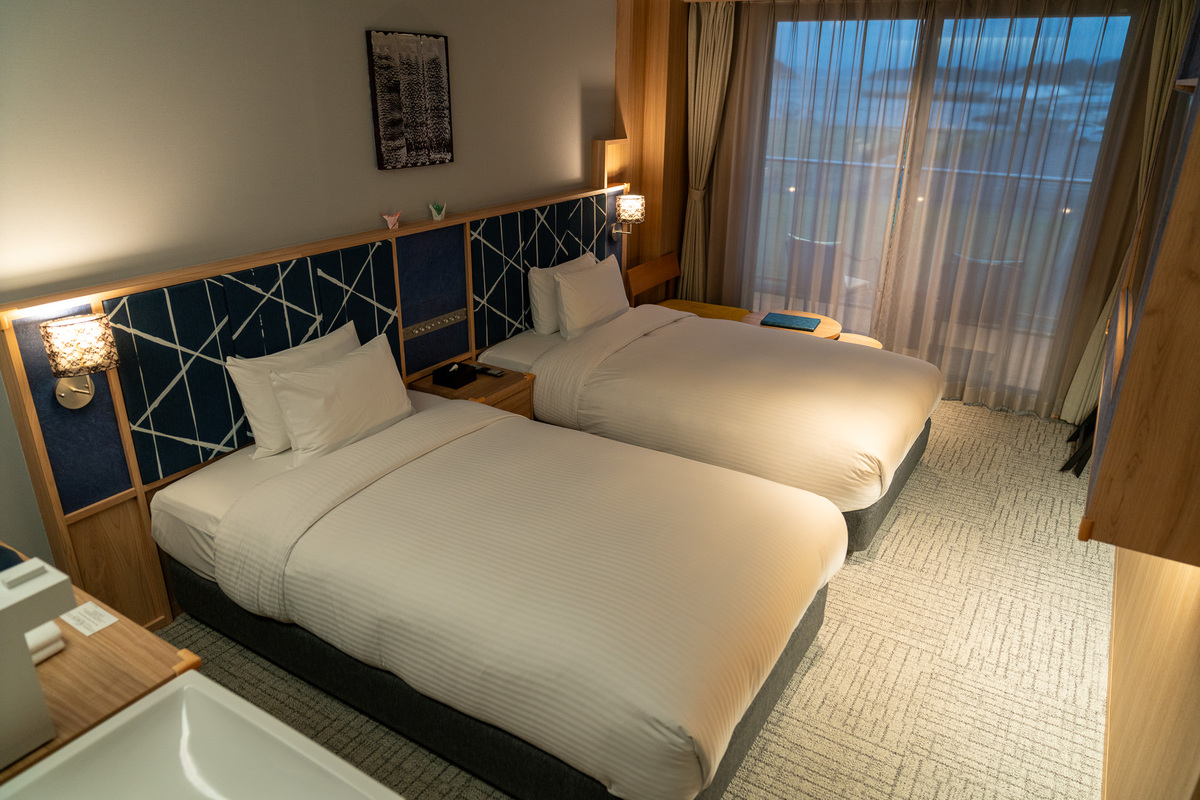
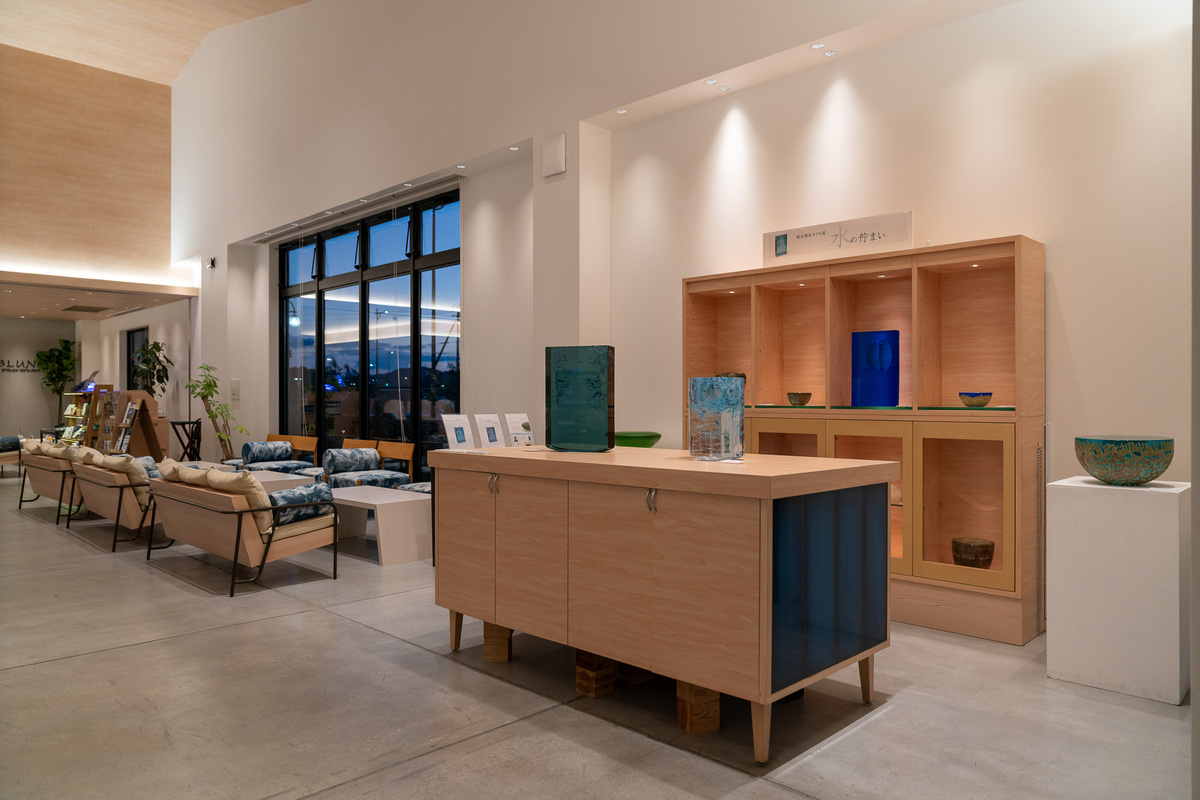
The interior design borrows from a deep “denim blue” as a nod to Kojima’s textile and dyeing heritage, giving the rooms a calm, contemporary tone. Art is treated as part of the stay rather than decoration: works are regularly replaced, and a small lobby gallery hosts rotating exhibitions where pieces can be purchased. The scale feels compact, allowing for a sense of exclusivity, with standard rooms alongside dormitory-style options, and shared touches like a pantry area stocked with tea, water, and snacks.
Next door, Setouchi Onsen Tamanoyu adds a practical pleasure: open-air baths, saunas, and relaxation spaces in a traditional-style facility facing the sea. The geothermal water is drawn from more than 1,000 meters underground, and the calcium/sodium chloride spring is described as helping retain heat and moisture
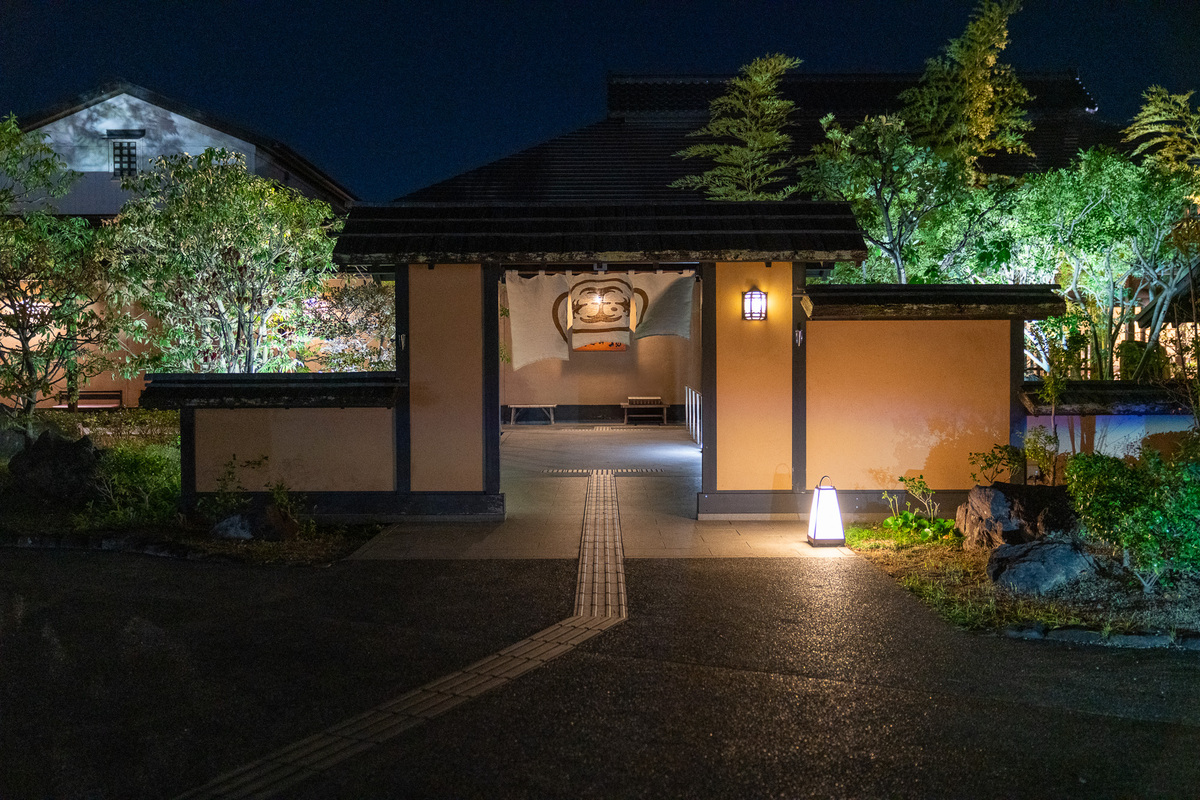
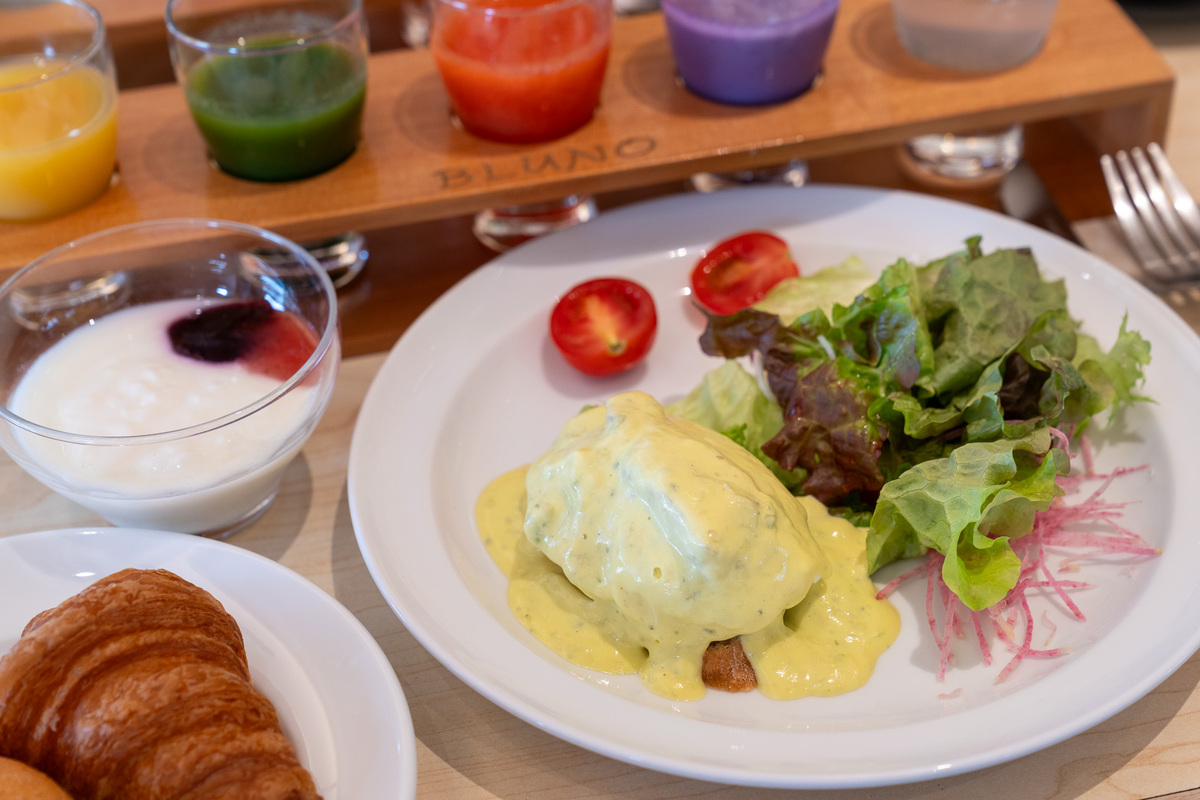
Dining can stay on-site: Setouchi Restaurant BLUNO serves French-influenced courses, while Japanese restaurant KAIROU operates within Tamanoyu. Breakfast is served in the café area, featuring ingredients sourced from the Seto Inland Sea region. The menu includes smoothies, Eggs Benedict, and other Western-style options, presented with great attention to plating so every meal feels special. Service is welcoming for international travelers, with multilingual staff and vegetarian/vegan options available. Concierge staff can advise on island routes, tickets, and local context, which matters when ferry timetables and museum slots may potentially collide.
4. Shimanami Kaido WAKKA (Ehime) | A Nature-Integrated Stay Popular with Cyclists
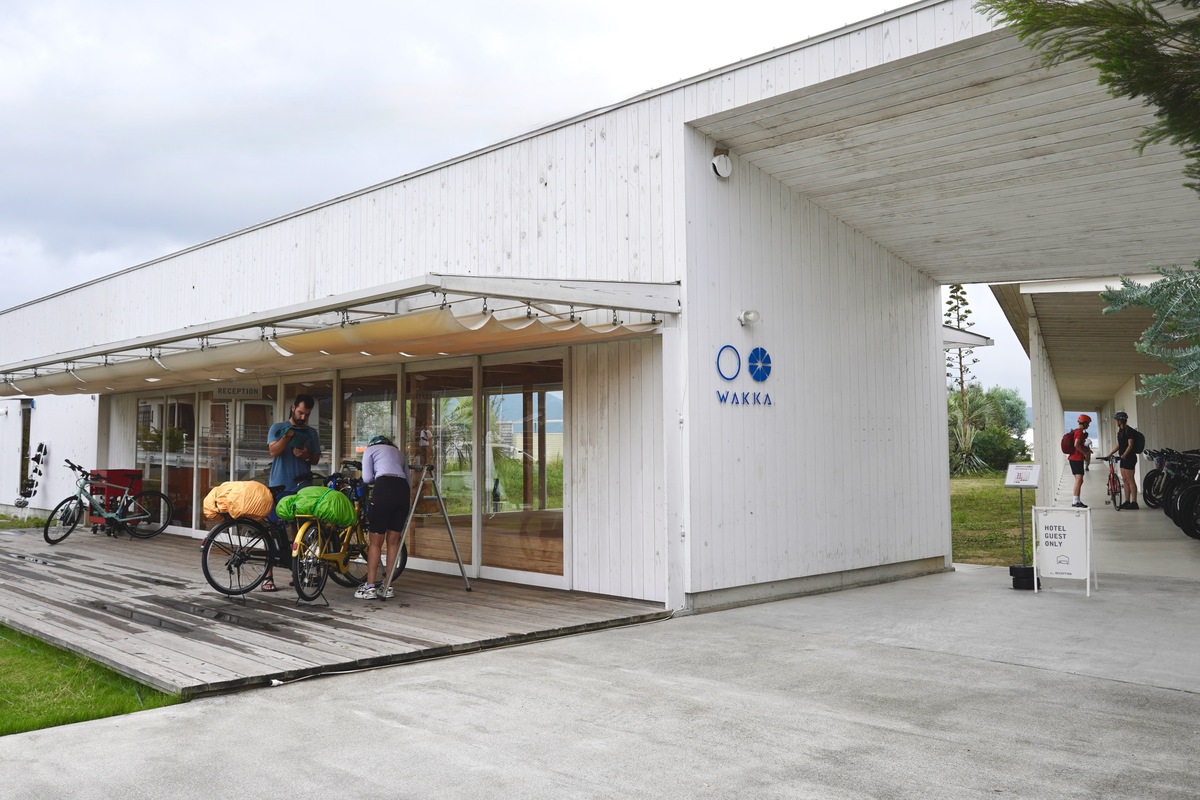
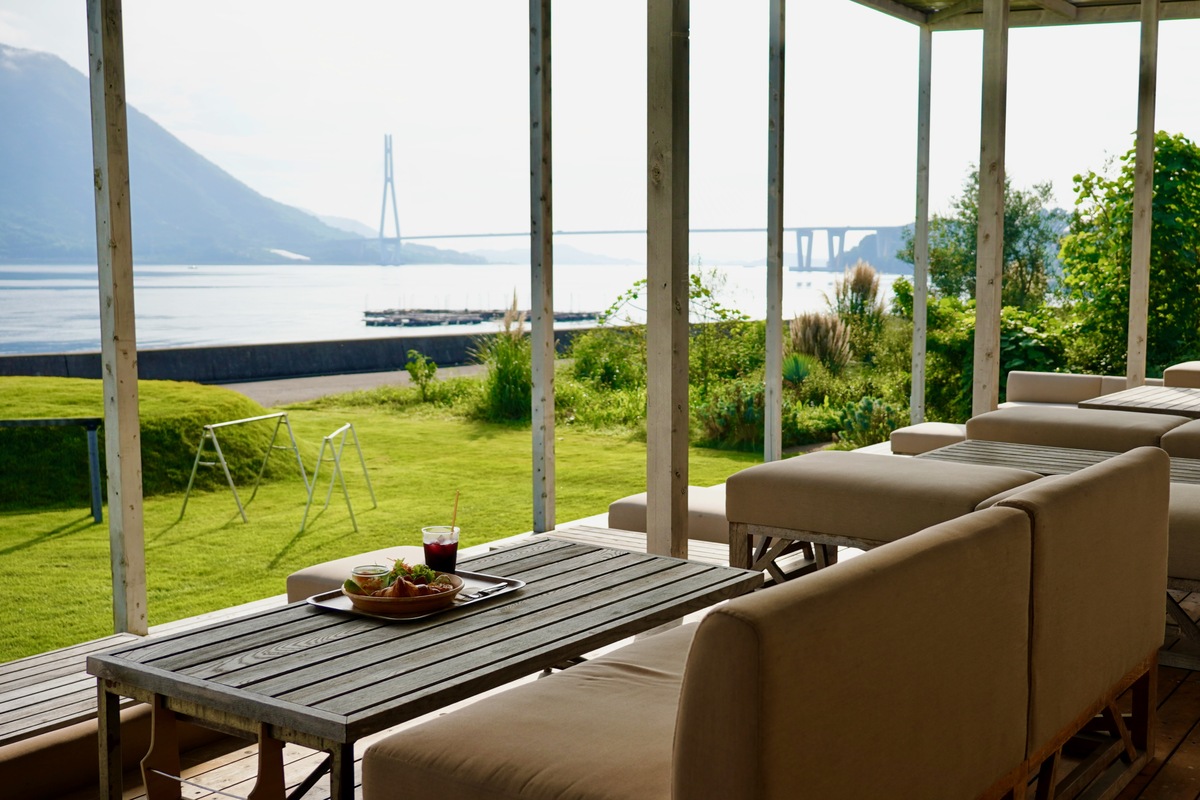
On Omishima, in the middle stretch of the Shimanami Kaido, WAKKA works as a practical hub. Lodging, a waterfront café, guided tours, as well as several experiences such as SUP and fishing, share one compact site, making it easy to base yourself here and explore in either direction. Cyclists are the main audience, yet the setting suits anyone who wants fresh air and island time. The Tatara Bridge spans the channel nearby, and ferries draw quiet lines across the Seto Inland Sea as the light shifts.
The café terrace is probably one of the best introductions: A seasonal dessert paired with fresh mikan juice while enjoying the panoramic views of the Tatara Bridge linking Omishima to Ikuchijima, will be enough to seal the deal.
Accommodation comes in tiers. Glamping tents sit on the lawn, with compact cottages offering en-suite bathrooms just above them. Newer standalone Residences on the hill behind the café add more space and privacy. I stayed in the dormitory-style bunk room and appreciated that beds are assigned so strangers are not placed together. Shared showers and bathrooms are separated by gender; late at night they were clean and quiet.
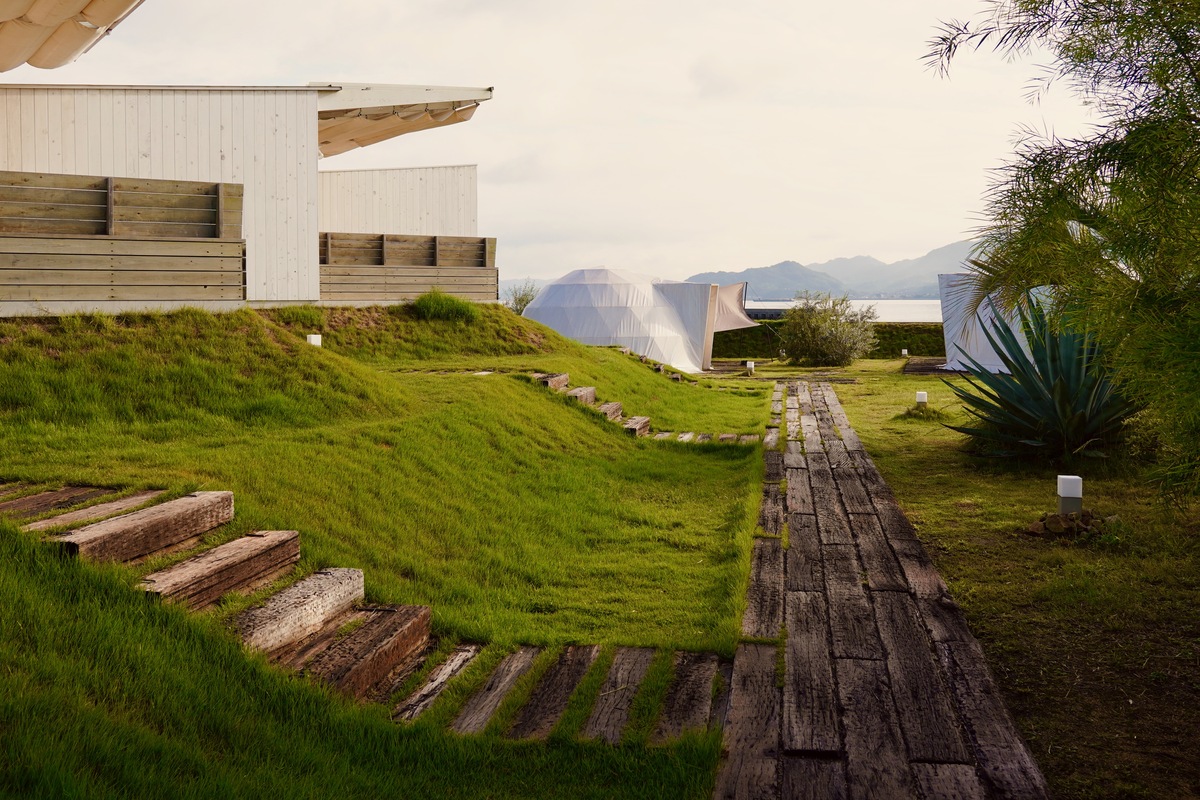
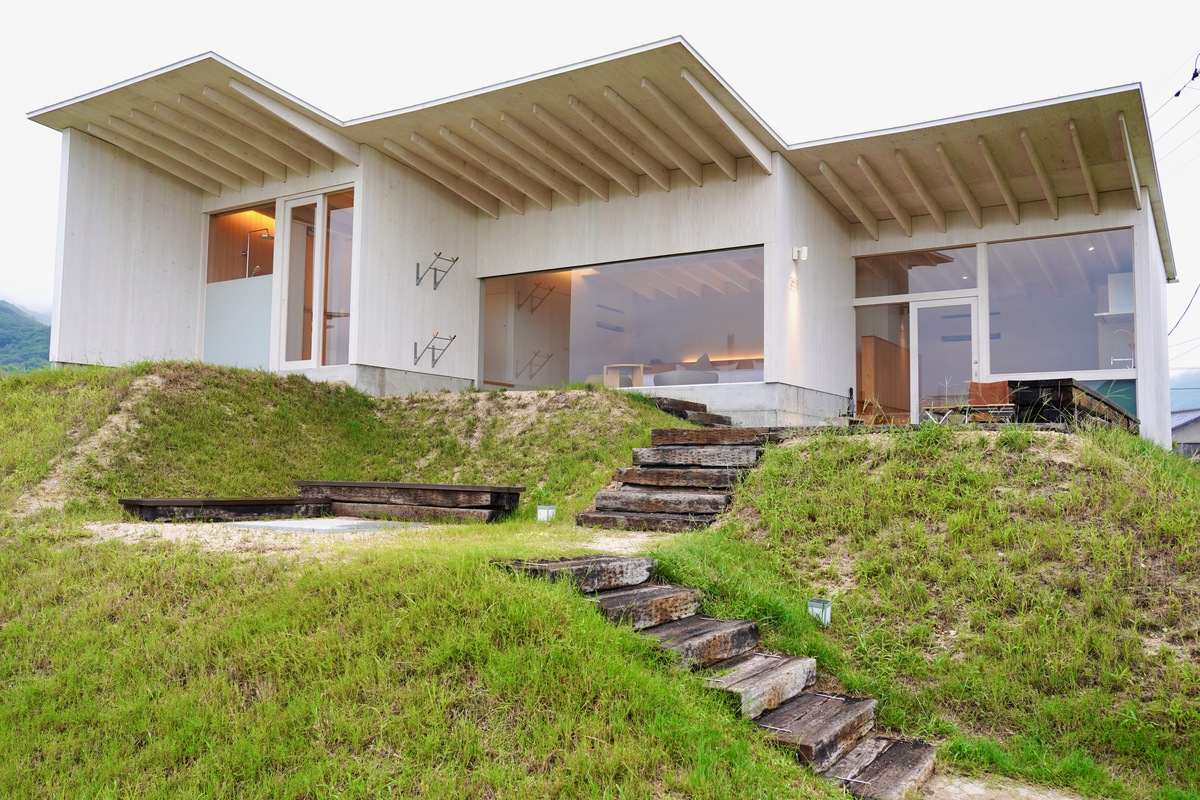
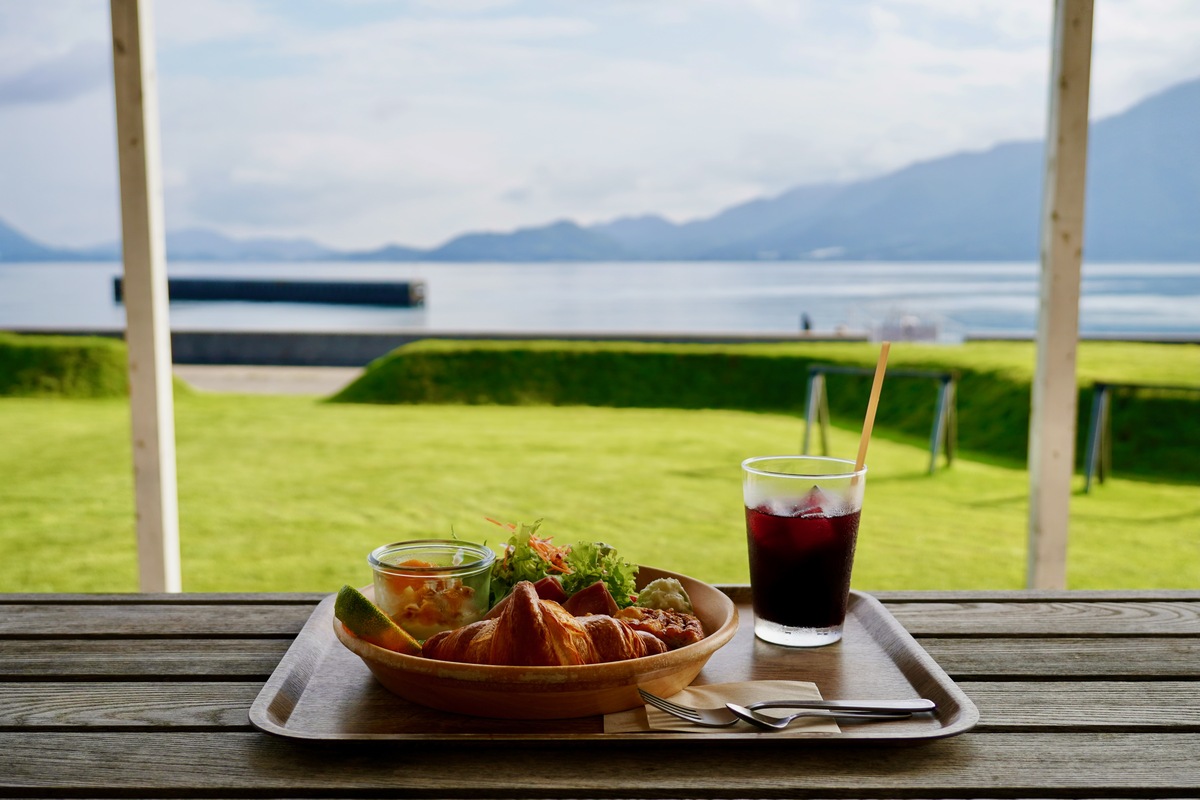
Breakfast is served at the café — croissants baked on site, fresh juice, and a colorful plate — while riders compare routes and ferry timings. WAKKA supports cyclists with rentals, basic repairs, and a chartered bike taxi for people and luggage, including transfers to nearby islands. A student-made booklet in each room introduces Omishima’s small businesses and local characters, encouraging guests to stay longer.
5. Hotel RIDGE (Tokushima) | A Luxurious Stay Overlooking the Naruto Strait
Hotel RIDGE sits on a headland above the Naruto Strait, where land narrows, currents tighten, and the view stretches toward Awaji Island and the Naruto Bridge. The scale is large — about 230,000 m² of grounds — yet the feeling is decidedly intimate. Established in 2006, the resort keeps its footprint quiet with just nine suites, arranged for privacy rather than buzz: one 120 m² Zeiso suite, six 65 m² Western-style Yoso, and two 65 m² modern-Japanese Waso. Space is the baseline here, with rooms that feel built for staying in, not simply sleeping through.
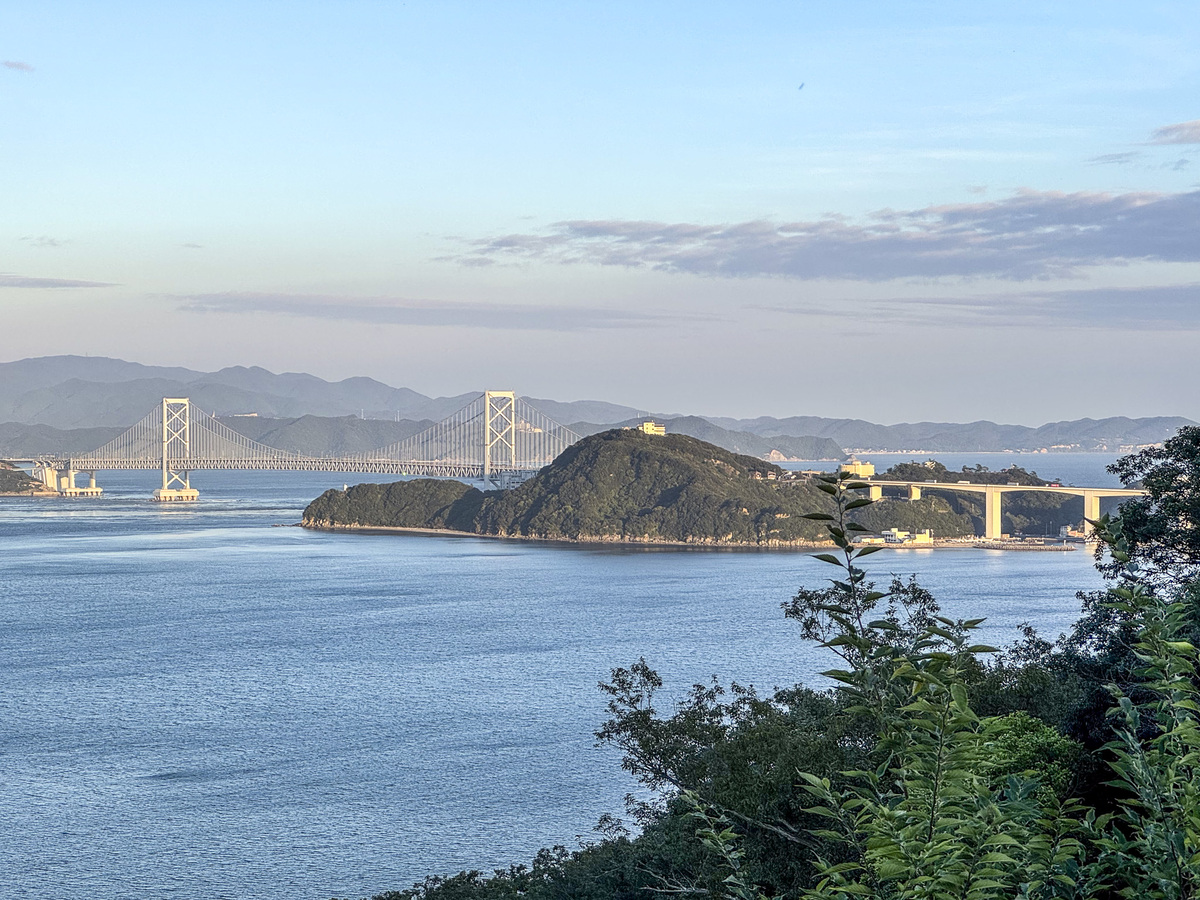
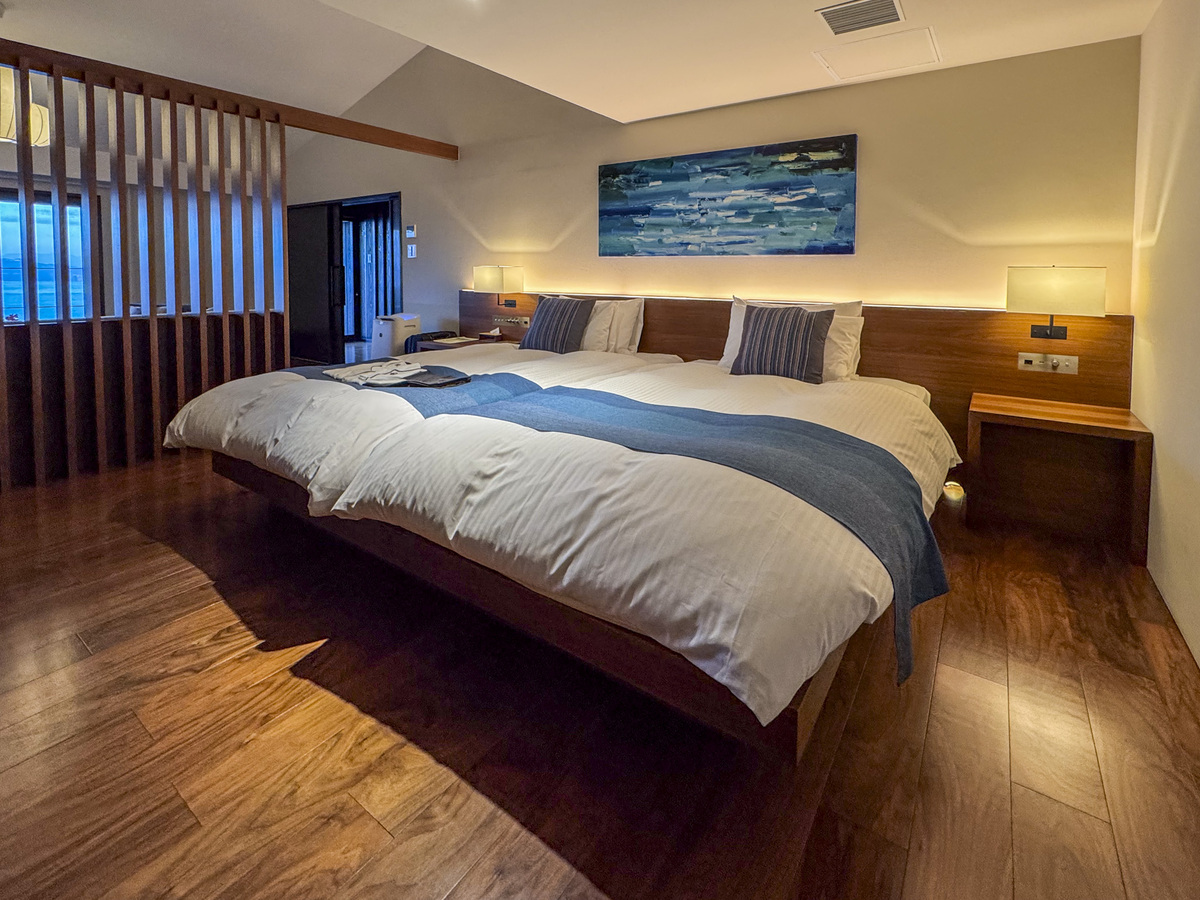
The property’s atmosphere is more mood than theme: low-key paths through trees, buildings that keep a respectful distance from each other, and a sense that the sea is always nearby. From the terrace, the strait reads like a moving stage. On clear nights under a full moon, a leisurely walk to the room after dinner becomes a memorable part of the experience: a short forest path, quiet enough to hear your own steps, with the bridge lights and stars doing most of the work.
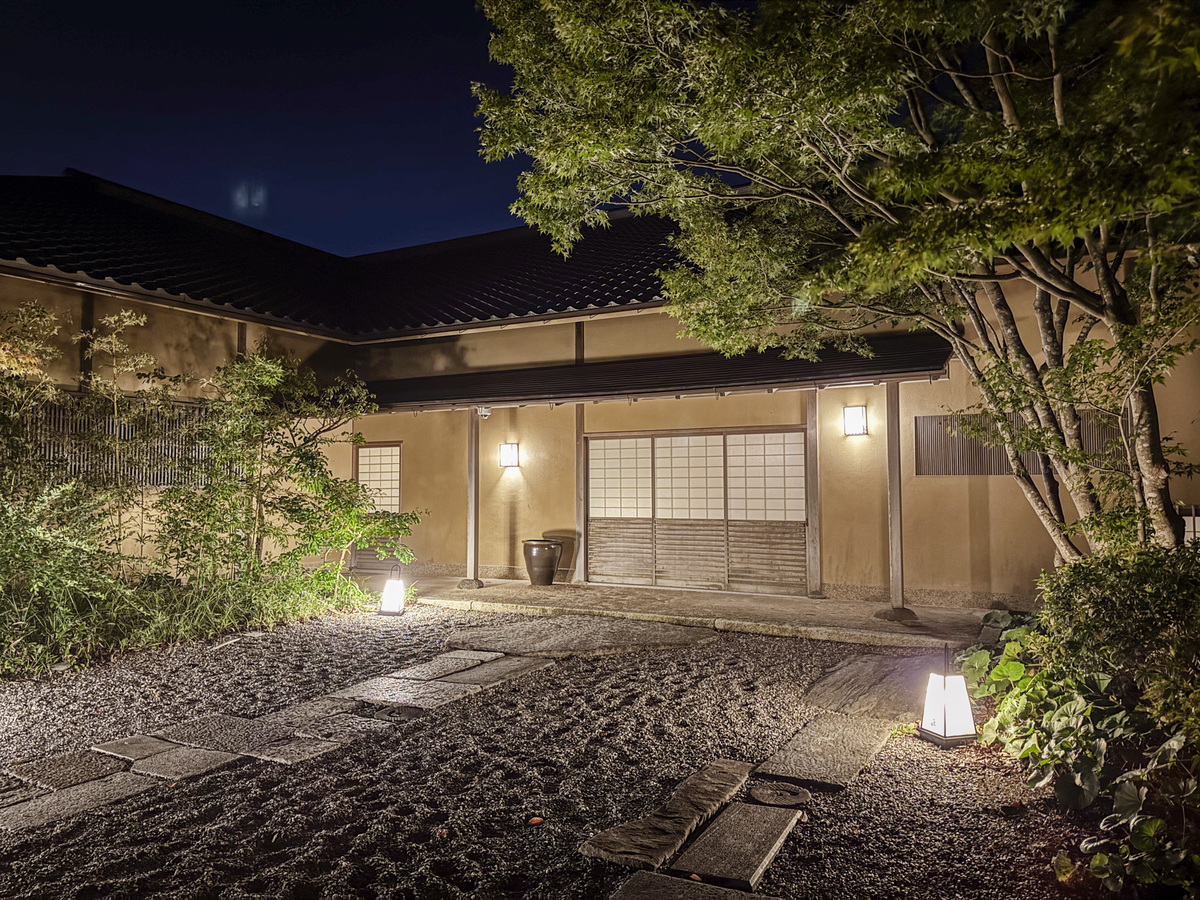
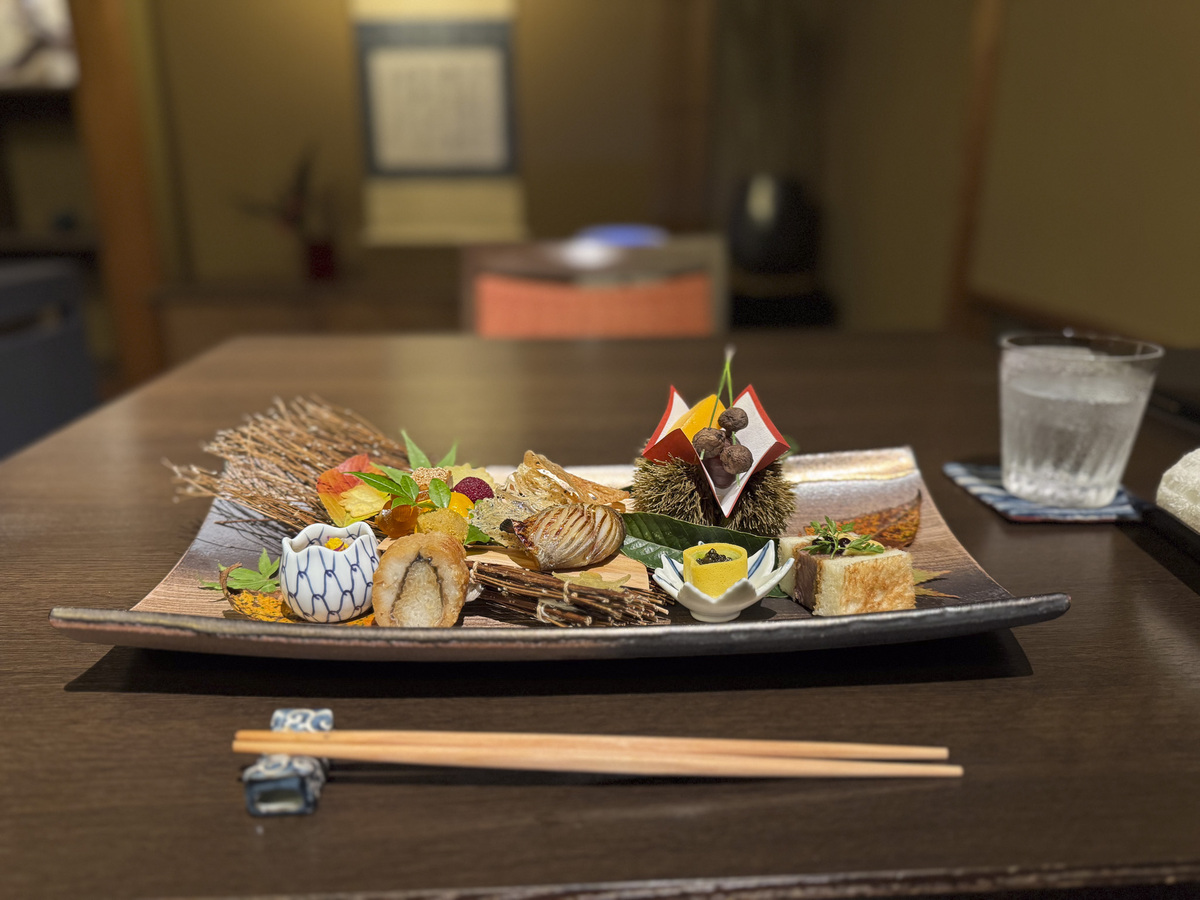
Dining is a major reason to come here. Kaiseki dinner and breakfast are served at Banrisou, a transplanted and restored sukiya-style Japanese building, framed by a traditional Japanese dry garden and meticulous details crafted with artisan techniques. The meal opens with small, sharp contrasts, then builds toward seasonal richness and texture. Breakfast follows the same logic: multiple dishes meant to be taken slowly, including savory fish and pickles that wake the palate without shouting. A second venue, California Table, offers creative French-inspired courses built around local seafood and produce, paired with Ridge Vineyards wines.
Wellness facilities include a guests-only public onsen and a reservation-based spa. The hot spring is drawn from around 1,500 meters underground, used at the source, and described as iron-rich.
Luxury Found in the Sea’s Embrace
Across Setouchi, the most valuable upgrade is often the view itself: islands scattered across calm water, changing light, and a daily rhythm set by boats rather than notifications. The five stays in this selection translate that geography into different forms of rest. Shodoshima turns olives and sea air into a wellness routine you can take home. Awaji’s Zenbo Seinei uses cedar, silence, and careful food to slow the mind down to human speed. In Uno, design and art link directly to ferry life, letting a single night function as an island-hopping base. WAKKA makes the Shimanami Kaido feel navigable, welcoming cyclists while giving non-riders a front-row seat to bridge-and-channel scenery. Hotel RIDGE, perched above the Naruto Strait, adds stunning views in a secluded and intimate setting, for a memorable experience well past sunset.
Setouchi rewards travelers who choose accommodation as part of the destination. Time spent facing the sea, watching ferries, tracing bridges, or noticing how islands shift from morning haze to sharp evening silhouettes, refreshes your body and mind while making the region’s geography feel personal rather than abstract. Taken together, they point to a travel style built on staying longer, moving slower, and letting Setouchi’s sea set the pace for an unforgettable journey.
Related Articles
-
 Relaxing Stay
A Nostalgic Japanese Landscape - A Relaxing Inn in the Mountains to Revitalize Your Body and Mind
-
.webp) Relaxing Stay
Relaxing Stay7 Recommendations for a Sustainable Stay in Setouchi
-
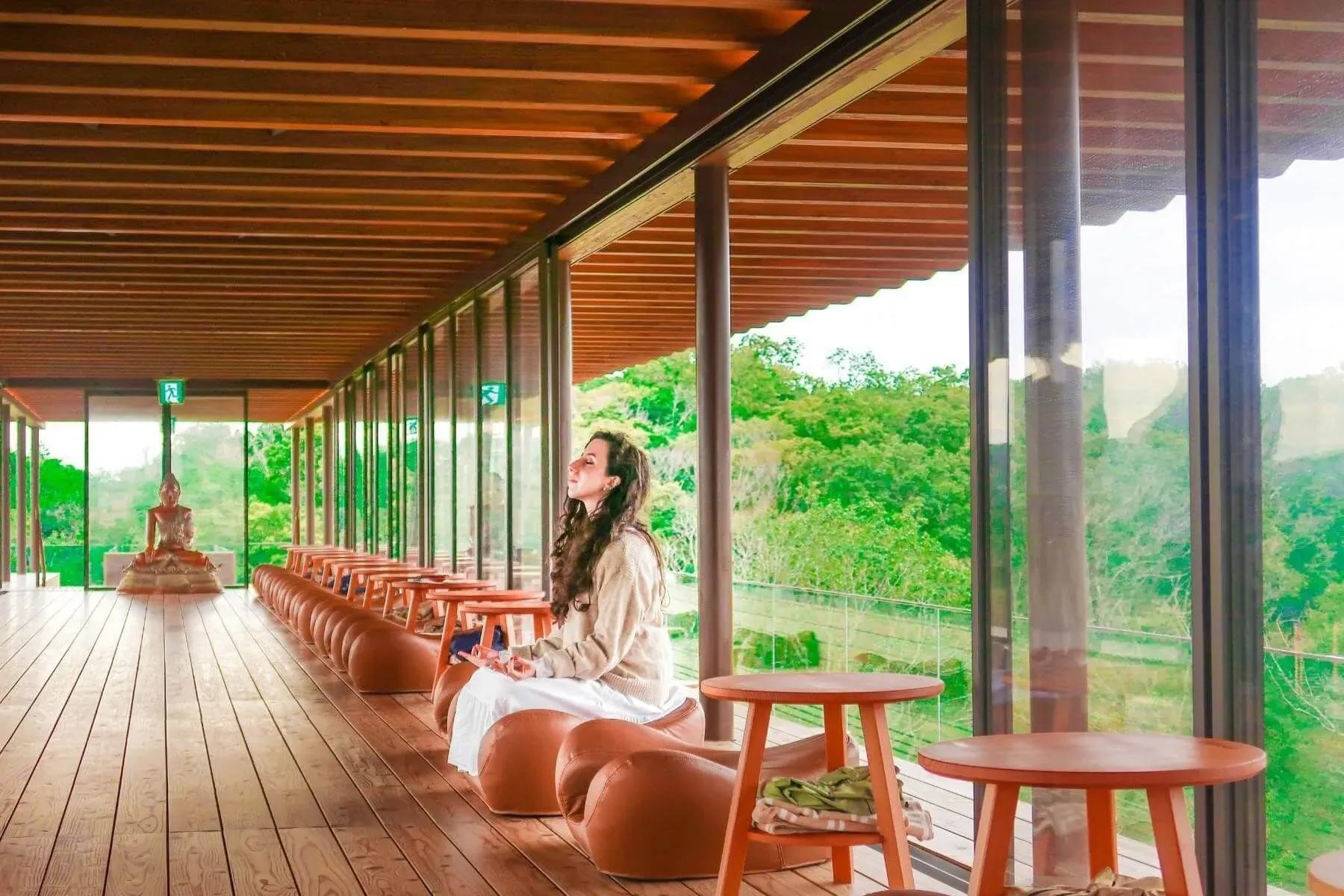 Relaxing Stay
Zenbo Seinei: Nourish Your Soul With This Zen Retreat Imbued With the Vast Nature of Awaji Island
-
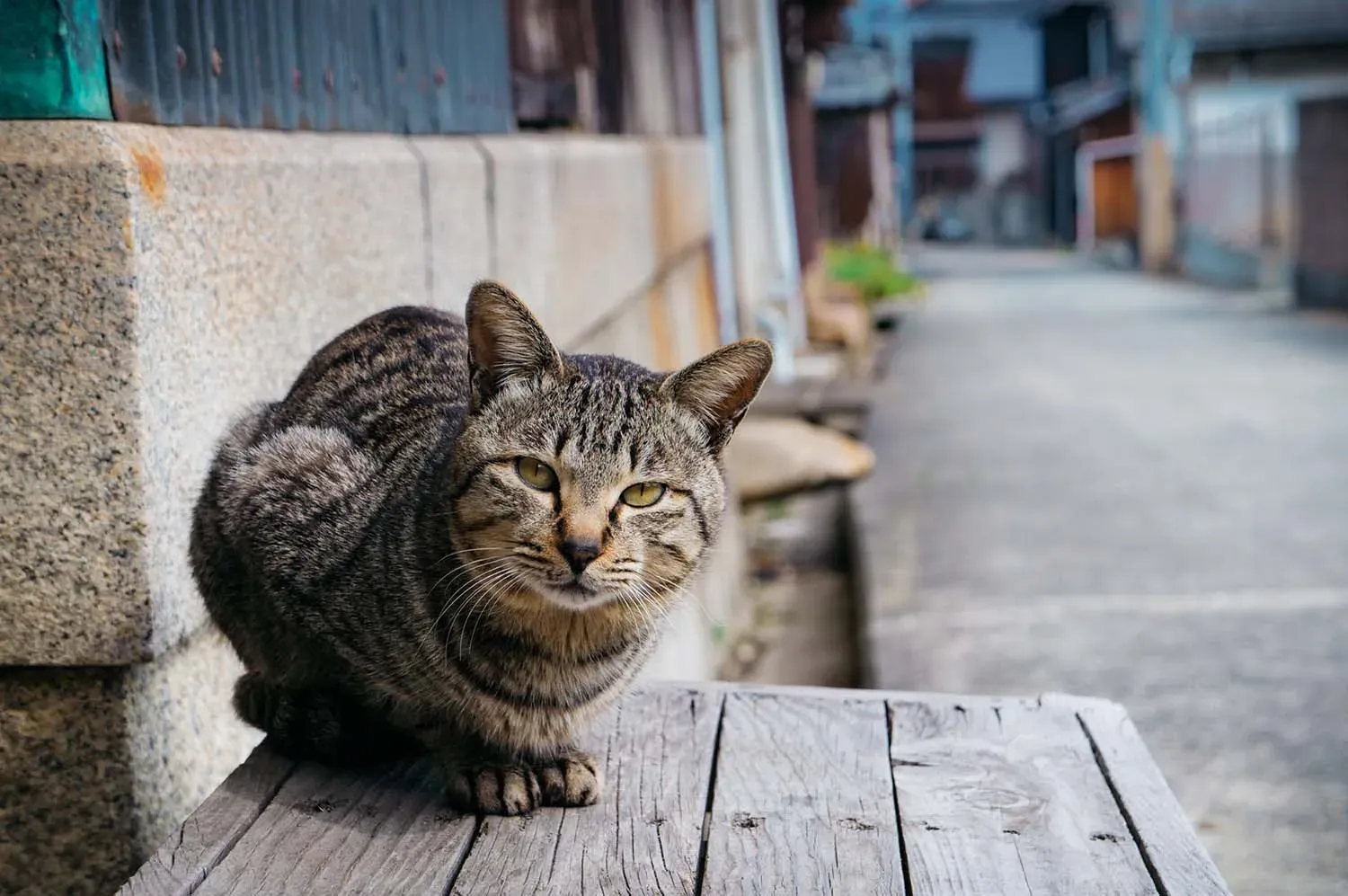 Relaxing Stay
A Quiet Stay on one of Japan’s Cat Islands: Manabeshima
-
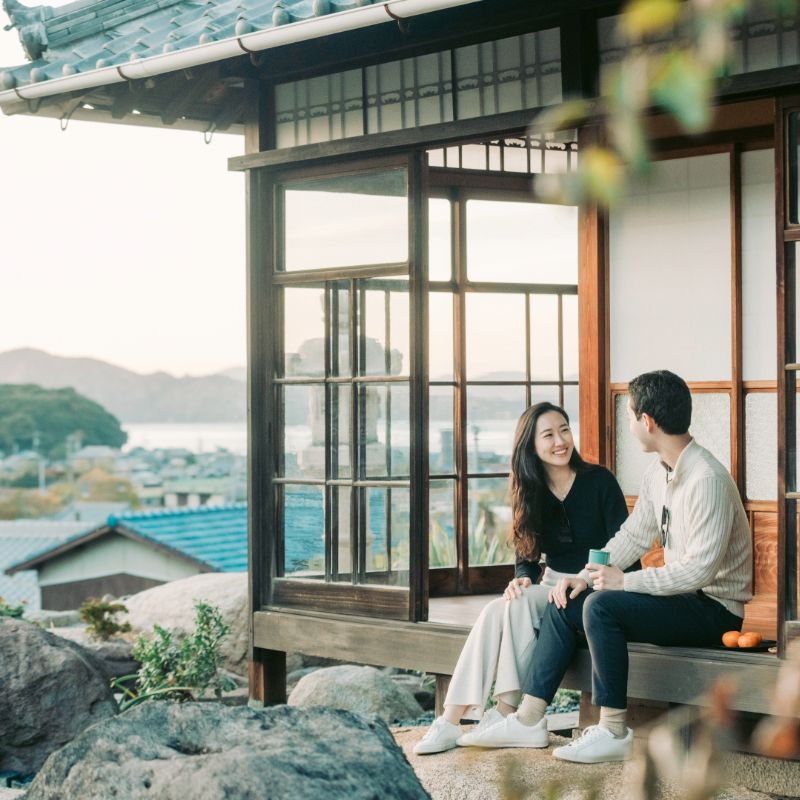 Relaxing Stay
Stay in Traditional-Style Lodgings on Teshima Island
-
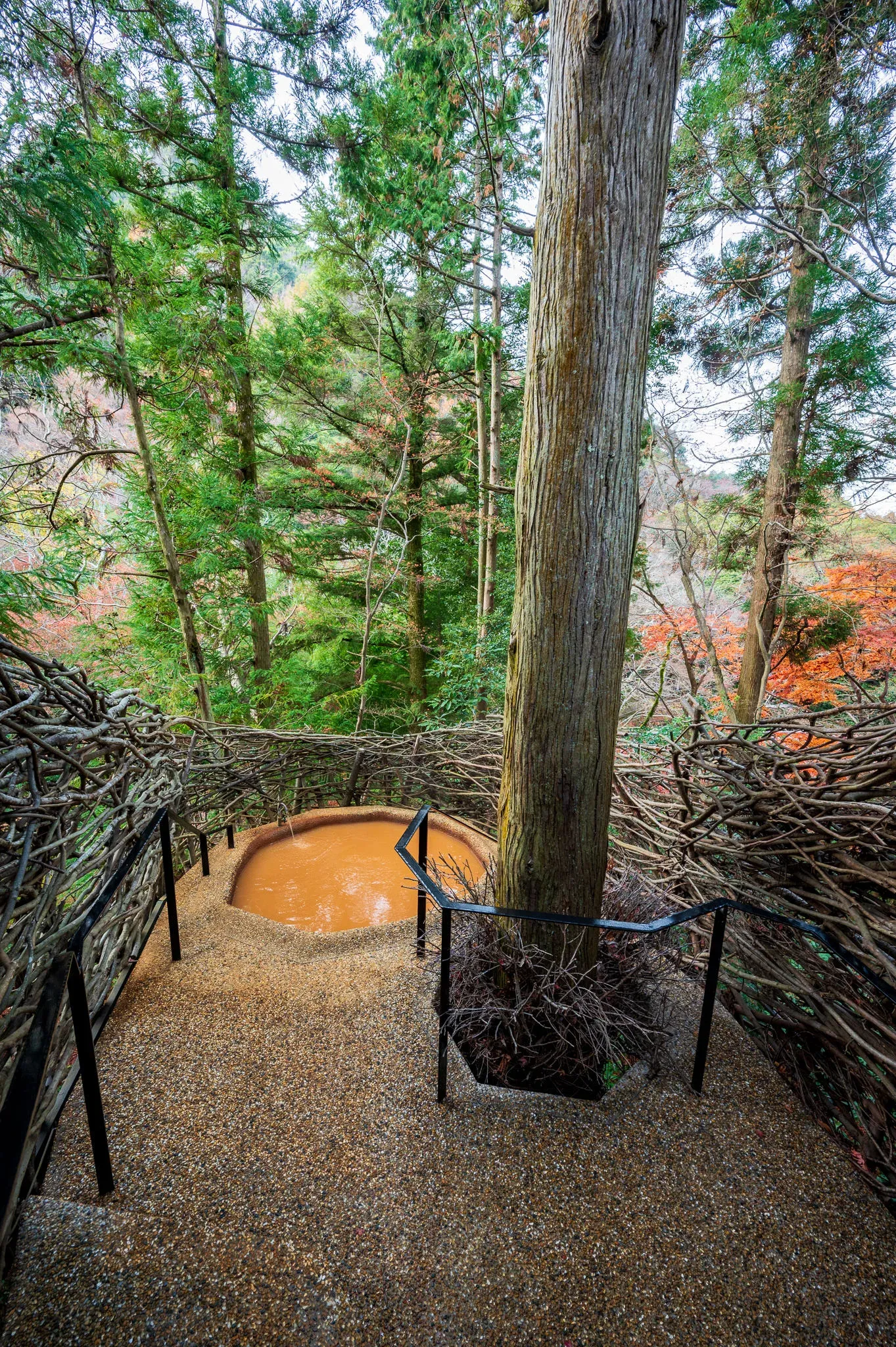 Relaxing Stay
7 Unique Accommodations of the Setouchi Region
-
 Relaxing Stay
A Unique Overnight Stay in Japan’s First-Ever Castle Tower Accommodations at Ehime’s Ozu Castle
-
 Relaxing Stay
Kinosaki Onsen: A Spa Town in the Heart of San’in Kaigan Geopark
RELATED DESTINATION
Kagawa
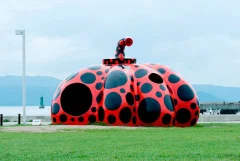
This is an area with many islands, including Naoshima and Teshima, which are famous for art. It also is home to the tasteful Ritsurin Garden. Kagawa is also famous for its Sanuki udon, which is so famous it attracts tourists from throughout Japan. The prefecture is even sometimes referred to as “Udon Prefecture.” [Photo : “Red Pumpkin” ©Yayoi Kusama,2006 Naoshima Miyanoura Port Square | Photographer: Daisuke Aochi]