




Relaxing Stay
A Nostalgic Japanese Landscape - A Relaxing Inn in the Mountains to Revitalize Your Body and Mind

-
- RELATED TAGS
-
- LAST UPDATED
- 25 February, 2026
In the quieter parts of Japan, life moves at a different pace. From thoughtfully renovated farmhouses and traditional ryokan to coastal villages and stunning natural landscapes, these accommodations offer a nostalgic retreat for guests who want to unwind and relax. What’s more, they provide a meaningful way to reconnect with the land and its traditions—by experiencing time-honored building techniques, local cuisine, and living history firsthand.
Table of Contents
- 1. NIPPONIA NIO TRANQUIL BAY (Kagawa) | A Lodging Reflecting Sanuki’s Rich Lifestyle in Harmony with Nature
- 2. CHOJAYA (Hiroshima) | Warm Moments Born from Revived Traditional Houses and Community Harmony
- 3. Sasayama Castle Town Hotel Nipponia (Hyogo) | A Historical Experience in an Edo-Period Castle Town
- 4. Sansuien (Yamaguchi) | A Sophisticated Hidden Retreat Balancing Tradition and Modern Aesthetics
- 5. Ishidatami no Yado (Ehime) | A Lodging That Walks Through a Historic Stone-Paved Townscape
- 6. Summary | Where Time, Place, and Tradition Meet
1. NIPPONIA NIO TRANQUIL BAY (Kagawa) | A Lodging Reflecting Sanuki’s Rich Lifestyle in Harmony with Nature
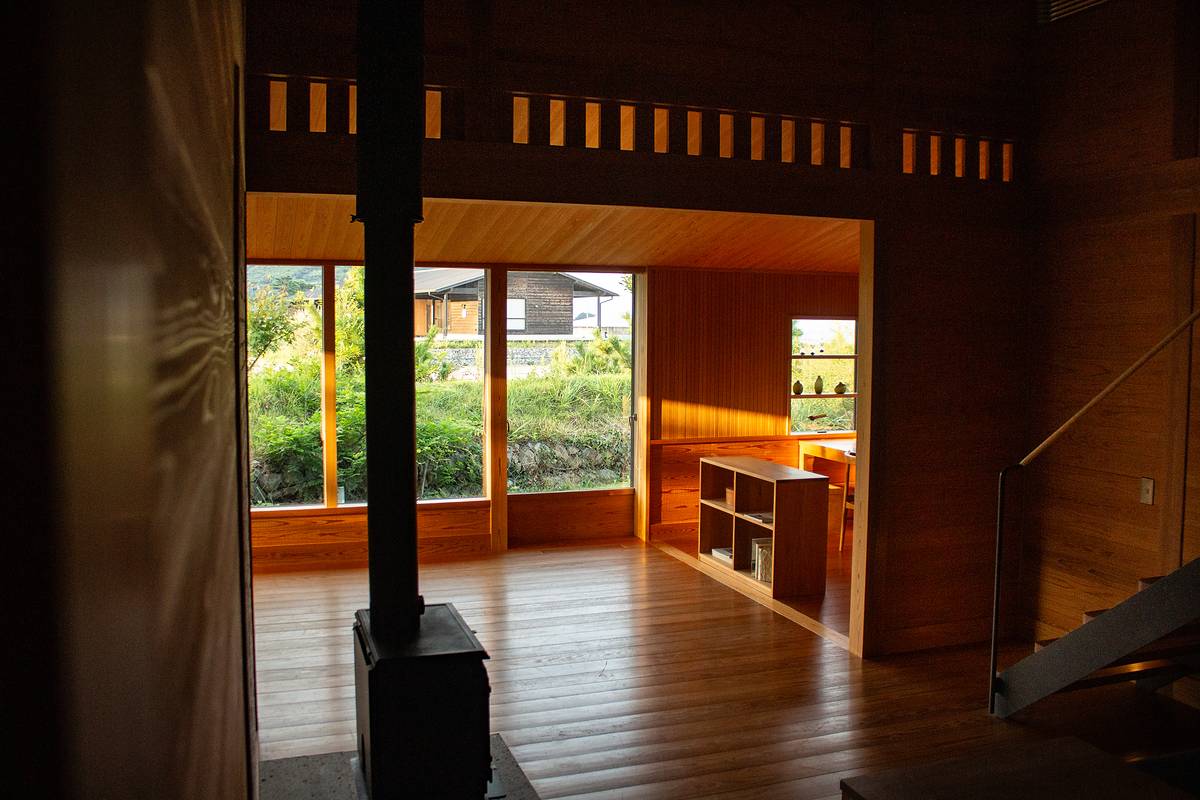
NIPPONIA NIO TRANQUIL BAY is a dispersed accommodation located in the small seaside town of Nio, Kagawa Prefecture, overlooking the scenic Seto Inland Sea. Antique Japanese houses have been thoughtfully renovated with a contemporary sensibility, allowing guests to experience the entire town as if it were a single, immersive hotel.
Guest rooms are found throughout the town, with visitors walking from the reception building to the dining venue and on to their accommodations, savoring the atmosphere of Nio as they go. This “stay-by-strolling” concept may not match the scale of Spain’s Paradores, but it shares a philosophy closer to Italy’s albergo diffuso, where the town itself becomes part of the lodging experience. In total, there are six accommodation buildings, five of which preserve the character of earlier times, inviting guests to reflect on the layers of history, memories, and everyday lives embedded in their walls. Simply by walking through the town, visitors can connect with the people of Nio, experiencing the warmth and quiet hospitality of this seaside community.
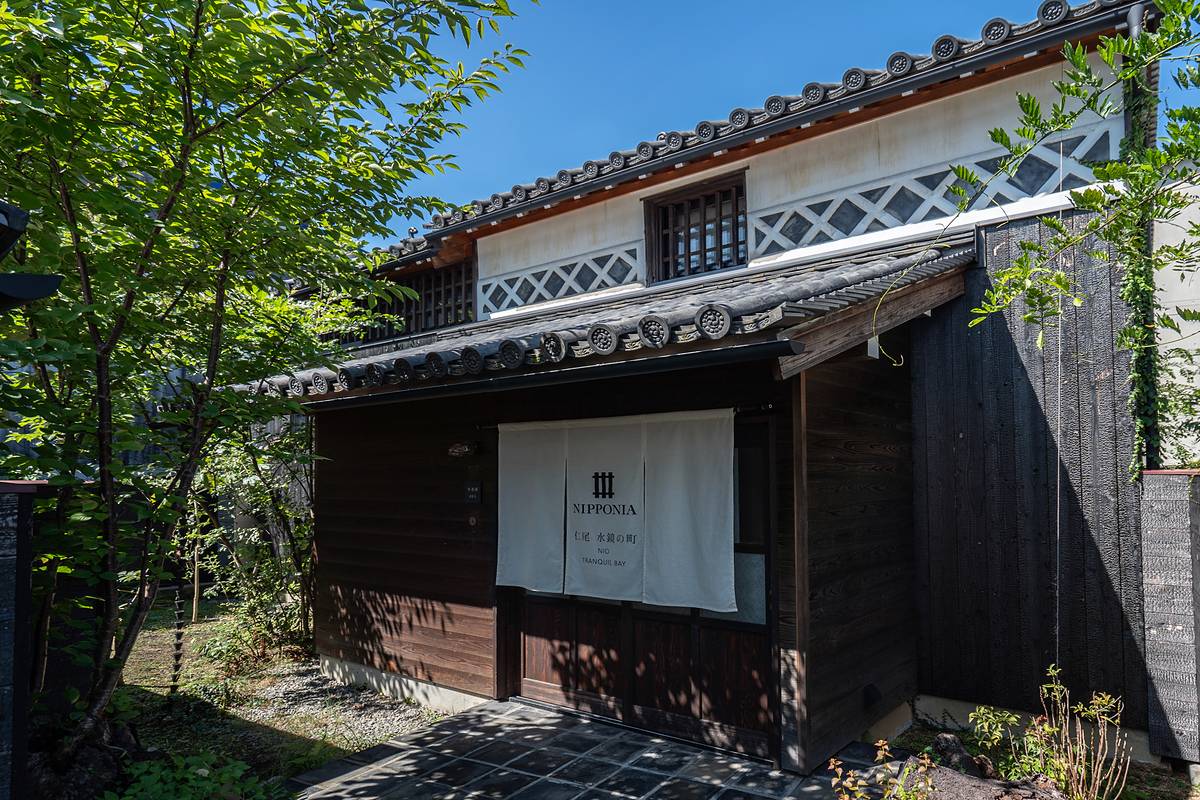
Takiya, located just behind the reception building, is a private, whole-house accommodation created from a former merchant’s residence with a history spanning more than 150 years. The house features two bedrooms showcasing massive beams that support the structure, along with a spacious living and dining area. Each room is also equipped with an analog record player.
By intentionally omitting televisions and clocks, the space encourages a slower pace of time, offering a calm and restorative stay that invites guests to truly unwind.
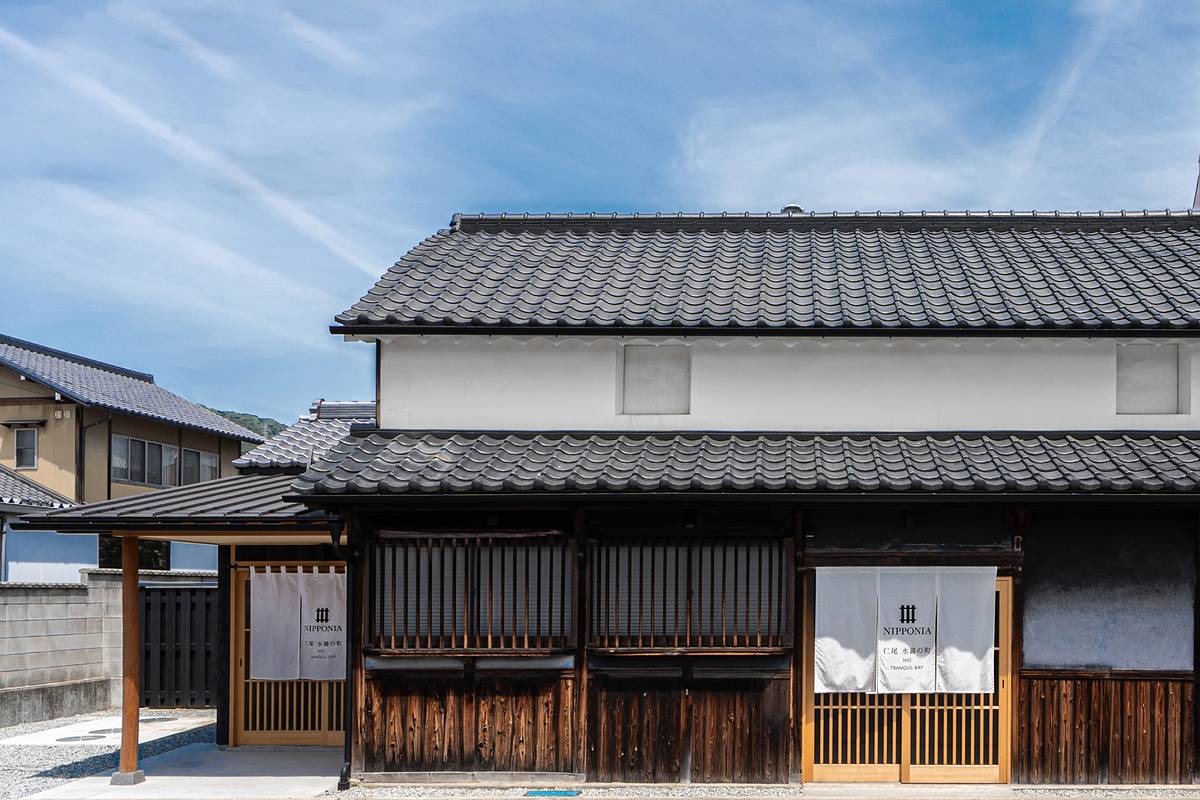
A short walk from Takiya, Chiyoya is a carefully preserved residence originally built in the late Edo period and renovated in 1914. The building offers an immersive experience in traditional Japanese architecture, reflecting its past prosperity as a merchant’s house through its refined and generous design.
Throughout the space, traces of skilled craftsmanship remain, layered with modern amenities that gently support contemporary comfort, while still respecting the character and history of the original structure.
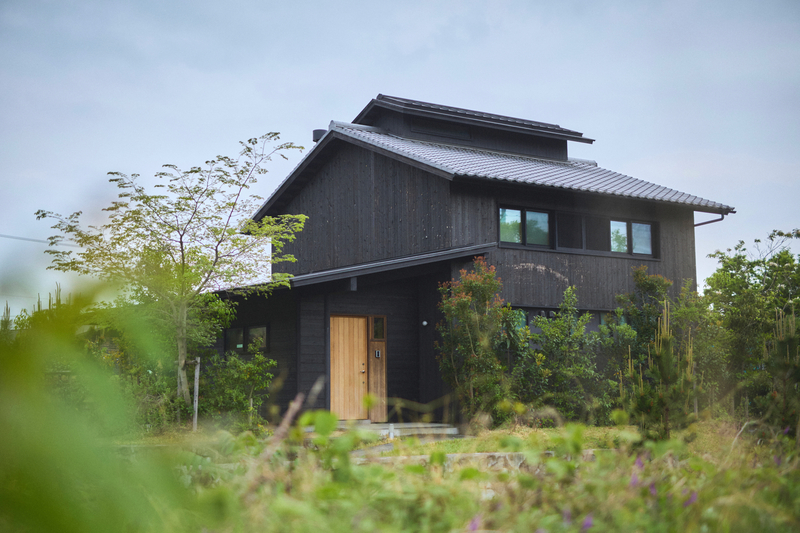
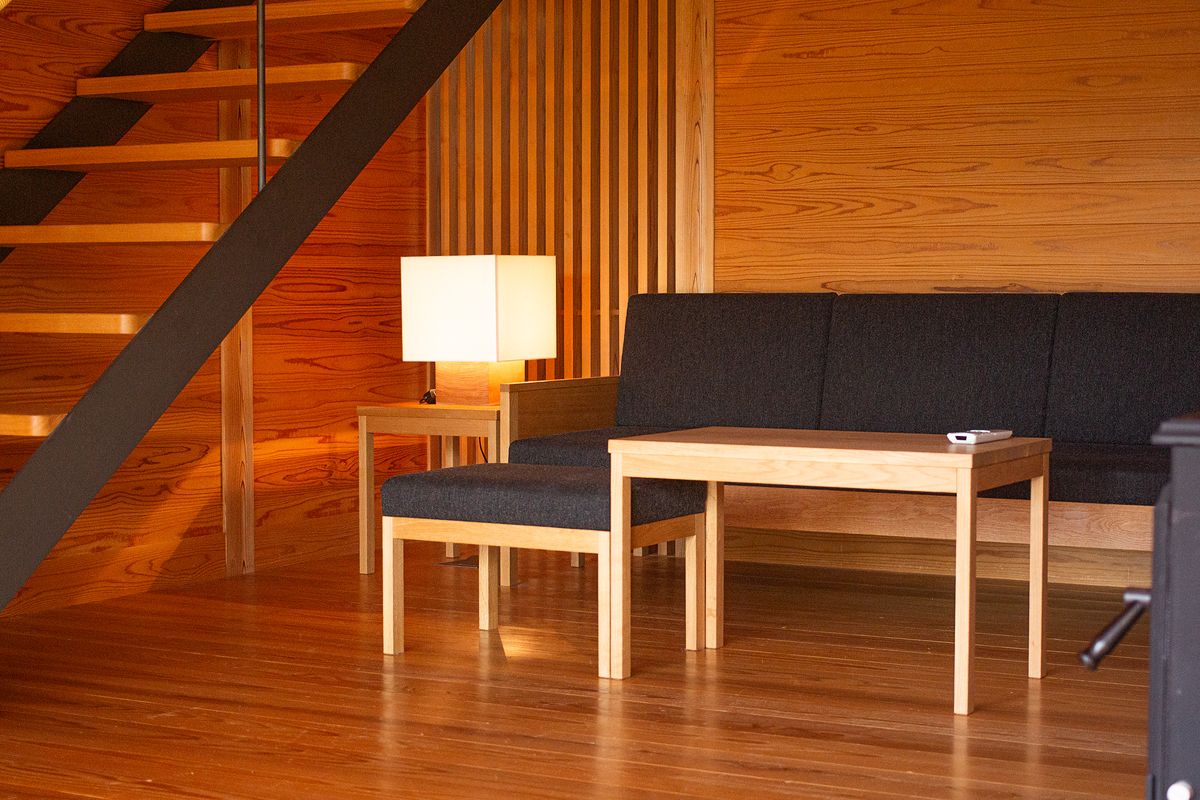
The accommodation we stayed in on this visit, Sanuki Ryokuso, is the only building among the six to have been newly constructed in the 2020s. It is a special residence designed by renowned Japanese architect Yasushi Horibe. The building is thoughtfully configured to welcome natural light deep into its interior, while incorporating traditional techniques, materials, and handcrafted elements inspired by Sanuki—the region’s historic name—throughout the space. With its generous kitchen, large refrigerator, and fully equipped tableware, the residence offers a rare sense of living rather than simply staying, providing a serene retreat far removed from everyday bustle.
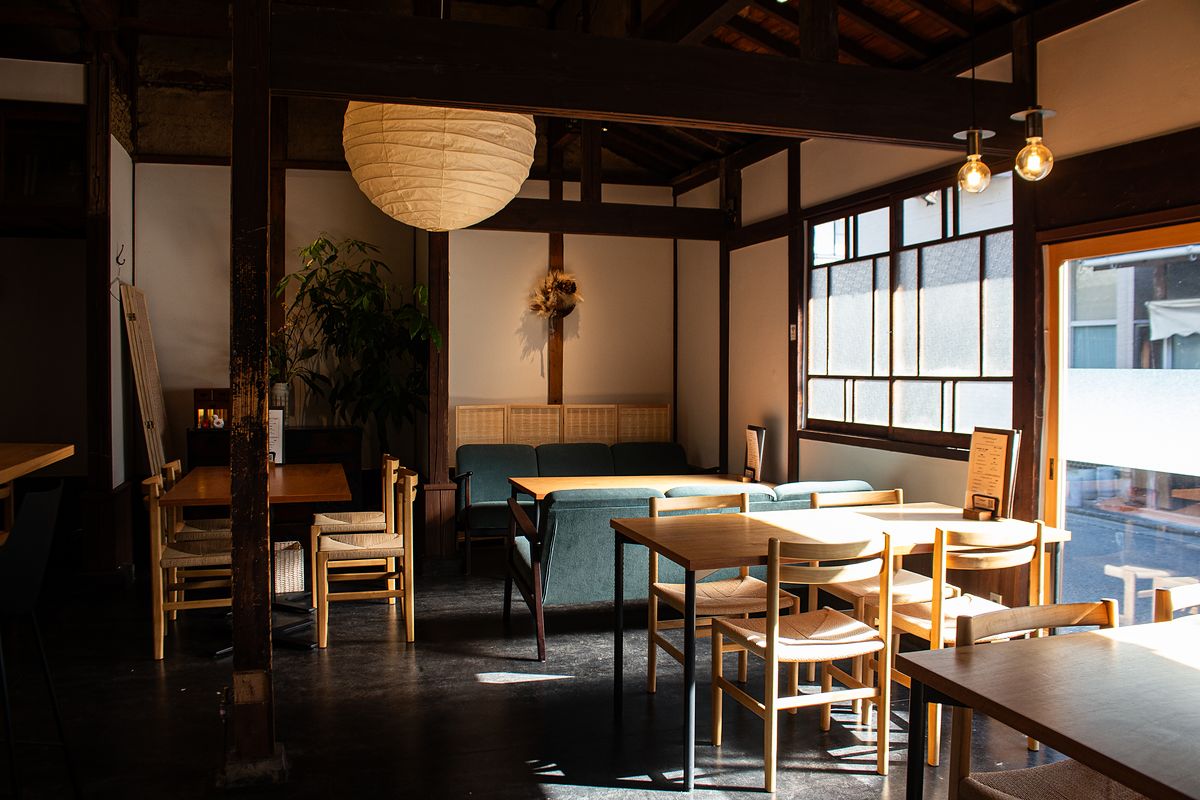
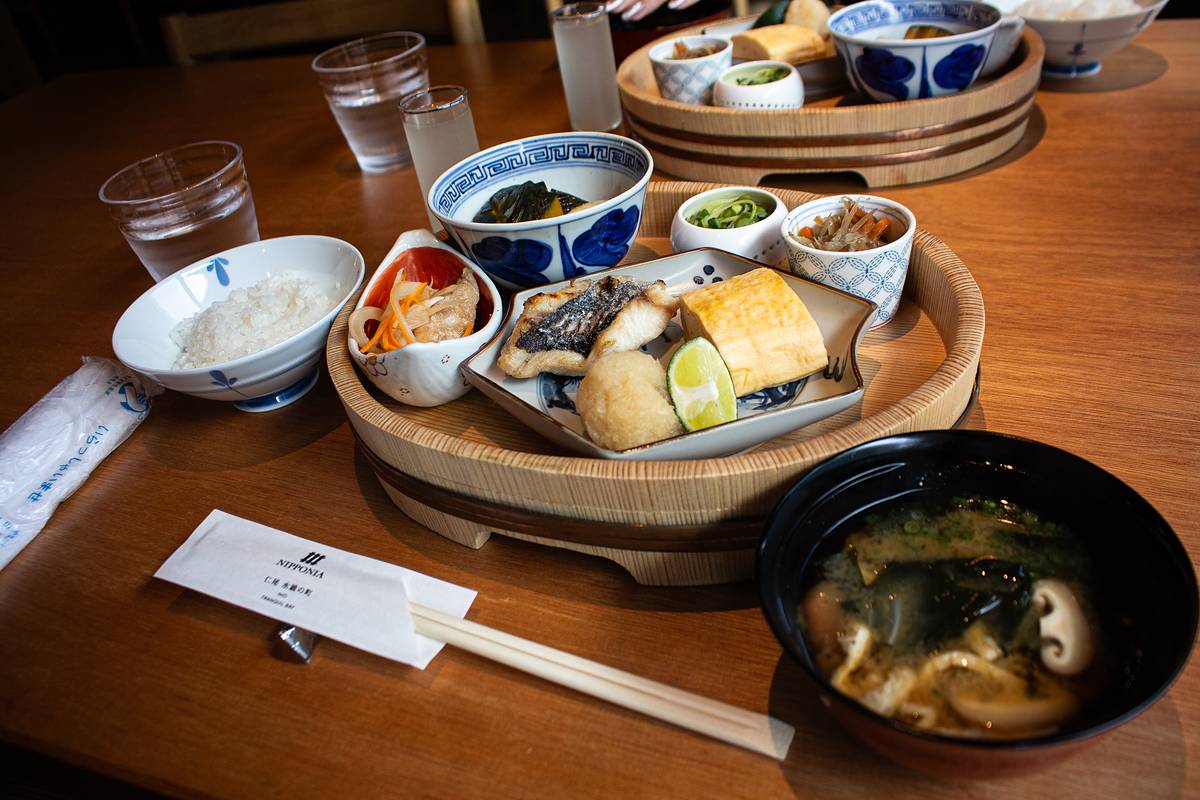
Breakfast was served at MAWARU, a creative Japanese restaurant housed in a renovated traditional home. Dishes here are carefully prepared using an abundance of seasonal ingredients from the Seto Inland Sea. The gentle presentation and comforting flavors bring a sense of calm and warmth, enriching the start of the day and leaving guests with a feeling of quiet contentment.
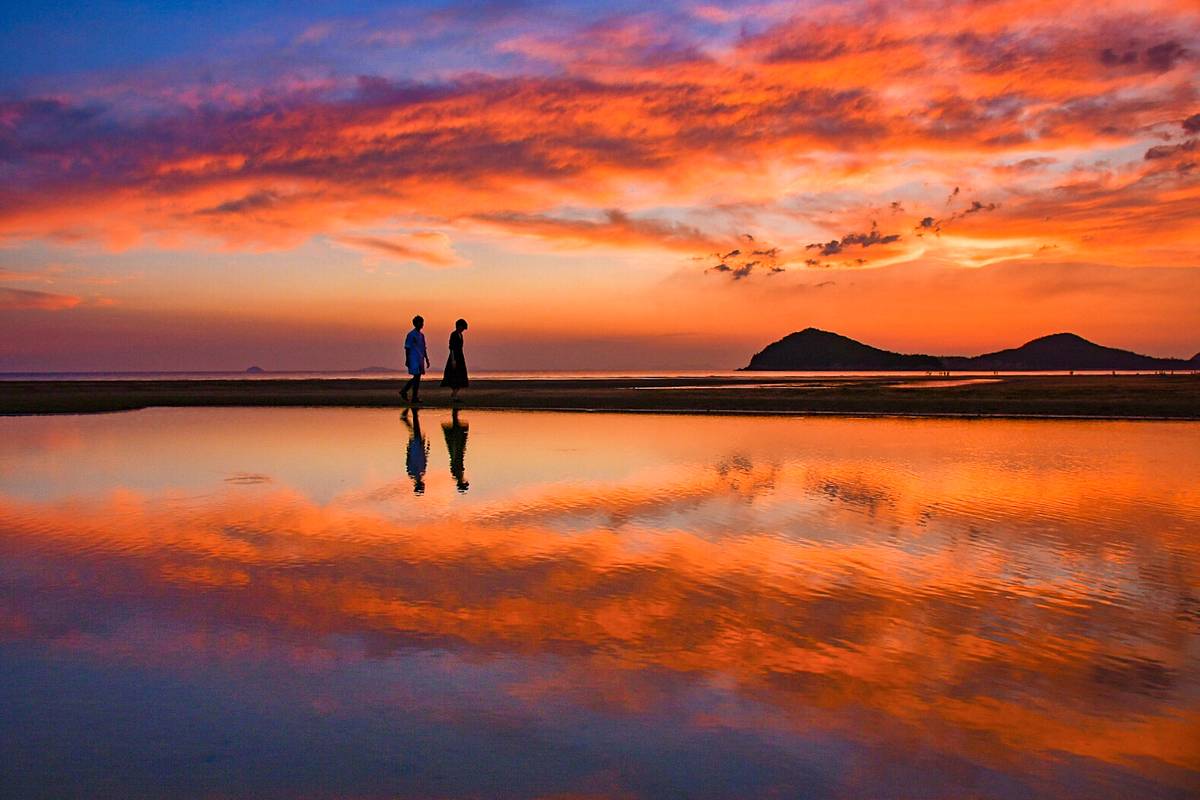
MAWARU is also located near Chichibugahama Beach, a place famed for its shallow shoreline and breathtaking sunsets, that often is referred to as “Japan’s Uyuni Salt Flats.” At low tide, the receding water transforms the beach into a mirror-like surface that reflects the sky, creating a dreamlike scene—perfect for capturing unforgettable photographs.
On this visit, NIPPONIA NIO TRANQUIL BAY revealed itself as a dispersed hotel where each building offers a distinct character. Blending seamlessly with the town, its natural surroundings, and the lives of local residents, it welcomes guests with a quiet warmth that feels both genuine and deeply personal.
2. CHOJAYA (Hiroshima) | Warm Moments Born from Revived Traditional Houses and Community Harmony
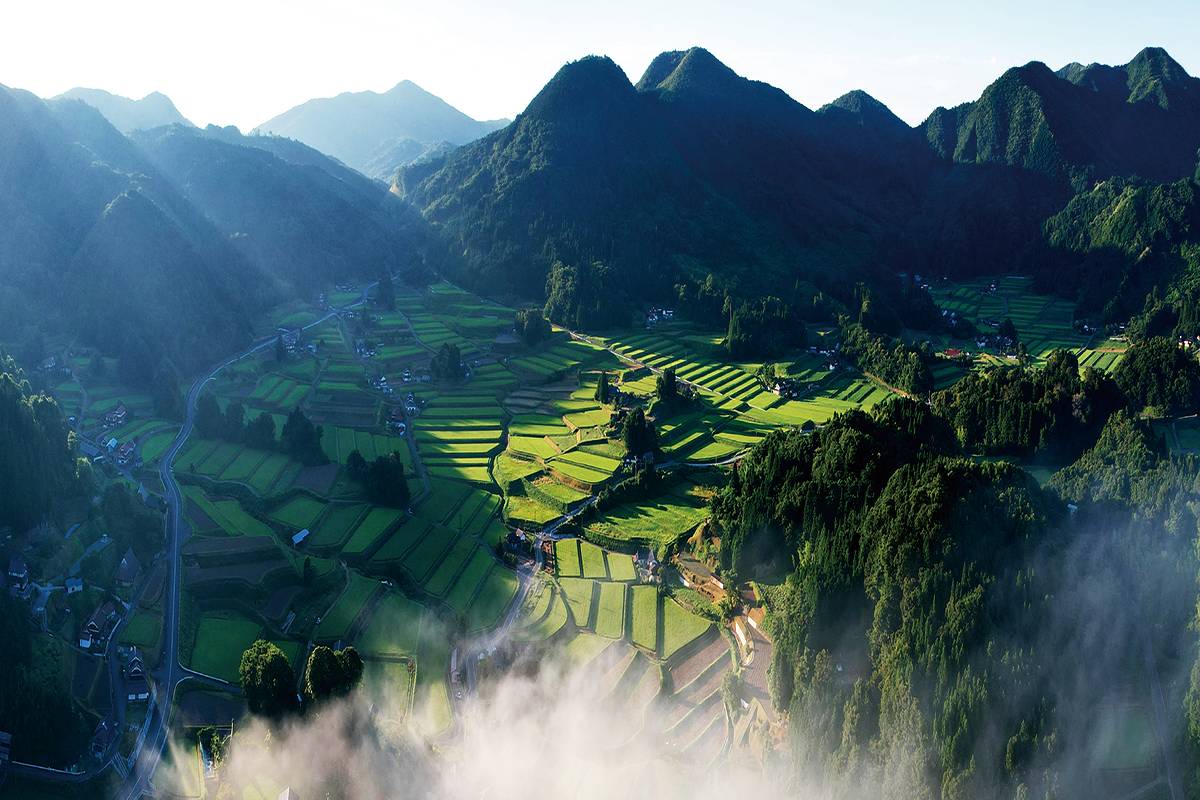
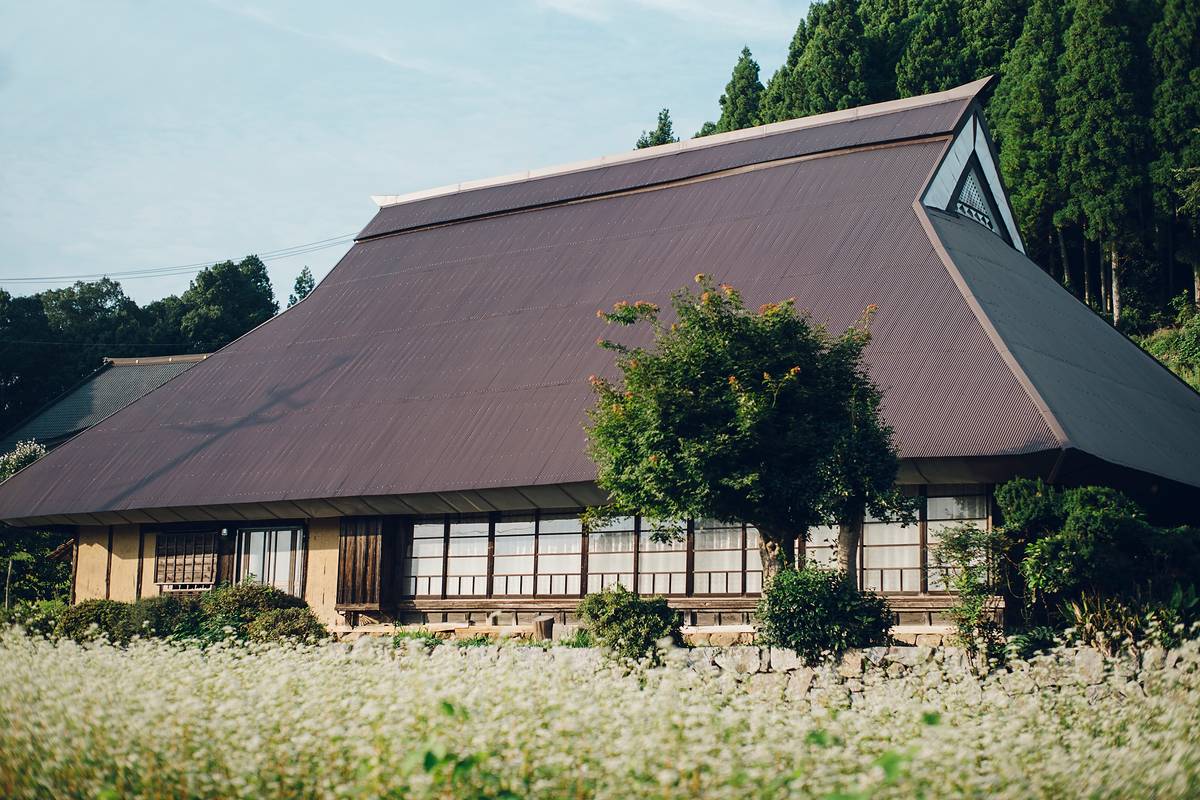
Nestled among the terraced rice fields of Hiwa Town in Shobara City, Hiroshima Prefecture, CHOJAYA is an open invitation to Japan’s rural past. This 250-year-old traditional farmhouse takes its name from the Japanese word “choja,” a term once used to describe wealthy or influential farming families that shaped village life. And, staying true to this name, the thoughtfully renovated property now blends centuries-old charm with modern comforts.
The 200-square-meter house features one bedroom, two tatami rooms, a spacious living/dining area with a sunken hearth (known as a “irori”), a full kitchen with an island, a large bathroom, and on-site parking. CHOJAYA can accommodate up to eight guests, making it ideal for families or groups, with two beds and six futons.
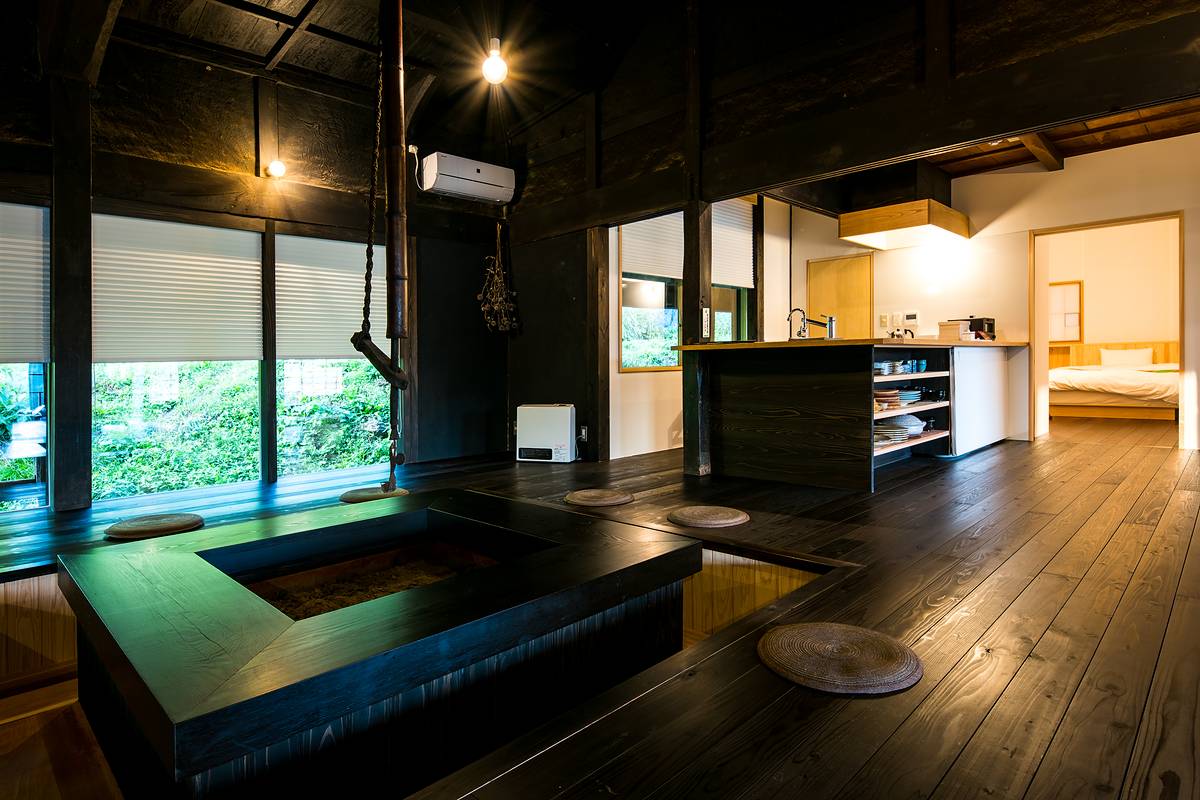
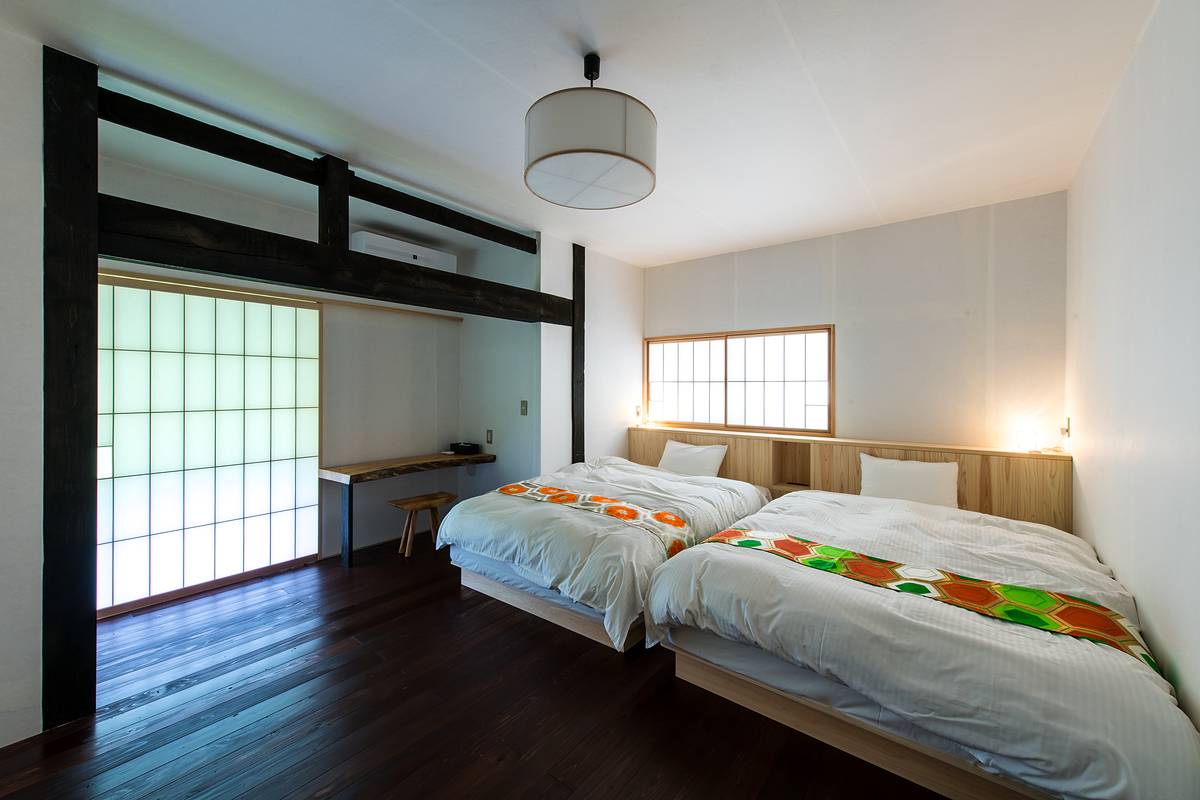
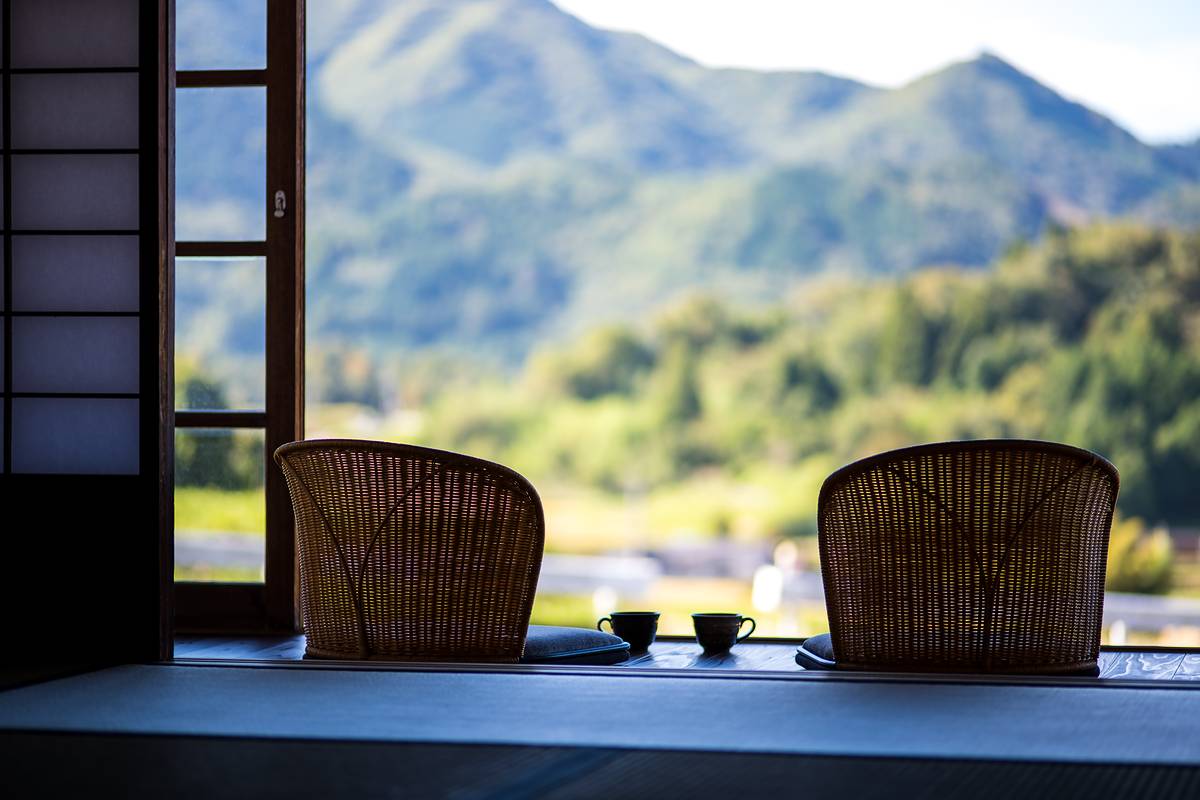
In seeking to honor the building’s historical character, special attention was given when renovating CHOJAYA, with skilled craftsmen creating spaces that feel both timeless and refined. Among these is a signature bath crafted by Kyoto-based plaster artisans using traditional togidashi and migaki-dashi techniques, while the overall space reflects the work of multiple skilled craftsmen.
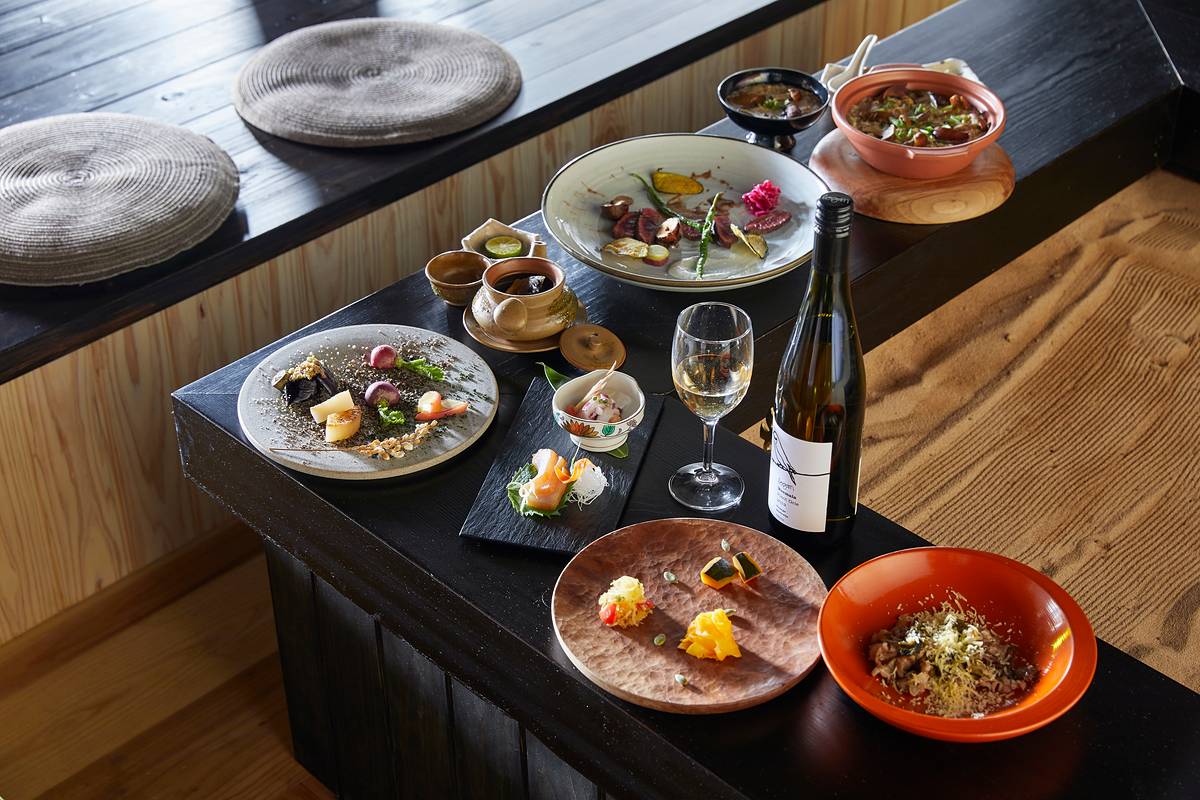
Guests can also enjoy the flavors of the region via unique dining experiences like “SHOBARA GASTRONOMY,” in which an optional visiting chef will prepare a multi-course meal using local ingredients and traditional cooking methods. Depending on the time of year, ingredients may also be provided as an optional arrangement for dishes such as open-air barbecue or sukiyaki during the winter months.
For those looking to truly relax, CHOJAYA provides a refuge where daily stresses can fade away. Here, stillness is a part of the experience. Guests can linger over meals, sink into the warmth bath, or simply enjoy the quiet pleasure of Japan’s countryside.
3. Sasayama Castle Town Hotel Nipponia (Hyogo) | A Historical Experience in an Edo-Period Castle Town
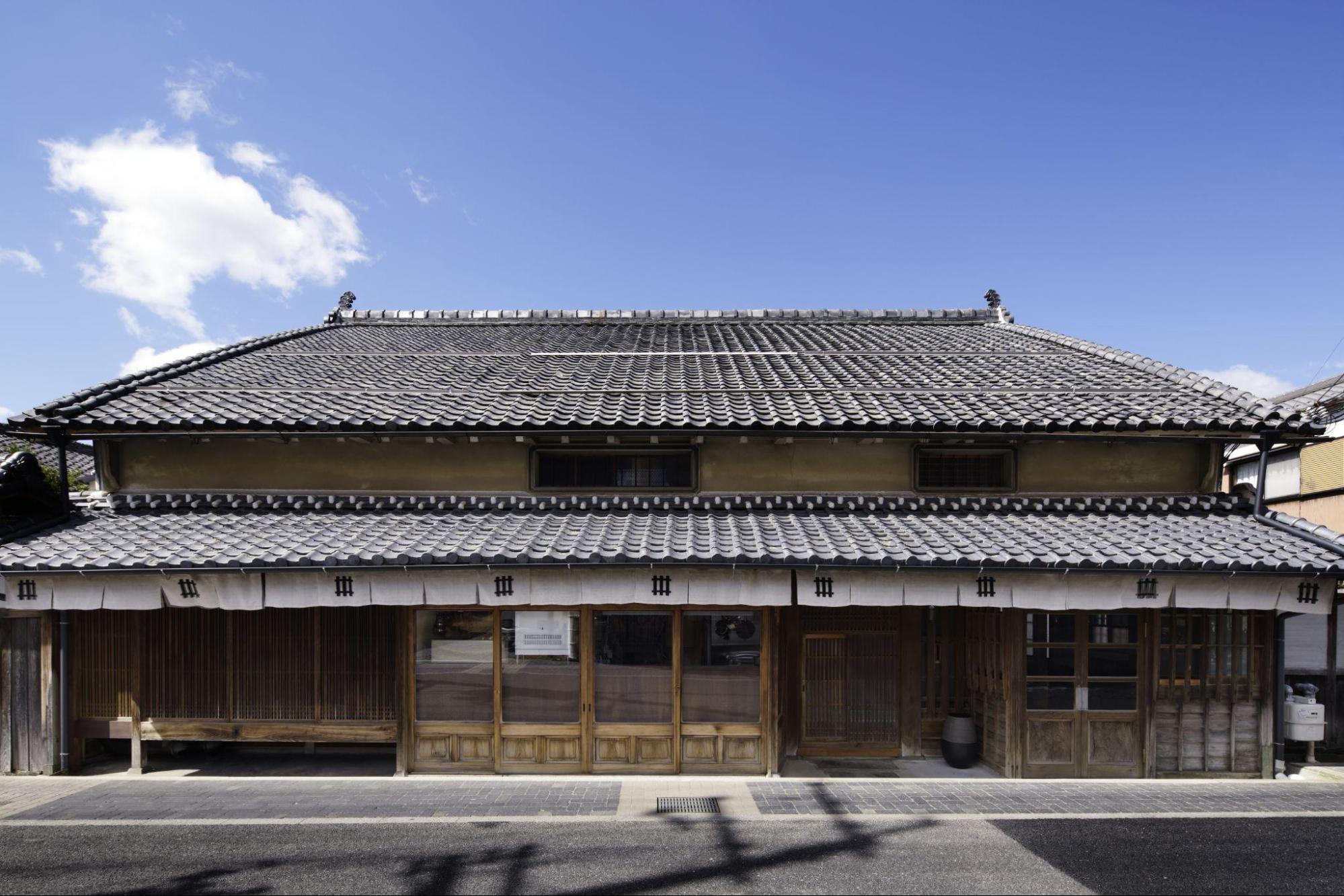
Having opened in Fall 2015, Sasayama Castle Town Hotel NIPPONIA is the NIPPONIA brand's flagship location and the definition of an immersive experience. It's not a single hotel building, but rather a collection of seven beautifully restored traditional Japanese villas spread throughout a castle town with more than 400 years of history. This includes ONAE—the former residence and workplace of a bank president that now hosts reception, a restaurant, and five guest rooms. Other homes include SAWASHIRO—a restored building that was once used as a tea shop during the Edo period (1603-1868)—and NOZI, located in the middle of the historic Sasayama district.
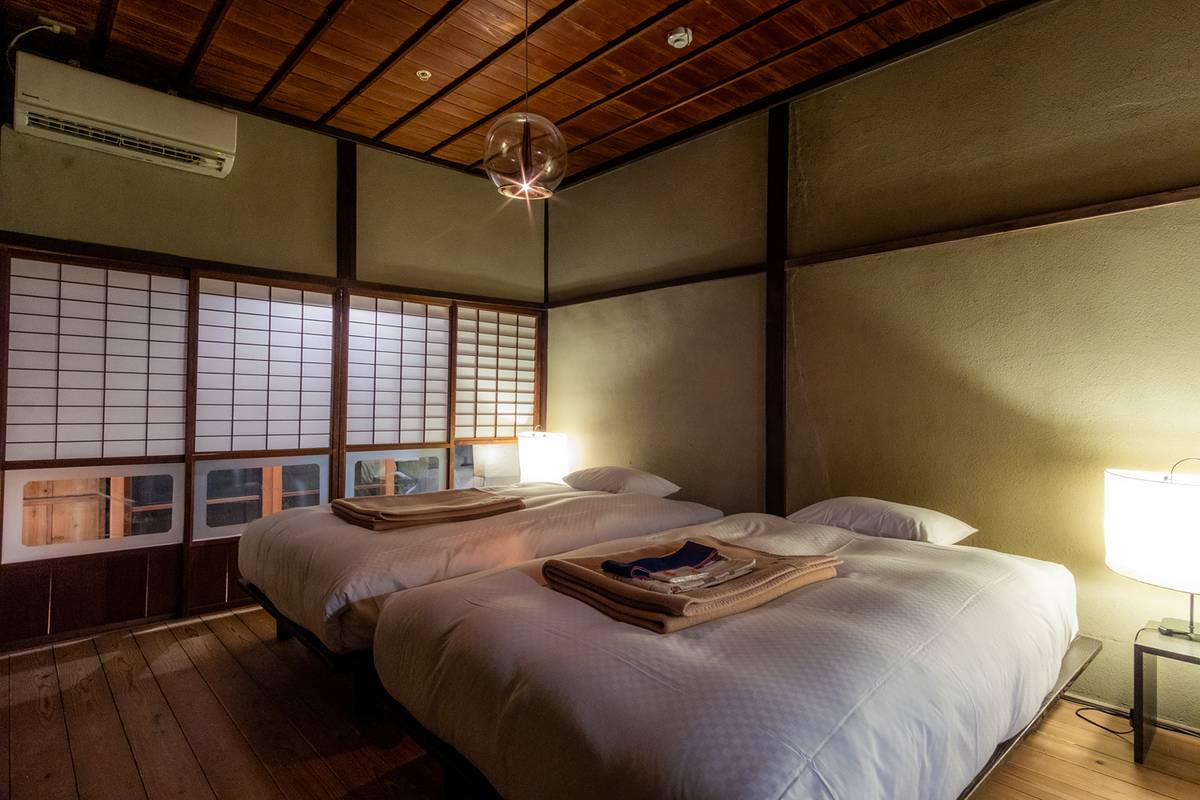
Rooms in NOZI have been thoughtfully renovated to preserve their Edo period style, which does include certain imperfections like holes left in some of the wooden beans and the texturing of mud walls. That being said, all necessary amenities, including the bathroom, have been updated for modern comfort. Guests will also find a refrigerator stocked with beer, sake, and various soft drinks—all free of charge.
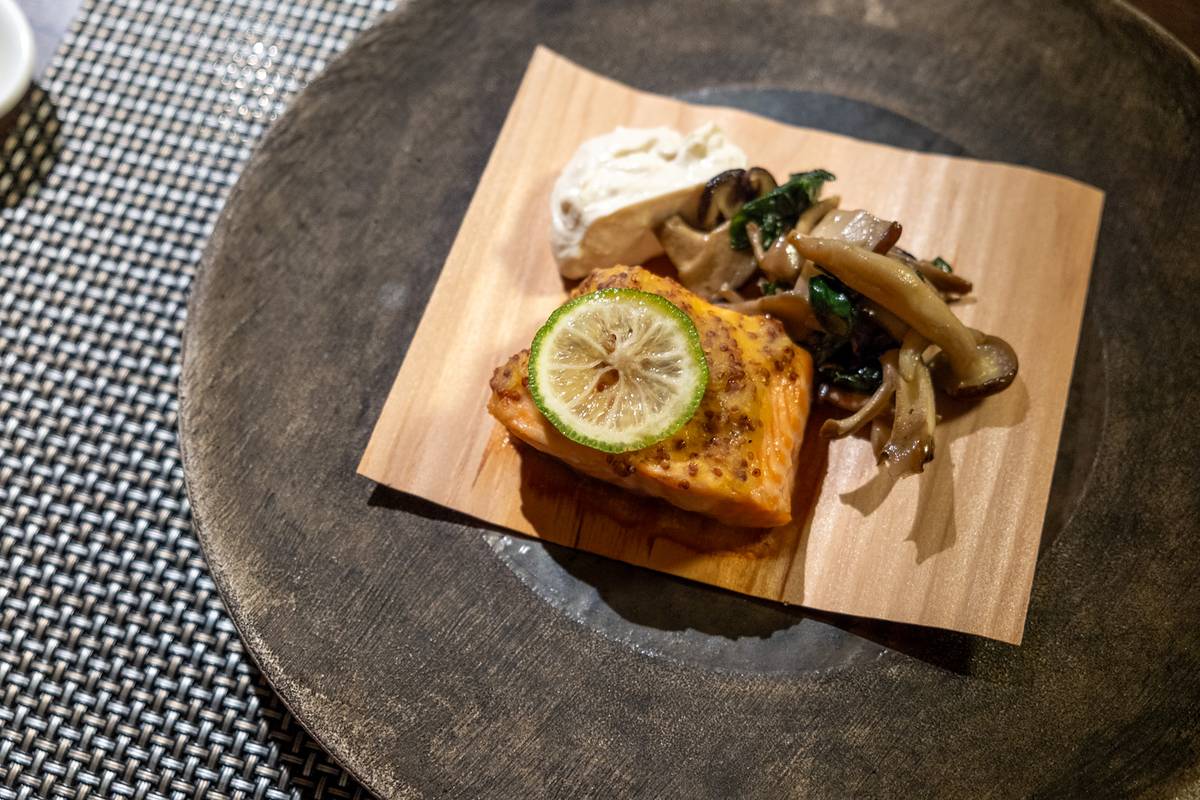
In keeping with NIPPONIA’s meticulous attention to detail, dining here seeks to elevate the richness of the Tajima area in northern Hyogo Prefecture, where Sasayama is located, offering a distinctive fusion of French, Japanese, and local Sasayama cuisine that is light, flavorful, and international. There is a careful attentiveness to texture and temperature as well: trout cooked on a cedar plank carries a subtle hint of cedar smoke baked into the fish and is paired with local chestnut and mustard, while the chilled smoothness of a French-style liver dish with a shira-ae foam topping gives way to the warm, savory comfort of a soup made from butternut squash fermented with rice koji. Even the dessert reflects the surroundings, with a classic opera cake reimagined through the use of chocolate, hojicha, caramel, and persimmon.
That same passion is carried over to everything else guests will experience at Sasayama Castle Town Hotel NIPPONIA.
4. Sansuien (Yamaguchi) | A Sophisticated Hidden Retreat Balancing Tradition and Modern Aesthetics
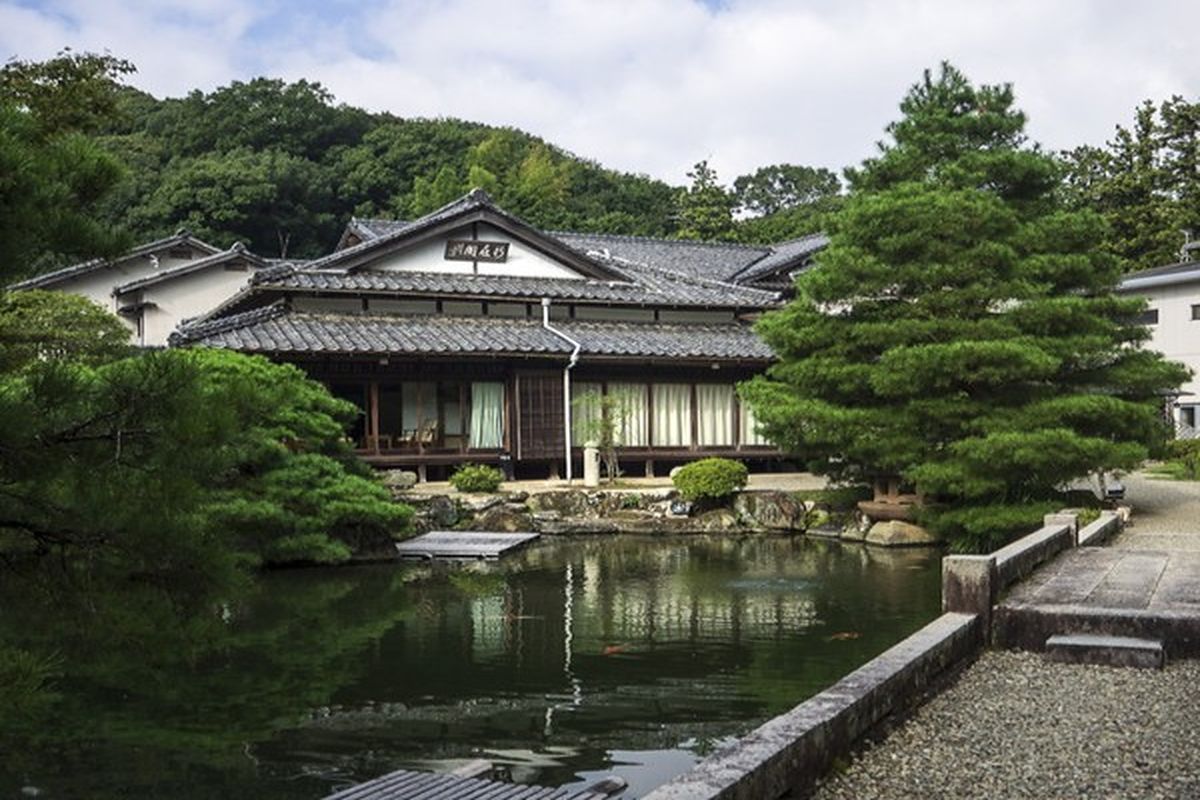
Set within the tranquil Yuda Onsen district of Yamaguchi City, Sansuien is a historic ryokan where traditional Japanese architecture, steaming natural hot springs, and beautiful gardens come together in an understated quiet harmony.
Originally a villa built during the Taisho era (1912–1926), the property was expanded to include its now famous gardens—featuring the Chisen (pond) garden developed in the mid-Taisho period, with the Roji (tea house) garden and the Karesansui (dry landscape) garden added between 1950-1954—and later began operating as a traditional Japanese inn (or “ryokan”) in 1936. Emperor and Empress Showa twice made short stays here and today Sansuien is recognized as a registered tangible cultural property.
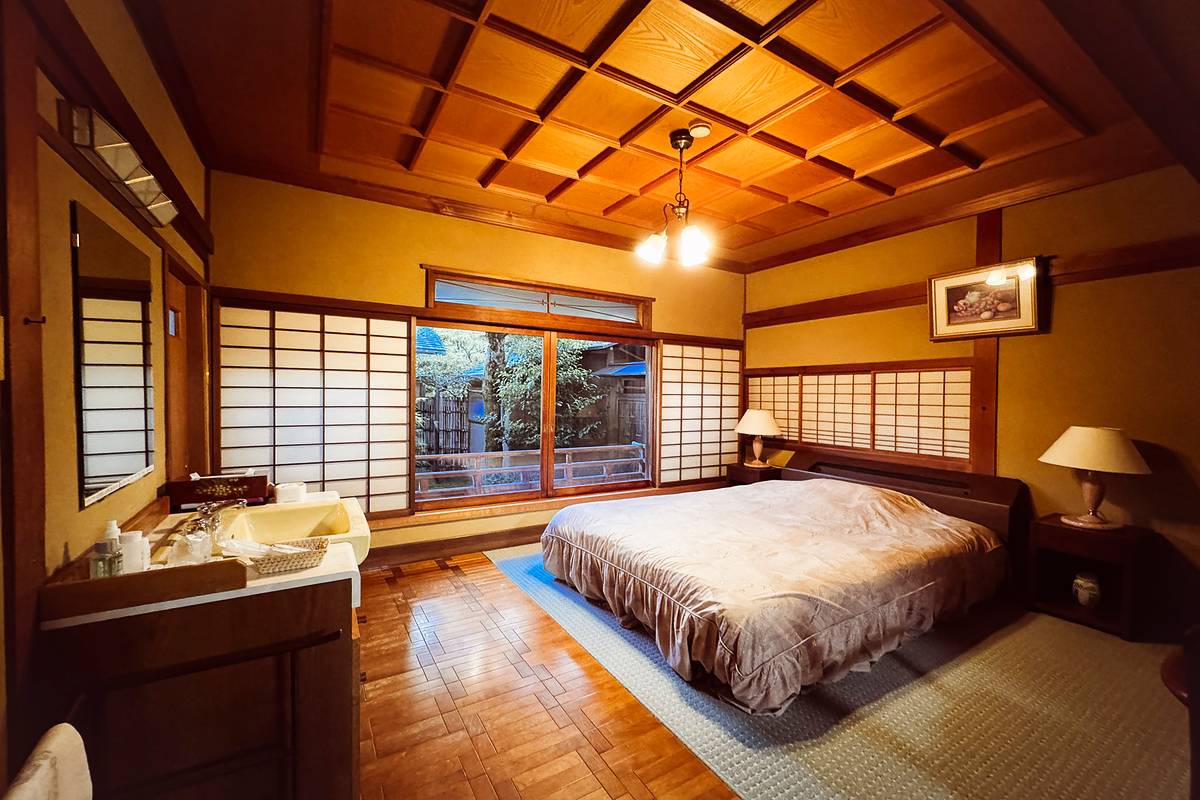
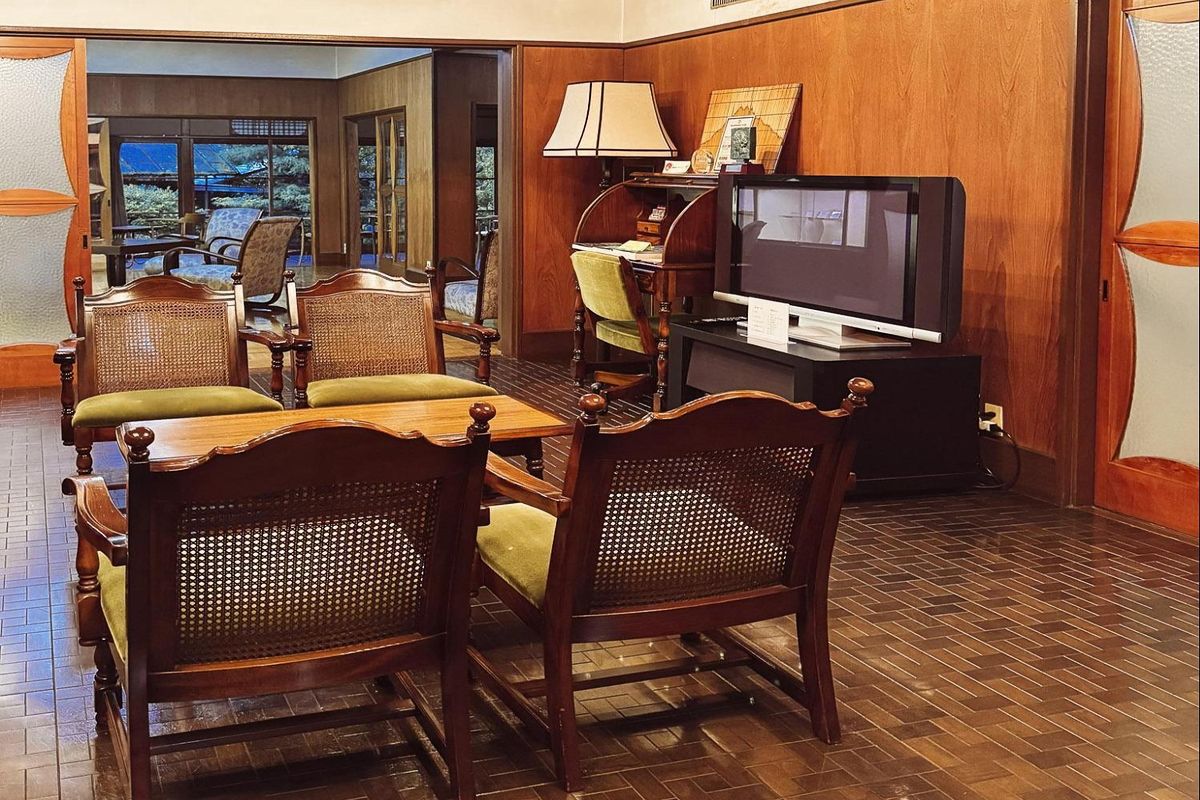
Boasting 14 guest rooms, Sansuien has retained its Taisho Roman aesthetics—a unique blend of traditional Japanese elements with Western influences popular in the early 20th century. Timber ceilings, coated ebony floors, stained glass, pendant lighting, and even a rotary telephone, all reinforce the property’s undeniably nostalgic atmosphere. That being said, for those with mobility needs, the main building does include a stair lift between floors.
Stepping outside, guests will find three different styles of Japanese gardens—each of which is officially registered as a “Registered Cultural Property.” This makes Sansuien rather unique, in that it contains three distinct styles of traditional Japanese gardens within one estate.
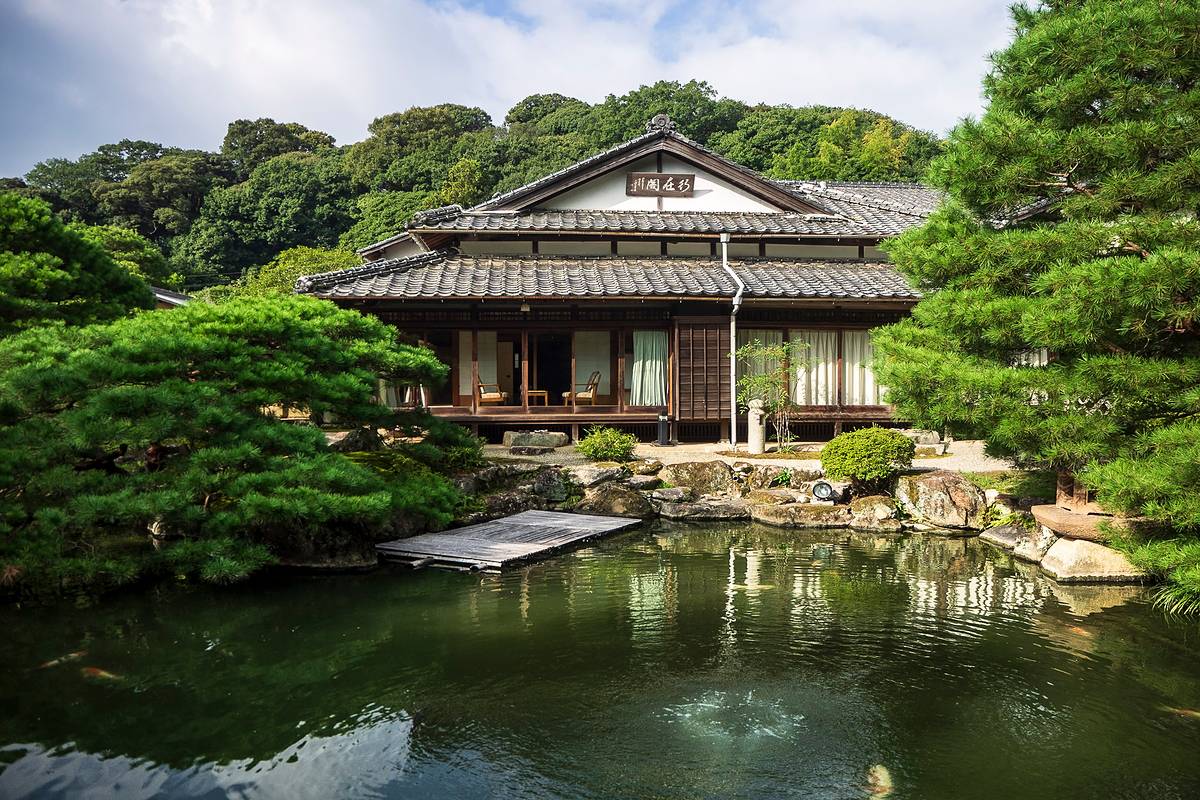
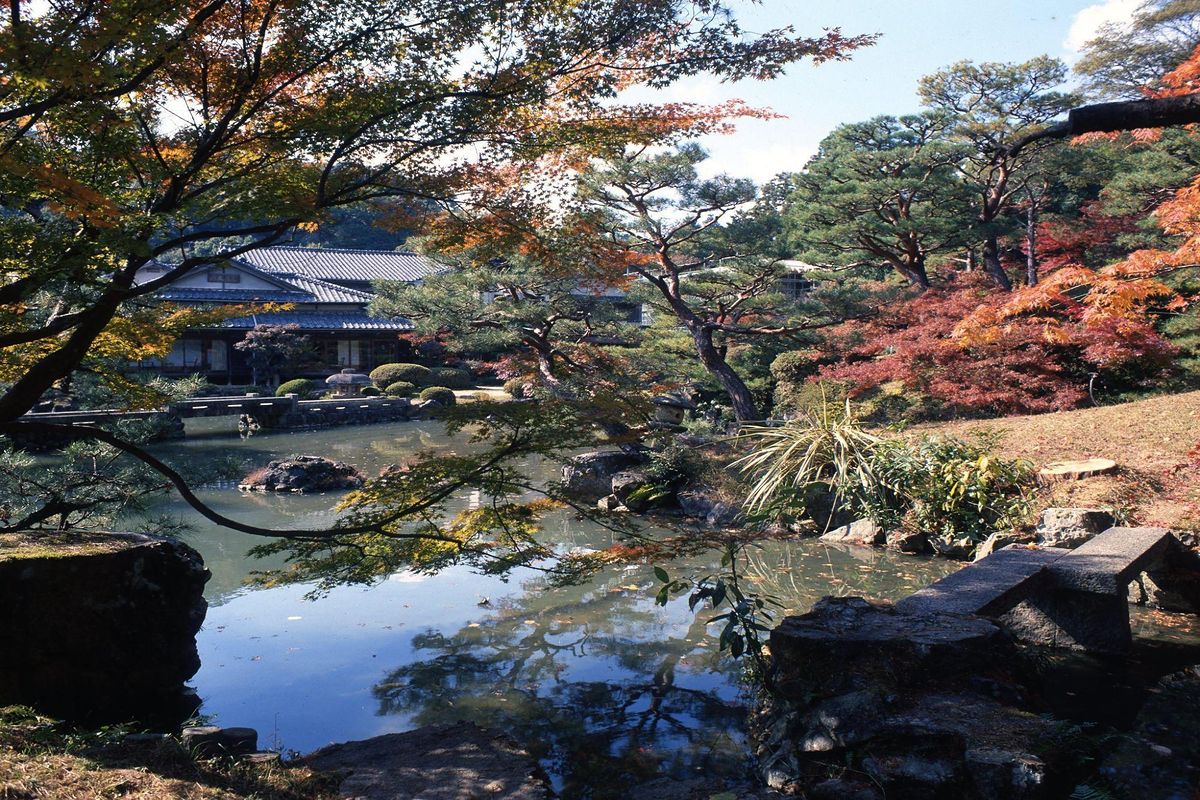
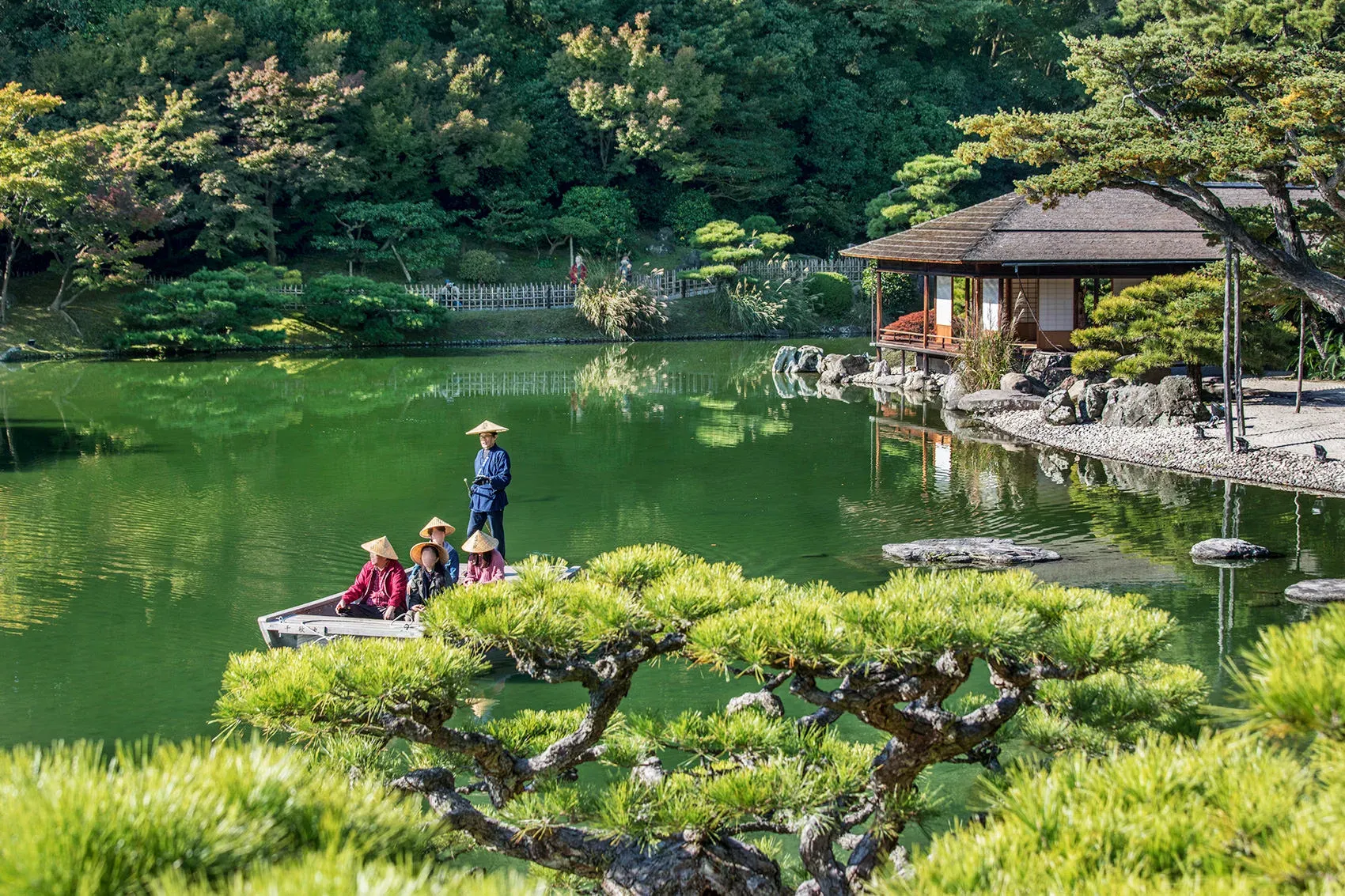
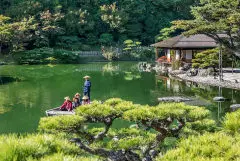
The most expansive of the three gardens and the heart of Sansuien’s grounds is the Chisen (pond) garden, which features a central pond designed to reflect the surrounding landscape. The river that flows into the pond actually comes from the nearby hot springs and, because of this, colorful koi found in the water do not hibernate, but instead are active year-round. A carefully laid stone path circles the pond and is intended to create a sense of “walking through a painting.” To the north stands a small tea house, while a gazebo anchors the southern portion of the garden.
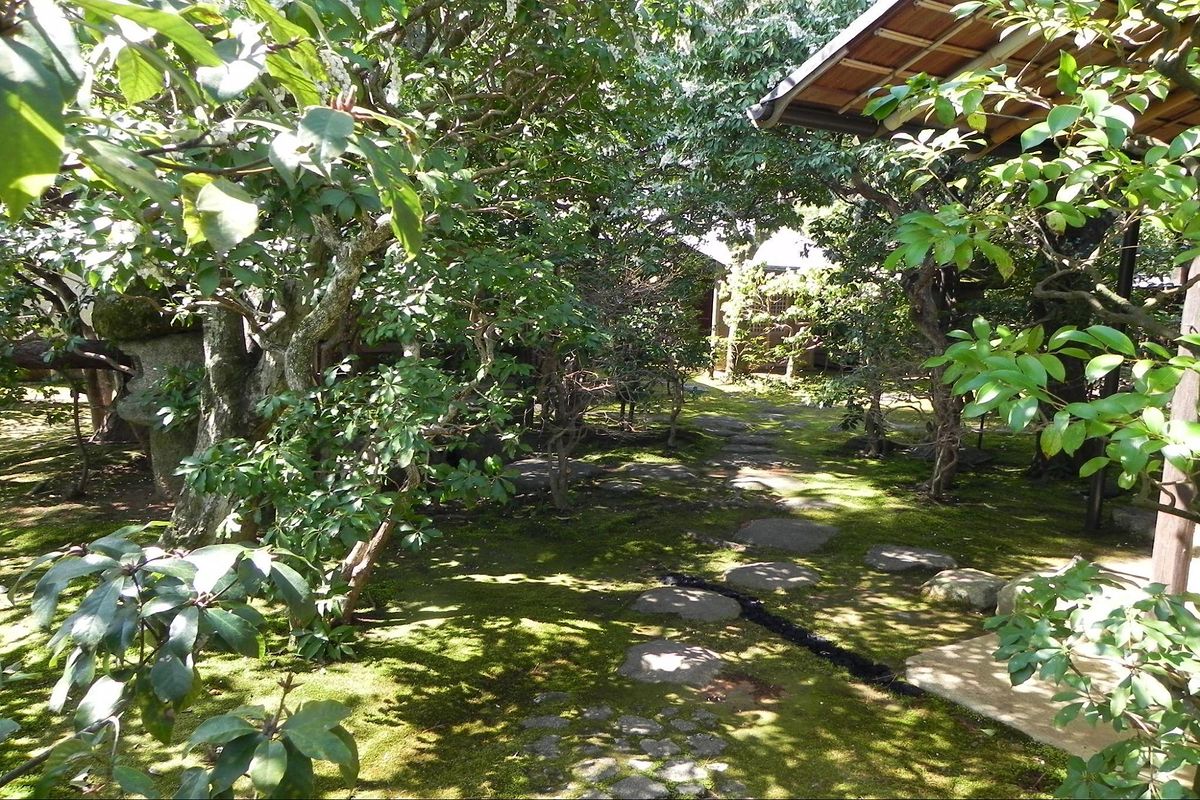
Moving along, visitors will find the Roji (tea house) garden, which, as it was designed around the aesthetic of the Japanese tea ceremony, is smaller and more intimate. Trees and plants here were chosen for subtlety rather than color, and this garden is often described as the most meditative of the three.
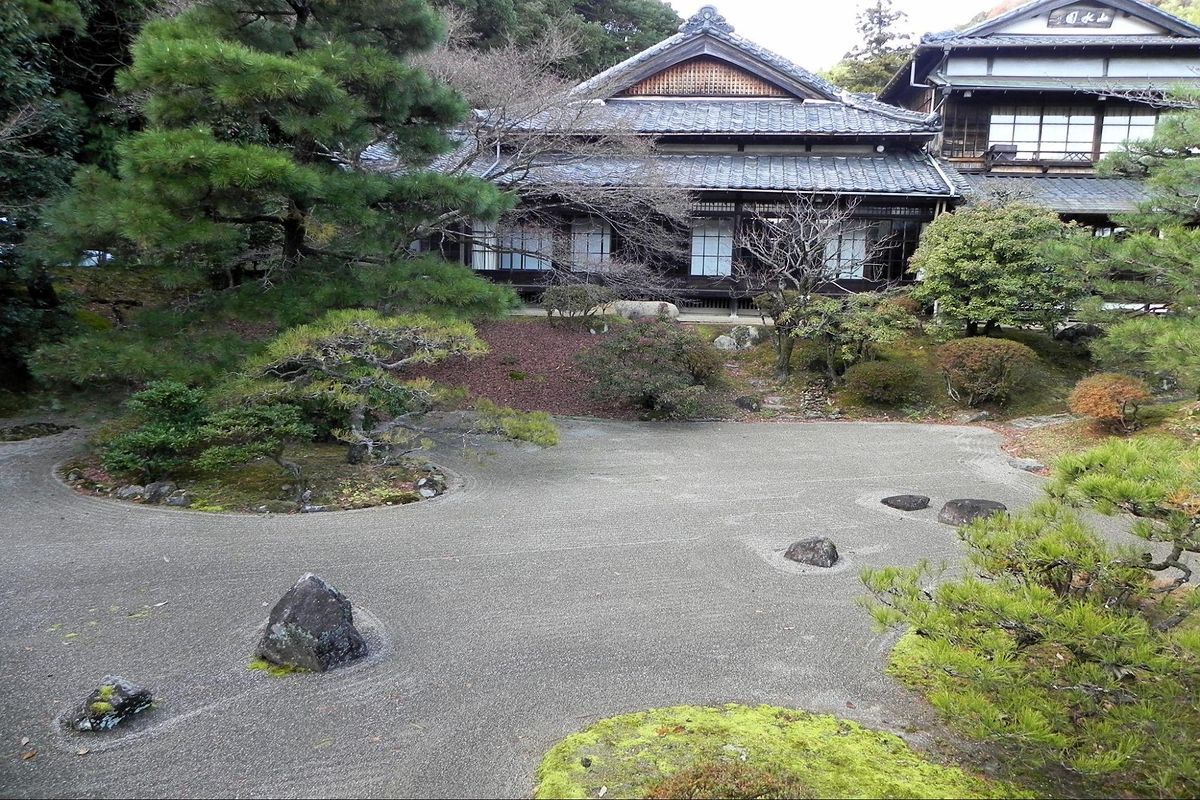
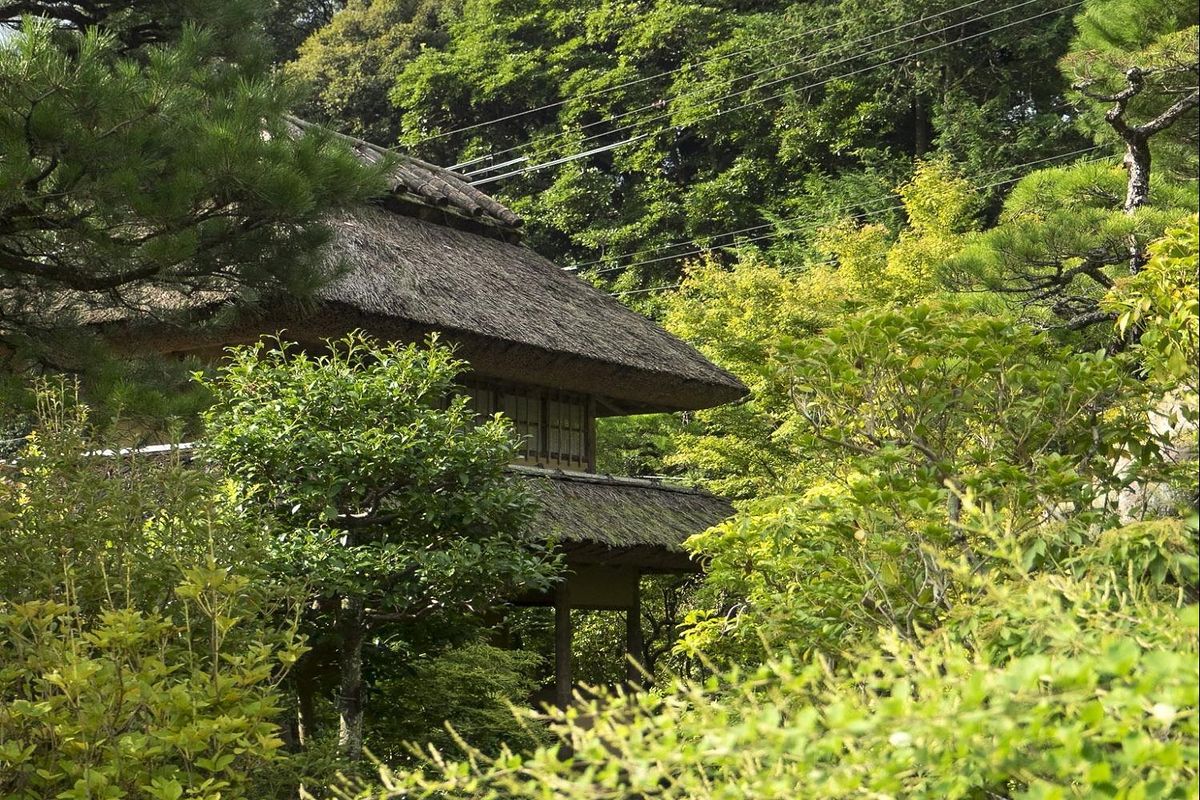
Lastly, the Karesansui (dry landscape) garden showcases a minimalistic, Zen-influenced style. Here, raked gravel and sand create water-like movement, while several “islands” of stone represent mountains. Meanwhile, the intentionally selective use of greenery emphasizes form and shadow. However, before even entering the garden, visitors pass through a copy of the Ibaraki Gate of Jikoin Temple in Yamato Koriyama. There’s also a Taisho-era stone bridge that leads from the gate to the tea house garden.
The tea house and dry landscape gardens were both designed around 1950 by Goto Juuei, a gardener from Kyoto, while the pond garden dates back to the 1920s. And, while all three gardens are continuous, each can be enjoyed independently as well. Throughout the grounds, visitors will find maps and signs with relevant information, encouraging a slow, thoughtful experience. It’s worth noting that the gardens are open to not just to guests at Sansuien, but visitors as well, though a small admission fee is required.
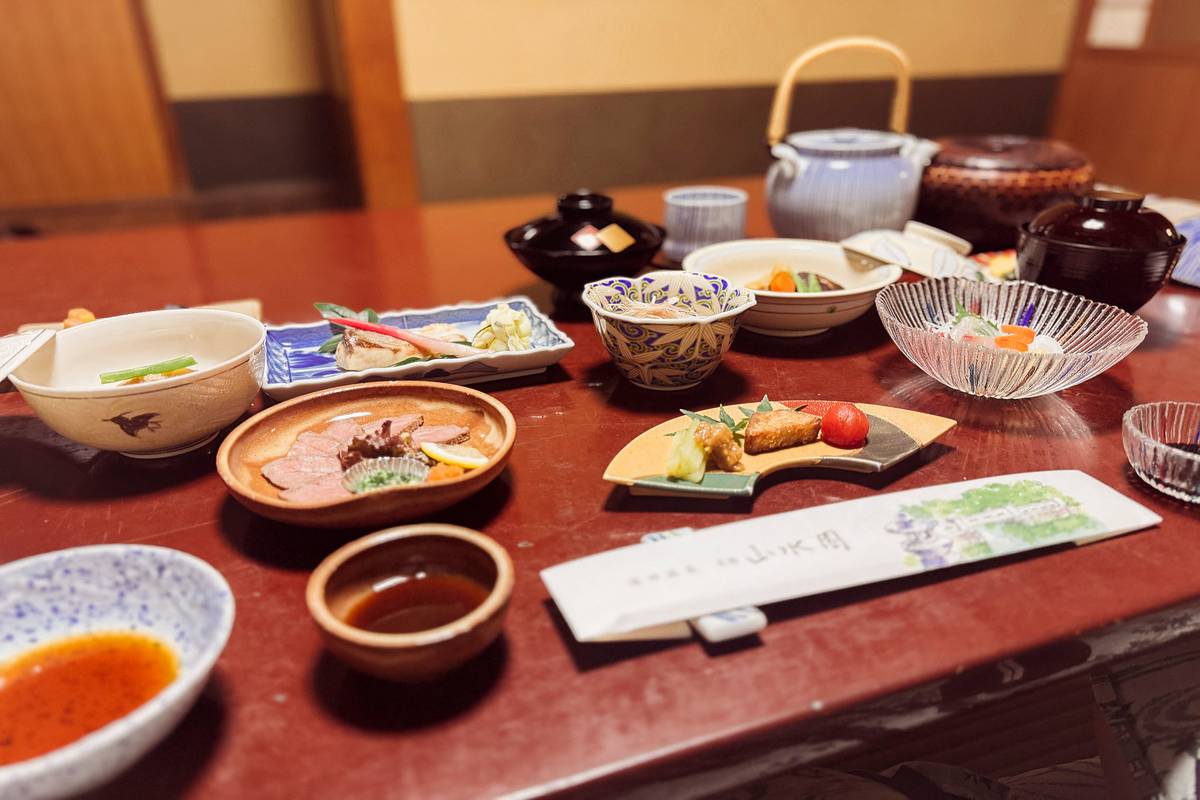
That being said, for guests, dining at Sansuien centers on seasonal, locally-sourced ingredients from Yamaguchi Prefecture served kaiseki-style. Because the menu makes use of what is in season, it can vary throughout the year. Previous menus have featured: sashimi, grilled buri with salt, simmered seasonal vegetables, kuruma prawn tempura, roast beef, rice and akamiso soup, and fruit for dessert.
Of course, the highlight of a stay at Sansuien is its 100% natural hot spring bathing. This makes use of Yuda Onsen’s colorless, soft alkaline waters, which actually are the only high-temperature (42 degrees or more) hot springs in Yamaguchi Prefecture. Guests can reserve a private bath in advance, or make use of the large communal bath, an open-air bath, sauna, and other amenities.
5. Ishidatami no Yado (Ehime) | A Lodging That Walks Through a Historic Stone-Paved Townscape
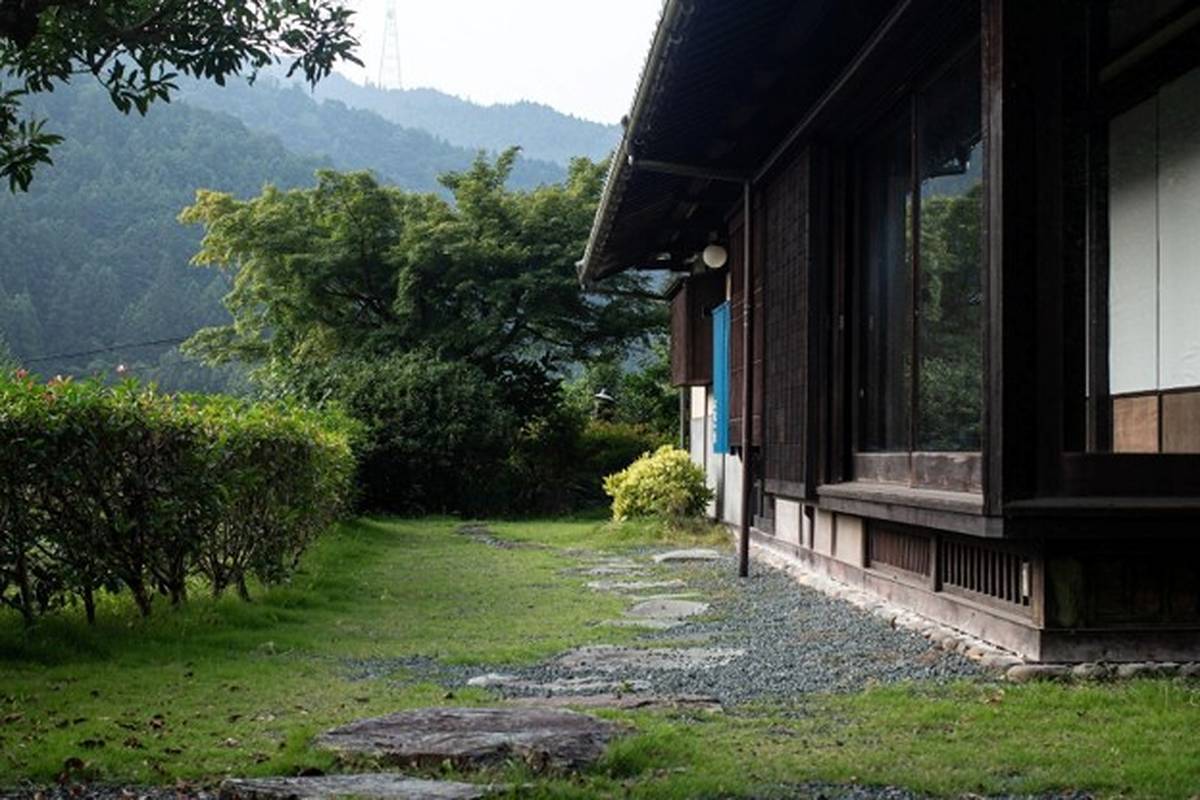
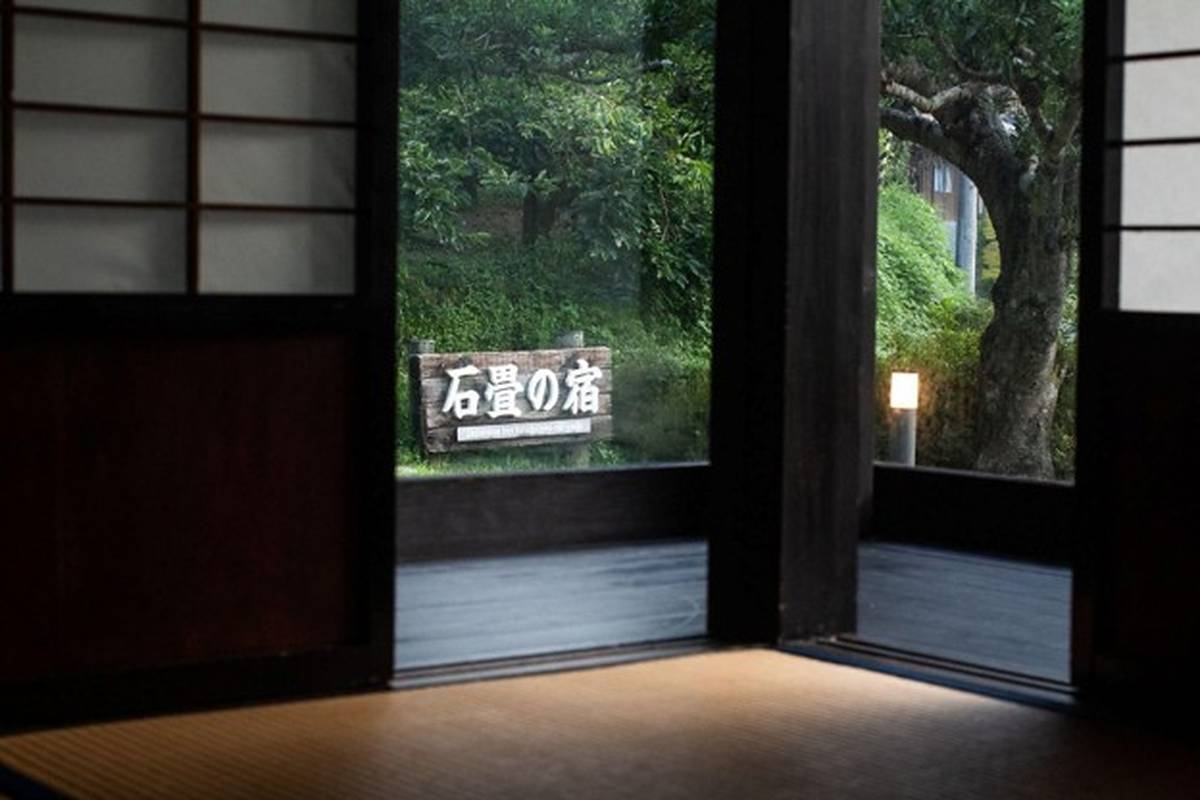
Traveling along narrow one-way roads flanked by rolling hills and a winding river in Shikoku’s Ehime Prefecture, you’ll come upon Ishidatami no Yado —whose name aptly translates to “the cobblestone inn.” This is a place with very few people, and even fewer who come to visit—making it truly special.
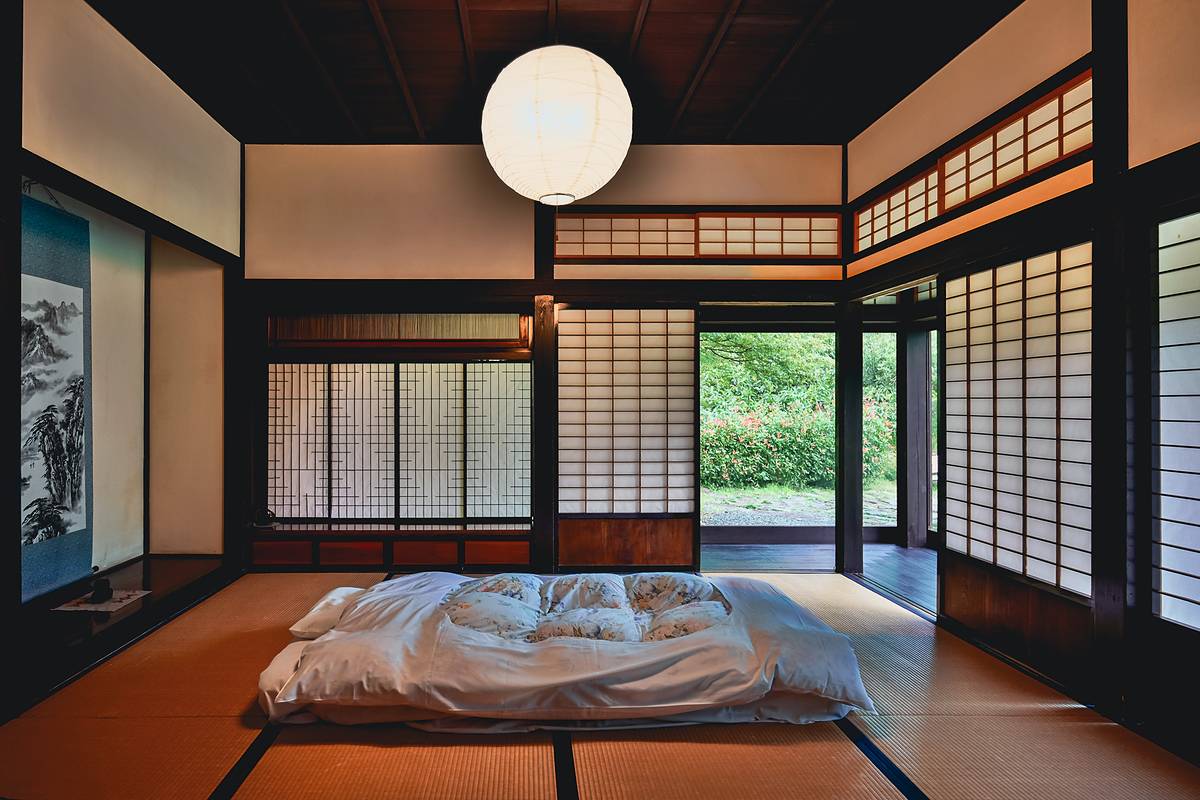
Housed in a beautifully restored farmhouse, Ishidatami Inn features a traditional Japanese layout with sliding doors separating the main bedrooms from the dining area. All of the bedrooms are Japanese style, but care is taken to provide guests with proper mattresses to increase the level of comfort when sleeping on tatami mats. A separate annex holds the bathrooms and toilets, and more rooms are available on the second floor. Several of the rooms feature low-hanging ceilings, which is typical of older homes in Japan, so taller guests should be mindful when moving about.
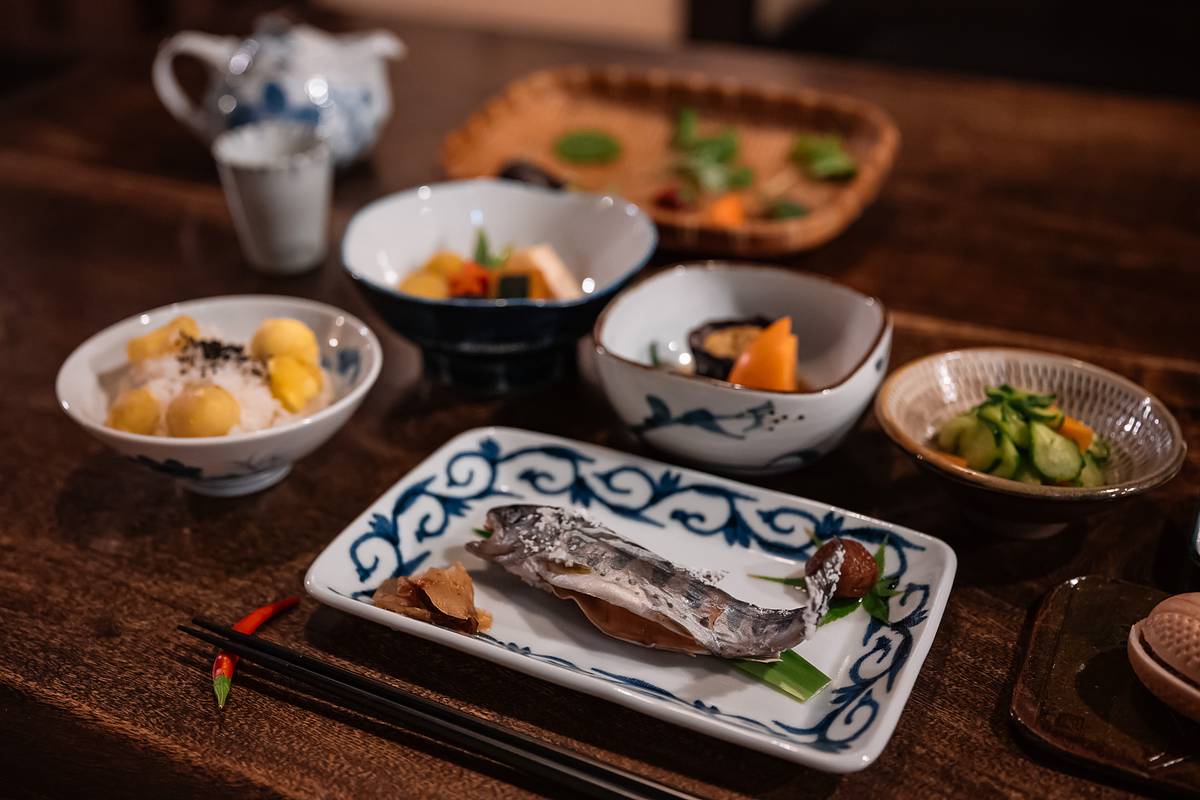
Staying at Ishidatami no Yado means experiencing the flavors that define this part of Ehime—a region famous for its aromatic chestnuts, which appear in everything from simple roasted snacks to seasonal sweets. Guests can enjoy home cooked meals that celebrate this agricultural heritage when in-season, as well as those featuring locally grown vegetables, mountain produce, and freshly caught fish.
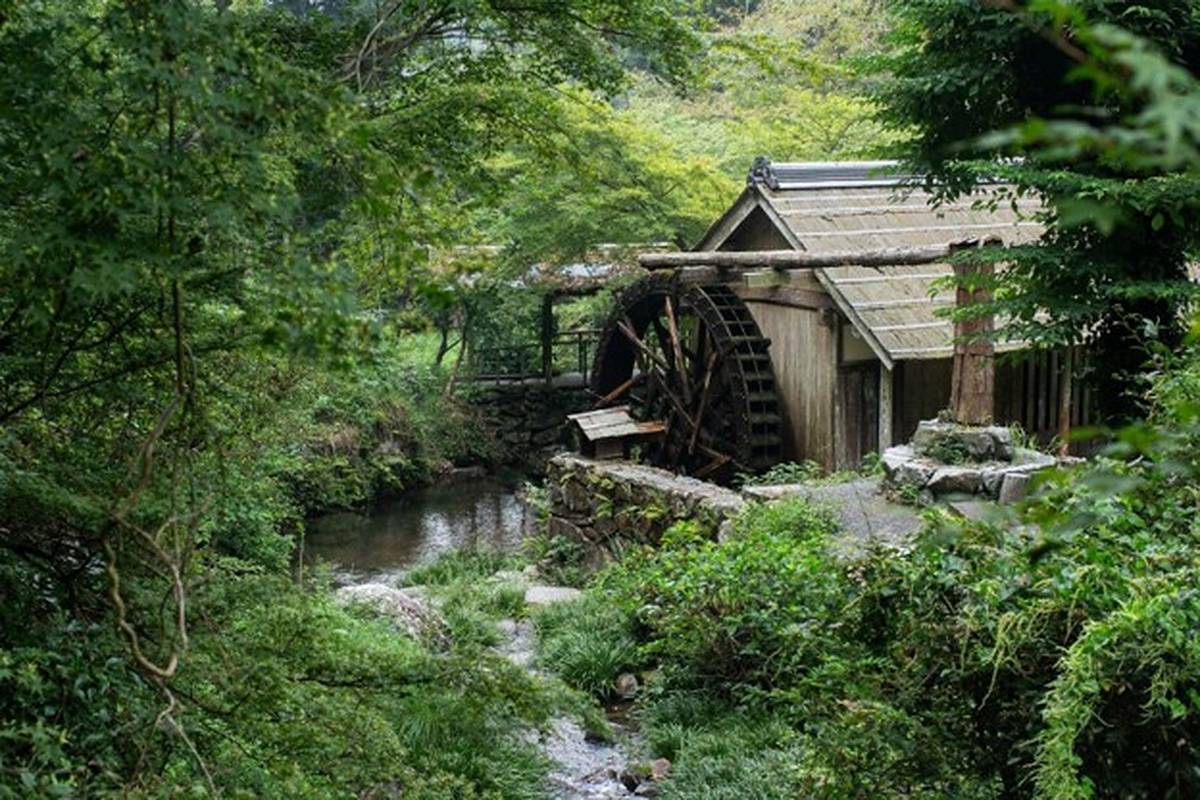
Waking up the following day to the sound of water flowing into the pond, you can step outside and straight into the unspoiled beauty of Shikoku’s countryside. There are several paths that wind into the gentle forested slopes that surround the inn. Or, you can stroll along the river, taking in the sound of birds chirping in the early morning hours.
6. Summary | Where Time, Place, and Tradition Meet
These accommodations reveal a quieter side of Japan—one shaped by their centuries of history, seasonal flavors, and stunning landscapes that invite a slower kind of exploration. Whether found along mountain roads, tranquil gardens, or the shores of the Seto Inland Sea, each retreat offers its own way to revitalize your body and mind.
Related Articles
-
 Relaxing Stay
Stay in Traditional-Style Lodgings on Teshima Island
-
.webp) Relaxing Stay
Relaxing Stay7 Recommendations for a Sustainable Stay in Setouchi
-
 Relaxing Stay
A 3-Day Wellness Tour of Hiroshima and Yamaguchi
-
 Relaxing Stay
7 Unique Accommodations of the Setouchi Region
-
 Relaxing Stay
Zenbo Seinei: Nourish Your Soul With This Zen Retreat Imbued With the Vast Nature of Awaji Island
-
 Relaxing Stay
Art-Infused Experiences at Motonosumi Shrine and Nagato Yumoto Onsen
-
 Relaxing Stay
Glamping in Momoshima: A Secluded Island Getaway and Modern Art Destination
-
 Relaxing Stay
A Unique Overnight Stay in Japan’s First-Ever Castle Tower Accommodations at Ehime’s Ozu Castle
RELATED DESTINATION
Kagawa
This is an area with many islands, including Naoshima and Teshima, which are famous for art. It also is home to the tasteful Ritsurin Garden. Kagawa is also famous for its Sanuki udon, which is so famous it attracts tourists from throughout Japan. The prefecture is even sometimes referred to as “Udon Prefecture.” [Photo : “Red Pumpkin” ©Yayoi Kusama,2006 Naoshima Miyanoura Port Square | Photographer: Daisuke Aochi]