




Food & Drink
Discovering the History and Culture of Setouchi Through Sweets

-
- RELATED TAGS
-
- LAST UPDATED
- 26 February, 2026
Let your sweet tooth guide your journey through the Setouchi region, surrounding the Seto Inland Sea. Here, even a single confection, or the shop that serves it, can carry stories shaped by local ingredients, maritime trade, and crafts passed down over generations.
This guide introduces five distinctive sweets shops, each easily enjoyed alongside Setouchi’s major sightseeing spots. Follow these flavors, and you may find the region reveals itself not only through what you see, but through what you savor.
Table of Contents
- 1. Kurashiki Momoko ( Okayama) | Savoring Seasonal Fruits and Japanese Culture in the White-Walled Town
- 2. Onomichi Club SEN COFFEE (Hiroshima) | Coffee and Carrot Cake in the Onomichi Hills
- 3. Handicrafts Cafe Gozasoro (Hyogo) | Supporting Postwar Communities with Imagawayaki
- 4. Soseki Coffee Shop Aishotei ( Ehime) | Immersing Yourself in the Literary World of a Great Author
- 5. Wadano-ya Main Store (Tokushima) | 400 Years of Yaki Mochi and Memories of Tokushima Castle
- 6. Summary | What a Journey Through Sweets Teaches Us
1. Kurashiki Momoko ( Okayama) | Savoring Seasonal Fruits and Japanese Culture in the White-Walled Town
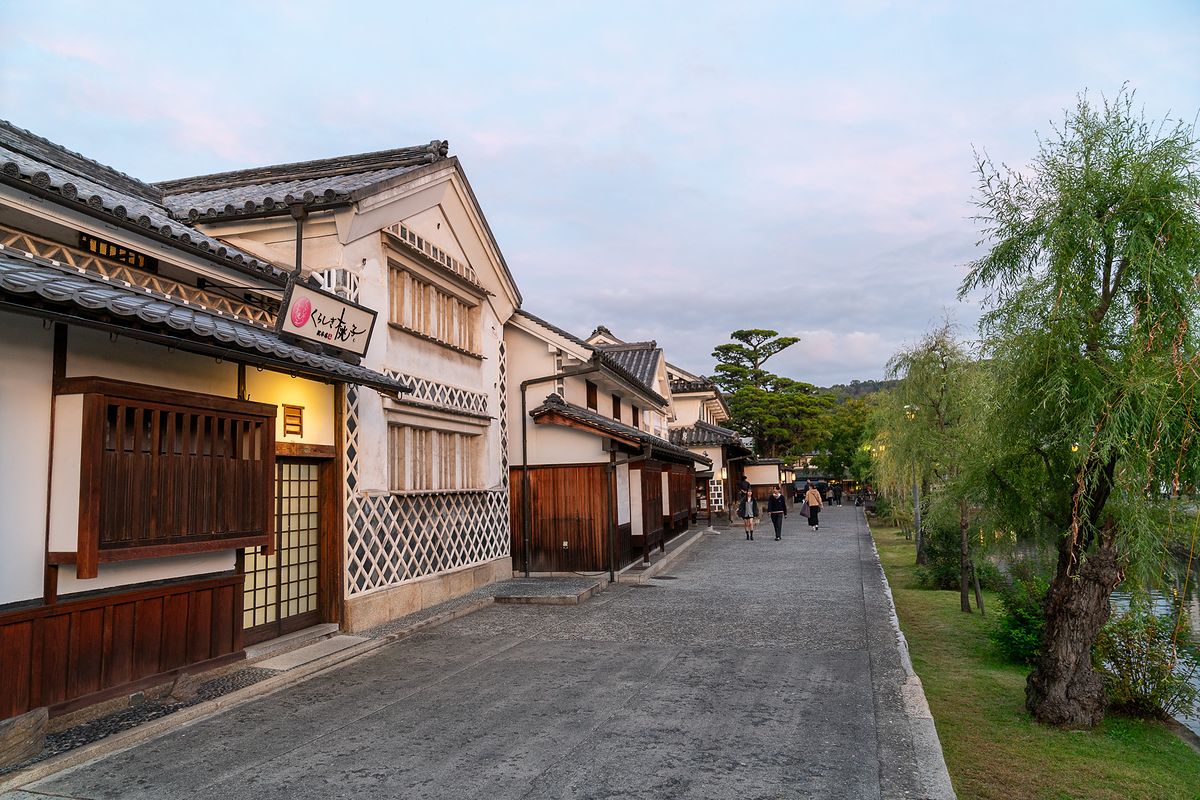
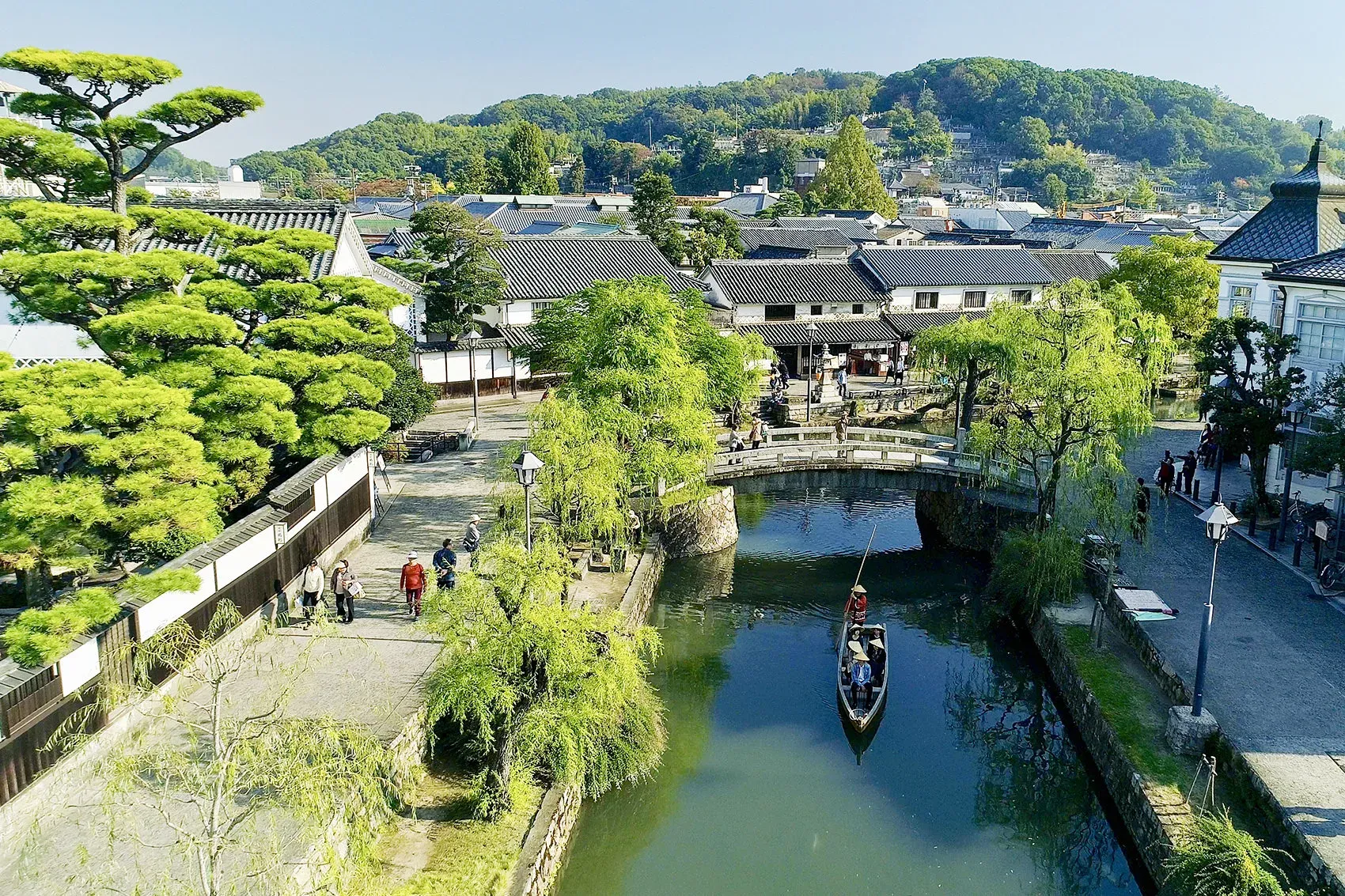
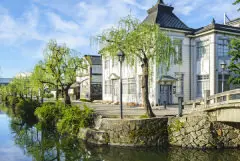
Tucked into Kurashiki’s historic Bikan district, Kurashiki Momoko is a dessert café best known for its fruit parfaits, served in a setting that blends seamlessly with the area’s historically white-walled townscape. The building itself is a renovated traditional structure, as its Taisho Roman–inspired design—an early 20th-century Japanese style blending Japanese and Western elements—offers a taste of elegance even before the first bite.
Kurashiki’s abundance of fruit is no coincidence. Located in Okayama Prefecture—often called the “Land of Sunshine”—the region’s mild climate, fertile river plains, and long history of careful cultivation have made it one of Japan’s leading producers of premium fruit. At Kurashiki Momoko, these seasonal fruits take center stage, transforming the area’s agricultural heritage into desserts that are as expressive of place as the townscape itself.
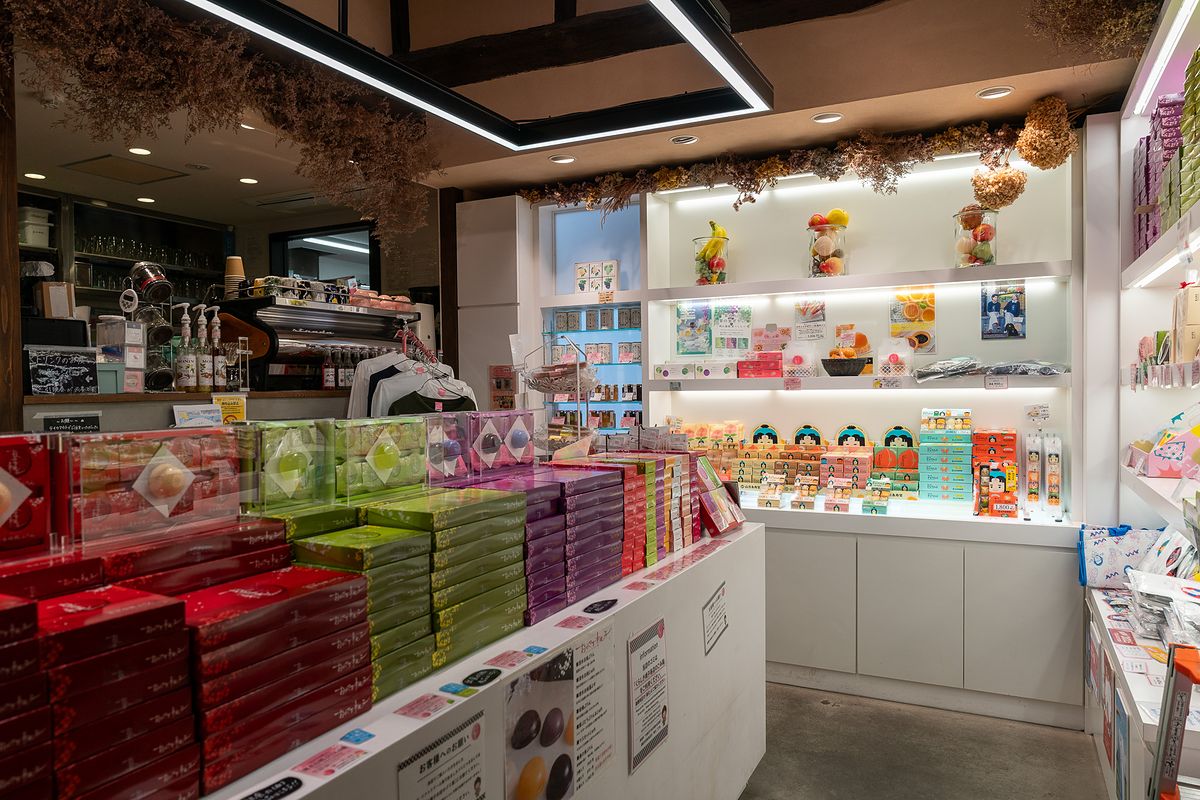
Upon entering, visitors first pass through a retail space filled with fruit-based sweets and specialty goods. To the right, the café opens into a calm, Japanese-style interior where Western-style desserts are enjoyed at an unhurried pace. The shop is committed to using the highest-quality seasonal fruit.
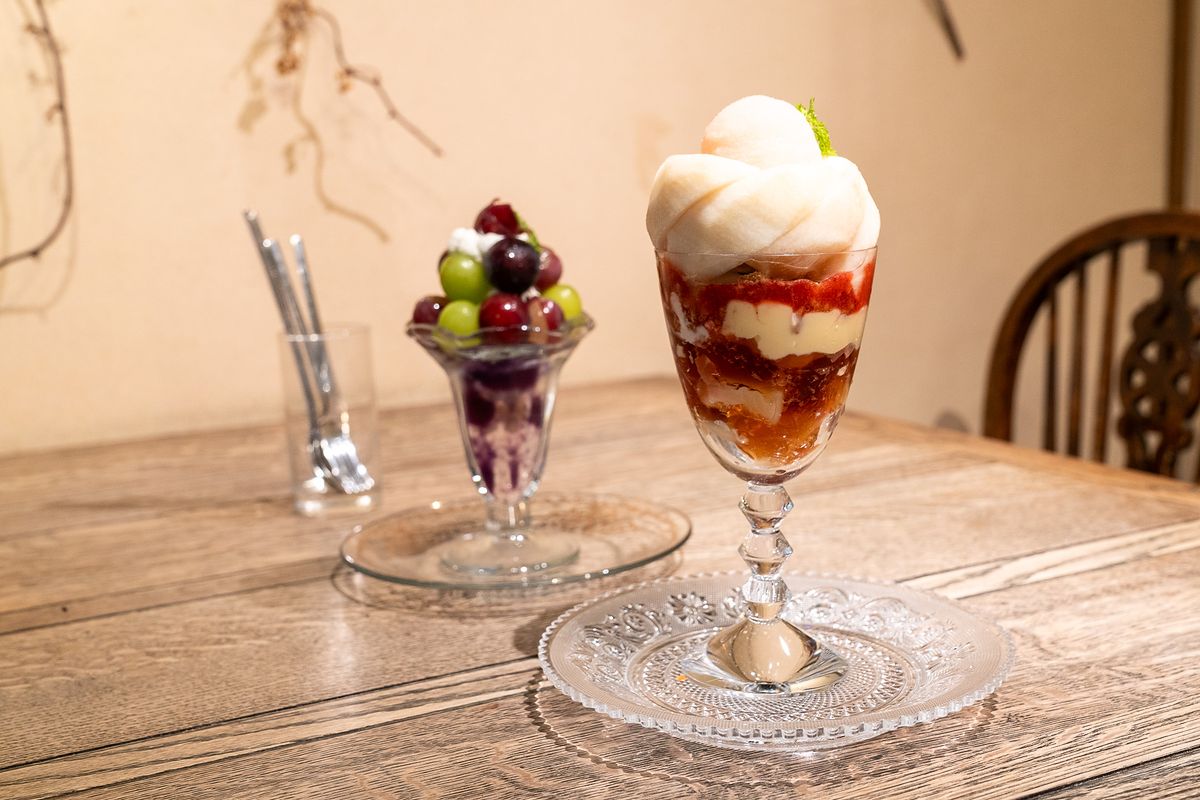
The menu always features various selections of peak-seasonal fruits, and even in winter, the café’s fruit parfaits remain a local favorite. One standout offering is New Pione Parfait, made with generous amounts of New Pione grapes—an Okayama specialty known for its deep sweetness and well-balanced acidity.
Another highlight is the Winter Peach Parfait, which features a whole Fuyu Momo Gatari peach served lavishly in Baccarat glassware. Harvested in winter and often called “Christmas peaches,” these highly prized fruits have a firmer, crisper texture and exceptionally high sugar content. They are produced by only a small number of growers in Okayama.
2. Onomichi Club SEN COFFEE (Hiroshima) | Coffee and Carrot Cake in the Onomichi Hills
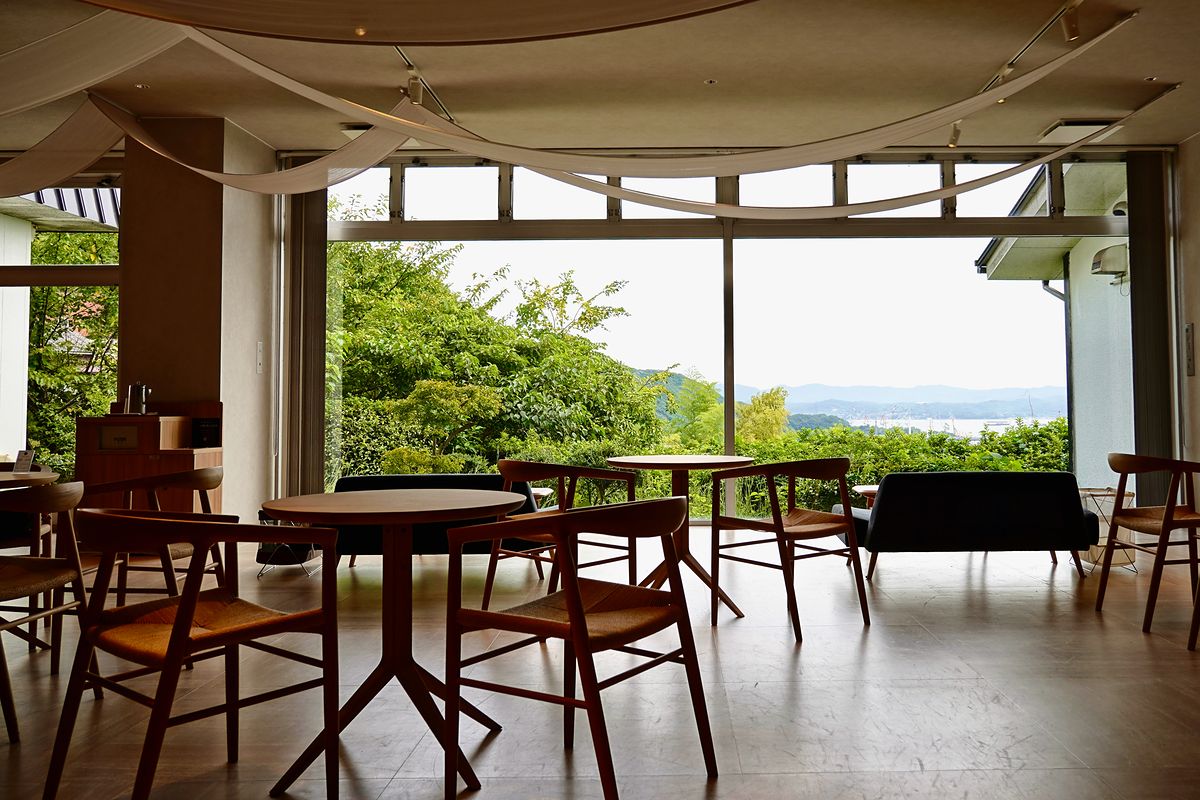
Perched on the hills near Senkoji Temple, Onomichi Club SEN COFFEE offers a relaxed place to pause while exploring one of the city’s most scenic areas. Located within the Onomichi Club, the café is open to the public and serves as a lobby café for the hotel, making it an easy stop whether you are checking in early or resting after a walk around the temple grounds.
The café’s atmosphere is bright and welcoming, its warm wooden interiors decorated with framed photographs of iconic Onomichi scenes. White ribbon accents add a touch of elegance to the otherwise casual space. Large bay windows frame a partial view of greenery and the Seto Inland Sea beyond, creating a calmer, more secluded feeling than a typical observation deck. Outdoor seating near the entrance provides another comfortable spot to rest while enjoying the hillside air.
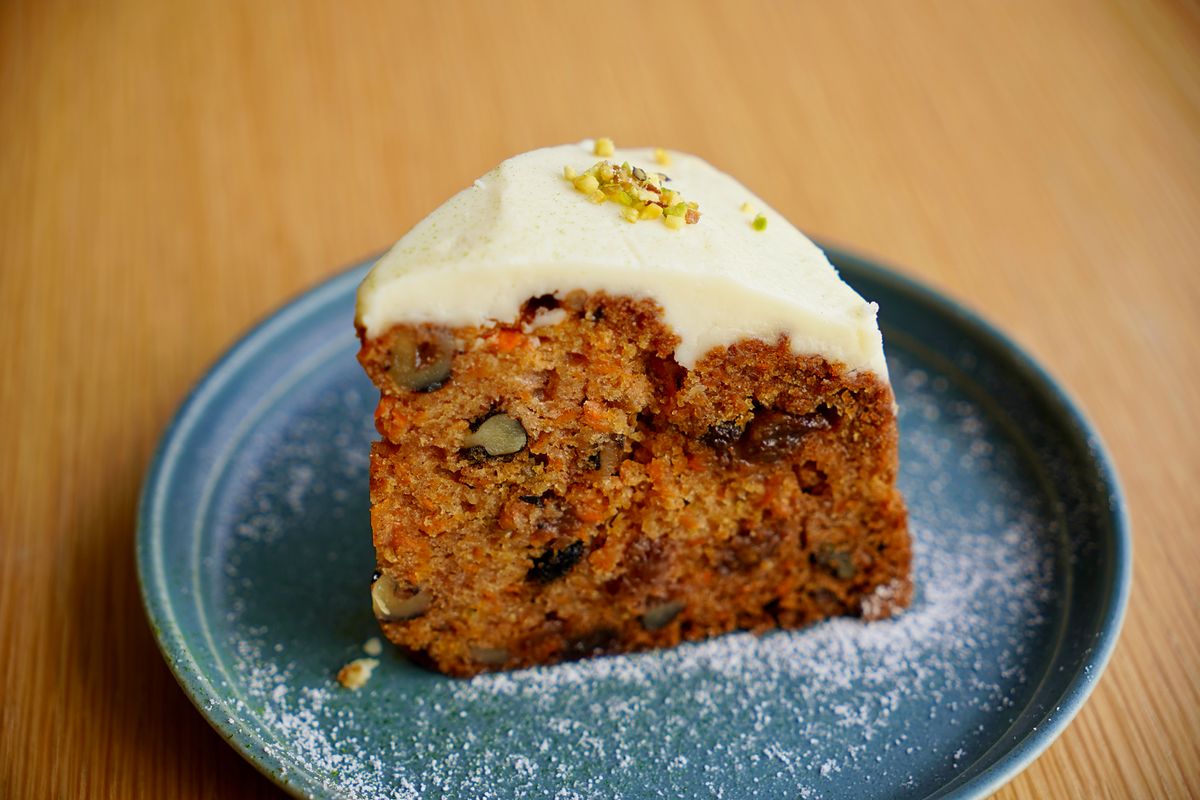
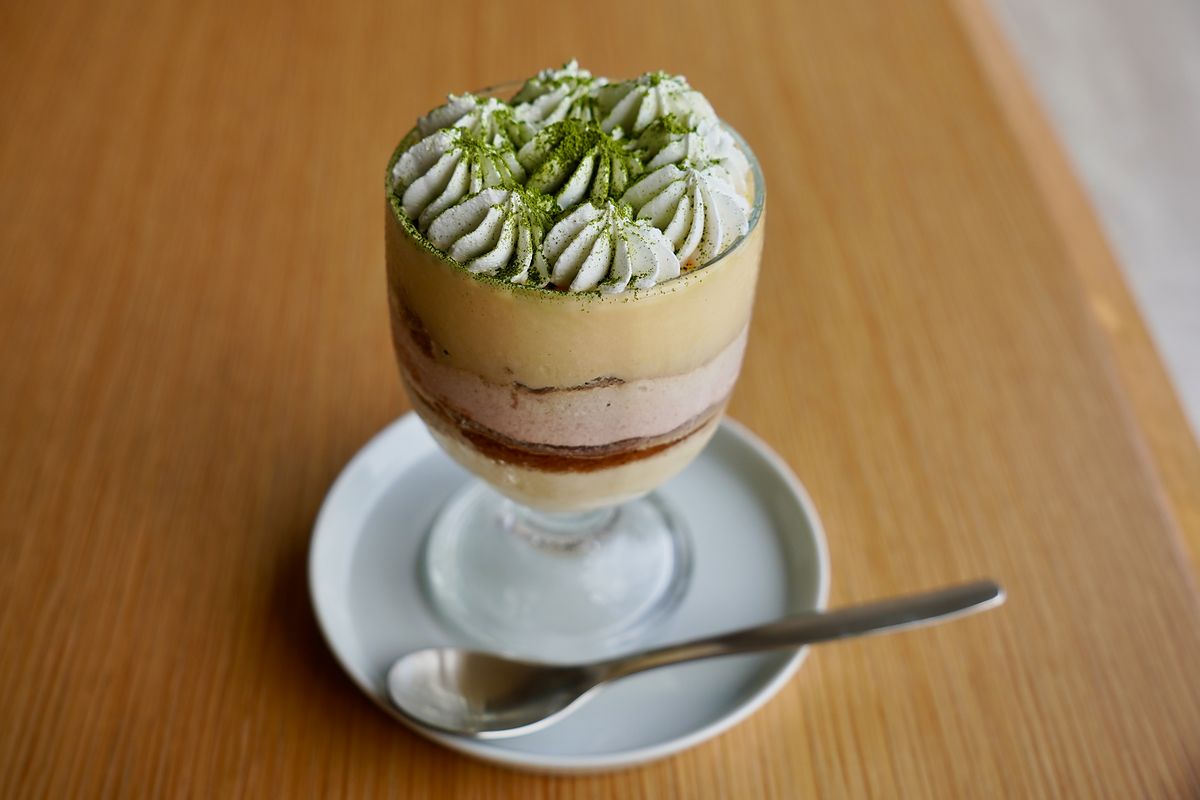
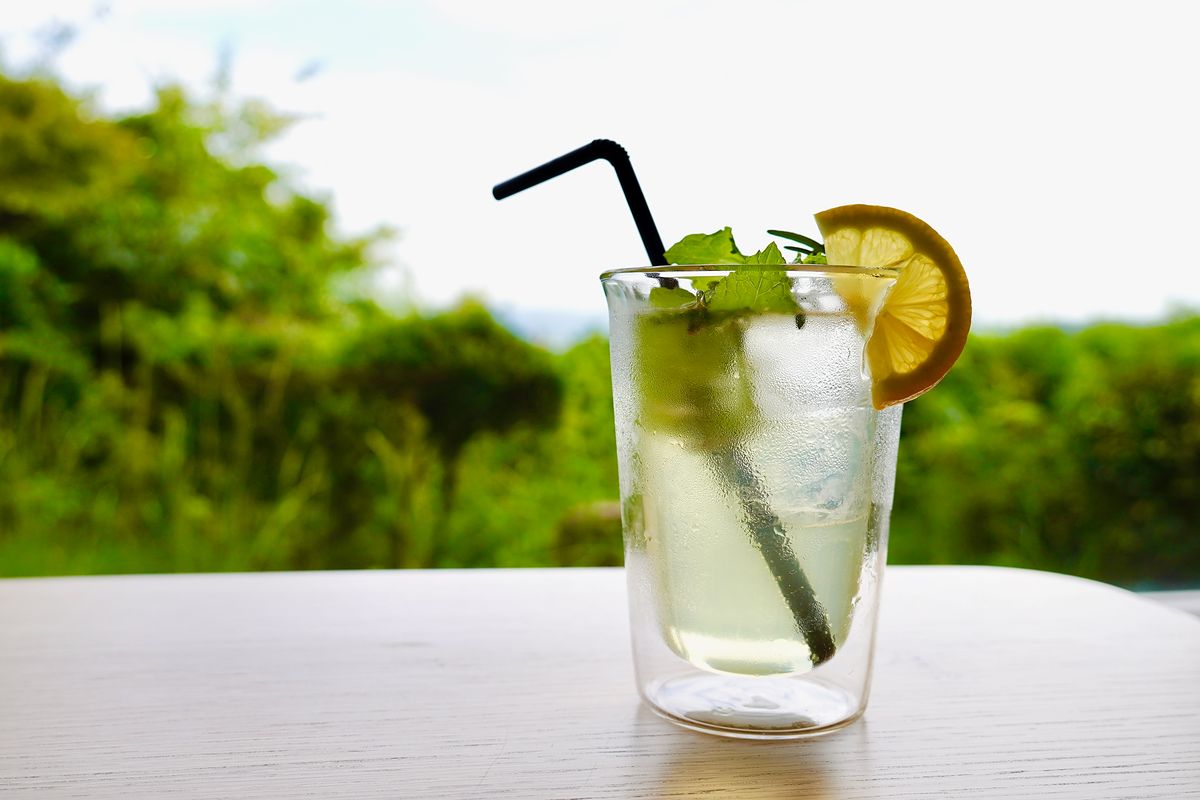
SEN COFFEE focuses on cakes and baked sweets made with care, alongside a wide selection of drinks. Highlights include an unexpectedly excellent carrot cake—moist, warmly spiced, and topped with pistachio-studded cream cheese frosting—as well as a light, house-made matcha tiramisu pudding. Seasonal drinks such as citrus soda are refreshing on a hot summer day, and drip coffee is available in multiple blends.
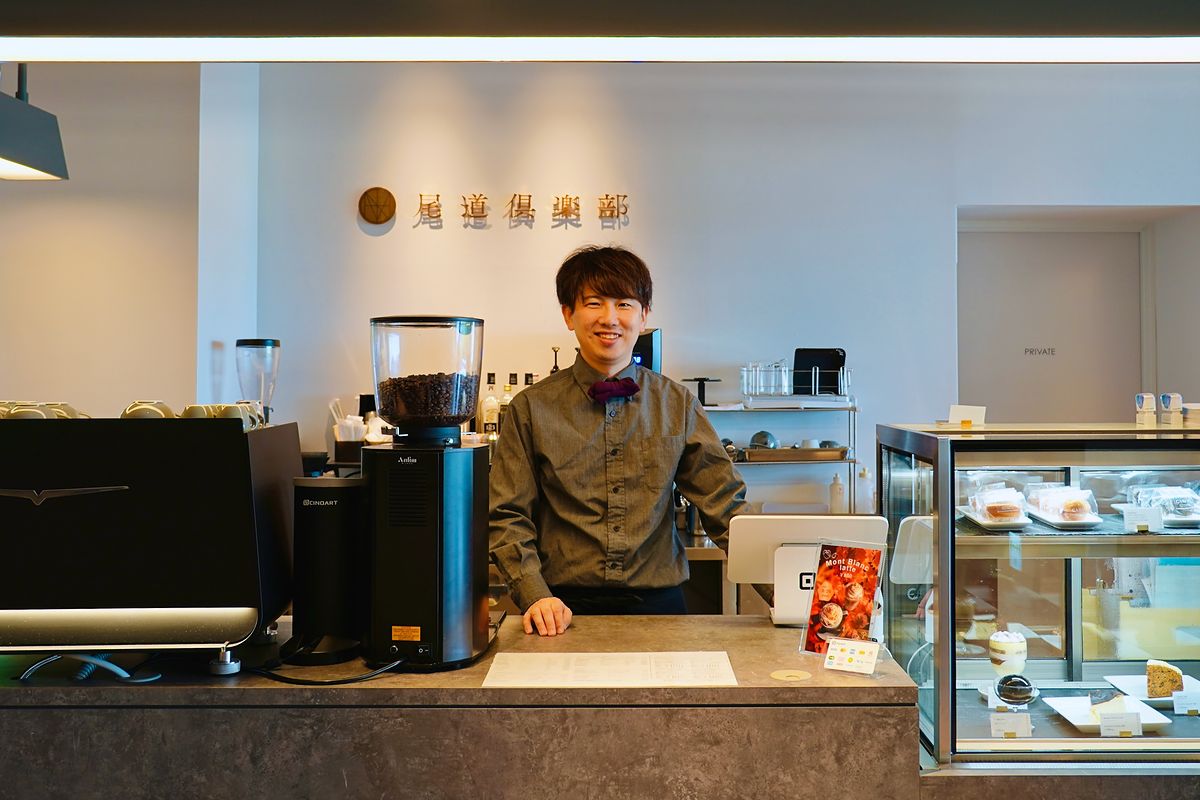

Behind the counter is award-winning barista Yusuke Ota, World Champion at Coffee Fest Latte Art in 2014, whose skill adds a refined touch to the café’s offerings. With its views over the historic townscape and sea, SEN COFFEE provides a quiet moment to take in Onomichi’s maritime character.
3. Handicrafts Cafe Gozasoro (Hyogo) | Supporting Postwar Communities with Imagawayaki
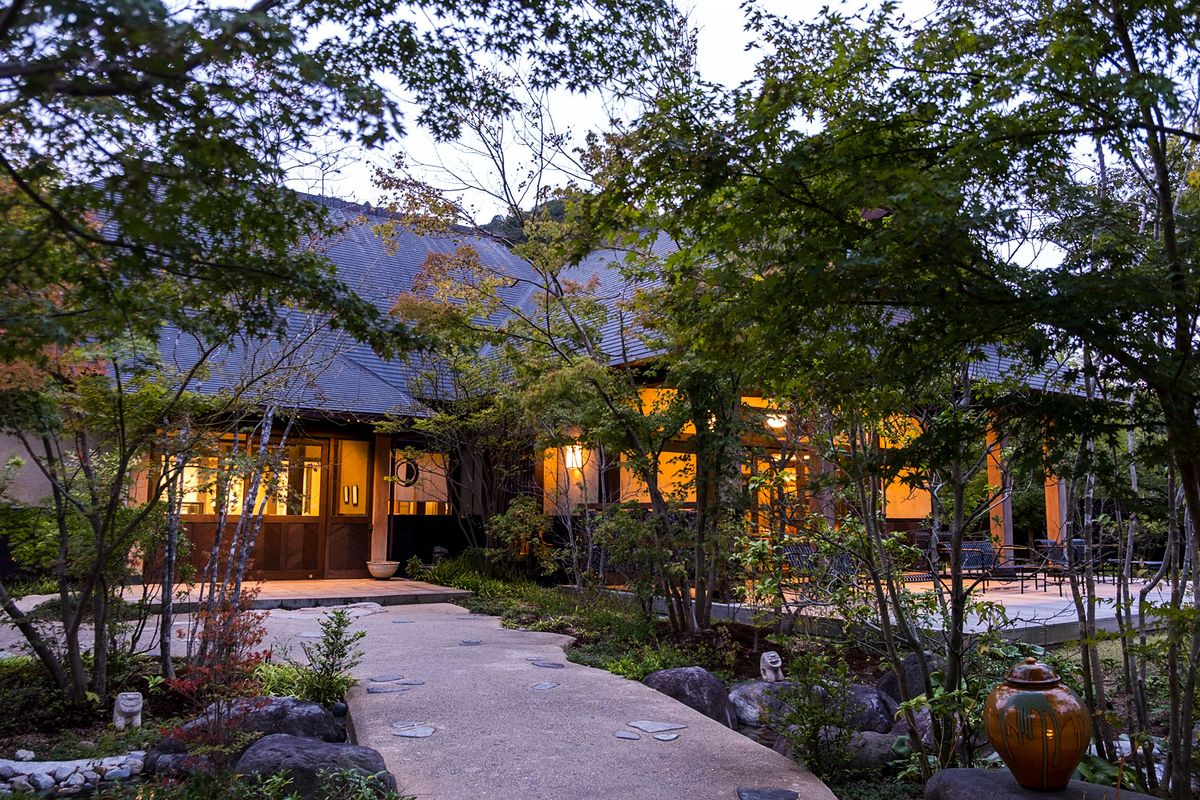
Located at the base of the Mount Shosha ropeway, Handicrafts Cafe Gozasoro is a natural final stop after a day of walking through Himeji’s temple grounds and forest paths. As you step inside, the atmosphere feels unexpectedly refined, more like a quiet jazz café than a traditional sweets shop. Soft lighting, warm brown tones, and faint piano music create a calm, reflective space where time seems to slow down.
Founded shortly after World War II, Gozasoro began offering warm, affordable sweets at a time when sugar and confections were scarce. These simple desserts lifted spirits and quickly became beloved by the local community. That same spirit remains today. The shop continues to make imagawayaki – round sponge cakes filled with either classic azuki red bean paste or a smooth white bean paste, gently cooked with sugar using an unchanged recipe.
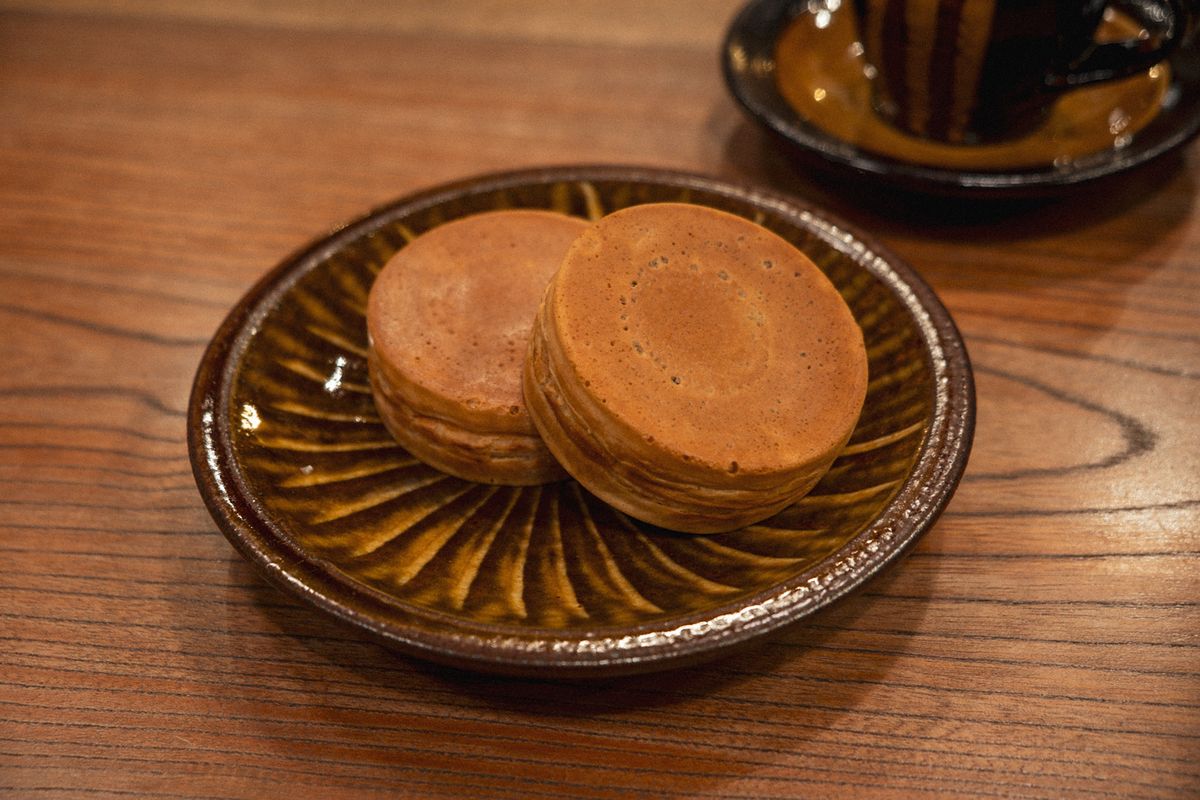
Watch craftsmen prepare the imagawayaki on-site, a process that highlights both skill and care. Each sweet is presented on rustic ceramic ware sourced from across Japan, served in a nostalgic Showa-era (1926-1989) interior decor.
Even the sweet’s name reflects its founding philosophy. Gozasoro is written with three kanji, each rooted in classical expressions of politeness and humility. Together, Gozasoro forms a humble expression meaning something like “Here it is, respectfully offered,” capturing both the craftsmen’s reverent gratitude towards each customer for their purchase and their quiet pride in presenting each sweet baked with care.
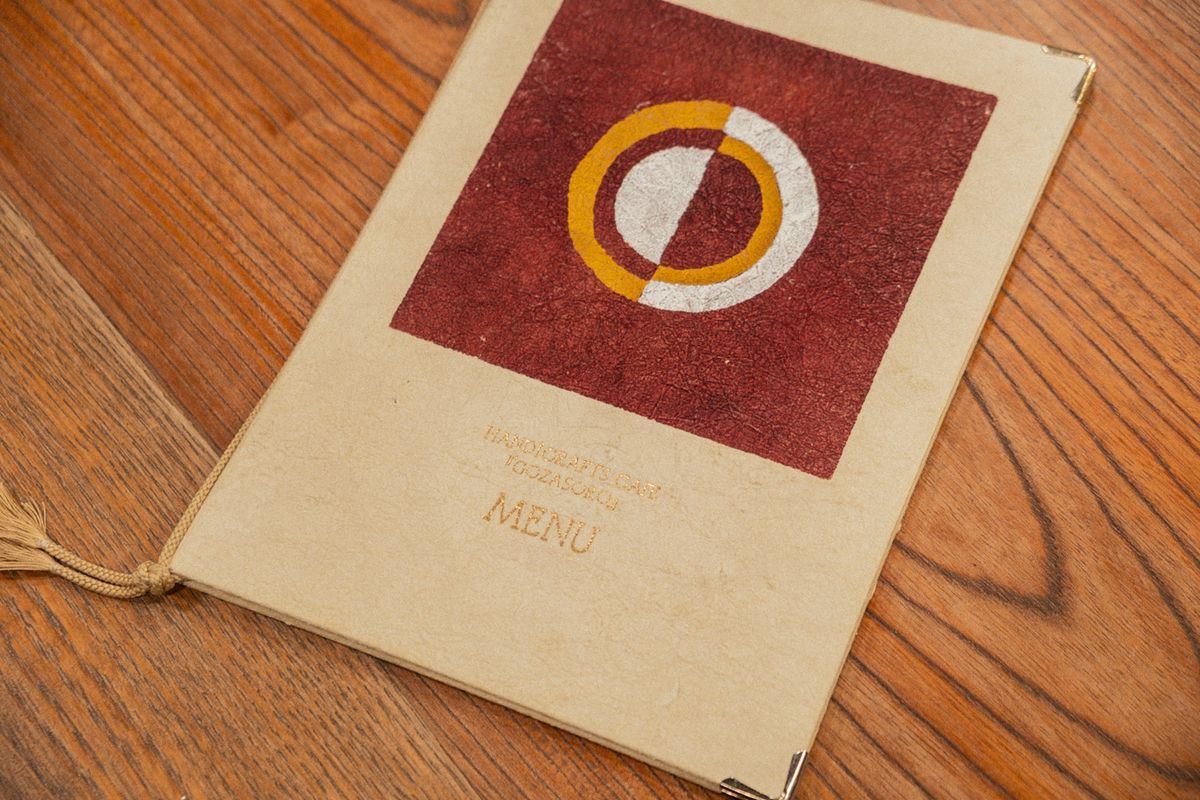
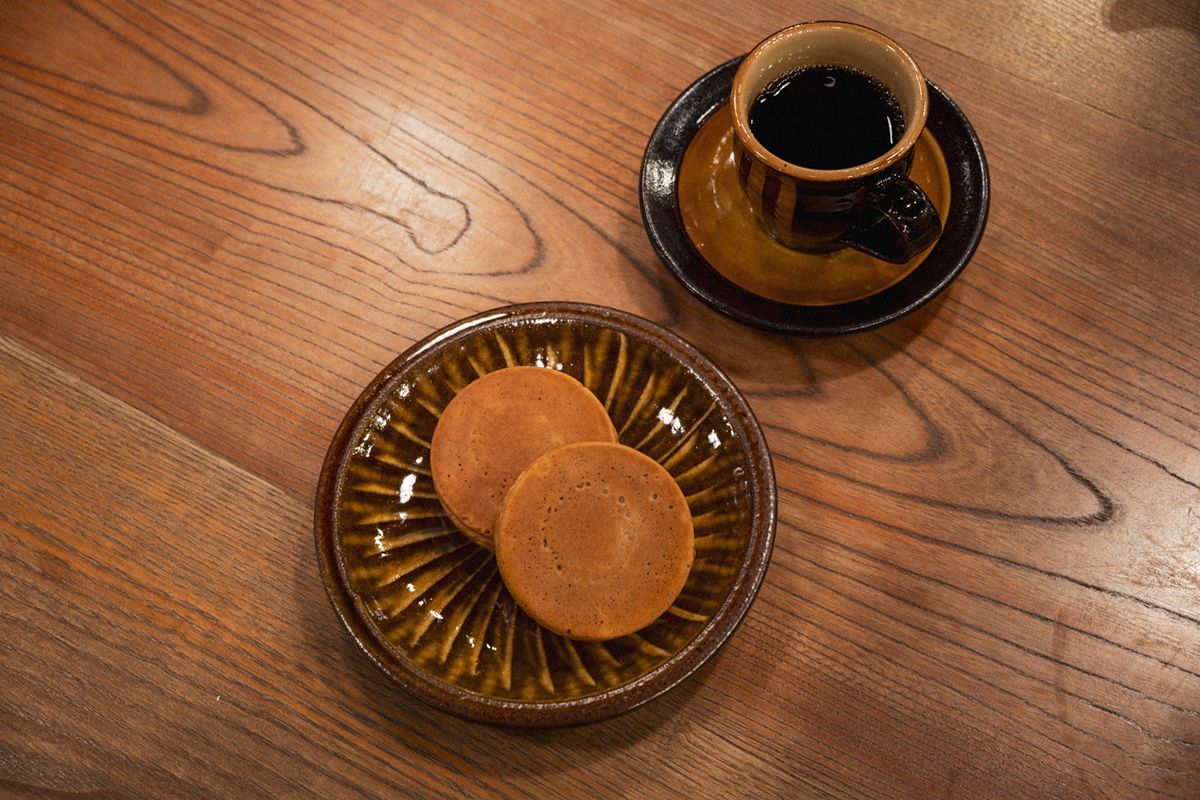
The café concept pairs these traditional sweets with specially brewed coffees. A stronger, more bitter blend is recommended for the azuki filling, while a brighter, slightly acidic coffee complements the white bean paste. Trying both reveals subtle differences in flavor and texture. Light meals such as udon are also available as savory complements.
For travelers, Gozasoro accompanies a visit to nearby Himeji Castle, offering a glimpse into Himeji’s past as a major castle town. Exploring the area also reveals historical sites that help explain the importance of azuki beans and anko (sweet red bean paste) in the region. During the Edo period, Himeji served as a regional hub for samurai, craftsmen, merchants, and pilgrims, where durable, tea-friendly sweets made with locally available azuki beans became a practical part of daily life. The nearby Azuki Museum provides a deeper background on this tradition, tracing the role of sweet red bean paste in Himeji’s food culture from the castle-town era to the present.
4. Soseki Coffee Shop Aishotei ( Ehime) | Immersing Yourself in the Literary World of a Great Author
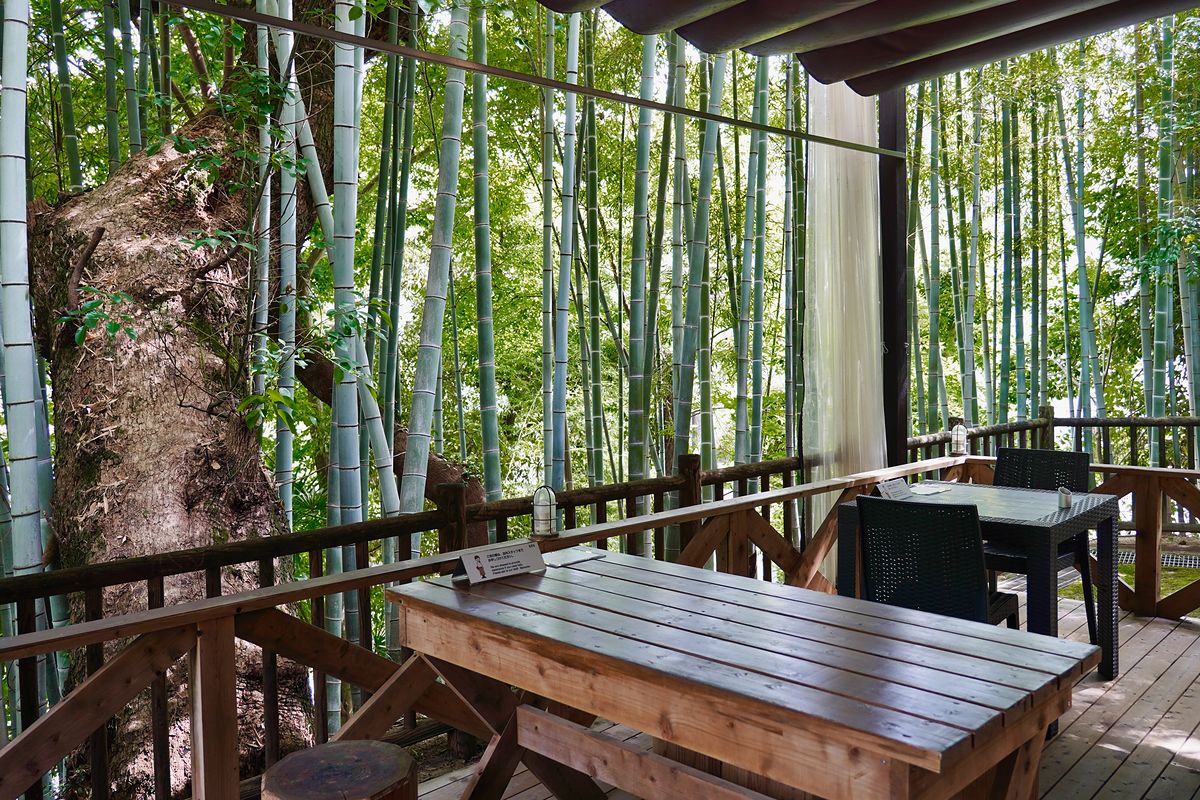
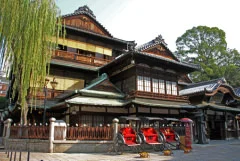
Located close to Dogo Onsen, Aishotei is an ideal stop between bathing and sightseeing. Surrounded by a forest of bamboo, Soseki Coffee Shop Aishotei offers a quiet retreat where literature, landscape, and local flavors come together. Built on the site of a former residence where modern novelist Natsume Soseki once stayed during his time in Matsuyama, the café invites visitors to step into the world of one of Japan’s most influential literary figures.

The building itself sets the mood. A garden path leads to a secluded house with an open terrace sheltered by bamboo, as wind chimes ring softly in summer. Small details, such as a miniature replica of the Botchan train near the entrance, hint at the café’s literary theme before you even step inside. Named after Botchan, the classic novel by Soseki set in Matsuyama, the sightseeing train recreates the modern-era carriage ridden by the titular character, offering visitors an immersive cultural experience unique to the city. The Art Deco–style interior continues the homage, with framed portraits, quotes from Soseki’s works, and historical memorabilia displayed throughout the space.
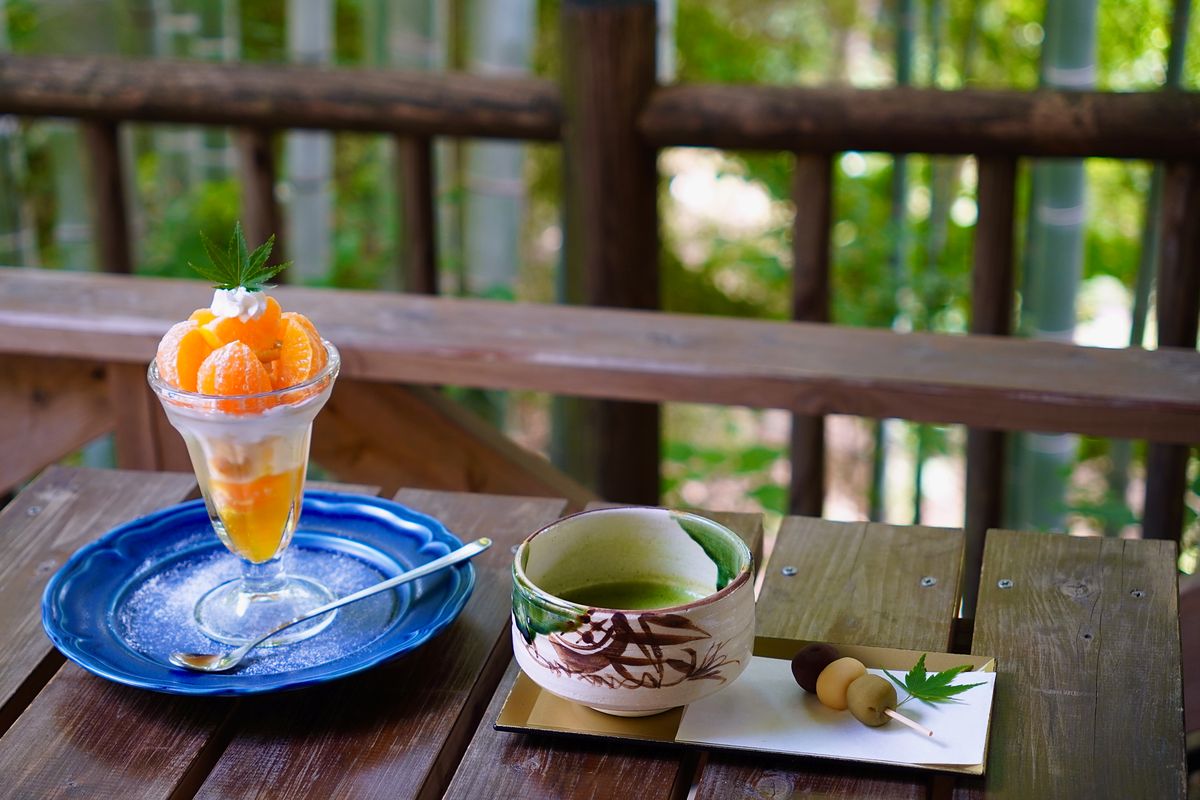
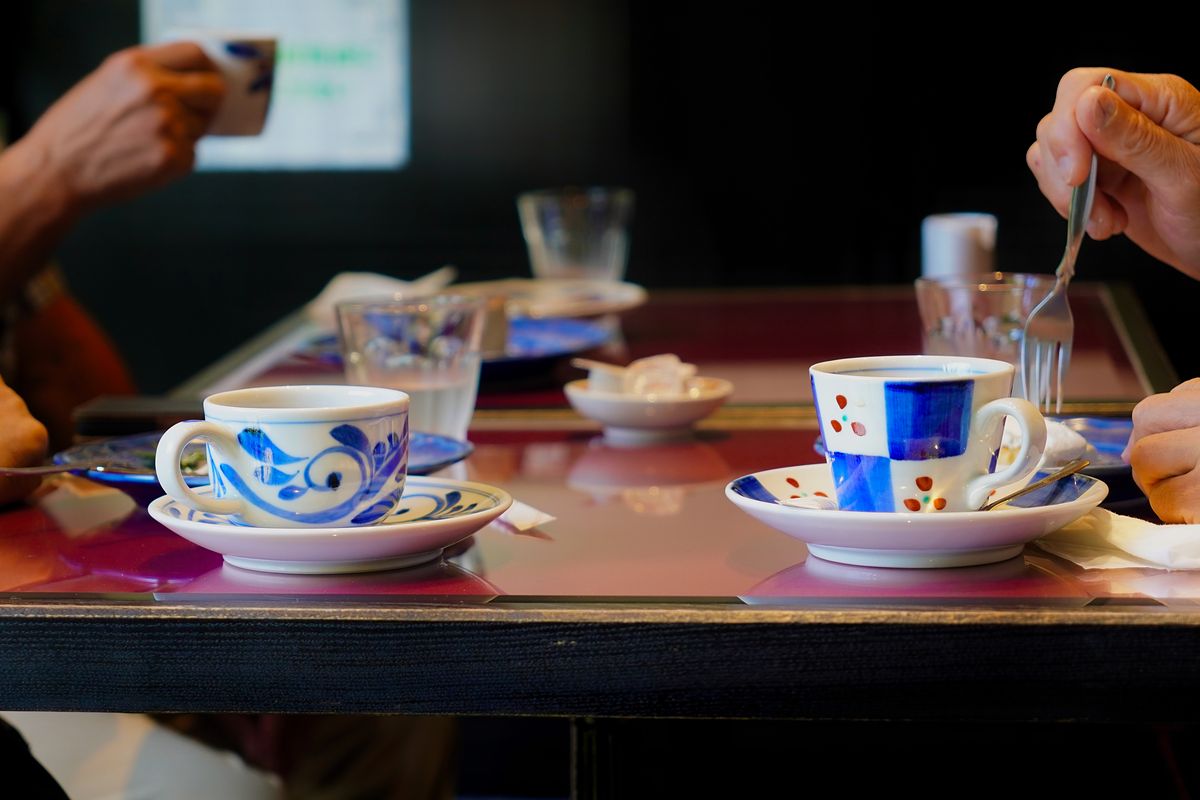
The menu reflects both place and history. Enjoy traditional Japanese sweets alongside coffee and desserts made with local Ehime citrus. Popular choices include Botchan dango paired with matcha, as well as seasonal fruit parfaits featuring mikan. Some coffee cups are served on locally made Tobeyaki wares, further grounding the experience in regional crafts.
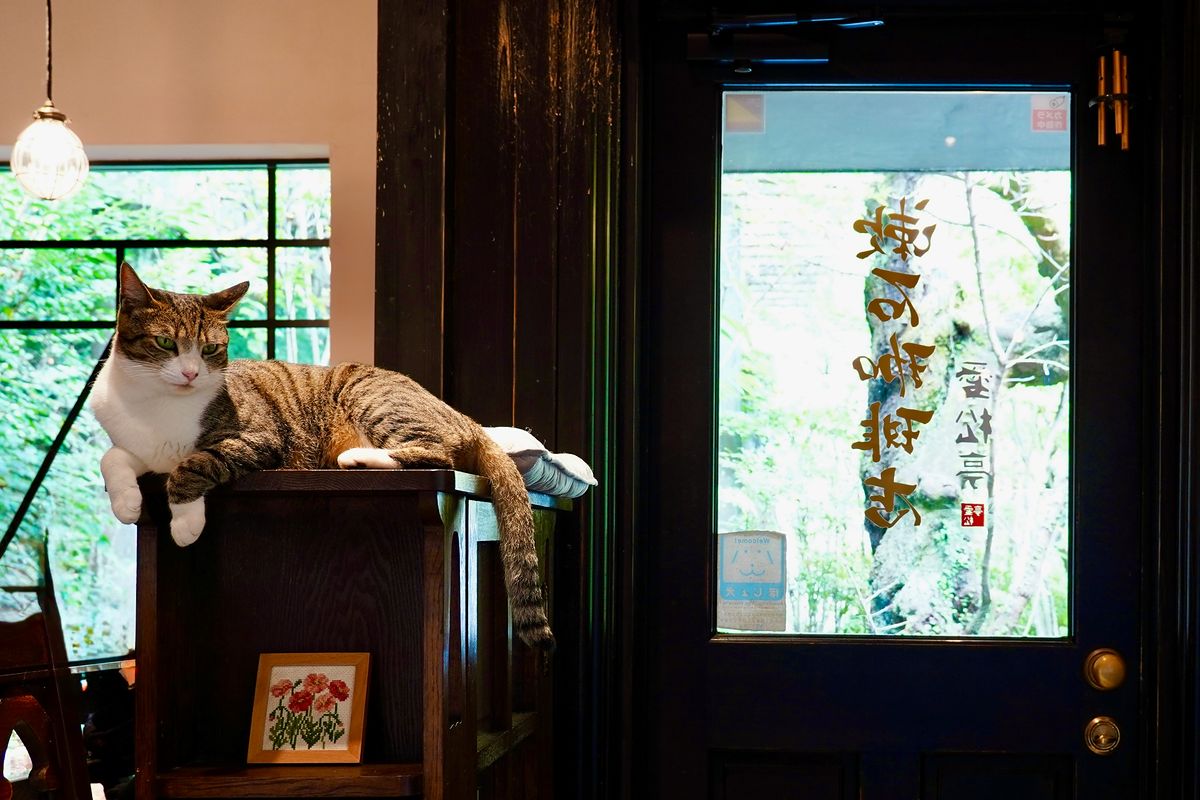
Two resident cats,” Botchan” and “Madonna”, spend their days lounging leisurely around the café and terrace, adding a charming, whimsical atmosphere reminiscent of Natsume Sōseki’s classic novel I Am a Cat. Natsume Soseki once described the view from his lodging here as “a paradise with an exceptional view,” and visitors today can enjoy tea in the same spirit, imagining the literary past unfolding around them.
5. Wadano-ya Main Store (Tokushima) | 400 Years of Yaki Mochi and Memories of Tokushima Castle
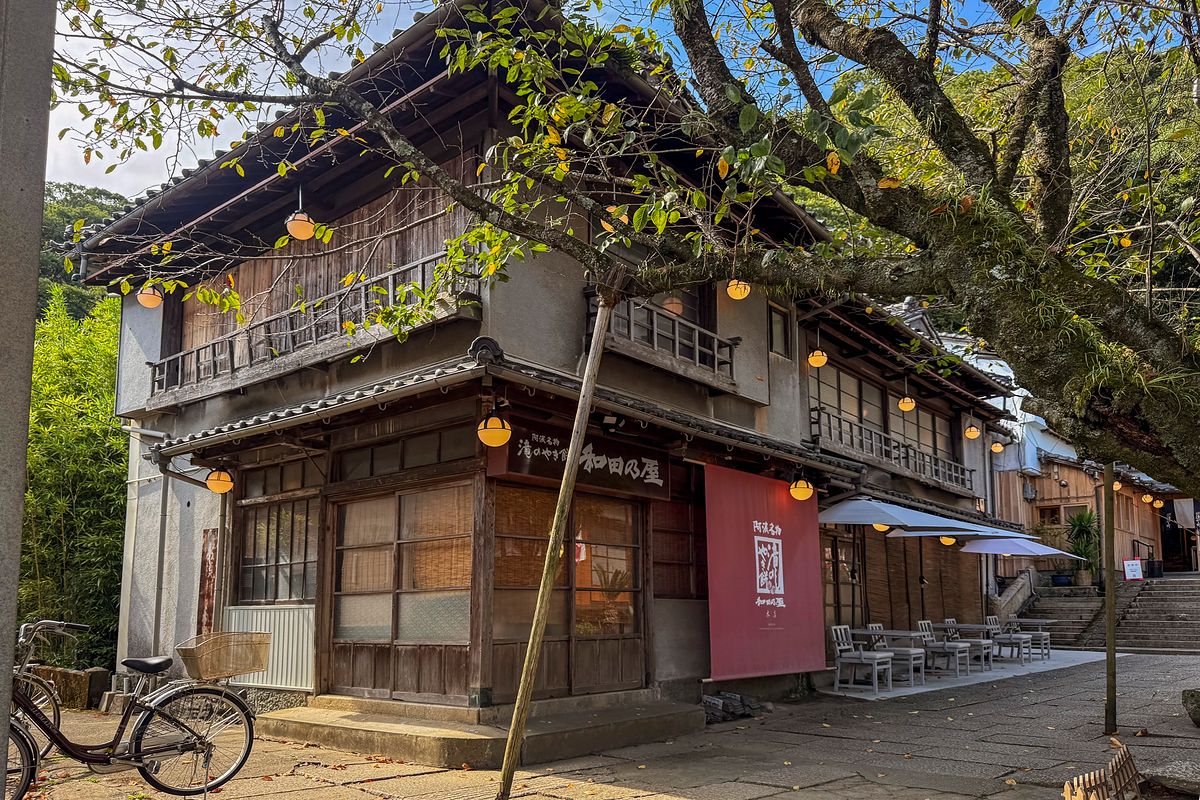
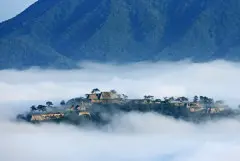
At the foot of Mount Bizan, a short walk from the former grounds of Tokushima Castle, Wadano-ya Main Store preserves a confectionery tradition that spans more than 400 years.
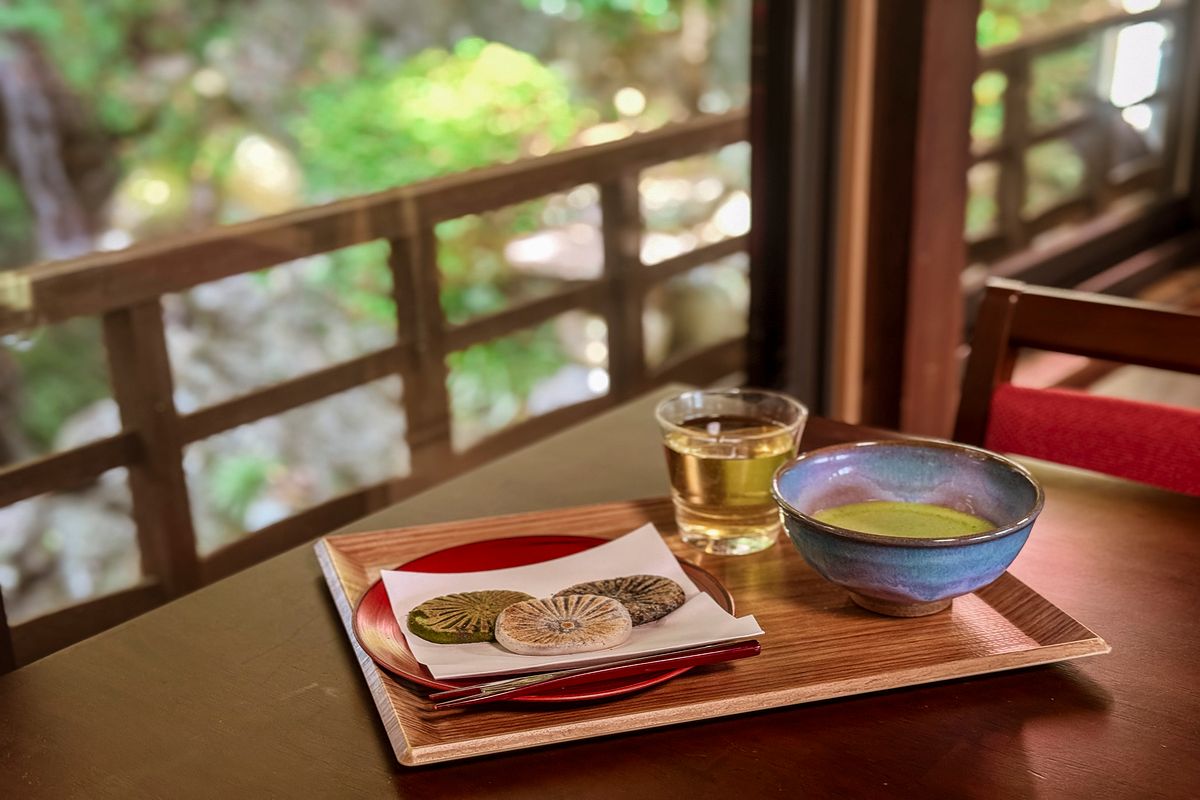
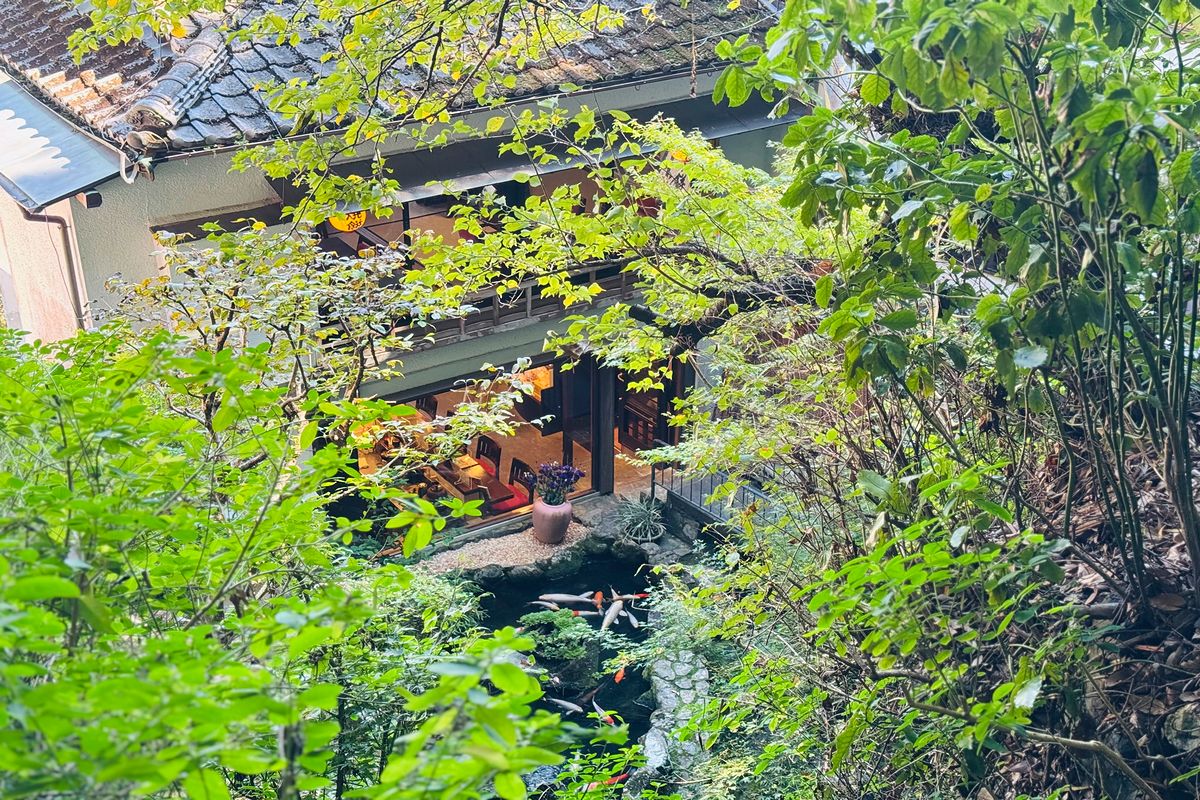
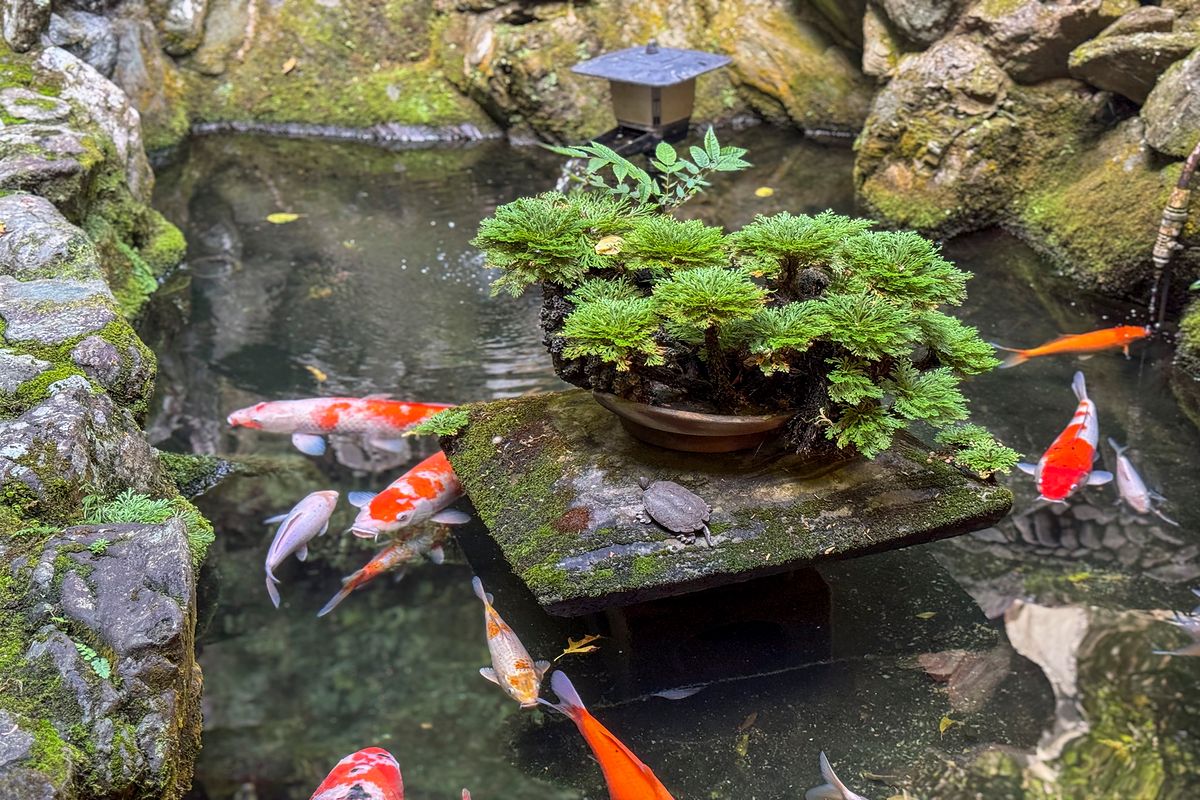
Its signature offering, Taki no Yakimochi—literally “waterfall grilled rice cake”—is still prepared much as it was centuries ago. A traditional tea room overlooks a small garden. Served warm on lacquered wares, the thin rice cakes are lightly crisp at the edges, softly yielding at the center, and filled with mildly sweet azuki paste. Each piece is carefully baked by the artisans with heartfelt attention.
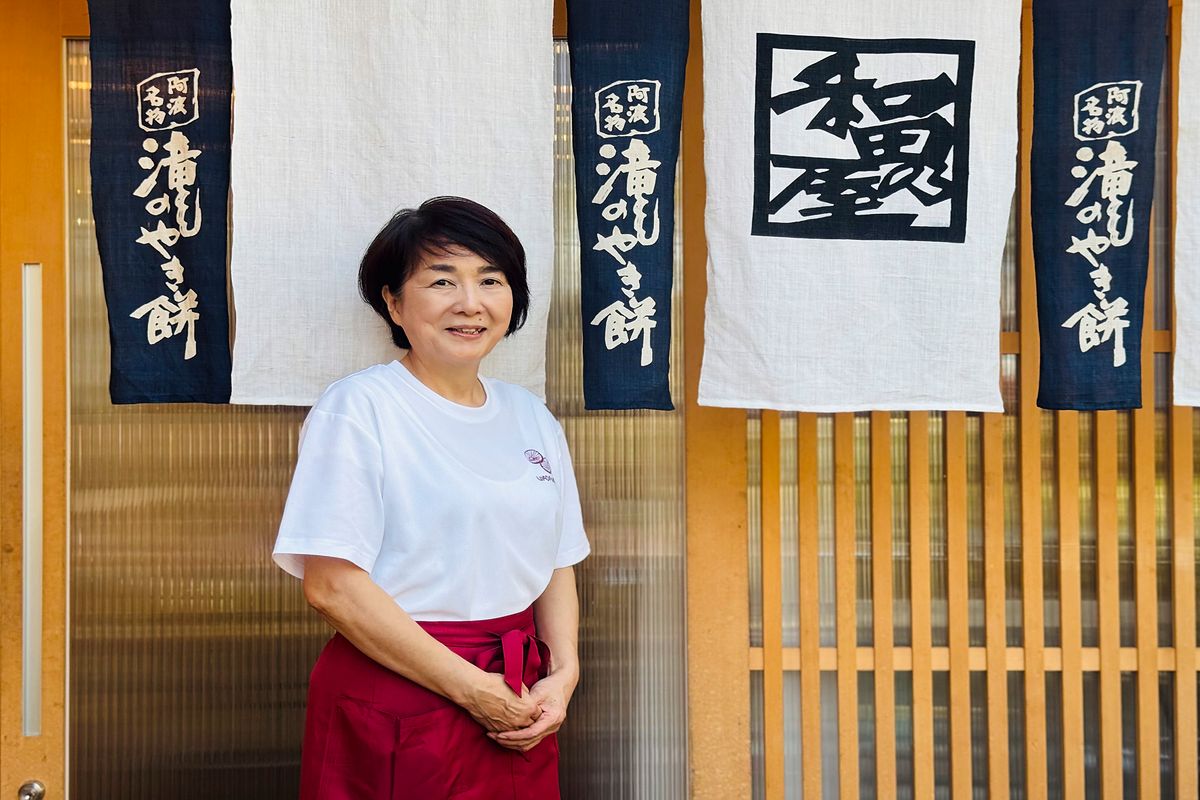
The Wada family continues to run the shop across generations, keeping the recipe intentionally simple: Hokkaido azuki beans, sugar, rice, and glutinous rice, using no preservatives or artificial coloring. While certain steps have been modernized to ensure hygiene and consistency, the flavor remains faithful to its origins. Seasonal offerings add further appeal, from shaved ice in summer to comforting bowls of zenzai in winter, encouraging return visits throughout the year.
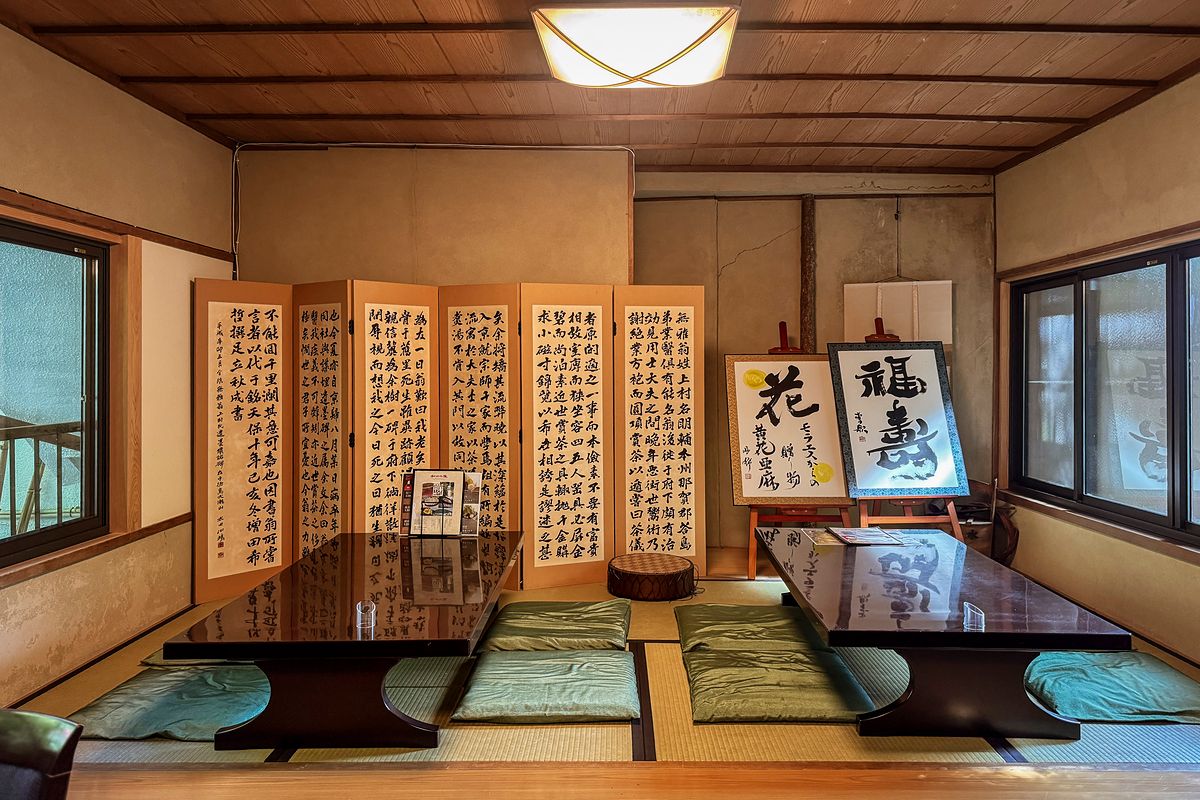
The interior includes literary works closely tied to Tokushima. The lower building of Wadano-ya Main Store is designated as a Registered Tangible Cultural Property of Japan. Spending time and savoring a meal in this historic setting offers a special experience that can only be found here.
6. Summary |What a Journey Through Sweets Teaches Us
Traveling through Setouchi by way of sweets reveals how deeply flavor can be tied to place. Each of these five destinations offers more than a moment of indulgence: they carry stories shaped by local history, craftsmanship, and landscape. From long-established shops preserving generations-old techniques to modern cafés reimagining tradition, the sweets become quiet narrators of the regions they come from.
This kind of journey is especially meaningful because taste lingers. Flavor is one of the senses most closely linked to memory, allowing moments to settle deeply and resurface long after the journey ends. Culinary experiences invite travelers of all interests to engage with culture naturally—through taste, texture, and atmosphere—without requiring specialized knowledge.
When visiting Setouchi, let sweets guide your route. By savoring not only the flavors but the stories behind them, Setouchi becomes more than a place you’ve seen. It becomes a place your taste buds remember, one sweet stop at a time.
Related Articles
-
 Food & Drink
5 Setouchi Sake Breweries Where You Can Tour and Experience Sake Making
-
 Food & Drink
A Culinary Journey Through Setouchi’s Bountiful Nature: 5 Must-Try Local Dishes in Each Region
-
 Food & Drink
A Foodie's Tour of Hiroshima and Yamaguchi
-
 Food & Drink
Setouchi Spirits Tour - Whisky, Sake, Craft Beer and More
-
.jpg) Food & Drink
Food & DrinkExplore a 200-Year-Old Sake Brewery in Naruto
-
 Food & Drink
Exploring Hyogo’s Terroir and Gastronomy: A Feast for the Eyes and Stomach!
-
 Food & Drink
Setouchi Sake Brewery: A Treasure Trove of Delectable Japanese Sake
-
 History
To Towns Where Time Breathes: A Journey Through the History and Ancient Streetscapes of the Seto Inland Sea
RELATED DESTINATION
Okayama
The Okayama area has flourished as an area alive with various culture including swords, Bizen ware and other handicrafts. Because of its warm climate, fruits such as peaches and muscat grapes are actively grown there. It is also dotted with places where you can see the islands of the Seto Inland Sea.