

Food & Drink
5 Setouchi Sake Breweries Where You Can Tour and Experience Sake Making

-
- RELATED TAGS
-
- LAST UPDATED
- 26 February, 2026
The history behind sake, one of Japan’s most cherished drinks, dates back centuries, unfolding alongside the country’s many changing eras. Today, this long history and the existing traditions that influence sake making offer one of the most enjoyable ways to decode local culture, revealing how Japanese culinary traditions are shaped by the harmony between people, land, and the traditions that carry it all.
In the Setouchi Region, blessed with some of the country’s finest natural water sources and rice—two essential ingredients behind sake—many breweries open their doors to visitors, not only for tastings but also to offer a glimpse into the welcoming culture and quiet craftsmanship behind each brew.
Here are five different sake breweries in Setouchi, each offering a unique perspective on Japan’s national drink and, hopefully, adding depth and richness to a journey through the region. Each stop brings something distinct, shaped by its immediate surroundings, making it an ideal and certainly enjoyable way to experience how local landscapes, traditions, and crafts come together in a glass.
Table of Contents
- 1. Nishiyama Sake Brewery (Hyogo) | A Historic Brewery Infused with Philosophy
- 2. NAKAWA SHOUTEN GENERAL PARTNERSHIP COMPANY (Tokushima) | A Community-Centered Brewery Living with Local Life
- 3. Kikuchi Sake Brewery (Okayama) | Learn Sake Through All Five Senses, Known Internationally
- 4. Saijo Sake Brewery Street (Hiroshima) | A Whole Town as a “Sake Theme Park.”
- 5. Shodoshima Sake Brewery MORIKUNI (Kagawa) | A New Brewery Experience Blending Island Bounty and Art
- 6. Summary | The Depth of Sake, Creating Lasting Travel Memories
1. Nishiyama Sake Brewery ( Hyogo) | A Historic Brewery Infused with Philosophy
Nishiyama Sake Brewery, located in Tamba City in Hyogo Prefecture, is currently operated by the sixth generation of the same family, a testament to its roots dating back to 1849. Additionally, the brewery’s signature label, Kotsuzumi, was named by a well-known haiku poet whom the third and fourth generations studied under at the time.
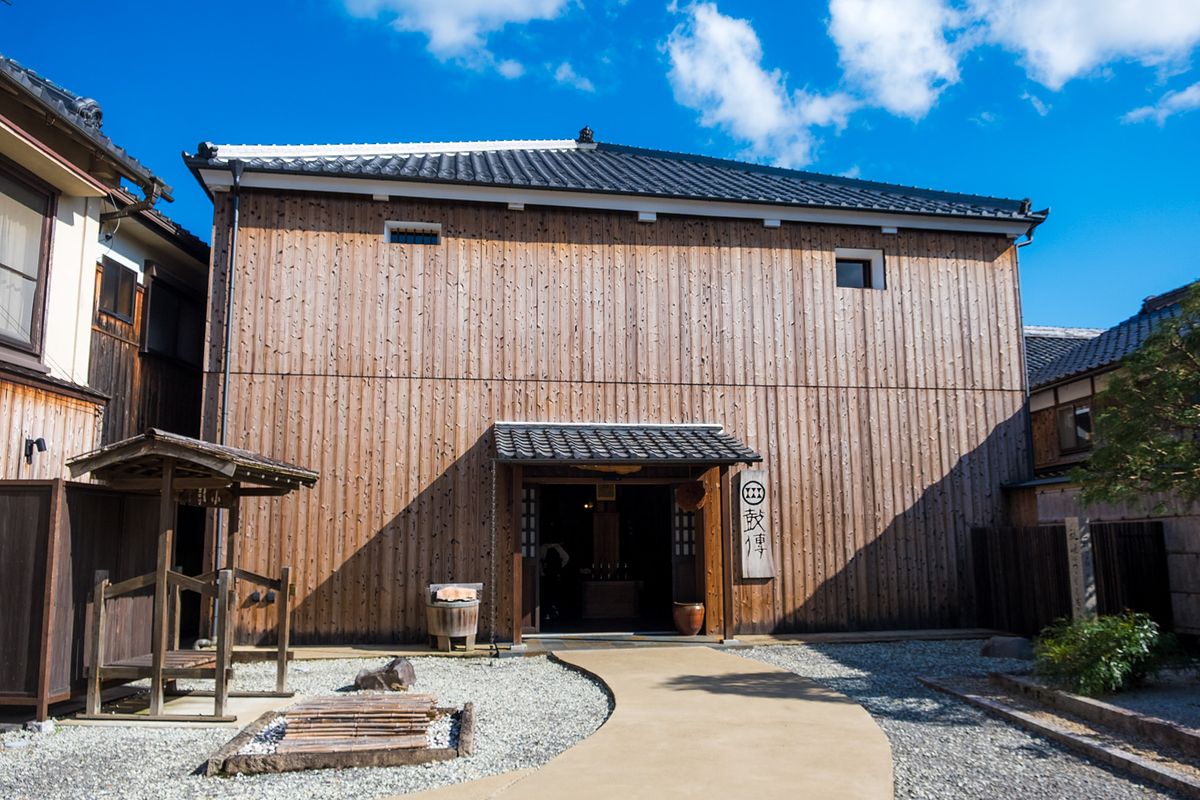
The defining feature of sake brewed at Nishiyama Sake Brewery is its exceptionally gentle well water, which gives it a smooth taste, neither overly dry nor sweet, making it an easy match for both light vegetable dishes and richer meals.
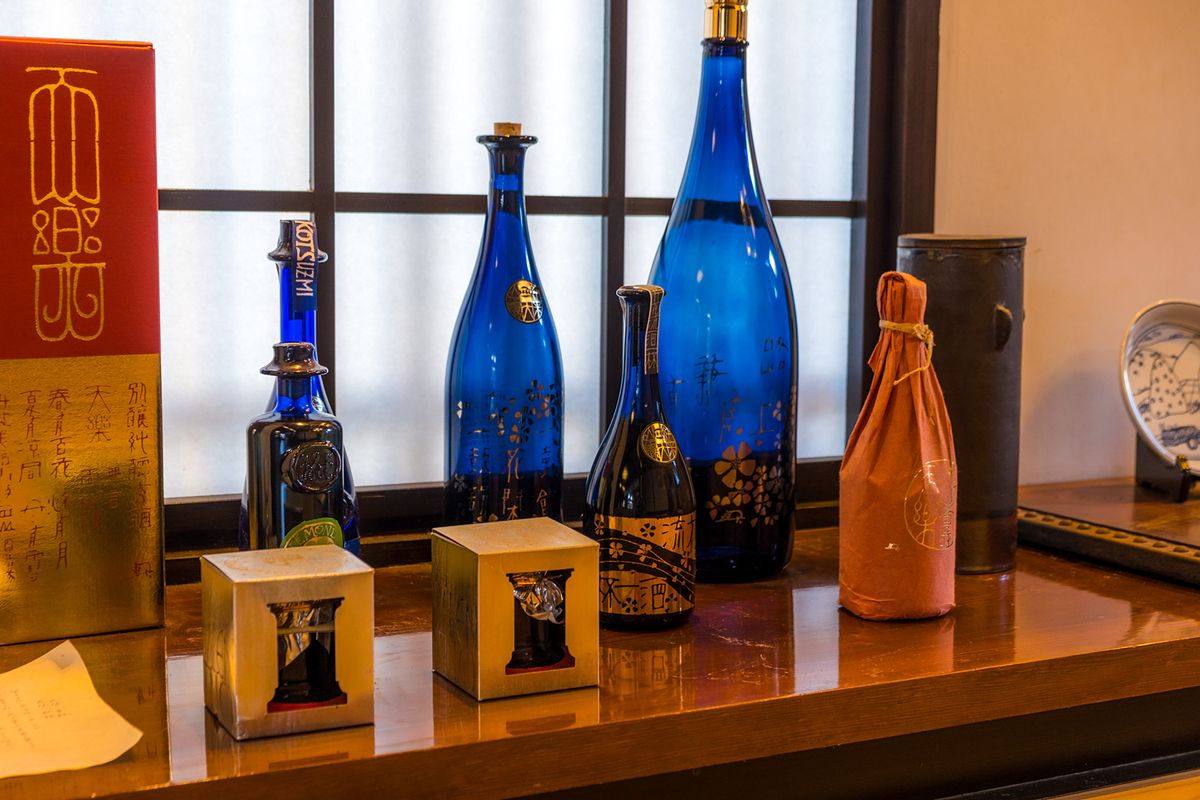
Nishiyama offers experiences that match each visitor's level of interest and commitment. One can join a dedicated sake-tasting course held in a separate building, browse the shop, enjoy lunch, or even apply for an exclusive sake-brewing experience reserved for overnight guests. All options are explained in more detail on their website.
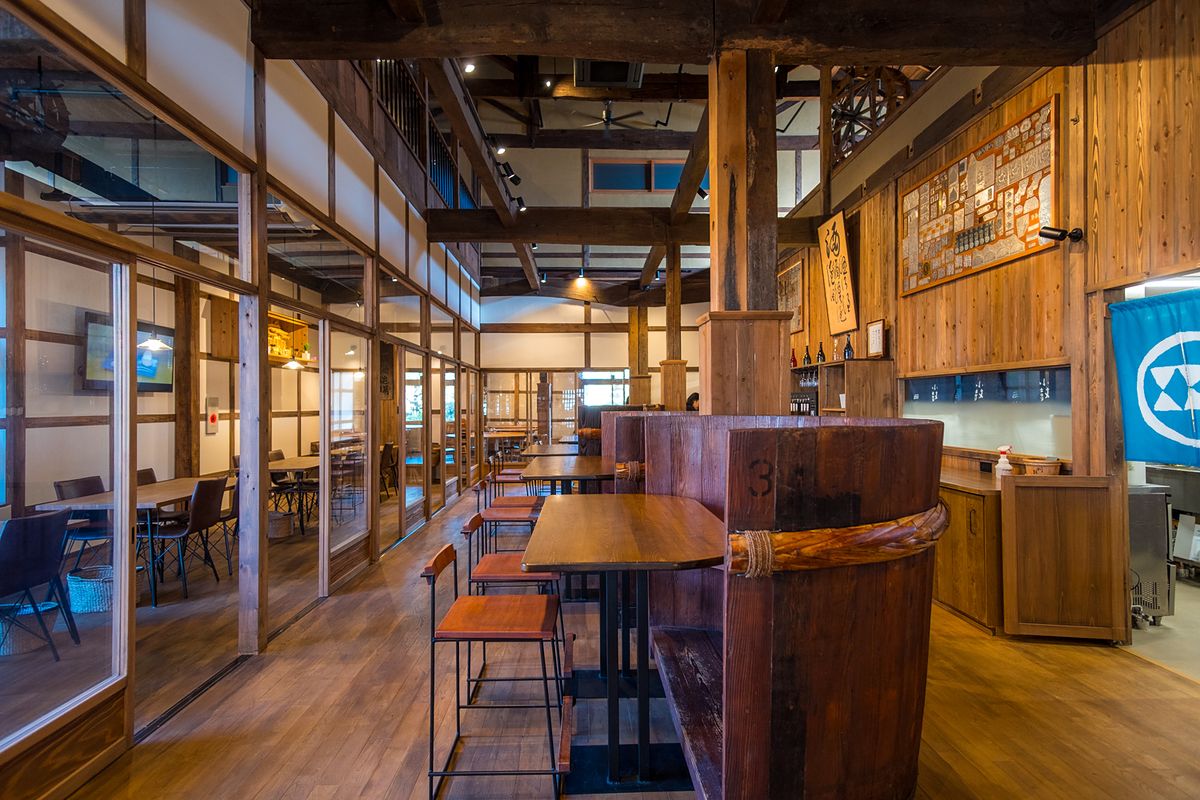
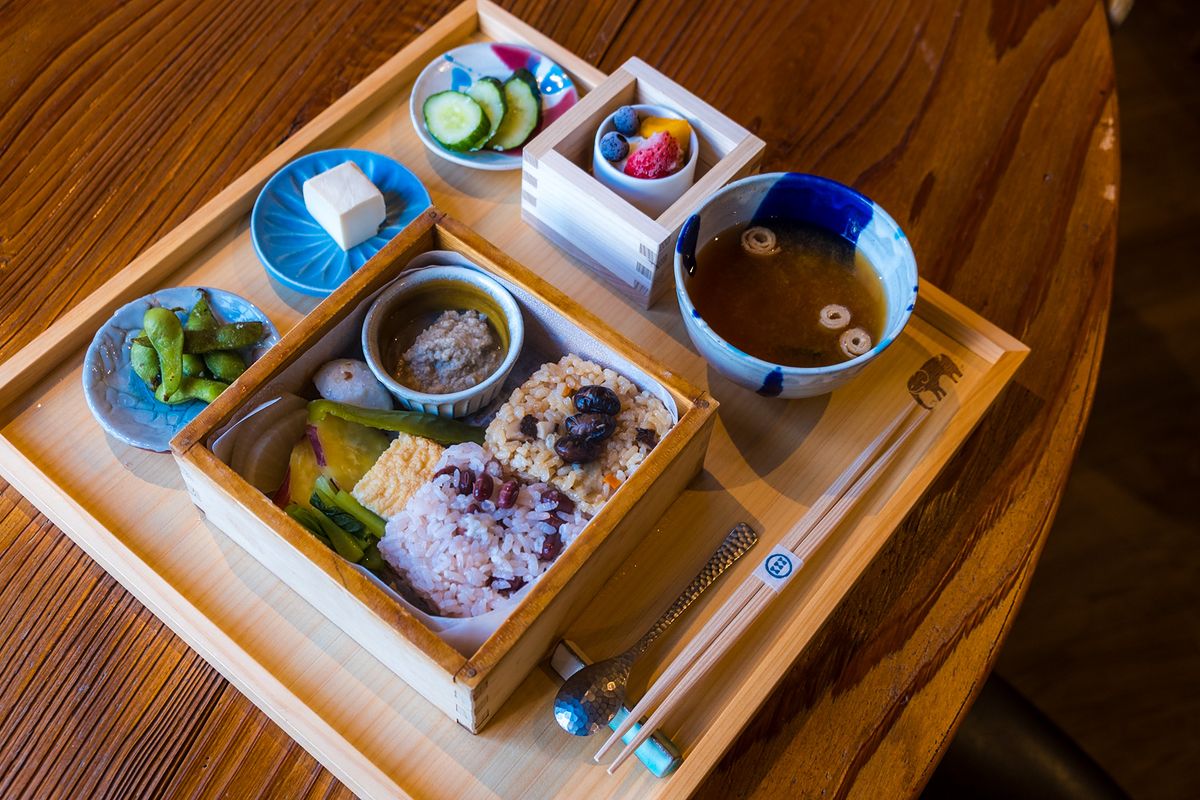
A restaurant located within Koden, a multifunctional complex on the brewery grounds that brings together sake, fermentation, and art, and also offers dining and accommodation. Kotsuzumi Onri - Fermented Makanai Café - is furnished with tools from the original brewery and old sake barrels repurposed as chairs, giving the space a quietly playful, historical feel. The lunch menu centers on fermentation and is reason enough to visit the brewery on its own. Organic local vegetables form the base, with gentle fermentation using sake lees, koji, and house-made miso made from pesticide-free Tamba soybeans. Enjoy a comforting lunch featuring sekihan (red rice), okowa (sticky rice), three daily brewery-style side dishes, and miso soup made with house-made miso balls. Other dishes include Tanba chicken rice topped with a light white meringue and sweet sake tomato sauce, or a sake-lees pizza made with rice-flour dough fermented using sake yeast and brewing water. Served in wooden dishes, the food is prepared with a light touch, letting fermentation support the flavors rather than define them.
2. NAKAWA SHOUTEN GENERAL PARTNERSHIP COMPANY(Tokushima) | A Community-Centered Brewery Living with Local Life
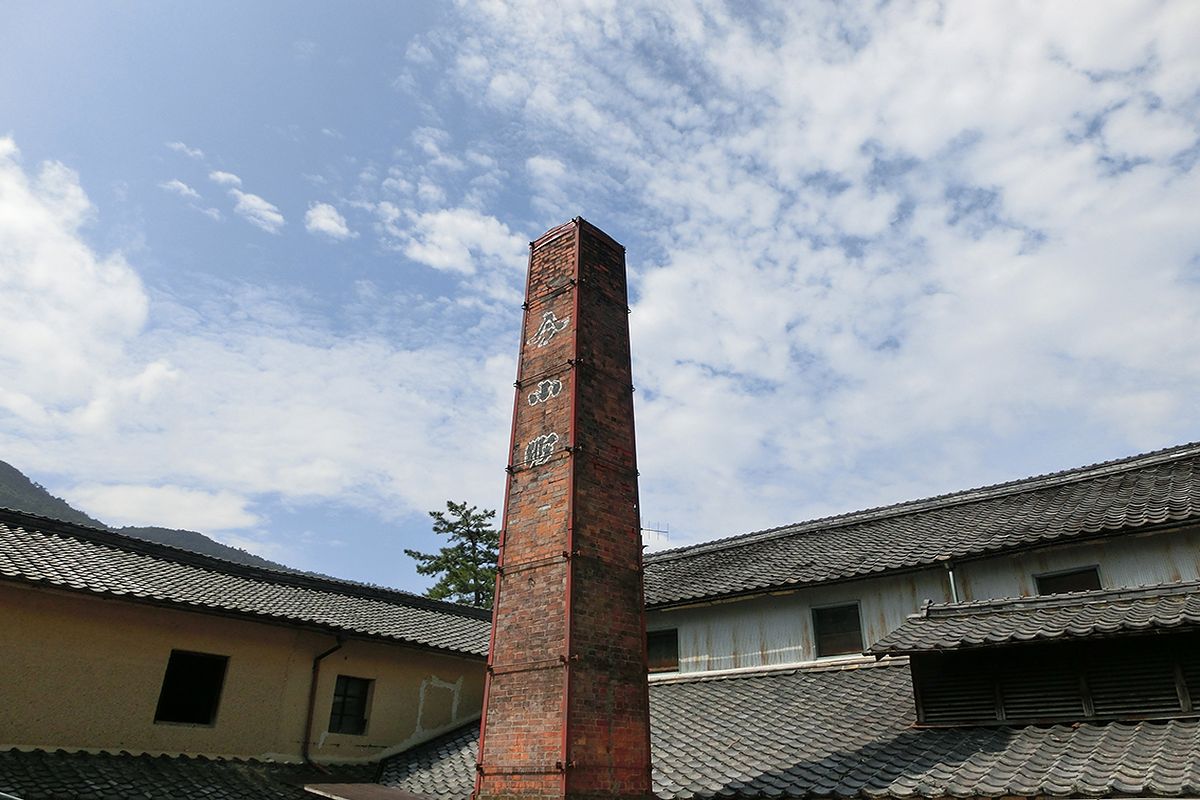
NAKAWA SHOUTEN GENERAL PARTNERSHIP COMPANY, located in Miyoshi in Tokushima Prefecture, is a living piece of history in its own right. Its story dates back to the early 19th century, when it began as a tobacco-cutting business before transitioning into sake brewing about a century later. Today, a large part of the premises, including the brewing facilities, fermentation warehouses, toji residence, and chimney, are registered as tangible cultural properties of Japan.
These buildings are not merely historical remnants; they remain in active use today and continue to serve as workplaces for local people, linking today`s everyday life with the past in Miyoshi.
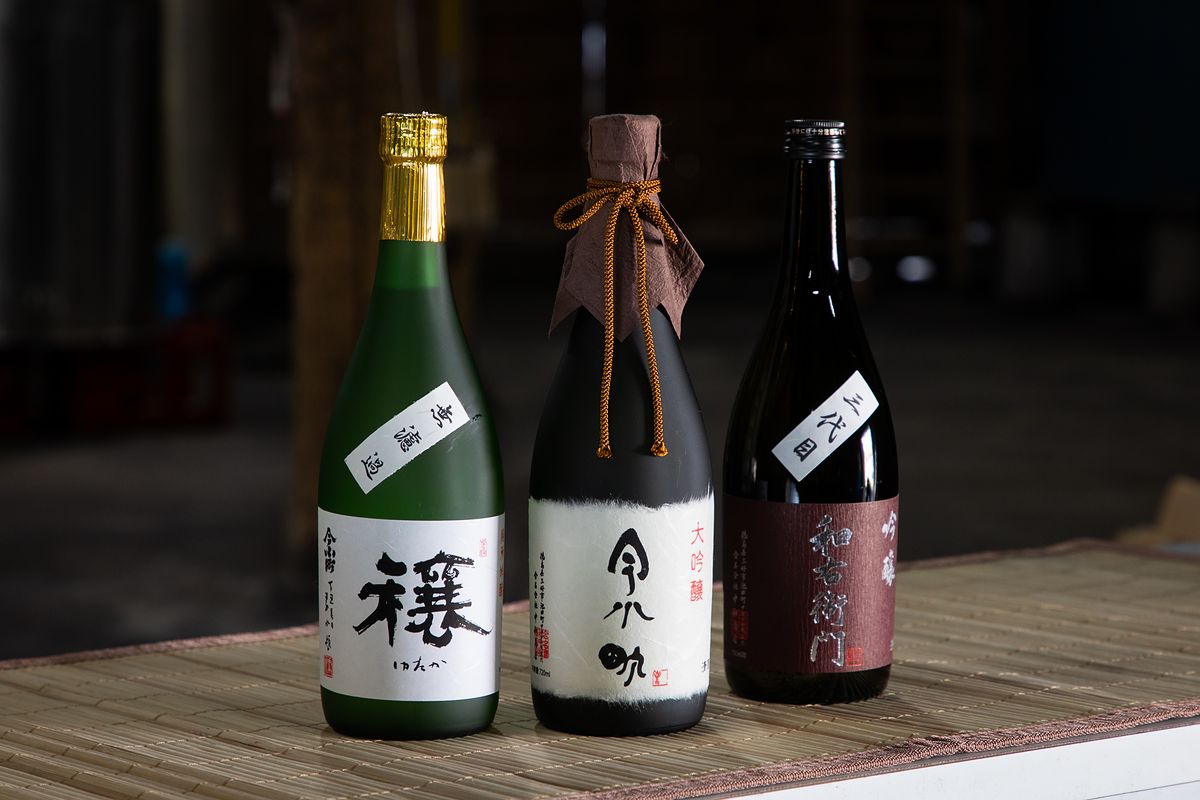
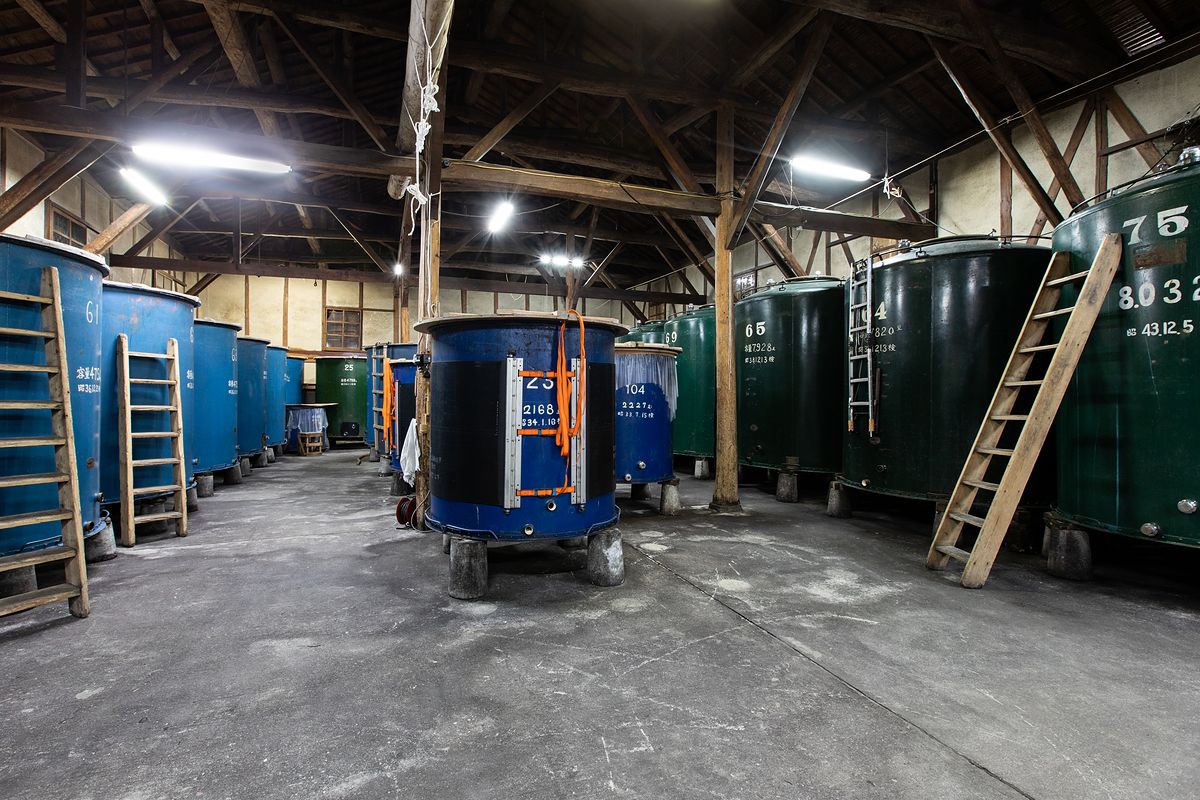
The brewery uses the clear waters of the Yoshino River flowing through Tokushima Prefecture in Shikoku, along with Yamada Nishiki rice, which is ideal for sake brewing due to its high water-absorbing capacity. The mineral-rich water produces sake with a delicate, smooth mouthfeel. For the rice, the brewery uses Yamada Nishiki, regarded as the finest sake rice, and carefully crafts each brew to bring out the full character of its ingredients.
The brewery’s flagship brand, Imakomachi, is named after the original owner's wife. She is said to have been renowned for her beauty, and that beauty has since come to reflect the brewery’s wish to create a sake defined by elegance and gentleness.
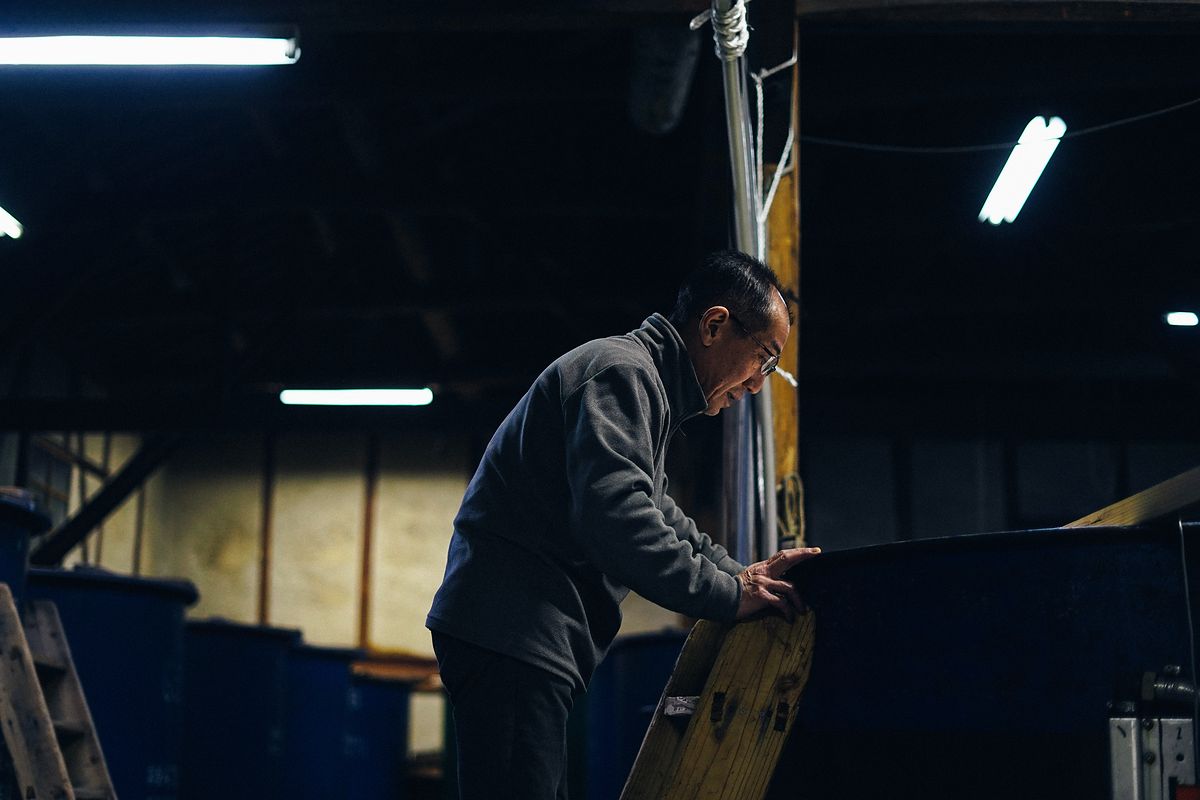
While deeply respectful of tradition, the brewery also makes an admirable effort to stay in step with modern times, offering a wide selection that appeals to both long-time patrons and newer generations. Guided tours and tastings are available by reservation and are led by the brewery artisans, making for a rewarding visit.
3. Kikuchi Sake Brauerei (Okayama) | Learn Sake Through All Five Senses, Known Internationally
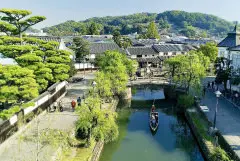
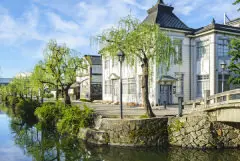
Kikuchi Sake Brewery is located in Kurashiki’s historic merchant district, an area that still preserves much of its Edo-period atmosphere and remains one of the most beloved destinations in Okayama. Lined with traditional storehouses and canals, the neighborhood provides a fitting setting for a brewery with deep local roots. The area is also easily accessible from the Bikan Historical Quarter.
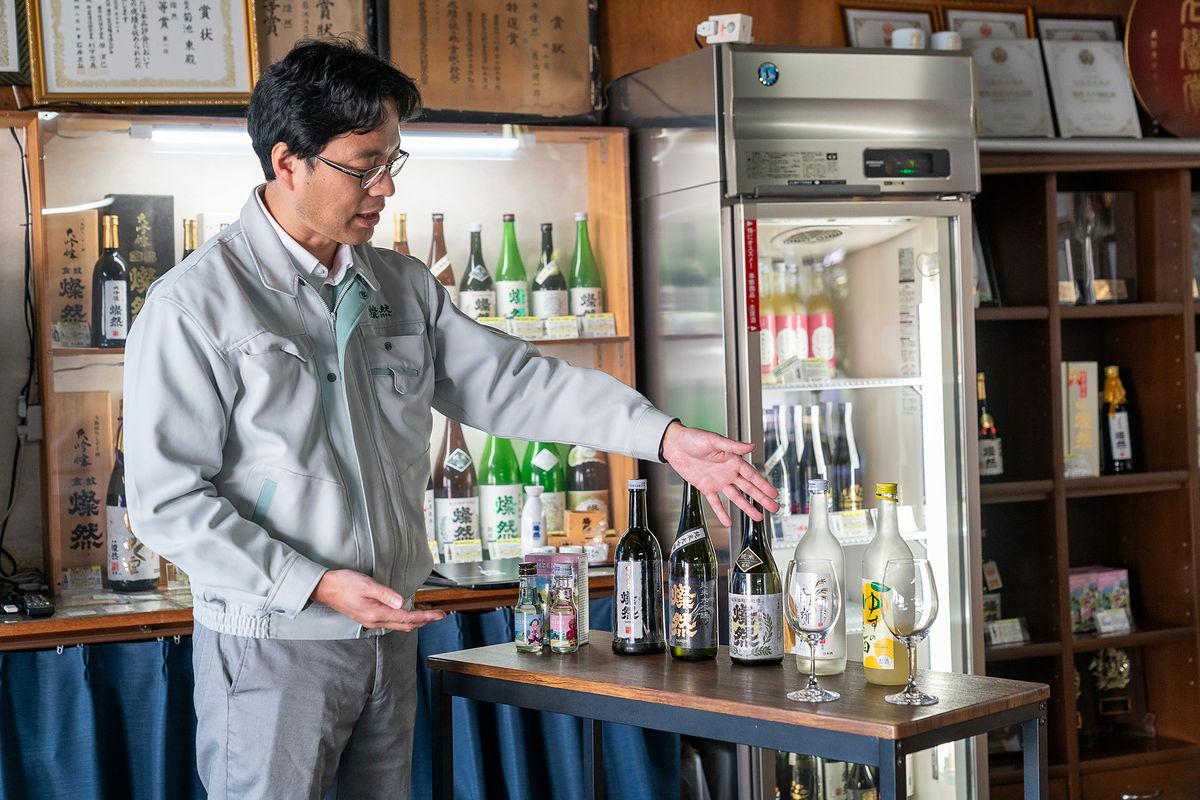
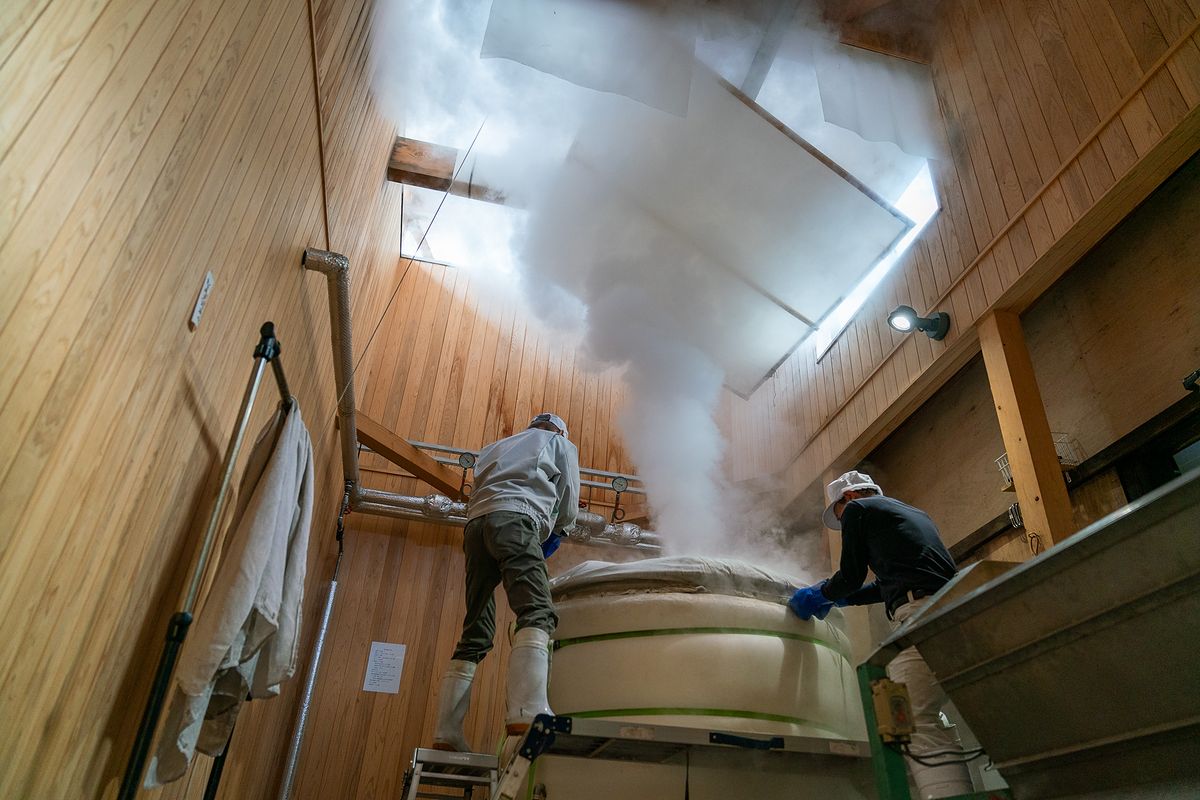
Founded in 1878, this modest brewery, passed down through generations, offers an intimate experience, with the owners themselves often taking the time to introduce visitors to the region’s sake culture. Their meticulous approach to brewing, based on water from the local Takahashi River and high-quality local rice from Okayama Prefecture - Omachi rice - has earned international recognition and awards. Fortunately, the brewery has systems in place that make its products accessible abroad as well, allowing visitors to enjoy the same exquisite taste even after returning home.
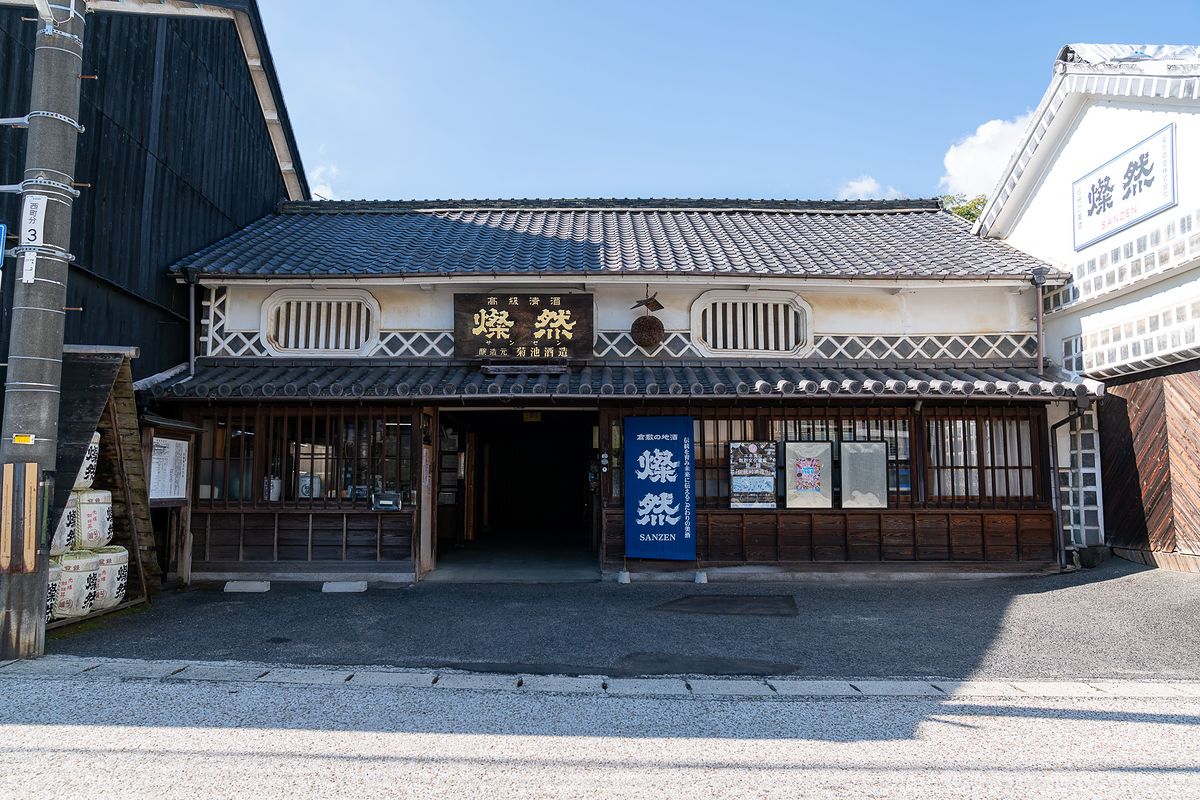
The space retains the character of a small neighborhood shop, blending naturally into the surrounding streetscape. Sake tastings are available, and subtitled video displays help explain the brewing process and the careful work that takes place behind the scenes, adding further context to the visit.
4. Saijo Sake Brewery Street (Hiroshima) | A Whole Town as a “Sake Theme Park.”
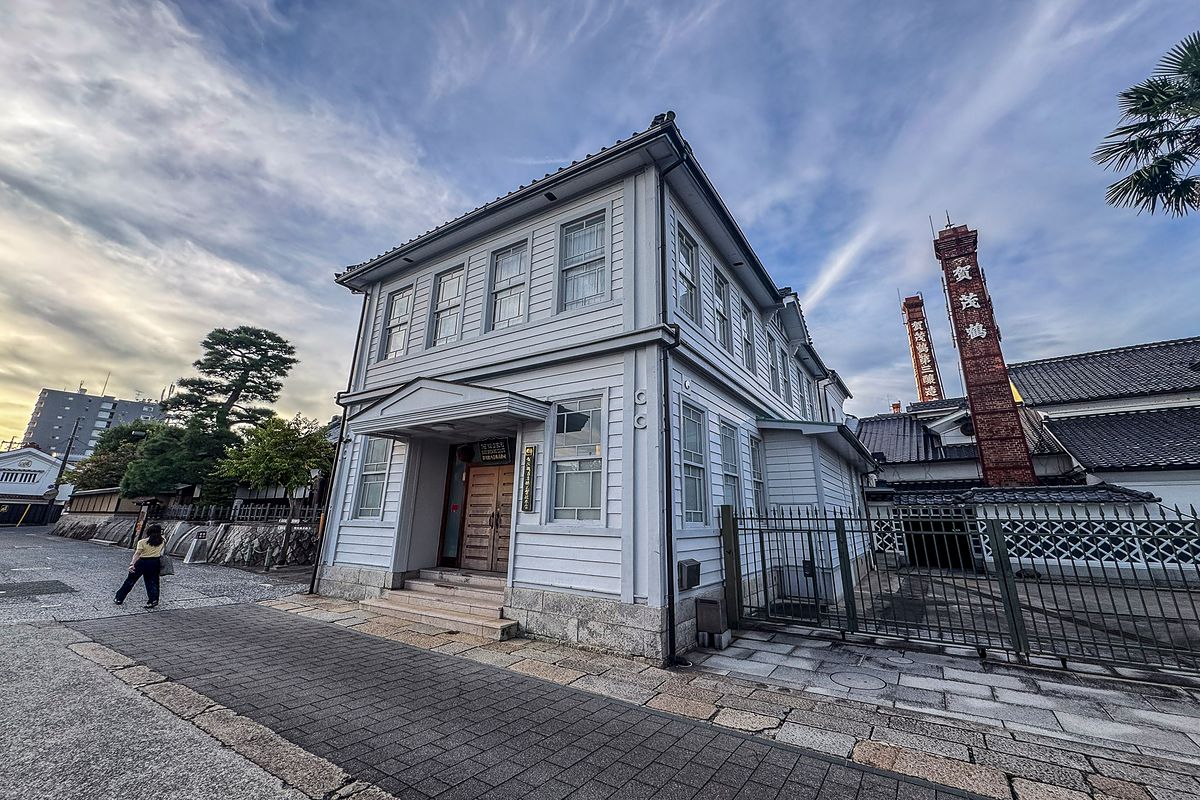
Saijo Street in Higashi-Hiroshima, one of Japan`s three main sake regions, feels like a “sake wonderland.” White brewery walls lining the streets and red chimneys rising above them offer visitors an immersive experience that feels like a stroll through a theme park.
Set in a basin that cools sharply at night and fed by a narrow belt of underground spring water, the town naturally developed into a compact brewing district. Today, seven historical breweries are within easy walking distance of one another, offering a relaxed and unhurried experience for curious visitors.
Many of the breweries welcome visitors for tastings, tours, and small exhibitions, making it ideal to spend at least a half-day there, combining sake tasting, culinary experiences, and a behind-the-scenes look at both the brewing process and the area's history.
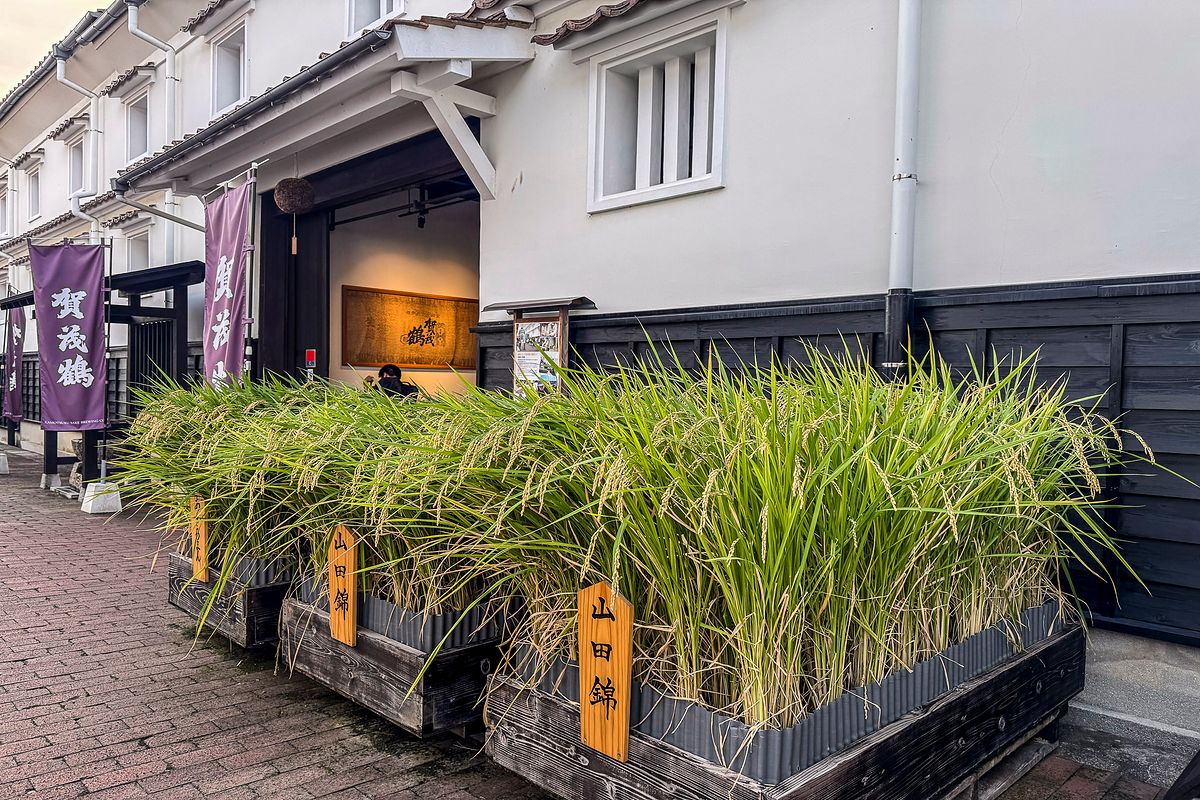
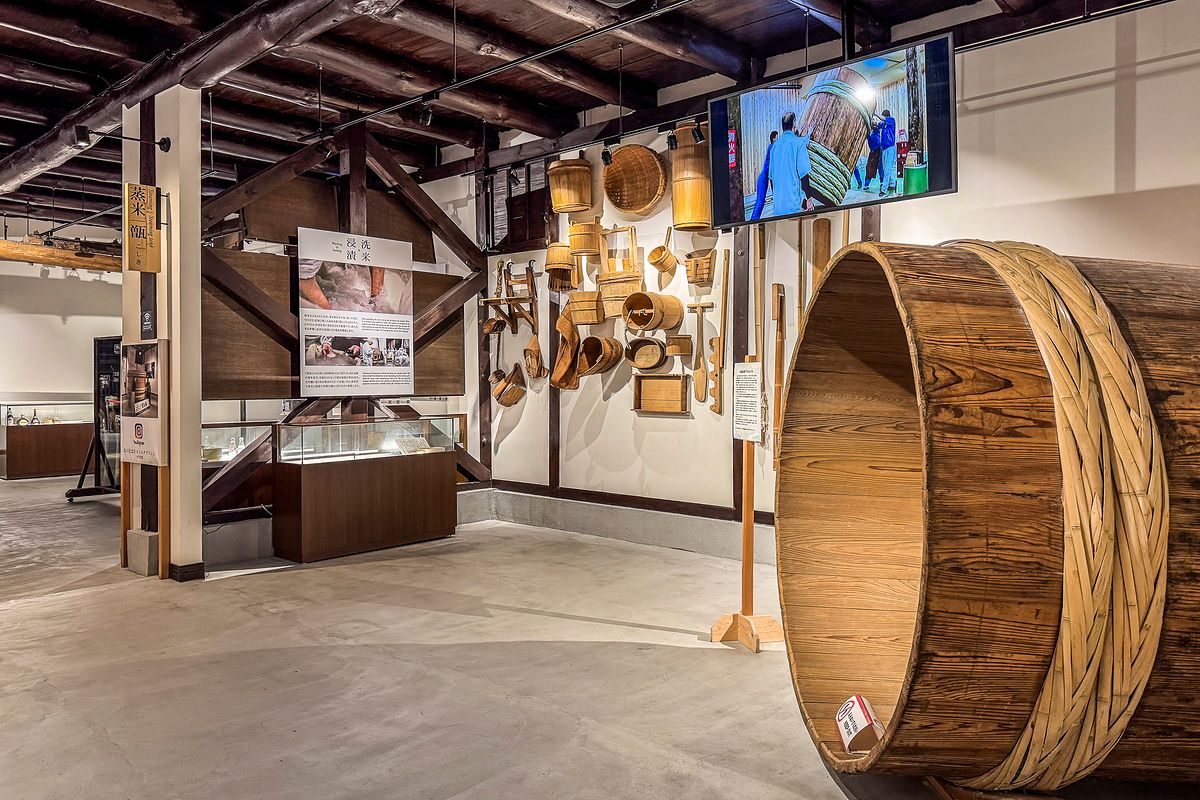
One of the breweries in the area, Kamotsuru Sake Brewery’s First Brewery (Brewery-operated Shop), is a designated historic site of Japan and has been refitted as a visitors’ room and shop with multilingual panels. A reconstructed kōji room allows a glimpse into the heart of the sake-making process, where the rice is inoculated with kōjimkold, while a display on fukuro-shibori (bag-pressing method) showcases how sake liquid is separated from the rice mash, relying solely on gravity. Another corner tells the story of reviving wooden tubs with guidance from specialist coopers. The display focuses on introducing the significance of preserving both the unique flavors that can only be created in wooden tubs and the importance of passing on these fading traditional techniques to future generations. Tasting counters pour the house standards, including Daiginjo Tokusei Gold Kamotsuru, while staff point out pairings and limited runs. Tours with the toji are by reservation only.
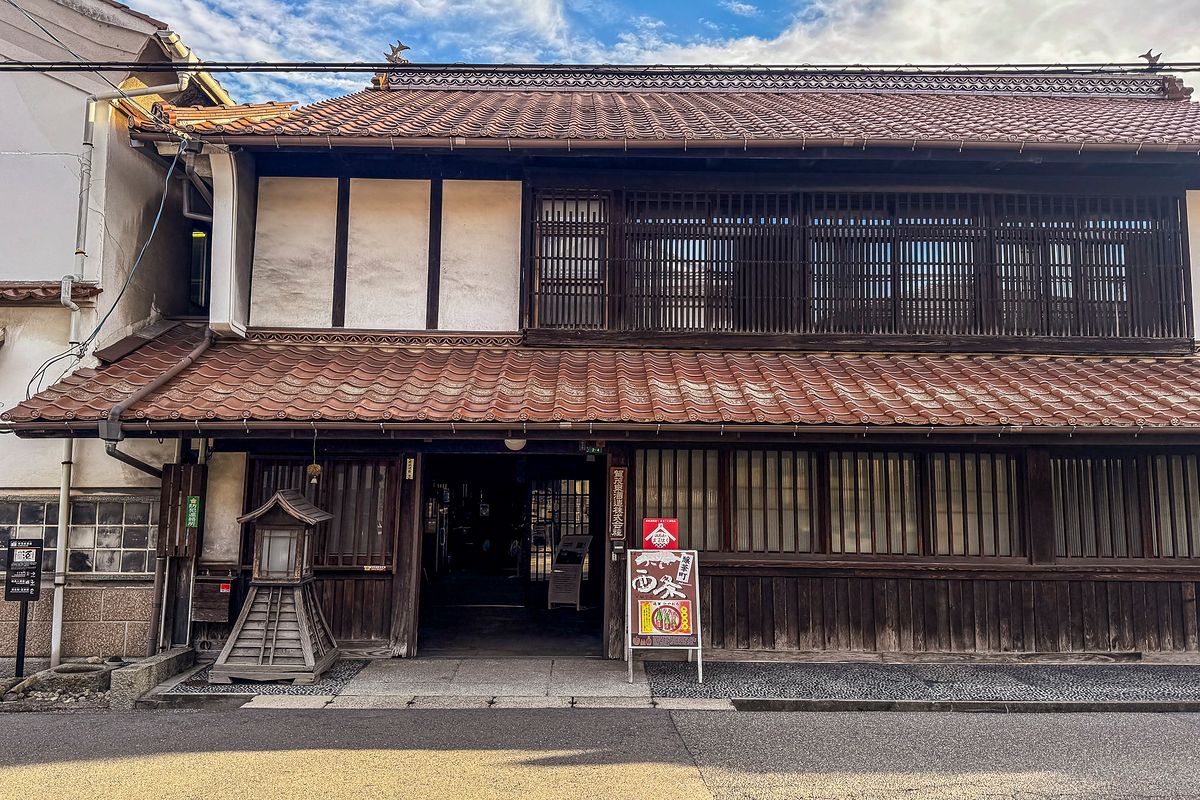
Five minutes away, Kamoizumi Shuzo is known as one of the earliest breweries in Hiroshima Prefecture to pursue junmai sake brewing without the use of added alcohol, and is housed in an elegant historic building.. The former prefectural branch brewery now operates as Shusenkann, functioning as both a tasting space. Displays include historical labels and brewing texts. The approach is most clearly expressed in the sake itself: rice, kōji, and water, often filtered without the use of carbon, preserving natural color and depth.
The streets reflect a mix of traditional Japanese kura architecture and Western-influenced buildings, a reminder of the town’s transformation from an Edo-period post station into a modern brewing center. Panels around the Honmachi area showcase this history behind the street and introduce figures such as Miura Senzaburō, whose work laid the foundation for Japan’s ginjo sake brewing and made a lasting contribution to the development of sake brewing in Japan.
The area places as much emphasis on protecting the origin, which gives the product its uniqueness. Contributions are made to the Water Environment Organization for the protection of the Saijoyo Mountains, based on shipment volumes. Visitors who are interested in the scientific side of sake brewing can also visit the National Research Institute of Brewing, which is just a short ride away from the district. The institute takes part in the annual open-house event at Hiroshima Central Science Park, where visitors have the opportunity to tour the alcohol production experiment building.
5. Shodoshima Sake Brewery MORIKUNI (Kagawa) | A New Brewery Experience Blending Island Bounty and Art
The final brewery on the list comes with a gentle island detour to Shōdoshima, the second-largest island in the Seto Inland Sea.
MORIKUNI is the only sake brewery on the island, and its approach to brewing is closely tied to Shōdoshima’s local character. One of its most distinctive features is the use of olive yeast, highlighting one of the island's long-standing associations with olive cultivation. Using local rice sourced from Shōdoshima or nearby Shikoku, along with water from Shōdoshima, the brewery produces five main varieties. Among them are lighter styles such as the 8% Mimosa no Kaorushima, a gently sweet sake with soft apple notes and an unmistakable mimosa aroma.
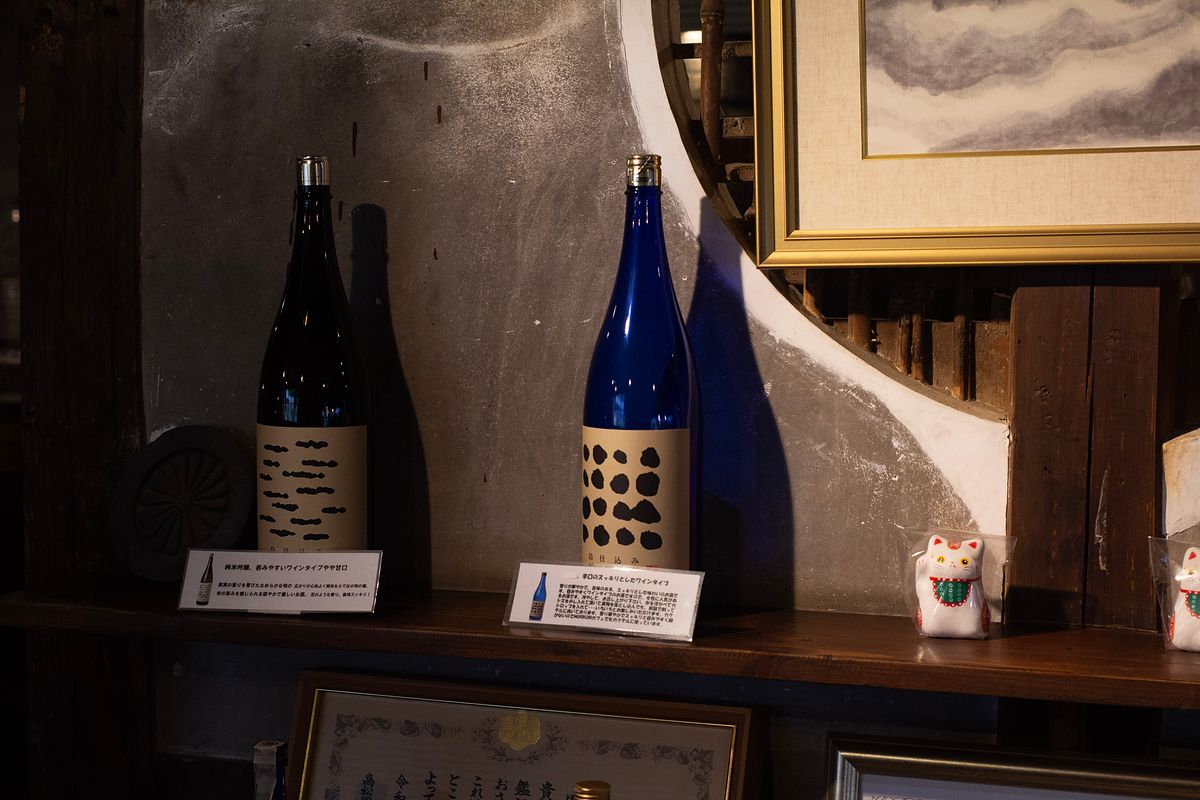
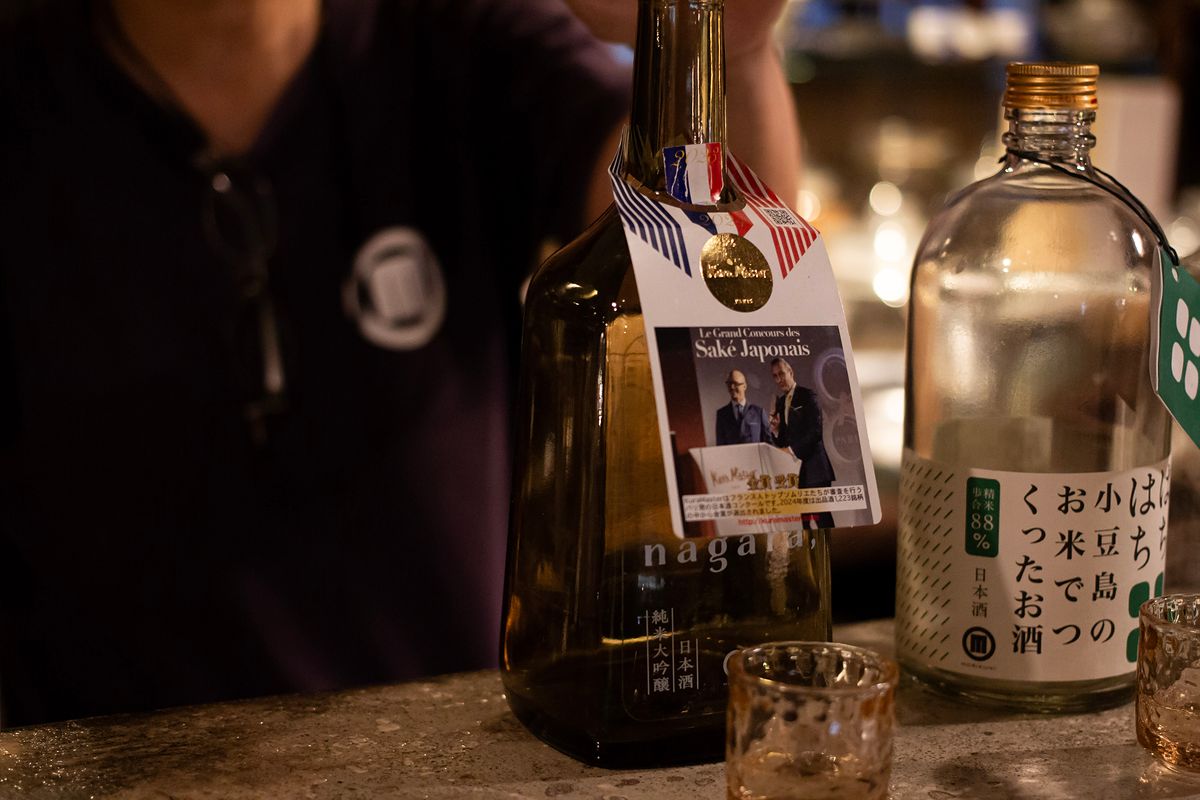
Avoiding mass production, MORIKUNI has received international recognition, including awards in France and a gold medal for one of its products. The naming of the sakes reflects the island itself. For example, Hoshigajo takes its name from a mountain and a peak, one of the highest points on Shodoshima, while Mimosa refers to the flowers that bloom in May and June.
The brewery balances traditional craftsmanship with modern technical research. Female brewers lead product development under the guidance of experienced masters. Their cooperative approach to brewing serves to preserve traditional methods while introducing innovation, resulting in sake that is distinctive, modern, and deeply connected to the island. Brewing is done entirely by hand during the cold season, from November to early spring. There is no mass production--each yeast type and rice treatment produces a unique result, making batches comparable to vintages. Offerings include both aged sake and fresh unpasteurized versions. Some products are brewed with minimal rice polishing, around 88% unpolished, which results in a deeper color and more robust flavor. In this way, MORIKUNIi prepares an offer for every taste and occasion.
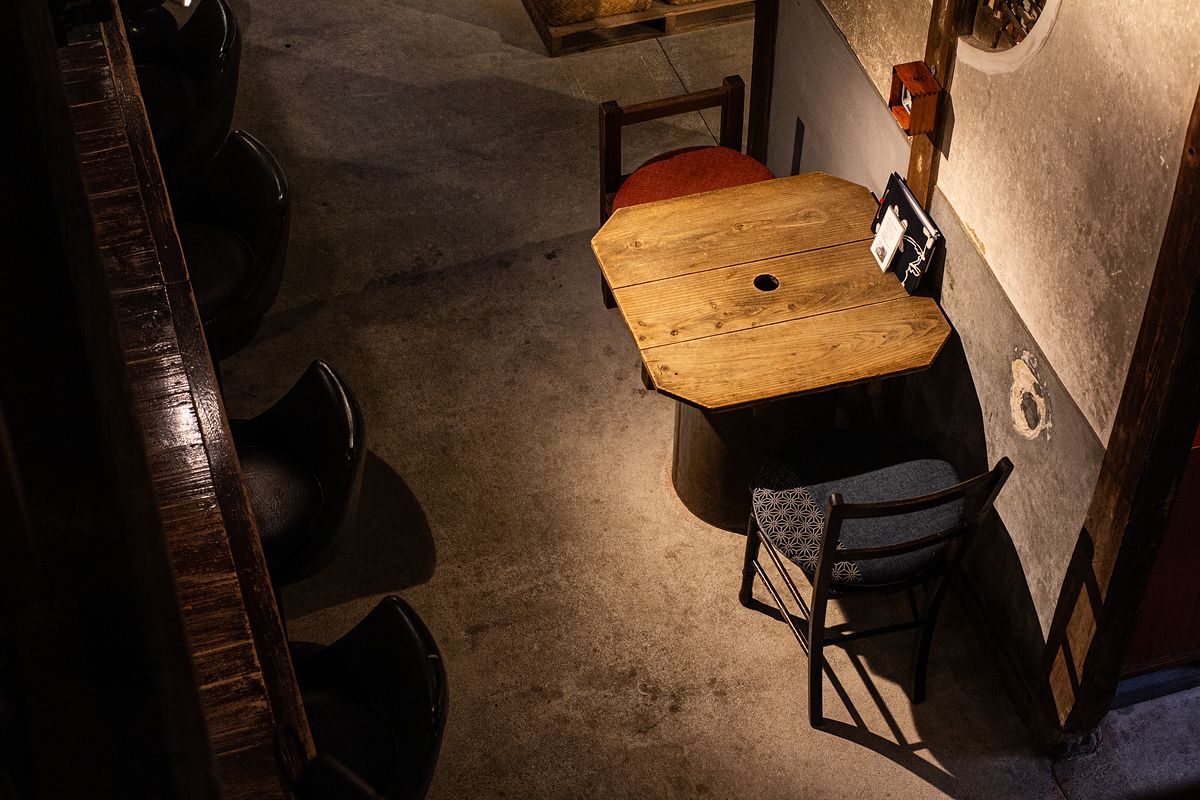
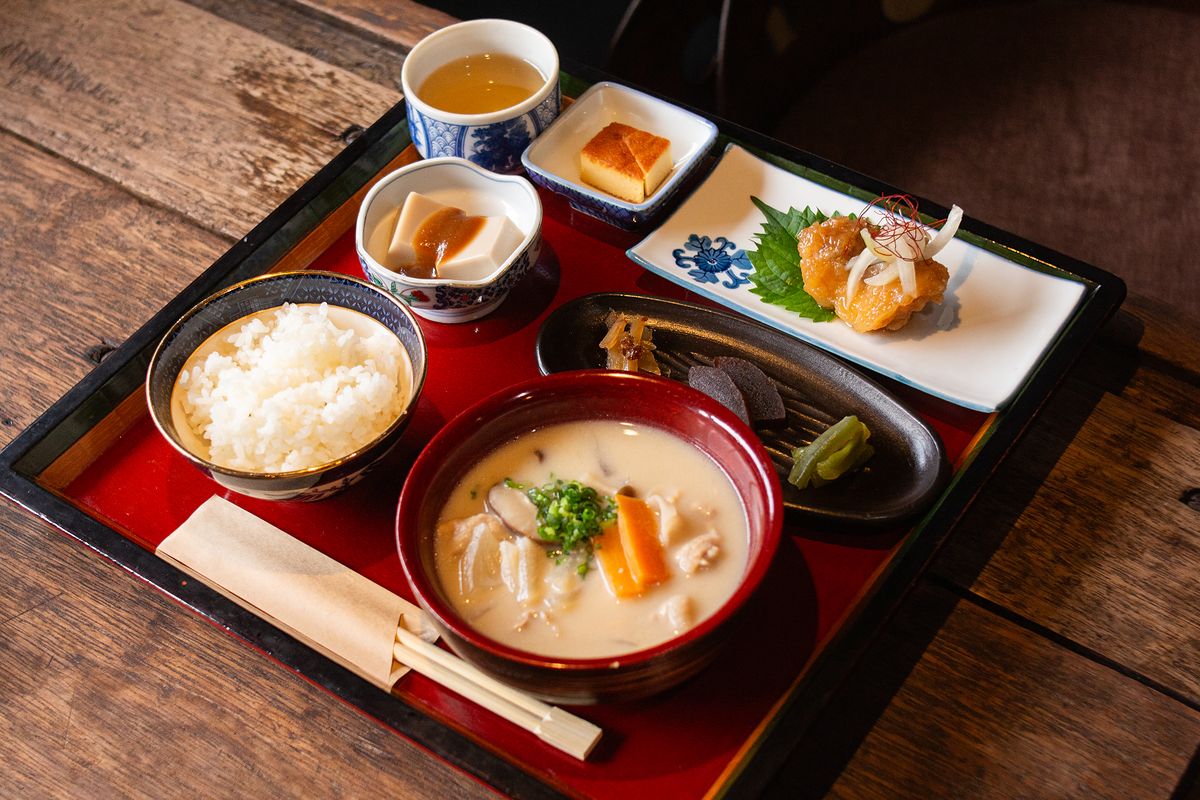
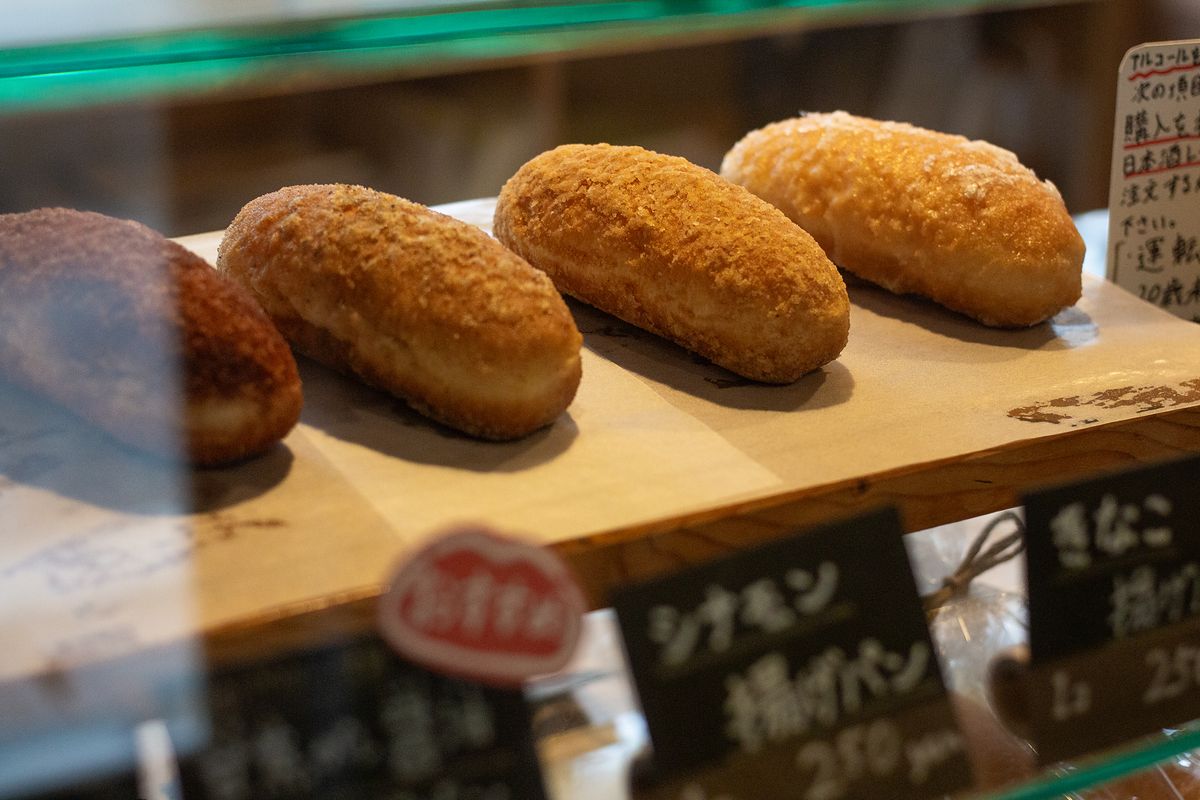
Visitors can join guided tours to learn more about brewing techniques, understand the philosophy behind the products, and take part in tastings. The premises also include a café, a bar, and a bakery, creating a relaxed setting that extends beyond sake alone. The bakery offers breads such as koppe-pan made with rice flour derived from sake rice used in brewing, allowing visitors to enjoy baked goods that highlight ingredients unique to the brewery.
6. Summary | The Depth of Sake, Creating Lasting Travel Memories
Diving deeper into sake culture through these brewery visits opens a quiet window into the history and craftsmanship behind the drink, shaped by generations of practice and closely tied to Japan’s natural environment and cultural rhythms.
Each brewery offers something different, whether through taste, architectural setting, or brewing techniques and ingredients rooted in the local region. Adding one or two of these visits to a journey through Setouchi can be a rewarding way to deepen the experience, bringing together regional flavors and offering a chance to see how the local landscape, cultural habits, and history shape the culinary traditions.
Related Articles
-
 Food & Drink
Discovering the History and Culture of Setouchi Through Sweets
-
.jpg) Food & Drink
Food & DrinkExplore a 200-Year-Old Sake Brewery in Naruto
-
 Food & Drink
Setouchi Spirits Tour - Whisky, Sake, Craft Beer and More
-
 Food & Drink
Setouchi Sake Brewery: A Treasure Trove of Delectable Japanese Sake
-
 Food & Drink
A Culinary Journey Through Setouchi’s Bountiful Nature: 5 Must-Try Local Dishes in Each Region
-
 Food & Drink
A Foodie's Tour of Hiroshima and Yamaguchi
-
 Food & Drink
Exploring Hyogo’s Terroir and Gastronomy: A Feast for the Eyes and Stomach!
-
 Food & Drink
Craft a Custom Sake at Shimonoseki Brewery
RELATED DESTINATION
Hyogo
Hyogo Prefecture is roughly in the center of the Japanese archipelago. It has the Port of Kobe, which plays an important role as the gateway of Japan. It also is home to plentiful tourist attractions such as Himeji Castle, a UNESCO World Heritage site, and several hot spring areas. Kobe beef, one of the three major brands of wagyu beef, is a delicacy.