


Adventure & Experience
Five Cycling Routes in Setouchi

-
- RELATED TAGS
-
- LAST UPDATED
- 25 February, 2026
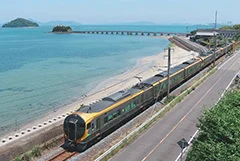
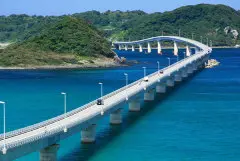
Sandwiched between Honshu, Shikoku, and Kyushu, the Setouchi region is a calm, island-dotted corner of western Japan best known for its Mediterranean-like climate and sparkling inland sea. It’s also one of Japan’s premier cycling destinations, with a network of routes — most notably the iconic Shimanami Kaido, which links Onomichi in Hiroshima Prefecture with Imabari in Ehime Prefecture — that appeal to both casual and more professional cyclists.
However, Shimanami Kaido is only the beginning. Setouchi offers countless ways to explore from quiet coastal loops and gentle countryside trails to more challenging mountainous terrain, each revealing a different side of the region. After all, cycling lets you experience not just the scenery itself, but the “spaces” in between — the sights, sounds, and other subtle details that define a place’s true charm.
With that in mind, let’s explore five routes that reflect the variety found across Setouchi, giving you a feel for what makes each route special — almost as though you’re riding them yourself. Along the way, you’ll also find practical information to help you choose the course that best matches your own interests.
Table of Contents
- 1. Tamba Sasayama (Hyogo)| Satoyama Route Where Samurai and Rural Cultures Coexist
- 2. Hiruzen (Okayama)| Pastoral Highlands and Dairy Farming Culture
- 3. Akiyoshidai (Yamaguchi)| A Karst Experience Touching on the Earth's History
- 4. Iya Valley (Tokushima)| A Hidden Paradise Where Time Stands Still and People's Daily Life Comes Into View
- 5. Shodoshima (Kagawa)| Coastal Cycling Where Island Time and Culture Intersect
- 6. Cycling Connects the Shape of Travel in the Seto Inland Sea
1. Tamba Sasayama (Hyogo)| Satoyama Route Where Samurai and Rural Cultures Coexist
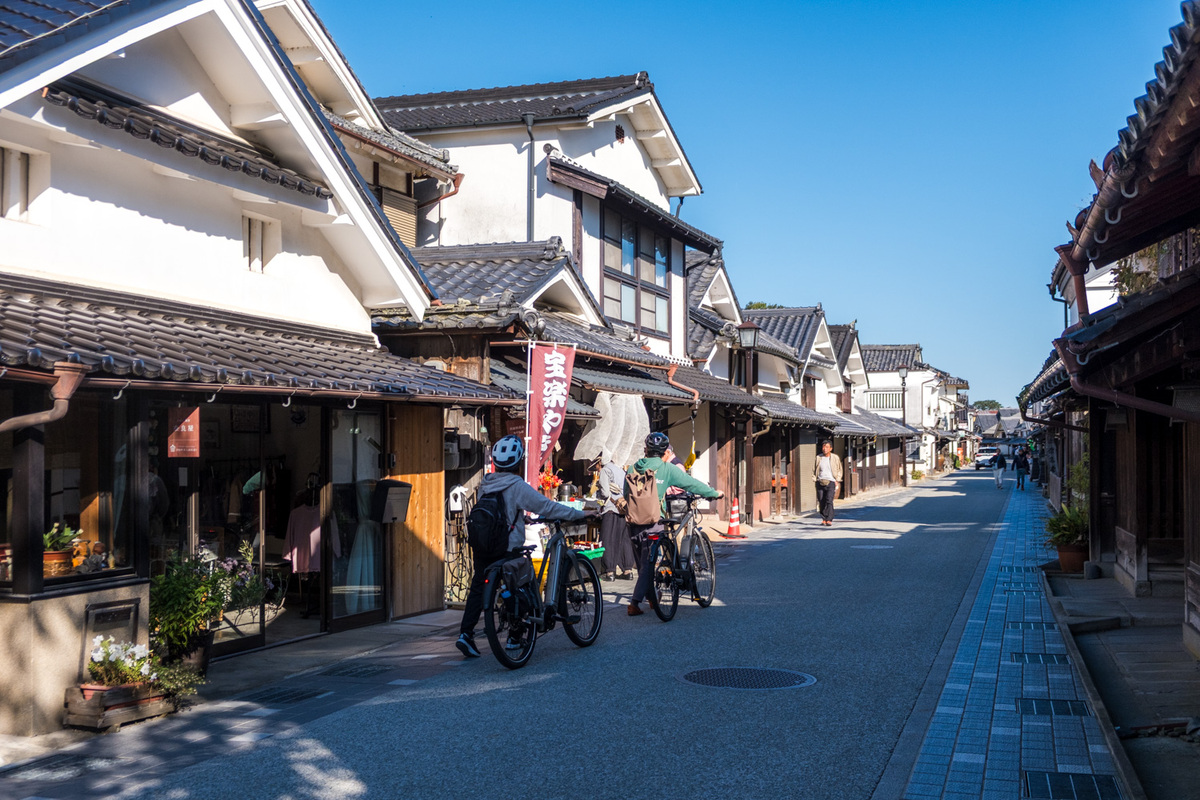
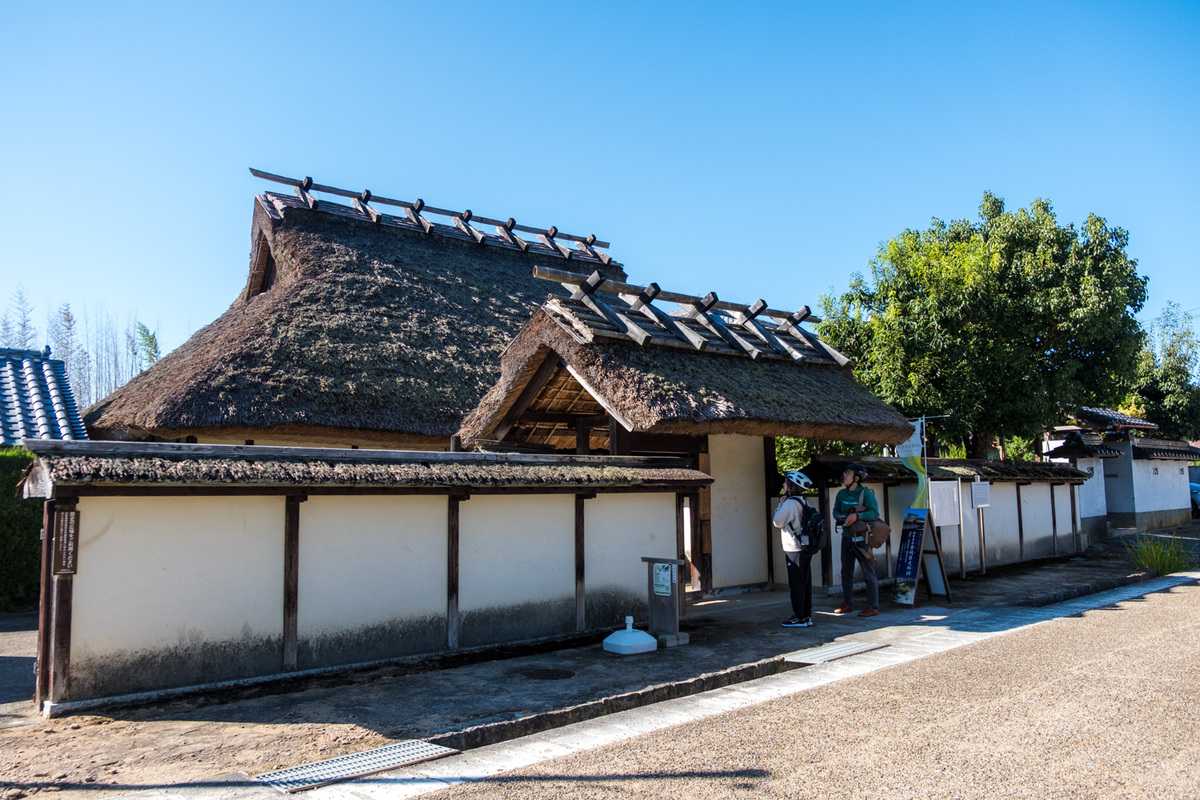
Tucked into the mountainous interior of Hyogo Prefecture, Tamba Sasayama is a historic jokamachi, or “castle town,” with a past going back centuries. The town grew around Sasayama Castle, commissioned in 1608 by Tokugawa Ieyasu—the daimyo (warlord) who unified Japan and founded the Tokugawa shogunate during the Edo period (1603-1868) after decades of conflict. At the time, Ieyasu’s grip on power was not absolute, and the Toyotomi clan, his former rivals, still held considerable influence. Sasayama Castle was, therefore, built to keep the Toyotomi in check.
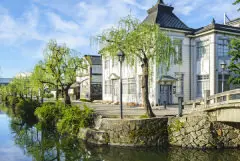
While the castle’s original keep has not survived, the Oshoin (grand hall) has been carefully reconstructed. Encircling it are samurai quarters and traditional Japanese-style buildings that offer a glimpse into everyday life during the Edo period (1603-1868).
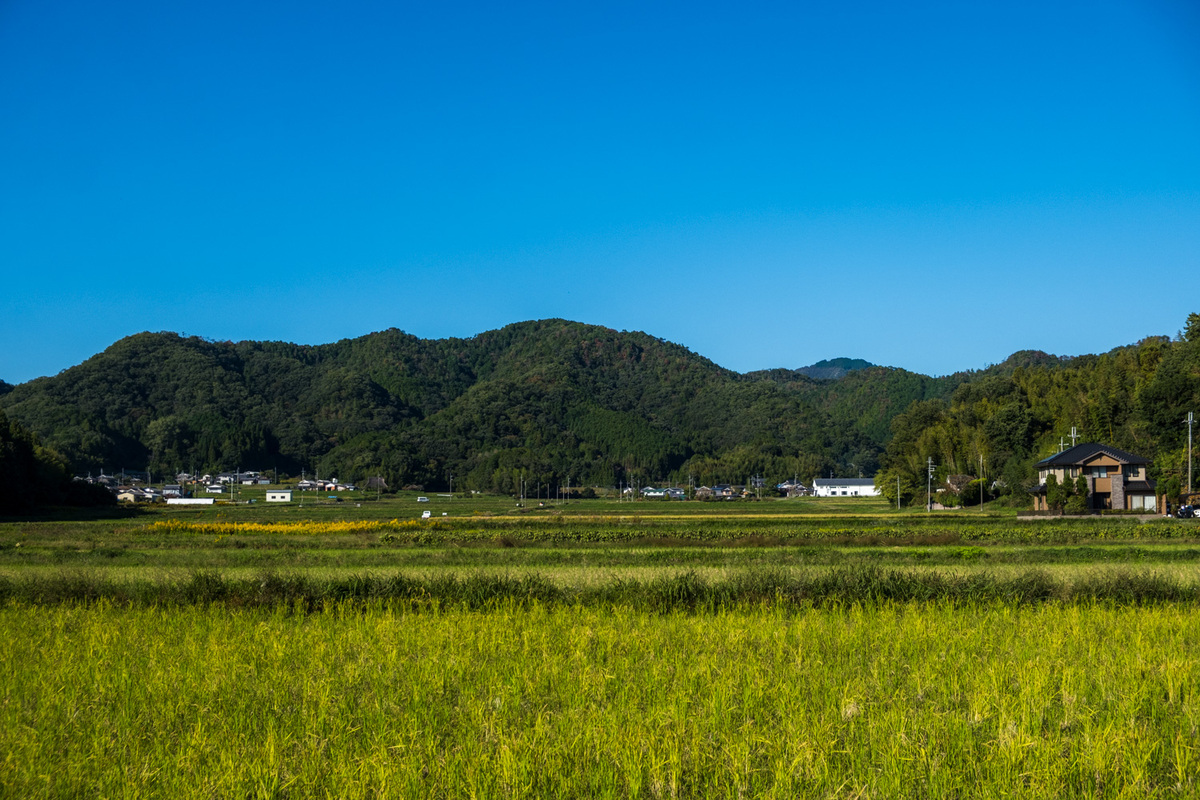
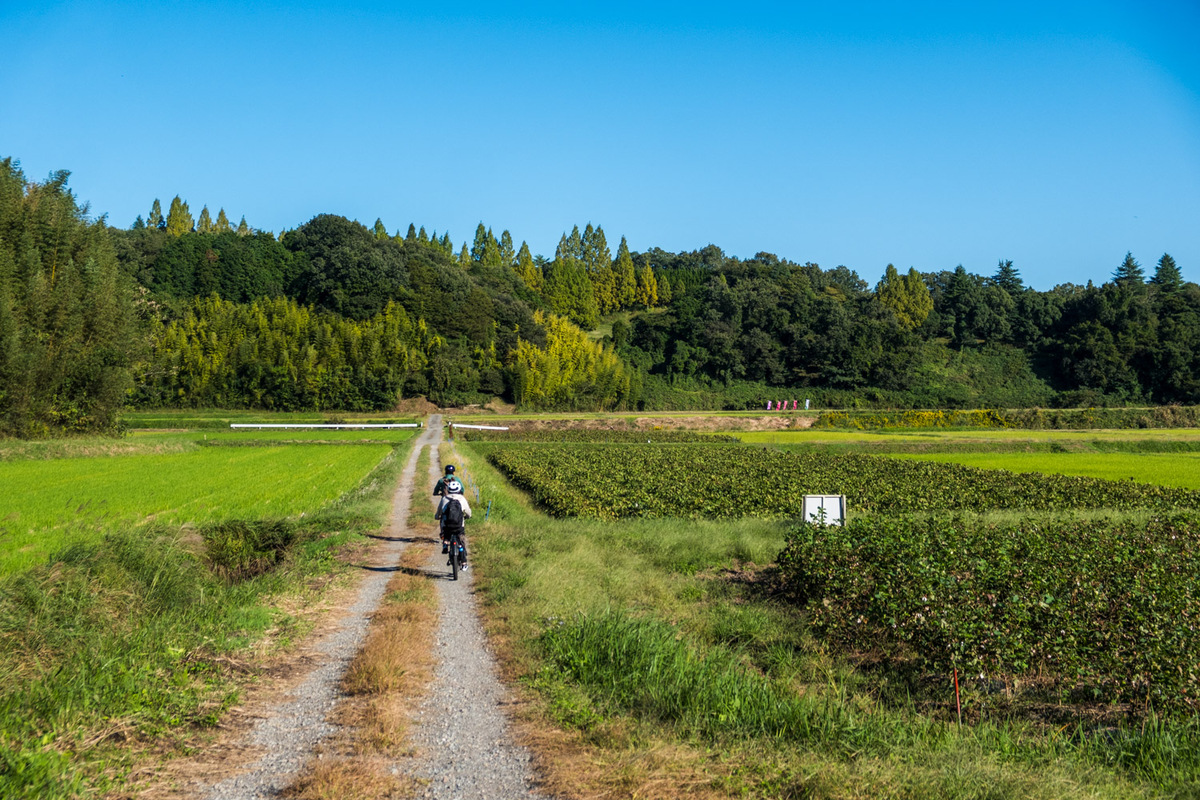
If you’re looking to join a cycling tour in Tamba Sasayama, Highlander Bicycle Tours comes highly recommended. Their guided tours let you fully enjoy the charm of Japan’s countryside as you explore serene rural landscapes, historic streets, traditional villages, and local hidden gems.
There’s also a cycling route from the city that allows you to venture deeper into the surrounding countryside. This is pure satoyama, a term used to describe the area between mountains and flat, arable land in rural Japan.
Here you can leisurely cycle past fields of the region’s premium sweet, black soybeans and traditional farmhouses. The wind carries the earthy scent of freshly tilled soil, alongside the whir of your tires on compacted gravel. In the shade of the surrounding hills, cool air drifts down through the trees to sunlit clearings below.
The cycling here is slower paced, sensory, and deeply rooted in place.
And, as you ride, it’s easy to make detours — pausing at the castle grounds or continuing to the Tamba Traditional Crafts Park, Tachikui Sue no Sato, where one of Japan’s six historic kilns remains active to this day. You can also stop at Cafe Oito, which is housed in a nearly 200-year-old traditional townhouse, to savor expertly brewed coffee and reflect on your journey in this region so far.
2. Hiruzen (Okayama)| Pastoral Highlands and Dairy Farming Culture
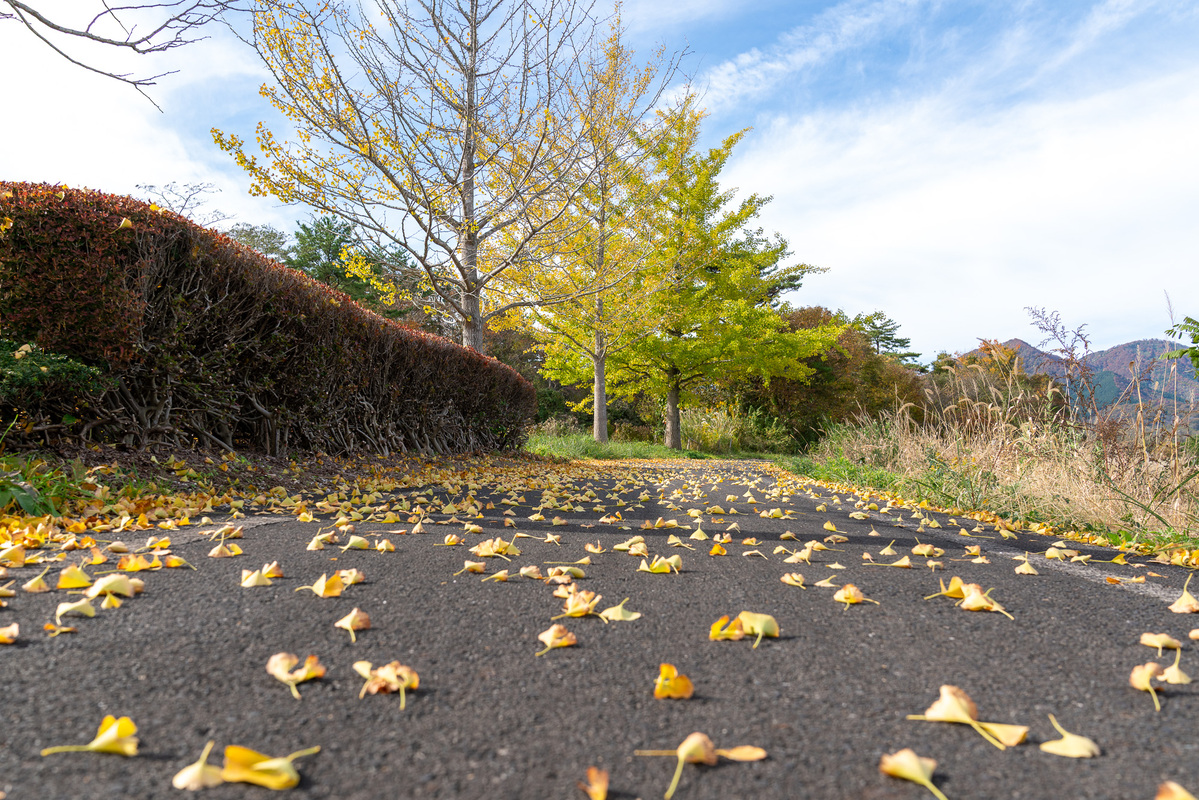
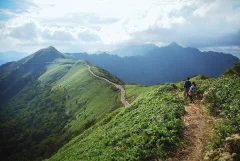
High up in northern Okayama Prefecture, a broad, windswept plateau stretches beneath the three peaks of Mt. Hiruzen. This is the Hiruzen Highlands, a place sometimes called the “Karuizawa of western Japan,” a reference to a popular mountain resort town in Nagano Prefecture, because of its mild summers, open grasslands, and resort-like atmosphere. It’s an ideal setting for outdoor recreation, from hiking and camping to horseback riding and, of course, cycling. One of the best bases for enjoying cycling is Roadside Station Hiruzen Kogen.
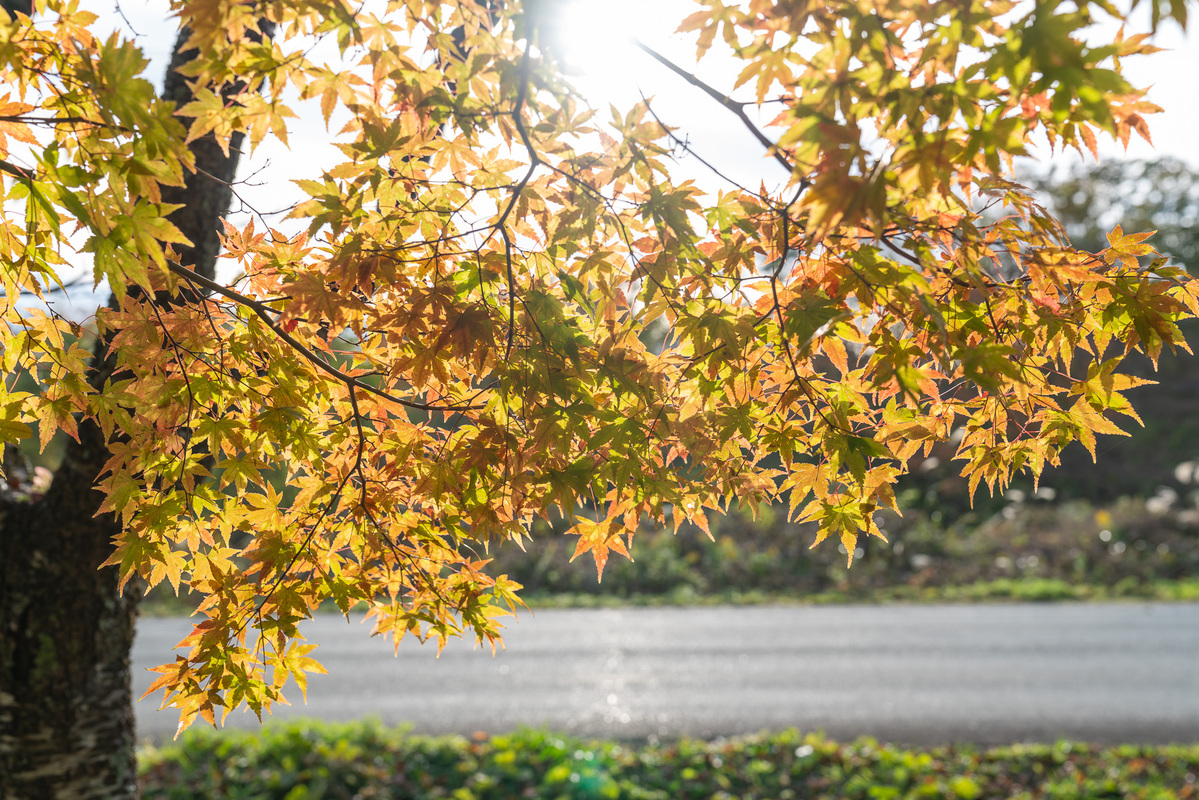
Sitting at an elevation of roughly 500–700 meters, cycling here feels pleasantly cool, even during Japan’s summer months. The routes meander through a gentle, rolling countryside — easygoing terrain that becomes even more so on an electric-assist bike. There are also a number of trails for wide-tire bikes, including one that leads to a scenic viewpoint known as White Birch Hill. What’s more, in autumn the entire plateau shifts into fiery shades of red, orange, and yellow, turning every route into a scenic ride through the changing seasons.
As wind slips down from the mountains, the sound of cattle lowing can be heard, hinting at one of the area’s main attractions. Dairy farming is central to life here, and at Hiruzen Jersey Land you can experience that connection firsthand.
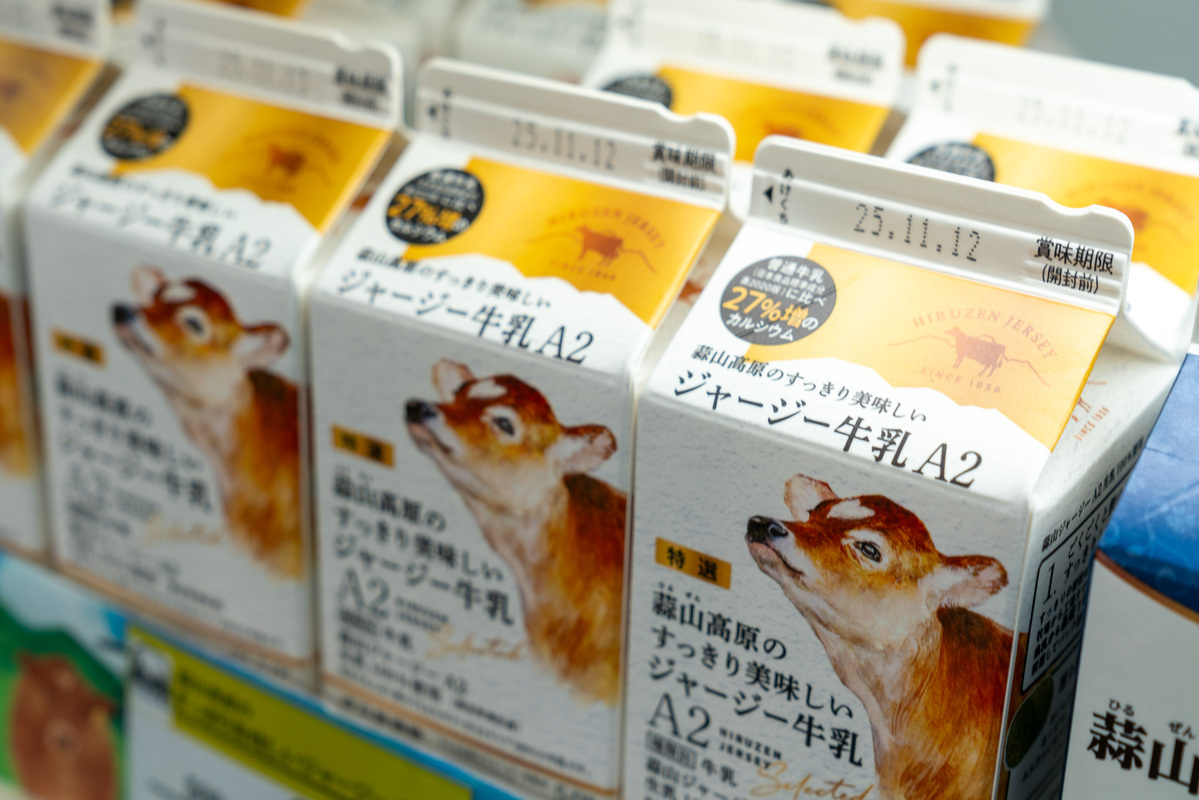
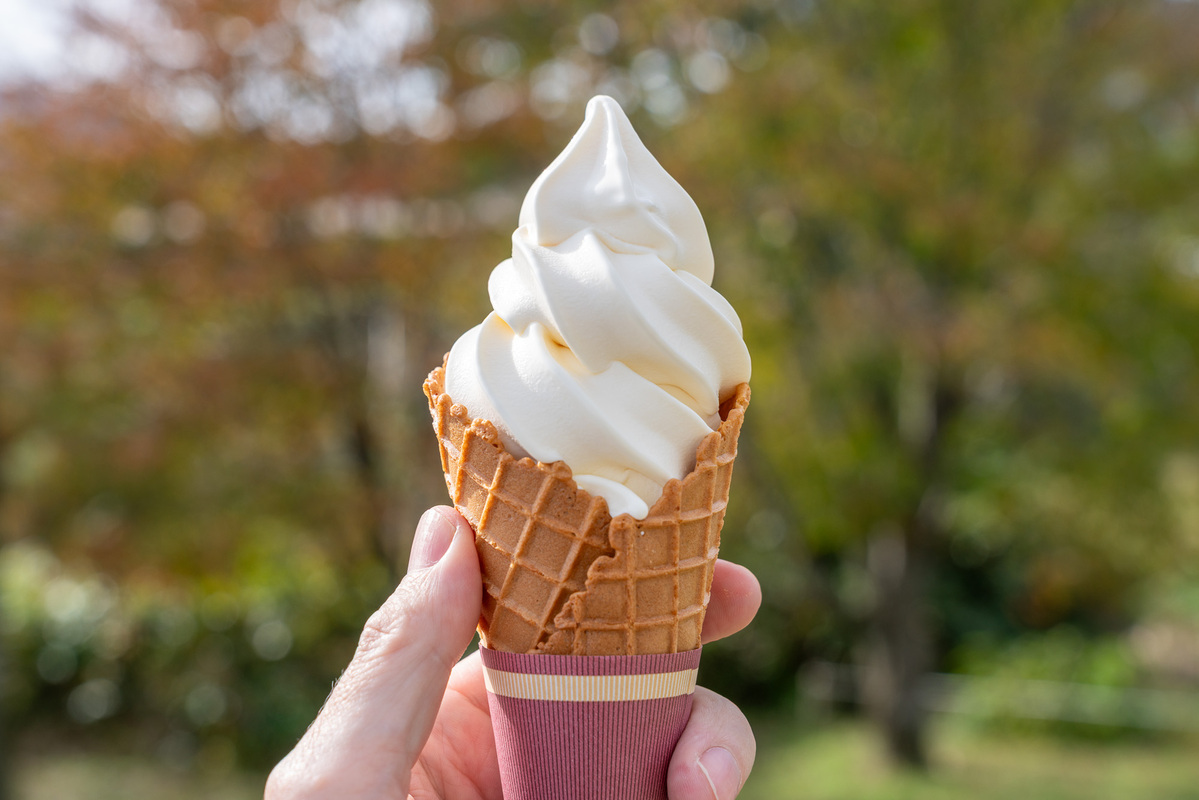
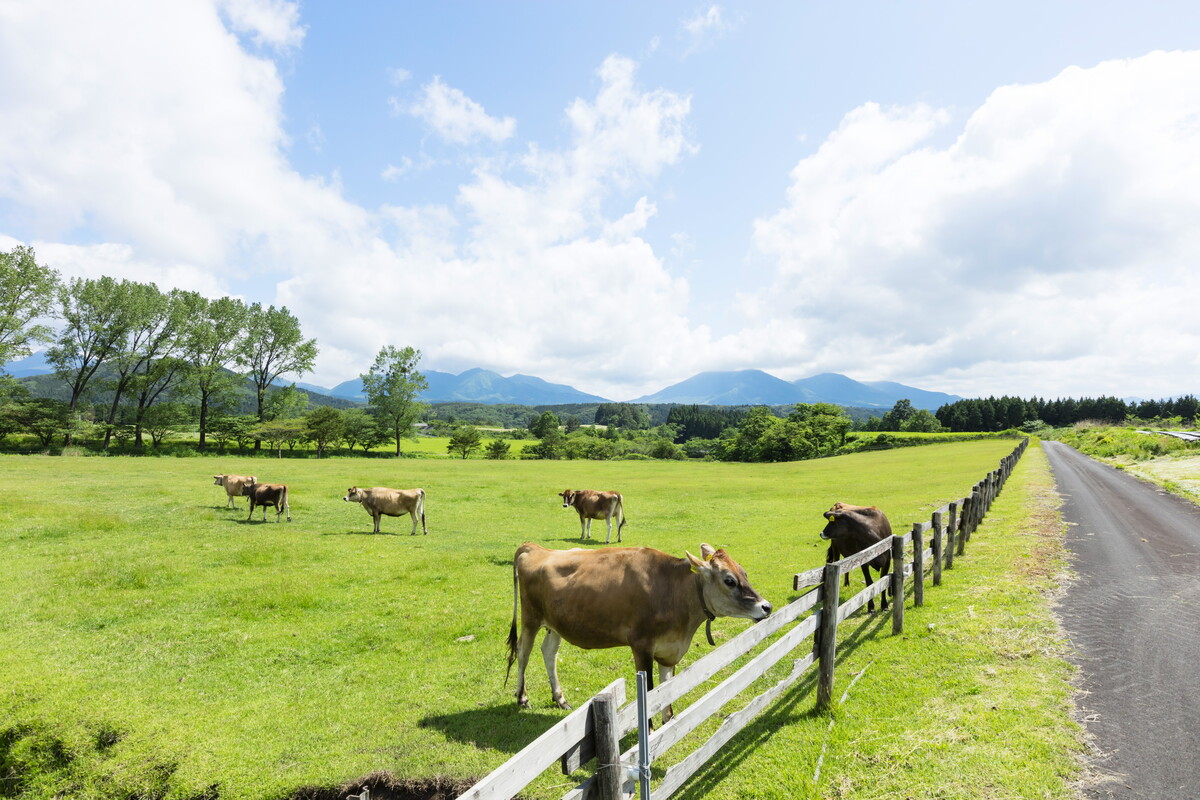
As both a working farm and a visitor center, this destination invites you to experience the region’s dairy culture by seeing cheese be made or enjoying fresh ice cream. The milk soft-serve is definitely a must-try. It’s smooth and full-bodied, with a faint sweetness that is unmistakably tied to the land around you. Just beyond the visitor area, you can also see the region’s iconic Jersey cows grazing in highland pastures.
3. Akiyoshidai (Yamaguchi)| A Karst Experience Touching on the Earth's History
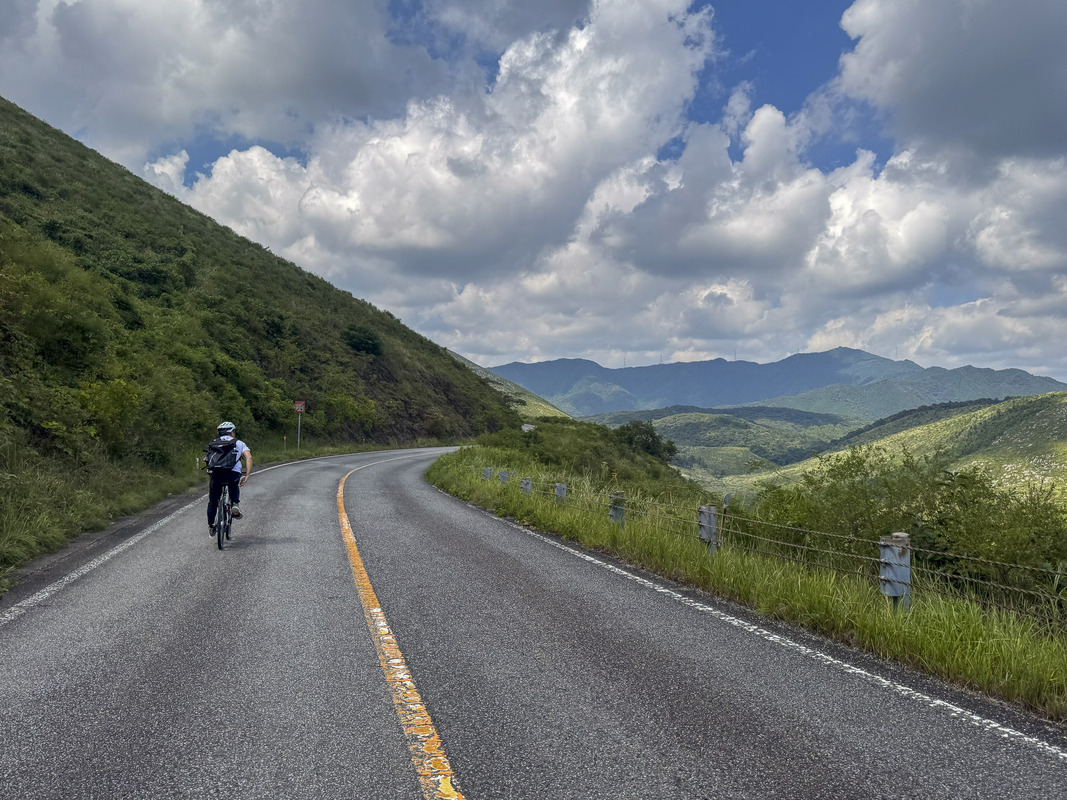
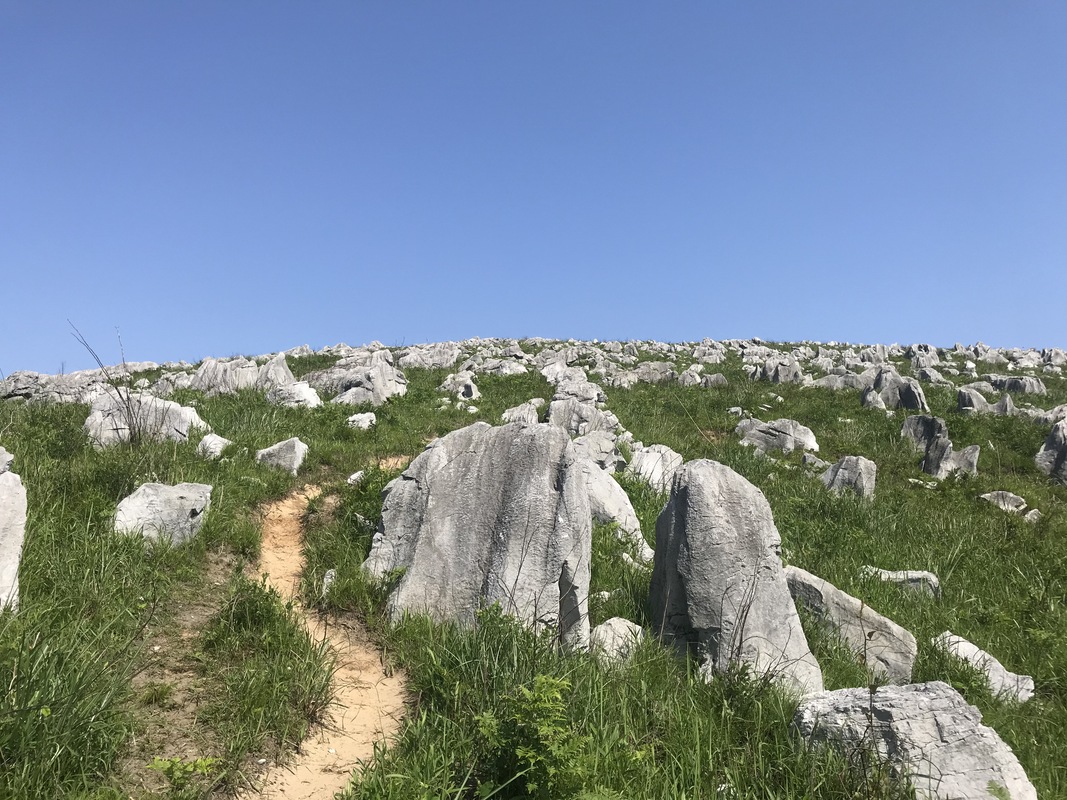
One of Japan’s most visually striking and unusual locations, Akiyoshidai is a sweeping karst plateau located in Mine City, Yamaguchi Prefecture. Formed after ancient coral reefs were carried to the continent by tectonic plates, the plateau stretches across roughly 100 square kilometers and is covered in limestone that dots the grassy slopes.
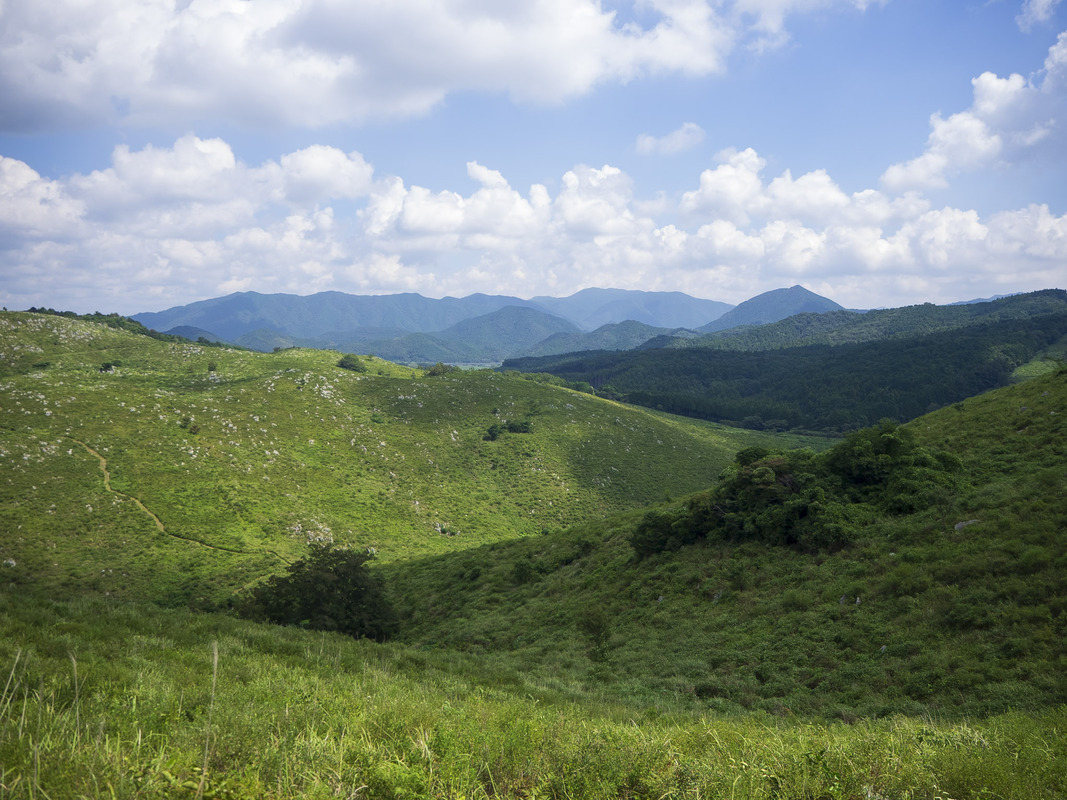
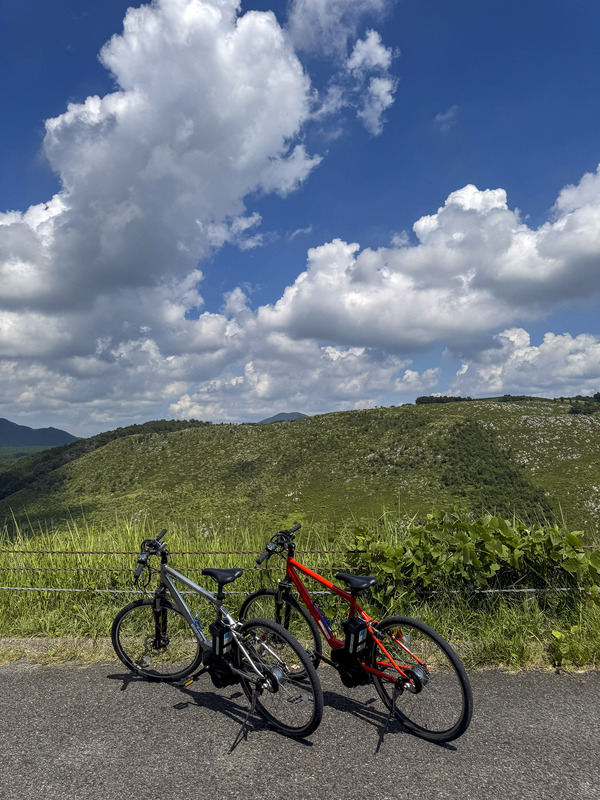
Akiyoshidai is a favorite spot for cyclists, who come to ride the quiet roads that cut across its otherworldly landscape.
A convenient base for starting is the Mine Akiyoshidai Geopark Center Karstar, where visitors can rent bicycles and stop for a break. The main course, the Karst Road, features moderate ups and downs, offering a thrilling ride across this expansive plateau. The distance from Mine Akiyoshidai Geopark Center Karstar to Taishodo Cave is about 8.5 kilometers, with moderate grades. That being said, steady ups and downs make it a bit of a workout in the midday heat.
Riders are rewarded, however, with unique views of the plateau — the stillness only broken by the whir of the chain and wind blowing across the open land.
Please note that cycling is allowed on public roads, but bicycles are not permitted within the grassland areas of Akiyoshidai. Along the way lies Chojagamori, a small wooded area where cyclists can rest, the lush greenery offering shelter from the sun and wind. The scenery shifts again at Jigokudai, a part of Akiyoshidai filled with limestone.
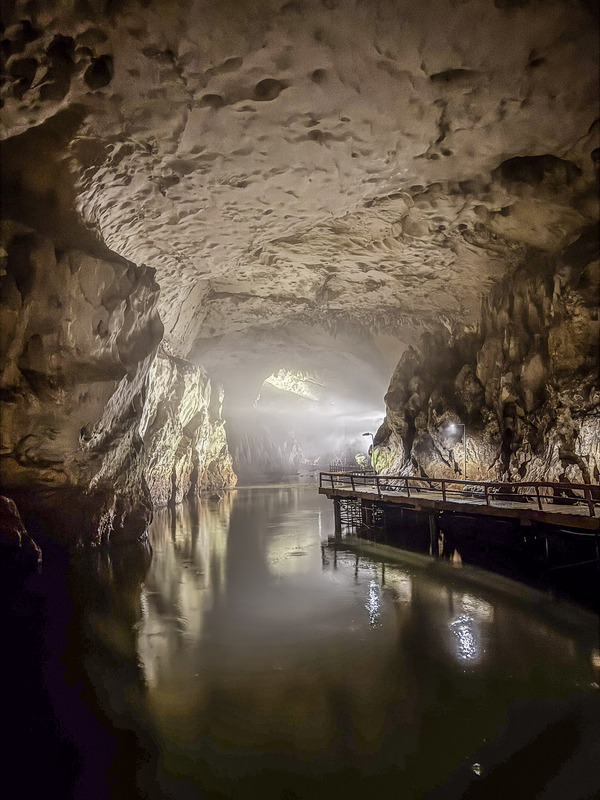
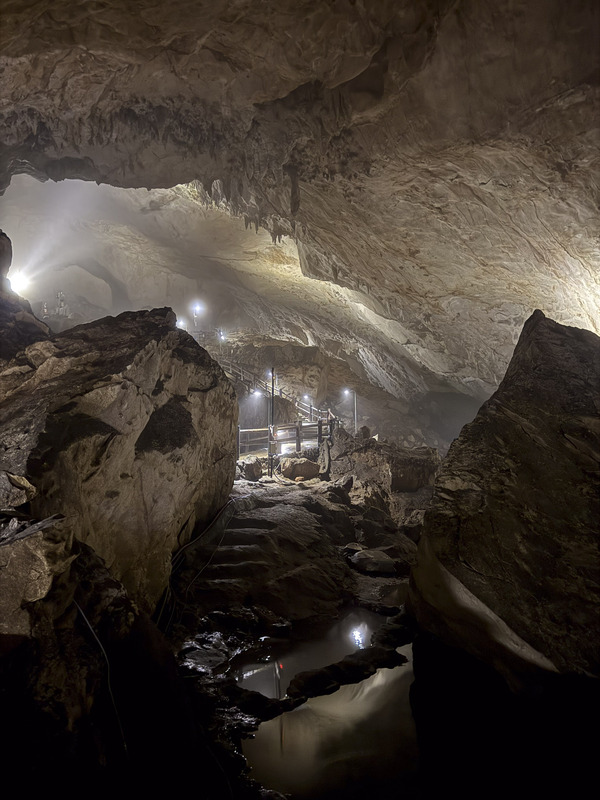
Below the surface, at the southern end of Akiyoshidai, you’ll also find Akiyoshido Cave. This massive limestone cave stretches over 11 kilometers — making it the largest known cave system in Japan — and stays noticeably cooler than the plateau above, a refreshing contrast especially during the summer.
Near Mine Akiyoshi Geopark Center Karstar, visitors can also stop by the Akiyoshidai Science Museum for a closer look at the geology and cave systems that shape the plateau.
4. Iya Valley (Tokushima)| A Hidden Paradise Where Time Stands Still and People's Daily Life Comes Into View
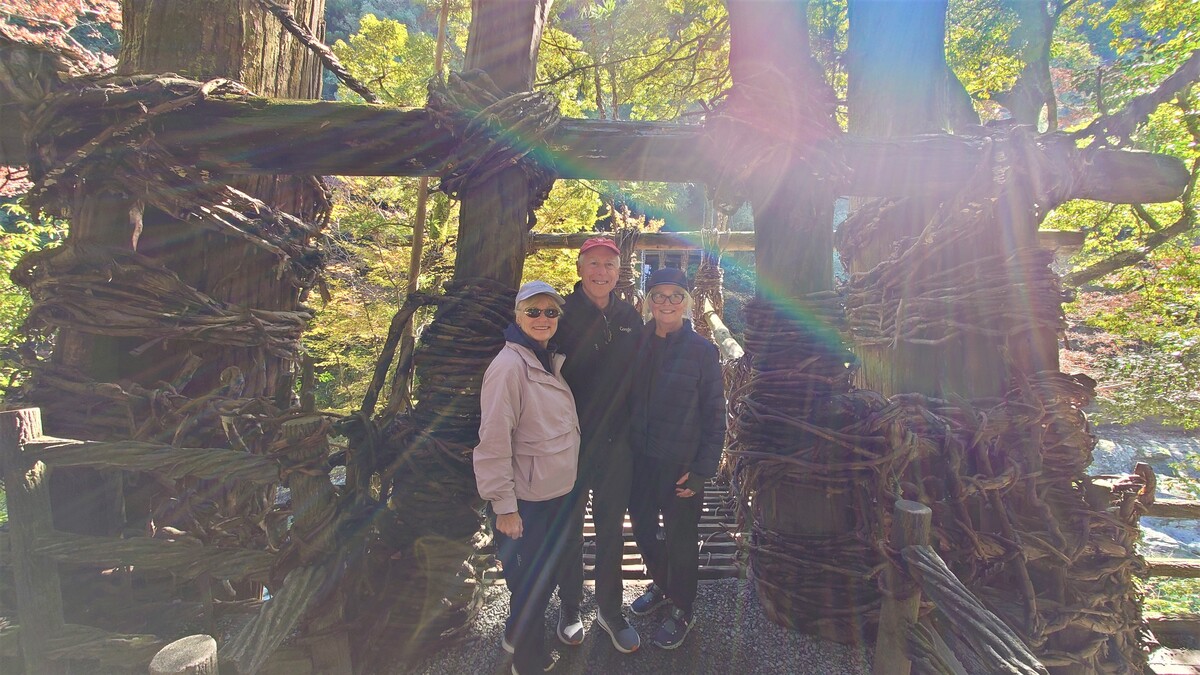
Located in the remote interior of Shikoku, the Iya Valley cuts through the rugged mountains of western Tokushima Prefecture, creating deep gorges that plunge hundreds of meters into the emerald green waters below.
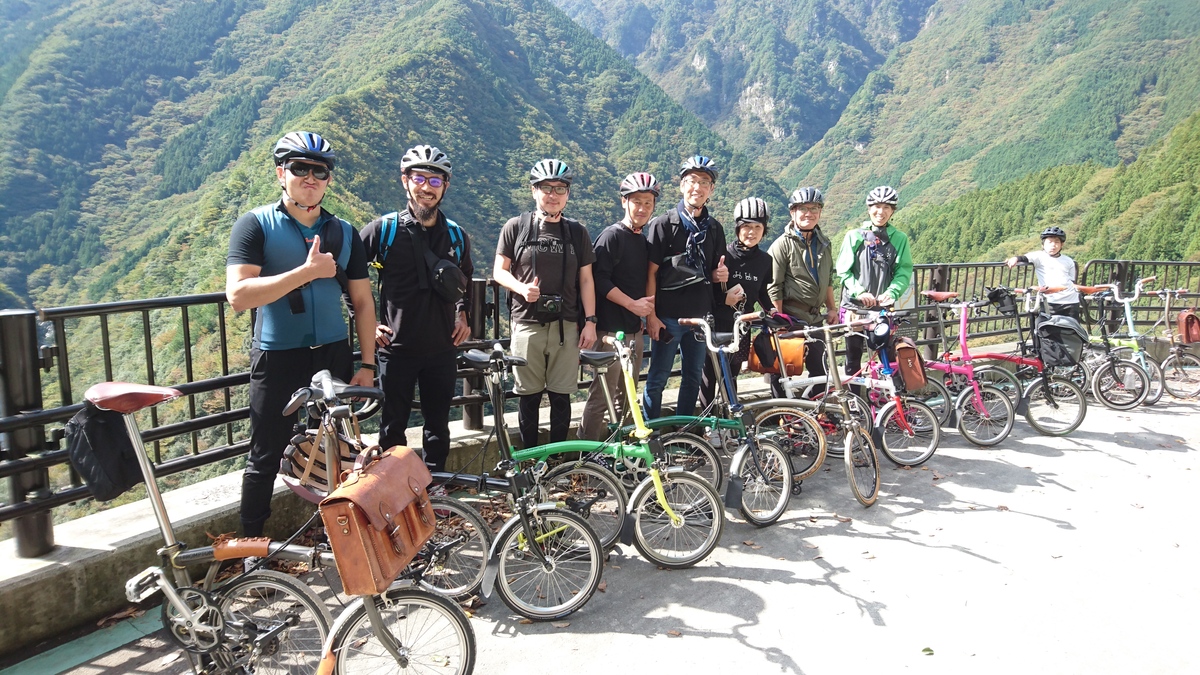
As one of Japan’s top three remote regions, Iya’s raw, vertical scenery stands in sharp contrast to the gentler countryside — making it an unforgettable place to experience by bicycle.
For a relaxed way to experience the beauty of the natural landscape, the Iya Valley Slow Cycling Tour is highly recommended. Starting from Awa-Ikeda Station, riders take a train to Oboke and then a local bus to Kazurabashi, where the cycling journey begins. From there, the route mainly follows the valley and descends gently, making it approachable even for beginners. Panoramic viewpoints and rest stops invite riders to slow down, taking in the scale of the surrounding cliffs and forested slopes. It’s especially striking in fall, when the valley explodes into a mixture of reds, oranges, and yellows.
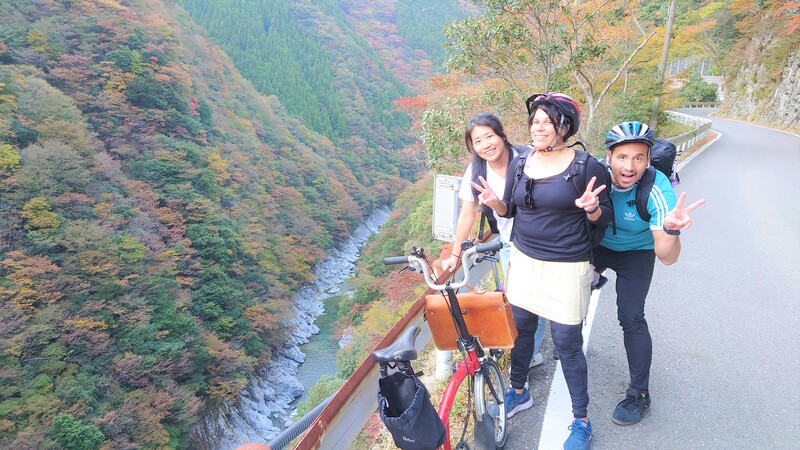
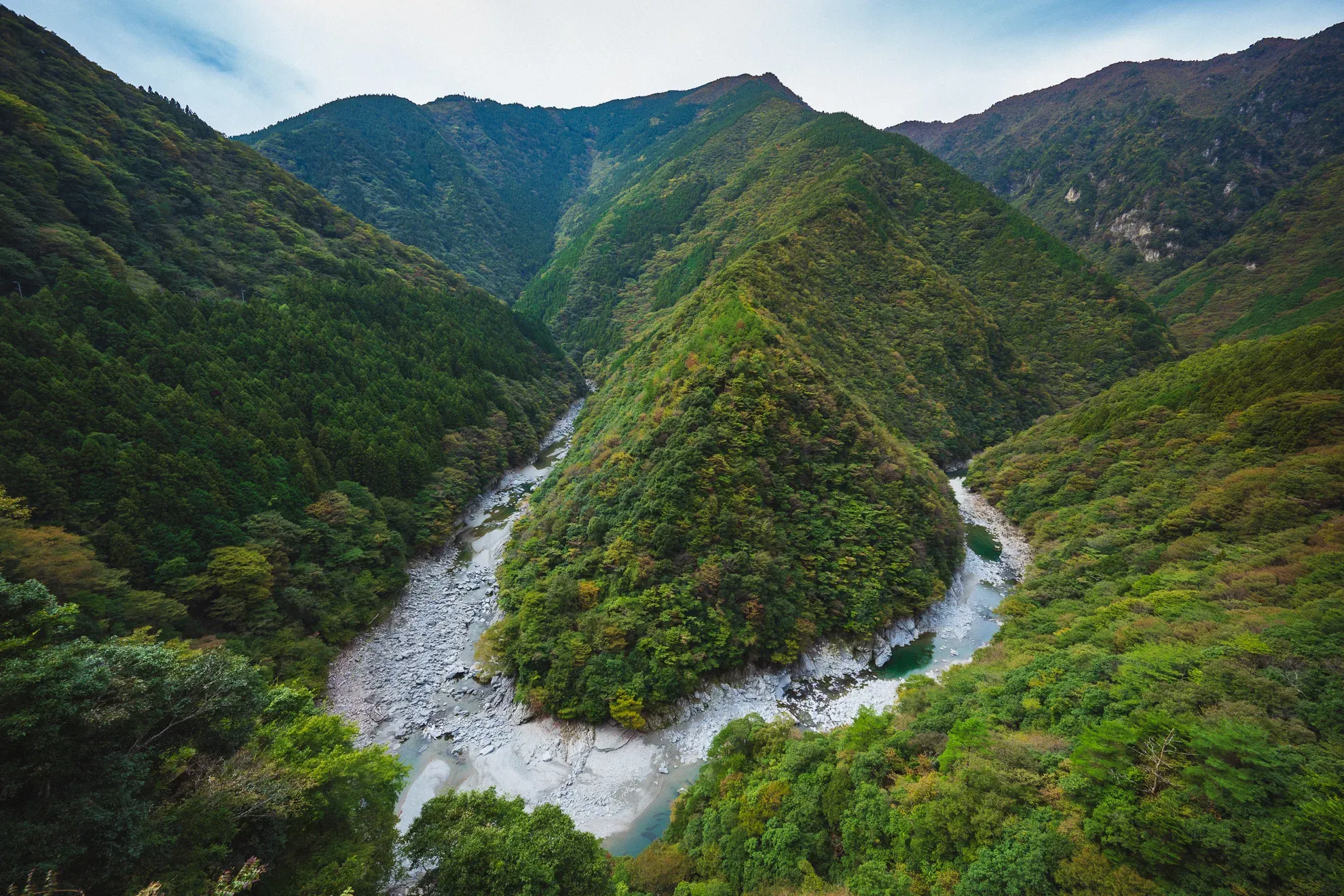
The course here follows the old Iya Highway as it traces the Iya River, passing iconic landmarks such as Kazurabashi and a dramatic bend in the river known as the Hinoji Valley. Below, blue-green water rushes steadily through the canyon, its sound rising and fading as the road curves along the mountainside.
5. Shodoshima (Kagawa)| Coastal Cycling Where Island Time and Culture Intersect
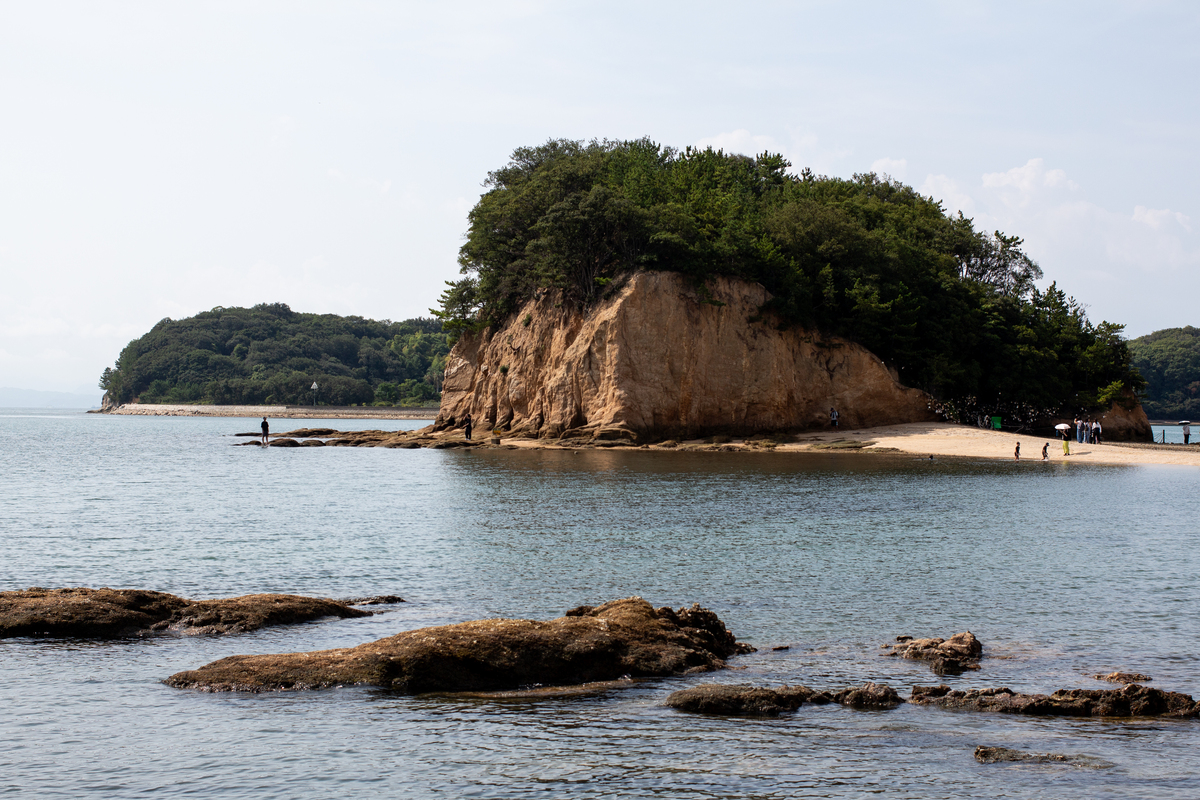
Sitting between Honshu and Shikoku, Shodoshima is the second-largest island in the Seto Inland Sea. It's famous for olives, whose cultivation thrives in the mild, Mediterranean-like climate that also makes cycling here comfortable for much of the year. Ikeda Port, in particular, serves as a convenient base for exploring the island by bike.
Shodoshima invites a more leisurely kind of exploration. Coastal roads trace the edge of the island before gently turning into hills that rise toward its mountainous interior. You will ride by small towns and fishing ports, swept along with a cool ocean breeze that carries the scent of salt.
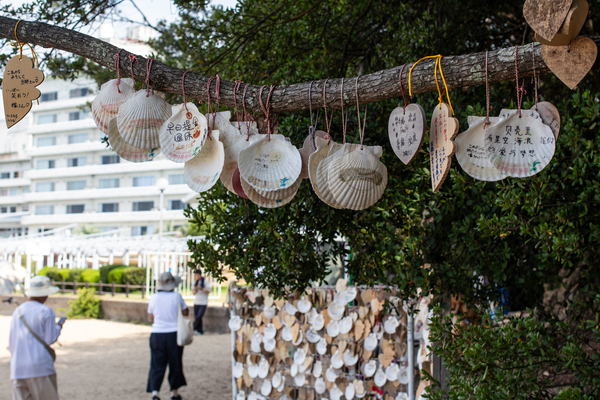
A natural starting point on Shodoshima is Angel Road, a sandbar that appears twice a day with the changing tides, linking the island with a chain of offshore islets. Nearby, cyclists can rent bicycles, including electric-assist models that make navigating narrow streets and rolling hills easygoing for everyone. The road gradually moves away from the coast, the air shifting slightly with a touch of greenery as you travel inland.
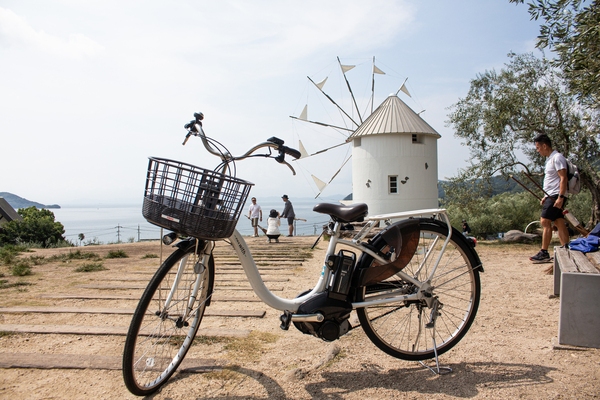
Here, visitors will find Olive Park, a working olive grove set on a hillside, which was the first place to successfully grow olives in Japan. Paths wind through silvery-leafed trees, opening to views of the Seto Inland Sea below, while a Greek windmill adds to the island’s Mediterranean feel.
Back in town, the cycling route passes through a historic district in Yasuda, where the savory aroma of long-established soy sauce factories fills the air. Shodoshima is one of Japan’s most historically important places for the production of soy sauce — owing to its location and access to high-quality salt — and is home to the country’s largest concentration of wooden barrels used for soy sauce brewing, with over 1,000 still in use. And a visit to Marukin Soy Sauce Museum offers fascinating insights into this ongoing tradition.
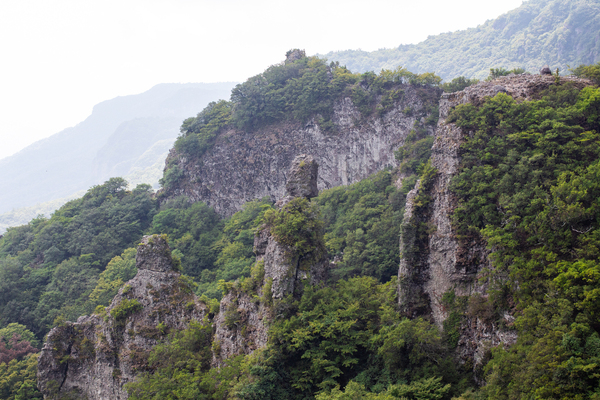
For sights further afield, it’s recommended that you use a car to explore. In the mountainous interior of Shodoshima, Kankakei Gorge rises sharply above the coast, its towering rock walls and narrow ravines offering a striking contrast to the island’s more gentle seaside scenery.
6. Cycling Connects the Shape of Travel in the Seto Inland Sea
Setouchi is a region best understood in motion. Its islands, valleys, countrysides, highlands, and caves are packed with layers of history and local culture. That being said, each place reveals itself differently depending on the route you choose, and cycling turns that variety into a personal journey.
By picturing the scenery, sights, sounds, and other small details described here, you can choose the route that best aligns with how you want to experience Setouchi. From there, the journey becomes your own, shaped by your perspective as much as the road itself.
Thanks to Setouchi’s status as a well-recognized cycling destination, these experiences are accessible for everyone. Thoughtfully planned routes and cyclist-friendly infrastructure mean that exploring Setouchi by bike is not only rewarding, but remains approachable — even for first-time visitors.
Ultimately, these five routes are an invitation to choose your own path and experience all Setouchi has to offer in a way that feels both personal and meaningful.
Related Articles
-
 Adventure & Experience
4 days exploring hidden gems and natural scenery around Shikoku’s Iya Valley
-
 Adventure & Experience
Nishi-Awa: Savor Slow Life Moments in Nature-Rich Hamlets Hidden Above the Clouds
-
 Adventure & Experience
Enjoy Rural Landscapes and Japanese Heritage on the Kibiji Cycling Route
-
 Adventure & Experience
7 Awe-Inspiring Off-the-Beaten-Path Experiences in Setouchi
-
 Adventure & Experience
Things to Do and Places to Visit in Okayama Prefecture
-
 Adventure & Experience
Things to Do and Places to Visit in Hyogo Prefecture
-
 Adventure & Experience
Things to Do and Places to Visit in Yamaguchi Prefecture
-
 Adventure & Experience
Things to Do and Places to Visit in Kagawa Prefecture
RELATED DESTINATION
Hyogo
Hyogo Prefecture is roughly in the center of the Japanese archipelago. It has the Port of Kobe, which plays an important role as the gateway of Japan. It also is home to plentiful tourist attractions such as Himeji Castle, a UNESCO World Heritage site, and several hot spring areas. Kobe beef, one of the three major brands of wagyu beef, is a delicacy.