








Adventure & Experience
A Forest Revival in Nishiawakura Village

-
- DESTINATION NAME
- Okayama
-
- RELATED TAGS
-
- LAST UPDATED
- 6 May, 2021
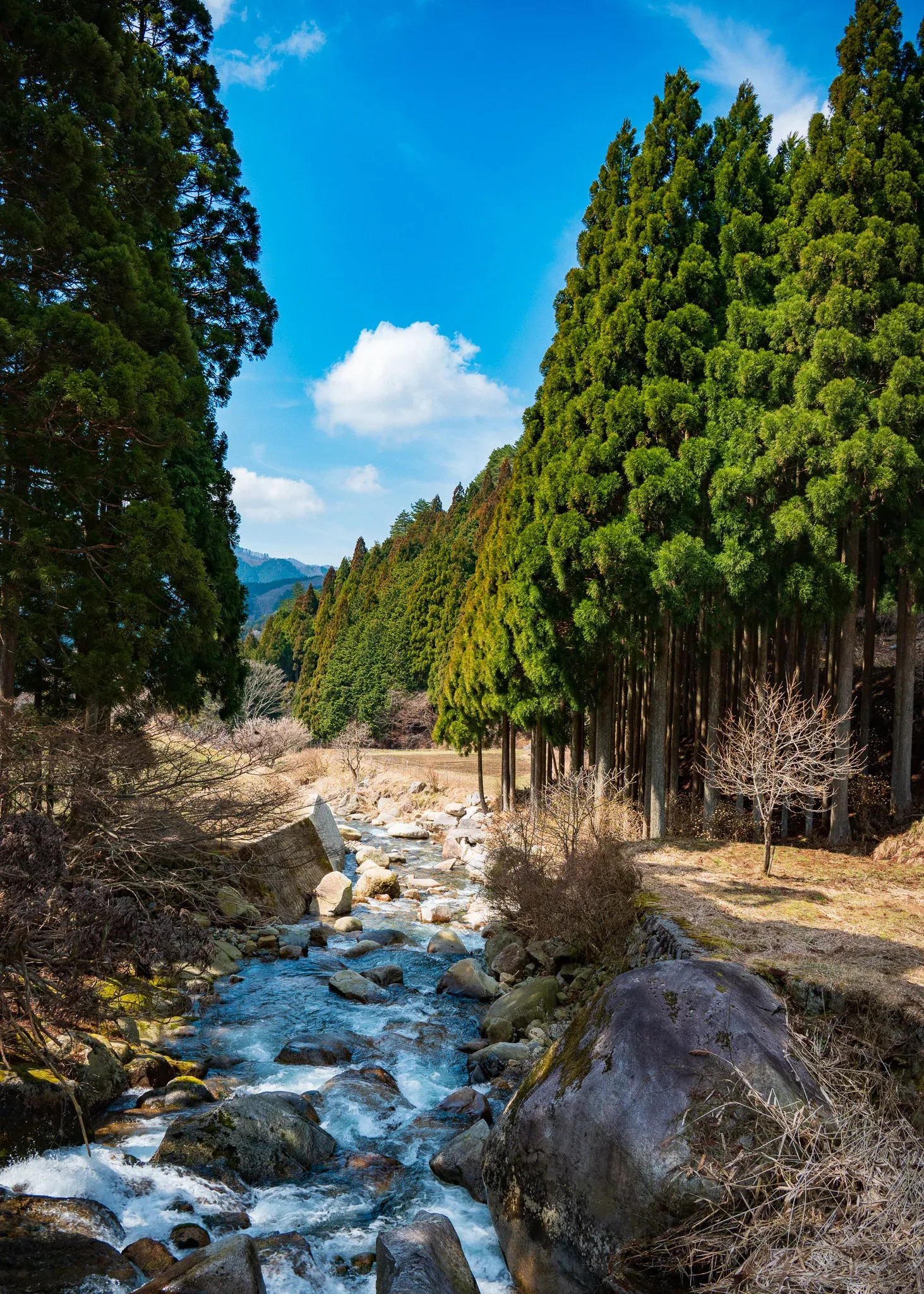
There was a certain nostalgia for me as I trekked through the forest in the mountains above Nishiawakura village.Memories of my childhood spent camping in California’s Sierra Nevada mountains, the crisp air and delightful scent of thousands of towering trees came flooding back to me as I scampered down an embankment to cross a crystal-clear stream.
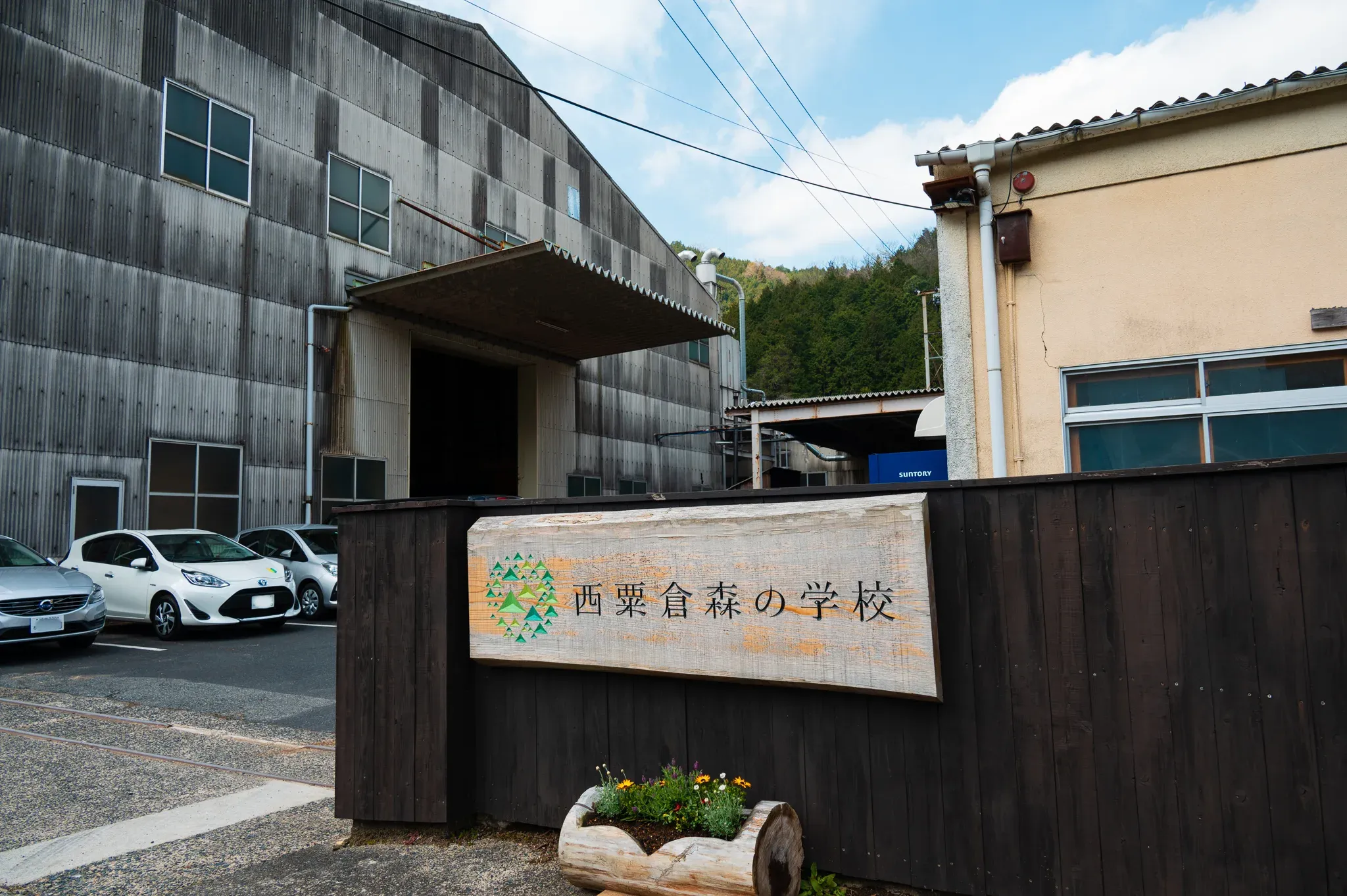
I had come to this forest in northern Okayama Prefecture on the advice of Ryoko Sakamoto, manager of the Hazai DIY Market at the Morinogakko Company down in the village. Sakamoto had given me a quick tour of the facility but encouraged me to visit the source of the company’s products, the great forest itself.
Sustainable Development Goals through Responsible Lumber Production
Nishiawakura Morinogakko (which translates to “Nishiawakura Forest School”) was established to promote the development and sales of products based on the local lumber industry, which was on the verge of collapsing entering the 21st century. Through the efforts of visionaries and entrepreneurs, a plan was developed that would not just save the local lumber industry but catapult Nishiawakura to the forefront of Japan’s SDG (Sustainable Development Goals) leaders.
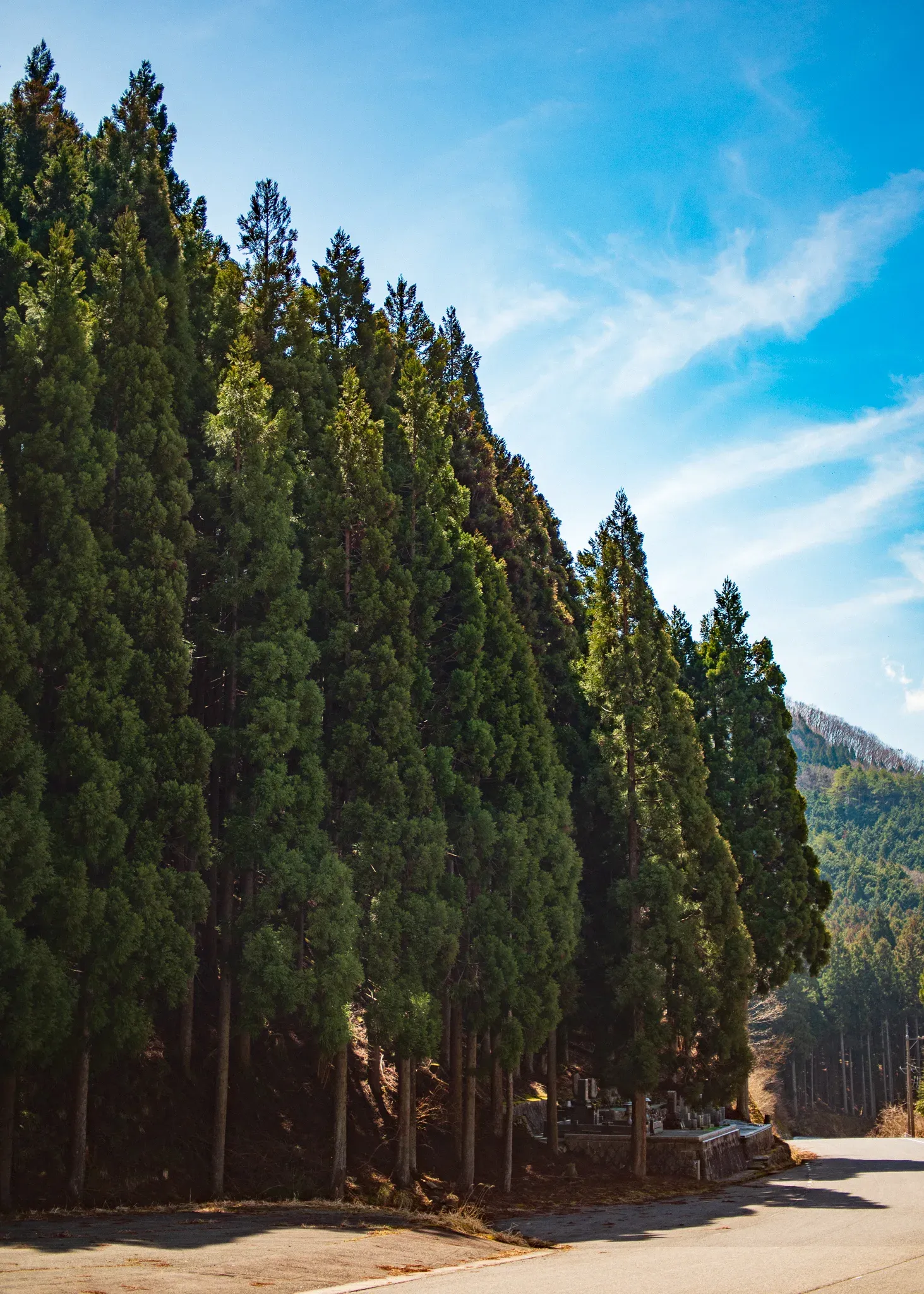
To understand the economic roller coaster of Nishiawakura, one must first get a general understanding of Japanese history. After WW2 decimated the infrastructure of Japan, large “artificial” forests consisting of sugi (cedar) and hinoki (cypress) were planted all over Japan, relatively fast-growing trees useful for building materials. Of the vast forests around Nishiawakura, 84% were artificial. As imported wood eventually became cheaper than domestically produced lumber, these forests were no longer adequately thinned through lumber production and fell into neglect. If nothing was done, it would eventually lead to a forest that was neither healthy nor a viable source of raw material.
Returning the Forests and Economy To Its Former Glory
In 2008, a plan was hatched called Hyakunen-no-shinrinkousou, the “100-year Vision of the Forest”, which would save the forest and revitalize the local economy based on lumber production. A year later, Morinogakko was established with the goal of developing consumer products made from local wood. By 2013, Morinogakko was thriving, mainly from an extremely popular flooring product called Yukahari Tile. These large, square wooden tiles made it easy for Japanese homeowners to renovate a room with wood flooring and were known for their high quality. Through the revenue of these products, Morinogakko began to focus on growth.
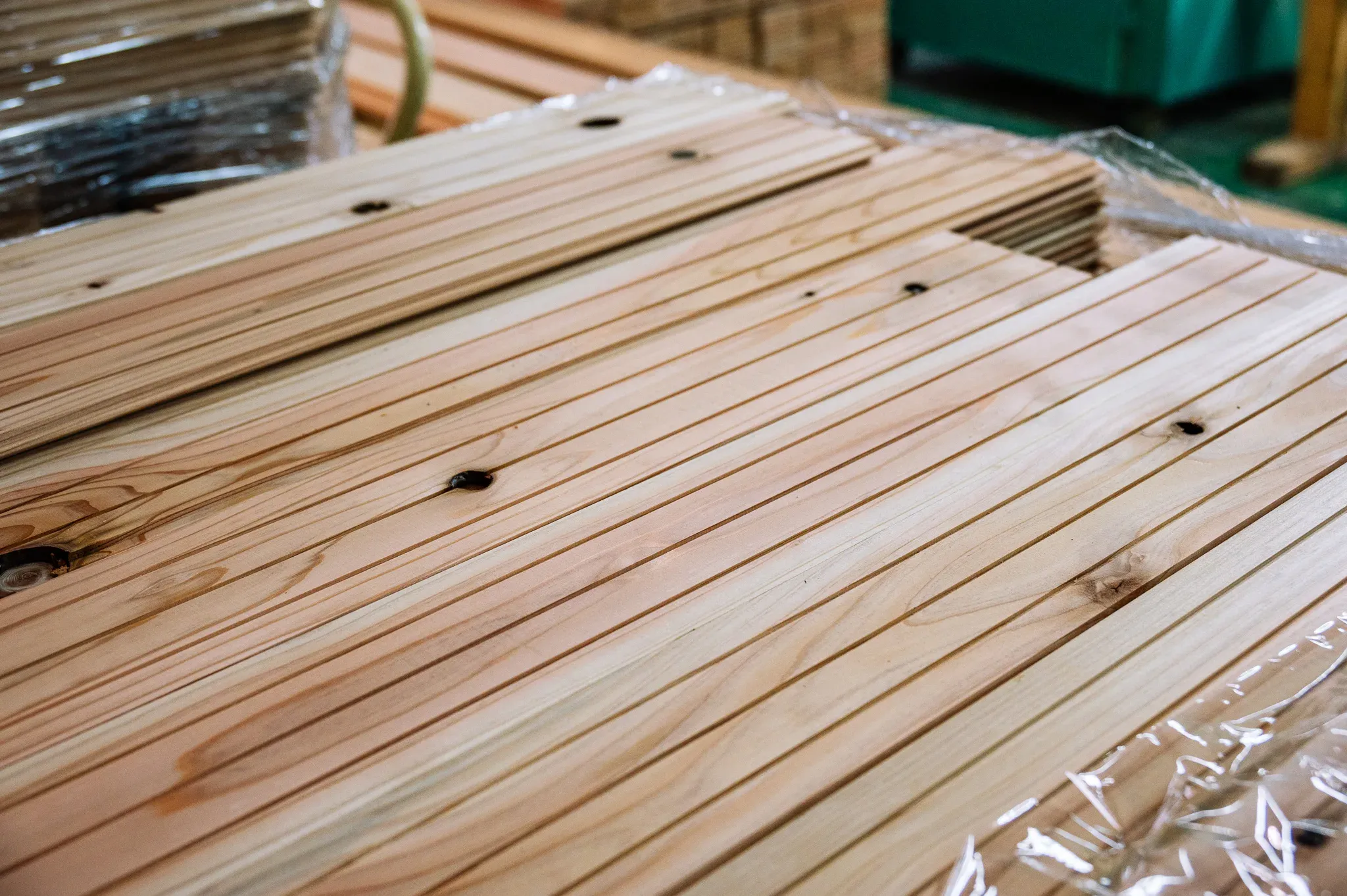
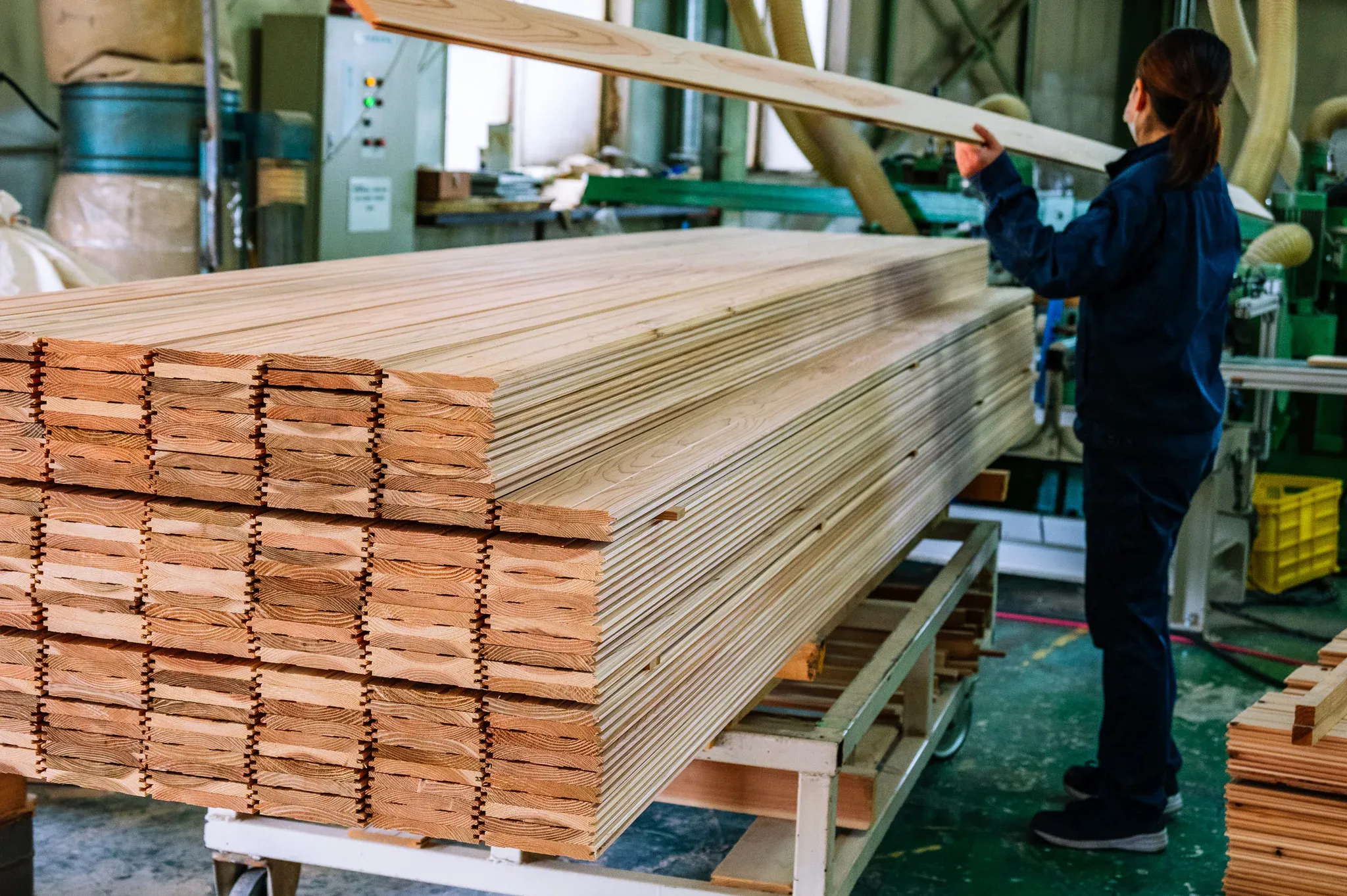
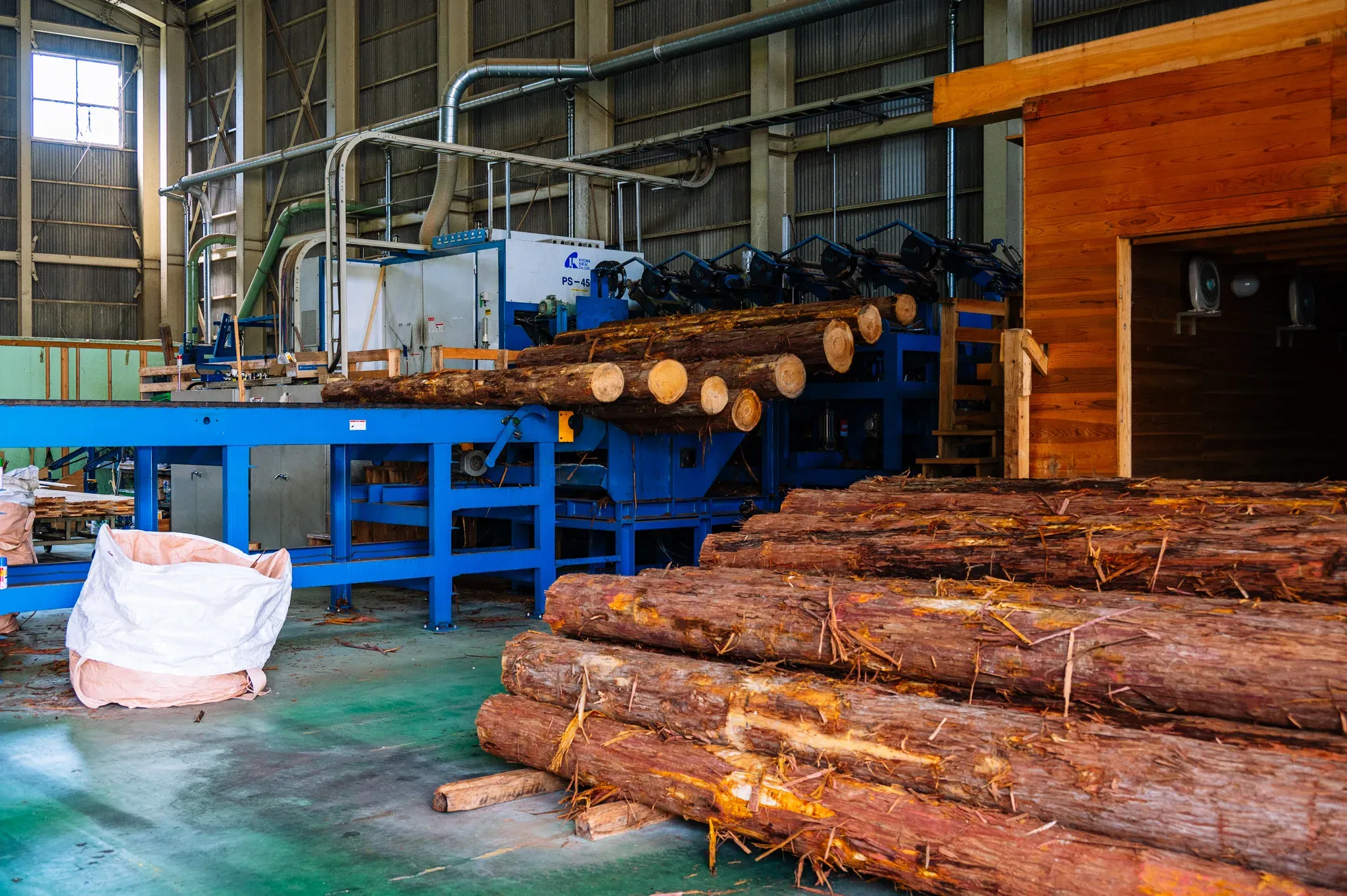
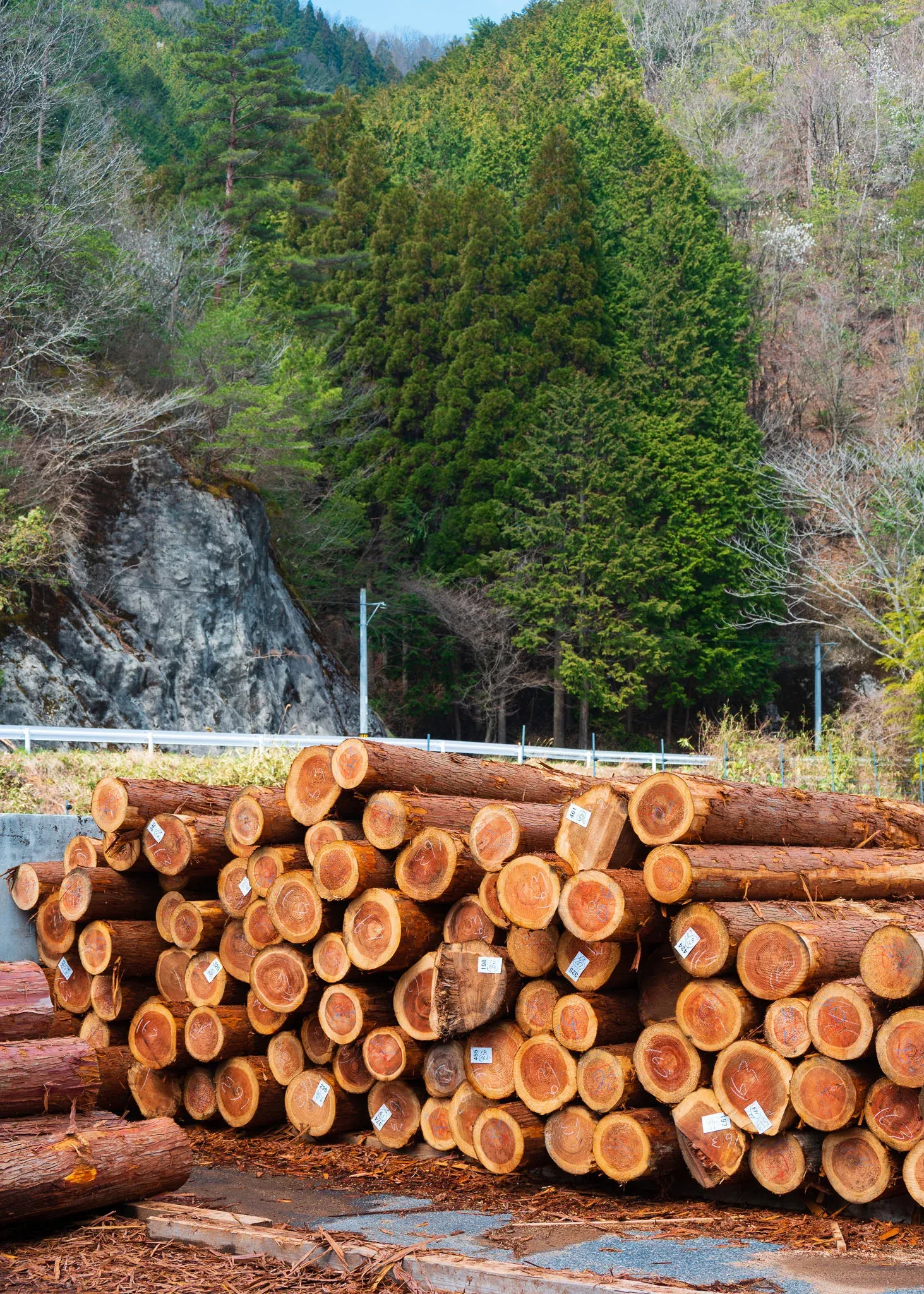
Sakamoto showed me around the company, which has the equipment to process lumber from the cedar and cypress logs stored outside into various sized planks and boards. Much of the processed wood is made into household products such as flooring, shelving units, and storage. Unlike large-scale industrial mills, however, there is little waste at Morinogakko. Sakamoto’s Hazai Market sells beautiful scraps of leftover wood at incredibly cheap prices, which visitors can make into items in a DIY shop onsite or take home to use. Chips and shavings are used by various local businesses as fuel for everything from heating local hot spring bath facilities to raising freshwater eel for a food company in another abandoned school in the village. Apart from job creation and economic growth, Morinogakko also supports SDGs like Affordable and Clean Energy (Goal #7) and Responsible Consumption and Production (Goal #12).
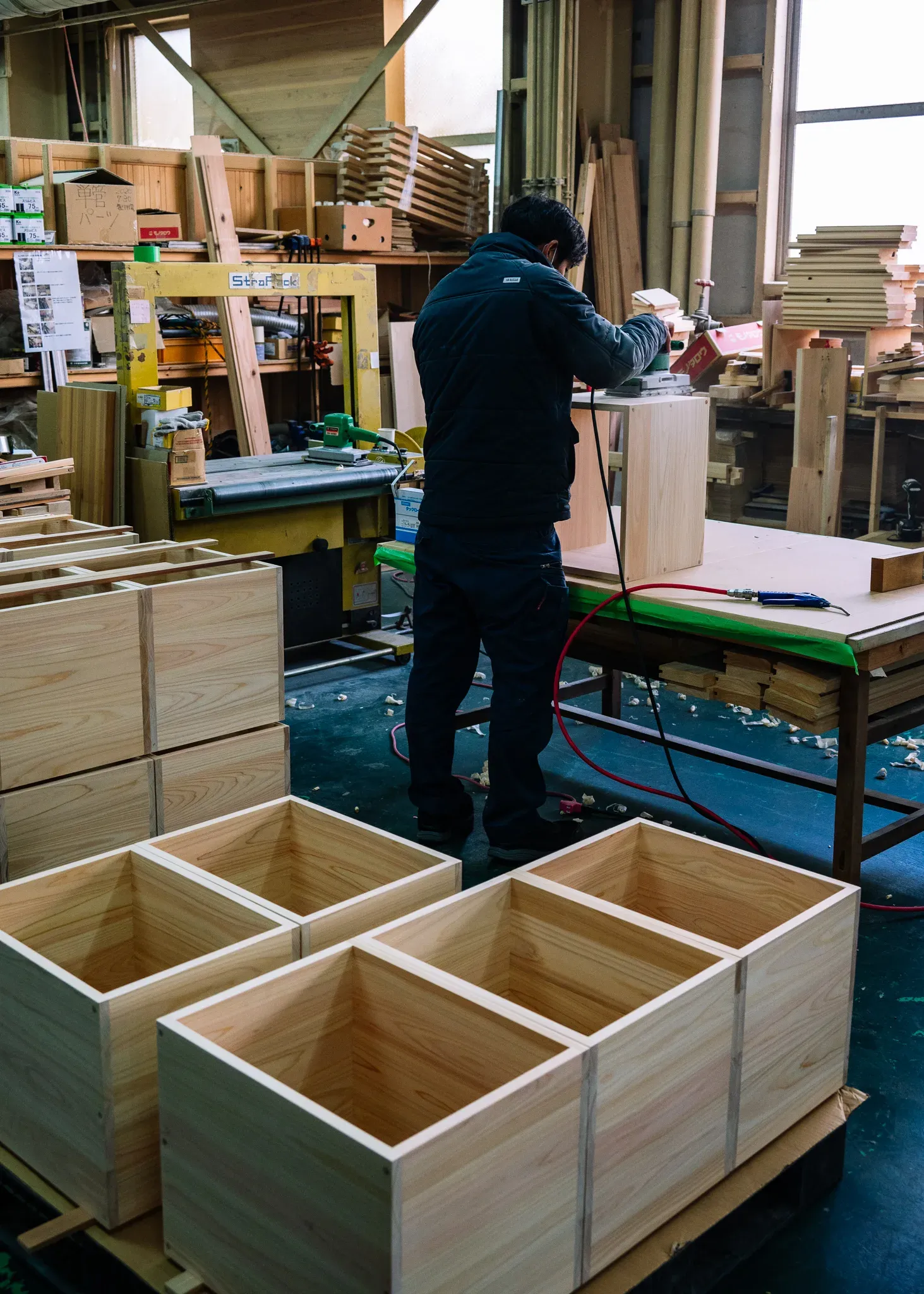
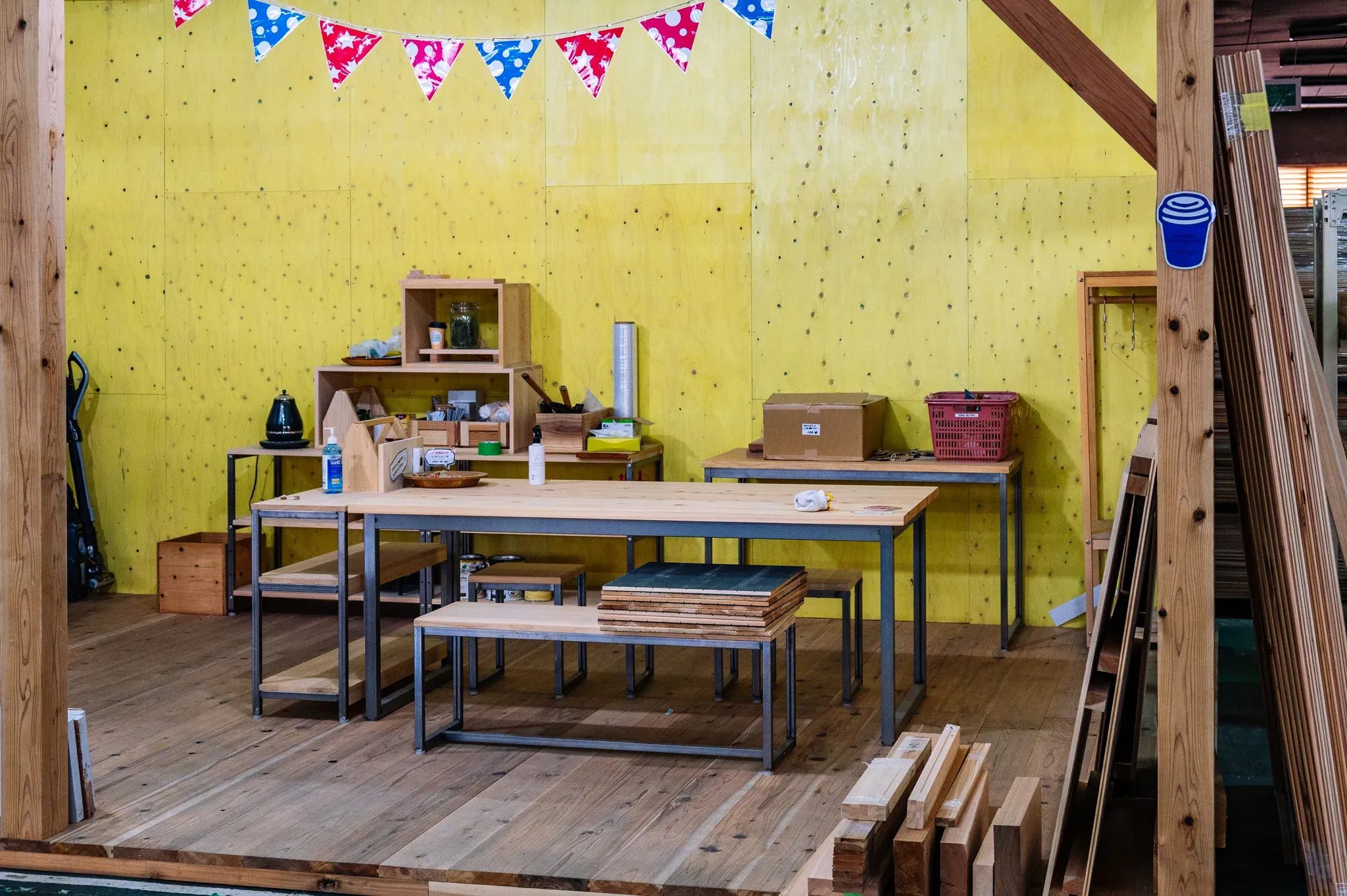
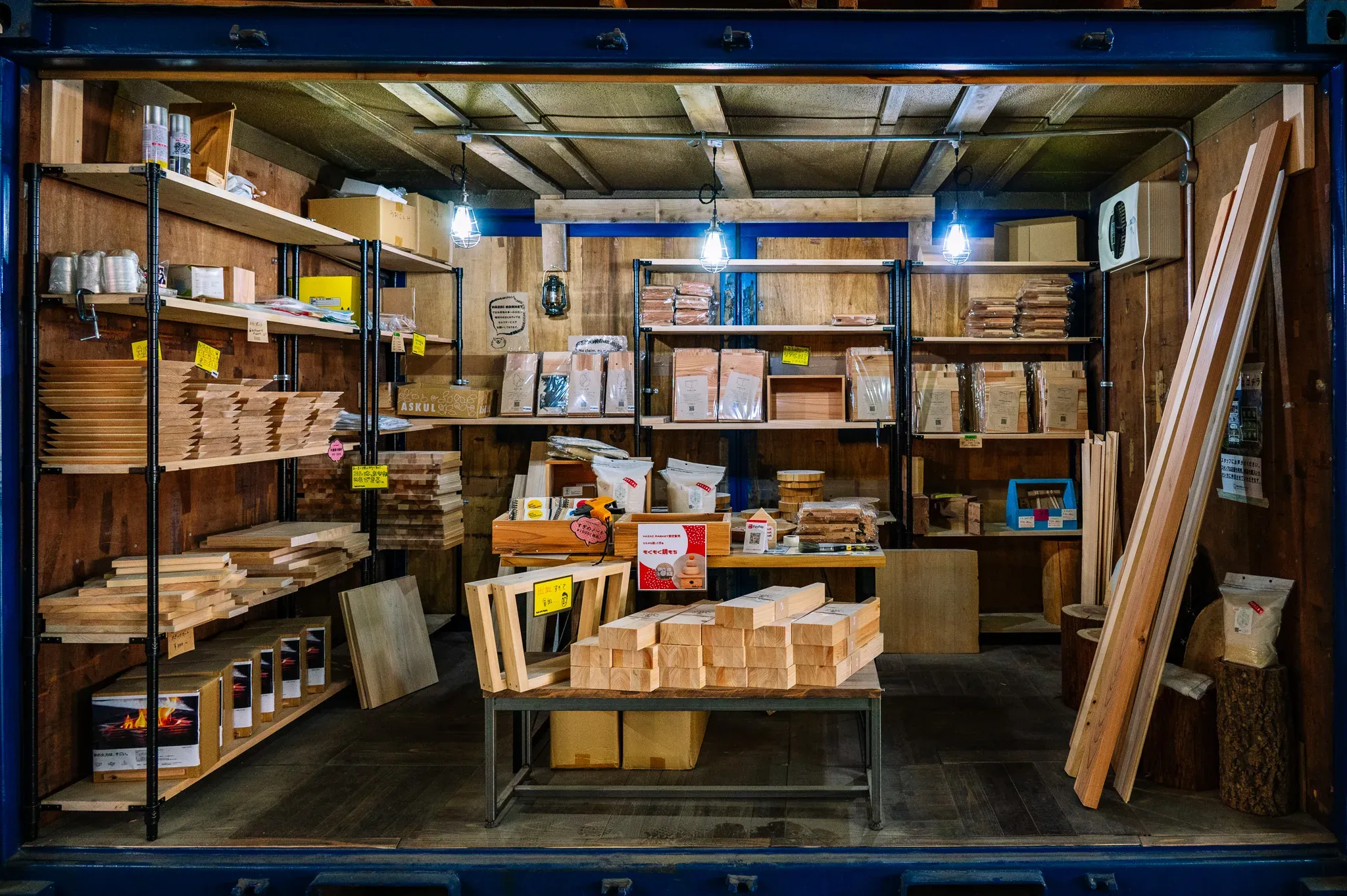
Morinogakko is far from alone in its quest to meet the village’s SDGs. Dozens of new businesses have been nurtured by a Local Venture School program that trains people in entrepreneurship. Individuals from other parts of Japan have also started companies here, attracted to the vision and lifestyle of Nishiawakura. A drive through the city reveals some astoundingly creative buildings whose architecture was clearly influenced by the quantity and quality of the available local lumber.
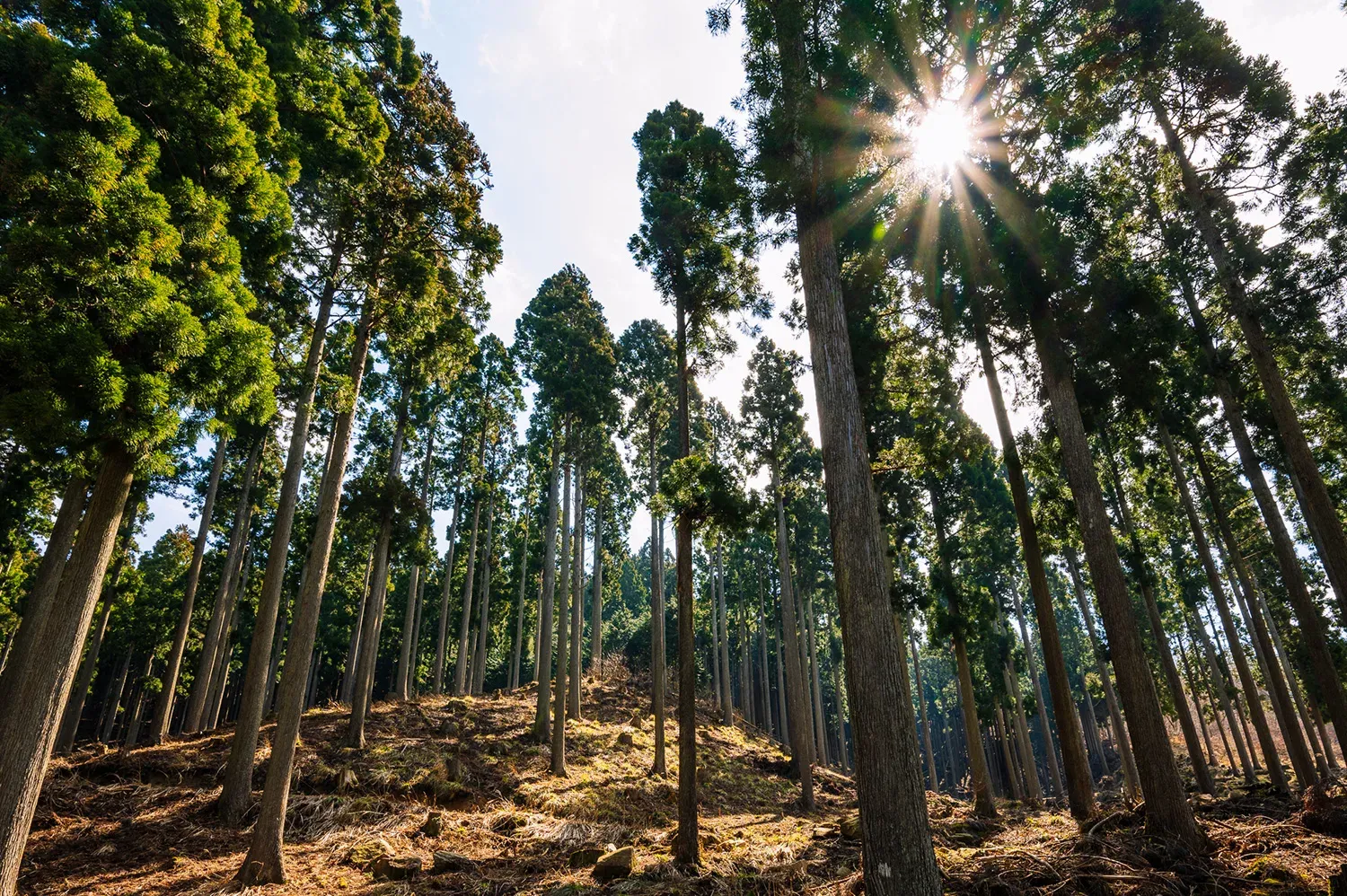
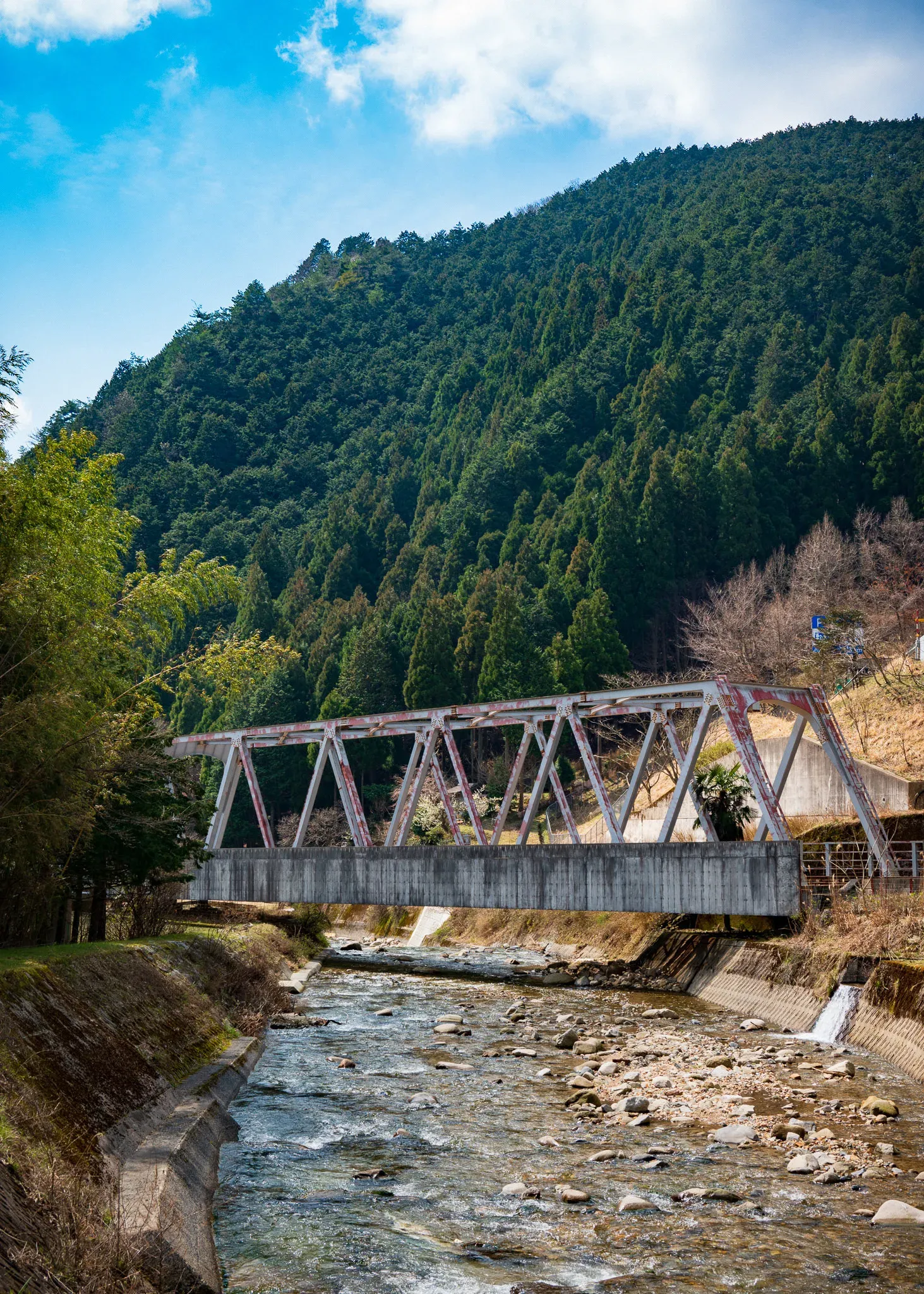
But 30 minutes above the village, in the mountains, I stood at the edge of a small stream, dwarfed by the cedar and cypress giants growing around me. The forest was healthy and thinned relatively recently, evident by the turned-up soil at the remaining trees’ feet. There was a sense of peace in knowing that the local people were caring for the forest here, that new jobs were being created, and that 100 years from now, a whole new forest would be thriving here in the soil beneath my feet.
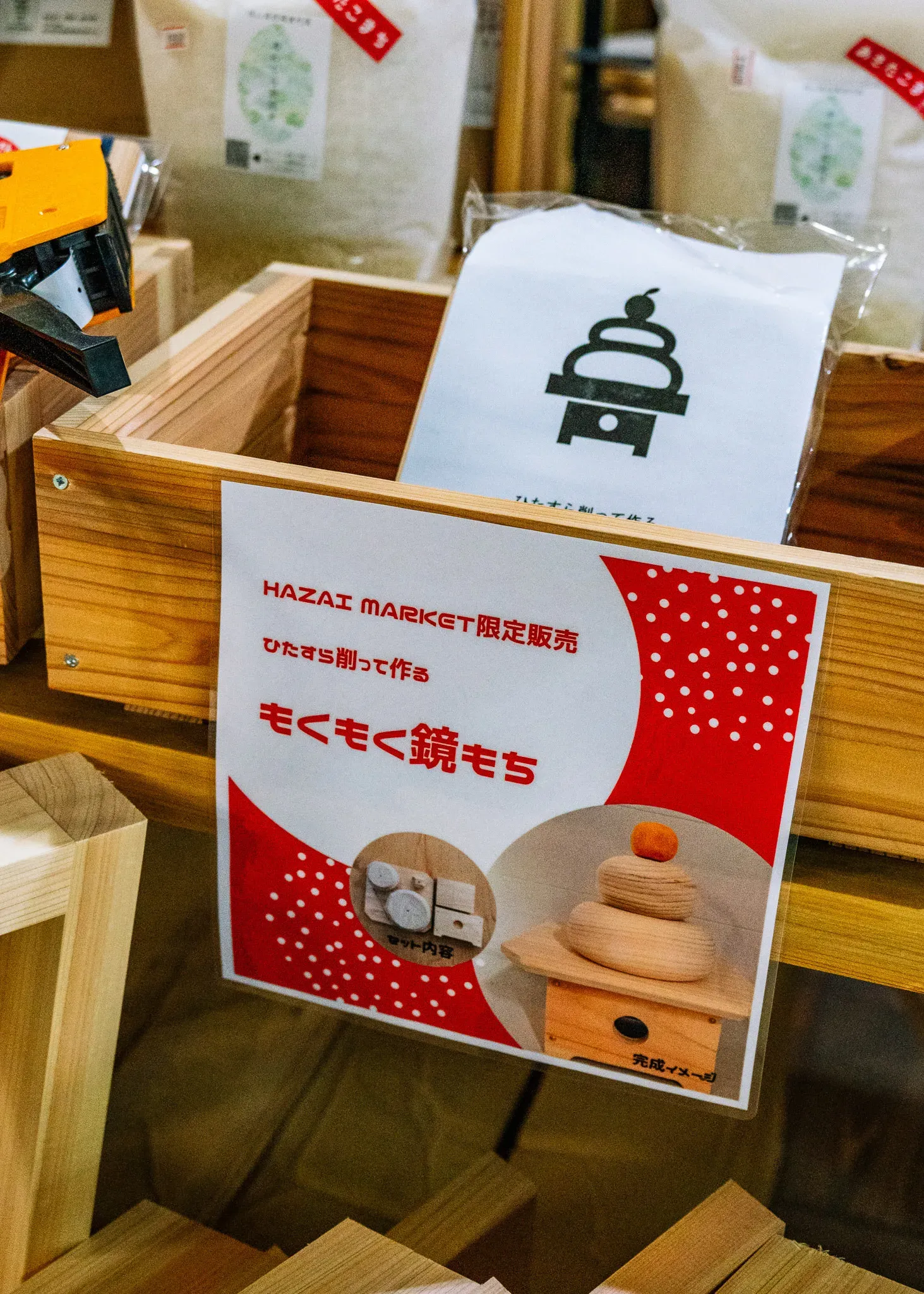
It’s important to note that tours and workshops at Morinogakko are not geared for non-Japanese speakers, and reservations are needed to see the factory. However, Hazai Market is open to the public and sells a collection of interesting goods made from local wood, some of which might be suitable to take home as souvenirs. The service and tourism industry of Nishiawakura is still very much under development, but if you love the forest and have an interest in SDGs in general, a brief visit to the village might give you an idea of what a small group of like-minded individuals can accomplish in making positive change in the world.
How To Get to Nishiawakura
Nishiawakura is most easily accessed from Okayama or Himeji Shinkansen stations, though I suggest a rental car is vital if you plan to do any exploring around the area. The drive takes a little over 2 hours from Okayama and a little over an hour and a half from Himeji, and both stations have rental car companies close by. From Tokyo, it is about three to three and a half hours by Shinkansen to Himeji and Okayama, respectively. From Kyoto, it is about an hour to an hour and a half, respectively.
Photographs and text by Todd Fong
Related Articles
-
 Adventure & Experience
Five Cycling Routes in Setouchi
-
 Adventure & Experience
7 Awe-Inspiring Off-the-Beaten-Path Experiences in Setouchi
-
 Adventure & Experience
Things to Do and Places to Visit in Okayama Prefecture
-
.webp) Adventure & Experience
Adventure & Experience7 Authentic Experiences Exclusive to the Setouchi Region
-
 Adventure & Experience
Setouchi Trip Ideas that are better with a Private Guide
-
 Adventure & Experience
Enjoy Rural Landscapes and Japanese Heritage on the Kibiji Cycling Route
-
 Adventure & Experience
Experience Zen in the Forested Hills of Hiroshima
-
 Adventure & Experience
Breakfast With a View: Experience Hiroshima Through Guided Hikes
RELATED DESTINATION
Okayama
The Okayama area has flourished as an area alive with various culture including swords, Bizen ware and other handicrafts. Because of its warm climate, fruits such as peaches and muscat grapes are actively grown there. It is also dotted with places where you can see the islands of the Seto Inland Sea.