


Itineraries
Setouchi’s Beauty — The Natural Environment and the Art that it has Inspired
Highlights
Before & After
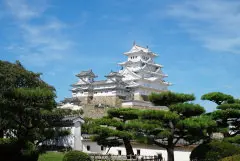
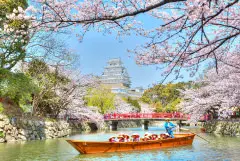
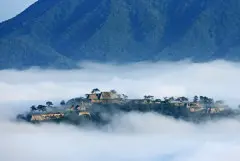
For Himeji Castle, take the local line from JR Osaka Station to JR Himeji Station; the castle is 20 minutes by foot from the station.
For travel back to Tokyo and Osaka, take the Express “Marine Liner” from JR Takamatsu Station to JR Okayama Station, and transfer to the Shinkansen from there.
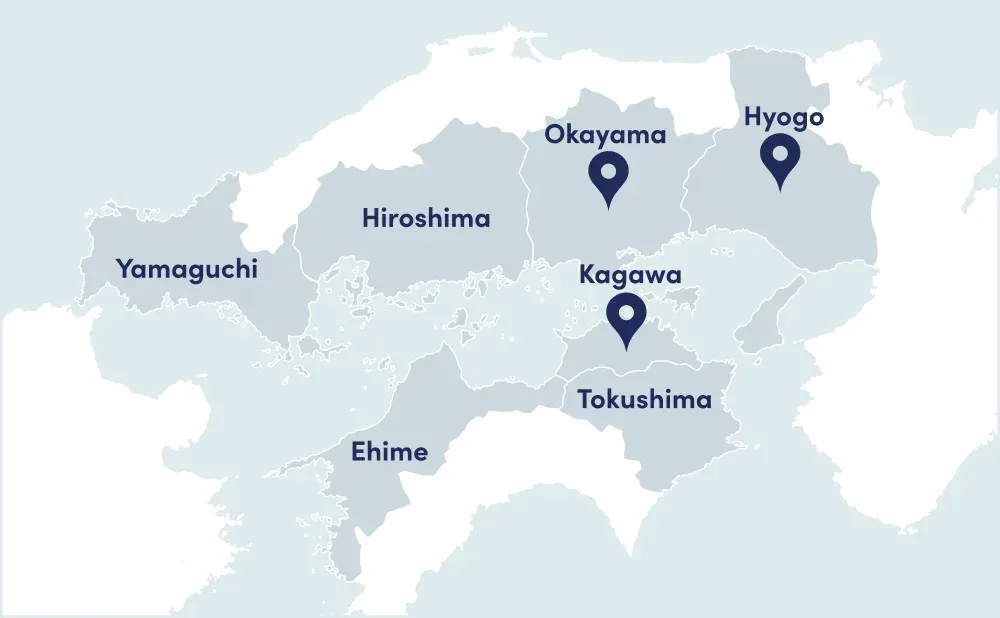
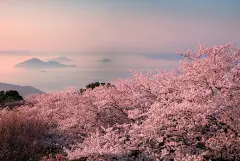
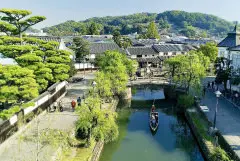
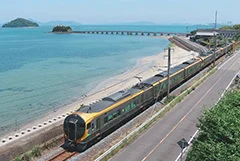
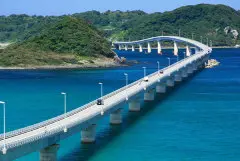
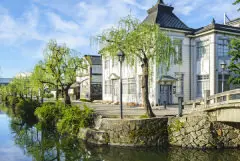
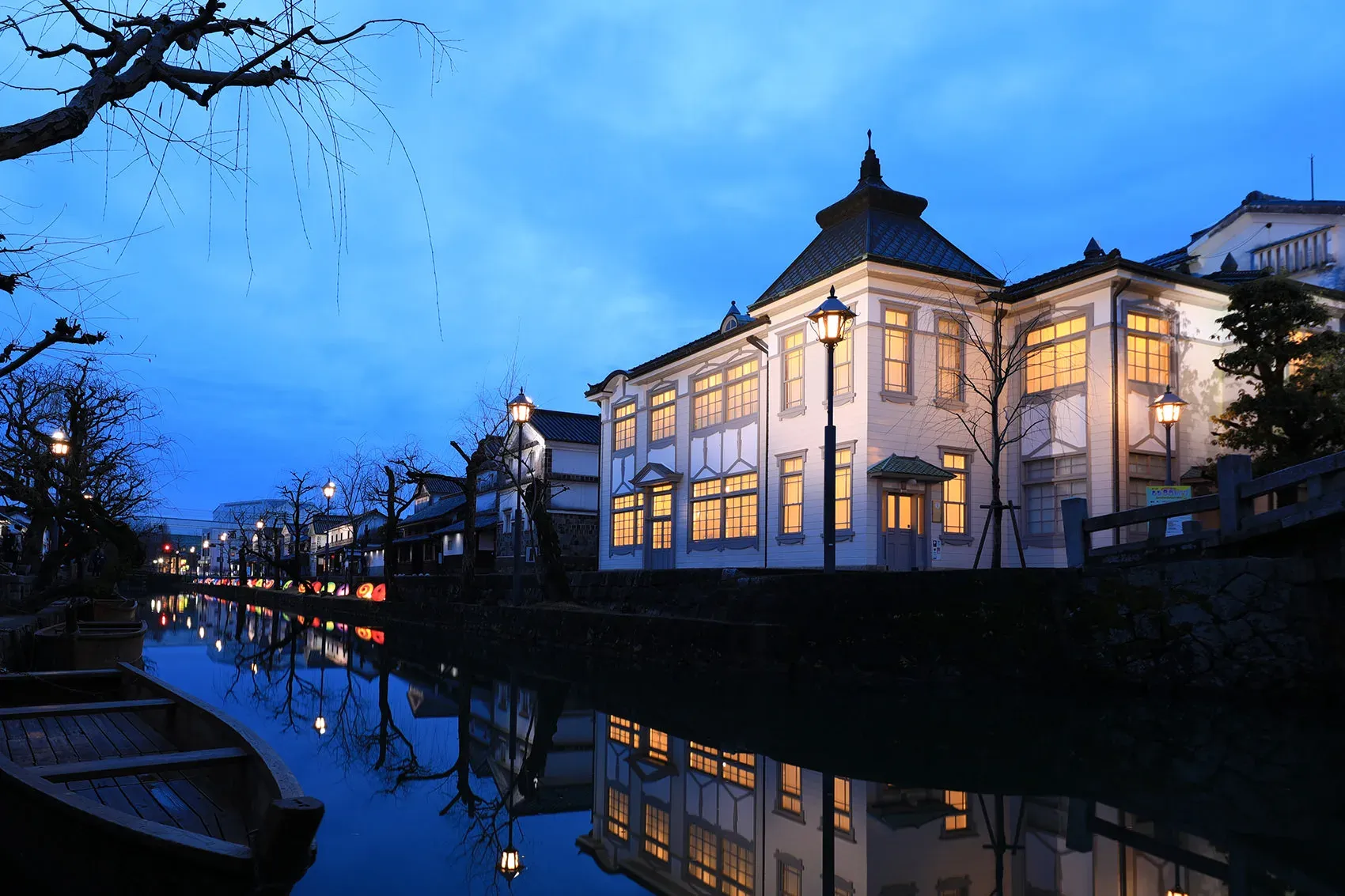
The climate of Okayama and Kagawa Prefectures is so gentle that the region truly lives up to the designation “Hare no Kuni,” “The Land of Clear Skies.” Part of the charm of this region lies in the harmony between the gorgeous scenery and tranquil environment of the Seto Inland Sea, and the artistically designed gardens and historical architecture which blends organically with this exquisite environment. For those seeking a more relaxed pace, this itinerary offers a journey around some of the most beautiful areas of Setouchi, allowing you to experience the healing touch of art and nature.
- Day 3
- Kagawa
National Park Kankakei Gorge


A highlight of any trip to Shodoshima is a trip to Kankakei Gorge, one of Mother Nature’s most spectacular feats of artistic creativity. Millions of years of constant erosion following a massive volcanic eruption underneath a lake have sculpted an amazing succession of ridges and stone formations. The gorge is famous for its explosion of colored leaves during the fall, but the natural environment is spectacular all year round. Take the 917-meter-long ropeway car up to the top of the gorge to see one of the most breathtaking vistas of the Seto Inland Sea. It is possible to catch public transport to the ropeway station, but rental cars and hire taxis will give you more flexibility in scheduling, and help you move around to see other attractions on the island.
Nakabuan (Soumen noodles factory)


Shodoshima has long been known as an agricultural region and for its processed foodstuffs, including soy sauce, sesame oil, and, in more recent times, olive oil. But if there is one product that any visitor to the island is sure to want to take home as a souvenir, it must be the island’s famous, hand-stretched soumen noodles. The noodles have a more than 400-year history on Shodoshima, and during the local soumen industry’s Meiji era peak, 650 companies were making this thin noodle, best eaten cold on a hot summer’s day. Soumen is still an important industry for the island, and some factories offer tours of their plants. One such factory, Nakabuan, even offers visitors the chance to experience hand-stretching and separating the noodles with oversized chopsticks. Great preparation for tucking into a bowl or two of some of the Japan’s best noodles in the adjacent cafeteria.
Shodoshima Olive Park


Cap off your Shodoshima sightseeing experience with a visit to the Shodoshima Olive Park. Located on a small hill overlooking the Seto Inland Sea, the Shodoshima Olive Park is home to approximately 2,000 olive trees and features more than 130 different herbs. The park’s herb greenhouse offers the chance to experience olives and herbs with all your senses (booking required). The grounds also feature an Olive Memorial Hall, an auto-camping area, and a natural hot spring. For accommodation, take a ferry or high-speed boat to Takamatsu City.
Accommodation: Kiyomisanso Hanajyukai


If you want a place to stay in Takamatsu City that will linger in your memories, look no further than Kiyomisanso Hanajyukai. Located on the east side of Mineyama Park, Hanajyukai is entirely surrounded by trees and flowers, offering a new experience in every season. Taking full advantage of the ryokan’s location overlooking both Takamatsu City and the Seto Inland Sea, the panoramic views from your bathtub will hold you spellbound, even as the rejuvenating waters wash away your cares. Transportation to and from JR Takamatsu Station included.
- Day 4
- Kagawa
Ritsurin Garden


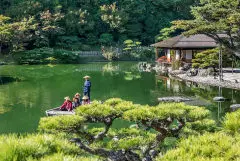
While visiting Kagawa Prefecture, lovers of plants and scenic beauty simply must visit Ritsurin Garden, the largest, and one of the most stunning, Japanese gardens in the country. Construction of this carefully orchestrated masterpiece of nature started in 1625, and took more than a hundred years to reach its full glory. With 1400 intricately manicured pine trees, an abundance of cherry trees, plum trees, camellias, and more, all arranged with an artist’s eye, the strong visual impact and seasonally diverse allure of Ritsurin provides a magnificent experience year round. The large lakes, tiny islands, and artificial hills increase the sense of distance and visual diversity of the garden, while the forested lookout backing the garden further enhances the scale and serenity of the scene. Whether strolling the winding paths, taking a traditional boat ride, or experiencing a traditional Japanese teahouse, spending even half a day in this manicured masterpiece will lift your spirits and rejuvenate your soul.
The Isamu Noguchi Garden Museum Japan

During his later years, the sculptor Isamu Noguchi worked in a studio in the village of Mure, Kagawa Prefecture. Since Noguchi’s death, the studio complex has been preserved and opened to the public as a museum focusing on his work. But this museum is unusual in that it provides the rare experience of allowing the visitor to see works that were still in progress at the time of Noguchi’s death. In addition to the numerous sculptures, including many that remain unfinished, the compound contains an exhibition hall, Noguchi’s residence, and a garden that was created as a sculpture. The whole is in itself a work of art. Visitors are transported into an alternative time and space, in which the atmosphere enjoyed by Isamu Noguchi during his lifetime has been meticulously preserved. After imbibing the atmosphere of this great artist’s life and work, return to the hustle and bustle by taking a bus or taxi to Takamatsu Station.
Related See & Do
-
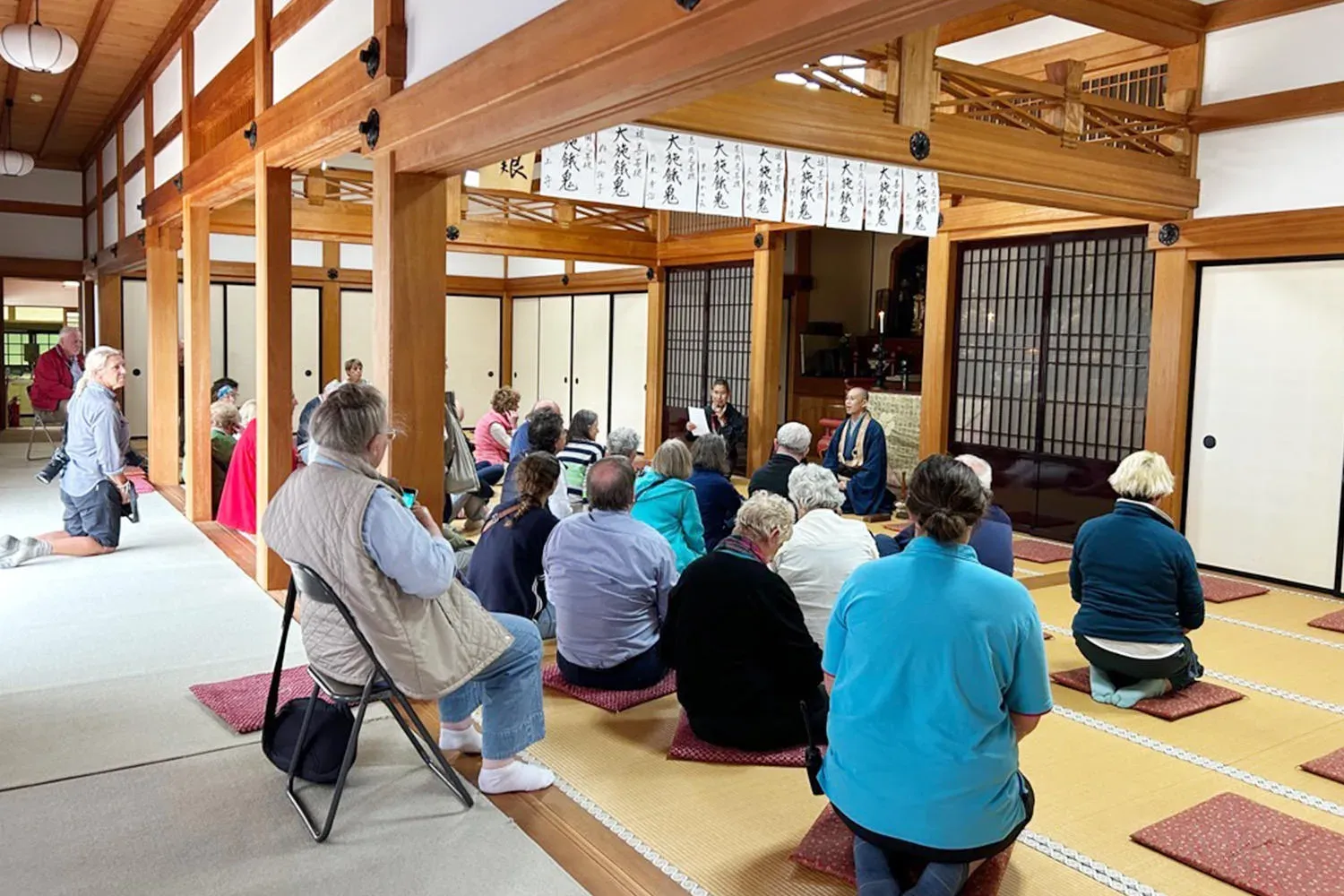
Temples & Shrines
Sorinji Temple
Yamaguchi
-
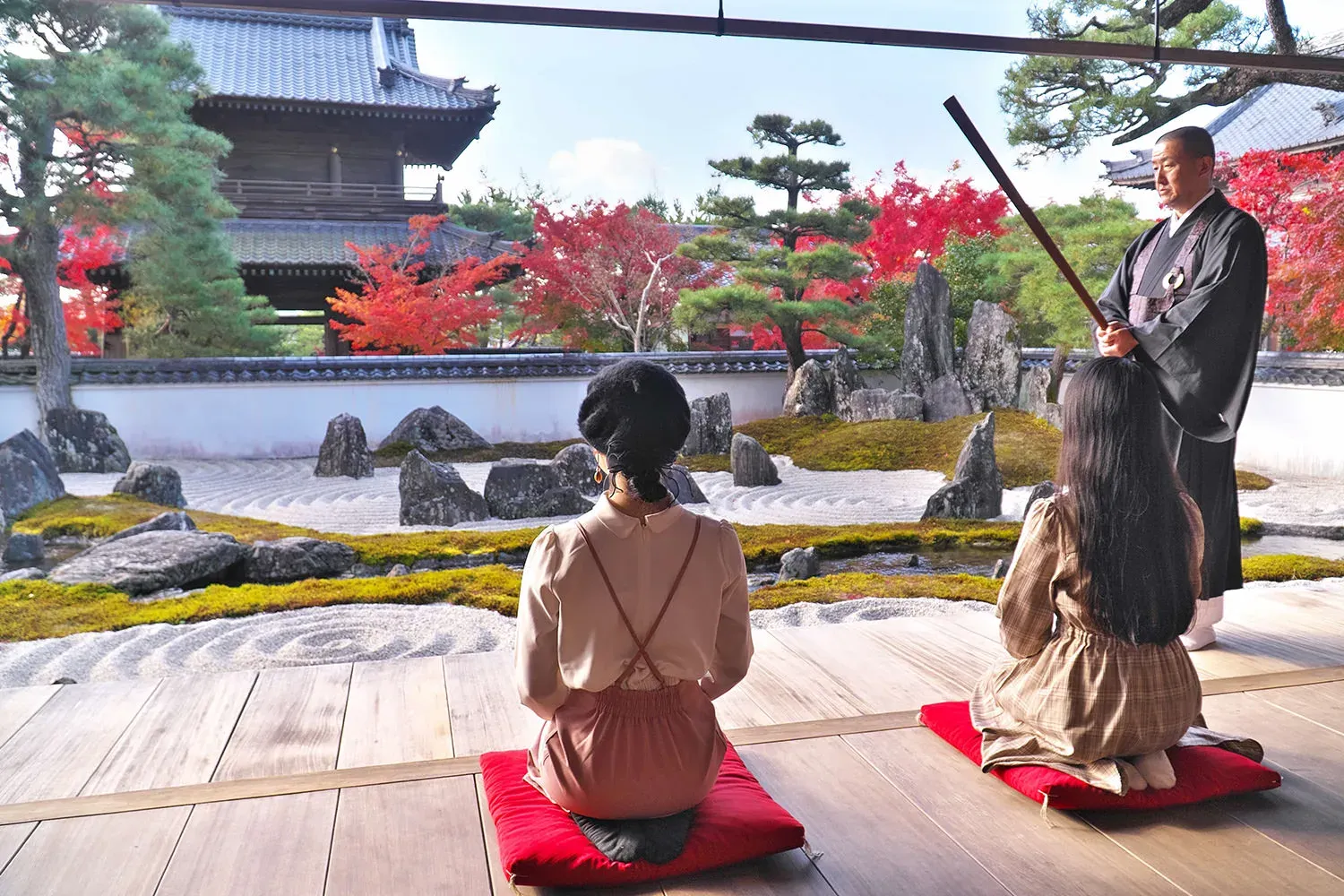
Temples & Shrines
Kanyoji Temple
Yamaguchi
-
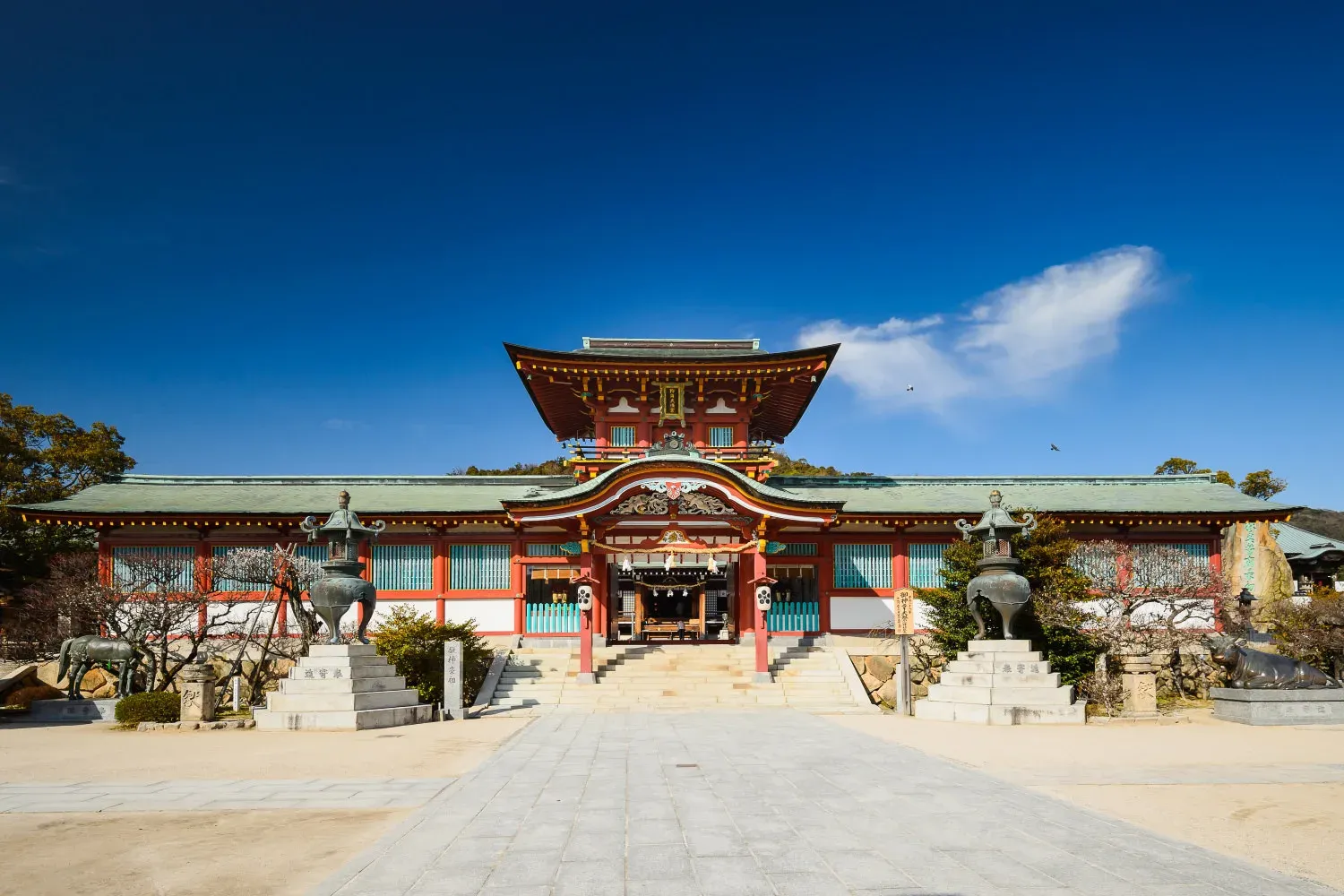
Temples & Shrines
Hofu Tenmangu
Yamaguchi
-
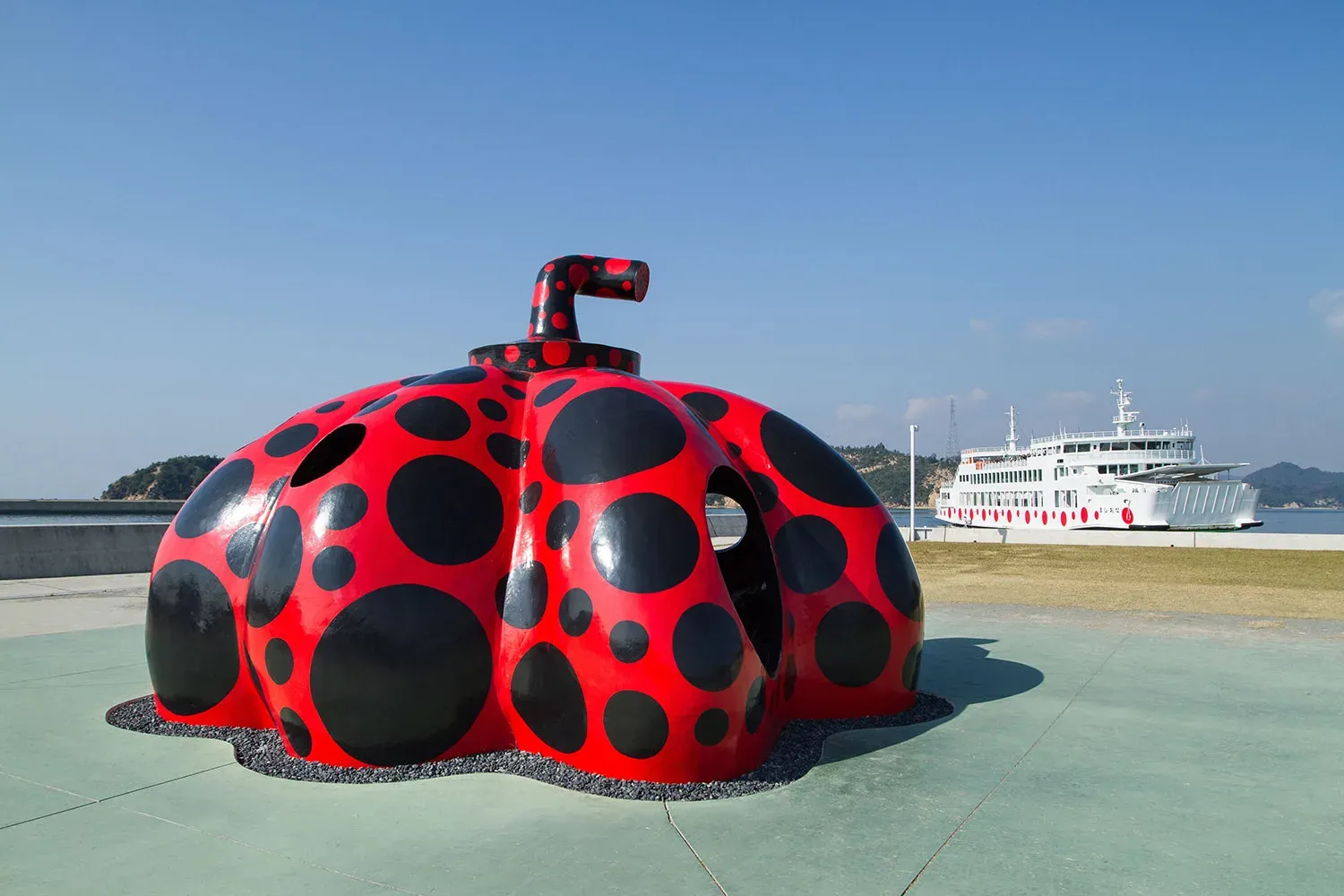
Museums
Art Island Hopping in Setouchi
Kagawa
-
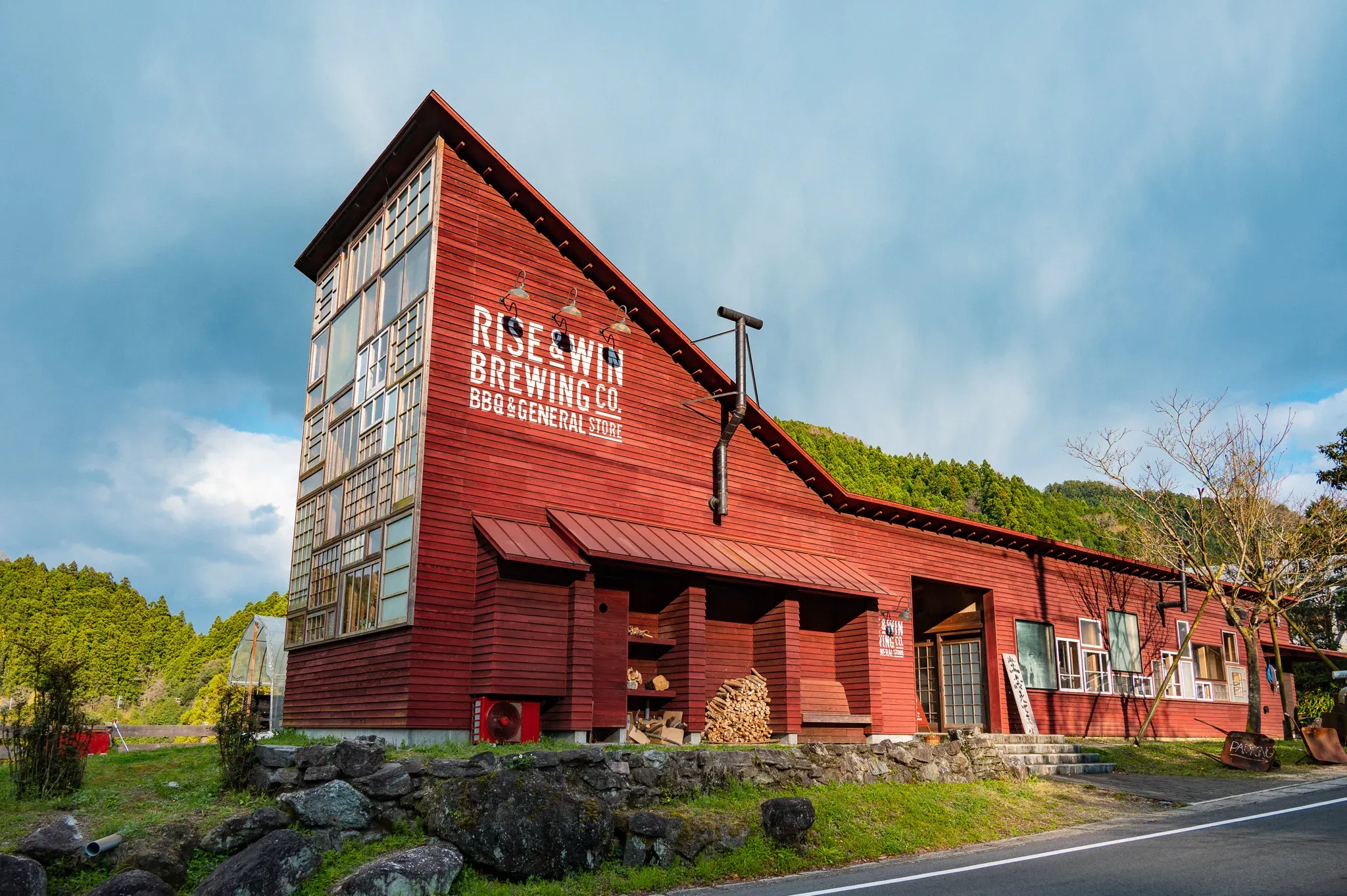
Local Delicacies
RISE & WIN Brewing Co.
Tokushima
-
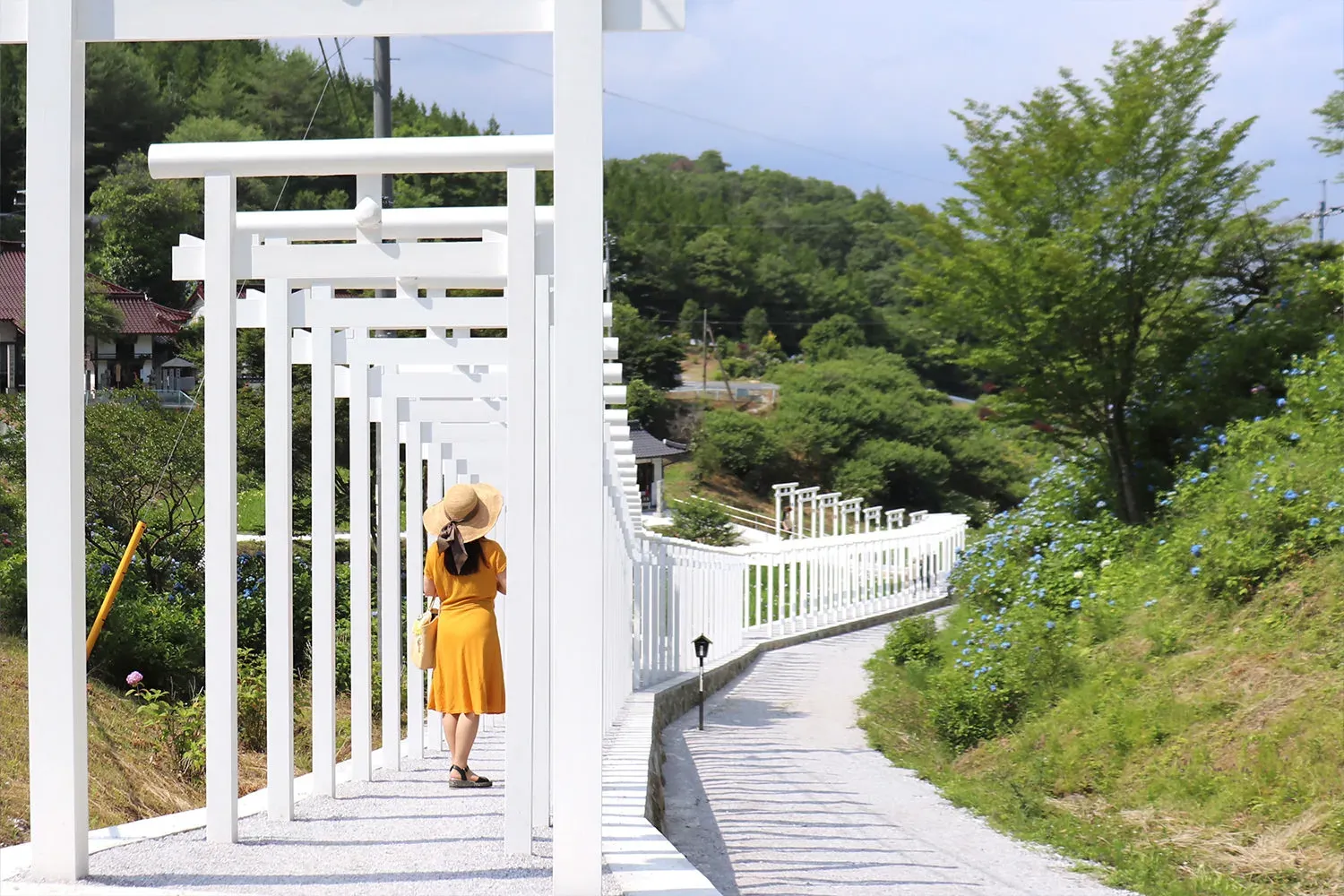
Temples & Shrines
Saidoji Temple
Okayama
-
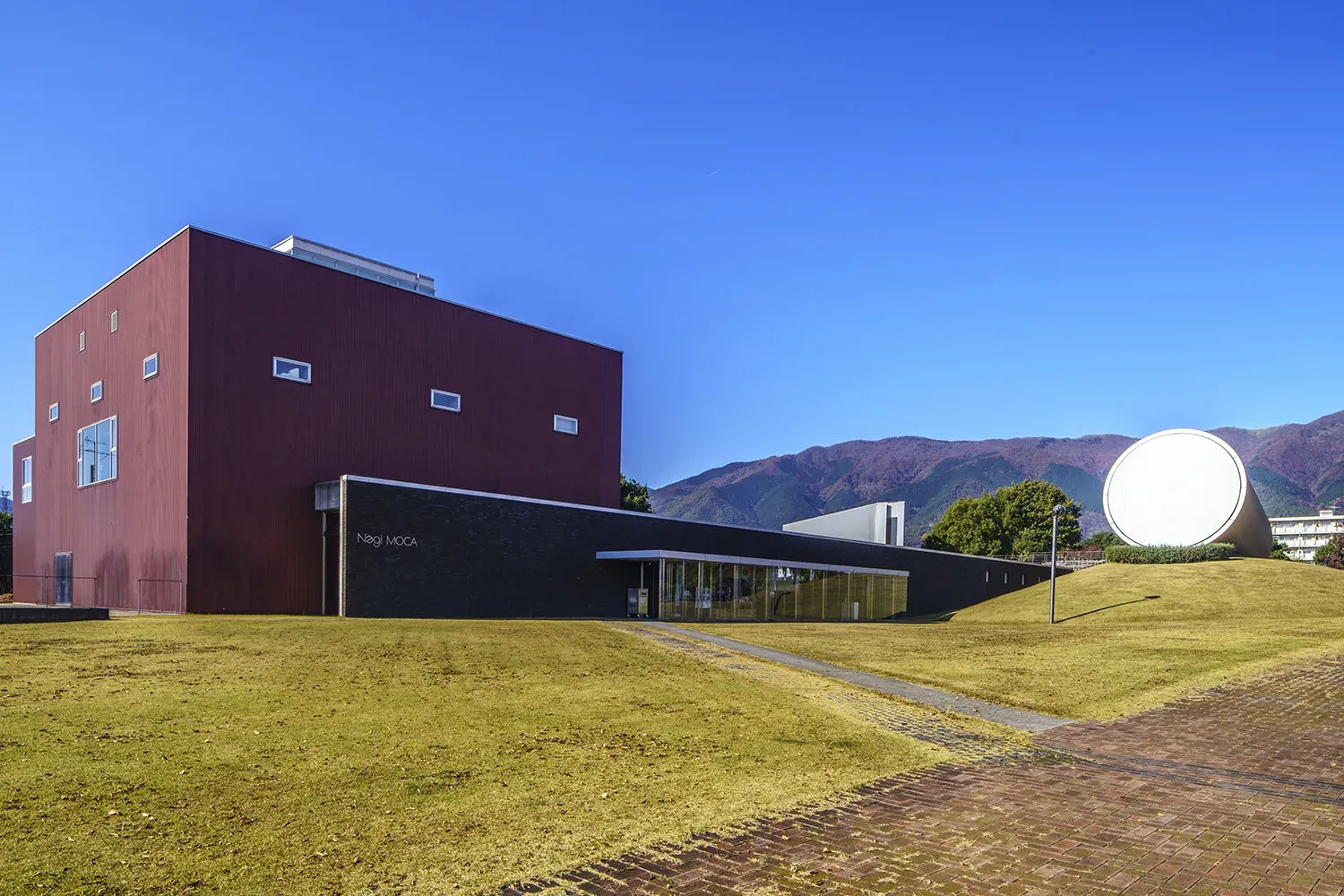
Museums
Nagi Museum of Contemporary Art (Nagi MOCA)
Okayama
-
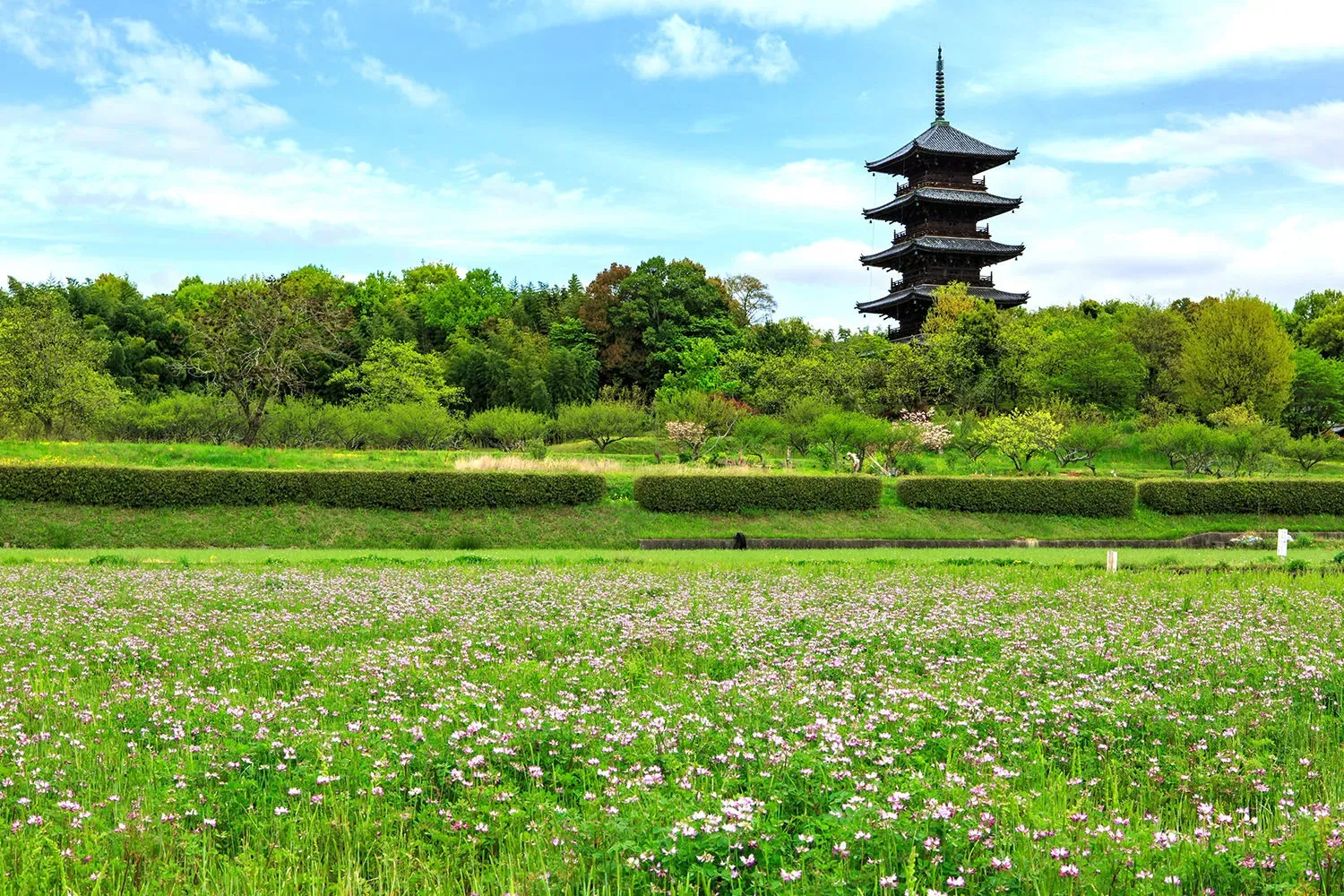
Temples & Shrines
Bitchu Kokubunji Temple
Okayama
-
Castles
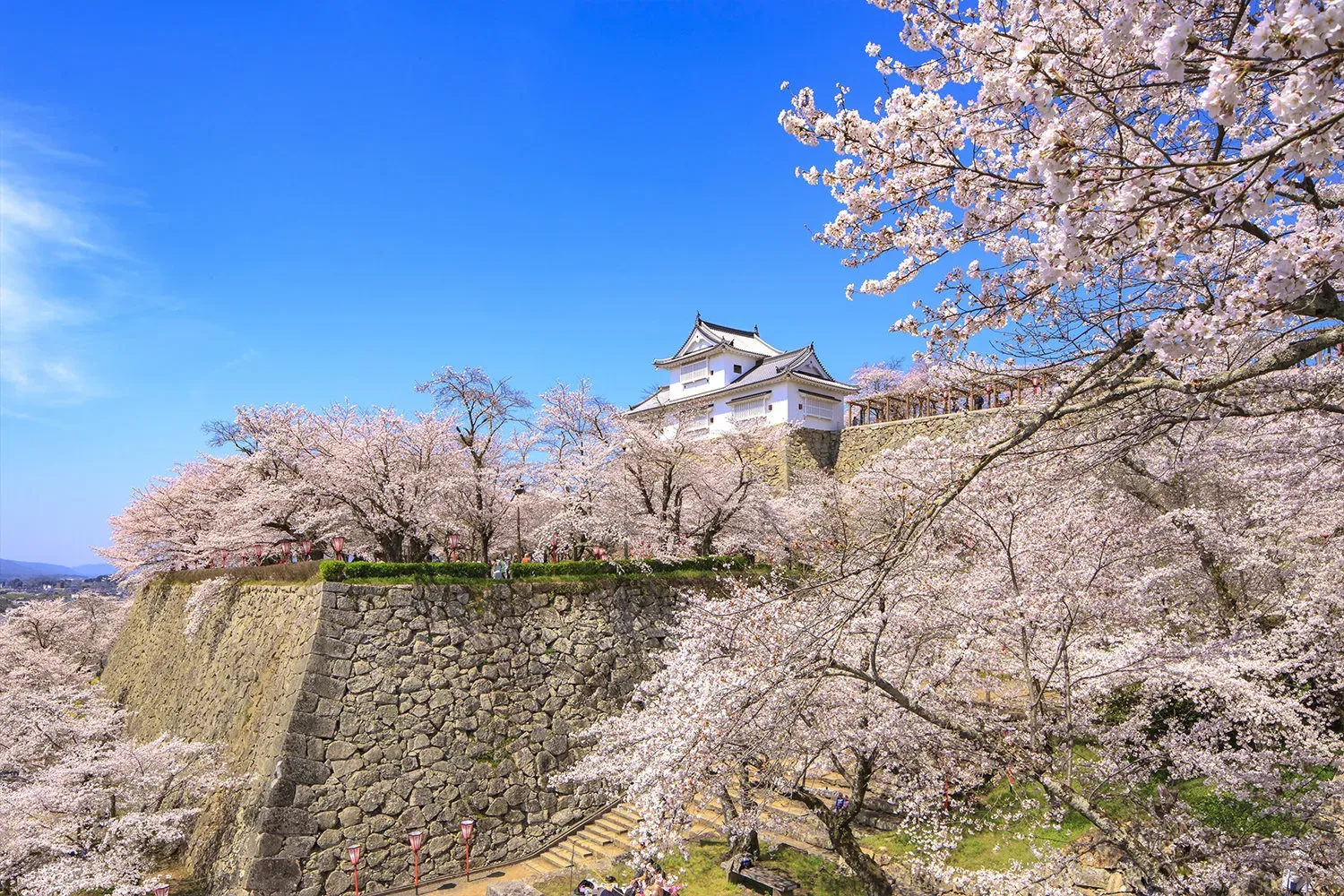
Kakuzan Park and Tsuyama Castle
Okayama
Related Articles
-
Art & Culture
Setouchi’s Hidden Art Gems
-
Art & Culture
Tour Local Kilns to Experience the Venerable Tamba-Ware Pottery Tradition
-
History
Tour the Stately Residence and Garden of a Powerful Daimyo Family
-
 Art & Culture
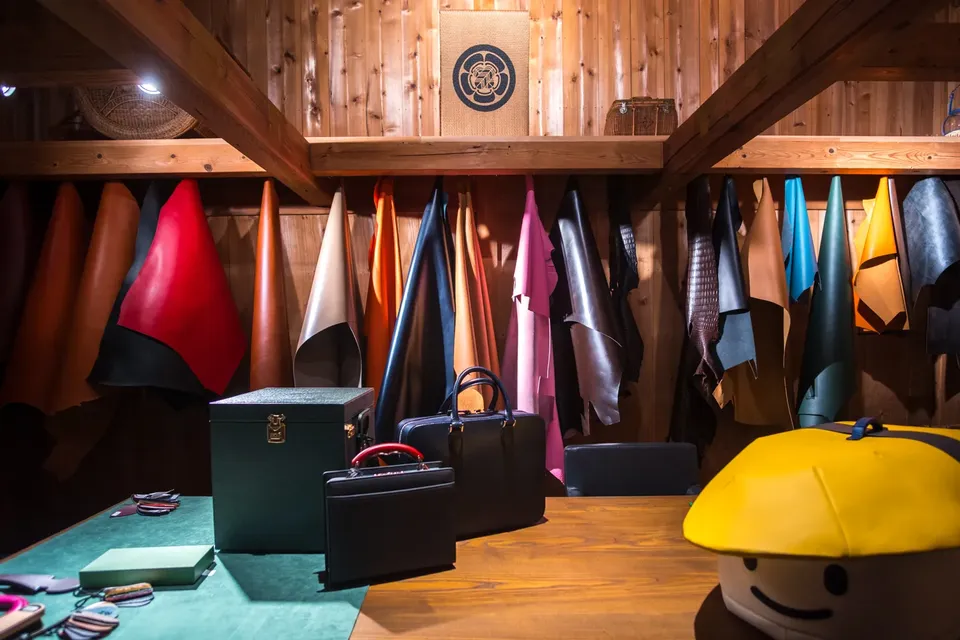
Masterpieces Wrapped in Stories
-
Adventure & Experience
Experience Zen in the Forested Hills of Hiroshima
-
Relaxing Stay
Stay in Traditional-Style Lodgings on Teshima Island
-
Art & Culture
Traditional Crafts Wrapped in Stories
-
 History
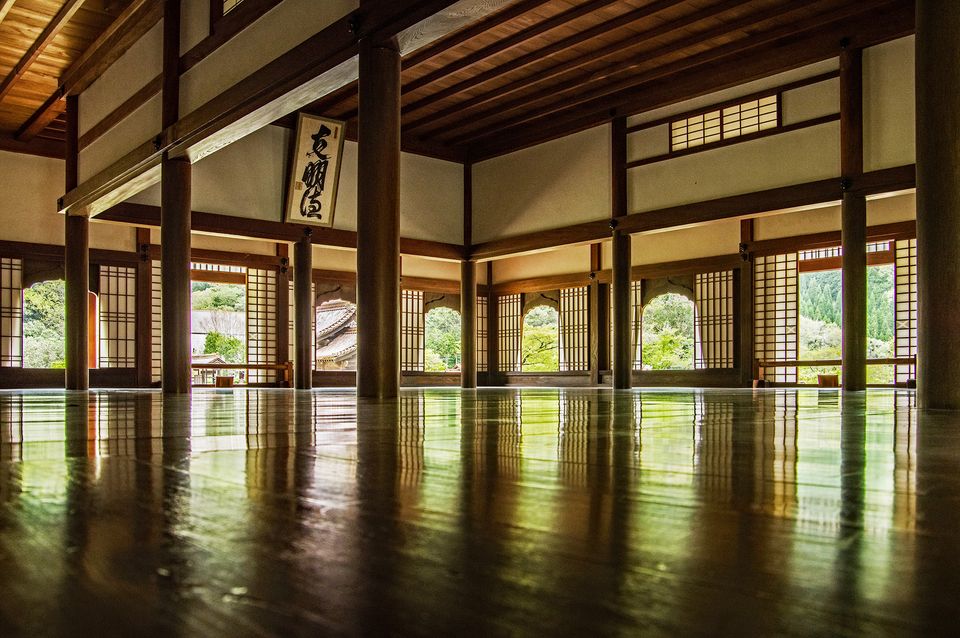
An Architectural Pilgrimage Through Setouchi: Experiencing the Region’s History, Tradition, and Modern Spirit
-
 Relaxing Stay
Bella Vista Spa & Marina Onomichi: The Luxury Hideaway Immersed Within the Beauty of Setouchi’s Many Islands
