


Itineraries
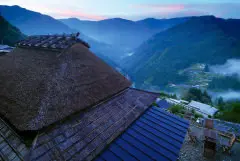
Experience the slow life in rustic homes on the mountainside
At the crossroads of Shikoku
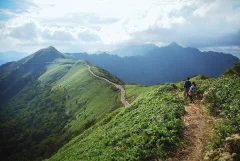
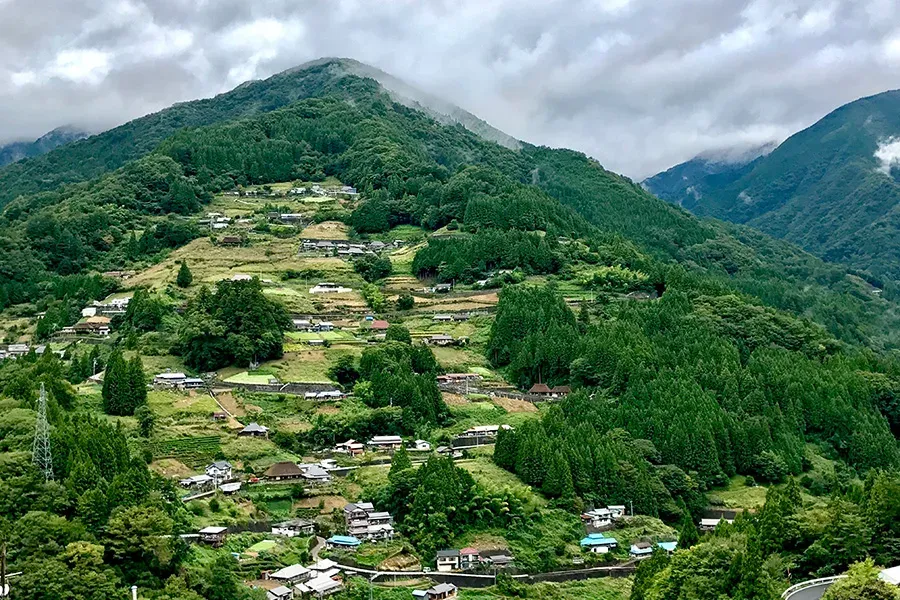
From ancient times, the Nishi-Awa district was the crossroads of Shikoku Island with its four domains (‘shi’ = four, ‘koku’ = domain). Located in the mountainous heart of Shikoku, anyone travelling between the domains would pass through this area. Today, roads have been cut along the low-lying river valleys. But in olden times, human pathways travelled high up, over the tops of the mountains, and with good reason. The valley bottoms were rocky and prone to flooding. Dangerous wild animals lurked. The hours when sunlight falls in the valleys are short, making it impossible to grow crops. And so human communities developed on the heights, where all the necessities for life can be obtained.
Since there’s no flat space anywhere on the steep mountainside, platforms had to be created using stones as the foundations for houses and paths. These walls are made without mortar and cement, using only careful placement of the stones to keep them in place. But once built, these walls have lasted for centuries.
Ancient sustainable farming methods
With no flat ground for growing food, the farmers of the hills developed ways of coping with the challenges of cultivation on slopes. The rows of crops follow the curvature of the hillside to prevent erosion and trap water rolling down the slope. Farmers collect wild grass and store it in stooks. This nutrient-rich organic material is then used to mulch food crops, in a completely natural and sustainable process. Not surprisingly, food produced in this way tastes wonderful too.
- Day 1
- Tokushima-Mima-Miyoshi
Legend and enormous trees will enliven your stay in this unique region.


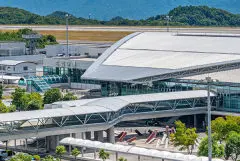
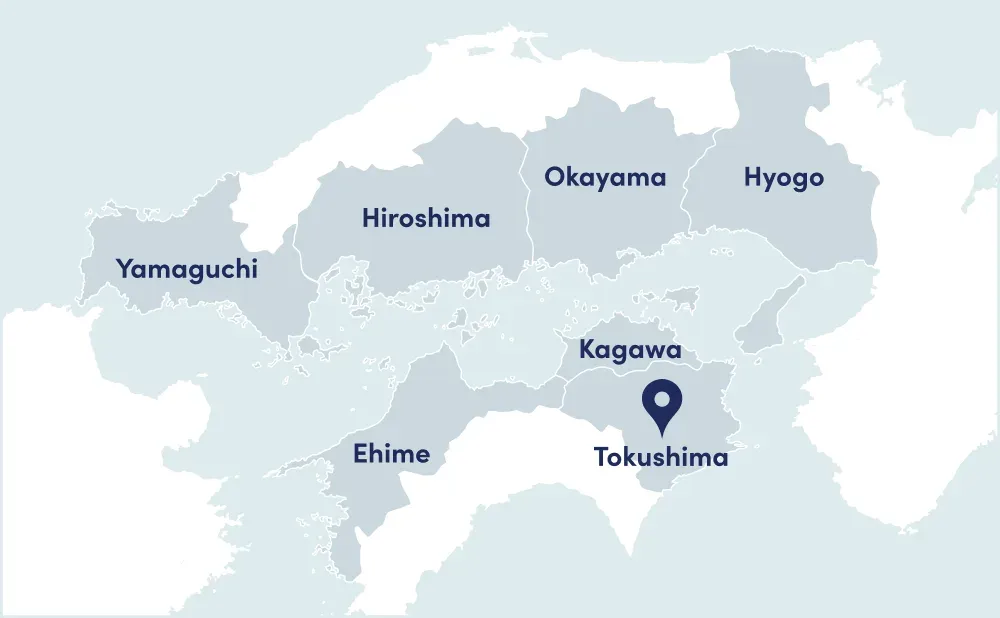
Arrive at Tokushima Awaodori Airport, and take a taxi to Nishi-Awa.Head upstream along the Yoshino River and visit the indigo dyeing studio in Wakimachi.Lunch is fresh vegetables at a farm restaurant.In the afternoon, visit the Iya Valley on the Yoshino River, and stay at Oboke and Iya.
Tokushima Awaodori Airport — Wakimachi indigo dyeing studio —- Fuchimyo Village Farmhouse Restaurant Fuwari — Oboke and Iya Onsen
Related See & Do
-
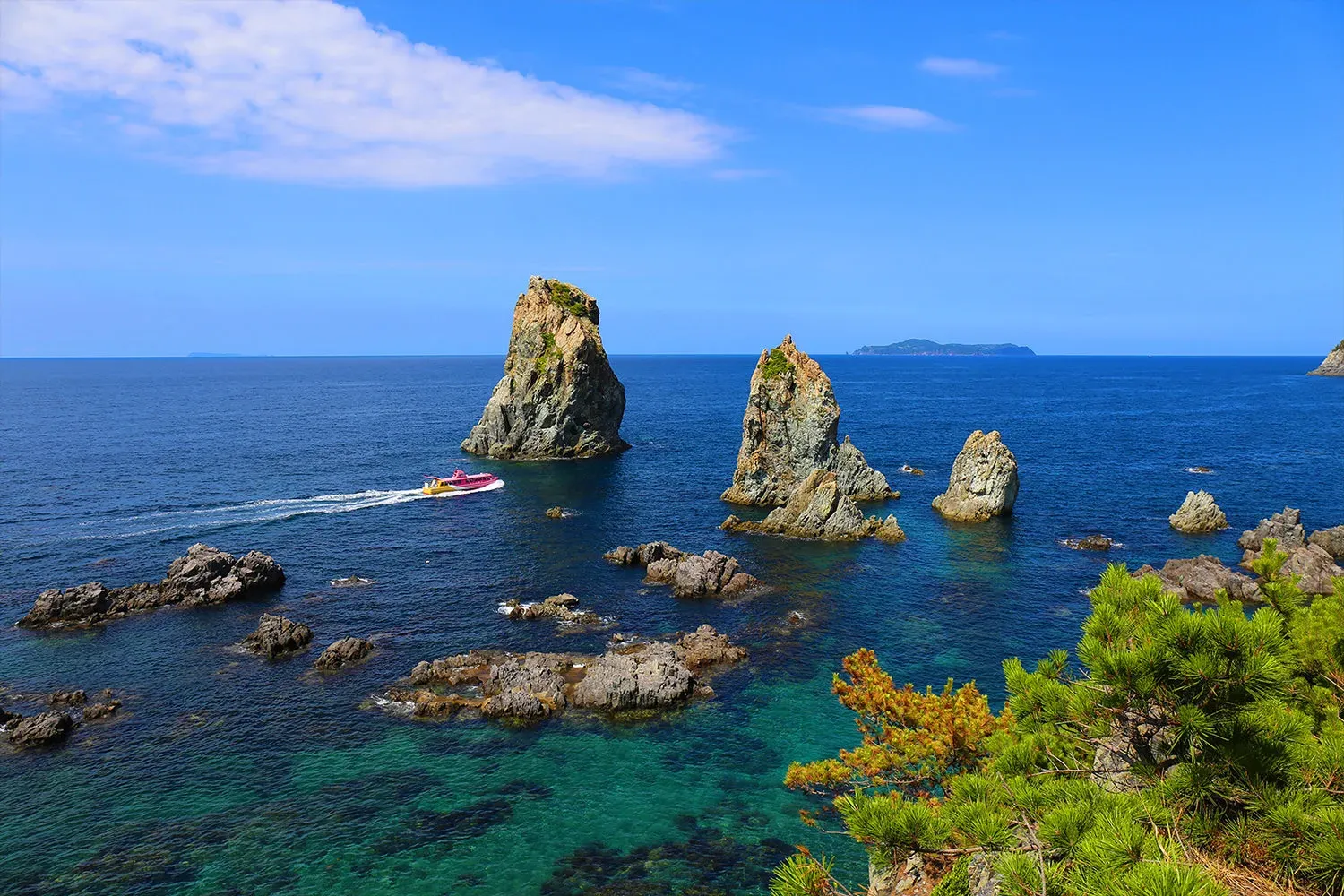
Nature
Omijima Island Sightseeing Cruise
Yamaguchi
-
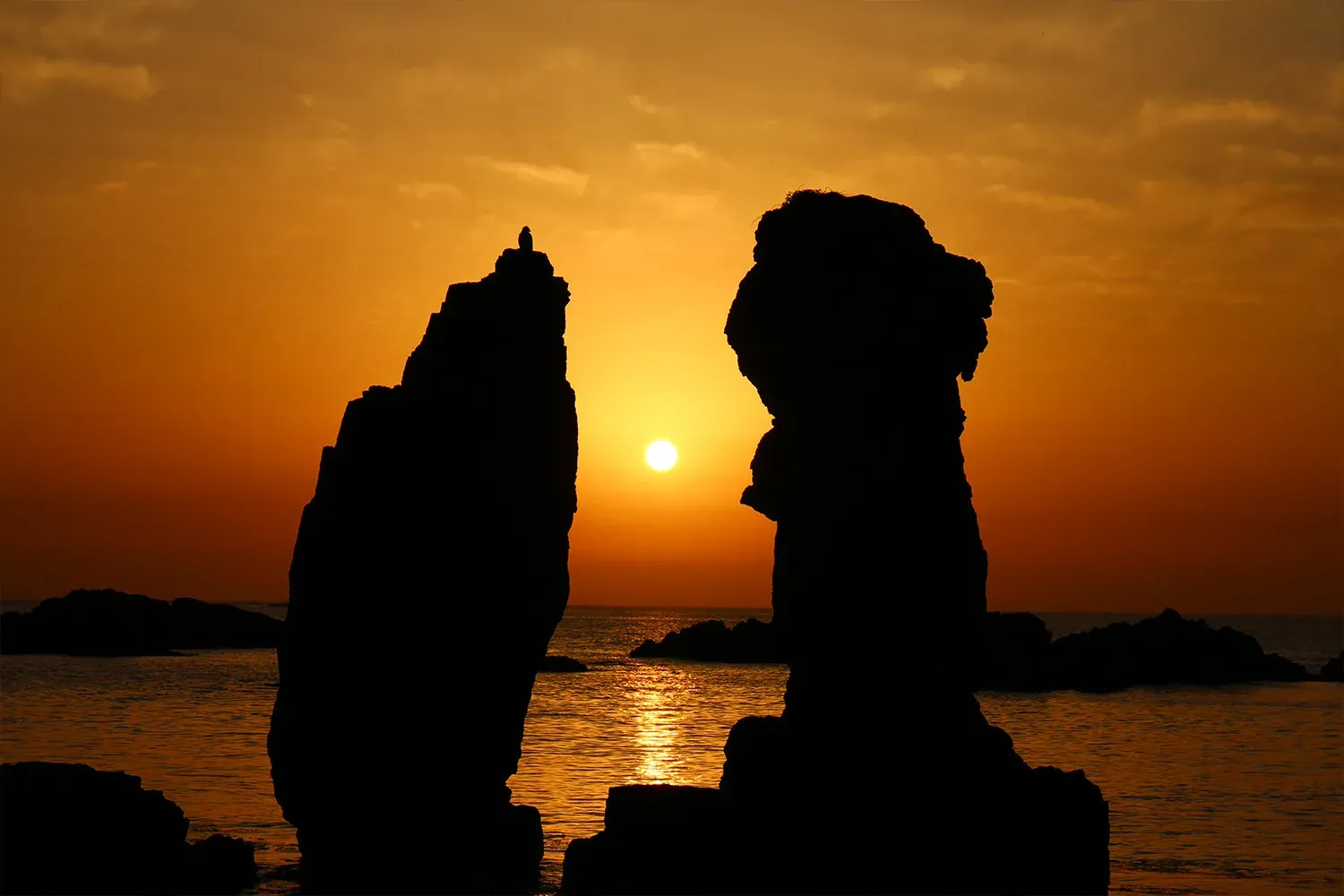
Nature
Omijima Island Nature Research Road
Yamaguchi
-
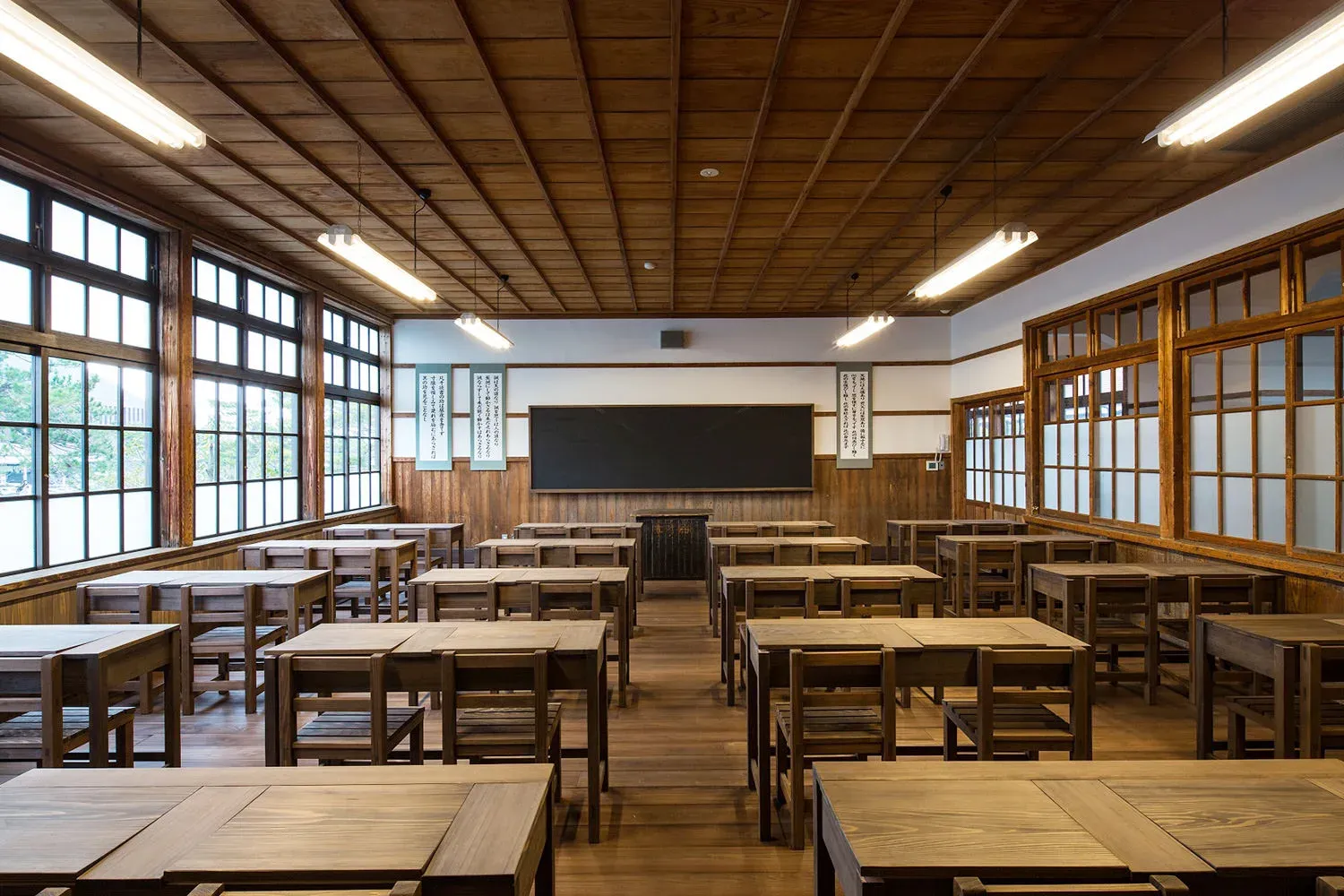
Activities
Hagi Meirin Gakusha
Yamaguchi
-
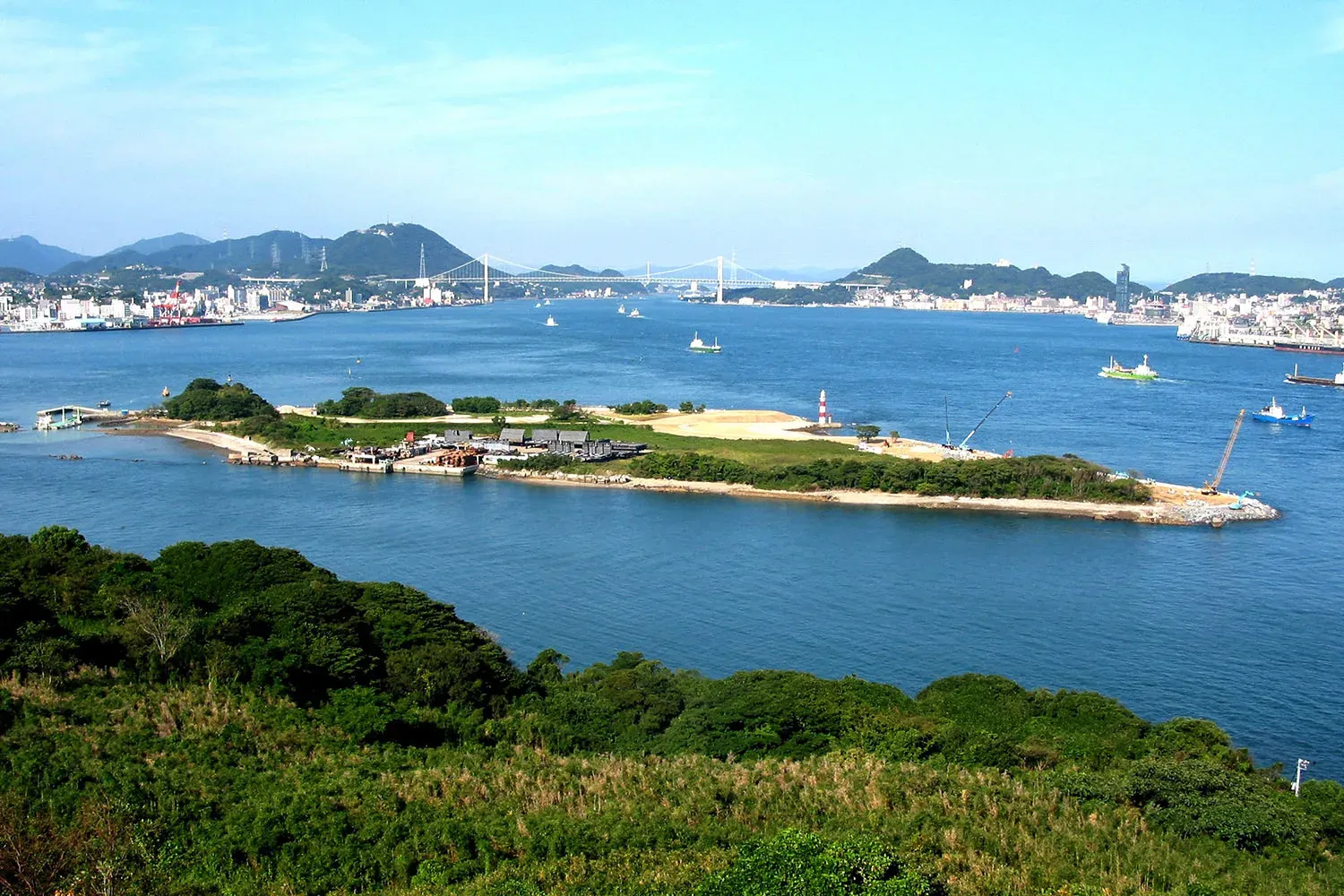
Nature
Ganryujima Island
Yamaguchi
-
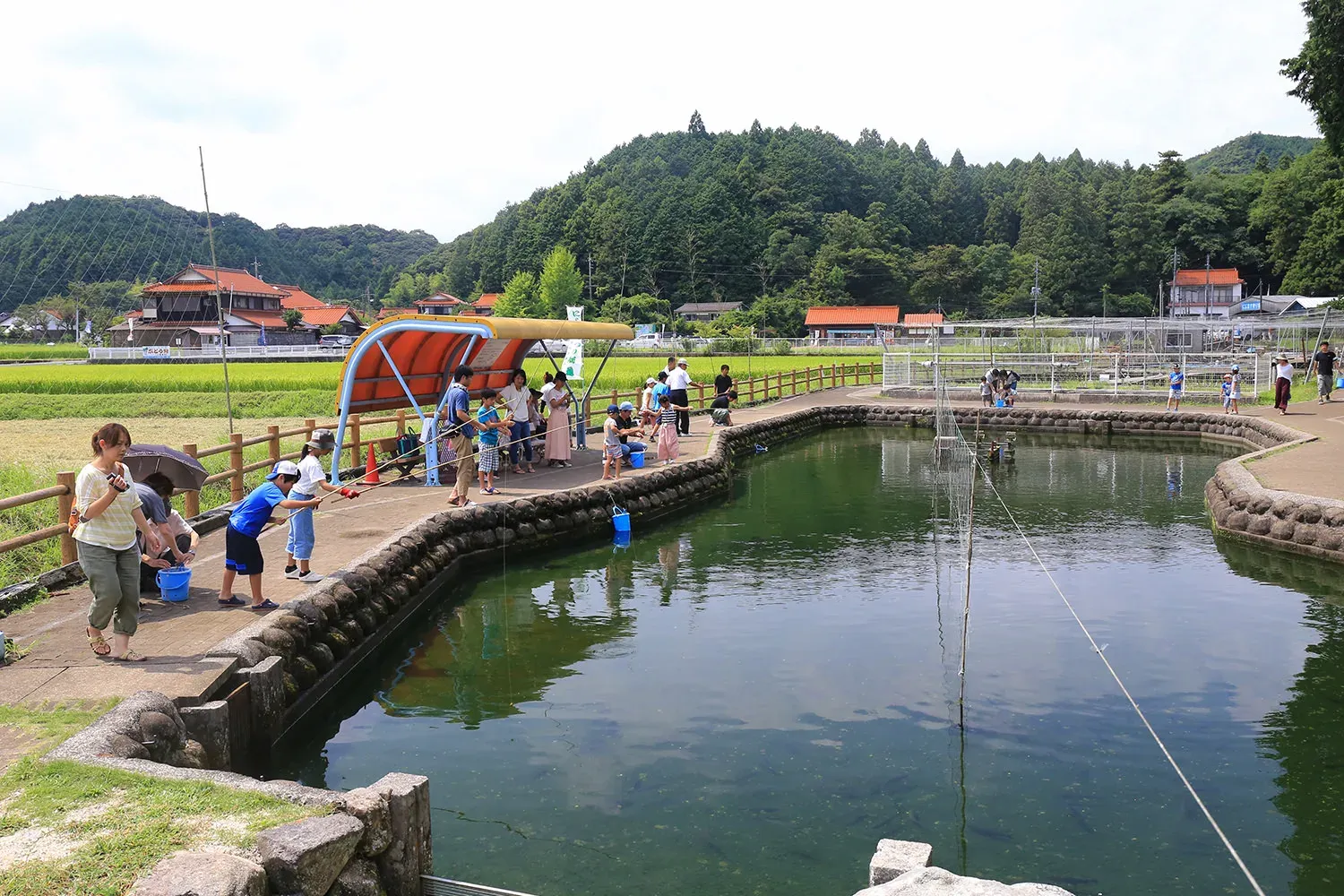
Nature
Beppu Benten Pond
Yamaguchi
-
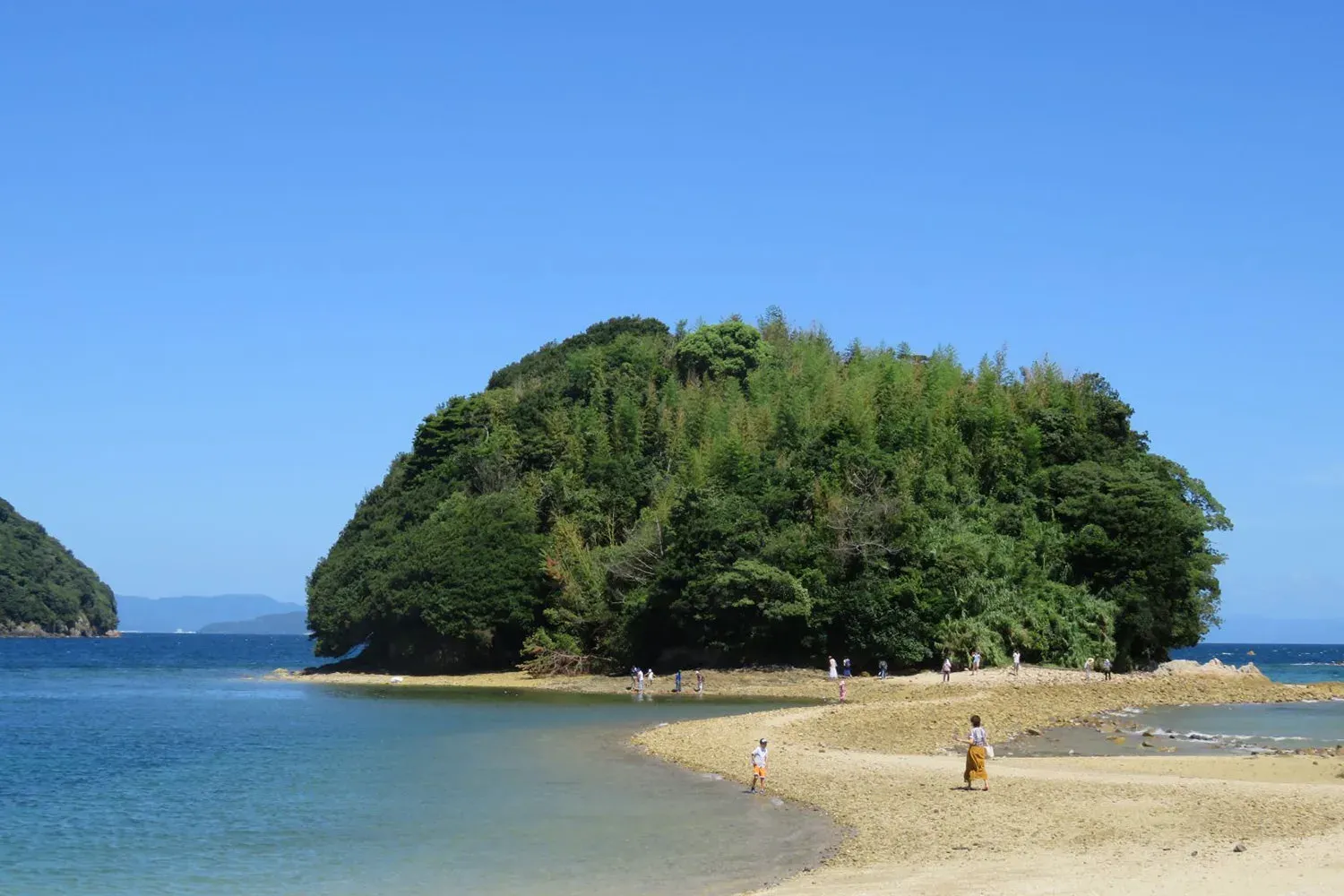
Nature
Shingu Island
Yamaguchi
-
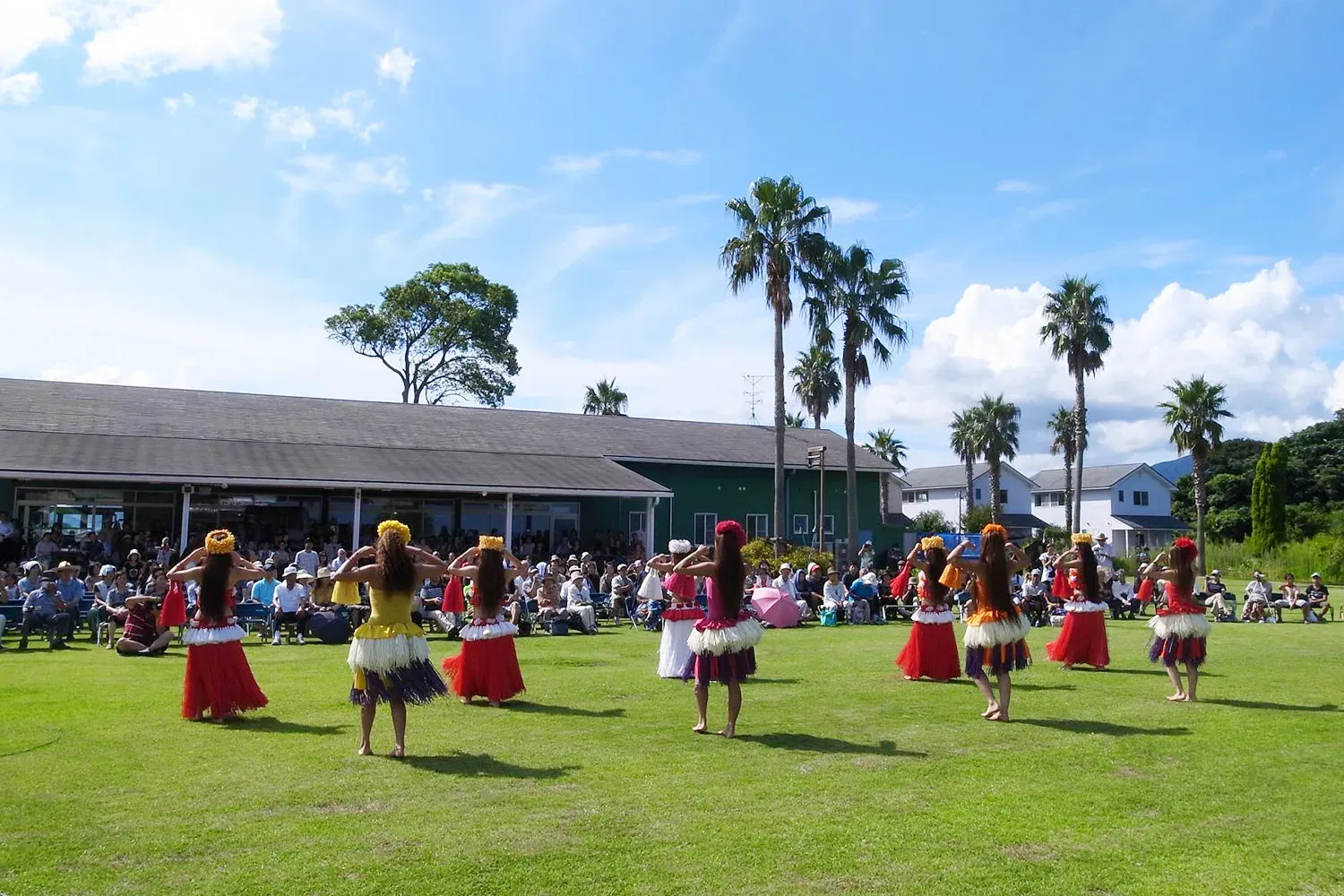
Activities
Saturday Hula on Suo-Oshima Island
Yamaguchi
-
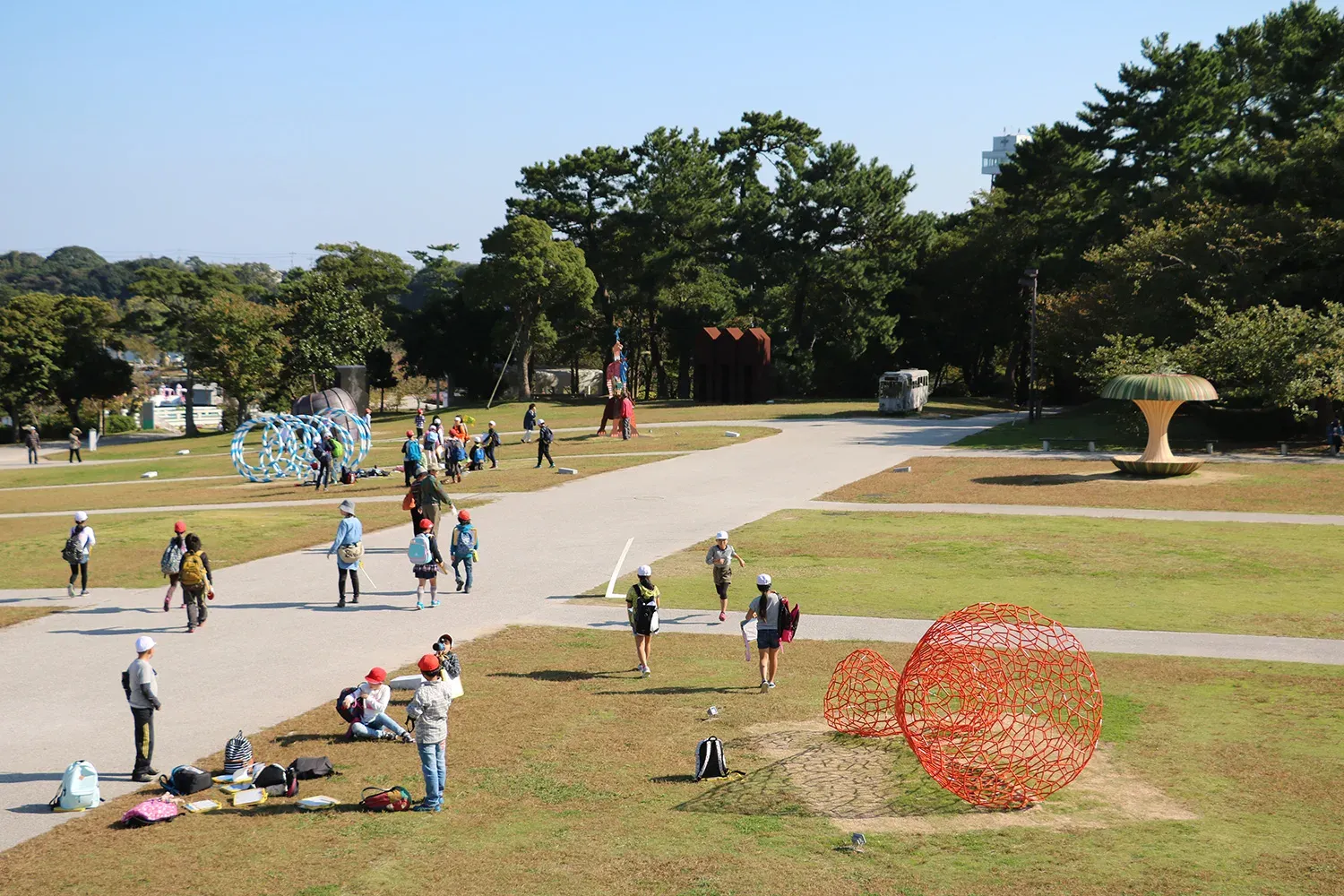
Nature
Tokiwa Park
Yamaguchi
-
Nature
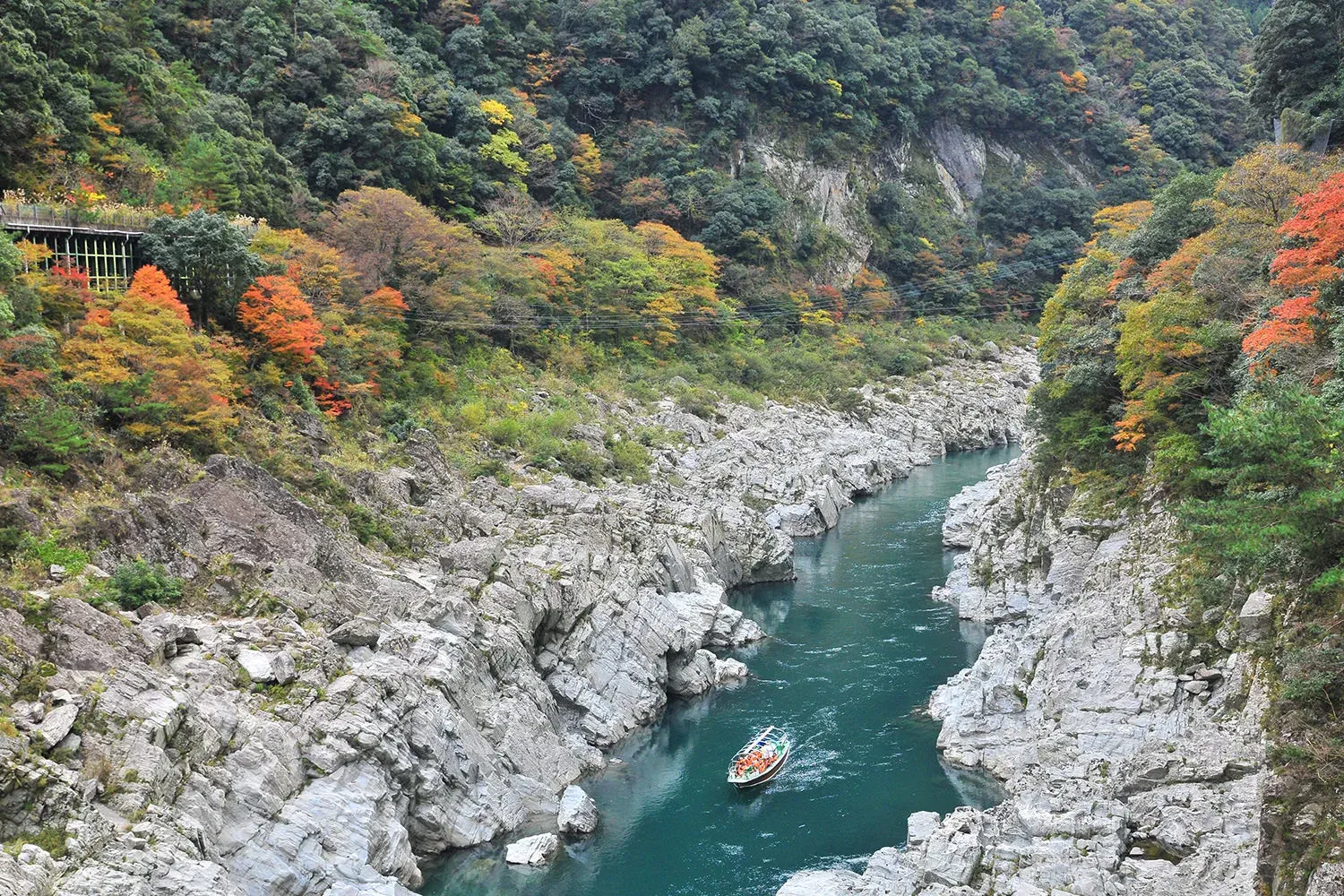
Oboke and Koboke Gorges
Tokushima
Related Articles
-
Art & Culture
Setouchi’s Hidden Art Gems
-
Art & Culture
Tour Local Kilns to Experience the Venerable Tamba-Ware Pottery Tradition
-
Adventure & Experience
Immerse Yourself in the Kamijima Islands Through Community-Focused Cycling Tours
-
Adventure & Experience
Five Cycling Routes in Setouchi
-
Adventure & Experience
Breakfast With a View: Experience Hiroshima Through Guided Hikes
-
Adventure & Experience
Discover Hiroshima’s Broader History With City Center Cycling Tours
-
Adventure & Experience
Experience the Shimanami Kaido’s Longest Bridge from Guided Tours to the Top
-
 Art & Culture
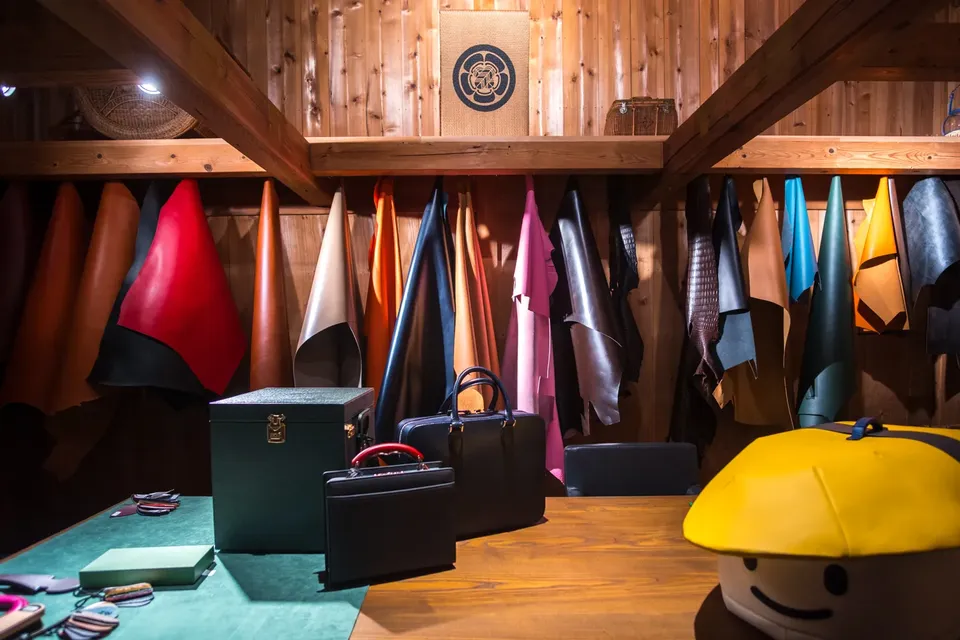
Masterpieces Wrapped in Stories
-
Sea & Nature
5 Scenic Spots to Experience the Unique Nature and Landscapes of Setouchi
