



Itineraries
A Trip to the Living History and Culture of Shikoku's Setouchi
Highlights
Before & After
To get to our starting destination of Takamatsu, take the Shinkansen to JR Okayama station, then board a conventional train to Takamatsu City. The trip should take approximately 2 hours from Osaka.
From Matsuyama City in Ehime Prefecture, it’s convenient to use Matsuyama Airport or JR Matsuyama Station to return to Okayama which provides direct access to the Shinkansen.
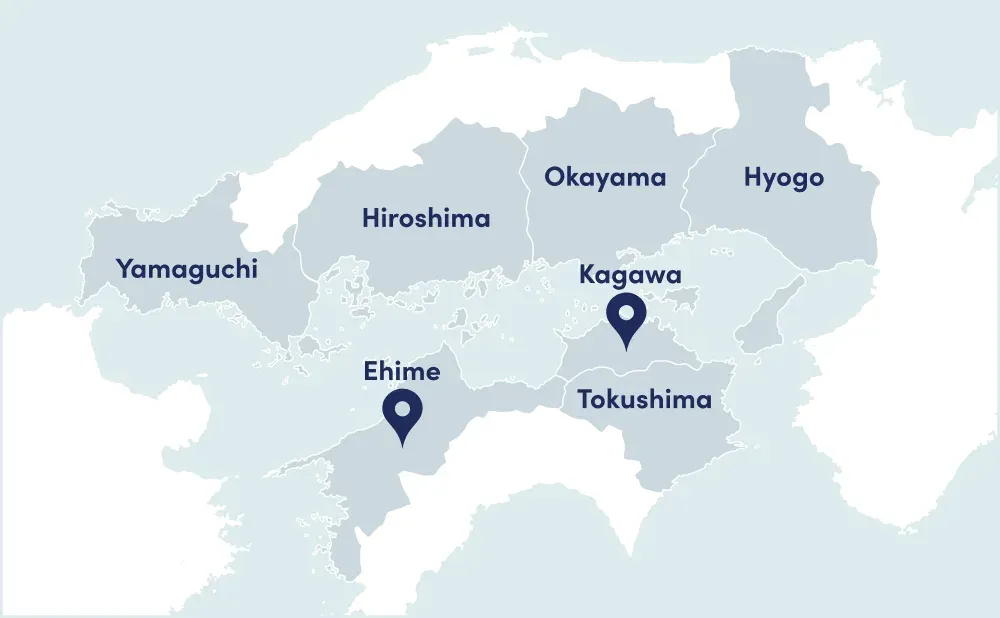
A leisurely stroll through one of Japan’s most exquisite gardens sets the stage for a succession of historical and cultural sites on Shikoku island, the far shore of the Setouchi region. Over a three-day period, you can experience the history and culture thriving in the least visited of Japan’s main islands. Join us and discover that the gardens, architecture, food, and historical monuments do not merely exist in the background of everyday life on Shikoku, but rather, help form the very fabric of daily life.
- Day 1
- Kagawa
Ritsurin Garden


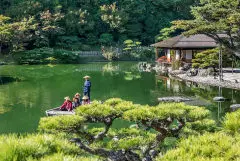
Takamatsu City hosts the largest, and one of the most beautiful, Japanese gardens in the country. Construction of this manicured masterpiece of nature started in 1625, and took more than a hundred years to reach its full glory. Until Japan entered the modern world, this 16 hectare ‘garden on a grand scale’ was reserved exclusively for local nobility. But the political climate changed, and Ritsurin Garden was declared a prefectural park in 1875, exactly 250 years after its inception. Finally, the general public could see what had remained hidden behind the garden walls. Apart from the 1400 beautifully manicured pine trees, a host of cherry trees, and droves of other vivid plant life, one of the most attractive features of the garden is the way it has been integrated into the adjoining low lying hills, stretching up to the local peak, Mount Shuin. Taking in this garden vista, our eyes are fooled into seeing the view spreading far beyond the garden’s outer wall. This scenic enhancement continues within the park, with artificial hills and six lakes adding distance and topographical diversity, miniaturizing nature onto a very Japanese scale. Taking a boat ride on the glass-like ponds is highly recommended, as is a visit to the teahouse. Sipping tea while looking out over the tranquil garden and carp-filled ponds, delivers a quintessentially Japanese experience.
Nakanishi Chinshoen (Bonsai)


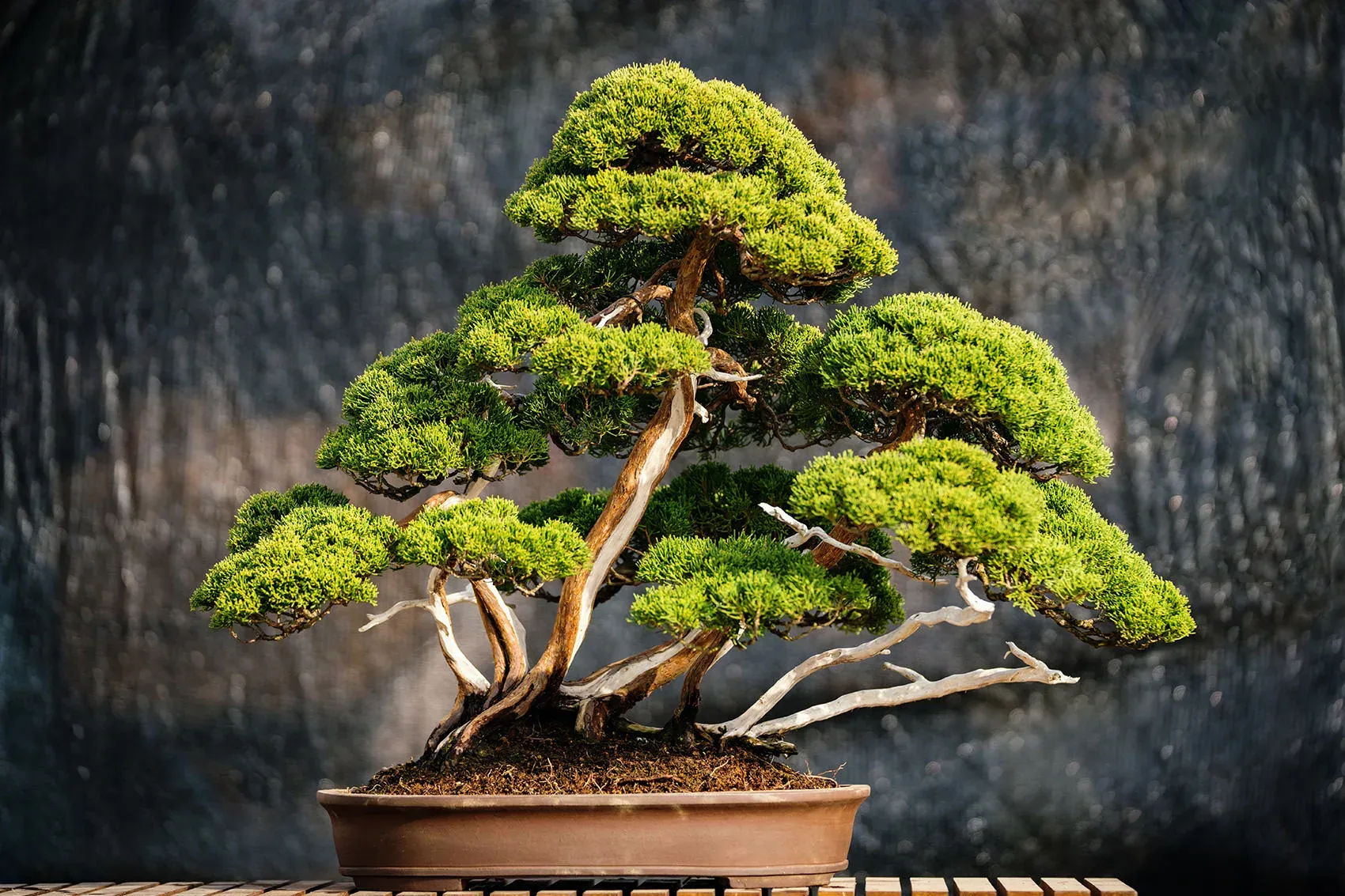
Takamatsu contains another botanical gem, although this time on a much smaller scale. The Nakanishi Chinshoen bonsai garden, only 15 minutes from downtown, has been run by the Nakanishi family for five generations, and forms the centerpiece of Kinashi Bonsai District, a small area that accounts for around 80% of all pine bonsai produced in Japan. Established more than 100 hundred years ago, Nakanishi Chinshoen not only displays some of the oldest and finest examples of pine bonsai in existence, but also leads research into this most meticulous of the manicuring arts. Nakanishi Chinshoen is open to the public, and the staff are passionate about spreading their love for bonsai as a way of bringing people closer to nature. Contact the garden to arrange a personalized sightseeing tour, and let the friendly staff guide you into the secret life of bonsai. You can even purchase plants directly from the garden nursery.
- Day 3
- Ehime
Uchiko: Walking in Uchiko


The town of Uchiko is gaining popularity as a venue for historical walking tours. The slower pace of engaging with this beautiful time-capsule hidden in Ehime Prefecture gives visitors the chance to imagine themselves in Meiji Japan, or even pre-modern Edo era. During those times, Uchiko was riding high as a center for wax and candle production, its affluence reflected in the ornate buildings of the era. Paying homage to this history, the town now has more than 90 merchant houses restored to their original eighteenth and nineteenth century condition. The best way to take it all in is to walk the streets with guide. Having them point out distinctive motifs and architectural features from the town’s glory days gives context and guidance, allowing you to see far deeper into this town’s history than if you tackled its specially preserved streets unaccompanied. But Uchiko is more than just a nostalgic townscape – multiple museums, and the famed Uchiko-za theatre, with its fascinating backstage tour, are highlights that will have you lingering, wanting to know more. As a final treat, be sure to drop into Omori Warousoku, the last place in the town still producing handmade candles – and while you’re there, pick yourself up a piece of history as a souvenir.
Matsuyama Castle


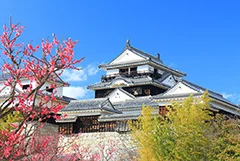
Matsuyama Castle is built on the flattened summit of Mt. Katsuyama, positioned in the very center of the namesake city which it protected for centuries. Constructed between 1602 and 1628, it is one of just twelve castles to retain its original Edo-era keep intact through Japan’s turbulent emergence into a modern nation. Today, all twenty-one of Matsuyama Castle’s buildings are listed as Important Cultural Properties by the national government, and it is one of Japan’s most treasured castles. The castle’s steep hilltop position allows for superb views of the surrounding countryside, and far into the Seto Inland Sea which alone will prove well worth the 20 minute walk to the top. If the walk isn’t ideal for you,the castle’s cable car and chair lift options may prove an attractive alternative to the climb. Over the centuries, parts of the castle have been destroyed by fire or bombardment, but thanks to historic renovations and meticulous maintenance, Matsuyama Castle offers a rare history lesson in feudal architecture and warfare that will fascinate all ages. As a bonus, you can also hire armor and wield a sword to elevate your castle experience to a completely different level of authenticity.
Related See & Do
-
Nature
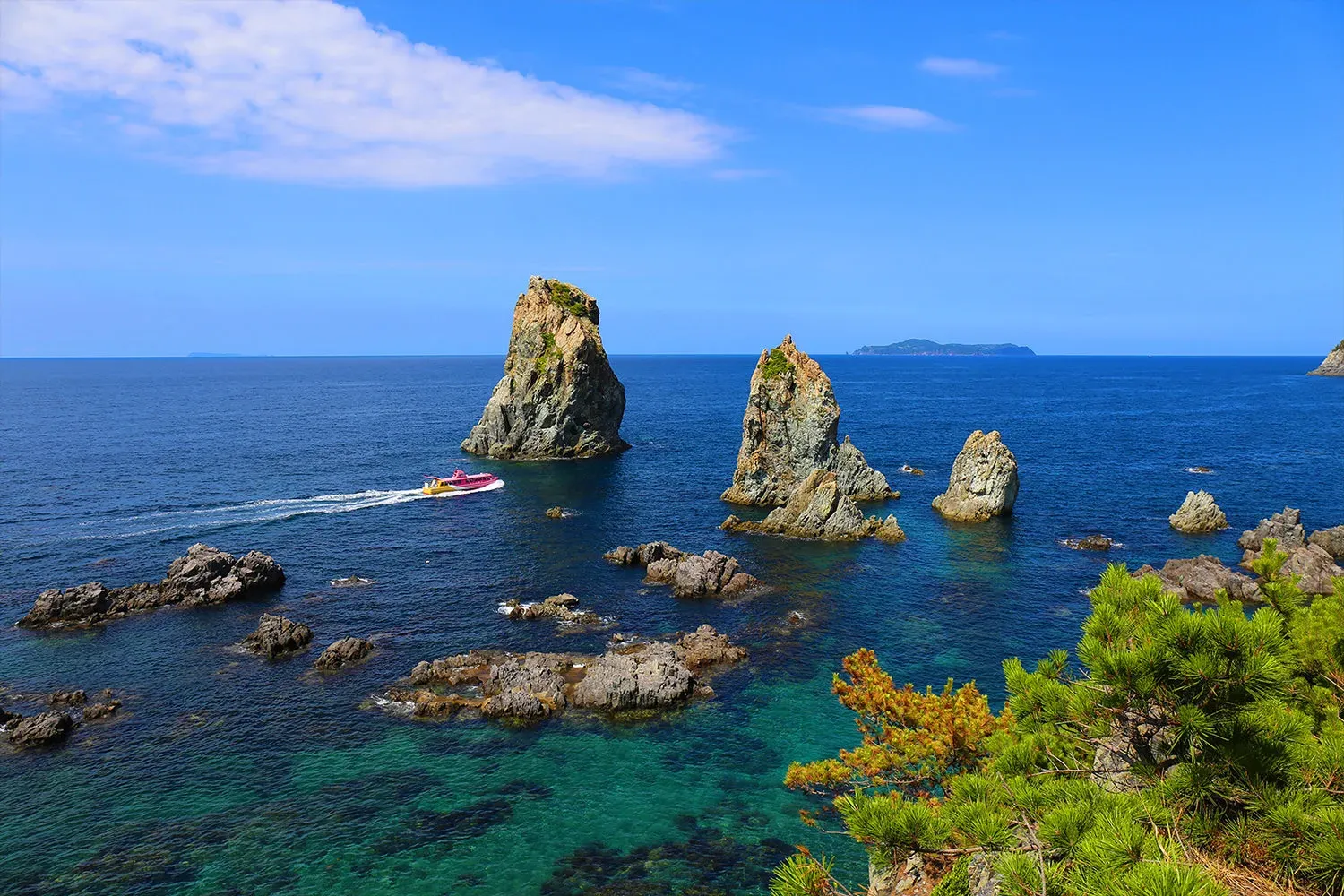
Omijima Island Sightseeing Cruise
Yamaguchi
-
Nature
Omijima Island Nature Research Road
Yamaguchi
-
Nature
Ganryujima Island
Yamaguchi
-
Nature
Beppu Benten Pond
Yamaguchi
-
Nature
Shingu Island
Yamaguchi
-
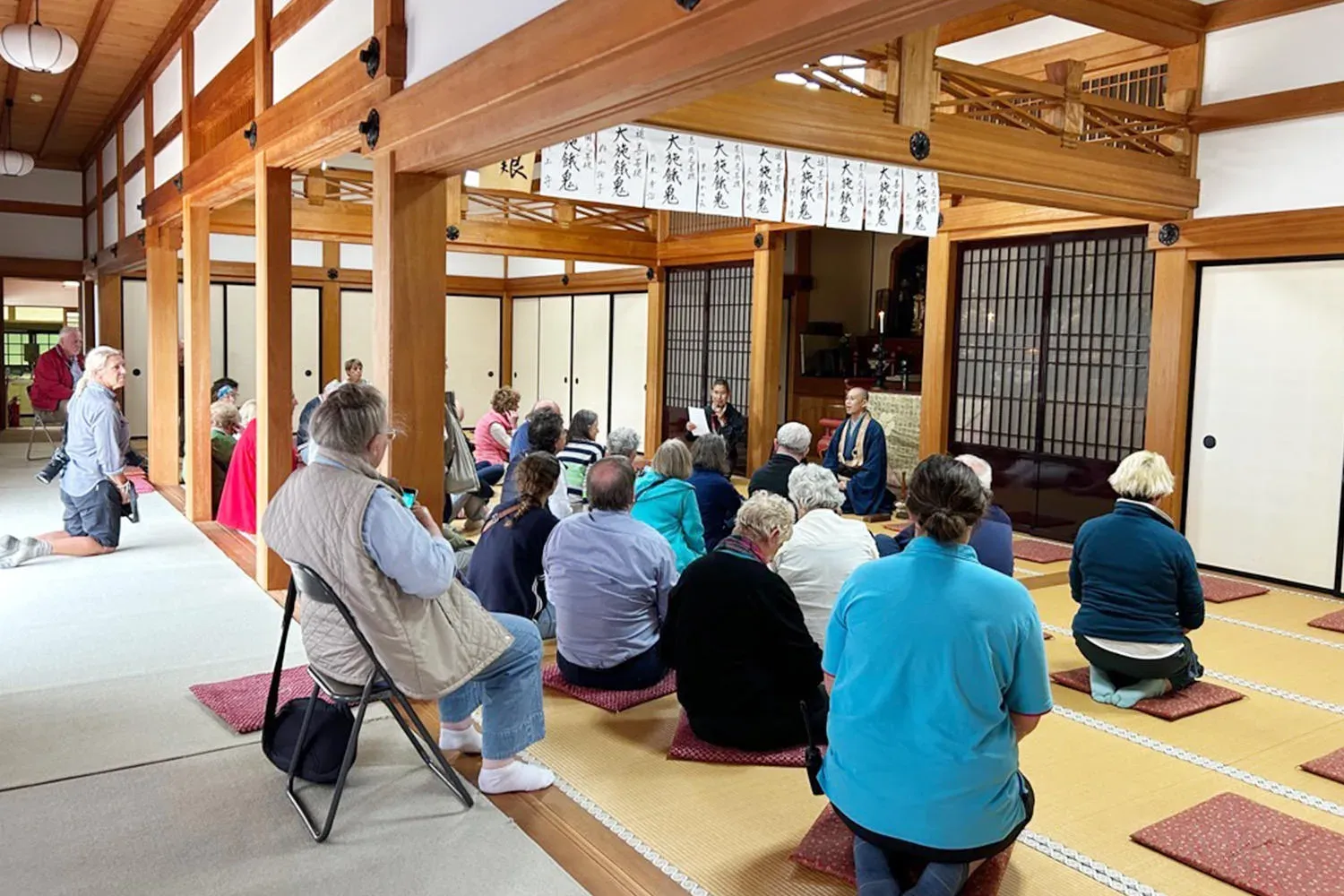
Temples & Shrines
Sorinji Temple
Yamaguchi
-
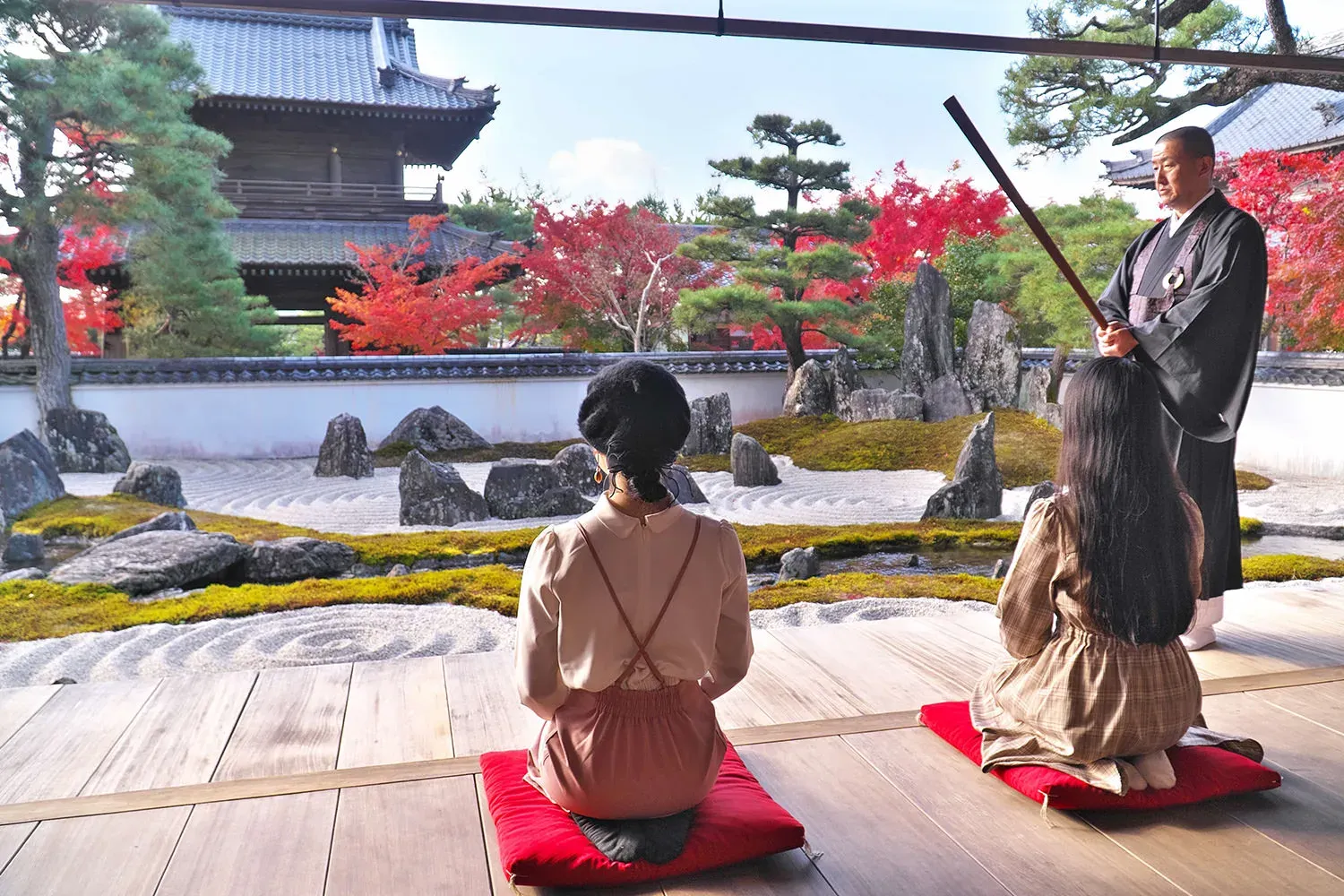
Temples & Shrines
Kanyoji Temple
Yamaguchi
-
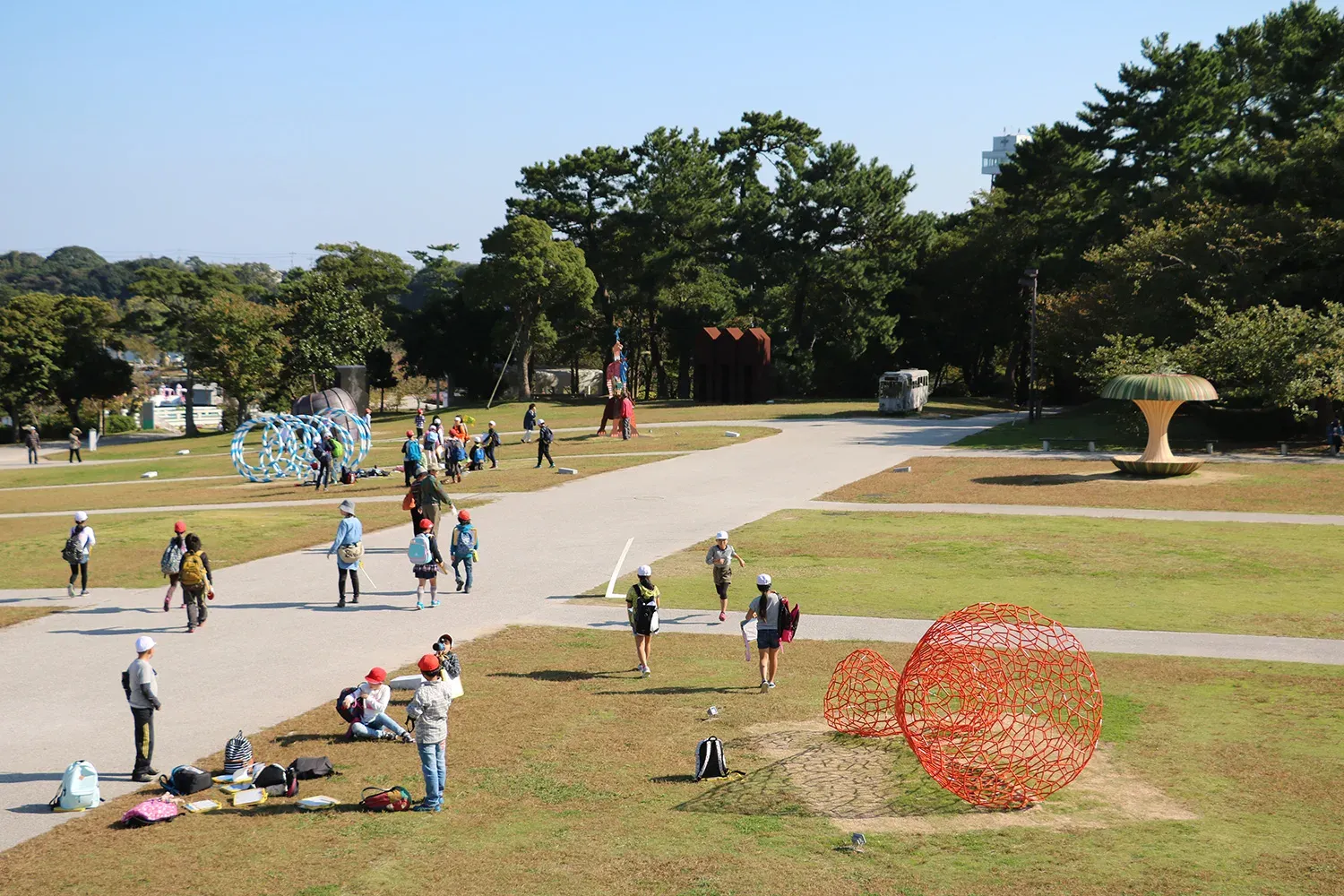
Nature
Tokiwa Park
Yamaguchi
-
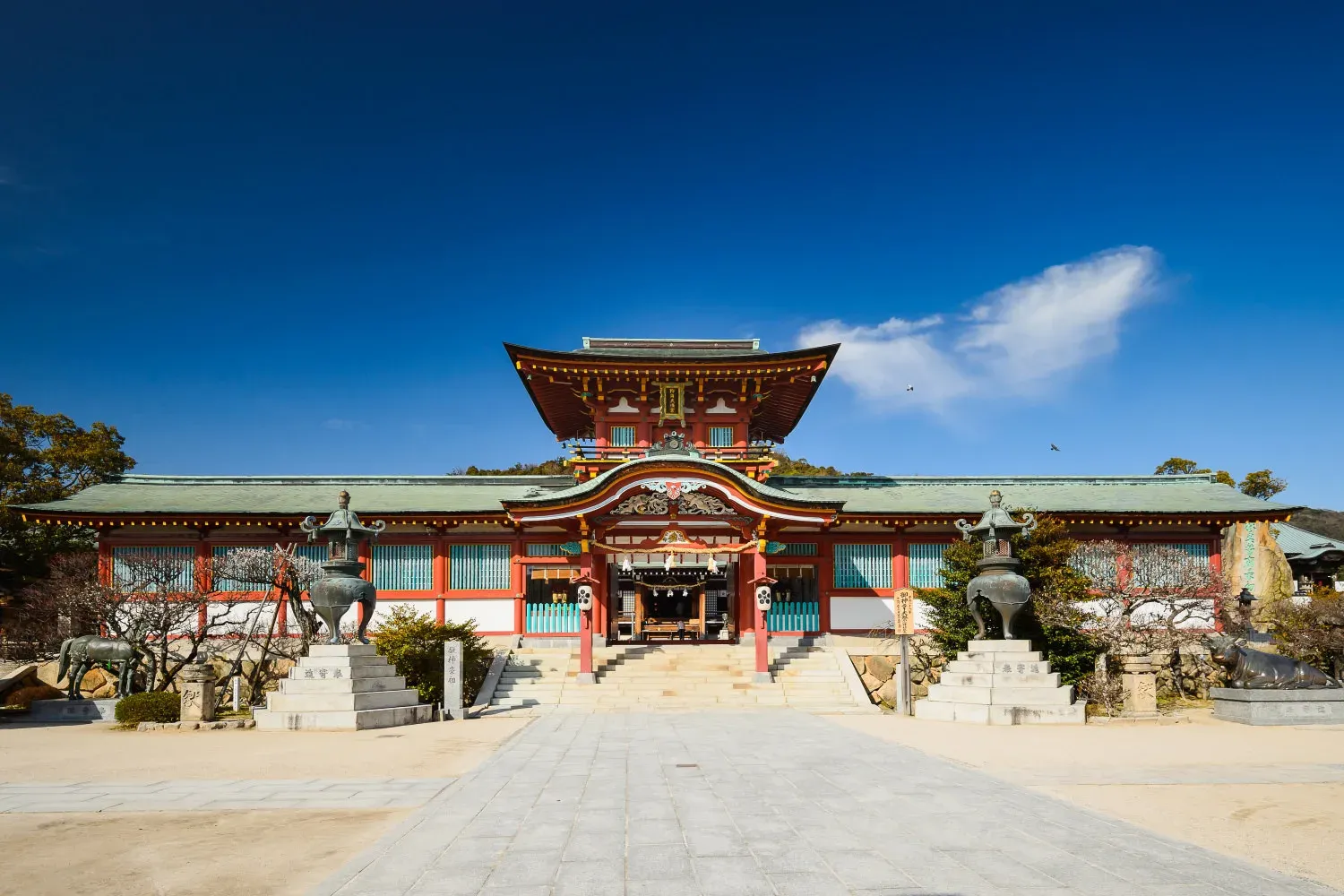
Temples & Shrines
Hofu Tenmangu
Yamaguchi
Related Articles
-
Adventure & Experience
Five Cycling Routes in Setouchi
-
Sea & Nature
5 Scenic Spots to Experience the Unique Nature and Landscapes of Setouchi
-
Adventure & Experience
Experience Zen in the Forested Hills of Hiroshima
-
Relaxing Stay
Stay in Traditional-Style Lodgings on Teshima Island
-
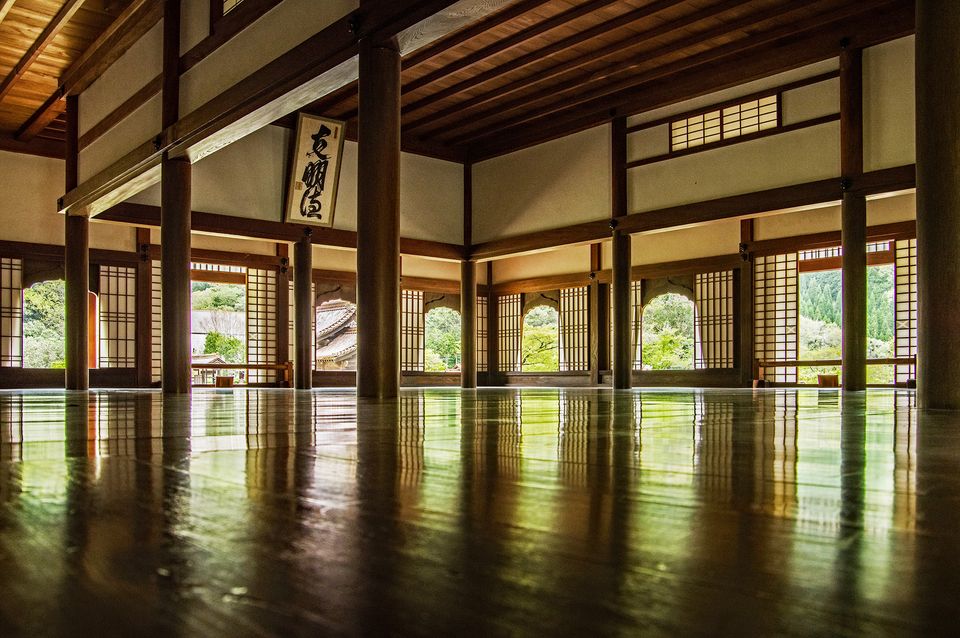 History
An Architectural Pilgrimage Through Setouchi: Experiencing the Region’s History, Tradition, and Modern Spirit
-
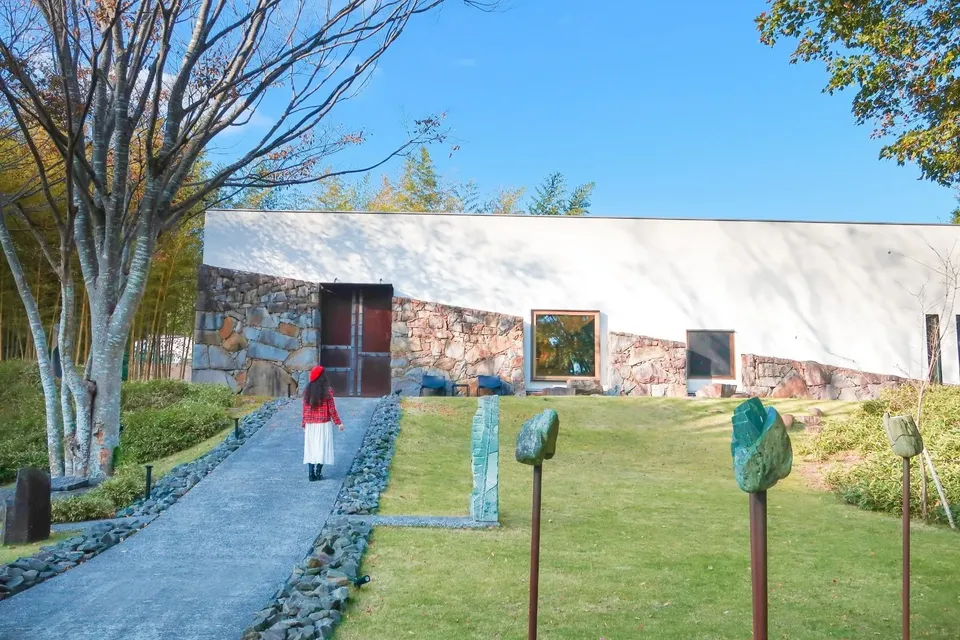 Relaxing Stay
Atelier O-HUIS: Experience 25 Years of Art at This Sculptor’s Atelier Turned Into a Luxury Inn
-
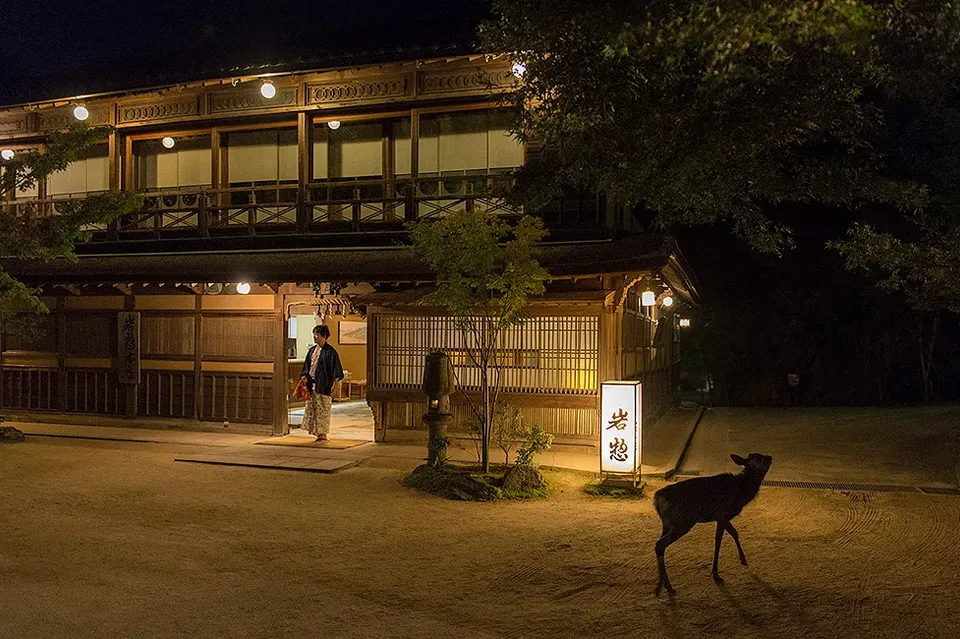 Relaxing Stay
IWASO - Miyajima’s Iconic Inn
-
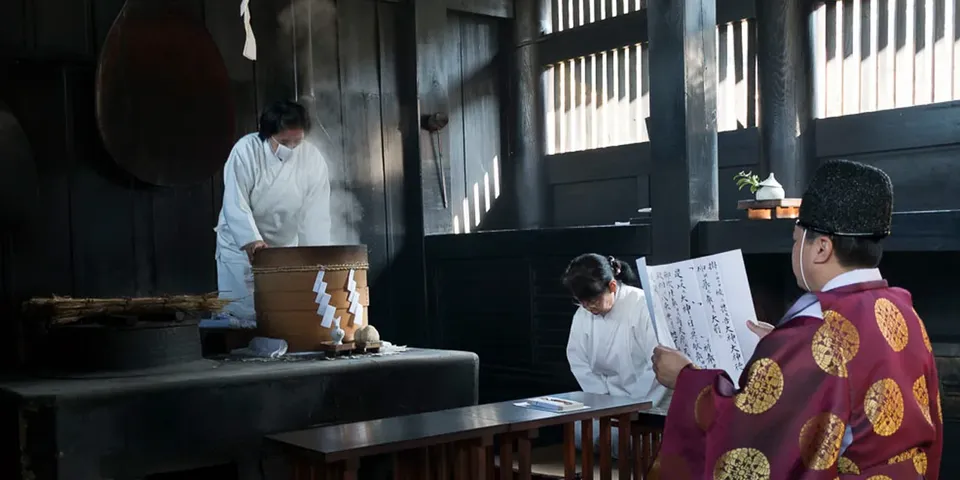 History
Kibitsu-jinja Shrine - Interview with a Demon
-
 History
Onomichi City - Where Temples, Cats, and Bicycles Collide (in a Good Way!)
