

Essen & Trinken
Eine kulinarische Reise durch die reiche Natur Setouchis: Fünf Must-Try-Spezialitäten aus jeder Region

-
- VERWANDTE SCHLAGWÖRTER
-
- LETZTE AKTUALISIERUNG
- 25. Dezember 2025
Die Setouchi-Region, die sich über sieben unterschiedliche Präfekturen rund um ein Binnenmeer mit Tausenden von Inseln erstreckt, bietet ein Mosaik an Eindrücken, das sich ganz selbstverständlich auch in ihrer Esskultur widerspiegelt. Mit Zutaten, die sowohl vom Meer als auch von den Bergen geprägt sind, sowie lokale Bräuche mit jahrhundertealter Geschichte, verleihen der Region eine kulinarische Identität, die unmittelbar an den Ort gebunden ist.
Der Spur der Esskultur Setouchis zu folgen, ist eine der besten Möglichkeiten, den Charakter der Region zu verstehen. Diese Reise dreht sich nicht nur um den Geschmack der Speisen, so lohnend dieser auch ist, sondern ebenso um Kultur, sich wandelnde Traditionen und die Landschaften, die die Gerichte leise formen: vom Meer über die Berge bis zu den Inseln dazwischen.
In diesem Artikel stellen wir fünf lokale Food-Erlebnisse aus fünf Präfekturen vor. Dazu zählen international bekannte Delikatessen wie das Kobe-Rind, für das die Setouchi-Region mit Stolz verantwortlich ist, ebenso wie weniger bekannte, aber ebenso überzeugende Gerichte: von gegrilltem Conger-Aal bis zu Udon-Schalen. Serviert werden sie in Restaurants mit traditionellem Flair oder, in manchen Fällen, mit auffallend modernem Ansatz, der sich in kleinen, durchdachten Details zeigt, um klassische Gerichte einem breiteren Publikum zugänglich zu machen.
Inhaltsverzeichnis
- 1. Kobe Beef Gallery (Kobe, Hyōgo) | Die Kunst des Fleisches, geboren aus Bergnatur und meisterlichem Handwerk
- 2. Anago-meshi (Miyajima, Hiroshima) | Ein Umami-Schatz aus der Setouchi-See
- 3. Karato Market (Shimonoseki, Yamaguchi) | Ein lebendiger Markt, an dem lokaler Fisch zusammenkommt
- 4. Tai-Küche & frischer Fisch im Narumimaru (Naruto, Tokushima) | Den Reichtum der Naruto-Meerenge genießen
- 5. Sanuki Udon by age 18 (Kagawa) | Traditionelle Nudeln und der Geist des Handwerks
- 6. Zusammenfassung | Setouchis „Geschmacksgeschichte“, gewoben aus Natur und menschlichem Können
1. Kobe Beef Gallery (Kobe, Hyōgo) | Die Kunst des Fleisches, geboren aus Bergnatur und meisterlichem Handwerk
Die Kobe Beef Gallery, auch bekannt als Kobe Beef Kan, ist nicht nur ein Restaurant, sondern ein Erlebnis für sich. Nur eine Gehminute vom Bahnhof Shin-Kobe entfernt, ermöglicht sie Besucherinnen und Besuchern, die Hintergrundgeschichte kennenzulernen, bevor sie ihren ersten unvergesslichen Bissen einer der begehrtesten Fleischdelikatessen der Welt genießen. Besucherinnen und Besucher erfahren mehr über die Geschichte des Kobe-Rinds, sehen, was den Herstellungsprozess einzigartig macht, beobachten die Zubereitung aus nächster Nähe und kosten es natürlich.
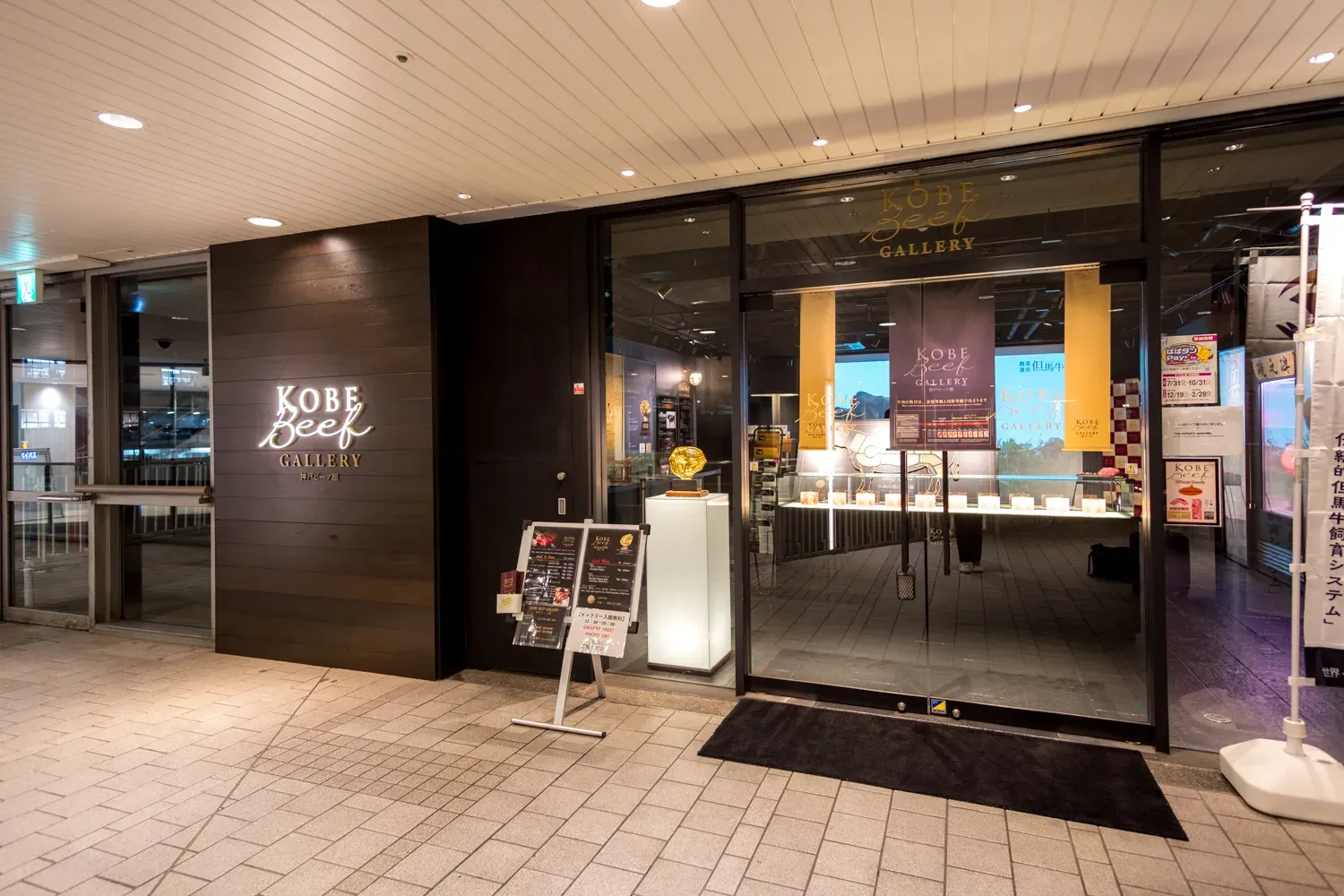
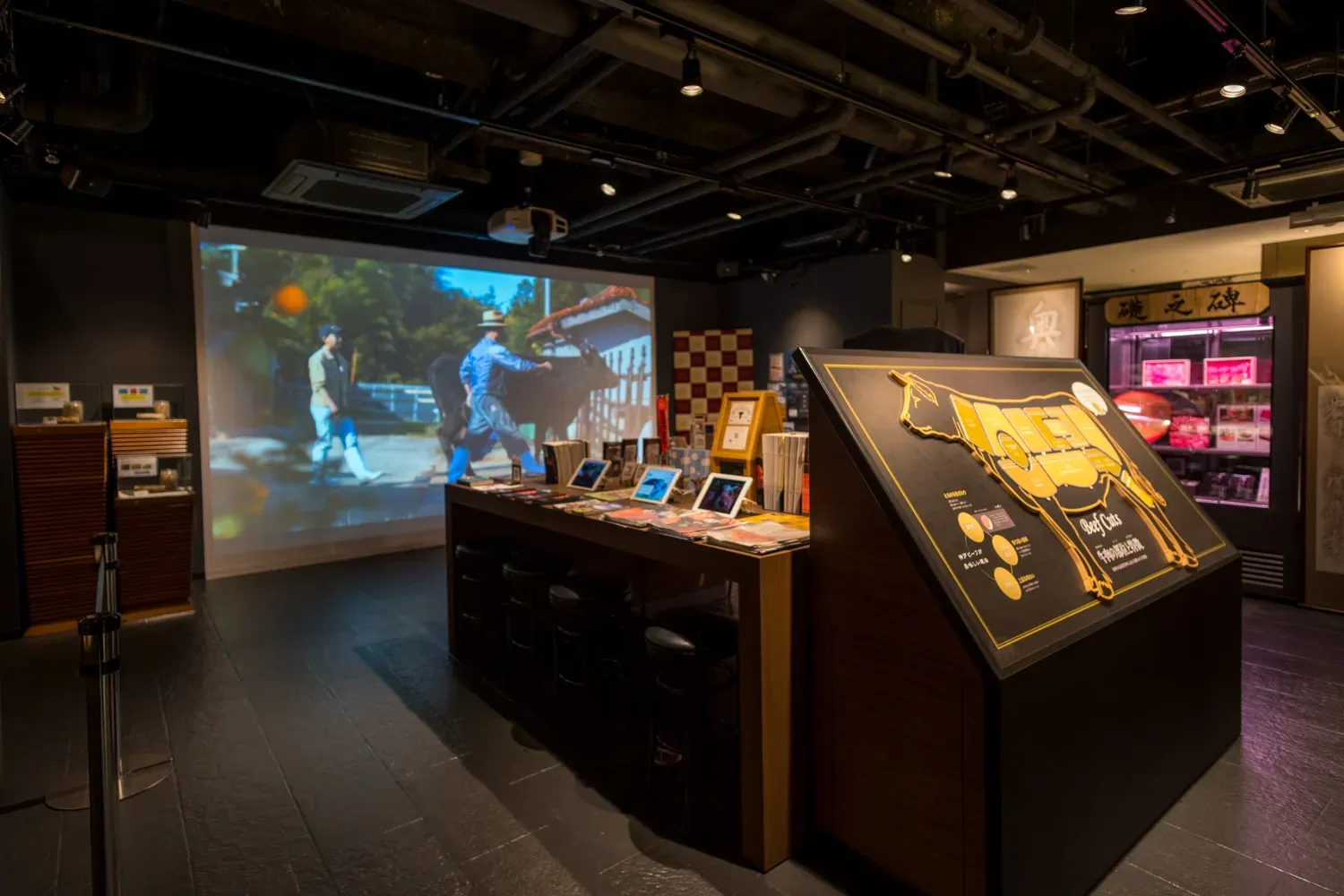
Die außergewöhnlichen Eigenschaften der Tajima-Rinder, die die Grundlage für Kobe-Rind bilden, gehen auf eine überlegene Blutlinie zurück, die über viele Jahre hinweg sorgfältig bewahrt und verfeinert wurde. Durch den bewussten Verzicht auf Kreuzungen mit Rindern aus anderen Regionen konnten diese Qualitäten kontinuierlich verbessert und bis heute weitergegeben werden. Die feinen Eigenschaften der Rasse, insbesondere ihr hochwertiges Fett, waren bereits in der Heian-Zeit (794–1185) bekannt. Der Ausstellungsbereich führt durch die Zertifizierungsstandards, die erfüllt sein müssen, um als Kobe-Rind zu gelten, darunter der Grad der Marmorierung sowie Farbe, Glanz und Festigkeit des Fleisches.
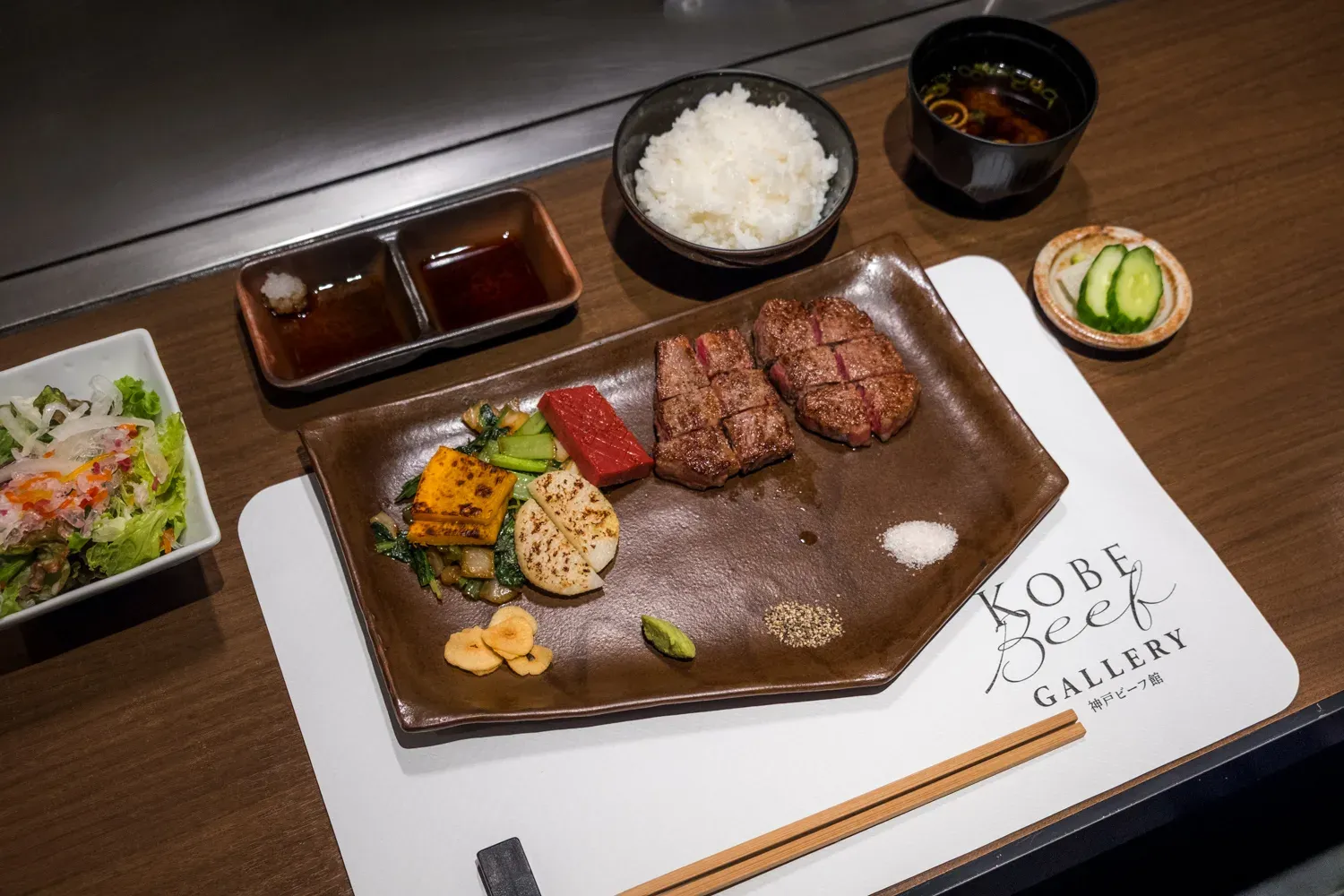
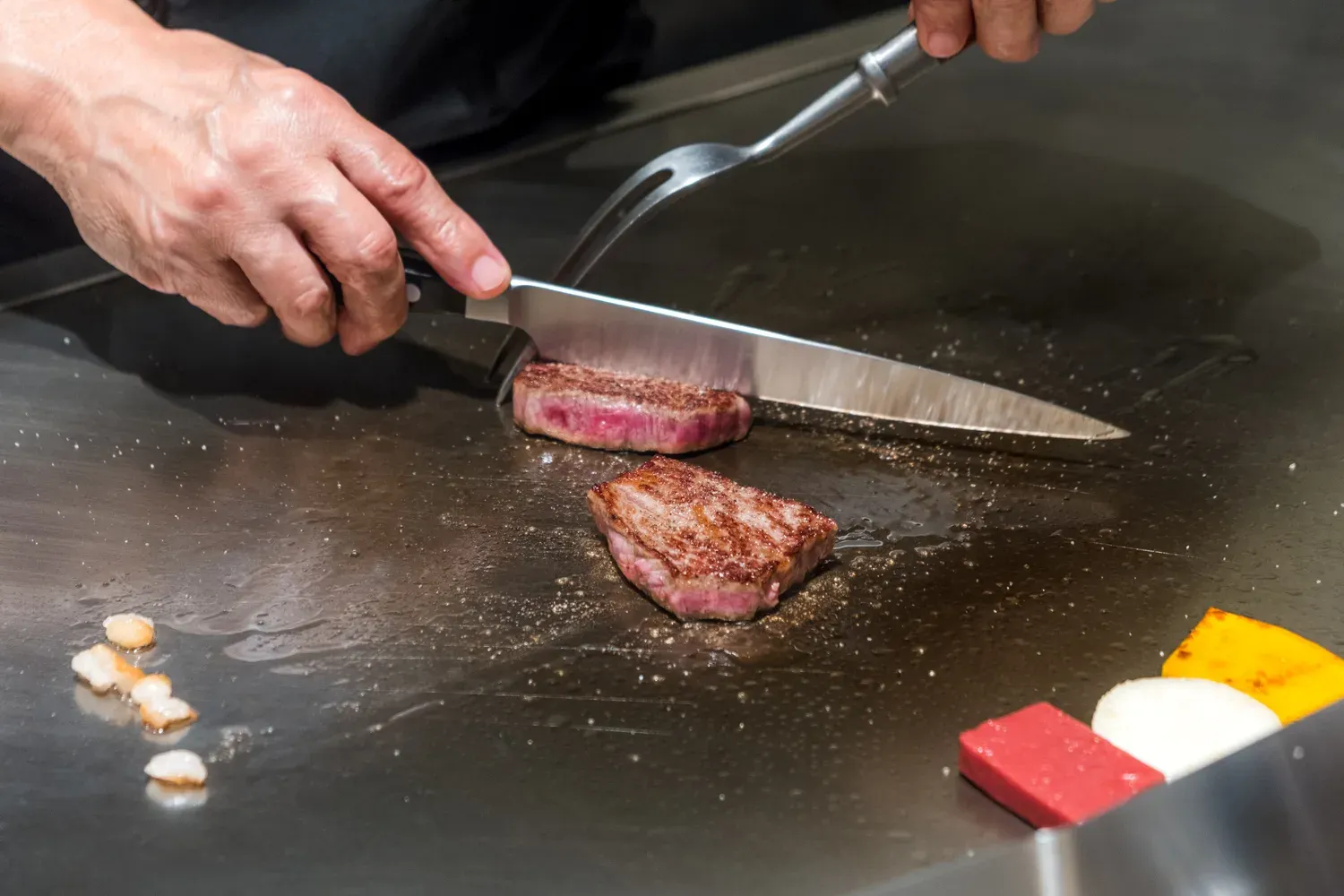
Serviert in verschiedenen Zuschnitten, darunter Filet und Sirloin, fällt sofort auf, wie mühelos das Messer durch das Fleisch gleitet, fast wie durch Butter. Gäste können den gewünschten Gargrad wählen, dazu stehen mehrere Dips, unterschiedliche Salz-und-Pfeffer-Varianten und sogar ein Hauch Wasabi für alle bereit, die eine leichte Schärfe wagen möchten.
2. Anago-meshi (Miyajima, Hiroshima) | Ein Umami-Schatz aus der Setouchi-See
Die Insel Miyajima vor der Küste der Präfektur Hiroshima ist vor allem für den Anblick des Itsukushima-Schreins bekannt, der bei Flut scheinbar auf dem Wasser schwebt. Darüber hinaus bietet die Insel einige weniger bekannte, aber ebenso besondere Erlebnisse. Eine der besten Möglichkeiten, den Besuch kulinarisch zu ergänzen, liegt direkt neben dem Fährterminal, das das Festland Hiroshimas mit Miyajima verbindet.
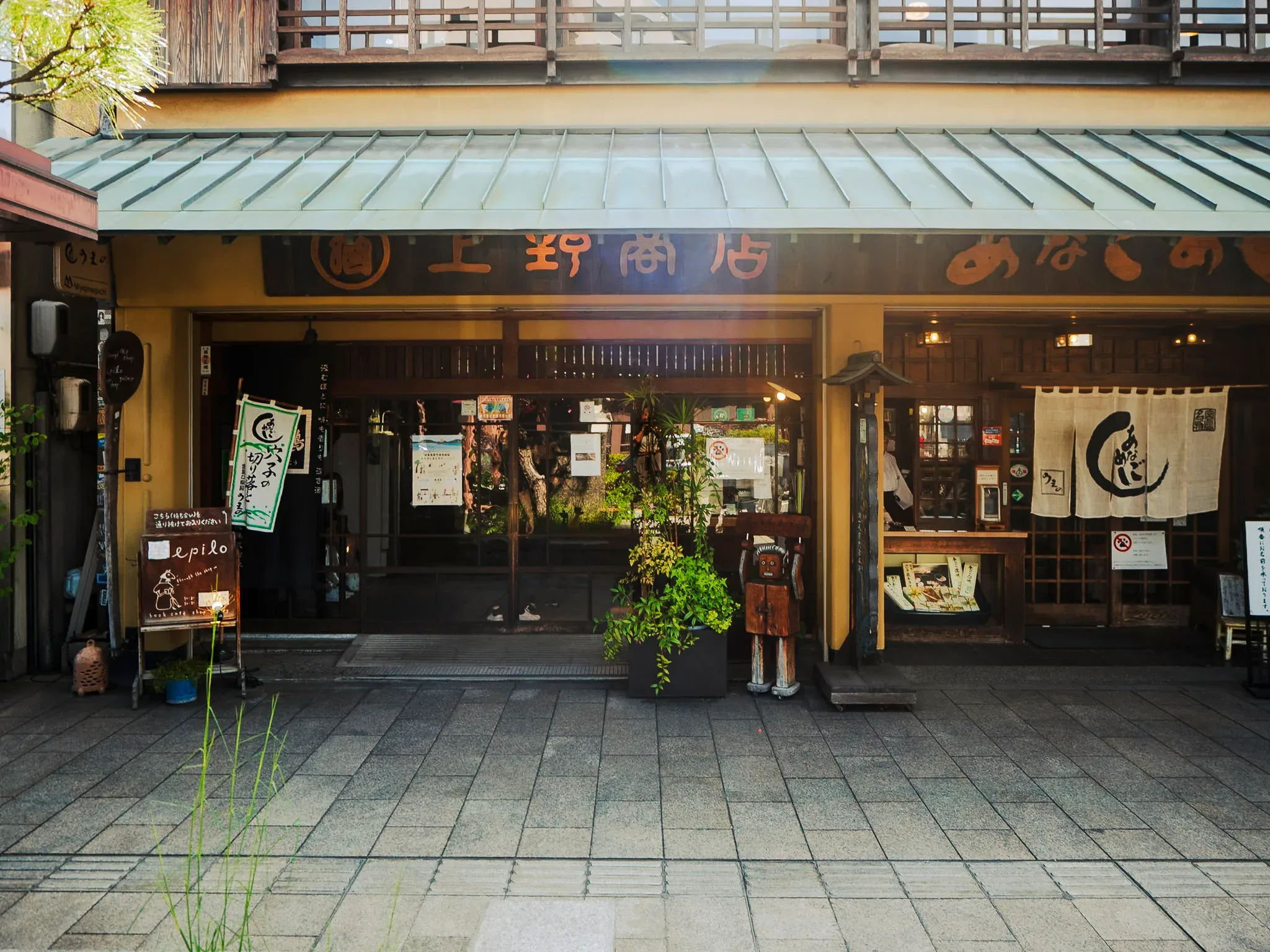
Direkt gegenüber dem Bahnhof JR Miyajimaguchi serviert Anago-meshi Ueno eine der beliebtesten Meeresdelikatessen Japans, Conger-Aal, mit einer Zubereitungsweise, die die natürliche Frische des in Hiroshima geschätzten Fisches betont. Schon beim Betreten spürt man die traditionelle Atmosphäre des Restaurants, das zugleich als Geburtsort des Gerichts gilt und tief in seiner Geschichte verwurzelt ist: Gegründet wurde es 1901 als Bento-Betrieb am Bahnhof. Damals lag der Fokus auf Reis, der mit Köpfen und Gräten von Anago (Salzwasseraal) gekocht und mit gegrilltem Conger-Aal belegt wurde. Heute wird das Gericht in einem klassischen Restaurantambiente serviert.
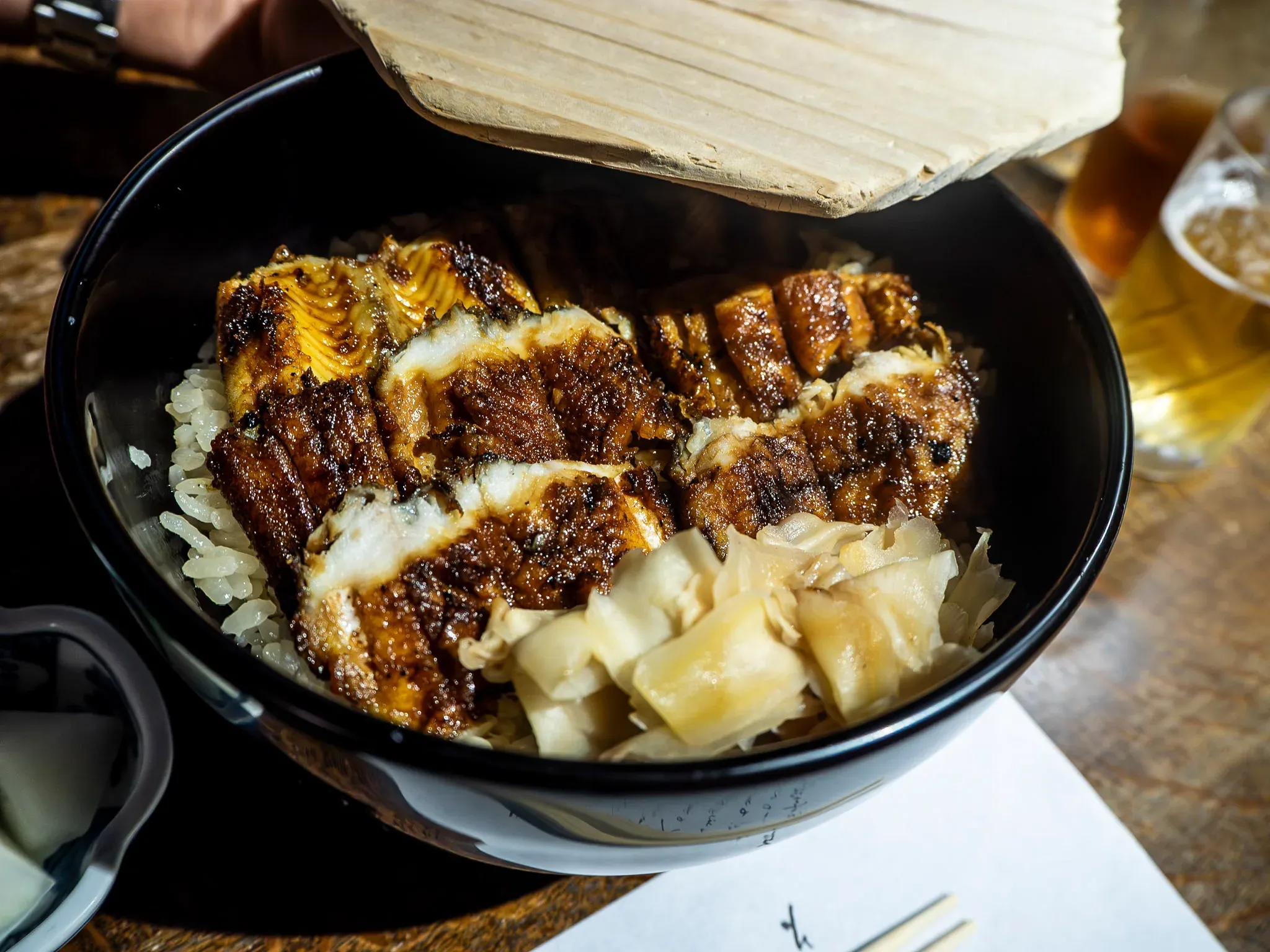
Der Conger-Aal bei Anago-meshi Ueno wird so zubereitet, dass sein Eigengeschmack im Vordergrund steht, im Gegensatz zum Kantō-Stil, der für eine süß-herzhafte Sauce bekannt ist. Feine Details prägen das Aroma, etwa das hellgrüne Sanshō-Pulver auf jedem Tisch, das milder ist als die gängigere Variante und aus Blättern und Stielen gemischt wird, um das Aroma anzuheben, ohne stark zu betäuben.
Die Herzlichkeit und Freundlichkeit der Betreiber prägen die Atmosphäre des Restaurants, und hinter dem Tresen sind es die kleinen, aber entscheidenden Wahlen, die die Qualität der Gerichte bestimmen.
Im Erdgeschoss befindet sich ein frei zugänglicher Gastraum, während der obere Bereich, Tanikichi, reserviert werden kann. Das Tagesmenü wechselt je nach Wochentag (von Freitag bis Sonntag gibt es auch ein Kindermenü) und wird auf der Website veröffentlicht, sodass Gäste sich im Voraus informieren können.
3. Karato Market (Shimonoseki, Yamaguchi) | Ein lebhafter Fischmarkt
Eines der besten kulinarischen Erlebnisse in dieser Region, geprägt von Meer und Land zugleich, ist es, in das geschäftige Alltagsleben eines lokalen Fischmarkts einzutauchen: Dort treffen Großhändler auf frühe Frühstücks- und Mittagsgäste, bedient von einer Vielzahl bunter Stände, die den Rhythmus dieses Ortes bestimmen.
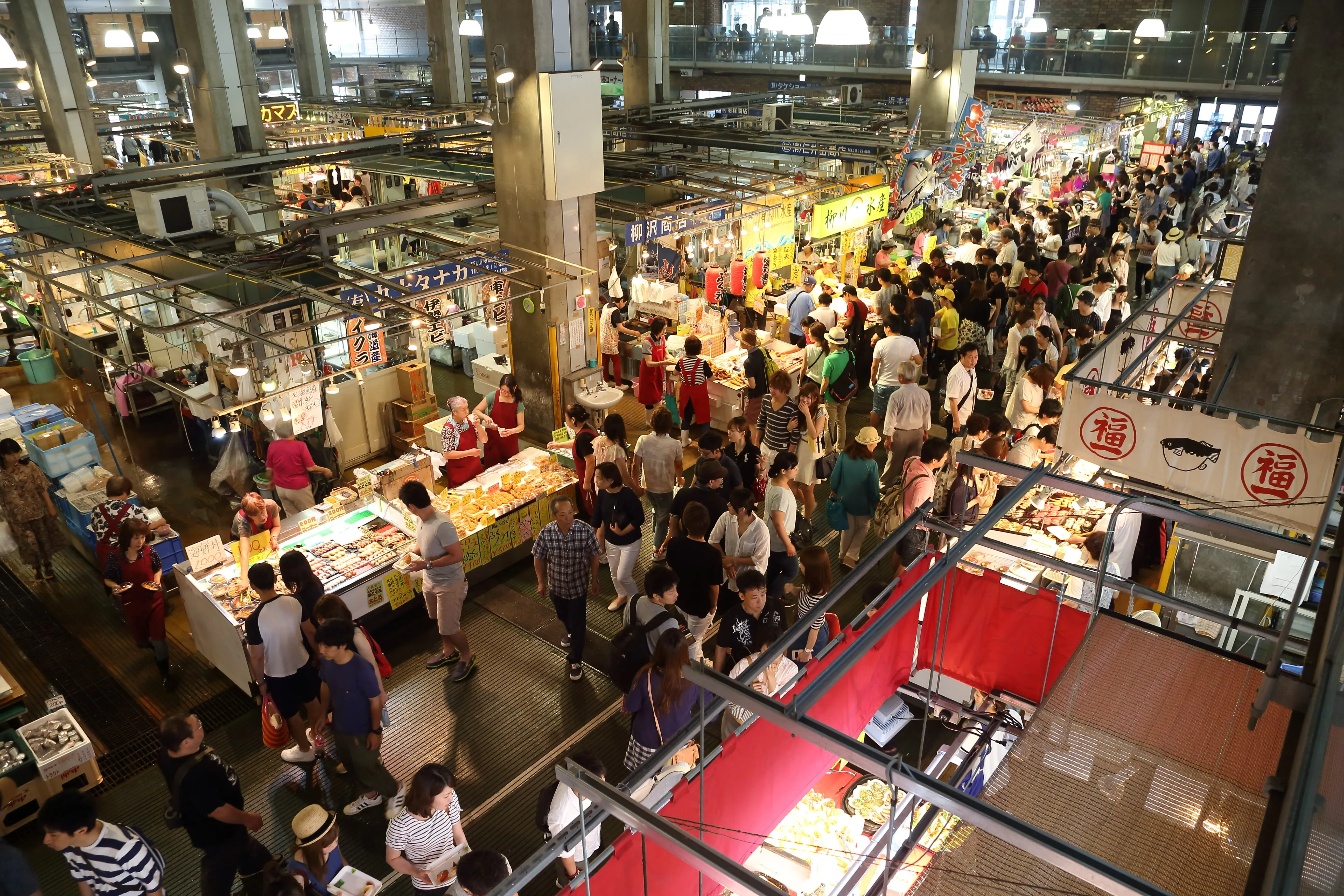
Der Karato-Markt liegt direkt am Meer in Shimonoseki, Präfektur Yamaguchi, etwa zehn Minuten mit dem Auto vom Bahnhof JR Shimonoseki oder zehn Minuten mit dem Bus entfernt, und spricht sowohl visuell als auch geschmacklich an. Ursprünglich 1933 als Shimonoseki Karato Fish and Produce Market eröffnet und 2001 in seiner heutigen Form neu eröffnet, ist der Markt neben anderen Fischsorten wie Seebrasse und Gelbschwanz vor allem für seinen frischen Fugu (Kugelfisch) bekannt. Diese Delikatesse zählt zu den begehrtesten Meeresfrüchten Japans, wegen der aufwendigen Zubereitung, die großes Können erfordert, und ihres unverwechselbaren Geschmacks.
Auch die Restaurantszene des Marktes ist so lebendig wie der Markt selbst und bringt Fischer, Landwirte und Gäste zusammen. Neben frischem Fisch finden sich hier auch zahlreiche Alltagslebensmittel, wodurch der Besuch zu einem umfassenden Einkaufserlebnis wird.
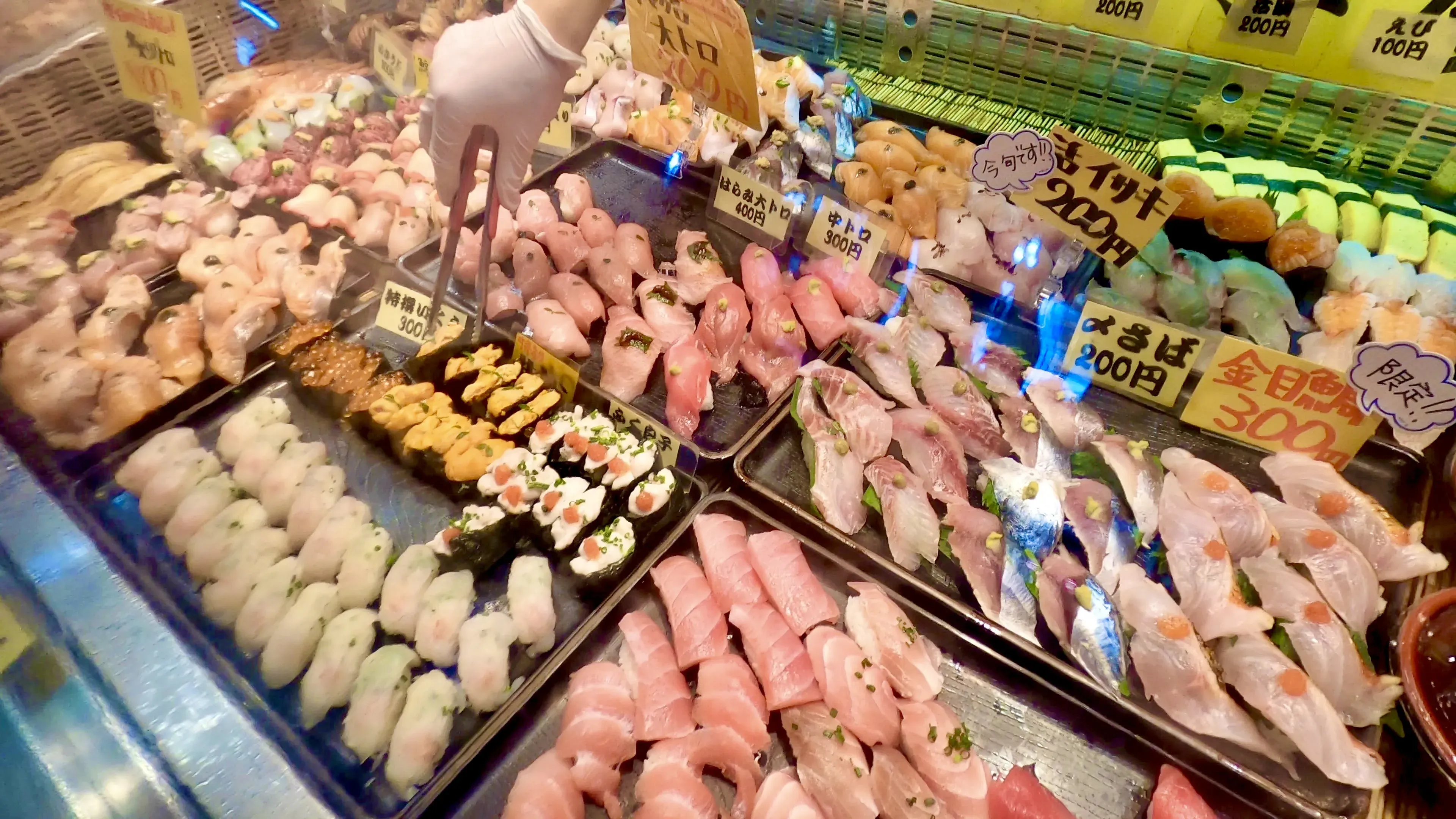
An Wochenenden und Feiertagen findet die Veranstaltung „Iki-iki Bakangai“ statt, bei der Besucher saisonalen Fisch zu günstigen Preisen kaufen und frisch zubereitete Meeresfrüchte direkt vor Ort genießen können. Ein Erlebnis, das Einheimische und Gäste zusammenbringt.
Die beste Zeit, um die volle Atmosphäre zu erleben, ist zwischen 5:00 und 8:00 Uhr morgens, wenn die ersten Geschäfte des Tages beginnen. Unter der Woche dominiert frischer Fisch das Bild und die lebhafte Stimmung erreicht ihren Höhepunkt.
4. Tai-Küche & frischer Fisch im Narumimaru (Naruto, Tokushima) | Den Reichtum der Naruto-Meerenge genießen
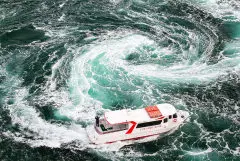
Direkt am Wasser in der Präfektur Tokushima und unweit der Aussichtsplattform für die stets beeindruckenden Naruto-Strudel, eine der stärksten Strömungen der Welt, liegt das Soba- und Lebendfischrestaurant Narumimaru. Es ist ein bei Einheimischen beliebter Ort, an dem Soba, Japans alltägliches Wohlfühlessen, gemeinsam mit Meeresfrüchten aus den umliegenden Gewässern serviert wird.
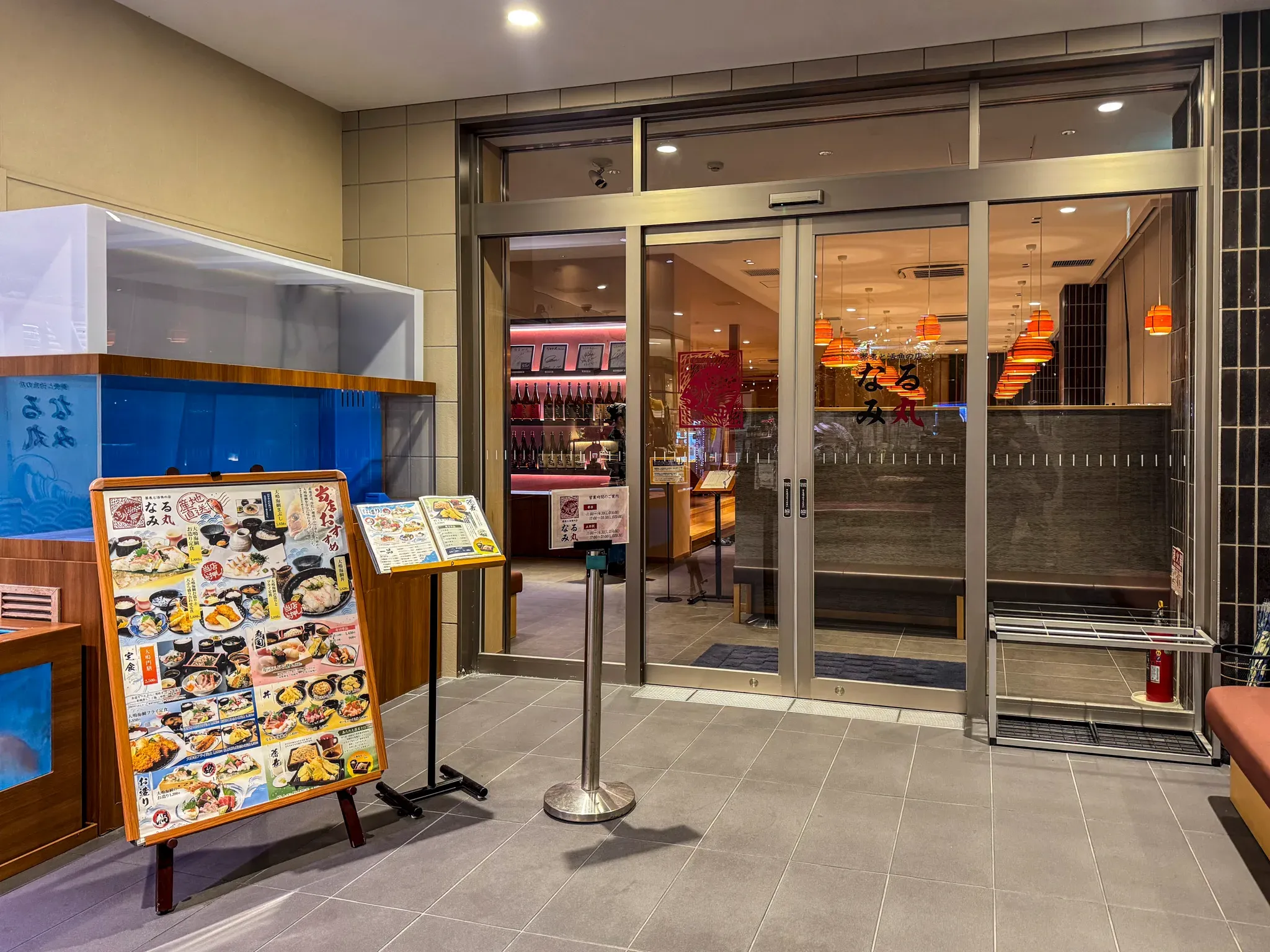
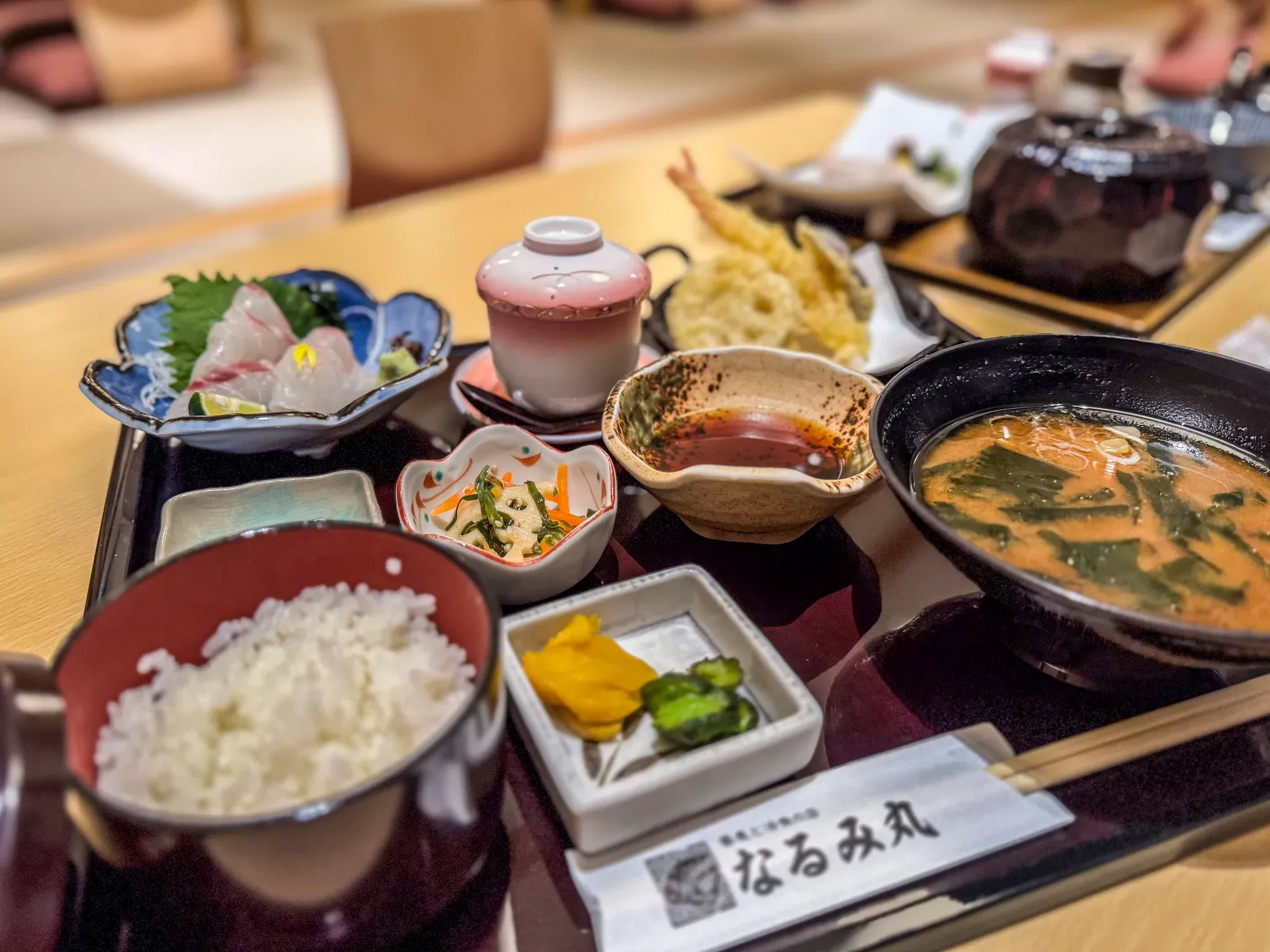
Direkt am Wasser in der Präfektur Tokushima und unweit der Aussichtsplattform für die stets beeindruckenden Naruto-Strudel, eine der stärksten Strömungen der Welt, liegt das Soba- und Lebendfischrestaurant Narumimaru. Es ist ein bei Einheimischen beliebter Ort, an dem Soba, Japans alltägliches Wohlfühlessen, gemeinsam mit Meeresfrüchten aus den umliegenden Gewässern serviert wird.
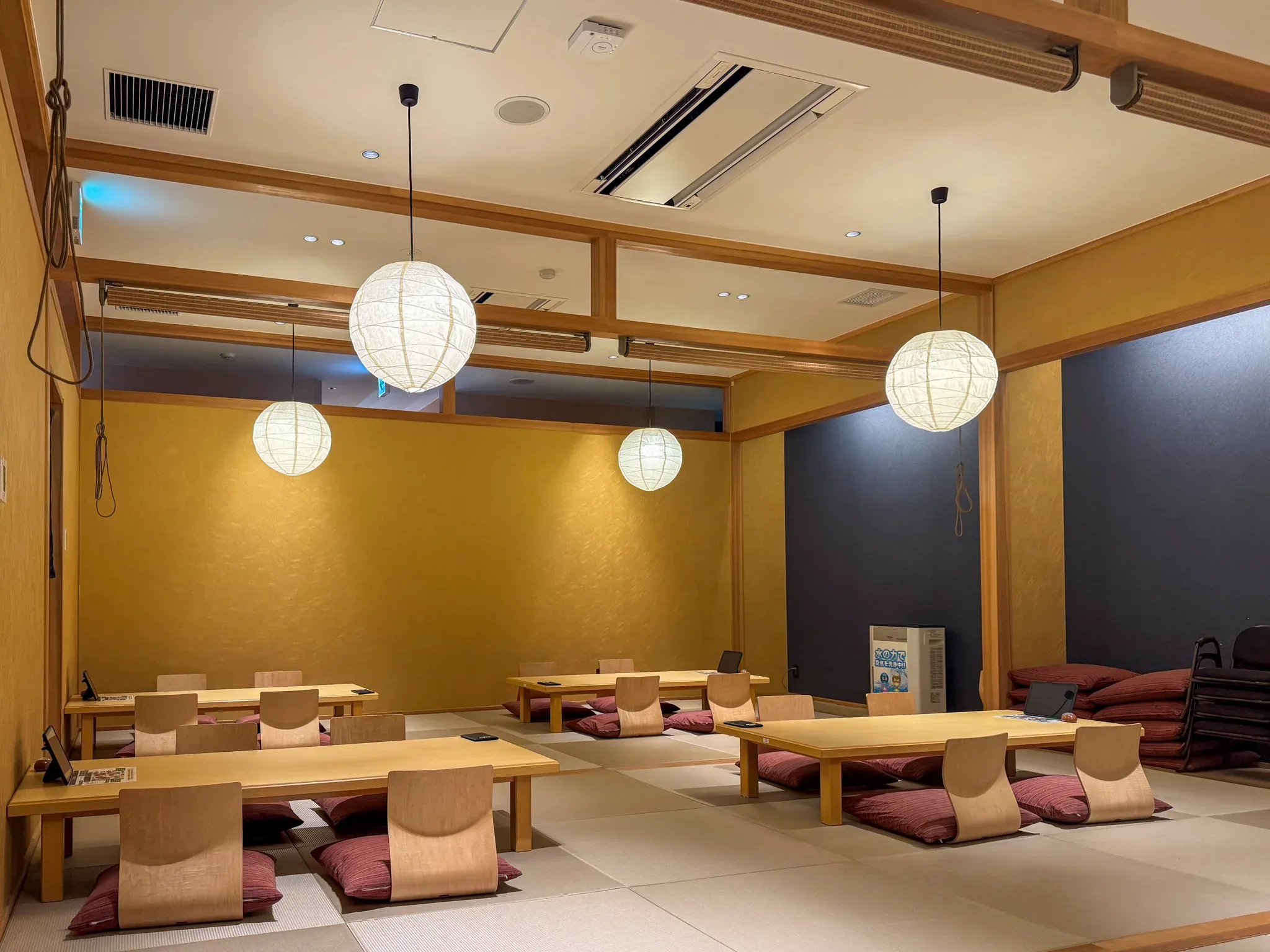
Für Gäste, die die Unterschiede genauer vergleichen möchten, empfiehlt das Personal eine dreistufige Abfolge: zuerst als Sashimi, dann über Reis (Tai-meshi oder ähnlich) und abschließend mit einem heißen Aufguss aus Tee oder leichtem Dashi. So lassen sich Textur und Umami direkt nebeneinander erleben.
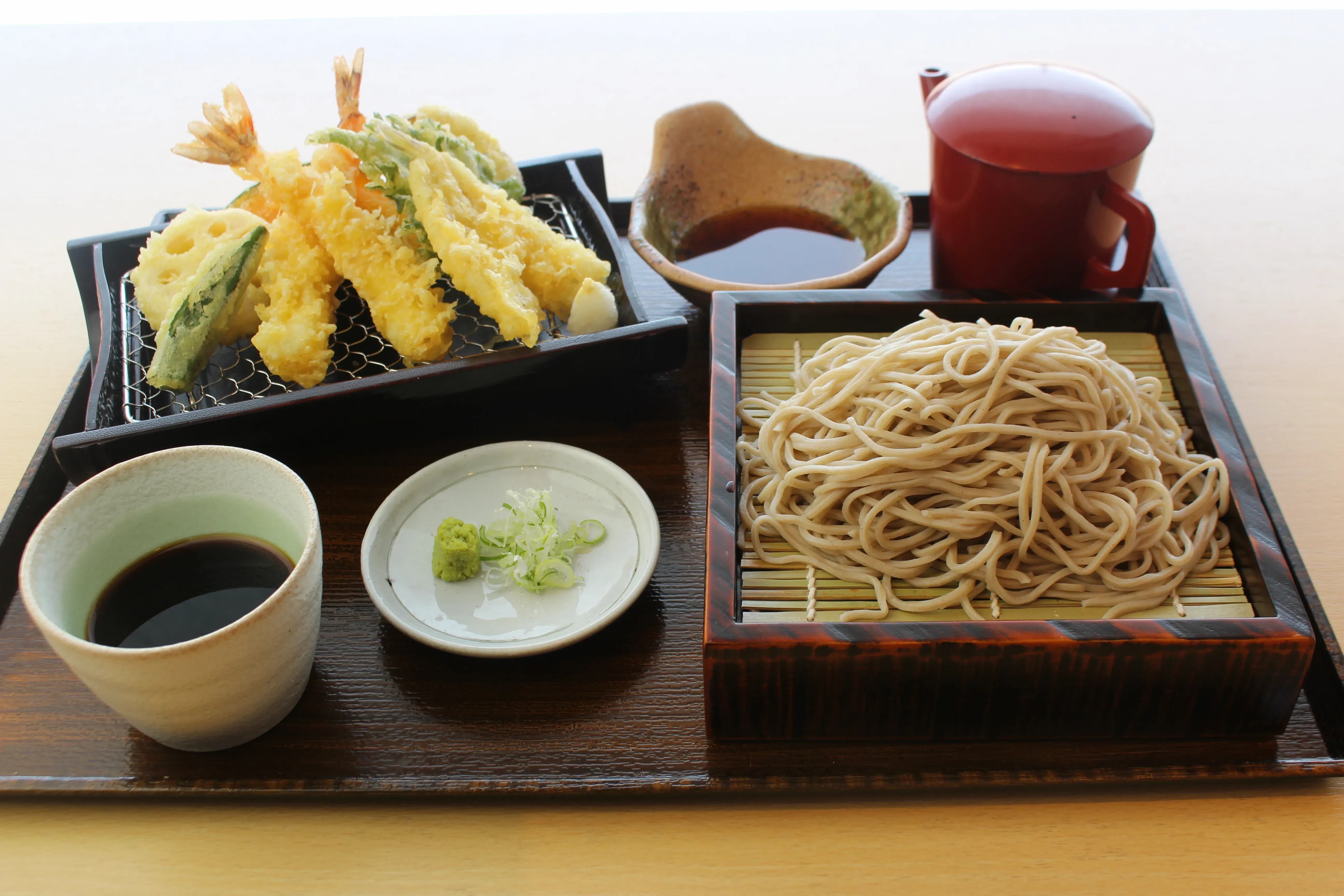
Es gibt außerdem ein Soba-Gericht, das im Haus hergestellt und üblicherweise zusammen mit dem Meerbrassen-Menü bestellt wird.
Narumimaru ist ein idealer kulinarischer Zwischenstopp im Zusammenhang mit dem Besuch der Naruto-Strudel, die nur eine kurze Busfahrt entfernt sind. Obwohl das Restaurant nicht ausdrücklich als vegetarisch wirbt, sind die Gastgeber gerne bereit, auf Ernährungswünsche einzugehen, wenn diese bei der Reservierung oder bei Ankunft angesprochen werden.
5. Sanuki Udon by age 18 (Kagawa)
Sanuki Udon ist eines der bekanntesten regionalen Gerichte der Präfektur Kagawa. Berühmt für seine feste, bissige und fast spielerische Textur, ist es in ganz Japan so beliebt, dass viele Menschen die Vorstellung von „Udon“ unmittelbar mit Sanuki Udon verbinden. Traditionell basiert die Suppe auf Iriko-Dashi aus getrockneten Sardinen, ein Kernaroma der regionalen Udon-Kultur, das zwar charakterstark ist, aber nicht jedem zusagt.
Das Restaurant by age 18, mit seinem ungewöhnlichen Namen nahe Shioya (in Küstennähe beim Bahnhof Shioya), serviert Sanuki Udon mit einem modernen Ansatz und macht das Gericht für Gäste mit unterschiedlichen Ernährungsweisen oder Einschränkungen zugänglich. Der Name ist eine Hommage an Albert Einstein und von seinem Zitat inspiriert: „Der gesunde Menschenverstand ist die Sammlung von Vorurteilen, die man bis zum achtzehnten Lebensjahr erworben hat.“
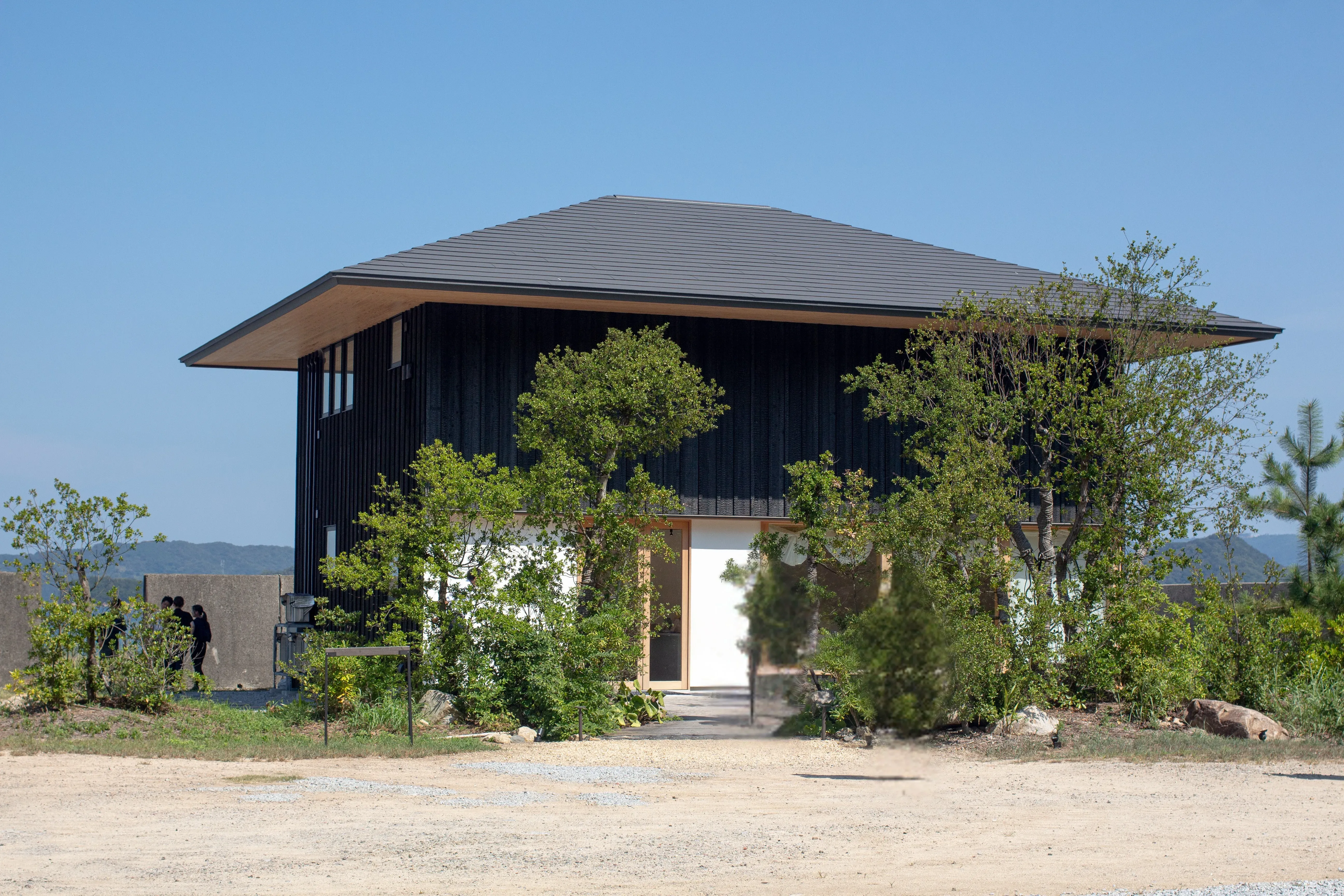
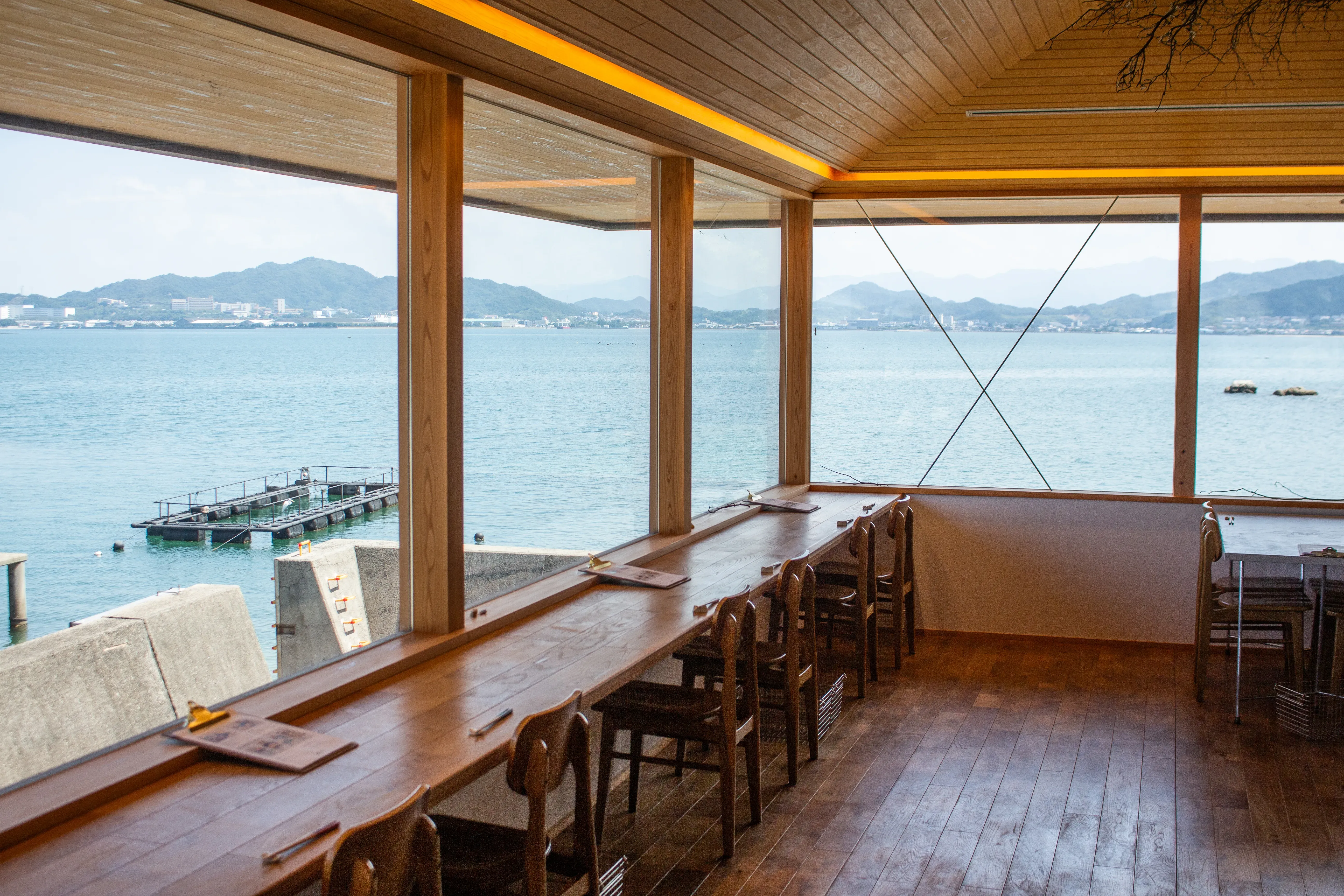

Das Restaurant verbindet moderne, zugleich typisch japanische Innenräume mit einer wunderschönen Lage am Meer.
In der Zubereitung legt by age 18 gleichermaßen Wert auf die Textur und das Aroma der Udon und hält dabei eine feine Balance zwischen beiden. Sämtliche Zutaten sind pflanzlich und glutenfrei, von den Nudeln bis zum Käse-Topping, sodass das Angebot sowohl für Veganer als auch für Gäste mit Glutenunverträglichkeit geeignet ist.
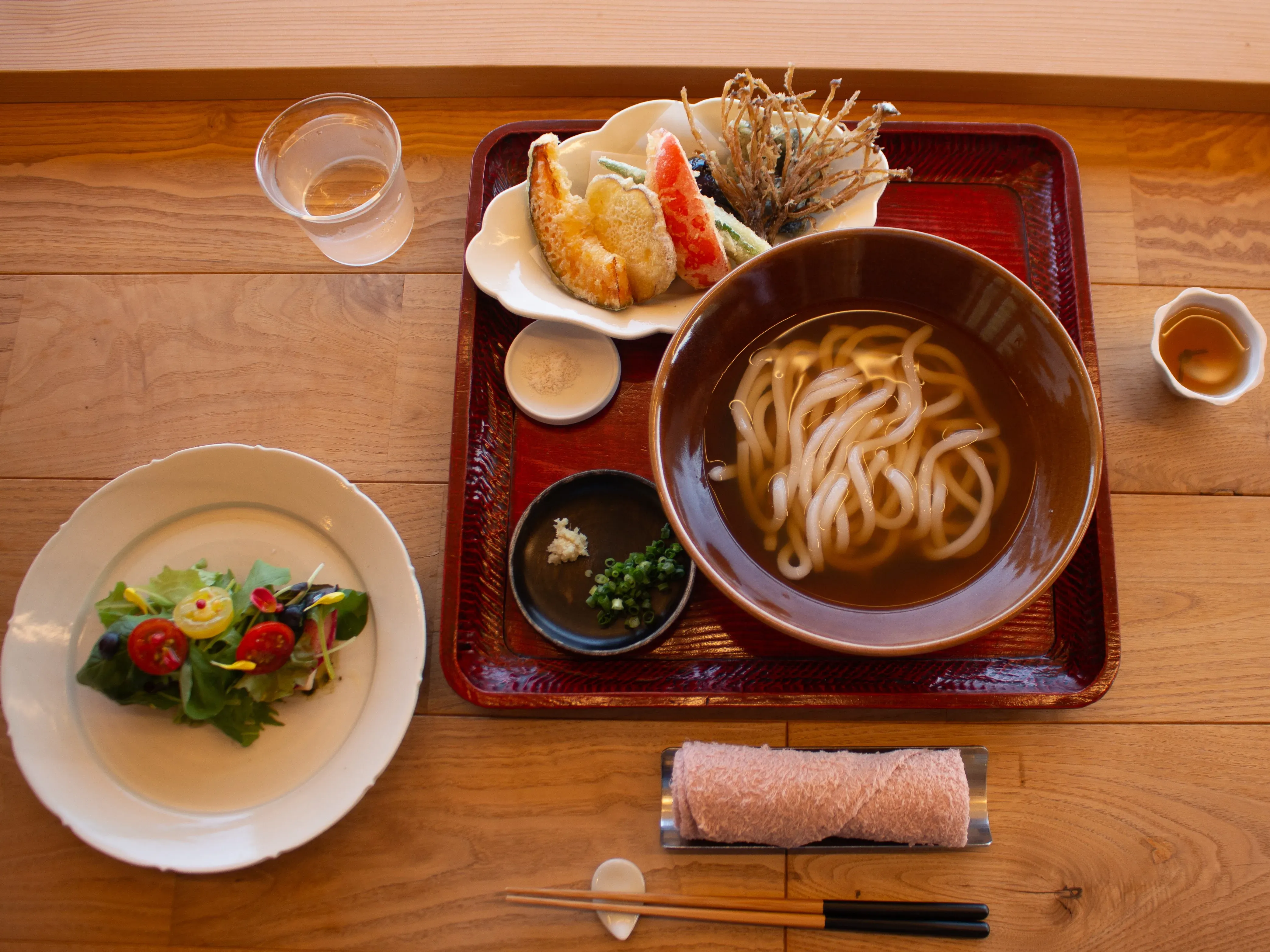
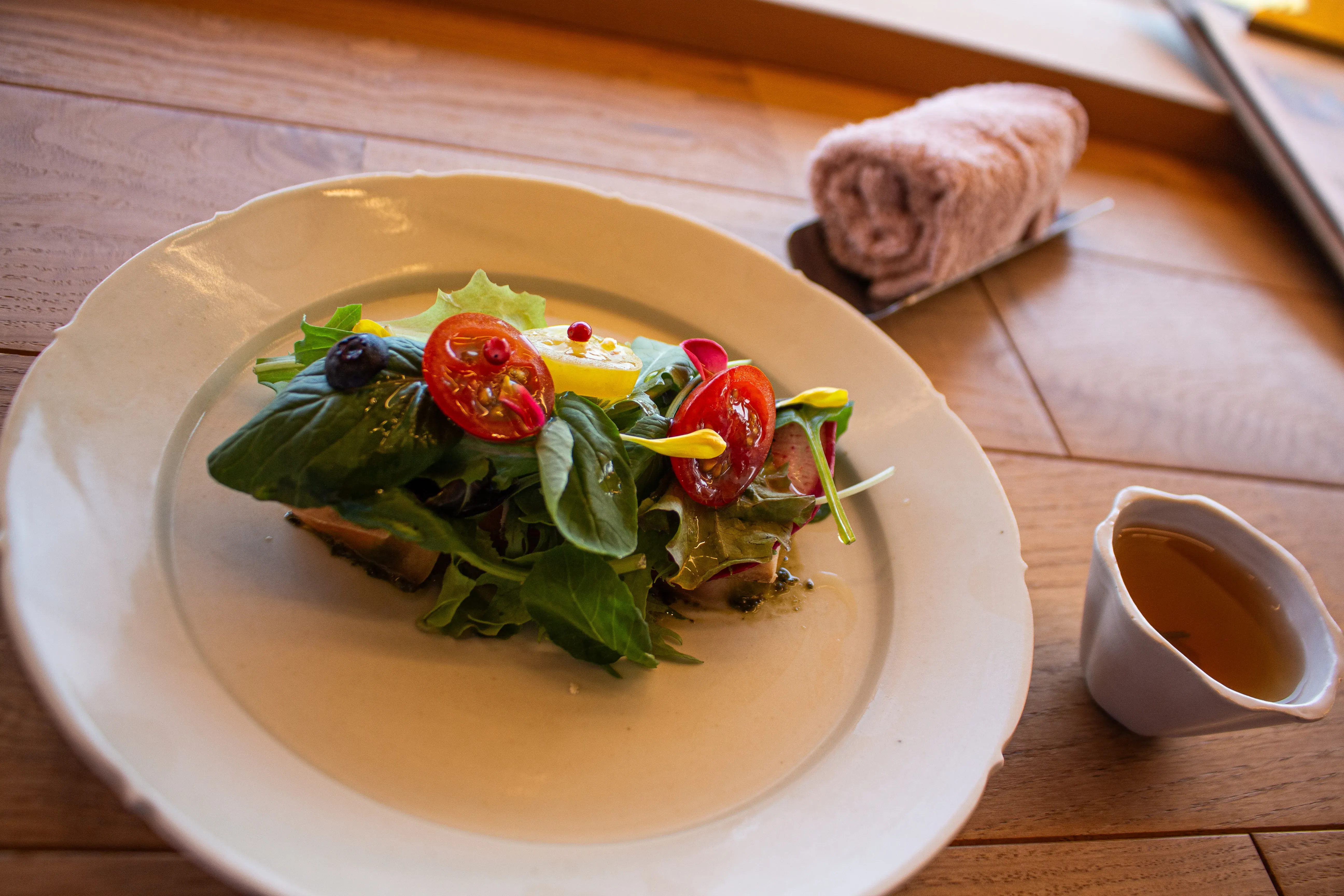
Vegane Gerichte werden als Menüs serviert, oft begleitet von leichten, knusprigen Tempura. Die Betreiber möchten ihren Gästen ein längeres, entspanntes Essen ermöglichen, statt einer schnellen Schüssel im Vorbeigehen. Die bewusst minimalistische, zugleich gemütliche Einrichtung unterstützt dieses Konzept.
Atmosphäre, Zutaten und Zubereitungsweise folgen einer klaren Vision: Menschen aus aller Welt, auch mit unterschiedlichen Ernährungsbedürfnissen, sollen gemeinsam dieselbe Mahlzeit genießen können.
6. Zusammenfassung | Setouchis „Geschmacksgeschichte“, gewoben aus Natur und menschlichem Können
Wir hoffen, dass diese kulinarische Reise durch die Setouchi-Region einen persönlichen Zugang zu einer faszinierenden Esskultur eröffnet, die von lokalen Traditionen und dem stetigen Zusammenspiel von Binnenmeer und Küstenbergen geprägt ist.
Die Region beherbergt einige der raffiniertesten Speisen, die Japans kulinarische Traditionen weltweit repräsentieren, darunter Kobe-Rind und Fugu, bietet aber ebenso unzählige Möglichkeiten, tiefer einzutauchen und hochlokale Spezialitäten zu entdecken, deren ausgeprägter Geschmack der unberührten Natur zu verdanken ist. Jeder Stop steht für sich, doch zusammen erlebt, entfalten sie die Einzigartigkeit Setouchis in voller Tiefe.
Verwandte Artikel
-
 Essen & Trinken
Die Geschichte und Kultur von Setouchi durch Süßigkeiten entdecken
-
 Essen & Trinken
Eine Feinschmecker-Tour in Hiroshima und Yamaguchi
-
 Essen & Trinken
Spirituosen-Tour durch Setouchi - Whisky, Sake, Craft-Bier und vieles mehr
-
 Essen & Trinken
Erkundung des Terroirs und der Gastronomie von Hyōgo: Ein Fest für‘s Auge und den Magen!
-
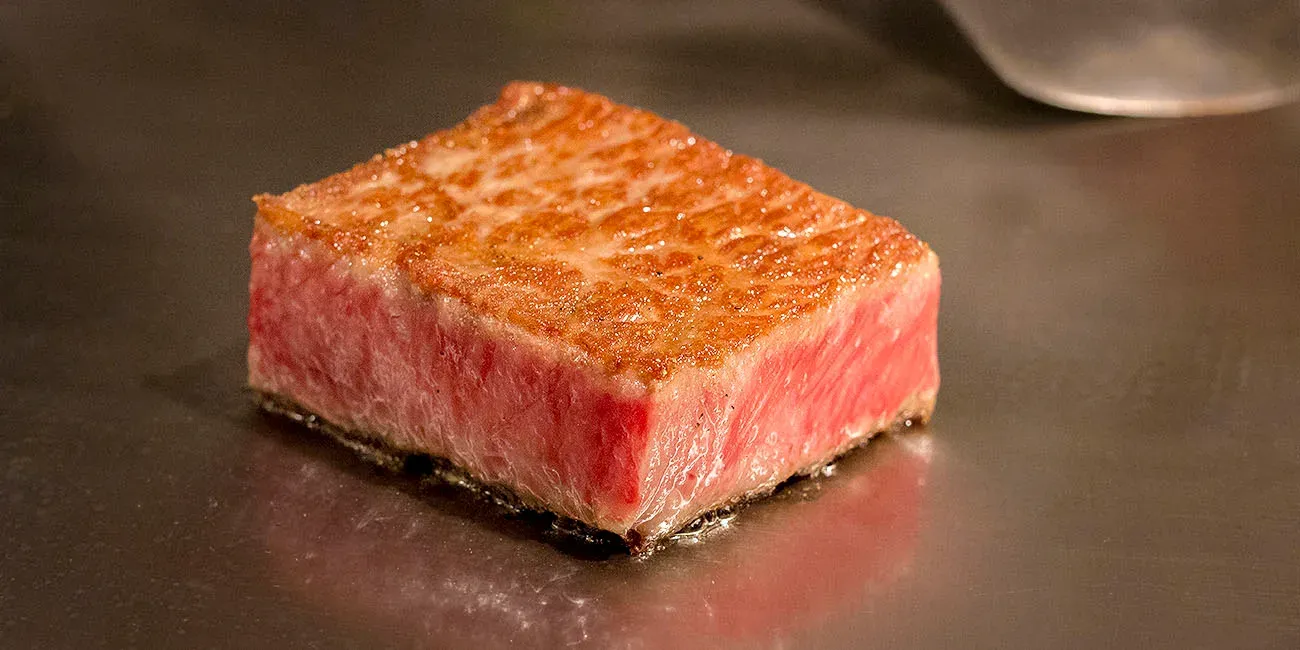 Essen & Trinken
Setsugetsuka – Heimat des berühmten Kobe Steak
-
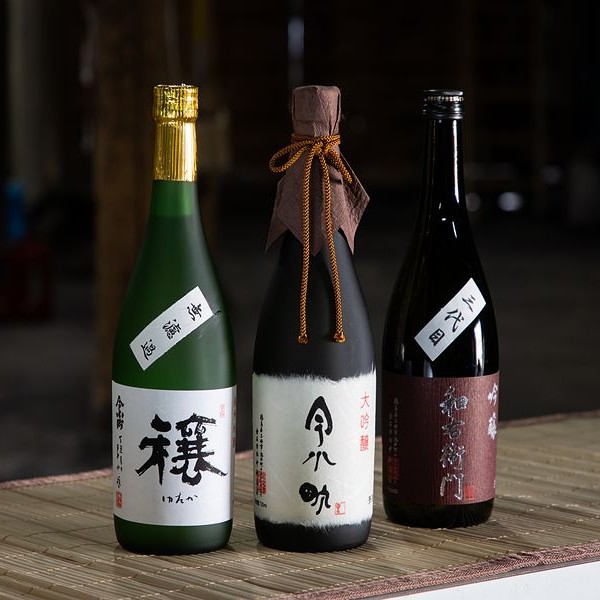 Essen & Trinken
Fünf Sake-Brauereien in Setouchi zum Besichtigen und Sake-Erleben
-
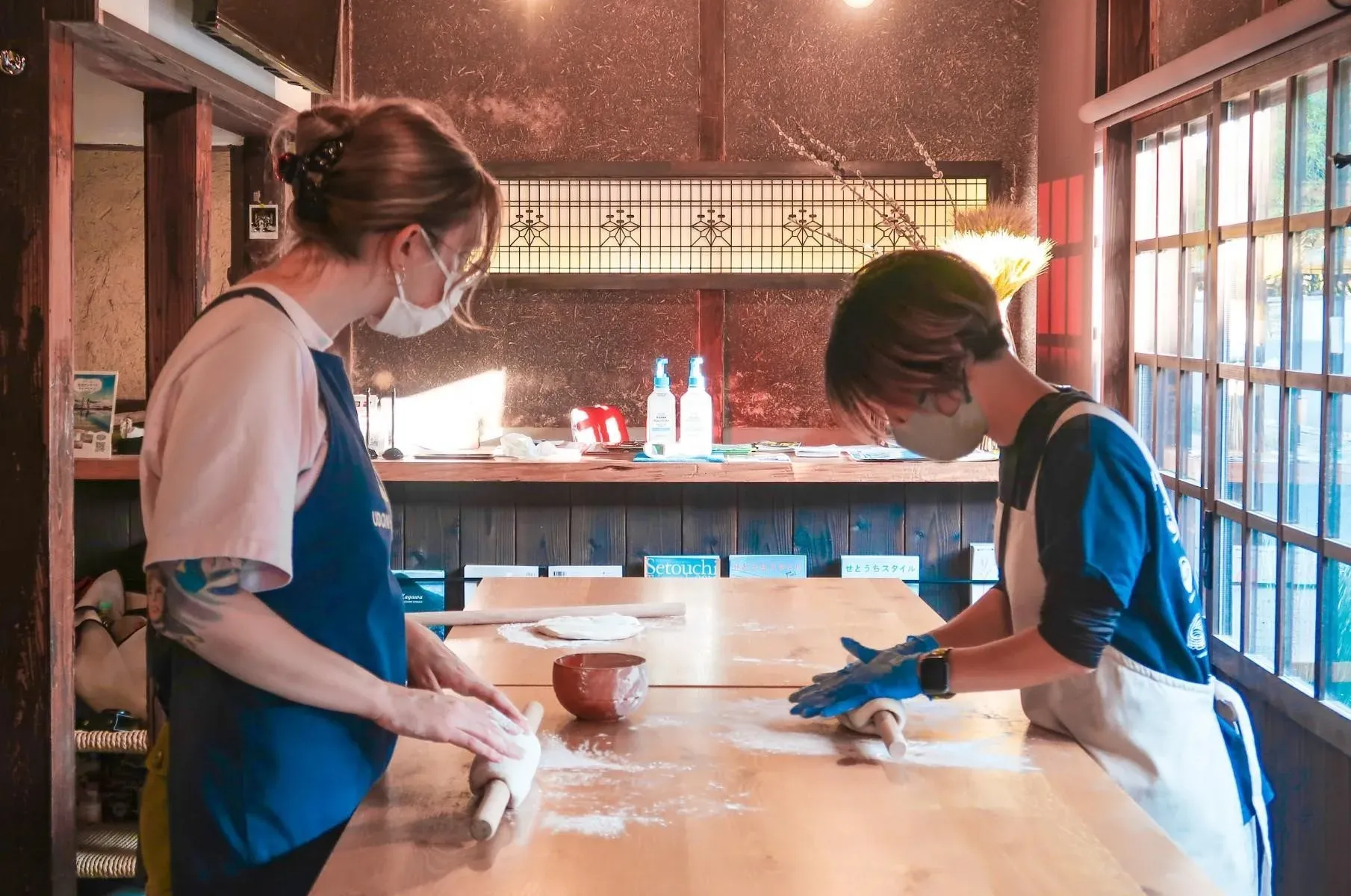 Essen & Trinken
Der Soul Food von Setouchi: Udon-Nudeln selber machen im Udon House!
-
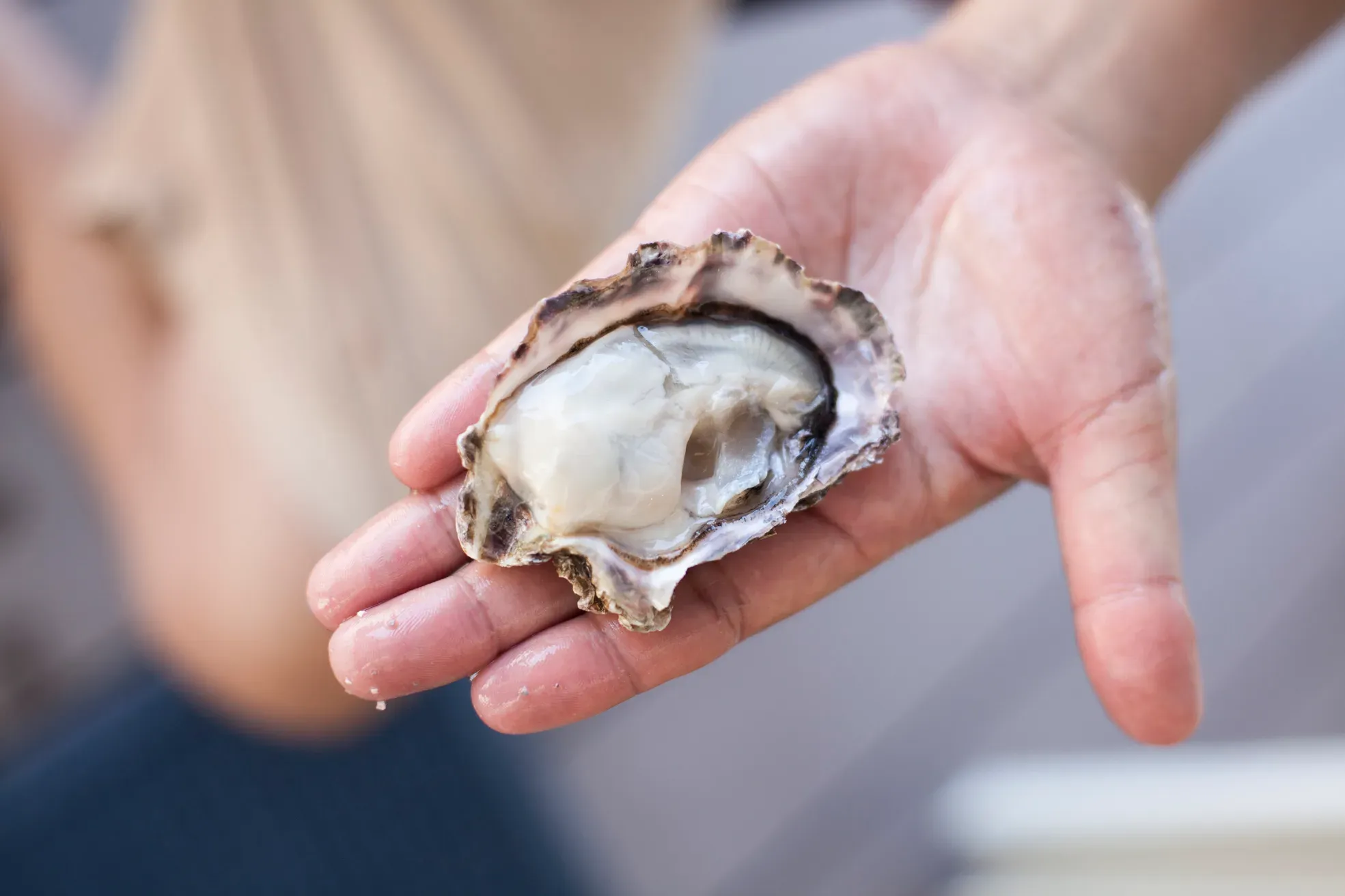 Essen & Trinken
Muscheln an der Meeresküste – Rohe Austern auf der Suzuki Farm
VERWANDTE REISEZIELE
Hyogo
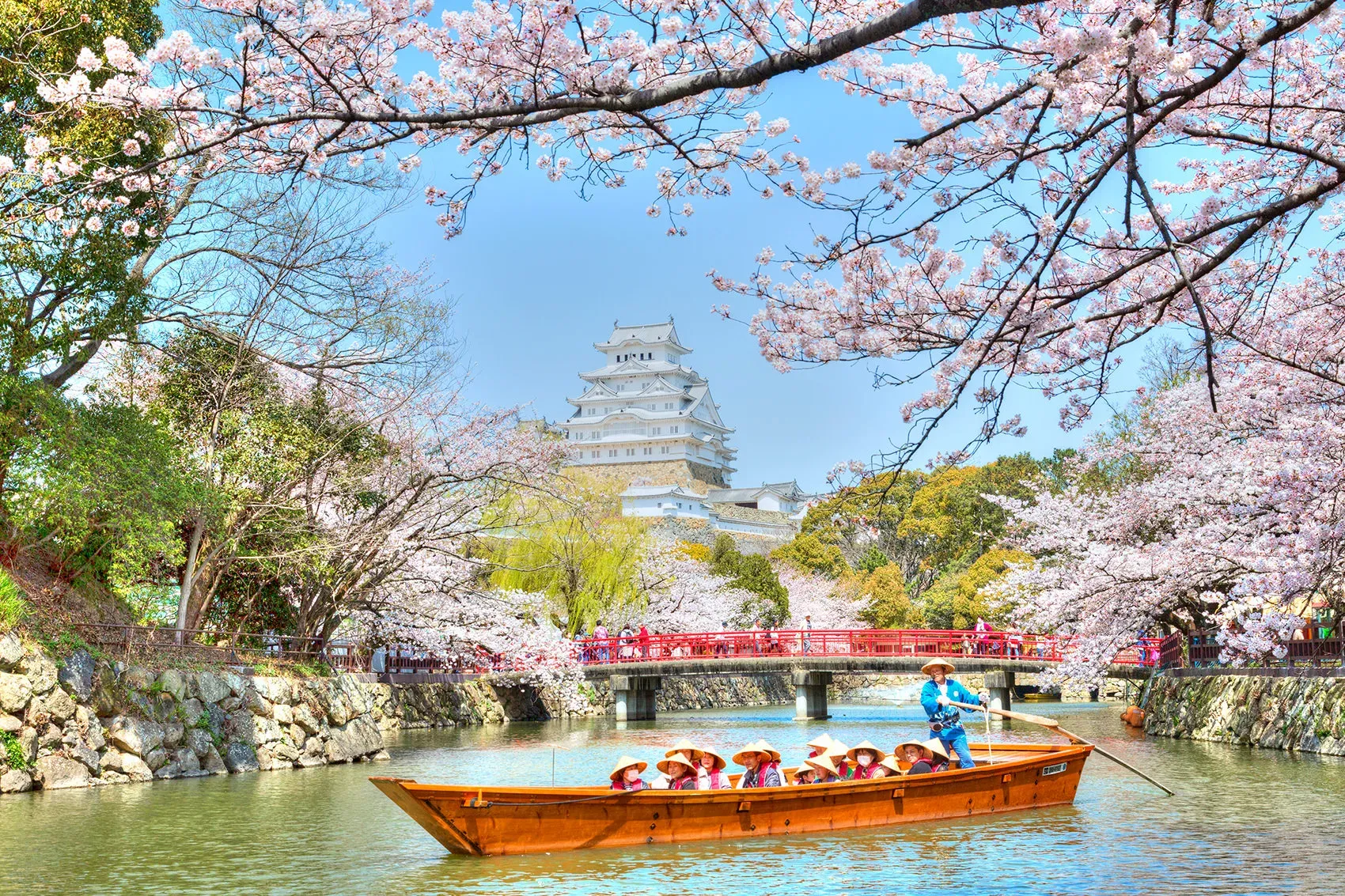
Die Hyogo-Präfektur bildet ungefähr den Mittelpunkt des japanischen Archipels. Die hier gelegene Hafenstadt Kobe spielt eine wichtige Rolle als das Tor zu Japan. Darüber hinaus gibt es zahlreiche touristische Attraktionen wie die Himeji-Burg, die als ein UNESCO-Weltkulturerbe anerkannt ist, sowie mehrere Thermalquellen. Das "Kobe Beef", eine der drei wichtigsten Sorten von Wagyu-Rindfleisch, ist eine weithin bekannte Delikatesse.